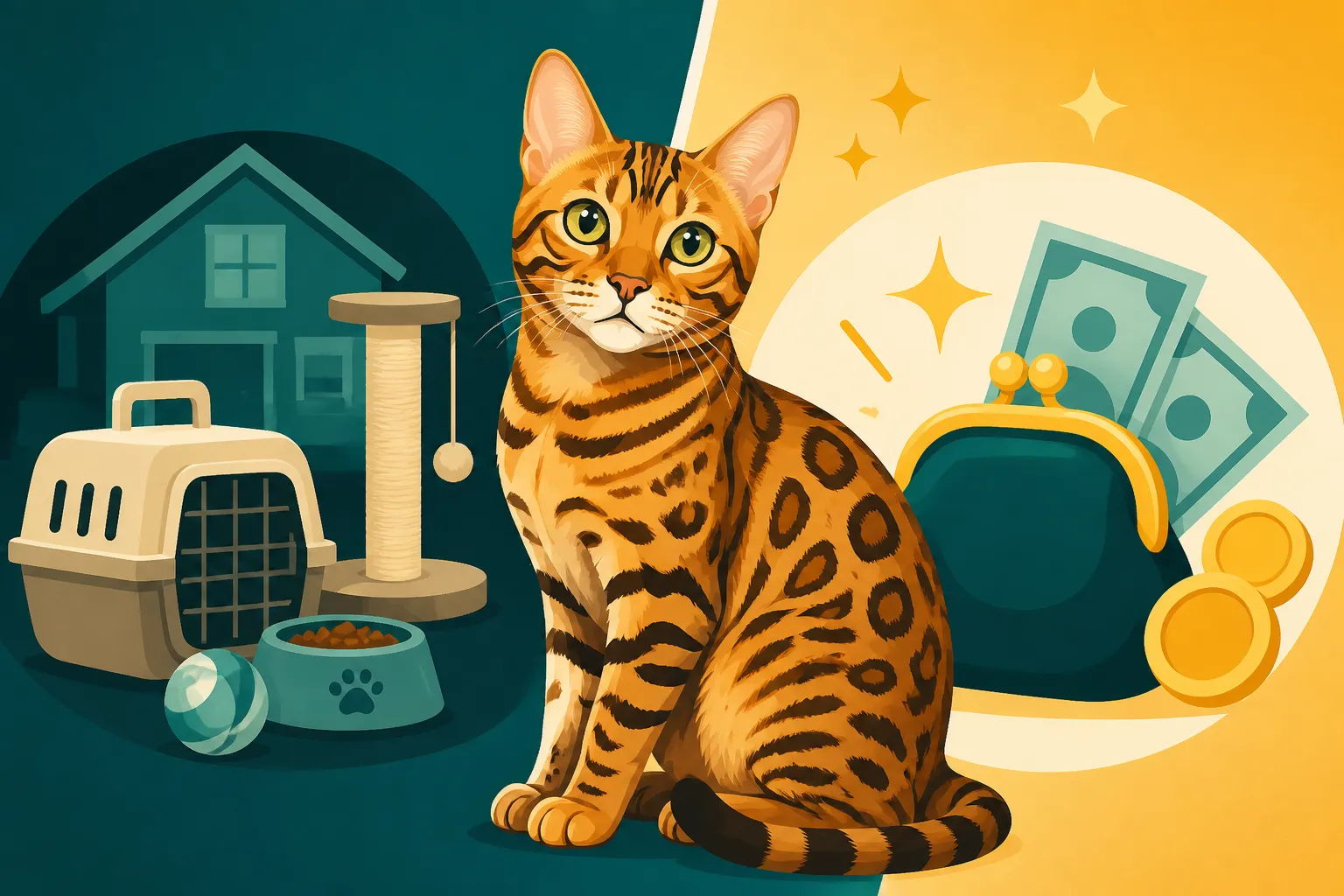
What an F2 Bengal Cat Costs
Bringing an F2 Bengal cat into your home is an exciting prospect, full of visions of a stunning, intelligent, and energetic companion. However, many prospective owners are caught off guard by the actual financial commitment involved, especially when moving beyond the more common SBT (Stud Book Tradition) Bengals. This guide will walk you through the often-unseen costs and considerations, from the initial price tag to the extensive lifetime expenses, helping you understand what it really means to own an F2 Bengal.
Understanding the F2 Bengal Cat Generation
Before we dive into the numbers, it’s crucial to understand what an F2 Bengal cat truly is. The "F" stands for filial, indicating how many generations removed the cat is from its wild ancestor, the Asian Leopard Cat (ALC). This generation number isn't just a label; it profoundly impacts a Bengal's temperament, appearance, legal status, and, most importantly for our discussion, its cost.
What "F2" Actually Means for a Bengal
An F2 Bengal cat means that one of its grandparents was an actual Asian Leopard Cat. To put it simply, an F1 Bengal has an ALC parent and a domestic Bengal parent. An F2 Bengal then has an F1 parent and a domestic Bengal parent. This means that while your F2 Bengal might have a domestic cat for a mother or father, one of its grandparents still roamed the jungles of Asia. This close lineage to a wild cat means F2s often retain more of the ancestral traits than later generations like F4s or SBTs.
You might notice an F2 Bengal has a particularly strong wild look, with pronounced facial markings, larger ears, and that distinctive "pelted" coat. Their personality can also carry more of the ALC's characteristics. While they are certainly domesticated and raised in a home environment, they often exhibit higher energy levels, a more pronounced prey drive, and a unique vocalization pattern. They are still affectionate and can bond deeply with their families, but their wild heritage is a significant part of their charm and their demands. If you want to delve deeper into the generational count, you can explore How a Bengal Cat's Generation Is Counted.
The Legal Landscape for F2 Bengal Cats
This is where the distinction becomes particularly critical for your wallet and your peace of mind. Because of their closer lineage to a wild ancestor, F2 Bengal cats are subject to far more stringent regulations than their later-generation counterparts in many regions. What might be perfectly legal for an SBT Bengal could be illegal or require special permits for an F2.
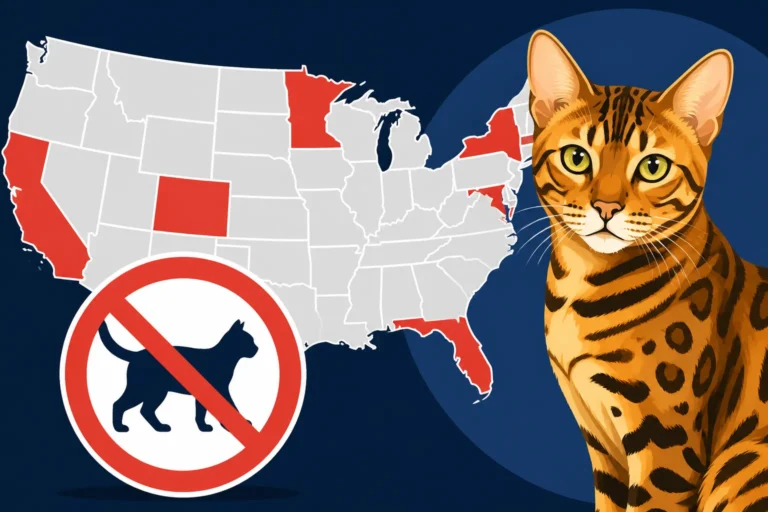
Many states and even specific cities have laws restricting the ownership of hybrid cats, with the cutoff often falling at the F4 or F5 generation. An F2 often falls squarely into these restricted categories. You might live in a state where an F2 is permitted, but your specific city or county could have an ordinance banning them outright. Ignoring these laws isn't just a risk; it can lead to hefty fines, confiscation of your beloved pet, and immense heartache. It is absolutely paramount to research your local, county, and state laws before even considering an F2 Bengal. This is not a step to skip, and it's definitely worth checking out resources like Where a Bengal Cat Is Illegal in the United States for a general overview, but always double-check your hyper-local regulations. You might find you need to apply for special permits or even acquire specific caging requirements, all of which add to the overall cost and complexity.
Breaking Down the Initial Purchase Price of an F2 Bengal Cat
Now let's get to the elephant in the room: how much does an F2 Bengal cost upfront? You'll quickly discover that the price tag for an F2 can be significantly higher than for an SBT Bengal, and there are several very good reasons why.
Why F2s Command a Higher Price Tag
First and foremost, F2 Bengals are simply rarer. Breeding F1 Bengals to produce F2s requires specialized knowledge, facilities, and a deep understanding of hybrid cat care. F1 males are typically sterile, meaning breeders must use fertile F1 females, which are less common, and then breed them back to an SBT male. This intricate breeding process means fewer F2 kittens are born each year compared to the more numerous SBT kittens. Less supply combined with consistent demand for those unique, wilder traits naturally drives up the price.
Furthermore, the level of expertise and resources required by breeders of early-generation Bengals is substantial. They need to understand the specific health needs, behavioral tendencies, and legal requirements associated with these cats. This often translates into higher costs for the breeder, including specialized vet care, more extensive housing, and the considerable time investment needed to socialize these kittens appropriately. These costs are then, understandably, reflected in the kitten's purchase price. Breeders also invest heavily in genetic testing to ensure the health of their lines. The cost of running a comprehensive What the DNA Panel a Bengal Cat Breeder Runs Costs is a significant expense that gets factored into the kitten's price. Compared to say, Why an F1 Bengal Cat Costs Most of All, an F2 might be a bit less, but still substantially more than a standard pet.
Factors Influencing the F2 Price Range
The exact price you'll pay for an F2 Bengal can vary quite a bit, but it will almost always be on the higher end of the Bengal spectrum. Expect prices to be in the multiple thousands, easily surpassing many domestic purebred cats.
Several factors contribute to this range:
- Breeder Reputation and Lineage: Reputable breeders who invest in champion lines, extensive health testing, and impeccable socialization will naturally charge more. They are selling not just a kitten, but a healthy foundation, strong genetics, and a well-started companion. The "pedigree" of an F2, tracing back to the quality of its ALC ancestor and the domestic lines used, plays a huge role.
- Physical Traits: The "wilder" the look, often the higher the price. This includes the clarity and contrast of the rosetting, the presence of strong horizontal flow, the vibrancy of the glitter gene (which gives the coat a shimmering quality), and the overall conformation to the breed standard. Unique colors like snow or charcoal can also influence the price, though the generation generally dictates a higher base cost.
- Location: As with most things, geography can play a part. Demand and availability vary by region, and breeders in areas with higher costs of living or specialized facilities might price their kittens accordingly.
- Pet vs. Breeding Quality: While most F2s are sought for their breeding potential or show quality, some may be sold as "pet quality" if they don't quite meet the stringent breed standards for conformation or have minor, non-health-related faults. Even a pet-quality F2 will be considerably more expensive than an SBT pet. For a clearer understanding of how this works, you can read about What a Breeder Quality Bengal Cat Costs More. Be very wary of any F2 offered at a price that seems too good to be true, as it often is.
Beyond the Purchase: First-Year Expenses for an F2 Bengal
The initial purchase price is merely the entry fee into the world of F2 Bengal ownership. The first year, especially, comes with a host of additional costs that can quickly add up. These aren't just typical kitten expenses; they're often amplified by the unique needs of an early-generation hybrid cat.
Setting Up a Home for an Active F2 Bengal
An F2 Bengal is not your average couch potato. Their wild ancestry means they are incredibly active, intelligent, and require significant mental and physical enrichment to thrive. Skimping on these initial setup costs is a recipe for disaster, leading to bored, destructive behaviors that can cost you far more in repairs and frustration down the line.
You'll need tall, sturdy cat trees that can withstand vigorous climbing and play. Think vertical space – shelves, catwalks, and anything that allows them to explore their environment from above. Many F2 owners find a cat wheel to be an invaluable investment, offering a safe and engaging way for their cat to burn off excess energy. The gold standard for many Bengal owners, especially those with early generations, is a secure outdoor enclosure or "catio." This provides safe outdoor stimulation without the risks of free-roaming. Constructing or purchasing a well-made What a Catio for a Bengal Cat Costs can be a significant upfront expense but pays dividends in your cat's well-being and your peace of mind.
Beyond structures, high-quality, high-protein food is often recommended to fuel their active metabolism. Your average supermarket kibble simply won't cut it. Brands like Chewy offer a wide selection of premium foods, and you'll want to choose a formula specifically designed for active cats or even consider a raw diet, which we'll discuss further later. You'll also need durable toys – F2s can be notoriously tough on toys, quickly dismantling anything flimsy. Don't forget sturdy litter boxes that can handle a vigorous digger; high-sided or covered boxes are often preferred to minimize mess.
Veterinary Care and Health Investments
Even with a reputable breeder who conducts health testing, the first year of vet care for an F2 Bengal will be substantial. This includes multiple kitten vaccinations, deworming, and a thorough initial check-up. The most significant cost, however, is typically the spay or neuter surgery. Due to their size and sometimes more complex physiology, this procedure can be more expensive than for a standard domestic cat.
Beyond routine care, it's wise to budget for specialized health screenings. While a good breeder will have already screened the parents, responsible F2 owners often continue to monitor for breed-specific conditions. This might include follow-up echocardiograms (heart ultrasounds) to screen for Hypertrophic Cardiomyopathy (HCM), a prevalent heart condition in Bengals. A baseline What a Bengal Cat's First Echo Costs is a prudent step, and if any concerns arise, subsequent specialist visits will be necessary. Other genetic tests for conditions like PRA-b (progressive retinal atrophy) and PK Deficiency (pyruvate kinase deficiency) might also be recommended if not fully covered by the breeder's initial panel.
Finally, having an emergency fund or robust pet insurance is non-negotiable. F2 Bengals are active and curious, which can sometimes lead to accidents. Furthermore, despite all precautions, health issues can arise unexpectedly. Pet insurance providers like Healthy Paws can offer a safety net, helping to cover unforeseen veterinary bills that can quickly climb into the thousands. Investing in this peace of mind early on is crucial for managing potential financial stress.
Ongoing Lifetime Costs of an F2 Bengal Cat
The financial commitment doesn't end after the first year; owning an F2 Bengal is a long-term investment, typically spanning 12-16 years. These cats remain active and demand a consistent level of care that can be more expensive than for other breeds.
Food, Litter, and Routine Supplies
As mentioned, feeding an F2 Bengal requires a high-quality diet. Their energy levels necessitate sufficient calories and protein to maintain their muscular physique and overall health. Expect to purchase premium dry kibble, and ideally, high-quality wet food to ensure adequate hydration and varied nutrition. Many F2 owners opt for a raw or fresh food diet, believing it aligns best with their cat's ancestral diet. Fresh food delivery services can be a fantastic option, though they come with a higher price point than traditional kibble. You’ll be paying for quality ingredients, often sourced from human-grade suppliers, which is a significant ongoing expense.
Beyond food, you'll continue to need substantial amounts of litter. F2s are often vigorous diggers, and a good quality, dust-free litter that controls odor effectively is a must. Replacements for toys will be a regular occurrence. What Toys a Bengal Cat Actually Destroys will quickly show you that they can tear through lesser-quality items, so investing in durable, interactive toys is a wise strategy, even if they cost more upfront. Minimal grooming supplies, such as nail clippers and a soft brush, will also be part of your routine expenses.
Annual Health Check-ups and Potential Specialized Care
Routine veterinary care will continue annually, including wellness exams and booster vaccinations. However, for a breed prone to certain genetic conditions, regular monitoring is often recommended. This includes continued echocardiograms for HCM, especially if the cat comes from lines with a history of the disease. Early detection can lead to better management and potentially extend their lifespan, but these specialized diagnostic tests are not inexpensive. To understand more about the impact of this condition, you can refer to What HCM Does to a Bengal Cat's Heart.
Beyond inherited conditions, F2 Bengals are still susceptible to common feline ailments, from dental disease to urinary tract issues. Dental cleanings, often requiring anesthesia, become a regular part of preventative care as cats age, and these can be costly. Managing conditions like chronic diarrhea, which can sometimes plague Bengals, may involve special prescription diets or ongoing medication. This is where pet insurance from a provider like Healthy Paws can continue to be a lifesaver, helping to offset the costs of diagnostic tests, medications, and specialist consultations.
Planning for Travel, Boarding, and Pet Sitting
When you need to travel, finding appropriate care for an F2 Bengal can be more challenging and expensive than for a typical housecat. Their high energy, intelligence, and sometimes specific care needs mean not every pet sitter or boarding facility is equipped to handle them. You might need to seek out specialized pet sitters who have experience with active or early-generation Bengals, or facilities that offer private, spacious accommodations and extensive playtimes. These services often come with a premium price tag.
Furthermore, if your F2 Bengal requires permits, ensure that any care provider is aware of and compliant with these regulations. Traveling with an F2 can also be complicated. If you plan to move or take your cat with you, you'll need to research the legal requirements for your destination, especially when crossing state lines. Rules regarding Whether a Bengal Cat Can Cross a State Line can vary dramatically and impact your travel plans and associated costs. Some areas might require health certificates or additional permits, adding to your overall travel budget.
Is an F2 Bengal Cat the Right Choice for Your Budget and Lifestyle?
After exploring the significant financial and lifestyle commitments, it's time for some honest self-reflection. An F2 Bengal is a truly magnificent animal, but they are not for everyone.
Financial Realities and Long-Term Commitment
Owning an F2 Bengal cat is undoubtedly an expensive endeavor. From the initial purchase price, which can easily be in the thousands, to the ongoing costs of premium food, specialized enrichment, and potentially extensive veterinary care, the financial commitment is substantial. The table below offers a generalized overview of how costs might stack up:
| Cost Category | General Impact for F2 Bengal Cats | Notes |
|---|---|---|
| Initial Purchase | Very High | Significantly higher than SBT Bengals due to rarity, specialized breeding, and unique traits. |
| Permits/Licensing | Potentially High | Required in many jurisdictions; costs vary but can include application fees, inspections, and annual renewals. |
| Initial Vet Care | High | Vaccinations, spay/neuter (potentially more expensive), microchipping, initial health screenings (e.g., echo). |
| Food | High | Requires high-protein, premium diets; fresh/raw options increase costs. |
| Litter & Supplies | Moderate to High | More demanding diggers require quality litter; durable, frequently replaced toys. |
| Enrichment (Cat Tree, Wheel, Catio) | Very High | Essential for their well-being; high-quality, durable items (e.g., cat wheel, catio) are significant investments. |
| Annual Vet Care | Moderate to High | Routine check-ups, ongoing screening for breed-specific conditions (e.g., HCM echoes), dental care. Pet insurance (e.g., Healthy Paws) is highly recommended. |
| Pet Sitting/Boarding | High | Specialized care often required due to temperament and activity levels; fewer options, higher rates. |
| Emergency Fund/Insurance | Essential | Critical for unexpected illnesses or injuries, which can lead to bills in the thousands. |
The price tag for an F2 Bengal is not just about bringing a beautiful cat home; it's about committing to a lifestyle that supports their unique needs for over a decade. This is why many prospective owners pause and consider Whether a Bengal Cat Is Expensive to Own generally, and an F2 amplifies that expense significantly.
Beyond Money: Time, Energy, and Experience
Financial readiness is only one piece of the puzzle. An F2 Bengal demands a tremendous amount of time, energy, and engagement from their owners. These are not cats that will be content to sit quietly on a windowsill all day. Their higher activity levels mean you'll need to dedicate significant portions of your day to interactive play, training, and mental stimulation. If you're wondering How Active a Bengal Cat Is, imagine that multiplied.
They are incredibly intelligent and prone to boredom, which can manifest as destructive behavior if their needs aren't met. This isn't just a financial investment; it's a significant time and emotional investment. They thrive on interaction and can develop strong bonds, but they need an owner who is willing to actively participate in their lives. Experienced cat owners, particularly those who have had high-energy breeds before, are often better suited to the demands of an F2. If you're a first-time cat owner or have a very busy, quiet household, an F2 Bengal might be overwhelming. The rewards of owning such a stunning and interactive companion are immense, but they only come to those prepared to meet their considerable needs.
Disclaimer
This article is for general informational purposes only and does not constitute professional advice. Laws, prices and regulations vary by location and change over time. Consult a qualified professional for guidance on your specific situation.