Whether a Bengal Cat Is Right for You
Bengal cat ownership requires understanding high energy levels, vocal personalities, and intensive playtime needs before adopting one.
Change the room, not the cat.
Litter box avoidance, scratching and furniture, multi-cat tension and night activity — and the vertical space, play routines and feeding puzzles that solve more than correction does.
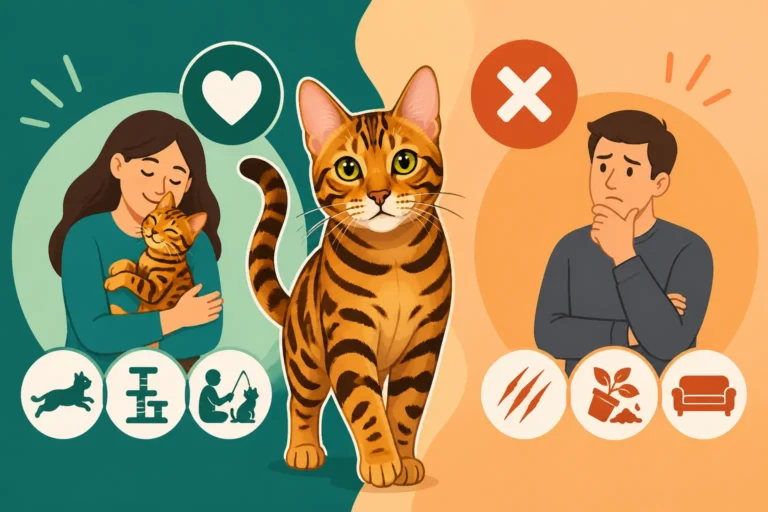
Bengal cat ownership requires understanding high energy levels, vocal personalities, and intensive playtime needs before adopting one.
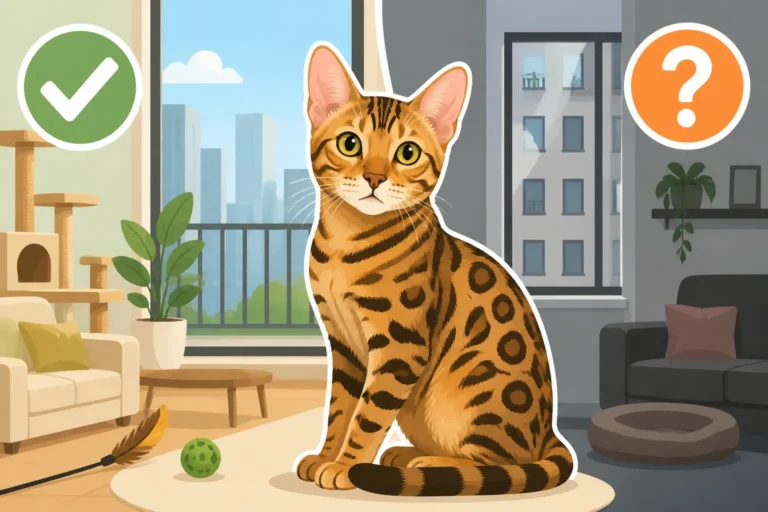
Bengal cat apartment suitability depends on high energy levels, climbing instincts, and vocalization challenges needing practical solutions.
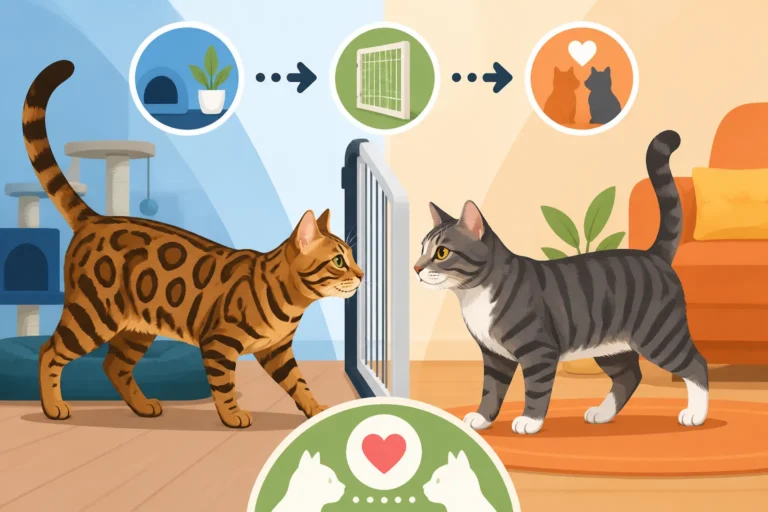
Introducing a Bengal cat to a resident cat requires patience, positive reinforcement, and understanding distinct feline personalities.
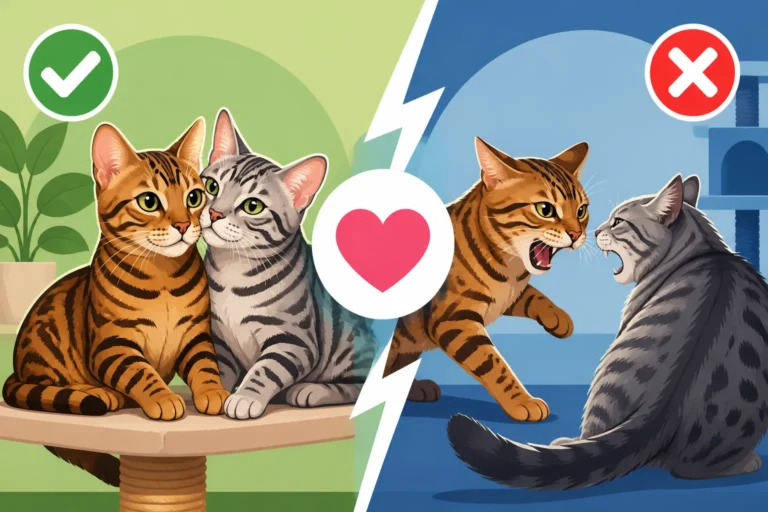
Bengal cat territorial instincts, high energy levels, and wild heritage determine whether they successfully accept a second cat.
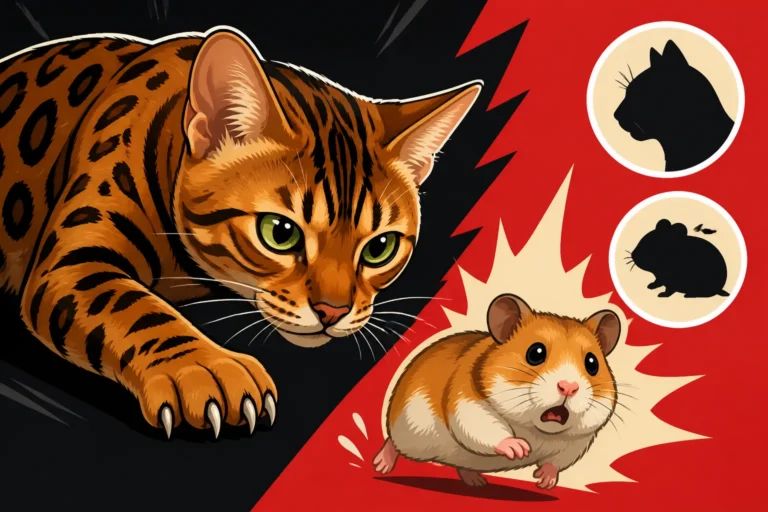
Asian Leopard Cat ancestry gives Bengal cats a powerful prey drive, making cohabitation with small rodents risky and often tragic.
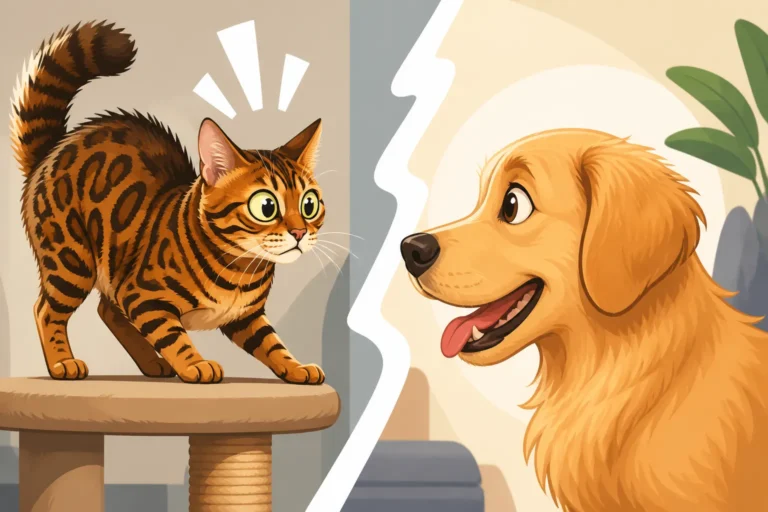
Bengal cat reactions to new dogs stem from wild Asian Leopard Cat ancestry, high prey drives, and strict territorial needs.
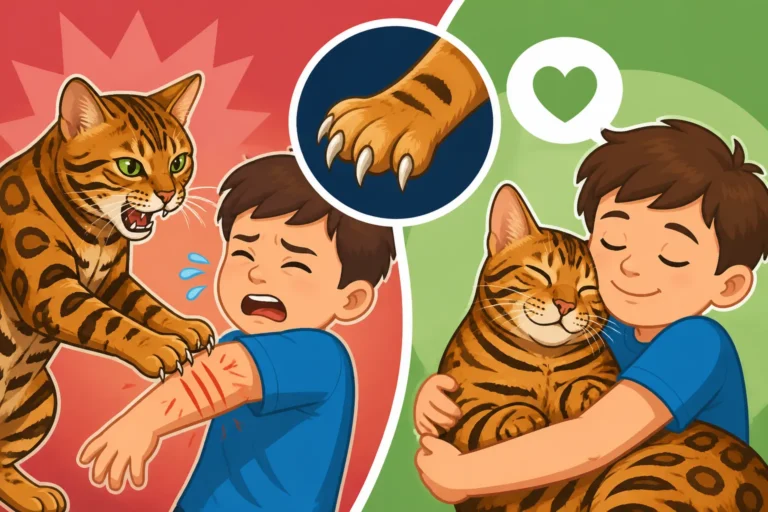
Bengal cat behavior, intense energy levels, and wild ancestry instincts explain why accidental scratches happen with children.
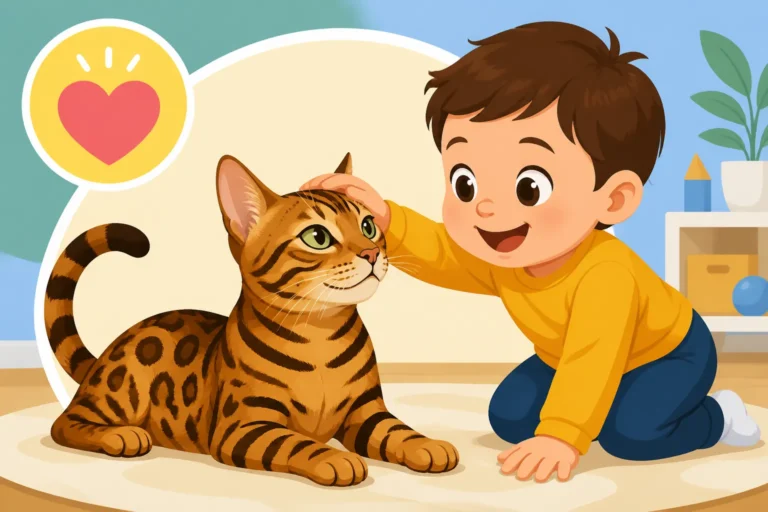
Bengal cat behavior around toddlers involves high prey drive, boundless energy, and safe interactions to protect children.

Bengal cat territoriality stems from Asian Leopard Cat ancestry and early socialization. Learn how to manage these instincts.
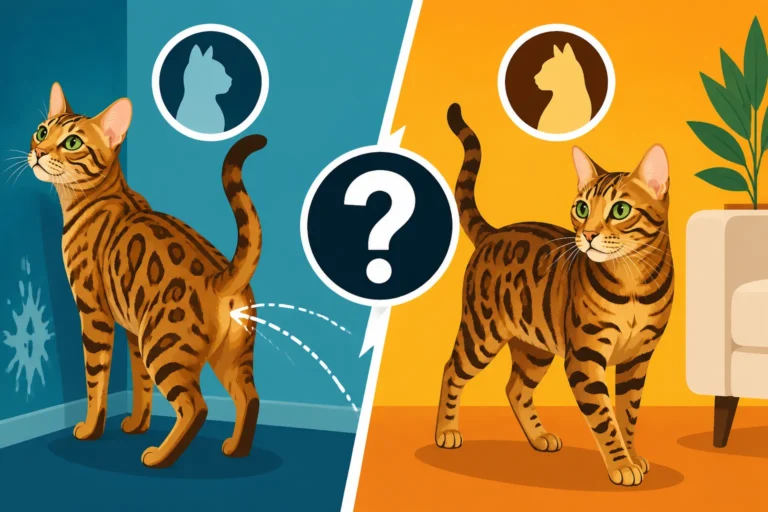
Early generation Bengal cats like F1, F2, and F3 inherit strong territorial instincts from Asian Leopard Cats, increasing spraying behaviors.