Whether a Bengal Cat Is Expensive to Own
When you first fall in love with the stunning looks of a Bengal cat, it’s easy to get swept away by their wild beauty and playful antics. But beyond the initial price tag – which, let's be honest, can be substantial – many prospective owners find themselves wondering about the true ongoing financial commitment. Owning a Bengal isn't quite like owning an average house cat; their unique needs and active personalities can lead to different cost considerations. This guide will meticulously break down whether a Bengal cat is truly expensive to own, covering everything from initial setup to long-term health and enrichment.
The Upfront Investment: Beyond the Purchase Price
The journey to Bengal cat ownership begins with a significant financial outlay, but it doesn't end with the purchase of your kitten. There are a host of essential items and initial veterinary visits that add to the starting total. It’s crucial to budget for these early expenses to ensure your new companion gets the best start.
Initial Kitten Costs
Let's talk about the elephant in the room: the price of the Bengal kitten itself. These aren't your average shelter adoption fees. Depending on factors like their generation (F1 through SBT), pedigree, the reputation of the breeder, whether they're "pet quality" or "show quality," and even their specific pattern and color, the cost can vary wildly. A pet-quality SBT (Studbook Tradition) Bengal, which is generally what most people adopt, will be at the lower end of the breed's price spectrum, while an F1 or F2 early generation Bengal can command a premium due to their closer relation to their wild ancestry.
Breeders invest heavily in health testing their breeding stock, maintaining their catteries, and ensuring the kittens are well-socialized, all of which factors into the price you pay. It’s not just about getting a pretty cat; it's about getting a healthy, well-adjusted companion from a responsible source. You might wonder What a Bengal Cat Kitten Costs From a Breeder or even explore The F1 to F5 Price Ladder for a Bengal Cat to understand the nuances of these initial expenses. Remember, a higher initial cost often reflects the breeder's dedication and investment in the breed's health and temperament, potentially saving you money on future health issues.
Essential Setup Expenses
Once you've secured your Bengal kitten, the next step is preparing your home for their arrival. Bengals are incredibly active, intelligent, and often destructive if not adequately stimulated, so their setup needs to be robust. Think durable, high-quality items that can withstand their energy. This includes a sturdy carrier for transport, comfortable beds, and a generous supply of scratching options.
Because of their penchant for climbing, a tall, multi-level cat tree is not just a luxury but a necessity for a Bengal. They need vertical space to explore and observe their domain, and a cheap, flimsy tree simply won't cut it. You might want to consider What a Tall Cat Tree for a Bengal Cat Costs as you plan your budget. Additionally, Bengal cats often love playing in water, so a robust water fountain that can't be easily tipped over is a good investment, providing fresh, flowing water and minimizing messy spills. Similarly, because Bengals are often larger than average domestic cats and tend to dig enthusiastically, you’ll need large, sturdy litter boxes, possibly even covered ones to help contain the inevitable scattered litter. You can research What a Litter Box for a Bengal Cat Costs to prepare.
Early Vet Care and Vaccinations
Bringing a new kitten home means scheduling their initial veterinary visits promptly. These early appointments are crucial for a thorough health check-up, deworming, and the necessary series of vaccinations. A responsible breeder will have already started this process, but you'll be responsible for completing the series. Core vaccines, such as those for feline distemper, calicivirus, and rhinotracheitis, are non-negotiable. Depending on your Bengal's lifestyle and local risks, your vet might also recommend vaccinations for feline leukemia virus (FeLV), especially if there's any chance they might interact with other cats outdoors, even through a screen.
Beyond vaccinations, a crucial early expense is spaying or neutering. Most reputable breeders will sell pet kittens with a contract that requires this procedure, often before the kitten even leaves their care, or with a timeline for you to complete it. While this adds to the initial cost, it's vital for preventing unwanted litters and can offer health and behavioral benefits. It’s worth checking Whether a Bengal Cat Kitten Comes Neutered with your chosen breeder. These initial vet visits are not just about shots; they establish a baseline for your cat's health and allow your veterinarian to become familiar with your new companion, setting the stage for a lifetime of good care.
Ongoing Daily and Monthly Expenses
Once the initial thrill of bringing your Bengal home settles, the reality of their ongoing needs becomes apparent. These are the expenses that will be a consistent part of your monthly budget, and for a Bengal, they often lean towards the higher end compared to less active or less demanding breeds.
Food and Nutrition
Bengal cats, with their high energy levels and muscular build, generally thrive on a high-quality diet rich in animal protein. This isn't just a recommendation; it's often a necessity to fuel their active lifestyles and maintain their lean physique. You'll often find discussions among Bengal owners about Feeding a Bengal Cat Four Generations From a Wild Ancestor and the importance of a diet that mimics what their wild ancestors might have eaten. This often means higher protein content than many standard cat foods offer.
Choosing between dry kibble, wet food, or a raw diet will significantly impact your monthly food bill. While dry food might seem cheaper upfront, many Bengal owners opt for a predominantly wet food diet or even a balanced raw diet, believing it provides better hydration and nutrient absorption, which can lead to better long-term health. However, premium wet or raw foods can be considerably more expensive. You'll want to investigate Which Protein Level a Bengal Cat Needs and understand the nuances of Whether a Raw Diet Suits a Bengal Cat's Gut. Fresh pet food and other high-quality, protein-rich foods can cater to a Bengal's dietary requirements, but be prepared for the associated cost. It's not uncommon for a Bengal to eat more, or require more expensive food, than a typical domestic cat.
Litter and Supplies
A Bengal cat's high activity levels and often larger size translate directly into increased use of litter and other routine supplies. They tend to be enthusiastic diggers in their litter boxes, which means you might go through more litter than you would with a smaller, more sedate cat. Investing in high-quality, dust-free litter is often worth it for both your cat's respiratory health and your home's cleanliness. You might find yourself researching How Much Litter a Bengal Cat Gets Through to prepare.
Beyond litter, there's a constant need for replacing worn-out toys, especially if your Bengal is particularly adept at destruction. Their sharp claws and powerful jaws can make short work of less durable items. Regular replenishment of grooming tools, even if they don't shed much, and other miscellaneous supplies like dental chews or dental wipes, also add up over time. It’s a continuous cycle of stocking up to keep your energetic companion happy and healthy.
Enrichment and Toys
This is where Bengal ownership can really set itself apart in terms of ongoing costs. A bored Bengal is a destructive Bengal, and keeping their intelligent minds and athletic bodies engaged is paramount. This means a constant rotation of engaging toys and enrichment activities. Interactive toys, puzzle feeders, and robust wand toys are essential, and you'll quickly learn Which Wand Toy a Bengal Cat Destroys Fastest.
Many Bengal owners find that a cat wheel is an invaluable tool for burning off energy indoors. While the initial investment for a good quality cat wheel can be significant, it pays off in preventing destructive behaviors that can cost you far more in damaged furniture or property. Exploring What a Cat Wheel for a Bengal Cat Costs is a worthwhile exercise. Furthermore, given their love for the outdoors but the dangers of free-roaming, many Bengal enthusiasts opt for secure outdoor enclosures, known as catios. Building or buying a catio is another considerable expense, but it provides safe mental and physical stimulation. Consider What a Catio for a Bengal Cat Costs if you plan to provide outdoor access. This continuous need for enrichment items is a recurring expense that should not be underestimated.
Healthcare: Expected and Unexpected Costs
Just like humans, pets need regular check-ups, and sometimes, unexpected medical issues arise. For Bengal cats, there are specific health considerations that can lead to higher veterinary bills than with other breeds. Being proactive and prepared is key.
Routine Veterinary Care
Annual wellness exams are the cornerstone of preventive care for any cat, and Bengals are no exception. These visits involve a thorough physical examination, ensuring they are maintaining a healthy weight, checking their teeth and gums, and addressing any emerging concerns. As your Bengal ages, these routine check-ups might become more frequent, particularly after they are considered senior, which is typically around age ten. You might be interested in The Age a Bengal Cat Is Considered Senior for planning purposes.
Dental health is another significant aspect of routine care that can incur considerable costs. Many cats require professional dental cleanings under anesthesia, often starting in middle age. Bengals, like other breeds, can be prone to dental disease, and these cleanings can be a substantial expense. Understanding How Often a Bengal Cat Needs a Dental is important for long-term budgeting. Regular wellness exams and proactive dental care can prevent more serious, and more expensive, health problems down the line.
Health Screening for Bengal-Specific Conditions
One of the most significant differences in Bengal cat ownership costs compared to many other breeds lies in the recommended health screenings for genetic conditions. Reputable breeders will perform these on their breeding cats, but even pet owners should be aware of the importance of these tests. Key genetic diseases prevalent in Bengals include Progressive Retinal Atrophy (PRA-b) and Pyruvate Kinase Deficiency (PK deficiency). DNA tests for these conditions are relatively affordable and can provide peace of mind. Breeders should be transparent about What a Bengal Cat Breeder Should Have Tested.
However, the most crucial screening for Bengals is for Hypertrophic Cardiomyopathy (HCM), a common heart disease in cats. Unfortunately, there is no reliable gene test for Bengal cat HCM, so the only way to screen for it is through regular echocardiograms performed by a veterinary cardiologist. These specialized scans are recommended annually or bi-annually, especially for breeding cats, and the cost can be significant. Understanding What a Bengal Cat's Echo Costs is vital. These screenings are not just about catching issues early; they are about understanding the health of your beloved pet and being prepared for potential management. In Bengal cat ownership, these screenings are often considered a mandatory part of responsible care.
Emergency and Illness Costs
Despite the best preventive care and responsible breeding practices, unexpected illnesses or emergencies can strike any pet. For Bengals, their active nature can sometimes lead to injuries from jumping or climbing. More commonly, some Bengals are prone to gastrointestinal sensitivities, with chronic diarrhea being a surprisingly common complaint. Conditions like Tritrichomonas foetus or Giardia can be persistent and expensive to diagnose and treat, leading to multiple vet visits and specialized medications. This is why Chronic Diarrhea Is the Bengal Cat Complaint Nobody Warns About can be such a frustration for owners.
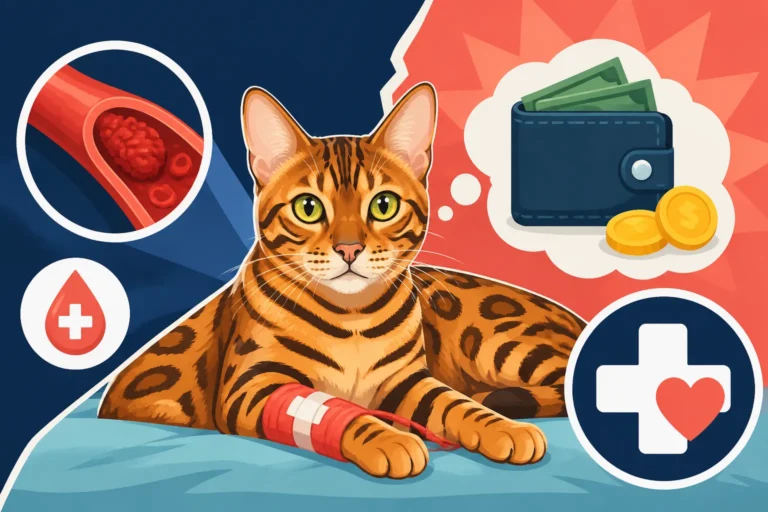
Beyond GI issues, if a Bengal is diagnosed with a condition like HCM, the ongoing medication costs and potential for acute emergencies, such as a saddle thrombus (blood clot), can be astronomical. A severe emergency like a blood clot can quickly rack up thousands of dollars in veterinary bills. Knowing What a Bengal Cat's Clot Emergency Costs can be a sobering thought. This is where pet insurance can provide a vital safety net, helping to cushion the financial blow of unforeseen medical crises. Brands like Healthy Paws offer comprehensive plans that can cover a significant portion of these emergency costs.
Long-Term Commitments and Hidden Expenses
Beyond the regular monthly and annual costs, owning a Bengal cat often involves long-term commitments and some "hidden" expenses that might not be immediately obvious but contribute significantly to the overall financial picture.
Pet Insurance Considerations
Given the breed's predispositions to conditions like HCM and their generally adventurous, injury-prone nature, pet insurance is a consideration for many Bengal owners. It can feel like an extra monthly bill, but it can be a lifesaver when major medical issues arise. Different plans offer varying levels of coverage, deductibles, and reimbursement percentages. It's crucial to research policies carefully, understanding what is covered (accidents, illnesses, emergencies) and what might be excluded (pre-existing conditions, routine wellness).
A common concern among Bengal owners is Whether Insurance Excludes a Bengal Cat's Inherited Disease. Some policies may have specific clauses regarding breed-specific conditions, or waiting periods before certain conditions are covered. Companies like Healthy Paws are popular choices among pet owners for their comprehensive coverage, but it's essential to get a quote and read the fine print tailored to your specific Bengal's age and health. While monthly premiums for What Insuring a Bengal Cat Costs a Month can vary, having that financial cushion for a sudden illness or accident can prevent the agonizing choice between your cat's health and your bank account.
Professional Grooming and Boarding
While Bengals are often lauded for being A Bengal Cat Needs Almost No Grooming due to their short, pelt-like coats that shed minimally, some owners still opt for professional grooming services. This might be for nail trims if they're particularly resistant at home, or for a general bath and brush if the cat enjoys it (some Bengals adore water, others tolerate it for a good cause!). These occasional services add to the budget.
More significantly, if you travel frequently, you'll need to budget for boarding or pet-sitting services. Bengals are high-energy, demanding cats that require a lot of interaction, so finding a sitter who understands their unique needs is paramount. Boarding facilities that specialize in high-energy or "exotic" breeds might charge a premium. You might find that Why Boarding a Bengal Cat Costs More is a direct reflection of the specialized care and attention your Bengal will need while you're away, ensuring they don't get bored and destructive.
Lifestyle Adjustments and Home Modifications
Finally, the less tangible but very real costs of Bengal ownership often come in the form of lifestyle adjustments and home modifications. Bengals are escape artists and master explorers; they will learn How a Bengal Cat Opens a Door and certainly How to Cat Proof Cabinets From a Bengal Cat. This means you might need to invest in child-proof locks for cabinets, lever handle covers for doors, and sturdy screens for windows. Replacing scratched furniture or damaged household items because of their intense scratching and climbing can become a regular expense if their environment isn't properly set up for them. Learning How to Protect Furniture From a Bengal Cat often involves buying more, and sturdier, scratching solutions than you initially thought.
The commitment extends to ensuring constant engagement. This might mean dedicating significant time daily to play sessions, or even adapting your schedule to their energetic demands. Many Bengal owners find their lives revolve a bit more around their feline companions than they ever expected, which, while rewarding, is a hidden cost of time and energy.
Here's a quick overview of some potential costs:
| Category | Initial Costs (Estimate) | Monthly/Annual Costs (Estimate) | Notes |
|---|---|---|---|
| Purchase Price | High (e.g., $1000-$3000+) | N/A | Varies widely by generation, breeder, quality. |
| Initial Vet Care | $150-$400 | N/A | Exams, vaccinations, deworming, spay/neuter. |
| Basic Setup | $300-$800 | N/A | Carrier, beds, bowls, basic toys, litter boxes. |
| Enrichment Setup | $200-$1000+ | N/A | Large cat tree, cat wheel, puzzle feeders, durable toys. |
| Food (High Quality) | N/A | $50-$150+ | Depends on wet/dry/raw, brand, portion size. Look for high protein. |
| Litter | N/A | $20-$40 | Bengals dig enthusiastically, requiring more. |
| Routine Vet Visits | N/A | $100-$300 (annual) | Wellness exams, boosters, minor health checks. |
| Health Screenings | N/A | $200-$500+ (annual/bi-annual) | HCM echos, genetic tests for PRA-b, PK deficiency (less frequent). |
| Pet Insurance | N/A | $30-$80+ | Varies by plan, coverage, deductible, age. Consider early for best rates. |
| Misc. Supplies/Toys | N/A | $20-$50 | Replacements for worn toys, scratchers, dental products. |
| Boarding/Pet Sitting | N/A | $50-$100+ (per day/visit) | For when you travel; can be higher for special needs. |
| Catio/Home Mods | $500-$5000+ (one-time) | N/A | Child locks, secure fencing, durable furniture protection. |
In conclusion, while the initial purchase price of a Bengal cat can be steep, it's truly just the tip of the iceberg. Their unique needs for high-quality nutrition, extensive enrichment, specific health screenings, and general robustness in their environment mean that the ongoing costs are often higher than for many other feline companions. However, for those prepared to invest the time, energy, and financial resources, the experience of sharing your life with these intelligent, active, and affectionate cats is often described as priceless.
Disclaimer
This article is for general informational purposes only and does not constitute professional advice. Laws, prices and regulations vary by location and change over time. Consult a qualified professional for guidance on your specific situation.