Whether Australia Allows the Bengal Cat
Australia allows some Bengal cats, but not every Bengal can enter or be kept there. The key questions are how many generations separate the cat from its Asian leopard cat ancestor, whether its origin country meets Australia’s import rules, and what state or territory rules apply. This guide explains how to check those issues before you commit to a purchase or move.
Are Bengal cats legal in Australia
The short answer depends on generation
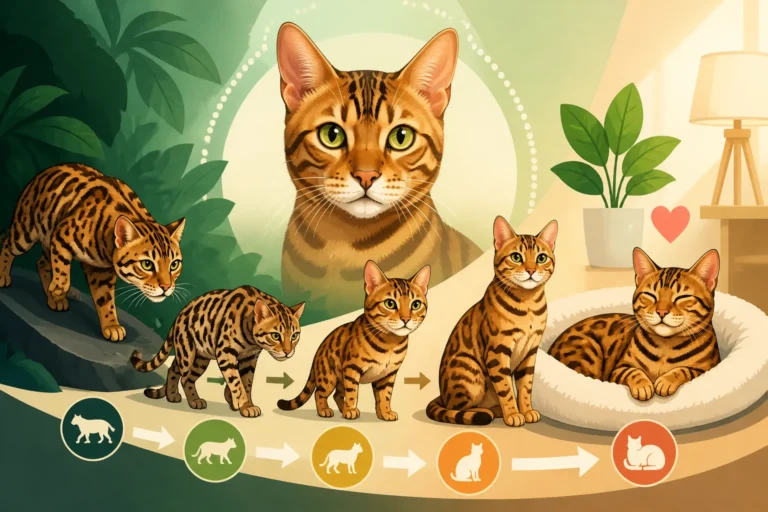
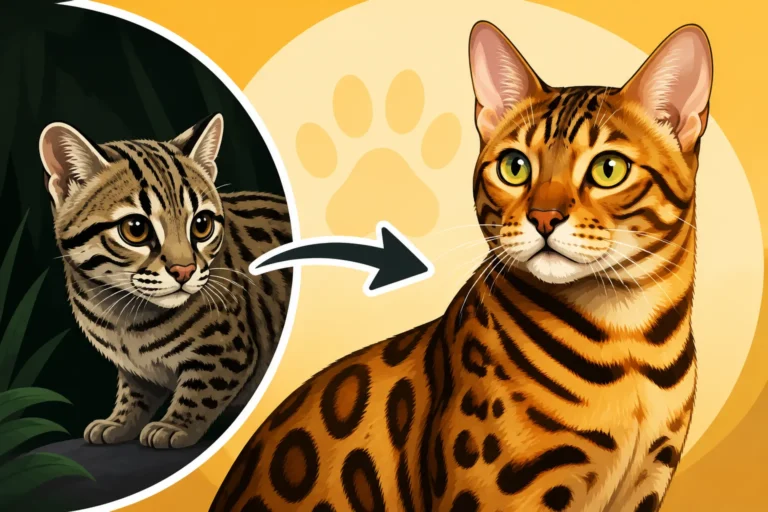
Bengal cats are hybrids with ancestry tracing back to the Asian leopard cat. Australia’s rules distinguish later-generation Bengals from early-generation hybrids. In general, a Bengal must be at least five generations removed from its wild ancestor to be eligible for import. Early-generation cats, commonly described as F1 through F4, are not treated as ordinary domestic pets for this purpose.
That does not mean every cat described as “F5” can automatically enter Australia. You need reliable documentation of the cat’s ancestry, and the cat must also meet Australia’s separate animal-import requirements. A seller’s description, a pet registration document, or a strikingly domestic appearance may not be enough to establish eligibility.
The generation labels can be confusing, especially because breeders, registries and government rules may use related terms in different contexts. If you are new to the terminology, What F1 Means in a Bengal Cat and How a Bengal Cat's Generation Is Counted explain how those labels relate to ancestry. For an overview of early generations, see What F2 and F3 Mean in a Bengal Cat.
Breed recognition is not the same as import permission
A Bengal may be recognized as a domestic cat by a cat registry, yet still face restrictions under import or local animal laws. Registration papers can help document pedigree, but they do not by themselves replace government import approval. Likewise, the fact that a Bengal has lived as a household pet does not establish that it meets Australia’s generation threshold.
This distinction matters if you are buying a kitten overseas or relocating with a cat you already own. A breeder may use “pedigreed,” “registered,” or “purebred” to describe the cat, but those words do not necessarily prove the exact ancestry needed for import. Before paying a deposit or booking travel, ask which documents trace the cat’s lineage back far enough to establish its generation.
It also helps to understand what “SBT” means. What SBT Means in a Bengal Cat explains a registry classification that is often misunderstood as a government import certificate. It is not a substitute for checking the requirements that apply to your specific cat and travel plans.
What to check before bringing a Bengal cat into Australia
Confirm the cat’s generation with paperwork
Ask for a pedigree or other formal ancestry records that show the cat’s lineage, not just a verbal assurance from the seller. Ideally, the records should identify the relevant generations and allow the relationship to the Asian leopard cat ancestor to be followed. If the documentation is incomplete, inconsistent, or uses unfamiliar abbreviations, pause and ask the appropriate Australian authority what evidence it accepts before proceeding.
A DNA test may answer some ancestry questions, but do not assume that a DNA result will replace a documented pedigree or satisfy an import decision-maker. Genetic testing and generation records are not always interchangeable. Whether a DNA Test Shows a Bengal Cat's Wild Percentage explores why DNA results should not be treated as a simple legal generation certificate.
Keep copies of all documents and make sure the cat’s identity can be connected to them, usually through its microchip details. The name on the paperwork, the microchip number, and the animal being transported should match. A small mismatch can become a serious delay when you are trying to demonstrate that the cat in the carrier is the one described in the records.
Check import eligibility for the country of origin
Even if your Bengal meets the generation requirement, Australia’s biosecurity rules still apply. Cats can only be imported under the conditions for eligible countries, and the steps may differ depending on where the cat has been living. Those steps can involve identification, veterinary preparation, permits, testing, and quarantine arrangements.
Use the Australian Government’s official import guidance and its Biosecurity Import Conditions system, commonly called BICON, to check the rules for the country the cat will travel from. Do this before booking flights or making a non-refundable purchase. A move from one country may require a different sequence of checks from a move originating somewhere else, and a cat’s recent travel history can also matter.
| Question to check | Why it matters | What to do |
|---|---|---|
| Is the Bengal at least five generations removed from its wild ancestor? | Early-generation hybrids may not qualify for import as domestic cats. | Obtain pedigree or other accepted ancestry records and confirm the evidence needed. |
| Is the country of origin eligible under Australian import conditions? | Import steps depend on the cat’s origin and travel history. | Check the official country-specific conditions in BICON. |
| Does the cat meet identification and veterinary requirements? | Missing or mistimed preparation can disrupt travel plans. | Follow the exact order of the official import instructions with a qualified veterinarian. |
| Is a permit or quarantine booking required? | These steps may need to be arranged before the cat travels. | Confirm requirements with the relevant Australian government authority before booking. |
| Are there state, territory, or council rules at the destination? | Local rules may add obligations beyond federal import approval. | Contact the relevant state or territory regulator and local council. |
Do not rely on a breeder’s import advice alone, even if the breeder has successfully sold cats overseas. They may not know the rules for your cat’s origin country, your destination state, or the exact paperwork your case requires.
Bringing a Bengal to Australia from overseas
Plan the sequence before you book travel
The safest approach is to treat import preparation as a sequence, not a last-minute checklist. First, establish that the cat’s generation and paperwork meet the relevant eligibility rules. Next, check the import conditions for the country of origin. Then confirm the required identification, veterinary procedures, applications, and quarantine arrangements in the order specified by the authorities.
This order matters because some steps depend on earlier ones. A test or veterinary certificate completed too early may not meet the required timing, while a missing permit or incorrect document can affect whether an airline will accept the animal or whether it can enter Australia. Don’t assume that buying a ticket for your own flight automatically secures a suitable travel plan for your cat.
If you are moving, leave room for delays and keep the cat’s health and comfort in mind. A long journey, changes in routine, and unfamiliar handling can be stressful. Ask a veterinarian who understands international pet travel to review the health preparations and explain how to help your Bengal cope with the transition. If the cat eats a particular food, check what will be available after arrival rather than assuming your usual supplier or product can be accessed in Australia.
Prepare for arrival and quarantine
Cats imported into Australia may need to complete quarantine at an approved facility, depending on the applicable import conditions. Check the government instructions for the relevant booking process and what documents must accompany the cat. The facility, arrival arrangements, and any transport between the airport and quarantine should be confirmed before travel.
Quarantine is not simply a waiting period to plan around. It is part of the biosecurity process, and the cat must meet the applicable entry conditions before release. Make sure the microchip details and paperwork are accurate, keep copies of veterinary records, and follow instructions about how documents should be submitted or carried.
When the cat is released, arrange a calm transition into its new home. Set up a quiet room with familiar bedding, water, litter, and a hiding place before bringing the carrier inside. Give the Bengal time to settle rather than opening the whole home at once. For a high-energy breed, thoughtful adjustment and enrichment can help make a major move less overwhelming; How Much Enrichment a Bengal Cat Actually Needs offers ideas for meeting those needs.
State and territory rules after arrival
Check local requirements separately
Federal approval to import a cat does not necessarily answer every question about keeping it in a particular place. State and territory authorities, and sometimes local councils, may set additional rules concerning registration, microchipping, containment, or animals classified as hybrids. The details can vary, so confirm the rules for the exact address where the Bengal will live.
This is especially important if you are moving between Australian jurisdictions. A cat that is already living legally in one place may still require you to check registration or local conditions after a move. Ask the relevant state or territory animal regulator and your local council rather than relying on a forum post or an old breeder handout.
If the cat is an early-generation hybrid, do not assume that it can be kept simply because it is already in Australia or has been described as a Bengal. Get written guidance from the relevant authority before buying, transporting, or taking ownership. The distinction between an F-number and an ordinary domestic-cat classification is explained further in Why F4 Is the Line Between Wild and Domestic Bengal Cats.
A practical checklist before you commit
Before placing a deposit, arrange a shipment, or relocate with a Bengal, work through these checks:
- Get the cat’s exact generation and pedigree records. Ask for documents that establish the lineage, not only a verbal claim or a general breed certificate.
- Confirm that the cat meets Australia’s generation requirement. Do not assume an F-number on an advertisement is enough proof.
- Check the origin country’s import conditions in BICON. Follow the instructions for the cat’s country and travel history.
- Confirm all veterinary and identification steps. Ask a veterinarian familiar with international pet travel to help you follow the official sequence.
- Check permits and quarantine arrangements. Confirm what must be approved or booked before travel.
- Ask about rules at the destination address. Contact the state or territory regulator and the local council.
- Keep documents together and consistent. Check that the cat’s microchip information matches the pedigree and travel records.
- Make a settling-in plan. Prepare a quiet room, familiar items, food, water, litter, and a gradual introduction to the home.
If any part of the paperwork is unclear, resolve it before paying or travelling. A clear answer from the responsible authority is much more useful than discovering a problem at the airport, during an application, or after a move.
Disclaimer
This article is for general informational purposes only and does not constitute professional advice. Laws, prices and regulations vary by location and change over time. Consult a qualified professional for guidance on your specific situation.