What F2 and F3 Mean in a Bengal Cat
It’s easy to feel lost when you start looking into Bengal cats, with all the talk about "F" numbers and different generations. Many potential owners hear terms like F1, F2, F3, and SBT and immediately get confused, wondering what these distinctions truly mean for a cat's temperament, appearance, and suitability for their home. This guide will demystify the F2 and F3 generations, helping you understand their unique characteristics, needs, and how they differ from their wild ancestors and more domesticated cousins.
Decoding the Filial Generations in Bengal Cats
Understanding the "F" numbers – or filial generations – is absolutely critical when you're considering a Bengal cat. It's not just a fancy designation; it tells you exactly how close your potential feline friend is to its wild ancestor, the Asian Leopard Cat, and what that proximity often means for its personality and needs.
The Origin Story: F1 Bengal Cats
To truly grasp F2 and F3, we first need to touch upon the F1, as it’s the direct bridge between wild and domestic. An F1 Bengal is the very first generation cross between a wild Asian Leopard Cat (ALC) and a domestic cat. Think of it as the original hybrid, carrying the most significant percentage of wild DNA. These cats are stunning, often displaying the most vivid rosettes and intense wild appearance, but their temperament reflects their recent wild heritage. They tend to be much more reserved, sometimes even shy, with strong instincts that require an experienced owner and a very specific environment. What F1 Means in a Bengal Cat delves into this in more detail, but for our purposes, just know that the F1 is the foundation from which all other generations spring. Owning an F1 Bengal is often akin to owning a wild animal with domestic tendencies, rather than a truly domesticated pet. They can be incredibly challenging, and are often restricted by law.
Stepping Down the Generations: What F2 Really Means
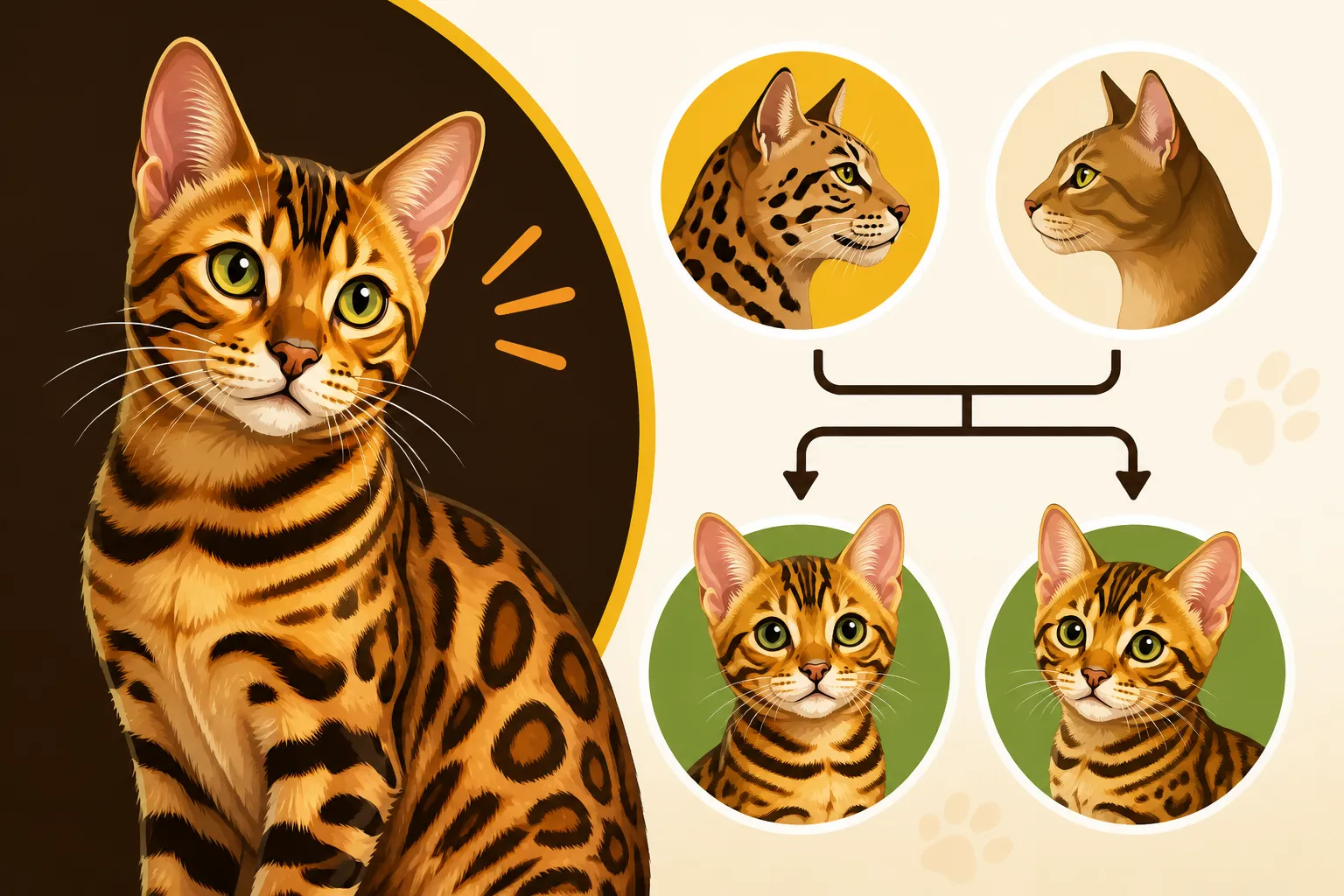
Now, let's talk about the F2 Bengal cat. An F2 is the result of breeding an F1 Bengal cat with a domestic cat – typically another Bengal, but sometimes a carefully selected domestic breed to continue specific traits. So, an F2 Bengal has an F1 parent and a domestic parent, meaning it's two generations removed from its wild Asian Leopard Cat ancestor. This generation typically carries about 25% wild blood, although this can vary slightly depending on the specific lineage. What does this mean for you, a prospective owner? It means the F2 still retains a significant amount of the wild look that people adore – those striking rosettes, the athletic build, and often the "glitter" in their coat – but with a temperament that starts to lean more towards the domestic side than an F1.
However, don't let the word "domestic" fool you entirely. F2 Bengals are still high-energy, highly intelligent, and often vocal cats. They might be more comfortable interacting with humans than an F1, but they still carry strong instincts. They can be more prone to shyness around strangers, might be more sensitive to changes in their environment, and absolutely require substantial mental and physical stimulation to prevent boredom and destructive behaviors. They love to climb, explore, and often have a strong prey drive. Legally, F2 Bengals are often subject to the same strict regulations as F1s in many areas, requiring special permits or being outright banned in certain states or cities. It's crucial to check your local laws before even considering an F2 Bengal, as ownership comes with significant responsibilities and potential hurdles. Why the Generation Number Decides Whether You Can Own a Bengal Cat offers important guidance on this.
Further Dilution: Understanding the F3 Bengal Cat
Moving further along the generational line, we arrive at the F3 Bengal cat. An F3 is produced by breeding an F2 Bengal cat with a domestic cat. This makes an F3 three generations removed from its wild ancestor, and it typically carries around 12.5% wild blood. This is a significant step towards domestication compared to an F1 or even an F2, but the F3 is still distinct from the fully domestic SBT (Stud Book Traditional) Bengals. For many looking for that exotic look with a more manageable temperament, the F3 can be a very appealing choice.
F3 Bengals generally exhibit more consistent domestic traits. They are usually more outgoing, less prone to shyness than F2s, and often integrate more easily into a typical family home. While they still possess incredible athleticism, intelligence, and a high energy drive, these traits are typically expressed in a way that is more compatible with a domestic setting. They'll still climb your curtains, "talk" to you incessantly, and possibly play in the sink, but they tend to be more affectionate and less prone to the extreme behavioral challenges that can sometimes manifest in F1s or F2s. However, they are by no means a "lazy lap cat." An F3 Bengal will still demand plenty of interaction, enrichment, and space to burn off energy. They are clever, observant, and quickly learn household routines – and how to get what they want! They are generally more accepted by local ordinances than F1s and F2s, but still, always double-check your local regulations.
Characteristics and Temperament of F2 and F3 Bengals
When you’re looking at F2 and F3 Bengal cats, you're observing a fascinating blend of wild beauty and evolving domestic charm. While both carry the unmistakable look of their Asian Leopard Cat ancestor, their temperaments and daily behaviors present a spectrum that prospective owners need to understand intimately.
Wild Looks, Domestic Heart: Physical Traits
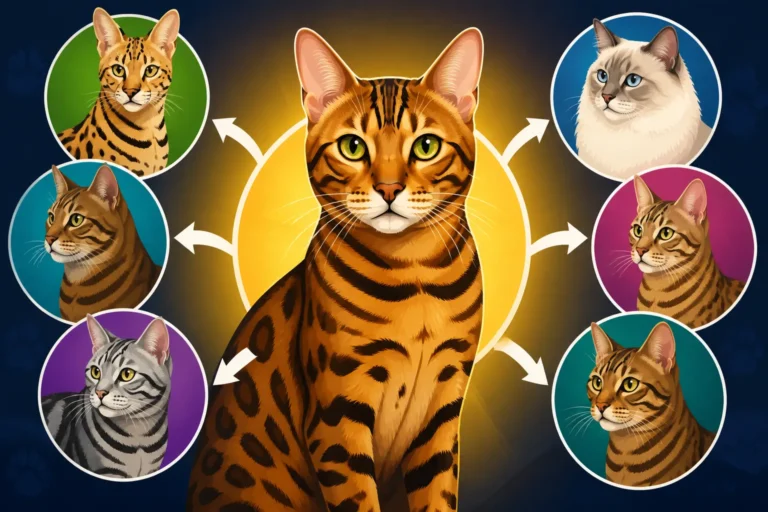
Both F2 and F3 Bengals undeniably boast a wild aesthetic that sets them apart from most domestic breeds. You'll see that sleek, muscular body, often described as an "athletic" build, with hind legs slightly longer than their front, giving them that powerful, almost prowling gait. The heads are typically broad and wedge-shaped, with strong chins and prominent whisker pads, often complemented by large, almond-shaped eyes that can be green, gold, or aqua depending on the colorpoint variations. Their ears are usually medium-sized, set wide apart, and often have the distinctive "ocelli" markings on the back, mimicking the false eyes found on wild cats to deter predators.
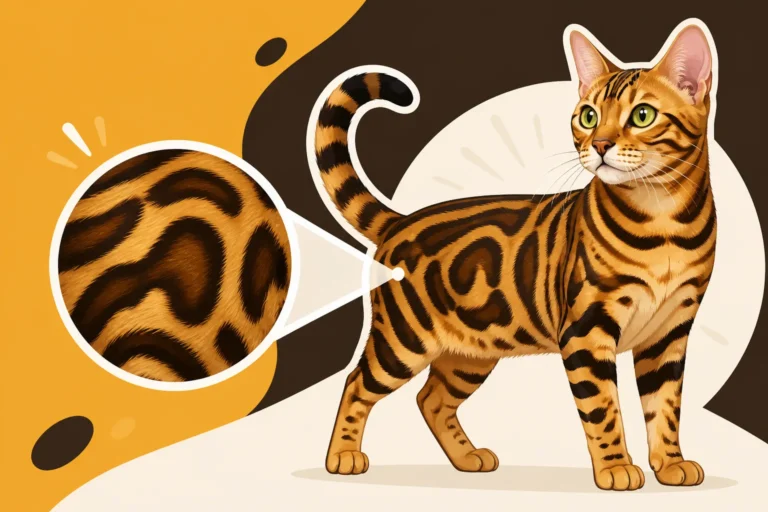
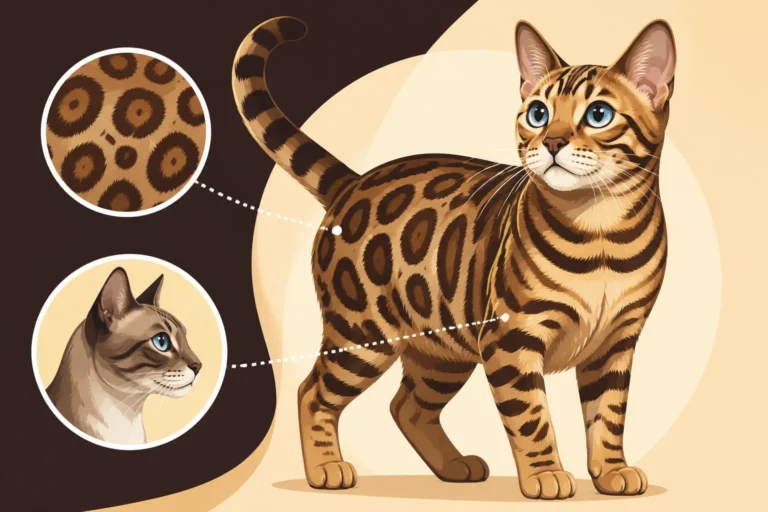
The coat is where the wild ancestry truly shines. Both F2 and F3s should have the short, dense, incredibly soft "pelted" coat that feels more like velvet than fur. It often carries the "glitter" gene, where the tips of each hair shaft are translucent, catching the light and giving the coat a shimmering, iridescent quality. But it's the pattern that truly captivates: the striking rosettes, which can be arrowhead, paw print, donut, or clouded, are a hallmark of the breed, though some may exhibit a beautiful marbled pattern instead. What Rosettes and Glitter Add to a Bengal Cat's Price explains how these features are highly valued. While F2s might sometimes display a slightly more robust or "wilder" body type, and often have more intense, higher-contrast patterns, F3s still very much embody the Bengal standard. The main difference lies in the subtlety of these wild traits, with the F3 generally having a slightly softer, more refined wild appearance as the domestic influence increases. Their patterns are still very clear and defined, but perhaps with less of the stark contrast sometimes seen in F2s.
The Spectrum of Temperament: F2 vs. F3 Personalities
The temperament differences between F2 and F3 Bengals, while subtle on paper, can be quite pronounced in a real-world home. F2 Bengals, being closer to the wild ancestor, often display a more pronounced independent streak and can be more reserved. They might bond fiercely with one or two people but can be wary or even skittish around strangers. Their energy levels are typically off the charts; they need constant engagement and might be more prone to escaping or displaying territorial behaviors if not properly stimulated and contained. Their vocalizations can be varied and include chirps, growls, and distinctive "yowls" that sometimes sound more wild than domestic. The fascination with water is almost universal in Bengals, but F2s might take it to an extreme, actively seeking out baths or playing vigorously in any available water source.
F3 Bengals, while still incredibly active and intelligent, generally present a more balanced temperament. They are often more adaptable to family life, tend to be more affectionate with a wider range of people, and are usually less prone to extreme shyness. Their high energy is still a core trait, manifesting as intense play sessions, a love for climbing to the highest points, and an insatiable curiosity. They are known for their strong retrieving instinct, often bringing toys back for endless rounds of fetch. Their vocalizations are still diverse, from soft chirps to demanding meows, but usually less intensely "wild" than an F2. While an F2 might tolerate handling from a trusted owner, an F3 is more likely to actively seek out cuddles and participate in household activities. Both generations demand a huge commitment to enrichment, but an F3 is often a better fit for a moderately experienced cat owner prepared for an energetic and highly interactive companion.
Unique Behavioral Quirks and Needs
Both F2 and F3 Bengals come with a suite of unique behavioral quirks stemming from their wild lineage, and understanding these is key to a harmonious household. One of the most talked-about traits is their boundless energy and insatiable curiosity. These aren't cats content to nap all day on a windowsill; they are explorers, hunters, and climbers by nature. They excel at problem-solving, which means if something is interesting, they will figure out how to get to it – whether it's opening cabinets, turning on faucets, or finding a way into a "secure" room. You might find that robust toys from retailers like Chewy stand up better to their enthusiastic play than standard options.
Their vertical needs are paramount. Bengals inherently want to be high up, observing their domain. This means tall cat trees, wall-mounted shelves, and clear pathways to elevated spaces are not luxuries but necessities. Without adequate vertical territory, they can become frustrated, leading to scratching furniture or counter-surfing. How High a Bengal Cat Climbs emphasizes the importance of vertical space. They often form strong bonds with their human family, following them from room to room, "helping" with tasks, and offering commentary on everything. Their intelligence means they thrive on interactive play and puzzle toys, which are essential to prevent boredom. A bored Bengal can quickly become a destructive Bengal, chewing on inappropriate items or finding new, unwelcome ways to entertain themselves. Early socialization is crucial for both generations, especially F2s, to help them adapt to various people and situations.
Living with F2 and F3 Bengal Cats: Ownership Considerations
Bringing an F2 or F3 Bengal into your home is a commitment that goes beyond simply having a pet. It requires careful planning, an understanding of their specific needs, and a readiness to adapt your lifestyle and home environment.
Legalities and Restrictions: A Crucial First Step
Before you even fall in love with a picture of an F2 or F3 kitten, the single most important step you must take is to thoroughly research the laws regarding Bengal cats in your specific location. This cannot be stressed enough. Unlike SBT Bengals, which are generally treated like any other domestic cat, F1, F2, and F3 Bengals are often classified as "wild animals" or "hybrid wild cats" due to their closer proximity to their Asian Leopard Cat ancestor. This classification can lead to a host of restrictions.
Some states or cities may ban these generations outright, regardless of how domesticated they appear. Others may require special permits, which can involve inspections of your property, secure enclosure requirements (like a sturdy catio), annual fees, and specific insurance policies. For instance, a jurisdiction might allow F4 and higher generations but prohibit F1-F3. Where a Bengal Cat Is Illegal in the United States provides a starting point, but always check your specific county and city ordinances. Penalties for non-compliance can be severe, ranging from hefty fines to confiscation of your beloved cat. It’s not worth the risk, for your sake or the cat's. A reputable breeder will always ask about your local laws and verify you can legally own an F2 or F3, but the ultimate responsibility rests with you.
Housing and Environment: Creating the Right Space
Given their energy levels and natural instincts, F2 and F3 Bengals require a carefully curated living environment. These are not cats that will be content with just a litter box and a food bowl. They need space to climb, run, and explore. Vertical space is absolutely non-negotiable. Invest in tall, sturdy cat trees that reach the ceiling, and consider installing wall shelves or "cat highways" where they can perch and survey their territory from above. These can be found at various online retailers, including Chewy, ensuring you get quality products that withstand their antics.
Outdoor access, if provided, must be in an extremely secure enclosure, such as a well-built catio. Free-roaming outdoors is simply not an option for these cats; their strong prey drive, intelligence, and agility make them a danger to local wildlife and highly vulnerable to theft or injury. Why a Catio Is the Answer to a Bengal Cat details why this is so important. Indoors, your home needs to be "cat-proofed" to an extent you might not consider for a typical housecat. Latches on cabinets, securing valuable or fragile items, and ensuring hazardous substances are locked away are all crucial. Think about puzzle feeders and interactive toys to keep their sharp minds engaged, preventing boredom which can manifest as destructive behavior.
Training and Socialization: Building a Bond
Training and socialization are paramount for F2 and F3 Bengals, especially when they are kittens. While F3s tend to be more naturally outgoing, both generations benefit immensely from early, positive exposure to various people, sounds, and experiences. Leash training can be a fantastic way to provide safe outdoor enrichment and mental stimulation, allowing them to explore new sights and smells under your supervision. Start early with a comfortable harness and short, positive sessions. Many high-quality harnesses suitable for Bengals are available from pet supply stores and online, like on Chewy.
Clicker training is highly effective with Bengals, leveraging their intelligence and food motivation. You can teach them commands like "sit," "stay," "come," and even more complex tricks. This not only provides mental exercise but also strengthens your bond. Patience and consistency are key. Never use punishment, as it can damage trust and lead to fear-based behaviors in these sensitive cats. Instead, focus on positive reinforcement and redirection. Be prepared for a highly interactive companion who will challenge you and respond best to engaging, consistent training. Remember, a well-socialized and trained Bengal is a joy, but it takes dedication.
Health and Care for F2 and F3 Bengal Cats
Just like any other breed, Bengal cats, including the F2 and F3 generations, have specific health and care requirements that diligent owners must be aware of. While generally robust, they do have some predispositions that need proactive management.
Common Health Concerns and Proactive Care
Bengals are, on the whole, a healthy breed, but like all purebreds, they can be predisposed to certain genetic conditions. Reputable breeders will perform comprehensive health screenings on their breeding cats, and it's vital that you see proof of these tests. For Bengal cats, key genetic tests include Pyruvate Kinase Deficiency (PK-def) and Progressive Retinal Atrophy (PRA-b). PK-def can lead to hemolytic anemia, while PRA-b causes blindness. Knowing the status of your kitten's parents for these conditions is critical. PRA-b Blinds a Bengal Cat by Two and There Is a DNA Test and Pyruvate Kinase Deficiency in a Bengal Cat provide more in-depth information.
Another significant concern in Bengal cats, as in many larger, active breeds, is Hypertrophic Cardiomyopathy (HCM), a thickening of the heart muscle. There isn't a genetic test for HCM in Bengals, so regular echocardiograms (heart scans) performed by a veterinary cardiologist are the gold standard for screening breeding cats. Ask to see current echo results for both parents. Why a Bengal Cat Breeder Must Show an Echo, Not a Gene Test is essential reading. Beyond these specific issues, F2 and F3 Bengals can also be prone to sensitive digestive systems, sometimes manifesting as chronic diarrhea. This can be due to various factors, including parasites like Tritrichomonas foetus, or simply a need for a specific diet. Regular veterinary check-ups, appropriate vaccinations, and parasite control are fundamental to keeping your Bengal healthy.
Dietary Needs: Fueling an Active Hybrid
The diet for an F2 or F3 Bengal cat is a topic of much discussion among owners and breeders, largely because of their wild ancestry and high energy levels. What everyone agrees on is that these cats need a high-quality, high-protein diet to fuel their athletic bodies. Their metabolism is often higher than a typical housecat's, meaning they burn through calories quickly.
Many owners opt for a primarily wet food diet, as it provides essential hydration and often higher protein content than kibble. Some even choose to feed a raw diet, believing it more closely mimics what their wild ancestors would eat, but this requires extensive research and careful preparation to ensure it's nutritionally balanced and safe. If you choose kibble, it should be a premium, grain-free option with meat as the first ingredient. Look for brands that boast a high protein percentage. You may find specific "active cat" or "high energy" formulas available from trusted pet retailers like Chewy that cater to their needs. The High Protein Argument for a Bengal Cat elaborates on these dietary considerations. Due to their sensitive guts, sudden changes in diet should be avoided, and any dietary modifications should be made gradually to prevent digestive upset. Some Bengals may benefit from probiotics to maintain a healthy gut flora.
Grooming and Maintenance: Low-Key but Specific
One of the pleasant surprises for many Bengal owners is how low-maintenance their coats are. That beautiful, short, pelt-like fur requires very little grooming. Unlike many long-haired breeds, Bengals shed minimally and their coats rarely mat or tangle. A weekly brush with a soft rubber brush or grooming glove is usually sufficient to remove loose hairs and keep their coat gleaming, which many Bengals will tolerate if introduced early and positively.
However, "low-maintenance" doesn't mean "no maintenance." Their nails grow quickly and are incredibly sharp, thanks to their climbing prowess. Regular nail trims are essential to protect your furniture and prevent accidental scratches during play. Start nail trims early to get them accustomed to the process. Dental hygiene is also important; ideally, daily tooth brushing should be introduced as a kitten to prevent dental disease later in life. While they love water, bathing is generally only necessary if they get particularly dirty, as they are fastidious self-groomers. Their large, open ears usually stay clean on their own, but an occasional check for wax buildup or signs of infection is a good habit. Overall, their grooming routine is more about consistency in basic care than extensive daily effort.
The F2/F3 vs. SBT Debate: What's Right for You?
The journey from the wild Asian Leopard Cat to the fully domestic Bengal is marked by these filial generations. Understanding the destination – the SBT Bengal – helps clarify where F2 and F3 fit into the spectrum and helps you decide which generation is the best match for your home and lifestyle.
The Bridge to Full Domestication: SBT Bengals
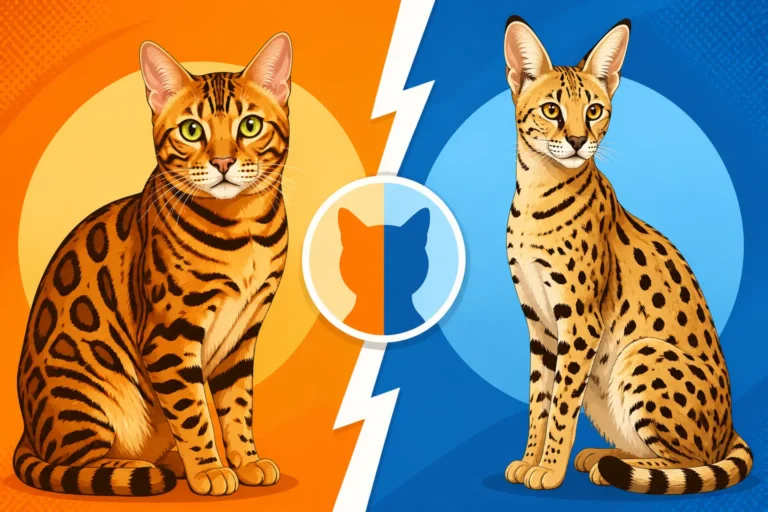
SBT stands for "Stud Book Traditional," and this designation is critically important for the Bengal breed. An SBT Bengal is at least four generations removed from its wild ancestor, meaning it has an F3 parent and a domestic cat parent (or two SBT parents). This makes them fully domestic in terms of legal classification, behavior, and temperament, and they are recognized by major cat registries like TICA as a purebred domestic cat. While they still possess the stunning wild appearance – the rosettes, the glitter, the athletic build – their temperament is reliably domestic. What SBT Means in a Bengal Cat dives deeper into this classification.
SBT Bengals are generally the choice for families who want the exotic look without the potential behavioral challenges or legal hurdles of the earlier generations. They are typically confident, affectionate, playful, and integrate well into most active households. While they retain the Bengal's signature energy and intelligence, their instincts are far more aligned with a traditional domestic cat, albeit a very active and vocal one. They are usually more predictable, making them a much more accessible choice for first-time Bengal owners or those with less experience with high-energy breeds.
Deciding Between F2, F3, and SBT: Lifestyle Match
The decision between an F2, F3, or SBT Bengal largely comes down to your experience level, lifestyle, and the amount of dedication you can commit.
| Feature | F2 Bengal | F3 Bengal | SBT Bengal |
|---|---|---|---|
| Generations from ALC | 2 generations (F1 x Domestic) | 3 generations (F2 x Domestic) | 4+ generations (F3 x Domestic, or SBT x SBT) |
| Wild Blood % | Approx. 25% | Approx. 12.5% | Less than 6.25% |
| Temperament Trend | More reserved, higher instincts, can be shy. Needs highly experienced owner. | More outgoing than F2, but still very high energy. Good for experienced active owners. | Reliably domestic, confident, affectionate, high energy. Suitable for active cat owners. |
| Legality | Often restricted or requires permits in many areas. | Less restricted than F2, but still may require checks. | Generally treated as a domestic cat, few restrictions. |
| Enrichment Needs | Extremely high, requires secure outdoor space/catio. | Very high, benefits greatly from catio/vertical space. | High, thrives with vertical space, interactive play. |
| Interaction | Can be wary of strangers, bonds deeply with few. | More social, but still independent and playful. | Highly social, loves interaction, often a "lap cat" on its terms. |
An F2 Bengal is truly for the experienced hybrid cat owner who understands and is prepared for significant commitment to training, socialization, and providing a highly stimulating and secure environment. They are not for the faint of heart and demand a unique lifestyle. An F3 Bengal offers a wonderful balance for those who want a strong connection to the wild look and robust energy, but with a more manageable and predictable domestic temperament. They thrive in active households where their intelligence and need for play are met consistently. SBT Bengals are the most popular choice for a reason: they deliver that stunning wild beauty and playful nature in a package that is genuinely domesticated and suitable for most committed cat owners. What a Bengal Cat's Temperament Is Really Like explores the general behavioral traits applicable across generations. Ultimately, consider how much "wildness" you're genuinely equipped to handle, both legally and practically, and be honest about your home environment and time commitment.
Finding a Reputable Breeder: Key Questions to Ask
No matter which generation you choose, finding a reputable breeder is the most critical step. This is especially true for F2 and F3 Bengals, where proper breeding, early socialization, and health screening are absolutely paramount. A good breeder will be transparent, knowledgeable, and genuinely care about the welfare of their kittens.
Here are essential questions to ask:
- Health Testing: Can they provide proof of health screenings for both parents, including PK-def, PRA-b DNA tests, and recent (within 12-18 months) echocardiograms for HCM? This is non-negotiable for responsible breeding.
- Generation and Pedigree: Ask to see the pedigree papers, which clearly indicate the generation of the parents and the kitten. Ensure they are registered with a recognized cat registry like TICA (The International Cat Association). How to Find a Bengal Cat's Generation on Its Pedigree is a great resource here.
- Socialization: How are the kittens raised? Are they handled daily? Exposed to household sounds, other pets, and people? Early socialization is crucial for F2 and F3 Bengals to ensure they develop into well-adjusted adults.
- Environment: What are the living conditions for the cats? Are they clean, spacious, and enriched? A good breeder will welcome questions and often allow visits (if practical and safe) or provide video tours.
- Contract and Guarantees: Do they offer a health guarantee against genetic diseases? What are the terms of their contract regarding spaying/neutering (often required for pet-quality kittens) and returns if an issue arises?
- Support: Will they be available for ongoing advice and support after you take your kitten home? A reputable breeder is invested in their cats for life.
- Legal Compliance: For F2 and F3, a good breeder will discuss the legalities in your area and ensure you are aware of any permits or restrictions.
Be wary of breeders who offer kittens at unusually low prices, don't provide health documentation, or rush the sale without asking you questions about your home and experience. A healthy, well-adjusted Bengal kitten from any generation is an investment, and choosing the right breeder is paramount to a positive experience.
Disclaimer
This article is for general informational purposes only and does not constitute professional advice. Laws, prices and regulations vary by location and change over time. Consult a qualified professional for guidance on your specific situation.