Whether an Affected Bengal Cat Should Be Bred
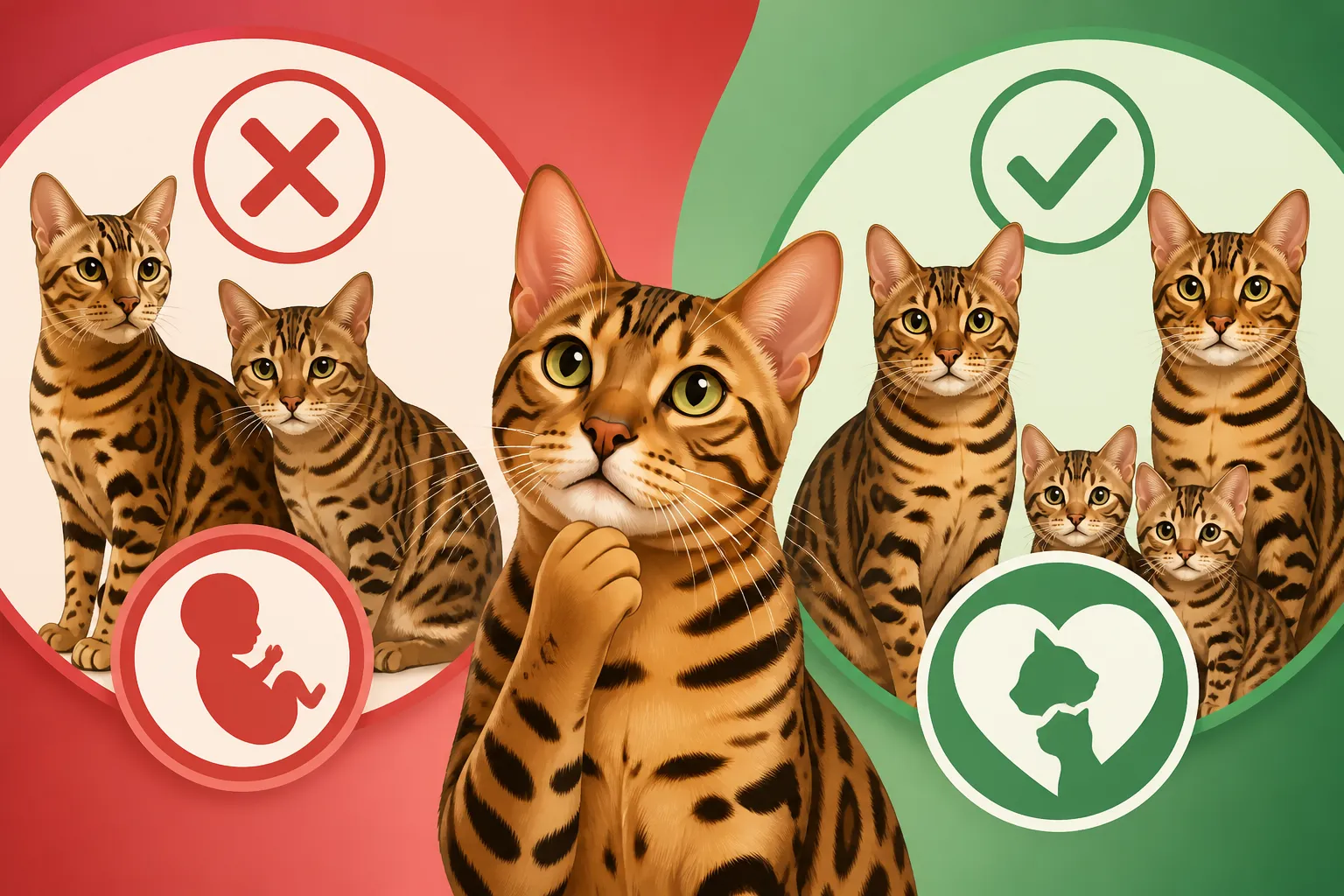
Bringing a magnificent Bengal cat into your life is an absolute joy, but it also comes with a serious responsibility, especially if you're considering breeding. The heartbreaking reality is that some Bengal cats carry genetic predispositions to debilitating diseases. This guide delves into the crucial question of whether a Bengal cat diagnosed with a significant health issue should ever be part of a breeding program, exploring the ethical and practical considerations involved for the well-being of the breed.
The Genetic Landscape of Bengal Cat Health
It’s a tough pill to swallow, but even our beloved Bengal cats, with their stunning looks and energetic personalities, aren't immune to genetic health issues. These conditions aren't just minor inconveniences; they can severely impact a cat's quality of life, leading to chronic pain, disability, or even premature death. Understanding these potential pitfalls is the first step toward becoming a truly responsible breeder or owner.
Common Inherited Conditions to Watch For
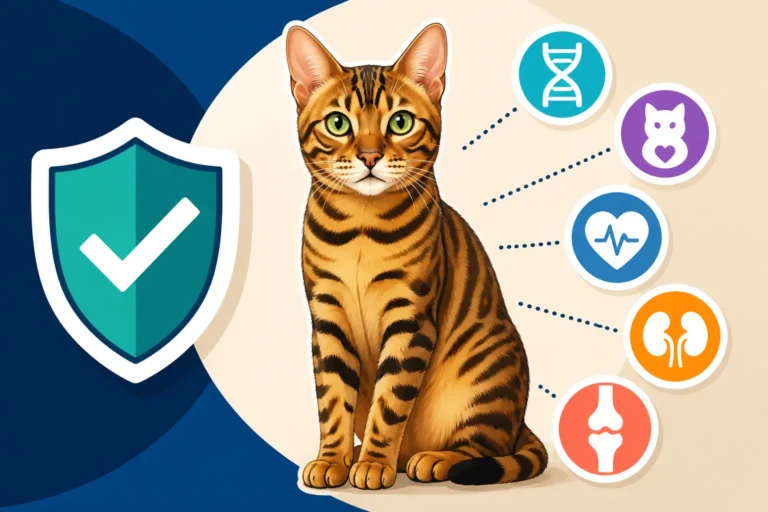
When we talk about genetic diseases in Bengal cats, a few key culprits often come up. These are conditions that have been identified within the breed, often passed down through generations. Knowing about them isn't just academic; it's vital for preventing heartache.
One of the most concerning is Progressive Retinal Atrophy (PRA-b). This isn't just poor eyesight; it's a degenerative disease that slowly but surely destroys the retina, leading to blindness. Imagine your active, agile Bengal gradually losing its ability to navigate its world – it's a truly devastating prospect. The severity and age of onset can vary, but generally, affected cats can become fully blind from PRA-b by two years of age. Owners often notice signs a Bengal cat kitten is losing night vision first, which can be disorienting and frightening for the animal.
Then there's Pyruvate Kinase Deficiency (PK Deficiency), a metabolic disorder affecting red blood cells. Cats with PK Deficiency experience chronic anemia, leading to lethargy, weakness, and sometimes jaundice. It's a condition that can cause a lot of suffering, with cats having good days and bad days, making it difficult to manage. The red blood cells don't function correctly, leading to their premature destruction, and this can mean a lifetime of unpredictable health crises for the affected cat.
And we can't forget Hypertrophic Cardiomyopathy (HCM), the most common form of heart disease in cats. HCM causes the muscular walls of the heart to thicken, making it harder for the heart to pump blood effectively. This can lead to heart failure, blood clots, and sudden death. It's particularly insidious because signs a Bengal cat has heart disease can be subtle, and many cats show no symptoms until the condition is advanced or even fatal. It's one of the reasons why HCM is what kills Bengal cats early. The progressive nature of the disease means that an affected Bengal cat might live a normal life for a while, only to succumb to heart failure without much warning.
Understanding Genetic Testing and Carrier Status
Given these serious conditions, genetic testing isn't just a suggestion for Bengal cat breeders; it’s an absolute necessity. Many of these diseases are inherited in a recessive pattern, meaning a cat needs to inherit two copies of the faulty gene (one from each parent) to be affected. However, a cat can still carry one copy of the gene without showing any symptoms, making them a carrier.
The distinction between "affected" and "carrier" is crucial. An affected cat will develop the disease. A carrier, on the other hand, is outwardly healthy but can pass the faulty gene on to their offspring. If two carriers are bred together, there's a 25% chance with each kitten that it will inherit two copies of the faulty gene and be affected. This is why understanding how two carriers produce a blind Bengal cat, for instance, is so important for breeders.
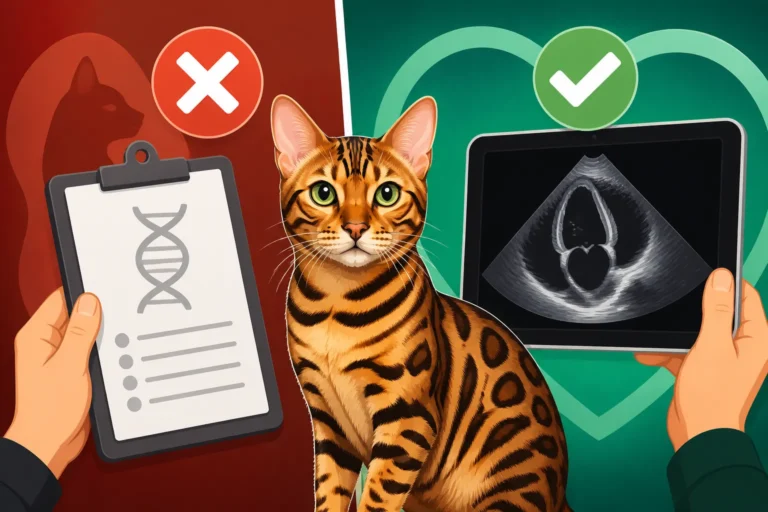
Genetic tests for conditions like PRA-b and PK Deficiency are readily available through specialized veterinary laboratories. These tests typically involve a simple cheek swab and can definitively tell you if a cat is clear, a carrier, or affected. For HCM, it's a bit different; there isn't a reliable gene test for Bengal cats like there is for some other breeds, which means regular cardiac echocardiograms by a board-certified veterinary cardiologist are the gold standard for screening. A Bengal cat breeder must show an echo, not a gene test, to prove their breeding cats are clear of HCM. These tests help map the genetic health of your breeding line, enabling you to make informed decisions that safeguard the health of future generations.
The Ethical Imperative: To Breed or Not to Breed an Affected Cat
This is where the rubber meets the road. Once a Bengal cat has been diagnosed with a significant inherited health issue, the question of breeding them transitions from a medical one to a deeply ethical one. As animal lovers and responsible stewards of the Bengal breed, our primary concern must always be the welfare of the cats themselves.
The Moral Responsibility of a Breeder
To deliberately breed a Bengal cat that is known to be affected by a serious genetic disease is, quite frankly, an irresponsible and unethical act. The purpose of responsible breeding is to improve the breed, ensuring health, temperament, and adherence to the breed standard. Introducing or perpetuating debilitating conditions actively undermines this goal.
Imagine the suffering of the affected kittens. Imagine the heartbreak and financial burden on their future owners. No one wants to bring home a kitten only to discover it will go blind young, suffer from chronic anemia, or develop severe heart disease. Responsible breeders understand that every breeding decision has a ripple effect, not just for the immediate litter, but for the entire gene pool of the Bengal cat breed. Allowing affected animals into the breeding program dilutes the efforts of those working tirelessly to eradicate these genetic issues, making the problem harder to solve for everyone.
Furthermore, a breeder's reputation is built on trust and integrity. Prospective owners seek out breeders who prioritize health and transparency. Discovering that a breeder knowingly bred an affected cat, or failed to perform due diligence with health testing, would rightly damage that trust. This isn't just about avoiding a sales pitch; it's about upholding a moral contract to produce healthy, thriving animals.
Consequences for Offspring and Future Generations
The direct consequences of breeding an affected Bengal cat are most immediately felt by its offspring. While not every kitten from such a pairing would necessarily inherit the disease, the risk factor increases dramatically. For example, if an affected cat with a recessive condition is bred to a carrier, there's a 50% chance with each kitten that it will be affected, and a 50% chance it will be a carrier. This significantly higher probability means more sick kittens, more veterinary visits, and more heartache for families.
Consider a hypothetical scenario where a breeder decided to breed a Bengal cat known to be affected with PRA-b. Even if some kittens appear visually healthy at first, they might still be carriers or develop the condition later. When these kittens are sold to unsuspecting families, the potential for suffering is immense. The financial strain of continuous veterinary care for a chronically ill cat can also be overwhelming for owners. While pet insurance from providers like Healthy Paws can help mitigate these costs, the emotional toll remains heavy. It’s a burden that no responsible breeder should ever knowingly place on a new pet owner.
The broader implications extend to the entire Bengal cat population. Each affected cat that is bred contributes more faulty genes into the gene pool, making it harder for future generations of breeders to produce healthy, disease-free lines. This perpetuates the cycle of suffering and compromises the overall health and vitality of the breed for years to come. It’s a legacy that no ethical breeder would wish to leave behind.
Navigating Breeding Decisions with Health in Mind
Making the right decisions for your Bengal cats and the future of the breed requires careful thought, robust testing, and a commitment to ethical practices. It’s not always easy, but it’s always necessary.
Guidelines for Responsible Breeding Programs
Responsible breeding starts with a comprehensive health testing protocol. Before any Bengal cat enters a breeding program, they should undergo all recommended genetic tests for known breed-specific conditions like PRA-b and PK Deficiency, and regular cardiac screenings for HCM. This means understanding exactly what a Bengal cat breeder should have tested and ensuring those tests are up-to-date and performed by qualified professionals.
Any Bengal cat that tests positive as affected for a significant genetic disease should be immediately removed from the breeding program and spayed or neutered. This is a non-negotiable step to prevent the further spread of the disease. It might be a difficult decision, especially if the cat has desirable conformational traits or a wonderful temperament, but their long-term health and the health of the breed must take precedence.
For carriers of recessive conditions, the decision can be more nuanced. While an affected cat should never be bred, carriers can sometimes be part of a carefully managed breeding program, but only under strict conditions. They must only be bred to cats that are genetically clear of the same condition. For example, if you have a PRA-b carrier, you would only breed them with a cat that is PRA-b clear. This ensures that no affected kittens are produced, though a percentage of the litter will likely still be carriers. The goal is always to move towards a clear lineage, eventually phasing carriers out of the breeding program. Discussions like whether two PRA-b carrier Bengal cats should be bred highlight the complexity and importance of these decisions.
Here's a quick reference for making breeding decisions based on common genetic conditions:
| Condition | Inheritance Pattern | Status: Clear | Status: Carrier | Status: Affected | Breeding Recommendation |
|---|---|---|---|---|---|
| PRA-b | Autosomal Recessive | Breed freely | Breed only with Clear | DO NOT BREED | Aim to breed carriers to clear cats to produce clear offspring. |
| PK Deficiency | Autosomal Recessive | Breed freely | Breed only with Clear | DO NOT BREED | Gradually phase out carriers by breeding with clear individuals. |
| HCM | Complex / Polygenic | Breed freely (with annual echoes) | Not applicable (no single gene test) | DO NOT BREED | Affected cats should be neutered. Only breed clear, annually screened cats. |
| Other conditions | (Varies) | Follow specific guidelines | Follow specific guidelines | DO NOT BREED | Always consult with a veterinary geneticist. |
Supporting the Health of the Bengal Breed
Beyond individual breeding decisions, contributing to the overall health of the Bengal breed requires a collective effort. Breeders should prioritize transparency, openly sharing health testing results for their breeding cats. This helps prospective owners make informed choices and prevents the accidental perpetuation of genetic issues. Organizations like The International Cat Association (TICA) provide avenues for registering and documenting health tests, further promoting accountability.
Establishing a strong relationship with a veterinarian who understands the specific health challenges of Bengal cats is also vital. A good vet can provide guidance on testing protocols, interpret results, and advise on the long-term care of both breeding cats and their offspring. For complex genetic scenarios, consulting with a veterinary geneticist can offer invaluable insights and strategies.
Prospective Bengal cat owners also have a role to play. Don't be shy about asking breeders for proof of health testing for both parents of a kitten. Ask to see certificates for PRA-b, PK Deficiency, and recent cardiac echocardiograms for HCM. A responsible breeder will be happy to provide these. Also, consider investing in pet insurance from the start. Even with the most careful breeding, unforeseen health issues can arise, and a plan from a provider like Healthy Paws can provide peace of mind and ensure your Bengal gets the best care possible without financial strain. By working together – breeders, vets, and owners – we can ensure that the Bengal cat remains a healthy, vibrant, and cherished breed for generations to come.
Disclaimer
Please remember that this article is intended for informational purposes only and does not constitute veterinary advice. Always consult with a qualified veterinarian or veterinary specialist for any health concerns or before making any decisions related to the breeding or care of your Bengal cat.