Why a Bengal Cat Breeder Must Show an Echo, Not a Gene Test
If you're on the exciting, sometimes overwhelming, journey of finding a Bengal cat, you've likely encountered a lot of jargon about health testing. One of the biggest fears for any cat owner, especially those with breeds known for certain predispositions, is heart disease. It's frustrating when you hear conflicting information or feel like you're not getting clear answers from breeders about a potential kitten's cardiac health. This guide is here to cut through that confusion, explaining precisely why a responsible Bengal cat breeder absolutely must show you current echocardiogram results for their breeding cats, and why relying on a "gene test" for this particular condition is simply not enough.
The Shadow of HCM on the Bengal Breed
Hypertrophic Cardiomyopathy, or HCM, is a scary term that unfortunately looms large over several cat breeds, and our beloved Bengals are no exception. It's a condition that can turn a healthy, vibrant cat into one struggling with heart failure in what feels like an instant, and for many prospective owners, it's a genuine source of anxiety.
Understanding Hypertrophic Cardiomyopathy
Let's break down what HCM actually is. Imagine your cat's heart, a powerful little pump working tirelessly every second of their life. Now, imagine the walls of the main pumping chamber, the left ventricle, starting to thicken abnormally. This thickening, or hypertrophy, makes the heart muscle stiff and less efficient at pumping blood. It can also restrict the flow of blood out of the heart and disrupt its electrical signals, leading to irregular heartbeats. For us humans, it might be compared to a constantly overworked muscle that just gets too big and rigid to function correctly. It’s a progressive disease, meaning it tends to get worse over time, though the rate of progression can vary wildly between individual cats.
Why HCM is a Concern for Bengal Cats
Bengals are known for their athleticism, their boundless energy, and their sleek, muscular bodies. It feels counterintuitive that such a seemingly robust breed could be prone to something as serious as heart disease. However, genetic predispositions are a reality in many purebred animals, and HCM has been identified as a significant health concern within the Bengal cat population. This isn't to say every Bengal will get HCM, far from it, but the breed has a higher incidence compared to the general cat population. Breeders, therefore, have a critical responsibility to screen for this condition to try and minimize its spread within their lines and to protect the health of future generations. The fact that it can strike without warning makes it particularly insidious. You might have a perfectly playful Bengal one day, and the next, they're showing signs of distress or, heartbreakingly, collapse.
The Heartbreaking Reality of HCM Diagnosis
The insidious nature of HCM is one of the hardest things for owners to come to terms with. Cats are masters at hiding illness, a survival instinct from their wild ancestors. This means that by the time a Bengal cat is showing obvious symptoms of heart disease, the condition is often quite advanced. Signs can be subtle: a decrease in activity level, slightly heavier breathing after play, or a cough. In more severe cases, you might notice rapid or labored breathing, open-mouthed breathing, or even sudden weakness or paralysis, often due to a blood clot (known as a saddle thrombus) forming and blocking blood flow to the legs. It’s a truly devastating experience for families when their beloved, energetic Bengal suddenly succumbs to heart failure. We've talked before about how HCM Is What Kills Bengal Cats Early, and it’s a grim reality that proper screening aims to prevent.
The Myth of the "HCM Gene Test" for Bengal Cats
This is where a lot of confusion, and sometimes misinformation, can creep into conversations with breeders. Many people hear about genetic tests for health conditions in other breeds and assume there's a simple DNA test available for HCM in Bengals. Unfortunately, for this particular heart condition in this specific breed, it's not that straightforward.
The Misconception About a Simple Genetic Solution
It’s completely understandable why you might expect a gene test for HCM. After all, we have fantastic DNA tests available for other Bengal health concerns, like PRA-b (progressive retinal atrophy) and PK Deficiency (pyruvate kinase deficiency), which definitively tell you if a cat is clear, a carrier, or affected. These tests are neat, tidy, and give clear answers, which is incredibly reassuring for both breeders and prospective owners. So, when breeders talk about "health testing," it's easy to lump HCM into the same category and assume there's a quick cheek swab that will tell you everything you need to know. But with HCM in Bengals, that simply isn't the case.
Why Other Breeds Have Gene Tests and Bengals Don't for HCM
You might have heard of an HCM gene test for Maine Coons, and that's a perfect example of why the situation is breed-specific. Maine Coons do have a known genetic mutation (A31P mutation in the MYBPC3 gene) that is directly linked to a significant percentage of HCM cases in their breed. If a Maine Coon tests positive for this mutation, it's a strong indicator of their risk. However, this specific gene mutation is not the primary cause of HCM in Bengal cats, nor is it the only cause of HCM in Maine Coons. So, running a Maine Coon HCM gene test on a Bengal cat would be like testing a golden retriever for a common poodle genetic disorder – it simply wouldn't yield relevant or accurate information for the Bengal. We actually have a whole article dedicated to this specific issue: Why the Maine Coon HCM Test Does Not Work on a Bengal Cat. It’s a crucial point of distinction that often gets overlooked.
The Evolving Science of Feline Cardiology Genetics
The reality is that HCM, in many cat breeds including the Bengal, appears to be a much more complex genetic puzzle. It's often considered polygenic, meaning multiple genes, working together, contribute to its development, rather than a single, easily identifiable mutation. It can also manifest spontaneously in cats with no identifiable genetic predisposition. This complexity is why scientists haven't yet been able to isolate a single, reliable gene marker for HCM in Bengal cats that would allow for a simple DNA test. Research is always ongoing, and we hope for future breakthroughs, but as of right now, genetic science hasn't caught up to provide that quick answer for Bengal HCM. Relying on a non-existent or irrelevant gene test could give a false sense of security, which is far more dangerous than having no test at all.
The Indispensable Role of the Echocardiogram
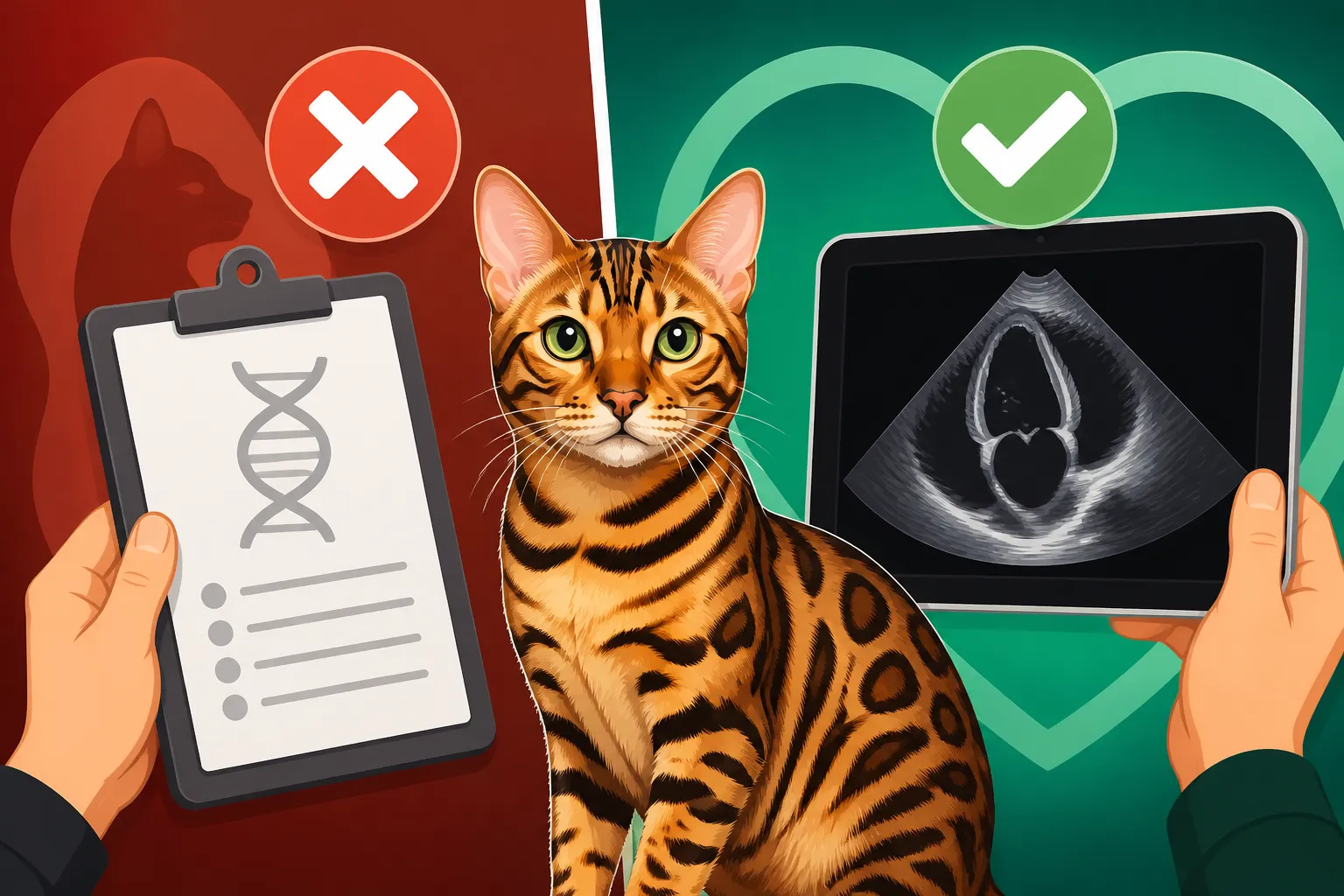
Given the lack of a reliable gene test, what is the gold standard for screening and diagnosing HCM in Bengal cats? The answer, unequivocally, is the echocardiogram. This is a non-invasive, painless procedure that provides a clear, real-time look at your cat's heart, allowing veterinary specialists to assess its structure and function.
What an Echocardiogram Reveals
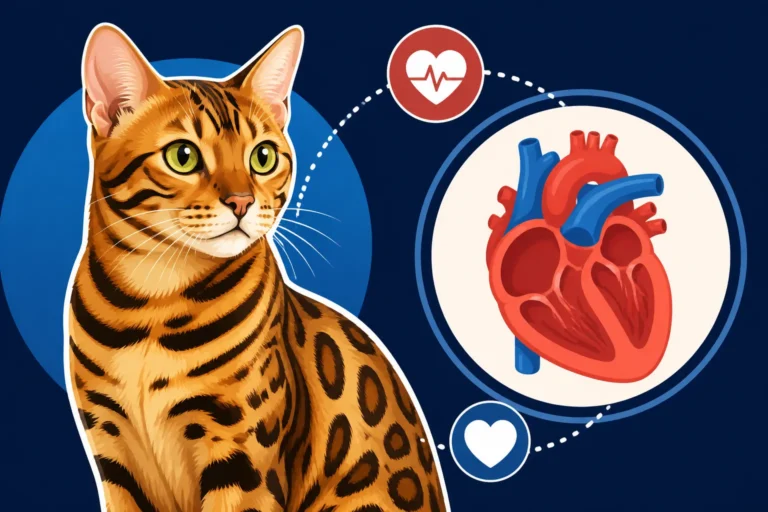
Think of an echocardiogram as a sophisticated ultrasound specifically for the heart. A small transducer is placed on the cat's chest, sending sound waves that bounce off the heart's structures and create detailed images on a screen. This allows the specialist to visualize the heart in motion, measure the thickness of the ventricular walls, assess the size of the heart chambers, and observe the function of the valves. They can see if the muscle is thickening, if blood flow is obstructed, or if any other structural abnormalities are present. It's incredibly precise, offering a window into the inner workings of this vital organ that no physical exam or X-ray can replicate. An echo provides a dynamic picture, unlike a static image, which is essential for diagnosing a condition that affects the heart's pumping action. If you're wondering What HCM Does to a Bengal Cat's Heart, the echo is the tool that shows it.
The Gold Standard for HCM Detection
Because there's no reliable gene test for HCM in Bengal cats, the echocardiogram stands alone as the most effective and accurate diagnostic tool. It provides a direct assessment of the heart's physical state, allowing cardiologists to detect the earliest signs of ventricular thickening or other changes indicative of HCM. This means that a cat who might otherwise seem perfectly healthy can be identified as affected, allowing for early intervention or, in the case of breeding animals, removing them from a breeding program to prevent passing on the predisposition. Without an echo, HCM often goes undetected until symptoms are severe, making treatment more challenging and outcomes less favorable. This makes the echo not just a test, but a crucial proactive measure for the breed.
Who Should Perform the Echo
This isn't just any vet visit. For an echocardiogram to be truly reliable and its results properly interpreted, it absolutely must be performed by a board-certified veterinary cardiologist. These specialists have undergone extensive additional training and certification beyond veterinary school, making them experts in diagnosing and treating heart conditions in animals. They have the specialized equipment, the keen eye, and the deep understanding necessary to identify subtle changes that a general practitioner might miss. A clear echo performed by a general vet, while well-intentioned, simply doesn't carry the same weight or assurance. It’s an investment, but a vital one. We've emphasized this before in our guide Why a Cardiologist Should Scan a Bengal Cat, because the expertise truly matters when it comes to such a nuanced condition.
Breeder Responsibilities and Best Practices
For anyone looking to bring a Bengal into their home, understanding a breeder's role in health screening, particularly for HCM, is paramount. Responsible breeding isn't just about beautiful rosettes or glitter; it's fundamentally about health and temperament.
The Ethical Imperative for Regular Screening
Any breeder worth their salt understands that they are custodians of their breed. For Bengal cats, this means taking proactive steps to safeguard against conditions like HCM. Ethically, a breeder has a responsibility to screen all breeding cats regularly with echocardiograms by a board-certified cardiologist. This isn't a one-and-done deal; HCM can develop later in life, so ongoing screening is crucial. A breeder who truly cares about the long-term health of their lines will remove any cat diagnosed with HCM from their breeding program immediately, regardless of how "perfect" that cat might otherwise be in terms of appearance or temperament. This dedication helps to gradually reduce the incidence of the disease over generations, contributing to a healthier future for the entire breed.
Understanding Echo Frequency Guidelines
So, what does "regularly" actually mean? While specific guidelines can vary slightly between veterinary organizations and individual cardiologists, there are generally accepted protocols. Most recommendations suggest that Bengal cats used for breeding should receive their first echocardiogram between 1 and 2 years of age, and then subsequent echoes should be performed annually or every 18 months, depending on the cardiologist's advice and the cat's age and lineage history. The disease can manifest at various ages, so consistent screening throughout a breeding cat's reproductive life is key. A cat might have a clear echo at age two, but show signs of HCM at age four. This is why annual screening is so vital. You can learn more about this in our articles When a Bengal Cat Should Have Its First Echo and How Often a Bengal Cat Needs an Echo.
Interpreting Echo Results
When a breeder presents echo results, you'll generally see one of three categories:
- "Clear" (or "Normal"): This means the cardiologist found no evidence of HCM at the time of the scan. This is what you want to see! However, remember that "clear" is a snapshot in time, and the cat would still need follow-up scans.
- "Equivocal" (or "Borderline"): This indicates that there are some minor changes that could be early signs of HCM, but they're not definitive enough for a full diagnosis. A cardiologist might recommend re-scanning sooner for these cats and would typically advise against breeding them until a definitive "clear" status is established, or they are deemed affected.
- "Affected" (or "Positive"): This means the cardiologist has definitively diagnosed the cat with HCM. These cats should absolutely be removed from breeding programs to prevent passing on the genetic predisposition.
Understanding these classifications helps you assess the health claims of a potential breeder and makes you a more informed prospective owner.
What to Ask Your Prospective Bengal Breeder
Choosing a Bengal cat is a big decision, and finding a responsible breeder is paramount. Don't be shy about asking direct, pointed questions about health testing. A good breeder will welcome your questions and be transparent with their answers and documentation.
Demanding Proof of Health Screenings
When you inquire about a kitten, one of your first questions should be about the health testing of both parents, especially concerning HCM. Don't just accept a verbal assurance. Ask to see physical copies or digital certificates of the most recent echocardiogram results for the kitten's mother and father, performed by a board-certified veterinary cardiologist. These documents should clearly state the cat's name, the date of the scan, and the cardiologist's findings (e.g., "Normal" or "Clear for HCM"). If a breeder hesitates or can't provide this documentation, consider it a significant red flag. This isn't just about trust; it's about verifiable proof. We delve deeper into this in our guide: Whether a Bengal Cat Breeder Shows Echo Results.
Verifying the Cardiologist's Credentials
It's not enough to just see an echo result; you need to ensure the test was performed by a qualified professional. Ask the breeder for the name of the veterinary cardiologist who performed the scans. You can then often verify their board certification through organizations like the American College of Veterinary Internal Medicine (ACVIM) website. A reputable cardiologist will have their credentials clearly listed. This step helps ensure that the interpretation of the echo images is accurate and that the diagnosis (or clear status) is reliable. Skipping this verification leaves too much to chance.
Understanding Pedigree and Lineage Health
Beyond the immediate parents, a truly transparent breeder will be willing to discuss the health history of the broader lineage – grandparents, aunts, and uncles if possible. While HCM can appear spontaneously, there are certainly lines where it has a higher incidence. Understanding if there's a history of early-onset HCM or a significant number of affected cats in the pedigree can provide valuable insight into the genetic risks associated with a particular breeding program. A good breeder will be open about both the successes and the challenges in their lines, discussing what steps they've taken to mitigate risks. This demonstrates a deep commitment to the breed's health over time, not just in individual cats.
The Financial and Emotional Investment of HCM
Bringing a Bengal cat into your life is a significant investment, not just in terms of the initial purchase price, but in the ongoing care and potential health challenges you might face. HCM, in particular, can be financially and emotionally draining if you're not prepared.
The Cost of Regular Echo Screenings
While you're a prospective owner, the cost of breeder screenings isn't directly yours, but it’s reflected in the price of a well-bred kitten. For owners, if you plan to continue screening your pet Bengal for peace of mind, or if a murmur is detected, echocardiograms are not inexpensive. A single echo from a board-certified cardiologist can range from $400 to $800, depending on your geographic location and the clinic. If your cat needs annual screenings, or if an equivocal result requires more frequent follow-ups, these costs add up over a cat's lifetime. Think about What a Bengal Cat's First Echo Costs and then multiply that over several years. We even have a guide estimating What Fifteen Years of Bengal Cat Echoes Cost. It's a significant financial commitment but one that can literally add years to your cat's life by catching issues early.
Preparing for Potential Treatment Costs
If, despite all the best efforts, your Bengal cat is diagnosed with HCM, the financial commitment shifts from screening to treatment. While there's currently no cure for HCM, medications can help manage the condition, improve quality of life, and slow its progression. These medications often include beta-blockers, ACE inhibitors, or diuretics, all aimed at reducing the heart's workload, controlling fluid buildup, and preventing clots. These prescriptions can cost anywhere from $50 to $200 per month, depending on the cat's size, the specific drugs, and your pharmacy. Emergency visits for heart failure or blood clots, which are unfortunately common complications of advanced HCM, can easily run into thousands of dollars. We've discussed Which Medication a Bengal Cat With HCM Takes in detail, and these costs are a realistic part of living with an affected cat.
The Value of Pet Insurance
This is where pet insurance, like plans offered by Healthy Paws, really shines as a valuable safety net. Given the potential for significant veterinary costs associated with a condition like HCM – from ongoing specialist visits to daily medication and emergency care – having a good pet insurance policy can provide immense peace of mind. While most policies have waiting periods and may not cover pre-existing conditions, if you enroll your Bengal cat as a kitten before any symptoms or diagnoses appear, you can be well-covered for future cardiac issues. It's definitely worth looking into if you're concerned about unexpected medical bills. Thinking about Whether Insurance Pays for a Bengal Cat's Echo or other long-term care can save you a lot of financial stress down the line.
Living with a Bengal Cat Diagnosed with HCM
Receiving an HCM diagnosis for your beloved Bengal can feel like a punch to the gut. It's natural to feel worried, scared, and even a bit helpless. But an HCM diagnosis isn't necessarily a death sentence, especially with early detection and proactive management.
Recognizing the Subtle Signs of Heart Disease
As we touched on earlier, cats are masters of disguise when it comes to illness. Being hyper-vigilant about subtle changes in your Bengal's behavior and physical condition is crucial. Keep an eye out for any decrease in their usual high energy levels, less interest in play, or a tendency to tire more quickly. Pay attention to their breathing: is it faster or more labored than usual, even at rest? A persistent cough, changes in appetite, or hiding more often can also be signs. Listen for any changes in their meow or purr that seem unusual. While a vet can often detect a heart murmur during a routine check-up, not all cats with HCM have one, and not all murmurs indicate HCM. However, if your vet hears one, it's a definite prompt for an echocardiogram to rule out or confirm heart disease. For more detailed information, look at our articles on Signs a Bengal Cat Has Heart Disease and Signs a Bengal Cat Is Breathing Hard.
Management and Quality of Life
With an HCM diagnosis, the goal shifts to managing the condition and ensuring the best possible quality of life for your Bengal. This often involves a tailored medication regimen prescribed by a veterinary cardiologist, aimed at reducing the heart's workload, improving blood flow, and preventing complications like blood clots. Regular follow-up appointments with the cardiologist are essential to monitor the disease's progression and adjust medications as needed. Many cats with HCM, particularly when diagnosed early and managed effectively, can live full, happy lives for years. It requires commitment, patience, and a willingness to work closely with your veterinary team, but the rewards are seeing your beloved companion thrive despite their diagnosis. Even if they've had a serious complication like a clot, such as What Saddle Thrombus Does to a Bengal Cat, recovery and a good quality of life can sometimes be achieved. While it's a serious condition, understanding How Long a Bengal Cat Lives After an HCM Diagnosis can provide some reassurance about future outlooks.
The Importance of a Strong Veterinary Relationship
Having a strong, trusting relationship with your regular veterinarian and, if needed, a board-certified veterinary cardiologist, is absolutely paramount when dealing with HCM. They are your partners in your Bengal's health journey. Don't hesitate to ask questions, voice your concerns, and seek clarification on treatment plans. A good veterinary team will provide clear explanations, support you through difficult decisions, and ensure your cat receives the best possible care. They'll also help you understand what to watch for at home, empowering you to be an active participant in your Bengal's health management. Communication is key to ensuring your Bengal gets comprehensive and consistent care.
Beyond HCM: A Holistic View of Bengal Health
While HCM is a major concern, and the focus of our discussion on breeder testing, it's important to remember that a Bengal cat's health encompasses more than just their heart. A truly responsible breeder and dedicated owner will consider a broader spectrum of health issues.
Other Important Health Tests for Bengal Cats
Fortunately, for several other significant health conditions that can affect Bengal cats, reliable DNA gene tests do exist. These include:
- Progressive Retinal Atrophy (PRA-b): This genetic condition causes the retina to degenerate over time, eventually leading to blindness. A simple DNA test can identify if a cat is clear, a carrier, or affected, allowing breeders to make informed decisions and prevent the disease in their kittens.
- Pyruvate Kinase Deficiency (PK Deficiency): This is a genetic blood disorder that leads to hemolytic anemia. Again, a DNA test can accurately identify a cat's status (clear, carrier, or affected).
A reputable breeder will not only test for these conditions but will also provide documentation of clear results for their breeding cats. These genetic tests are straightforward and provide definitive answers, which is why they are so valuable. It’s part of a comprehensive approach to health, as outlined in guides like What a Bengal Cat Breeder Should Have Tested.
The Lifelong Commitment to Bengal Health
Owning a Bengal cat is a lifelong commitment, and that commitment extends far beyond the initial purchase and health screenings. It means providing high-quality nutrition, regular veterinary check-ups (including annual wellness exams and potentially more frequent cardiologist visits if needed), proper enrichment to keep their active minds and bodies stimulated, and a safe, loving environment. It also means being observant, noticing any subtle changes in behavior or health, and seeking veterinary attention promptly. Your Bengal's health journey is dynamic, and ongoing vigilance is key to ensuring they live a long, vibrant life.
Advocating for Better Breed Health
As a prospective or current Bengal owner, you have a powerful voice in advocating for better breed health. By choosing breeders who are transparent, committed to regular, cardiologist-performed HCM echoes, and who openly discuss all genetic testing, you're encouraging best practices within the Bengal community. Support organizations that fund research into feline heart disease. Educate other prospective owners about the importance of proper HCM screening. By demanding high standards, you contribute to a future where these magnificent cats can live healthier, longer lives, free from preventable genetic diseases and with better management for those conditions that are currently unavoidable. Your choices as a consumer have a direct impact on the direction of breed health.
| Test Method | What It Detects | Availability for Bengal HCM | Key Benefit | Limitation |
|---|---|---|---|---|
| Echocardiogram | Physical changes in heart structure (thickening, etc.) | Yes (Gold Standard) | Direct, real-time visualization of heart condition | Requires a skilled cardiologist, not a one-time test (needs repetition) |
| DNA Gene Test | Specific genetic mutations linked to disease | No (for Bengal HCM) | Definitive genetic status (clear, carrier, affected) | No known, reliable gene mutation for Bengal HCM currently |
Disclaimer
The information provided in this guide is for general informational purposes only and does not constitute veterinary advice. Always consult with a qualified veterinary professional for any health concerns or before making any decisions about your Bengal cat's health or treatment.