Whether a Bengal Cat Kitten Arrives With Diarrhea
Bringing home a new Bengal kitten should be a joyous occasion, a whirlwind of playful energy and adorable chirps. But for many new owners, that excitement quickly turns to worry when their precious spotted companion arrives with, or soon develops, persistent diarrhea. It’s an unsettling problem that can leave you feeling helpless and wondering if you’ve made a mistake, but understanding why this happens and what steps to take is crucial for your kitten's health and your peace of mind.
Why a Bengal Cat Kitten Might Arrive With Diarrhea
It’s truly disheartening to see your new, tiny Bengal kitten struggling with an upset tummy. You might have envisioned endless cuddles and play, not immediate trips to the vet and messy litter box clean-ups. The truth is, a kitten’s digestive system is incredibly delicate, and several factors, often compounded by the transition to a new home, can trigger a bout of diarrhea. This isn’t necessarily a sign of a "bad" kitten or a neglectful breeder, but rather a common, albeit frustrating, issue that requires careful attention.
The Stress of a New Home Environment
Imagine being uprooted from everything you know – your family, your smells, your routine – and suddenly dropped into a completely foreign place. That's essentially what a kitten experiences when it leaves its birth home for yours. Bengal cats, while intelligent and adaptable, are still sensitive creatures, and this monumental change can be a significant source of stress. The journey itself, with new sights, sounds, and confinement in a carrier, is often just the beginning. Once in your home, there are new people, perhaps other pets, and a whole new set of rules to learn. This psychological and emotional stress can manifest physically, directly impacting the digestive system. Stress hormones can disrupt the normal gut flora and motility, leading to loose stools or outright diarrhea. It's a common, non-infectious cause that often resolves once the kitten settles in, but it can be hard to differentiate from other, more serious issues.
Dietary Changes and Sensitive Stomachs
One of the biggest culprits behind sudden diarrhea in a new Bengal kitten is a change in diet. Many new owners, with the best intentions, might switch their kitten's food immediately to what they believe is a higher quality brand or one they’ve had success with for previous pets. However, a kitten's gut microbiome is finely tuned to the food it has been eating, especially during those critical developmental weeks. An abrupt switch can completely throw this delicate balance off kilter. Even if the new food is objectively "better," the sudden introduction of different proteins, fats, or carbohydrates can irritate the stomach and intestines, leading to digestive upset. This is why reputable breeders almost always send home a small bag of the kitten's current food and advise a slow, gradual transition over several days, or even a week or two. Skipping this step is a fast track to a messy problem.
Pre-Existing Health Issues and Parasitic Loads
Sometimes, the diarrhea isn't just about stress or diet; it's a symptom of an underlying issue that was present before the kitten even arrived. Kittens are highly susceptible to parasites and bacterial infections, and while good breeders do their best to prevent these, they can sometimes slip through the cracks, especially in a cattery environment where transmission can be quick. A kitten might be carrying a parasitic load from the cattery, such as Giardia or Tritrichomonas, which might not have been severe enough to cause symptoms until the stress of moving exacerbated it. For a more comprehensive look at these persistent issues, you might find our guide on Chronic Diarrhea Is the Bengal Cat Complaint Nobody Warns About helpful. These hidden invaders can wreak havoc on a kitten's intestines, leading to chronic or intermittent diarrhea that requires specific veterinary intervention.
Common Causes of Kitten Diarrhea and How to Identify Them
When your Bengal kitten starts having diarrhea, it’s natural to feel a bit overwhelmed. Is it serious? Is it contagious? The key is to understand the common causes, which can help you provide your vet with valuable information and lead to a quicker diagnosis and treatment plan. It’s not about becoming an armchair diagnostician, but rather an informed observer.
Parasitic Culprits: Giardia and Tritrichomonas
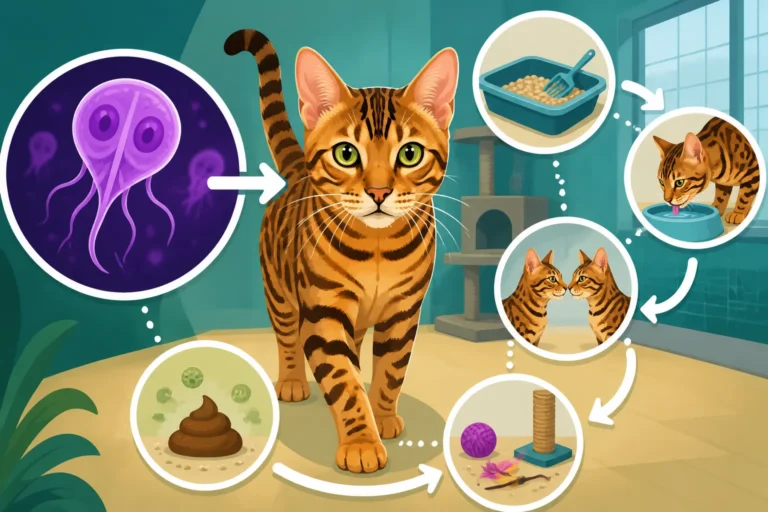
Among the most frustrating and common causes of persistent diarrhea in kittens are tiny, microscopic parasites like Giardia and Tritrichomonas foetus. These aren't the worms you might typically think of, but single-celled organisms that colonize the intestinal tract. Giardia can cause foul-smelling, sometimes greasy, soft stools or diarrhea, and it's quite common for kittens to pick it up in group environments. Even if a kitten was treated, dormant cysts can flare up under stress. What Tritrichomonas Does to a Bengal Cat is another particularly nasty one, often leading to chronic, smelly, often bubbly diarrhea that can be very difficult to get rid of. It’s also often misdiagnosed as other conditions, requiring specific testing to identify. These parasites can be notoriously hard to eradicate, especially Tritrichomonas, and can be highly contagious among cats. If your kitten's stool samples come back negative for common parasites, but diarrhea persists, these specific tests should definitely be on your radar.
Bacterial and Viral Infections
Beyond parasites, kittens can also fall victim to various bacterial and viral infections that cause diarrhea. Bacterial infections, such as those caused by certain strains of E. coli or Salmonella, can lead to severe diarrhea, often with blood or mucus, and can make a kitten very sick very quickly. These often stem from contaminated food or environment. Viral infections are another serious concern. Feline panleukopenia (feline distemper) is a highly contagious and often fatal viral disease that causes severe vomiting and diarrhea, among other symptoms. Another concerning condition, though less common, is Feline Infectious Peritonitis (FIP), which can manifest with a variety of symptoms including chronic diarrhea. It’s vital to be aware of Signs a Bengal Cat Kitten Has FIP to ensure early detection, though thankfully, treatments have advanced significantly. While many breeders vaccinate for common viruses, not all viral threats are covered, and vaccine immunity takes time to develop, leaving young kittens vulnerable.
Sudden Dietary Shifts and Food Sensitivities
As mentioned earlier, a sudden change in diet is a prime suspect for diarrhea in a new kitten. Their digestive systems just aren't ready for drastic changes. This isn't necessarily an "allergy" but rather an intolerance to new ingredients or simply the shock of transitioning too quickly. Some Bengal cats, in particular, can have quite sensitive guts, a trait sometimes attributed to their wild ancestry. They may react poorly to certain grains, fillers, or even specific protein sources. If the diarrhea isn't severe and the kitten seems otherwise well, a diet-related issue is a strong possibility. The stool might be soft, pudding-like, or simply not well-formed, rather than watery. It's less likely to contain blood unless the irritation is severe or prolonged. Learning Which Food Settles a Bengal Cat's Stomach can be a game-changer.
What to Do When Your New Bengal Kitten Has Diarrhea
Finding your new Bengal kitten with diarrhea can be alarming, but it’s important to act calmly and decisively. Your immediate response can make a big difference in your kitten’s recovery and comfort. Don’t panic, but also don’t delay seeking professional help.
Immediate Veterinary Consultation and Diagnostics
The very first step when your new Bengal kitten has diarrhea, especially if it's watery, frequent, or accompanied by other symptoms like lethargy, vomiting, or loss of appetite, is to contact your veterinarian immediately. Diarrhea in kittens can lead to rapid dehydration, which can quickly become life-threatening due to their small size and delicate systems. When you call, be prepared to describe the frequency, consistency, color, and any other observations about the stool. It's incredibly helpful to bring a fresh stool sample (or even a couple from different bowel movements if possible) to your vet appointment. This allows them to perform a fecal examination to check for common parasites like roundworms, hookworms, and coccidia, as well as specific tests for Giardia and Tritrichomonas. Knowing What a Bengal Cat's Fecal Panel Costs might help prepare you for the potential vet bill. Your vet might also recommend blood tests to check for underlying infections or dehydration levels. Be open and honest about the kitten's history, diet changes, and anything the breeder told you.
Treatment Options and Supportive Care
The treatment for your Bengal kitten's diarrhea will, of course, depend entirely on the underlying cause. If parasites are found, specific dewormers or anti-parasitic medications will be prescribed. For bacterial infections, antibiotics might be necessary. In cases of severe dehydration, your kitten might need subcutaneous fluids (under the skin) or even intravenous fluids if they're particularly unwell. Beyond specific medications, supportive care is paramount. Your vet might suggest a bland diet, such as boiled chicken and rice or a prescription gastrointestinal diet, to help soothe the irritated gut. Probiotics can also be very beneficial in helping to restore healthy gut flora. Always administer all prescribed medications as directed, even if your kitten seems to improve, to ensure the infection is fully cleared. This proactive approach helps your kitten recover and prevents recurrence.
Home Management and Comfort Measures
While your vet handles the medical treatment, there's a lot you can do at home to support your Bengal kitten and keep them comfortable. Firstly, ensure they have constant access to fresh water. You might even consider offering a pet-safe electrolyte solution, under vet guidance, if dehydration is a concern. Keep their living area meticulously clean. Diarrhea can make a litter box very messy, very quickly, and cleaning it frequently helps prevent reinfection, especially if parasites are involved. Use a mild, pet-safe disinfectant. Provide a warm, quiet, and comfortable space for your kitten to rest and recover. Minimize stress by keeping other pets and loud noises away for a while. Stick strictly to the diet recommended by your vet; no treats, no table scraps, no sudden changes. Gently clean any stool residue from your kitten's hindquarters to prevent skin irritation. Consider asking the breeder Whether a Breeder Should Treat a Bengal Cat Before Sale to understand what preventative measures might have been taken. Patience is key during this time; it can take a few days or even weeks for a kitten's gut to fully recover. Remember, having a good pet insurance policy, like those offered by Healthy Paws, can certainly alleviate some of the financial stress of unexpected vet visits and treatments.
Preventing Diarrhea in Future Bengal Kittens
While some cases of kitten diarrhea are unavoidable, there are many proactive steps you can take to minimize the risk, both when acquiring a new kitten and after bringing them home. A little foresight and preparation can save you and your new Bengal companion a lot of heartache and mess.
Choosing a Reputable Breeder
This is perhaps the most crucial preventative measure. A reputable Bengal cat breeder prioritizes the health and well-being of their kittens above all else. They will have a clean cattery, provide excellent nutrition, and implement a rigorous health screening and vaccination program. They should be transparent about their practices and readily provide information on the health of the kitten's parents and littermates. Don't be shy about asking Which Questions to Ask a Bengal Cat Breeder, including specifics about their deworming protocols and what they do to prevent common kitten ailments like Giardia or Tritrichomonas. A good breeder will also provide you with a health guarantee, vet records, and crucially, a supply of the food the kitten is currently eating. They should be able to show you documentation, such as Whether a Bengal Cat Kitten Comes With Test Certificates, for the parents' genetic health screenings for common Bengal ailments like PRA-b and PK deficiency. This level of care significantly reduces the chances of your kitten arriving with pre-existing health issues that could lead to diarrhea.
Gradual Introduction to a New Home and Diet
Once you bring your Bengal kitten home, the emphasis should be on a slow, gentle transition. Create a quiet, safe "base camp" for them in a small room where they can acclimate without being overwhelmed by the entire house or other pets immediately. Provide them with plenty of hiding spots, fresh water, and their litter box. As for food, it is absolutely essential to continue feeding the exact food the breeder provided for at least a week, preferably two. If you do wish to switch to a different brand, do so very gradually. This means mixing a small amount of the new food with a large amount of the old food, slowly increasing the proportion of the new food over 7-10 days. Observe your kitten’s stools closely during this period. If you notice any changes, slow down the transition. Remember, When a Bengal Cat Needs a Special Diet for Its Gut is often when things have already gone wrong, so proactive dietary management is key.
Maintaining a Clean and Low-Stress Environment
A clean environment is vital for preventing the spread of any potential pathogens. Keep litter boxes meticulously clean, scooping at least twice a day and washing the box regularly. Sanitize food and water bowls daily. For an active and curious breed, consider getting Which Litter Box Survives a Bengal Cat that can withstand enthusiastic digging. Ensure your kitten has access to clean, fresh water at all times, perhaps from a ceramic or stainless steel bowl that's easy to keep clean. Minimizing stress continues to be important long after the initial settling-in period. Provide plenty of enrichment and playtime to keep their active minds and bodies engaged, but also ensure they have quiet spaces for rest. Avoid sudden loud noises or dramatic changes to their routine if possible. Regular veterinary check-ups are also crucial to catch any potential health issues early, before they escalate into severe diarrhea or other problems. Even if your kitten seems healthy, these routine visits are important. Having pet insurance, like the policies offered by Healthy Paws, can give you peace of mind that you're covered for unexpected vet visits and ensure your kitten gets the best care.
| Common Diarrhea Cause | Key Symptoms | Initial Actions |
|---|---|---|
| Stress | Sudden onset, often after rehoming/travel; soft to watery stools; kitten usually otherwise bright and active. | Provide quiet, safe space; stick to familiar routine/food; monitor closely. |
| Dietary Change | Soft, poorly formed stools, sometimes with mucus; typically starts within hours/days of food change; kitten often active. | Revert to previous food if possible; introduce new food very gradually; consult vet for bland diet suggestions. |
| Parasites | Persistent, foul-smelling, watery/greasy stools; may be intermittent; kitten might be lethargic, have dull coat, or distended belly. | Collect fresh stool sample for vet; follow vet's deworming/anti-parasitic medication regimen strictly. |
| Bacterial Infection | Severe, sudden onset diarrhea; may contain blood or mucus; fever, lethargy, vomiting, loss of appetite. | Immediate veterinary care is critical; bring stool sample; likely requires antibiotics/supportive care. |
| Viral Infection | Severe, often bloody diarrhea; profound lethargy, vomiting, loss of appetite, fever. | Emergency veterinary care is paramount; often requires aggressive supportive care, isolation. |
Disclaimer
The information provided in this guide is for general informational purposes only and is not intended as a substitute for professional veterinary advice. Always seek the advice of your veterinarian or other qualified animal health provider with any questions you may have regarding a medical condition or treatment for your Bengal cat. Never disregard professional veterinary advice or delay in seeking it because of something you have read in this article.