What a Bengal Cat Breeder Should Have Tested
Bringing a new Bengal kitten into your home is an incredibly exciting time, full of dreams about playful antics and beautiful rosettes. But let's be honest, underneath all that excitement often lies a gnawing worry: what if your precious new family member isn't as healthy as they seem? It's a valid concern, and navigating the world of responsible Bengal breeding and health testing can feel like a minefield. This comprehensive guide is here to cut through the confusion and empower you with the knowledge of what every reputable Bengal cat breeder should have tested to ensure you're getting a healthy, well-cared-for companion.
Why Health Testing is Non-Negotiable for Bengal Cats
When you're looking for a Bengal cat, you're not just looking for a pretty face. You're bringing home a living, breathing creature with a unique genetic makeup, thanks to their wild Asian Leopard Cat ancestry. This heritage, while giving them their stunning looks and energetic personalities, also means they can be predisposed to certain health conditions that diligent testing can help mitigate. Ignoring these tests isn't just a shortcut for a breeder; it's a gamble with a kitten's life and an owner's heartbreak.
Understanding Genetic Predispositions in Bengals
Bengal cats, like many purebred animals, come with a genetic blueprint that can unfortunately carry specific vulnerabilities. While they are generally considered a healthy breed, certain conditions have a higher incidence in the Bengal population due to inherited genes passed down through generations. These aren't necessarily weaknesses in the breed itself, but rather traits that responsible breeders actively work to identify and eliminate from their lines through careful testing and selective breeding. Think of it like a family history – just as certain health issues might run in human families, they can in cat lines too. Knowing what to test for allows breeders to avoid perpetuating these problems. It's not about finding a "perfect" cat, but about ensuring that known genetic risks are understood and managed.
The Ethical Breeder's Responsibility
An ethical breeder doesn't just produce kittens; they act as custodians of the breed's future health and welfare. This means investing significant time, effort, and financial resources into ensuring their breeding cats are sound. Forgoing health tests might save a breeder money upfront, but it pushes the potential health and financial burden onto unsuspecting new owners down the line. A truly responsible breeder understands that their commitment extends beyond the sale of a kitten. They should be transparent about their testing protocols, readily provide documentation, and be able to explain why each test is important. Their goal isn't just to make a sale; it's to place healthy, robust kittens into loving homes and contribute positively to the overall health of the Bengal breed. When a breeder cuts corners on health testing, they're not only risking the health of individual kittens but also undermining the integrity and reputation of the entire breed.
Long-Term Benefits for Owners and the Breed
Choosing a kitten from a health-tested line offers immense long-term benefits for everyone involved. For you, the prospective owner, it means a greater peace of mind and significantly reduced risk of facing devastating and costly genetic diseases. Imagine the emotional toll and vet bills that can come with a young cat diagnosed with a serious genetic illness. While no breeder can guarantee a cat will never get sick, proper health testing drastically lowers the odds of inherited conditions. Furthermore, by supporting breeders who prioritize health testing, you're actively contributing to a healthier future for the Bengal cat breed as a whole. Your decision helps drive demand for ethical practices, encouraging more breeders to uphold these standards. It’s an investment not just in your individual pet, but in the collective well-being of Bengal cats for generations to come.
Essential DNA Tests for Bengal Cats
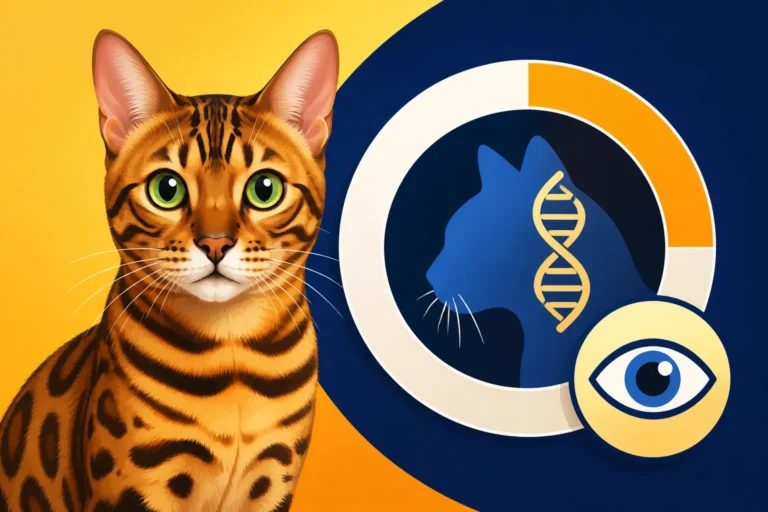
When it comes to genetic health, DNA tests are a powerful tool, acting like a crystal ball to predict potential issues before they ever manifest. For Bengal cats, there are a couple of crucial DNA tests that every breeding cat absolutely must undergo. These tests identify specific mutations that, if present in both parents, can lead to serious conditions in their offspring. It's not enough for just one parent to be clear; you need to know the status of both to understand the risk.
Progressive Retinal Atrophy PRA-b
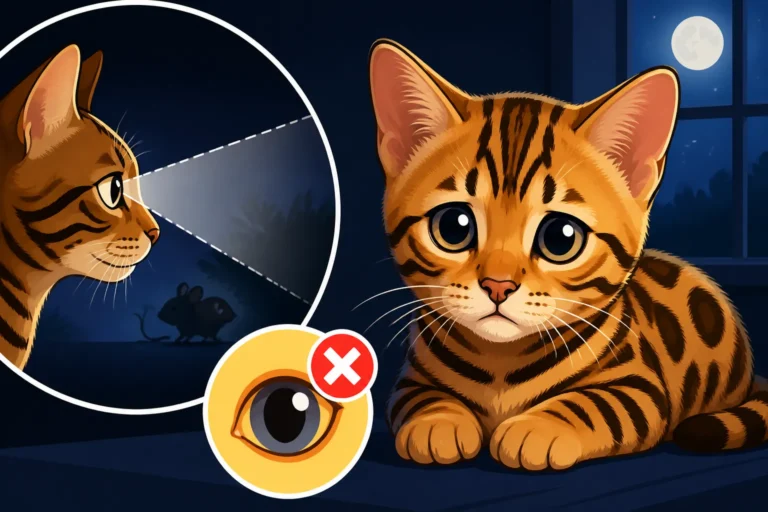
Progressive Retinal Atrophy, specifically the PRA-b variant, is a condition that slowly, irrevocably robs a Bengal cat of its sight. It's a truly heartbreaking diagnosis for both the cat and its family. The insidious nature of PRA-b means that a kitten might appear perfectly healthy for the first year or two of its life, only for owners to gradually notice changes in its vision. Typically, the first signs are often subtle, such as difficulty navigating in dim light or bumping into furniture in the dark. As the disease progresses, their retinas degenerate, eventually leading to complete blindness.
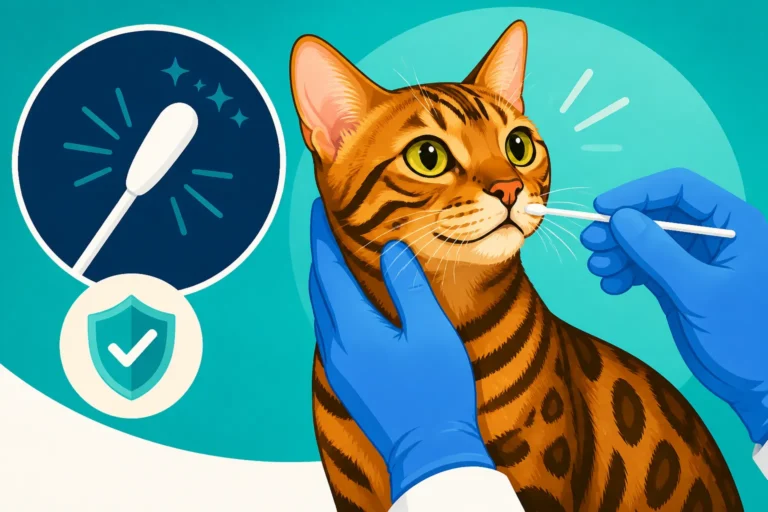
The good news is that we have a DNA test for PRA-b. This test can tell you if a cat is clear (meaning they don't carry the gene), a carrier (meaning they carry one copy of the gene but will not be affected themselves), or affected (meaning they carry two copies and will eventually go blind). A responsible breeder will test all their breeding cats to ensure they never breed two carriers together. If two carriers are bred, there's a 25% chance in each litter that a kitten will be affected by PRA-b Blinds a Bengal Cat by Two and There Is a DNA Test. Knowing What PRA-b Does to a Bengal Cat's Sight and how the inheritance works is vital for anyone considering a Bengal. You'll want to see proof that both parents of your potential kitten have been tested, ideally showing they are both "clear" or at least that one parent is "clear" and the other is a "carrier," which ensures no kittens will be affected. Understanding How the Bengal Cat PRA-b DNA Test Works means knowing that it's a simple, non-invasive swab that provides definitive results.
Pyruvate Kinase Deficiency PK-Def
Another critical DNA test for Bengal cats is for Pyruvate Kinase Deficiency, or PK-Def. This is a serious inherited condition that affects a cat's red blood cells. Cats with PK-Def lack a crucial enzyme called pyruvate kinase, which is necessary for the proper function and survival of red blood cells. Without this enzyme, the red blood cells become fragile and break down prematurely, leading to a type of anemia known as hemolytic anemia.
The signs of PK-Def can vary widely in severity and onset, making it particularly tricky to diagnose without genetic testing. Some cats might show mild, intermittent symptoms, while others can suffer from severe, life-threatening anemia. Owners might notice their cat is lethargic, has pale gums, or experiences episodes of weakness. These symptoms can wax and wane, making it easy to dismiss them initially. However, these episodes can put a significant strain on a cat's body and, in severe cases, can lead to collapse or even death. This is why Pyruvate Kinase Deficiency in a Bengal Cat is such a serious concern. The DNA test for PK-Def, much like PRA-b, determines if a cat is clear, a carrier, or affected. A "carrier" cat will not show symptoms but can pass the gene on. A "clear" cat has no copies of the gene. Only an "affected" cat will develop the disease.
Breeders should test all their breeding cats to ensure that no two carriers are bred together. If two carriers mate, there's a 25% chance their kittens will be affected. Knowing What PK Deficiency Does to a Bengal Cat is crucial, and it's also worth understanding How Many Bengal Cats Carry PK Deficiency to appreciate the importance of universal testing within the breed. Seeing a kitten's parents are both clear or that at least one is clear will provide peace of mind that your kitten won't suffer from this debilitating condition.
Cardiac Screening: The HCM Challenge
While DNA tests are fantastic for identifying specific genetic mutations, some health conditions require a more hands-on approach to screening. Hypertrophic Cardiomyopathy (HCM) is one such condition that is a significant concern in the Bengal breed and requires regular, specialized veterinary evaluation. It’s a silent killer, and it’s why just seeing a DNA test from a breeder isn’t enough.
The Threat of Hypertrophic Cardiomyopathy
Hypertrophic Cardiomyopathy (HCM) is the most common heart disease in cats, and Bengal cats are unfortunately predisposed to it. It's a terrifying condition where the muscular walls of the heart, particularly the left ventricle, thicken abnormally. This thickening makes it harder for the heart to pump blood effectively, and over time, it can lead to heart failure, blood clots (known as "saddle thrombus"), and sudden death. What makes HCM so insidious is that affected cats often show no symptoms until the disease is very advanced, or even worse, their first symptom is sudden collapse or death. This is why HCM Is What Kills Bengal Cats Early is such a stark reality for Bengal owners.
Because there isn't a reliable gene test for HCM in Bengal cats (the gene tests available for other breeds like Maine Coons do not apply to Bengals), regular physical examinations and, most importantly, cardiac ultrasounds are the only way to effectively screen for this disease. A breeder who claims their cats are "HCM clear" based solely on a general health check or a non-Bengal specific DNA test is not providing adequate information. This is why Why a Bengal Cat Breeder Must Show an Echo, Not a Gene Test is so critical.
The Importance of Regular Echocardiograms
An echocardiogram, often simply called an "echo," is a specialized ultrasound of the heart performed by a board-certified veterinary cardiologist. This imaging allows the cardiologist to visualize the heart's structure, measure the thickness of its walls, and assess its function. It's the gold standard for diagnosing HCM in living cats.
For breeding Bengal cats, these echocardiograms should be performed regularly throughout their breeding careers. A breeder should start screening their cats before they enter the breeding program, typically around one year of age. When a Bengal Cat Should Have Its First Echo is an important question to ask. After the initial scan, breeding cats should continue to have yearly echocardiograms. A single clear echo is a good start, but it doesn't guarantee a cat will remain clear for life or won't develop HCM later on. This is why How Often a Bengal Cat Needs an Echo is a yearly commitment. A reputable breeder will always be able to provide clear, dated echo results for both parents, signed by a veterinary cardiologist, demonstrating a history of clear scans. Without these regular screenings, a breeder is simply guessing about the cardiac health of their lines, putting many kittens at risk.
Addressing Gastrointestinal Issues: The Often Overlooked Tests
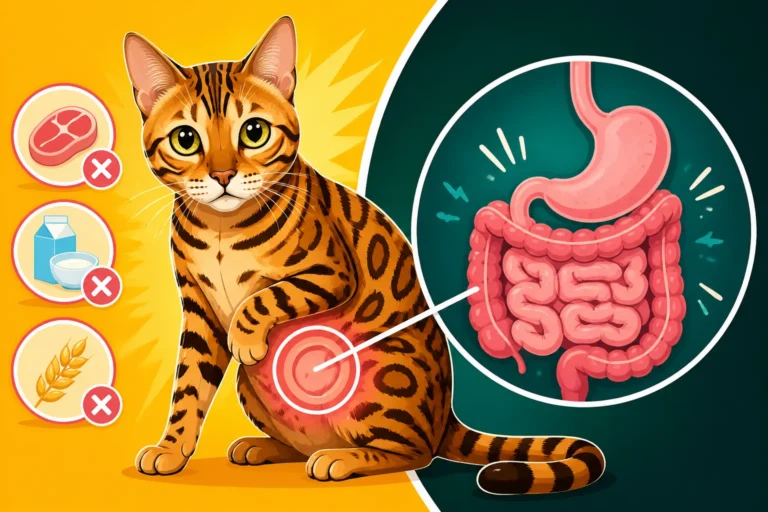
While genetic and cardiac issues tend to grab the headlines, gastrointestinal (GI) problems are a surprisingly common and frustrating complaint among Bengal cat owners. Many Bengals seem to have incredibly sensitive stomachs, and persistent diarrhea can be a nightmare to diagnose and treat. Responsible breeders understand this predisposition and take proactive steps to minimize the risk in their catteries.
Battling Chronic Diarrhea Causes
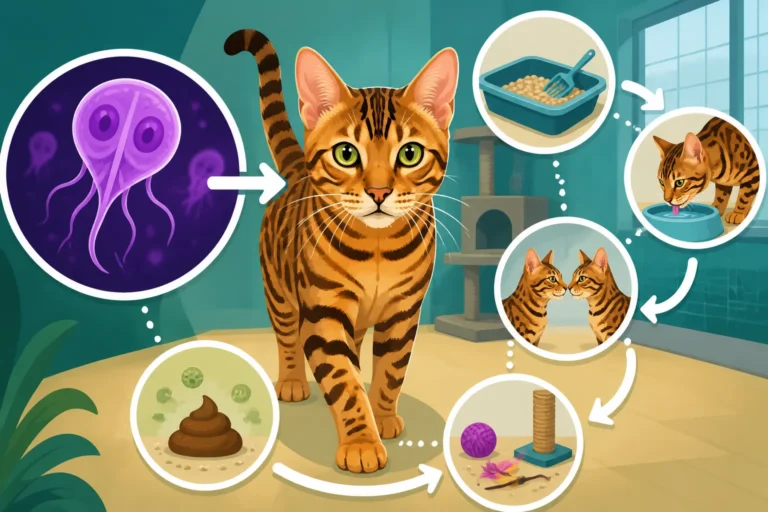
If you’ve ever owned a Bengal, or talked to someone who has, you’ve probably heard about their sensitive tummies and the dreaded "Bengal runs." Chronic Diarrhea Is the Bengal Cat Complaint Nobody Warns About is a real and common issue. While diet can play a significant role, persistent diarrhea, especially in kittens or cats from multi-cat environments, often points to specific parasitic or protozoal infections. Two common culprits that breeders should actively screen for are Tritrichomonas foetus (T. foetus) and Giardia.
- Tritrichomonas foetus (T. foetus): This microscopic protozoan can cause chronic, foul-smelling diarrhea, often with mucus and sometimes blood. It’s particularly prevalent in catteries because it’s easily transmitted and notoriously difficult to eradicate. What makes it tricky is that infected cats can shed the organism intermittently, meaning a single fecal test might come back negative even if the cat is infected. Breeders should utilize specialized PCR tests or multiple direct smears to accurately detect T. foetus in their breeding lines. What Tritrichomonas Does to a Bengal Cat can be debilitating and expensive to treat, so prevention through testing is key.
- Giardia: Another common intestinal parasite, Giardia can cause intermittent or chronic diarrhea, gas, and abdominal discomfort. It's also easily spread through contaminated feces and water. While often treatable, it can be persistent and weaken a kitten's immune system, making them more susceptible to other illnesses. How a Bengal Cat's Giardia Is Treated can involve a course of medication, but preventing outbreaks in a cattery is far better for everyone.
The Breeder's Role in Early Detection and Treatment
A responsible Bengal breeder understands the challenges these GI pathogens pose and will implement strict hygiene protocols alongside regular testing for their entire cattery. This includes:
- Routine Fecal Panels: Performing comprehensive fecal panels on breeding cats, and especially on kittens before they go to their new homes, to screen for common parasites like roundworms, hookworms, coccidia, and Giardia.
- Specific Tritrichomonas Testing: Going beyond a standard fecal float to specifically test for Tritrichomonas foetus using PCR tests on all breeding cats, or at least any cat showing signs of chronic diarrhea. If a breeding cat is positive, they should be removed from the breeding program and treated, or the breeder needs to be transparent about the risks.
- Proactive Treatment: If any parasite or protozoan is detected, the breeder should have a clear plan for treatment for the entire cattery, not just the symptomatic individuals, to prevent recurrence and spread.
- Transparency: Being open with potential buyers about the GI health history of their lines and cattery. A good breeder will discuss these potential issues and what steps they take to prevent them.
Asking a breeder about their protocols for managing internal parasites and protozoa is a sign you're a discerning buyer. They should be able to confidently explain their testing schedule and treatment plans.
Orthopedic and Other Relevant Screenings
Beyond the major genetic and cardiac concerns, there are other physical and developmental conditions that responsible Bengal cat breeders keep an eye on. While not always requiring specific tests as universal as DNA panels or echos, a good breeder will be aware of these potential issues and screen for them through careful observation and veterinary examination.
Patellar Luxation Considerations
Patellar luxation refers to a condition where the kneecap (patella) dislocates or slips out of its normal groove in the thigh bone (femur). While more commonly associated with certain dog breeds, it can affect cats, particularly active, athletic breeds like Bengals who love to jump and climb. When the patella luxates, it can cause pain, lameness, and an abnormal gait. Over time, it can also lead to arthritis and further joint damage.
A veterinary examination can usually diagnose patellar luxation through physical manipulation of the knee joint. Severity is graded on a scale from 1 (mild, occasional luxation) to 4 (severe, permanent luxation). While there isn't a specific DNA test for patellar luxation in Bengals, ethical breeders will have their breeding cats' knees checked by their veterinarian as part of their routine health exams. They should be transparent about any history of patellar luxation in their lines and would ideally remove affected cats from their breeding program. This is a condition where early detection and a commitment to not breeding affected individuals are key to maintaining healthy lines. It’s crucial to understand Patellar Luxation in a Bengal Cat and its potential impact.
Understanding Flat Chested Kitten Syndrome
Flat Chested Kitten Syndrome (FCKS) is a heartbreaking developmental condition that can occur in kittens, including Bengals. It's characterized by a flattening of the rib cage, often appearing around 3 days to 3 weeks of age. In severe cases, the chest can be so severely compressed that it impairs lung development and function, leading to breathing difficulties, failure to thrive, and tragically, death. The exact cause of FCKS isn't fully understood, but it's believed to be a multifactorial issue, possibly involving genetic components, environmental factors, or even a deficiency in utero.
While there's no specific "test" for FCKS in adult breeding cats, a responsible breeder will be intimately familiar with the health of their kittens and their history. They will carefully monitor every litter for any signs of FCKS and be upfront if it has occurred in their lines. A breeder who routinely experiences FCKS in their litters should be investigating potential causes and considering changes to their breeding program. They should be transparent about any instances of Flat Chested Kitten Syndrome in a Bengal Cat Litter and the measures they take to prevent it. While a kitten with mild FCKS might grow out of it, severe cases often have a poor prognosis, making it an important consideration for breeders.
General Wellness and Veterinary Check-ups
Beyond specific genetic and orthopedic screenings, a good breeder ensures their entire cattery, especially their breeding stock, receives comprehensive and regular general veterinary care. This isn't just about catching specific diseases; it's about maintaining overall health and identifying any underlying issues that could impact a cat's well-being or its ability to produce healthy offspring. Regular vet check-ups typically include:
- Annual Physical Exams: A thorough head-to-tail examination to assess overall health, dental condition, coat quality, and identify any lumps, bumps, or abnormalities.
- Vaccinations: Keeping all breeding cats up to date on core vaccinations (feline distemper, herpesvirus, calicivirus, and rabies where required) to protect against common infectious diseases.
- Parasite Prevention: Consistent internal and external parasite control, including flea, tick, and heartworm prevention as appropriate for the local area.
- Bloodwork: Routine blood panels, including a complete blood count (CBC) and chemistry profile, can help detect early signs of systemic illness, organ dysfunction, or anemia that might not be immediately apparent. This is particularly important for older breeding cats.
A breeder who is diligent about general wellness checks demonstrates a holistic approach to animal care, recognizing that a healthy breeding cat is the foundation for healthy kittens. They should be happy to discuss their veterinary care schedule and show records of these routine visits.
What to Ask Your Breeder and What Documents to Expect
Navigating the conversations with a breeder can feel a bit daunting, especially when you're trying to ensure you're doing all the right things for your future Bengal. But remember, a good breeder wants you to ask questions. It shows you're serious and responsible! Don't be afraid to be thorough; you're making a significant, long-term commitment.
Proof of Parentage and Genetic Testing
This is where the rubber meets the road for DNA tests. When a breeder tells you their cats are "clear" for PRA-b and PK-Def, that's a good start, but you need to see the verifiable proof.
- Lab Certificates: Ask to see the actual genetic test certificates for both parents of the kitten you're interested in. These certificates should come directly from reputable genetic testing laboratories such as Optimal Selection or Animal Genetics, not just a handwritten note or a breeder's own interpretation. The certificates will clearly state the cat's registered name, microchip or tattoo number, and the results for each tested condition (e.g., "N/N Clear" for no copies of the mutation, "N/P Carrier" for one copy, or "P/P Affected" for two copies).
- Understanding Results: If a breeder has one "clear" parent and one "carrier" parent for PRA-b or PK-Def, that's acceptable, as it guarantees all kittens will be either "clear" or "carriers" but none will be "affected." However, if both parents are carriers, or if one is affected, that's a huge red flag.
- Registration Papers: While not a health test, reputable breeders will also provide TICA (The International Cat Association) registration papers for their kittens, which helps confirm parentage and pedigree. These papers often indicate the generation of the Bengal, which can be important for legal ownership in some areas.
Echo Results and OFA Certification
For Hypertrophic Cardiomyopathy (HCM), the proof is in the echocardiogram.
- Cardiologist Reports: Request to see the full echocardiogram reports for both parents. These reports should be signed by a board-certified veterinary cardiologist. They will detail the measurements of the heart walls and chambers, and clearly state whether there is evidence of HCM. Look for reports that explicitly state "no evidence of HCM" or "normal cardiac findings."
- Date of Scan: Pay close attention to the date of the last scan. As discussed, these need to be done regularly, ideally yearly, while the cat is in the breeding program. A scan from three years ago isn't sufficient for a currently breeding cat.
- OFA Database: Many cardiologists will submit their findings to the Orthopedic Foundation for Animals (OFA) heart database. Ask if the breeder registers their cats with OFA and if you can look up the cats there. This provides an independent verification of the results. While not mandatory for Bengal cardiac screening, it's a good indicator of a breeder's commitment to transparency and health.
Health Guarantees and Contracts
A responsible breeder stands behind the health of their kittens. This is usually outlined in a written contract.
- Health Guarantee: A good contract will include a health guarantee, often covering genetic conditions like PRA-b, PK-Def, and sometimes HCM, for a specified period (e.g., one to two years). This guarantee might offer a replacement kitten or a refund if a serious genetic or congenital illness arises within that timeframe.
- Viral Clearances: The contract should also state that the kitten is free of common viral diseases such as Feline Leukemia Virus (FeLV) and Feline Immunodeficiency Virus (FIV), typically confirmed by testing the parents or the cattery.
- Spay/Neuter Clause: Most pet contracts will require you to spay or neuter your Bengal kitten by a certain age, often to protect the integrity of the breed and prevent accidental litters.
- Expectations for Care: The contract may also outline the breeder's expectations for your care of the kitten, including proper nutrition, veterinary care, and indoor living.
A comprehensive, well-written contract is a hallmark of a professional and ethical breeder. Read it carefully and don't hesitate to ask questions about any clauses you don't understand.
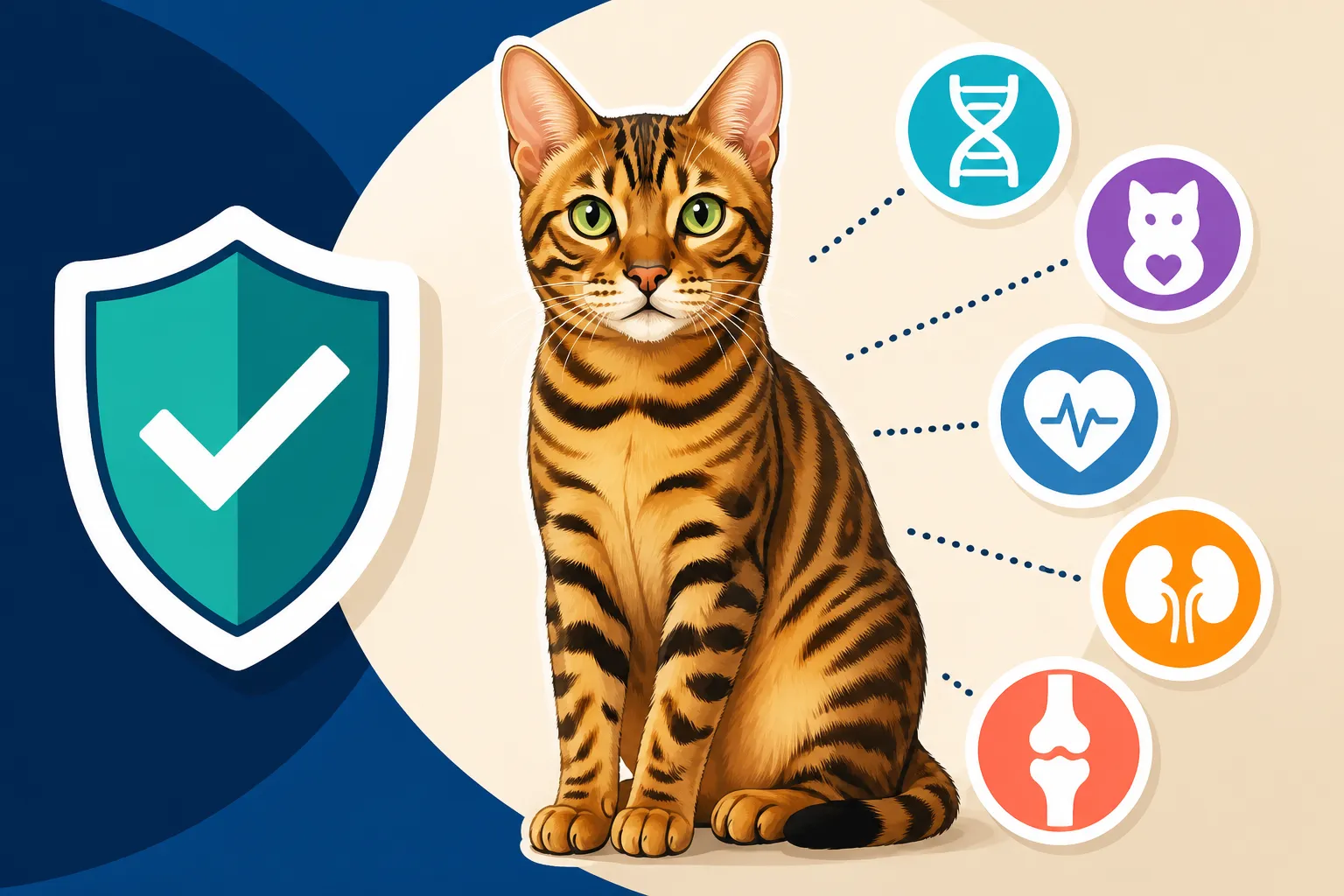
Here's a handy table summarizing the essential health tests:
| Condition | Type of Test | Why It's Important | Who Should Be Tested | Frequency (Breeding Cats) |
|---|---|---|---|---|
| Progressive Retinal Atrophy (PRA-b) | DNA Test (buccal swab) | Identifies if a cat is clear, a carrier, or affected by the gene causing eventual blindness. Breeding two carriers results in affected kittens. | All breeding cats | Once (results are lifelong) |
| Pyruvate Kinase Deficiency (PK-Def) | DNA Test (buccal swab) | Identifies if a cat is clear, a carrier, or affected by the gene causing hemolytic anemia. Breeding two carriers results in affected kittens. | All breeding cats | Once (results are lifelong) |
| Hypertrophic Cardiomyopathy (HCM) | Echocardiogram (heart ultrasound by cardiologist) | Detects thickening of the heart muscle, a common and often silent killer in Bengals. No reliable DNA test exists for Bengals. | All breeding cats | Annually |
| Tritrichomonas foetus | PCR Fecal Test | Detects a protozoan causing chronic, often severe, diarrhea in kittens and cats. Highly contagious in catteries. | All breeding cats (or symptomatic) | As needed / Pre-breeding |
| Giardia | Fecal Float / PCR Test | Detects a common intestinal parasite causing diarrhea and GI upset. | All breeding cats (or symptomatic) | As needed / Pre-breeding |
| Patellar Luxation | Veterinary Physical Exam | Screens for dislocating kneecaps, which can cause lameness and arthritis in active breeds. | All breeding cats | Annually (as part of exam) |
| Feline Leukemia Virus (FeLV) | Blood Test | Detects exposure to a highly contagious and often fatal retrovirus. Important for multi-cat households and overall cattery health. | All breeding cats | Annually |
| Feline Immunodeficiency Virus (FIV) | Blood Test | Detects exposure to a retrovirus that suppresses the immune system. Important for overall cattery health. | All breeding cats | Annually |
The Lifelong Impact of Choosing a Tested Bengal
The decision to choose a Bengal cat from a breeder who rigorously tests their animals is one that resonates throughout the entire life of your pet, offering profound benefits far beyond the initial purchase price. It’s about more than just avoiding a sick kitten; it’s about investing in a long, happy, and healthy companionship.
Reduced Risk and Peace of Mind for Pet Parents
Let's face it, bringing any pet into your home comes with a degree of uncertainty. But knowing that your Bengal kitten's parents were thoroughly screened for common, devastating genetic and cardiac conditions can dramatically reduce your anxiety. You won't be constantly wondering if that little cough is the first sign of heart disease, or if their clumsy moment in the dark indicates vision loss. While no test can guarantee a cat will never have any health issues—life happens, and accidents or acquired illnesses are always possible—it significantly reduces the risk of inherited problems that could lead to heart-wrenching decisions and astronomical veterinary bills.
Think about it: the emotional and financial toll of dealing with a young cat diagnosed with HCM or going blind from PRA-b is immense. These are conditions that can cost thousands in diagnostics and ongoing care, not to mention the deep sadness of watching your beloved pet suffer. By choosing a breeder who invests in health testing, you're investing in peace of mind. Even with the best breeding practices, unexpected things can still happen. That's why many responsible Bengal owners also consider pet insurance, with companies like Healthy Paws, to help cover those unforeseen veterinary costs, ensuring they can always provide the best care for their adventurous companions. Knowing that your Bengal has the best possible start in life due to diligent breeding practices allows you to focus on the joy, the play, and the unique bond you'll share, rather than constant worry.
Contributing to a Healthier Future for the Breed
Your choice of breeder isn't just about your individual kitten; it's a powerful statement that impacts the entire Bengal cat community. By demanding verifiable health testing and choosing breeders who prioritize it, you're directly supporting ethical breeding practices. Every time a buyer insists on seeing proper documentation for PRA-b, PK-Def, and annual HCM echos, it reinforces to breeders that these standards are expected and valued. This helps to drive out unethical breeders who cut corners, ultimately improving the overall health and well-being of the Bengal cat breed.
When breeders work diligently to screen their cats and remove affected or high-risk individuals from their breeding programs, they are actively reducing the prevalence of these diseases in future generations. This helps ensure that The Twelve to Sixteen Years a Bengal Cat Gets are indeed filled with vitality and good health, and that Caring for a Bengal Cat Past Ten means managing age-related changes, not inherited ailments. Ultimately, this commitment ensures that the Bengal cat continues to be Whether the Bengal Cat Is a Healthy Breed and thrives for many years to come, offering joy and companionship to countless families without the burden of preventable suffering.
Disclaimer
The information provided in this guide is for general informational purposes only and does not constitute professional veterinary advice. Always consult with a qualified veterinarian regarding any health concerns or before making any decisions about your Bengal cat's care or treatment.