What a Bengal Cat Costs to Buy in 2026
Oh, the allure of those beautiful, spotted creatures! Many people dream of bringing a Bengal cat into their home, captivated by their wild looks and energetic personalities. But then reality sets in when they start looking at prices, and a common frustration arises: why do these cats seem so much more expensive than a regular housecat, and what exactly are you getting for that cost? This guide is here to unravel the mysteries behind the price tag of a Bengal cat, helping you understand the factors that contribute to their initial cost and what you should expect when looking to purchase one.
The Sticker Shock: Why Bengal Cat Prices Aren't Like Other Breeds
It's true, Bengal cats often come with a higher price tag than many other domestic breeds, and it can be a bit of a shock when you first start browsing. You might be thinking, "It's just a cat, right?" But a Bengal isn't just a cat; it's a unique blend of wild heritage and domestic charm, and that blend directly influences its value. The initial investment is a reflection of the dedicated breeding practices, the specialized care involved, and the sheer uniqueness of the breed itself. It’s not simply about having spots; it's about owning a piece of living art, carefully cultivated over generations.
The Wild Ancestry Premium
The Bengal cat's story begins with the Asian Leopard Cat (ALC), a small wild feline. This wild ancestry is what gives Bengal cats their distinctive appearance and often their lively temperament. Breeders undertake the challenging and often expensive process of breeding these wild cats with domestic cats to create the initial generations, known as F1, F2, and F3. These early generations require very specific care, diets, and environments, often simulating a more natural habitat. The complexity of these early breedings, including potential fertility issues in early-generation males and the intense care required for the queens and kittens, contributes significantly to the higher costs.
Think about the time, expertise, and resources involved in carefully selecting and breeding an ALC with a domestic cat to produce a viable F1 litter. This isn't your everyday backyard breeding scenario; it requires deep knowledge of genetics, animal behavior, and a significant financial outlay for suitable facilities and veterinary care. The further removed a Bengal is from its wild ancestor, the less "wild" DNA it carries, but the initial genetic infusion from the ALC sets the foundation for the entire breed and commands a premium. Understanding this foundational work helps clarify why you pay more for a Bengal cat than for, say, a common tabby from a shelter.
Breeder Investment and Expertise
Reputable Bengal breeders pour an incredible amount of time, effort, and money into their catteries. This isn't just a hobby; it's a passion and a profession that demands constant learning and significant resources. From ensuring the health of their breeding cats through extensive genetic testing to providing top-notch nutrition and living conditions, a good breeder’s costs are substantial. They invest in genetic health screenings for common Bengal ailments like PRA-b and Pyruvate Kinase Deficiency (PKD), and they regularly have their breeding cats screened for heart conditions such as HCM, often involving specialist echocardiograms. This diligent health testing helps ensure you receive a healthy kitten, minimizing future heartbreak and unexpected vet bills for inherited conditions.
Furthermore, a responsible breeder doesn't just breed and sell; they socialize their kittens from a young age, ensuring they are well-adjusted, friendly, and ready for family life. This involves countless hours of handling, play, and exposure to various sights and sounds. They also provide initial vaccinations, deworming, and often spay/neuter their kittens before they go to their new homes. All these preventative measures and early care contribute to the purchase price. When you choose a reputable breeder, you're not just buying a cat; you're investing in a healthy, well-adjusted companion from someone who stands behind their animals and offers ongoing support and advice.
Demand and Rarity
The unique beauty and engaging personality of Bengal cats have made them incredibly popular, leading to high demand. While they are now a recognized breed by organizations like The International Cat Association (TICA), they are not as common as many other domestic breeds. This combination of high demand and relatively limited supply naturally drives up prices. People are drawn to their exotic appearance, their playful, dog-like antics, and their intelligent nature. The distinctive rosetted coats, often enhanced by the "glitter" gene, make them stand out in any crowd, solidifying their status as a highly sought-after pet.
Some specific coat patterns, colors, or qualities can also be rarer than others, further increasing their demand and, consequently, their price. For example, a Bengal with perfectly formed, clear rosettes against a high-contrast background is often more desirable (and expensive) than one with less defined spots. This isn't just about aesthetics; it reflects the breeder's success in achieving the breed standard. The fascination with owning a miniature "leopard" that can live happily in a domestic setting ensures that the demand for well-bred Bengal cats remains strong, supporting the higher price points you encounter.
Deciphering the "F" Numbers: Generation and Its Impact on Price
When you start looking at Bengal cats, you'll inevitably encounter terms like "F1," "F2," "F3," and "SBT." These "F numbers" refer to the filial generation of the Bengal cat, indicating how many generations removed it is from its wild Asian Leopard Cat ancestor. This generational distinction is crucial, not just for understanding temperament and appearance, but also for its significant impact on the purchase price. The closer a Bengal cat is to its wild roots, the higher the cost tends to be, reflecting the increased complexity in breeding and care.
F1, F2, F3: Early Generations and Their Unique Costs
F1 Bengal cats are direct first-generation crosses between a domestic Bengal cat (or sometimes a domestic shorthair) and an Asian Leopard Cat. As you might imagine, these are the most expensive because they carry the highest percentage of wild blood. F1s often exhibit more pronounced "wild" traits, both in appearance and temperament, making them more challenging to own and requiring experienced handlers. Similarly, F2s (one ALC grandparent) and F3s (one ALC great-grandparent) also fall into the "early generation" category. These cats are less wild than an F1 but still retain significant exotic characteristics.
The cost for these early generations reflects the extreme effort, specialized facilities, and extensive knowledge required by breeders. F1 and F2 females are often bred to SBT males, as early-generation males are typically sterile. This means a smaller pool of breeding males and longer waits for suitable pairings. Furthermore, legal restrictions in some areas regarding the ownership of early-generation hybrids can also play a role in their valuation, sometimes limiting their availability. The price premium for F1, F2, and F3 Bengals isn't just about their exotic looks; it's about the intensive breeding programs and the specialized care these animals demand.
SBT: The "Standard" Bengal Cat Price Point
SBT stands for "Stud Book Tradition," and it refers to Bengal cats that are at least four generations removed from their Asian Leopard Cat ancestor (F4 or higher). These are the most common Bengal cats available as pets and the only ones eligible for full championship status in cat associations like TICA. SBT Bengals are considered fully domestic, exhibiting more predictable temperaments suitable for most family environments while still retaining the stunning appearance and active nature of the breed. This is the generation where the wild traits are typically softened, and the cats are reliably litter-trained and socialized.
While still more expensive than many domestic breeds, SBT Bengals generally represent the more accessible entry point for potential owners. Their price reflects the established breeding lines, the consistent health testing, and the ongoing efforts of reputable breeders to maintain breed standards and good temperaments. Most individuals looking for a family pet will find an SBT Bengal to be the ideal choice, offering that sought-after exotic look without the potential behavioral challenges or legal complexities associated with earlier generations. The purchase price for an SBT typically encompasses all the foundational care, health checks, and initial vaccinations, offering a well-rounded and ready-to-love companion.
Why Generation Matters Beyond the Price Tag
Understanding the filial generation goes far beyond just the monetary cost; it impacts every aspect of ownership. An F1 Bengal, for instance, might be less inclined to use a litter box consistently or might require a very specific diet and living arrangement. Their strong prey drive and high energy levels mean they often need an outdoor enclosure like a Why a Catio Is the Answer to a Bengal Cat. In contrast, an SBT Bengal is much more like a typical domestic cat, although still incredibly active and intelligent. They're more adaptable to indoor living and generally have more predictable behavior patterns.
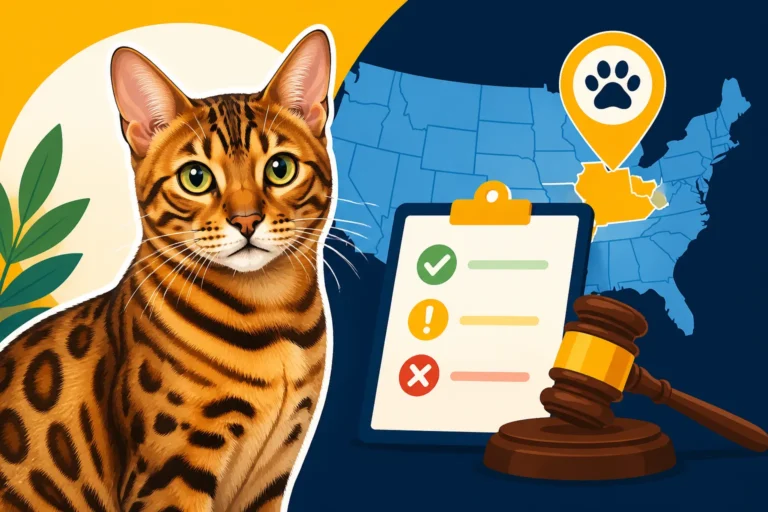
The legalities of owning a Bengal cat are also tied to its generation. In many states and cities, there are restrictions or outright bans on owning F1, F2, or F3 Bengals due to their closer proximity to wild animals. Hawaii, for example, bans every Bengal Cat, whatever the generation. Before even considering an early-generation Bengal, it's crucial to check your local ordinances, as fines or even confiscation can occur. This regulatory landscape further influences the market, making SBT Bengals more widely available and generally easier to legally acquire. Therefore, the "F" number isn't just a label; it's a vital piece of information that dictates the price, the daily care requirements, and the legal feasibility of welcoming a Bengal into your home.
| Generation | Wild Blood Percentage (Approx.) | Typical Price Range (Shape of Cost) | Temperament Considerations | Legal Considerations |
|---|---|---|---|---|
| F1 | 50% | Highest, significant premium | More wild, challenging | Often restricted/banned |
| F2 | 25% | High, substantial premium | Moderately wild, needs experience | Often restricted/banned |
| F3 | 12.5% | Upper-mid range, notable premium | Less wild, still energetic | Some restrictions apply |
| SBT (F4+) | < 6.25% | Mid-range, common pet price | Domesticated, playful | Generally legal |
Pattern, Color, and Quality: Aesthetic Factors in Bengal Cat Pricing
Beyond generation, the aesthetic qualities of a Bengal cat – specifically its pattern, color, and overall conformity to the breed standard – play a significant role in determining its purchase price. Breeders meticulously work to produce kittens that embody the striking visual characteristics that make Bengals so unique. The rarity and perfection of these traits can command a higher value, reflecting the breeder's success and the demand for truly exceptional-looking cats.
The Allure of Rosettes Versus Marbles
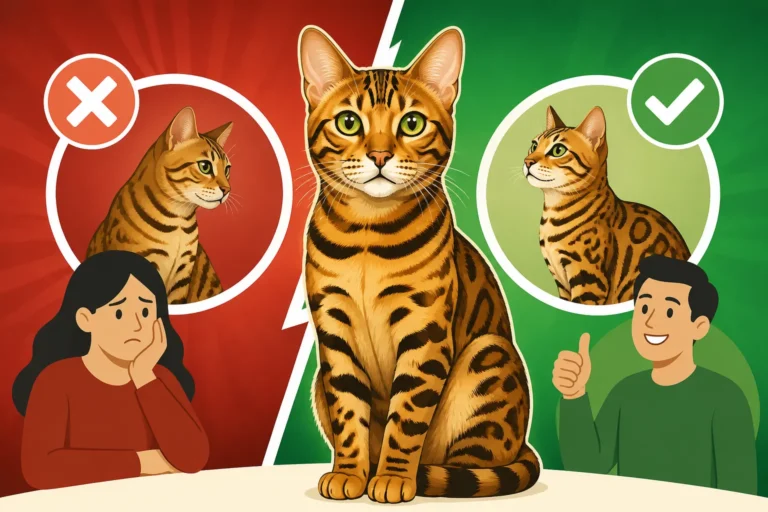
Bengal cats come in two main patterns: spotted and marbled. While both are beautiful, the spotted pattern, especially with rosettes, is generally more sought after and often commands a higher price. Rosettes are spots that are made up of two or more distinct colors, giving a three-dimensional effect, similar to the markings on a leopard or jaguar. They can be arrowhead, paw print, or donut shaped. The clearer and more distinct these rosettes are, the more valuable the kitten. A highly-prized "clouded rosette" where the inner marking is a distinctly different shade from the outer ring is particularly rare and desirable.
Marbled Bengals, on the other hand, have a swirled pattern that resembles marble or flowing ink. While equally stunning and unique, they are typically less expensive than their rosetted counterparts simply due to demand. Many people associate the "wild" look more strongly with spots and rosettes. A well-defined, horizontal-flowing marble pattern, however, can still be quite valuable, especially if the contrast is sharp. Breeders invest a great deal in genetic lines that consistently produce high-quality rosettes, and this investment, coupled with consumer preference, is reflected in the pricing structure.
Popular Colors and Rare Variations
Bengal cats come in a variety of colors, or "color points," as they're known in the cat world, and some are more popular and therefore pricier than others. The most common and widely recognized color is "brown spotted" or "brown rosetted," which closely mimics the look of a wild leopard. Within brown Bengals, the intensity of the color and the contrast between the markings and the background can also influence the price; a high-contrast pattern is often more expensive.
Snow Bengals, which include Seal Lynx Point, Seal Mink, and Seal Sepia, are also very popular but can sometimes fetch a slightly higher price due to their beautiful, lighter coats and often striking blue (for Lynx Points) or aqua/green eyes. These cats carry a recessive gene for albinism, which lightens their coat. More rare variations, such as Silver Bengals (a white or light silver background with dark markings), Charcoal Bengals (a darker, often smudged pattern with a distinct 'Zorro mask' on the face), or even the extremely rare Blue or Melanistic (solid black) Bengals, can command premium prices when available from a reputable breeder. These rare colors often require specific genetic pairings that are harder to achieve, making those kittens less common and therefore more expensive.
Pet, Breeder, or Show Quality
Not all Bengal cats are created equal in the eyes of the breed standard, and this distinction significantly impacts the price. Kittens are often categorized into three general groups: pet quality, breeder quality, and show quality.
- Pet Quality: These are wonderful companions that meet the basic characteristics of the breed but might have minor faults according to the breed standard (e.g., slightly less defined rosettes, a minor structural difference). They are typically sold at the lowest price point for a reputable breeder and are required to be spayed or neutered. This is often the ideal choice for families simply looking for a beloved pet.
- Breeder Quality: These cats meet the breed standard more closely and possess desirable genetic traits that a breeder wants to pass on. They are sold with breeding rights, allowing the new owner to breed them, and thus come with a significantly higher price tag. Breeders will only sell to other reputable breeders who demonstrate ethical practices and a commitment to the health and improvement of the breed.
- Show Quality: These are the "crème de la crème" of the litter. They perfectly embody the breed standard, with impeccable markings, ideal conformation, and excellent temperament. Show quality Bengals are naturally the most expensive, often coming with both breeding and show rights. They are destined for the show ring to compete for titles and contribute to the breed's prestige.
The difference in price between these categories can be substantial. A breeder invests heavily in ensuring their lines produce show-quality cats, and this reflects in the top-tier pricing. It's important to be clear with your breeder about your intentions – whether you want a family pet or are looking to enter the world of showing or breeding – as this will directly affect the price and the kind of contract you receive.
What's Included in the Purchase Price? More Than Just a Kitten
When you see the price of a Bengal kitten, it’s easy to focus solely on the number and wonder what justifies it. However, a reputable breeder's price isn't just for the kitten itself; it encompasses a whole suite of services, assurances, and initial care that set your new companion up for a healthy and happy life. This comprehensive package significantly contributes to the overall value and helps mitigate potential issues down the road. Understanding what's included can help you appreciate the investment.
Health Guarantees and Initial Vet Care
One of the most crucial elements included in the purchase price is the health guarantee. Reputable Bengal breeders will provide a written health guarantee, often covering congenital or hereditary diseases for a certain period. This demonstrates their confidence in the health of their breeding lines and their commitment to ethical practices. Before they even come to your home, kittens will have received their initial veterinary check-ups, often including a comprehensive physical examination by a licensed veterinarian. They typically receive their first round (and sometimes second) of core vaccinations against common feline diseases like feline distemper, calicivirus, and rhinotracheitis.
Beyond vaccinations, kittens will have been dewormed multiple times and treated for common parasites. Some breeders even microchip their kittens before they leave, which is a fantastic safety measure that can help you reunite with your cat if they ever get lost. This early veterinary care is a substantial cost for breeders but saves new owners a significant amount of money and stress in the crucial first few weeks. It also ensures your kitten starts its life with you on the healthiest possible paw. If a breeder doesn't offer these basic health assurances, it's a major red flag, regardless of how attractive the price might seem. You might find a healthier start means less time visiting the vet down the line, potentially avoiding costs that can quickly add up if you haven't considered pet insurance from a provider like Healthy Paws.
Registration Papers and Pedigree Documentation
Another key component of a Bengal cat's purchase price from a reputable breeder is the inclusion of registration papers and detailed pedigree documentation. This verifies the cat's lineage and confirms it is a purebred Bengal. Most established Bengal breeders register their cats with a recognized association, such as The International Cat Association (TICA). Receiving these papers means your kitten's ancestry can be traced back through generations, confirming its heritage and, importantly, its "F" generation status. This transparency is vital for ensuring you are indeed getting a purebred Bengal and not a mixed breed or a cat whose background is unknown.
The pedigree documentation will list the kitten's parents, grandparents, and often great-grandparents, including their show titles, health testing results, and sometimes even their specific coat patterns. This isn't just fancy paperwork; it’s a testament to the breeder's dedication to maintaining the integrity of the breed and a valuable resource for you. If you ever consider breeding or showing your Bengal, these papers are essential. Even for a pet-only owner, knowing your cat's family tree provides peace of mind and an interesting insight into its origins. Without official registration, you have no guarantee of the cat's breed or lineage, and any claims about its "purebred" status are unsupported.
Early Socialization and Training Efforts
The temperament of a Bengal cat is as distinctive as its looks, and a significant part of the purchase price covers the intensive socialization and foundational training provided by a dedicated breeder. Bengal kittens are naturally energetic and curious, and without proper early intervention, they can become overly shy, destructive, or even nippy. Reputable breeders spend countless hours handling their kittens, exposing them to various household sounds, people, and sometimes other pets to ensure they develop into confident, friendly, and well-adjusted companions.
This includes litter box training, getting them comfortable with being handled for nail trims and grooming, and introducing them to various toys and interactive play. Some breeders even begin basic harness training or clicker training, preparing them for future adventures. This early investment in their behavioral development is invaluable. It helps your new Bengal integrate smoothly into your home and greatly reduces the likelihood of behavioral issues later on. A well-socialized Bengal is a joy to live with, and the breeder's efforts in this area are a hidden cost that truly pays dividends in a happy, harmonious household.
Hidden Costs Before Bringing Your Bengal Home
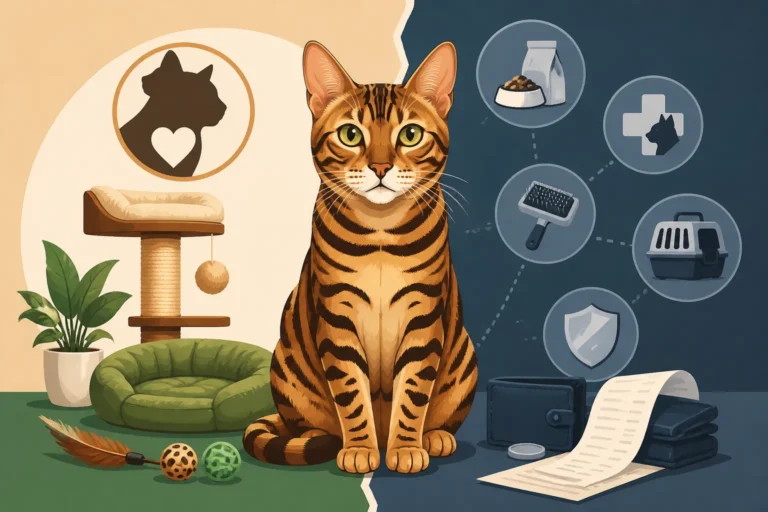
The initial purchase price is just one part of the financial equation when acquiring a Bengal cat. There are several other "hidden" or often overlooked costs that arise before your new feline friend even crosses your threshold. These preparatory expenses are essential for ensuring a smooth transition and providing a safe, stimulating, and comfortable environment for your highly active and intelligent Bengal. Budgeting for these upfront costs is crucial for a responsible new owner.
Travel Expenses and Shipping Fees
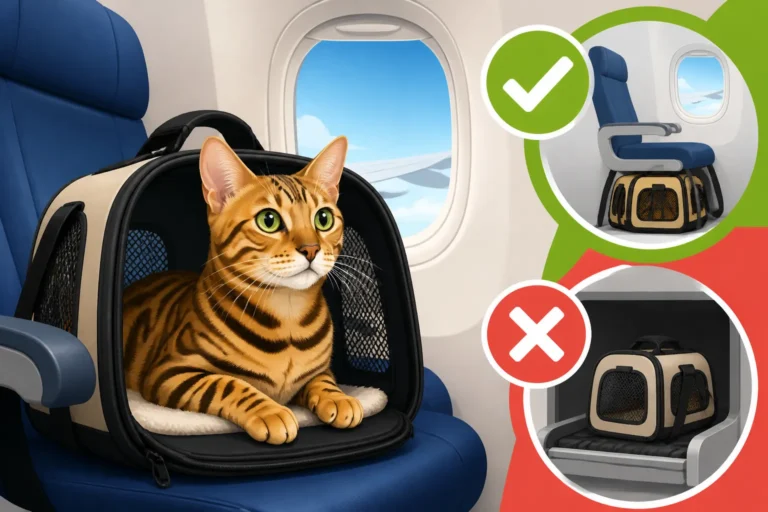
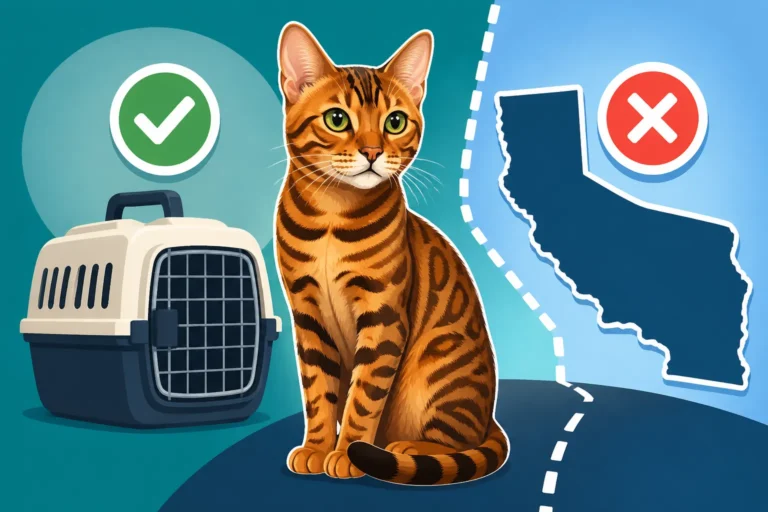
Unless you are fortunate enough to live near a reputable Bengal breeder, you will likely incur travel expenses or shipping fees to bring your kitten home. Many people travel considerable distances, even flying, to pick up their chosen kitten in person. This involves the cost of flights, accommodation, and potentially a carrier suitable for air travel. The benefit of in-person pickup is seeing the cattery firsthand and meeting your kitten's parents, which is always recommended.
Alternatively, some breeders offer shipping services, which come with their own set of costs. These fees typically cover a specialized, airline-approved carrier, health certificates from a vet, the flight itself, and any necessary comfort items for the journey. Shipping a Bengal cat kitten costs varies widely based on distance and airline policies, but it's rarely inexpensive. Always factor these logistical costs into your budget, as they can add a significant amount to the overall initial outlay. It's critical to ensure any shipping method is safe, humane, and approved for live animal transport.
Initial Supplies: Setting Up Your Bengal's Kingdom
Bengal cats are not your average couch potatoes; they are active, curious, and intelligent, meaning their initial setup costs for supplies can be more substantial than for other breeds. You'll need durable, stimulating toys, a high-quality scratching post or tree (or several!), and specific feeding and watering solutions. A standard plastic cat tree might not stand up to the energetic antics of a Bengal. You might want to consider Which Cat Tree a Bengal Cat Needs — something tall and sturdy is a must.
Here's a breakdown of essential initial supplies:
- High-Quality Food: Bengals thrive on high-protein, nutritionally dense food. While you might continue with what the breeder started, be prepared to invest in premium kibble or wet food.
- Litter Boxes and Litter: Bengals are often large and dig enthusiastically, so you'll need large, sturdy litter boxes, potentially high-sided ones to contain the scatter.
- Scratching Posts/Trees: To protect your furniture, invest in tall, sisal-covered scratching posts or multi-level cat trees that cater to their climbing instincts.
- Toys: Puzzle feeders, wand toys, and sturdy interactive toys are essential to keep their sharp minds and bodies engaged. A bored Bengal can be a destructive Bengal!
- Grooming Supplies: While low-maintenance, a soft brush, nail clippers, and cat-specific toothpaste and brush are good to have.
- Carriers: A sturdy, secure carrier for vet visits and travel is non-negotiable.
You can often find good deals on many of these items from online retailers like Chewy, but the cumulative cost of setting up a truly enriching environment for your new Bengal can easily add up to a considerable sum before your kitten even arrives.
Insurance Considerations and Early Vet Visits
Even with the best health guarantees from a breeder, unforeseen circumstances can arise, making pet insurance a wise upfront investment. Bengal cats, like any purebred, can be prone to certain genetic conditions, even with diligent screening. Investing in a pet insurance policy, perhaps from a provider like Healthy Paws, early on can provide immense peace of mind and protect your finances from unexpected veterinary emergencies or illnesses. It’s a monthly premium, but the relief it offers if your Bengal needs costly treatment is invaluable.
Beyond insurance, you'll need to factor in the cost of your Bengal's first vet visit after bringing them home. This initial check-up confirms their health, allows for a full discussion of vaccination schedules, parasite prevention, and microchipping if it wasn't already done. You might also need to budget for the cost of spaying or neutering if the breeder's contract requires you to do so after a certain age. These initial medical expenses, though crucial, are additional to the purchase price and should be part of your overall financial planning for your new Bengal cat. What a Bengal Cat's Yearly Bloodwork Should Cover is a good reference for ongoing health check-ups.
Navigating the Market: Red Flags and Reputable Breeders
The process of buying a Bengal cat can feel overwhelming, especially with the wide range of prices and claims you'll encounter. It's critical to approach the market with a discerning eye, understanding that not all breeders are created equal. Prioritizing a reputable breeder is perhaps the most important decision you'll make, as it directly impacts the health, temperament, and long-term well-being of your future companion. A cheap initial price can quickly turn into a financial nightmare if you fall for common traps.
Why a Low Price Can Be a Warning Sign
While everyone loves a good deal, a Bengal cat priced significantly lower than the market average should immediately raise a red flag. Responsible breeding is expensive, involving considerable investments in health testing, quality food, excellent veterinary care, proper housing, and extensive socialization. Breeders who cut corners on these essential aspects often offer lower prices, but at a severe cost to the kitten's health and future temperament. A cheap kitten can very quickly become the most expensive cat you've ever owned if it develops health issues like chronic diarrhea (a common Bengal complaint) or behavioral problems due to neglect.
Common issues associated with "backyard breeders" or kitten mills include:
- Lack of Health Testing: No genetic screenings for PRA-b, PK Deficiency, or HCM echoes for breeding cats. This dramatically increases the risk of you acquiring a kitten with a serious, expensive, or life-limiting inherited disease.
- Poor Sanitation and Nutrition: Kittens raised in unsanitary conditions with inadequate nutrition are prone to parasites, infections, and stunted development.
- Lack of Socialization: Kittens not properly handled and exposed to various stimuli can be fearful, aggressive, or have significant behavioral problems.
- No Health Guarantee or Contract: A breeder unwilling to provide a written health guarantee or a clear contract is a sign of someone who doesn't stand behind their animals.
- Misrepresentation: Claims about generation, pedigree, or temperament that cannot be verified with documentation.
Always remember the adage: "You get what you pay for." Investing in a kitten from a reputable breeder is an investment in a healthy, well-adjusted companion and often saves you money and heartache in the long run.
Questions to Ask Your Breeder
Engaging with a potential breeder means asking a lot of questions – and a good breeder will welcome them. This interaction is crucial for assessing their practices and ensuring transparency. Here are some key questions to ask, helping you understand Which Questions to Ask a Bengal Cat Breeder:
- Health Testing: "Can I see the health test results for the parents of this kitten? Specifically, PRA-b, PK Deficiency, and recent HCM echo results?" A reputable breeder will be proud to share these.
- Vaccinations and Worming: "What vaccinations has the kitten received, and when was its last deworming?"
- Veterinary Care: "Which veterinarian do you use, and can I speak with them about your cattery practices?"
- Socialization: "How are the kittens raised and socialized in your home?"
- Diet: "What food are the kittens currently eating?"
- Contract and Guarantee: "Can I review a copy of your purchase contract and health guarantee?"
- References: "Can you provide references from other buyers or your veterinarian?"
- Facility: "Can I visit your cattery, or do you offer video tours?" (Legitimate breeders will be open to this, though some might have protocols to protect their cats from diseases).
A responsible breeder will not only answer these questions thoroughly but will also ask you questions about your living situation and experience with cats to ensure their kitten is going to a suitable home. This mutual vetting process is a hallmark of ethical breeding.
The Value of a Comprehensive Contract
A detailed and comprehensive contract is a non-negotiable part of purchasing a Bengal cat from a reputable breeder. This document protects both you and the breeder and outlines all the terms and conditions of the sale. It typically includes:
- Health Guarantee: Specifics on what health conditions are covered, for how long, and what steps to take if a problem arises.
- Spay/Neuter Clause: For pet-quality kittens, the contract will usually require you to spay or neuter the cat by a certain age, often with proof required. This prevents unauthorized breeding and ensures the pet is loved as a companion.
- Return Policy: What happens if you are unable to keep the cat or if a significant health issue arises.
- Registration Details: Confirmation that the kitten is TICA registered and when you will receive the registration papers.
- Breeder Support: Many contracts include a clause about the breeder's ongoing support, meaning you can contact them for advice throughout your cat's life.
- Generation and Pedigree Information: Clear statement of the kitten's filial generation and often includes a copy of its pedigree.
Don't sign a contract you don't fully understand or that seems vague or incomplete. A comprehensive contract provides clarity, protects your investment, and ensures that everyone is on the same page about the responsibilities of Bengal cat ownership. It's a key indicator of a professional and ethical breeder.
Alternatives: Rescues and Older Bengals
While the dream of a new, tiny Bengal kitten is strong for many, the high purchase price can be a significant barrier. Fortunately, there are wonderful alternative avenues to welcome a Bengal cat into your home that often come with a lower initial cost, and in some cases, even a more mature and settled companion. Exploring these options can be incredibly rewarding, offering a second chance to a cat in need while still fulfilling your desire for this extraordinary breed.
The Option of Adopting a Retired Breeder
Many reputable Bengal breeders, after a queen or stud has completed their breeding career, will seek loving pet homes for their retired cats. These cats are typically between four and eight years old, fully socialized, spayed/neutered, up-to-date on all their vaccinations, and have a complete health history, including all genetic test results. Adopting a retired breeder cat often comes at a significantly lower cost than a kitten, sometimes just covering the spay/neuter surgery and rehoming fees.
The benefits are numerous: you get a beautiful, healthy Bengal with a known temperament, often one that has already lived happily in a home environment. These cats are past the high-energy, mischievous kitten phase and can be wonderfully affectionate and calm companions. It’s an excellent way to get a purebred Bengal without the premium kitten price, and you're providing a comfortable retirement for a cat who has contributed to the breed. The breeder also gets peace of mind knowing their beloved cat is going to a good home. It's a win-win situation for everyone involved.
Finding a Bengal in Need: Rescue Organizations
While less common than for other breeds, Bengal-specific rescue organizations and general animal shelters occasionally have Bengal cats available for adoption. Life circumstances change, and sometimes even a cherished Bengal finds itself in need of a new home. These cats might be adults, or even occasionally older kittens, that have been surrendered due or found as strays. The adoption fees from rescue organizations are typically much lower than a breeder's purchase price, usually covering the cost of their spay/neuter, initial vet check, vaccinations, and microchipping. Where to Find a Bengal Cat Rescue can be a great starting point for your search.
Adopting from a rescue can be incredibly fulfilling, as you're giving a second chance to a cat that truly needs it. However, it's important to be prepared for the possibility that the cat's full history might not be known, and there could be behavioral or health challenges that require patience and extra care. Rescue organizations do their best to assess each cat's temperament and health before placement, but they may not have access to full pedigree or genetic health testing history. Always ask about the cat's background, known medical issues, and temperament assessments.
Costs Associated with Rescue Bengals
While the adoption fee for a rescue Bengal is generally lower than buying a kitten from a breeder, it's important to understand what those costs usually cover and what additional expenses you might incur. The adoption fee typically includes:
- Spay/Neuter Surgery: Almost all rescue cats are spayed or neutered before adoption.
- Vaccinations: Up-to-date core vaccinations.
- Microchipping: Many rescues microchip their animals.
- Basic Vet Check: A general health assessment.
- Flea/Parasite Treatment: Initial treatment for common parasites.
What it might not cover, or what you should be prepared for, are potentially more extensive health diagnostics. If a rescue Bengal's history is unknown, your own veterinarian might recommend a comprehensive blood panel, fecal tests, or even an echocardiogram to rule out common Bengal health issues like HCM. While the adoption fee is lower, these additional diagnostic costs can add up. However, for many, the joy of providing a loving home to a cat in need far outweighs these potential expenses, making rescue a truly invaluable path to Bengal cat ownership.
Disclaimer
This article is for general informational purposes only and does not constitute professional advice. Laws, prices and regulations vary by location and change over time. Consult a qualified professional for guidance on your specific situation.