Which Tests the Bengal Cat Health Panel Covers
Bringing a Bengal cat into your home is an absolute joy, but it also comes with a significant responsibility to safeguard their health. Many prospective and current owners feel overwhelmed by the sheer volume of information out there, especially concerning genetic conditions and health screenings. This guide aims to demystify the essential health panel tests and other crucial screenings every Bengal cat owner and reputable breeder should be aware of, ensuring you can confidently provide the best preventative care for your spotted companion.
The Importance of a Bengal Cat Health Panel
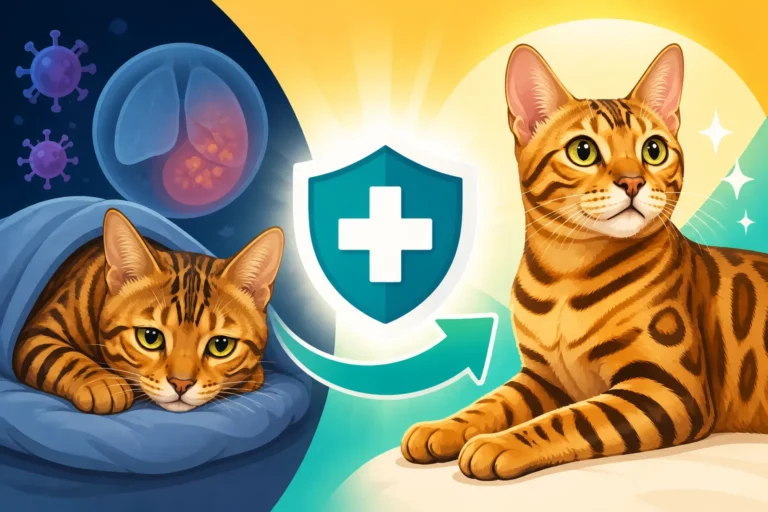
Thinking about getting a Bengal cat or already have one? It's natural to be drawn to their stunning looks and energetic personalities. However, beneath that wild exterior lies a domestic cat with specific health considerations. It’s easy to get caught up in the excitement of choosing a pattern or a personality, but truly understanding their health needs is paramount. A comprehensive health panel isn't just a fancy extra; it's a foundational step in ensuring a long, vibrant life for your Bengal, helping you head off potential problems before they become serious issues.
Why Health Testing Matters for Bengal Cats
Bengal cats, while generally robust, do have some genetic predispositions that can lead to significant health challenges if not identified. Unlike some domestic breeds where problems might be more subtle, certain conditions in Bengals can dramatically impact their quality of life, or even their lifespan. Imagine the heartbreak of discovering your beloved feline friend is suffering from a condition that could have been screened for, potentially preventing its onset or allowing for early intervention. This is why a proactive approach to health testing is so critical. It's about being prepared, not just reacting to symptoms as they arise. Understanding these genetic risks is one of the key factors that contribute to The Twelve to Sixteen Years a Bengal Cat Gets.
Peace of Mind for Breeders and Owners
For breeders, comprehensive health testing isn't just a recommendation; it's an ethical imperative. It ensures they are producing healthy kittens and not inadvertently passing on debilitating genetic conditions. For owners, receiving a kitten from a thoroughly tested lineage offers incredible peace of mind. You know that your new family member has the best possible start, and you're better informed about any potential future health issues. And let's be realistic, vet bills can add up fast. Knowing your cat's genetic predispositions can help you budget for potential needs or even guide discussions with pet insurance providers like Healthy Paws about coverage options. It’s an investment in their future, and yours.
Core Genetic Tests in a Standard Bengal Cat Health Panel
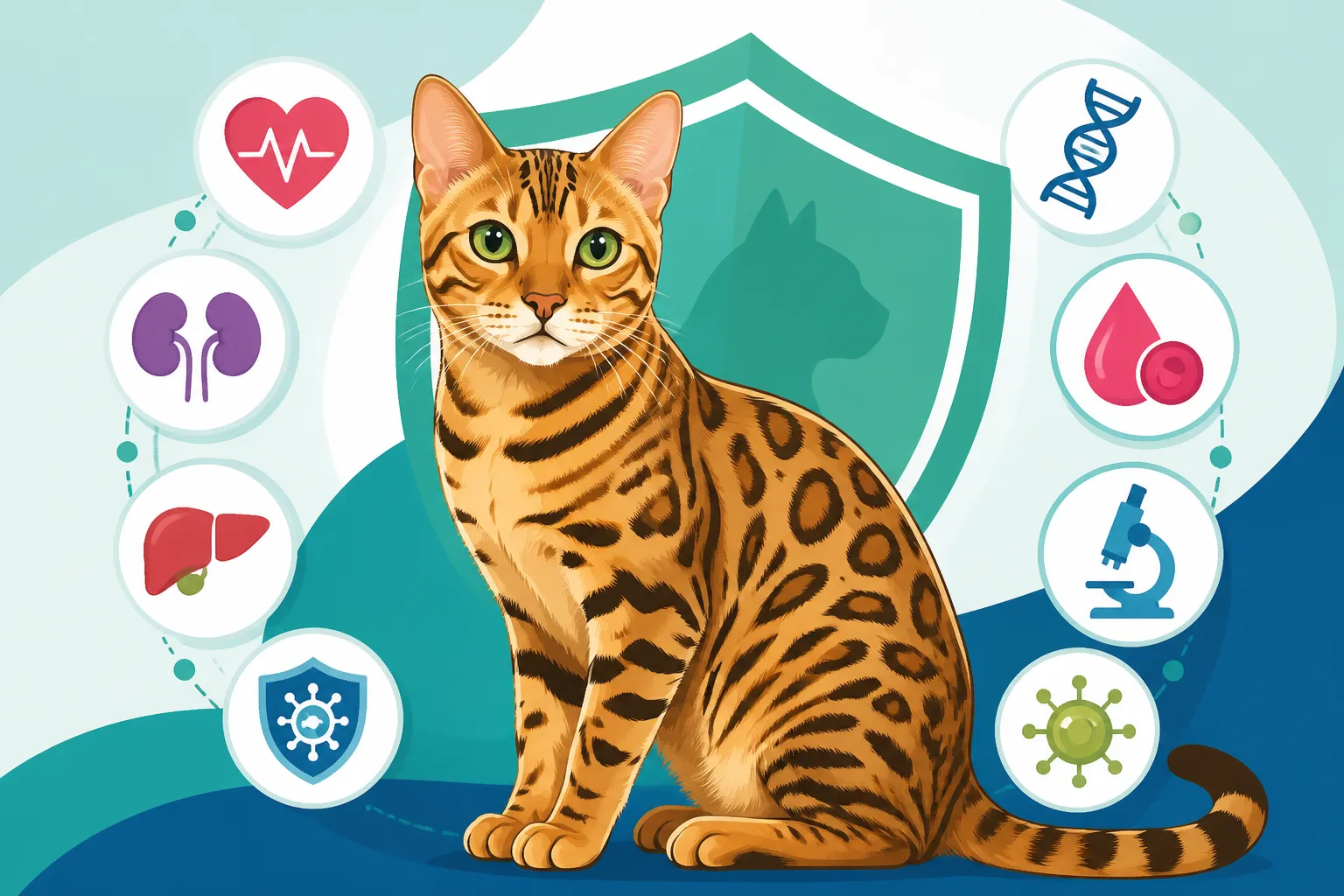
When we talk about a "health panel" for Bengal cats, we're primarily referring to a set of DNA tests designed to identify carriers or affected individuals for specific genetic diseases prevalent in the breed. These tests are usually performed using a simple cheek swab, making them non-invasive and easy to administer, even to young kittens. These are the genetic conditions that reputable breeders are regularly testing for, and what you, as an owner, should be asking about.
Pyruvate Kinase Deficiency (PK-Def)
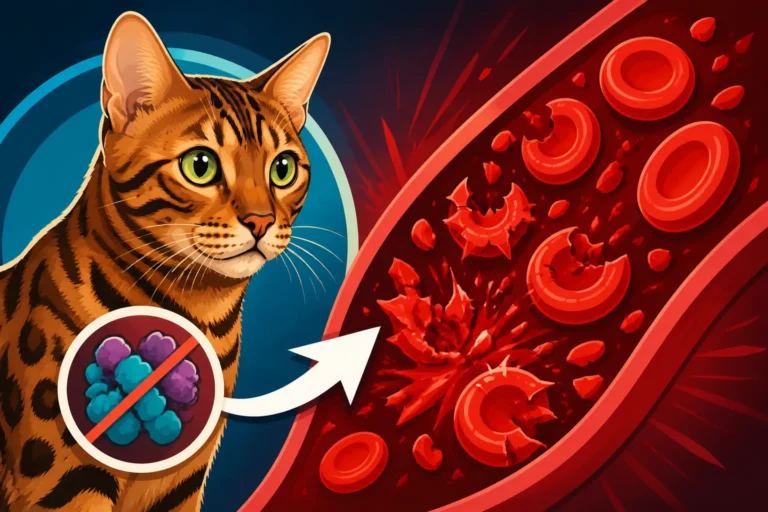
One of the most important genetic tests for a Bengal cat is for Pyruvate Kinase Deficiency, often simply called PK-Def. This inherited metabolic disorder affects the red blood cells, causing them to break down prematurely. In layman's terms, it means your cat's body struggles to maintain a healthy red blood cell count, leading to anemia. Imagine feeling constantly tired, weak, and out of breath – that's what a cat with PK-Def might experience. The severity can vary, with some cats showing mild, intermittent symptoms, while others face severe, life-threatening anemia. The DNA test for PK-Def identifies whether a cat is clear, a carrier, or affected, which is vital for breeders to prevent breeding two carriers together and producing affected kittens. For more detailed information, you can read about Pyruvate Kinase Deficiency in a Bengal Cat.
Progressive Retinal Atrophy (PRA-b)
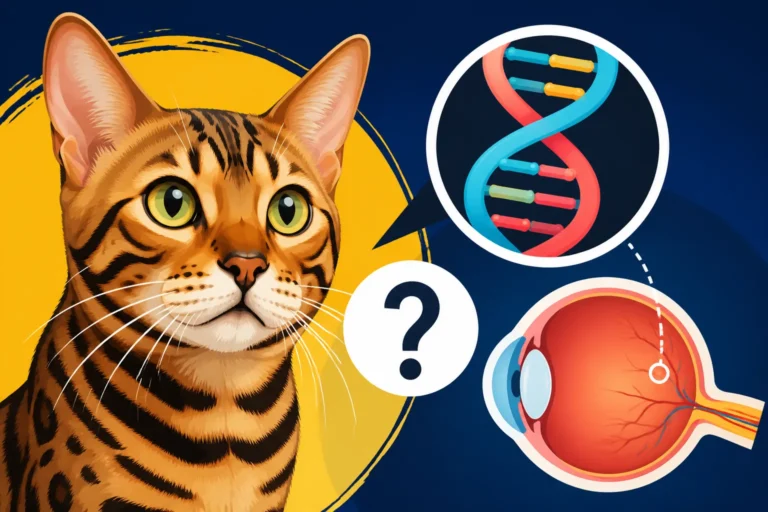
Another critical genetic test for Bengals is for Progressive Retinal Atrophy, specifically the form known as PRA-b. This is a cruel, inherited eye disease that causes the retina to gradually degenerate, ultimately leading to blindness. It's truly heartbreaking to watch an active, intelligent Bengal slowly lose their sight. The disease typically progresses over several years, with most affected cats becoming fully blind by around two years of age. While there's no cure for PRA-b, knowing a cat's status allows breeders to make informed decisions and prevents affected kittens from being born. For pet owners, if you know your cat is a carrier or affected, you can prepare for their future needs. It's a significant factor in understanding What PRA-b Does to a Bengal Cat's Sight and why early testing is paramount.
Other Genetic Considerations (e.g., HCM limitations)
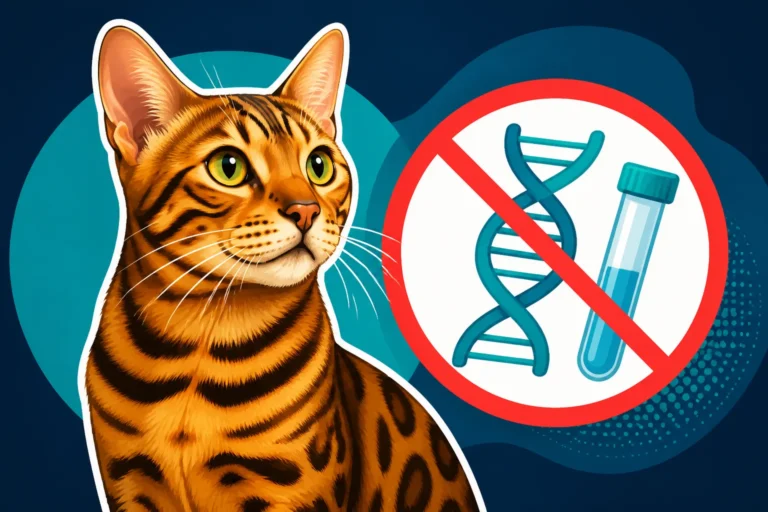
While PK-Def and PRA-b have direct DNA tests, it's crucial to understand that not all hereditary conditions can be screened this way. Hypertrophic Cardiomyopathy (HCM) is a prime example. Despite its prevalence in Bengal cats and its serious implications—it's HCM Is What Kills Bengal Cats Early—there is no reliable DNA test for HCM specific to the Bengal breed, unlike in some other breeds like Maine Coons. This doesn't mean it's ignored; it just means a different type of screening is required, which we'll delve into next. It's a common frustration for owners and breeders alike that such a devastating disease doesn't have a simple genetic marker to test for, making other diagnostic methods even more vital.
Beyond Genetics: Other Vital Health Screenings for Bengal Cats
While genetic tests are foundational, they only tell part of the story. A comprehensive health approach for your Bengal extends to regular veterinary examinations and specific screenings for conditions that might not have a simple DNA test, or those that can be influenced by environment and lifestyle. These are the ongoing commitments that contribute to a long, healthy life.
Cardiac Screening for Hypertrophic Cardiomyopathy (HCM)
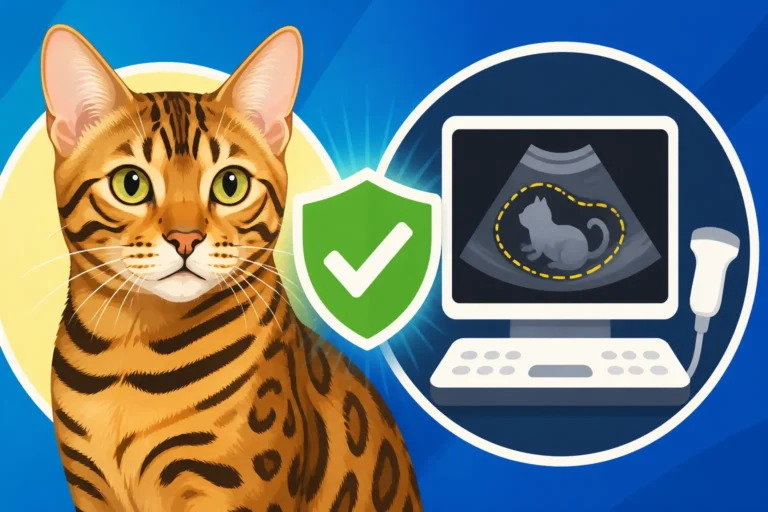
As mentioned, HCM is a significant concern for Bengal cats. Because there isn't a DNA test, the gold standard for screening is a cardiac ultrasound, or echocardiogram, performed by a board-certified veterinary cardiologist. This specialized scan allows the cardiologist to visualize the heart's structure and function, specifically looking for thickening of the heart muscle, which is characteristic of HCM.
These screenings aren't a one-and-done deal. HCM can develop later in life, so regular echoes are recommended, usually annually or every other year, especially for breeding cats. For a pet Bengal, your vet might recommend less frequent checks unless a heart murmur is detected. It's a significant investment, but catching HCM early can allow for management with medication, potentially extending your cat's comfortable lifespan. This is precisely why a Bengal cat breeder must show an echo, not a gene test, for this condition. Discussions around these screenings are important to have with your vet, and considering pet insurance, such as through Healthy Paws, can help manage the costs associated with ongoing cardiac care. Understanding When a Bengal Cat Should Have Its First Echo is a great starting point for new owners.
Gastrointestinal Health and Parasite Screening
If you've spent any time researching Bengal cats, you've probably heard about their sensitive stomachs. Chronic diarrhea is a complaint nobody warns about, but it's remarkably common in the breed. This isn't always genetic; often, it's due to specific parasites or sensitivities. Therefore, comprehensive fecal testing is a crucial part of a Bengal's health panel, both as a kitten and periodically throughout their life, especially if issues arise.
Tests for common parasites like Giardia and Coccidia are standard, but for Bengals, screening for Tritrichomonas foetus is particularly important. This microscopic protozoan can cause persistent, foul-smelling diarrhea that often doesn't respond to typical parasite treatments. It's incredibly frustrating for owners and uncomfortable for the cat, making targeted testing essential. Knowing What Tritrichomonas Does to a Bengal Cat can help you understand why thorough GI screening is so vital. Regular parasite checks help keep your Bengal comfortable and prevent the spread of these often stubborn infections.
Routine Wellness Checks and Bloodwork
Beyond the specific Bengal-related screenings, don't overlook the basics of good feline healthcare. Annual or biannual wellness examinations with your veterinarian are non-negotiable. These check-ups allow your vet to assess your cat's overall health, discuss diet and behavior, and catch any subtle changes that might indicate a problem.
As your Bengal ages, routine bloodwork becomes increasingly important. A comprehensive blood panel can reveal issues with kidney or liver function, diabetes, thyroid problems, and other age-related conditions long before outward symptoms appear. Early detection often means more effective and less invasive treatment options. Your vet will also advise on vaccinations tailored to your cat's lifestyle and local risks. These regular check-ins contribute significantly to ensuring your Bengal lives a full and active life. Caring for a Bengal Cat Past Ten will delve deeper into the specific needs of senior Bengals, where these routine checks are even more important.
Understanding Your Bengal Cat's Health Panel Results
Getting back the results from a health panel can feel a bit like reading a foreign language if you're not familiar with the terminology. Terms like "clear," "carrier," and "affected" carry significant weight, and it's essential to understand what they mean for your individual Bengal and for the breed as a whole. Don't be afraid to ask your veterinarian or breeder to walk you through every detail.
What Carrier Status Means for Your Cat
For genetic diseases like PK-Def and PRA-b, test results typically fall into three categories:
- Clear: This means your Bengal cat does not carry the gene mutation for the tested disease. They cannot develop the disease, nor can they pass it on to their offspring. This is the ideal result, especially for breeding animals.
- Carrier: This is where it gets a little more nuanced. A carrier cat has one copy of the gene mutation but typically does not show any symptoms of the disease itself. They are healthy, but they can pass that gene on to approximately 50% of their kittens. For pet owners, a carrier status usually means your cat will live a normal, healthy life with no adverse effects. For breeders, careful mating choices are crucial to ensure a carrier is not bred with another carrier, which could result in affected kittens.
- Affected: An affected cat has two copies of the gene mutation (one from each parent) and will develop the disease. The severity and age of onset can vary, but these cats will show symptoms of the condition. In responsible breeding, affected cats should not be bred, and breeders should strive to avoid producing affected kittens.
Understanding these distinctions is paramount. For example, if your pet Bengal is a carrier for PK-Def, you generally don't need to worry about them getting sick from it, but it's important information to have for their health records.
Working with Your Veterinarian and Breeder
When you're looking for a Bengal kitten, a reputable breeder will be transparent about their health testing protocols and happily provide documentation of their breeding cats' health panel results. This is part of What a Bengal Cat Breeder Should Have Tested. If a breeder is hesitant or unable to provide these records, it's a significant red flag. Don't hesitate to ask for copies of the actual test certificates, not just a verbal assurance.
Once you have your Bengal cat, sharing these health records with your veterinarian is crucial. Your vet can help you interpret the results, discuss any implications for your cat's care, and advise on ongoing monitoring, especially for conditions like HCM. They can also provide guidance on preventative measures or lifestyle adjustments if your cat has any predispositions. Building a strong relationship with a vet who understands the unique needs of the Bengal breed is invaluable for your cat's long-term well-being. Furthermore, having a comprehensive health history can be incredibly helpful if you ever need to make a claim with pet insurance providers like Healthy Paws, as it demonstrates proactive care.
Here’s a quick overview of some key Bengal cat health screenings:
| Test Type | Condition Screened For | Method | What It Detects | Importance for Bengals |
|---|---|---|---|---|
| DNA Test | Pyruvate Kinase Deficiency (PK-Def) | Cheek Swab | Carrier or affected status for anemia-causing gene | Prevents severe anemia; crucial for breeding decisions. |
| DNA Test | Progressive Retinal Atrophy (PRA-b) | Cheek Swab | Carrier or affected status for blindness-causing gene | Prevents inherited blindness; vital for breeding lines. |
| Cardiac Echo | Hypertrophic Cardiomyopathy (HCM) | Veterinary Cardiologist Scan | Thickening of heart muscle | Early detection for managing a common, fatal heart disease. |
| Fecal Panel | Tritrichomonas foetus, Giardia, Coccidia | Stool Sample | Presence of specific parasites | Addresses common chronic diarrhea issues in the breed. |
| Blood Panel | General Health Markers | Blood Draw | Organ function, blood cell counts, etc. | Baseline health, detects age-related conditions early. |
In conclusion, a Bengal cat health panel is far more than a checklist; it's a testament to responsible pet ownership and ethical breeding. By understanding and utilizing these vital tests and screenings, you empower yourself to give your magnificent Bengal the healthiest, happiest, and longest life possible. Don't shy away from asking questions, demanding transparency, and advocating for your cat's well-being – they depend on you for it!
Disclaimer
This article is for general informational purposes only and does not constitute professional advice. Laws, prices and regulations vary by location and change over time. Consult a qualified professional for guidance on your specific situation.