Whether a Bengal Cat Can Be Flown in a Cabin
The thought of taking your adventurous Bengal cat with you on a flight, especially if you're picturing them safely tucked under the seat in the cabin, can be really appealing. But let's be honest, the reality of airline pet policies, the unique needs of a Bengal, and the sheer logistics can feel like navigating a jungle. This guide is here to untangle the complexities of flying with your Bengal cat in the cabin, helping you understand the rules, prepare thoroughly, and decide if it's truly the best option for your feline companion.
Navigating Airline Policies for Your Bengal Cat
When you start dreaming of a trip with your Bengal cat, the very first hurdle is always the airline's pet policy. These aren't just vague suggestions; they are strict rules that dictate whether your cat can even get on the plane, let alone ride with you in the cabin. It’s not just about booking a ticket; it's about understanding a maze of regulations that can change without warning.
General Pet Travel Policies vs. Breed-Specific Rules
Most airlines have a general set of rules for carrying small pets in the cabin. These typically cover the type of animal (usually cats and small dogs), the carrier specifications, and the fee involved. However, the wrinkle for Bengal cat owners is that some airlines, and even some countries or states, might have specific restrictions or heightened scrutiny for "exotic" or "hybrid" breeds. While the Bengal is largely recognized as a domestic breed by major registries like TICA (The International Cat Association), that doesn't mean every airline or destination sees them that way, especially if they are early generations.
It's absolutely crucial to not only check the airline's general pet policy but also to specifically inquire about their stance on hybrid breeds or breeds that might be perceived as exotic. You might find that one airline has no issue, while another, perhaps with routes to regions with stricter wildlife import laws, has a blanket ban on any cat with wild ancestry. Never assume; always call the airline directly, and get confirmation in writing if possible. This isn't a situation where you want surprises at the check-in counter. Even an SBT Bengal cat, which is many generations removed from its wild ancestor, can sometimes face unexpected scrutiny due to its striking wild appearance.
Understanding Cabin vs. Cargo for Feline Friends
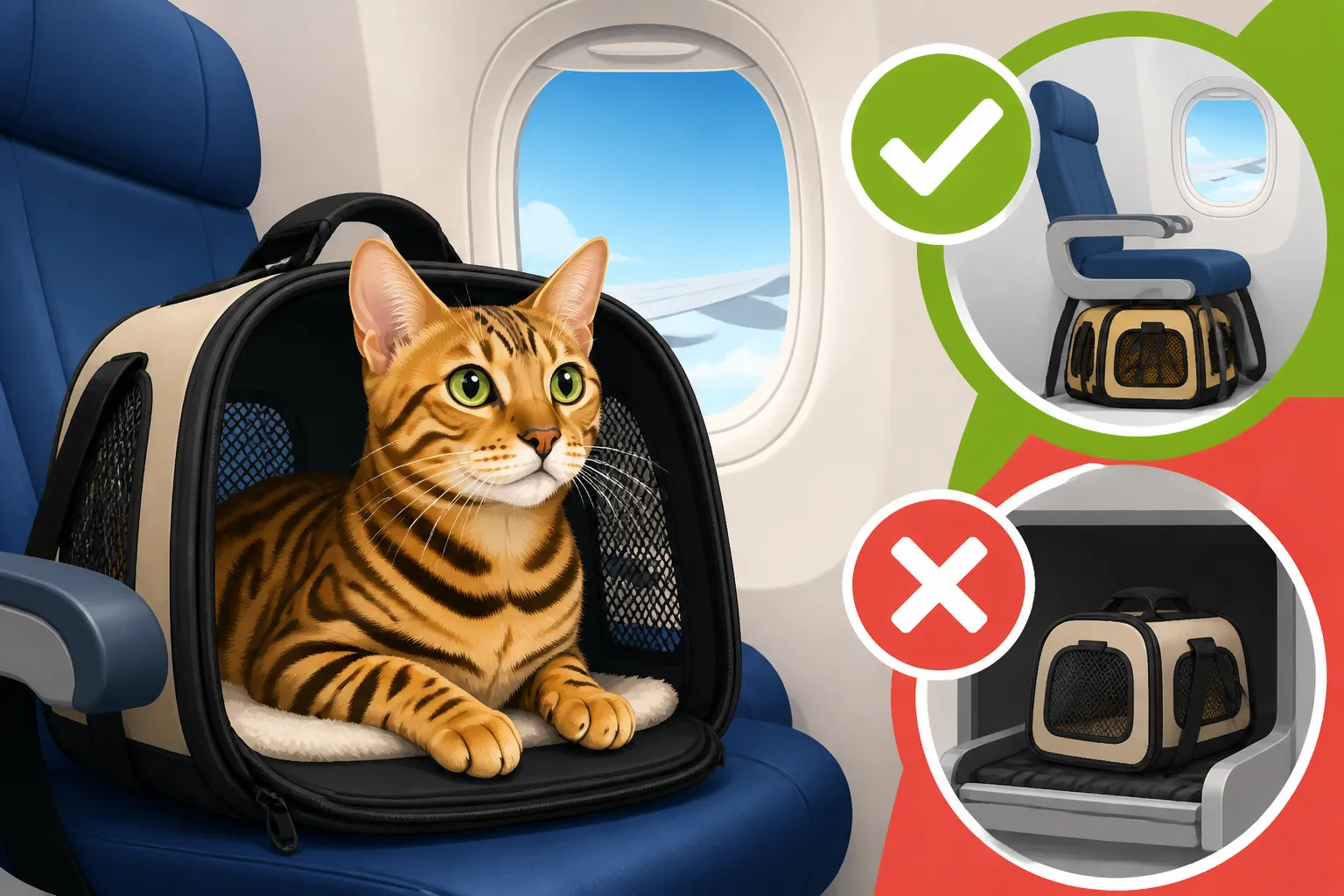
For most pet owners, the cabin is the preferred and often safest option for travel. It means your beloved Bengal is with you, under your direct supervision, in a climate-controlled environment. This significantly reduces stress and potential risks associated with the cargo hold, where temperatures and handling can be less predictable. However, the number of pets allowed in the cabin per flight is severely limited – often just one or two per cabin class. This means you need to book your Bengal's spot as soon as your own ticket is confirmed, sometimes even before.
Cargo, on the other hand, is a different beast entirely. It's usually reserved for larger animals or when cabin space isn't available. For a Bengal cat, cargo travel carries much higher risks, including extreme temperatures, loud noises, and the potential for greater stress or injury. Many veterinarians strongly advise against sedating pets for cargo travel due to the risks of respiratory and cardiovascular problems at altitude. If you are ever faced with the option of cargo travel for your Bengal, it’s imperative to weigh these risks very carefully and consult your vet. Often, the stress and potential health impacts make it an option to avoid unless absolutely necessary, and even then, with extreme caution and preparation. For general pet travel advice, pet insurance providers like Healthy Paws often have resources on their websites discussing safe travel options for pets.
Weight, Size, and Carrier Requirements
Every airline will have precise stipulations for the pet carrier used in the cabin. These are non-negotiable, so measuring twice and buying once is key. Typically, the carrier must be small enough to fit under the seat in front of you, meaning its dimensions are quite restrictive. It must also be soft-sided, leak-proof, well-ventilated, and large enough for your Bengal to stand up, turn around, and lie down comfortably. This last point can be a challenge for the generally muscular and athletic Bengal. You might be surprised by how much a Bengal weighs (What a Bengal Cat Weighs) and how long they can stretch, making many standard "under-seat" carriers feel cramped.
The weight limit is another critical factor. This usually includes both the pet and the carrier combined, and it can vary significantly between airlines. Some might have a combined limit of 20 pounds, while others are slightly more generous. For an average adult Bengal, which can easily reach 10-15 pounds or more, this doesn't leave much room for a sturdy carrier. Before you even look at flights, check the exact dimensions and weight limits of your chosen airline, then shop for a carrier that meets all these criteria. Sites like Chewy offer a wide selection of airline-approved carriers, but you still need to double-check the specs against your airline's current rules. Remember, if your carrier is too large or too heavy, your Bengal will be denied cabin access, potentially disrupting your entire travel plan.
Specific Considerations for Bengal Cats and Air Travel
Beyond the general rules for all pets, Bengal cats come with their own unique set of factors that need careful thought when planning air travel. Their wild ancestry, active temperament, and specific health considerations can make flying a more complex undertaking than with a typical domestic shorthair.
The "Wild Cat" Perception and Generation Restrictions
This is perhaps the biggest potential roadblock for Bengal owners. While the Bengal cat has been recognized as a domestic breed for decades, its striking appearance and heritage from the Asian Leopard Cat (ALC) can lead to misconceptions. Certain regions or authorities classify early-generation Bengals (F1, F2, F3) as "wild" or "hybrid" animals, imposing stringent import restrictions, special permits, or outright bans. Even an SBT Bengal (meaning Stud Book Tradition, usually F4 or later generation), which is considered fully domestic, can sometimes trigger questions due to its exotic look.
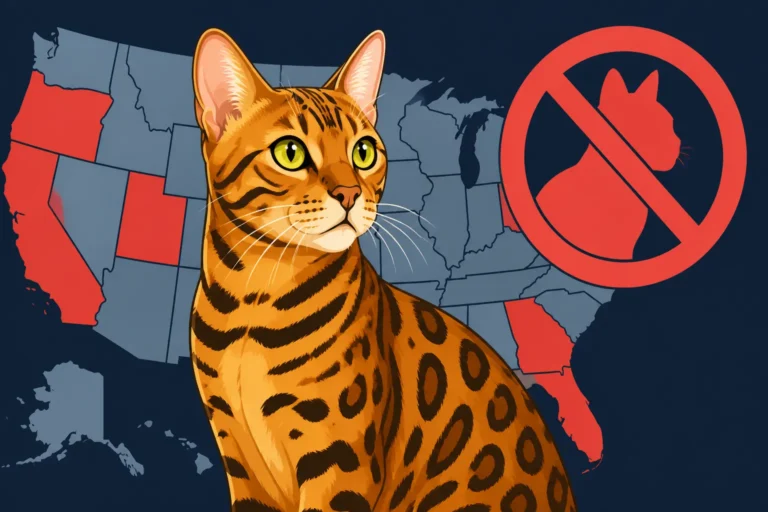
If your Bengal is an early generation, you face a much higher likelihood of encountering restrictions, not just with airlines but also with the destination state or country. For example, some states have very clear laws about owning specific generations of Bengal cats, which would naturally impact interstate travel. You should research Whether a Bengal Cat Can Cross a State Line and specifically check the laws of both your departure and arrival locations. It's not enough to satisfy the airline; you must also satisfy the legal requirements of your destination. If permits are required, the process for something like an early generation permit (How to Apply for an Early Generation Bengal Cat Permit) can be lengthy and complex, so plan far, far ahead. Always carry your cat's pedigree papers, showing their generation number, to help clarify their domestic status if questioned.
Health and Temperament: Is Your Bengal Fit to Fly?
Even if all the logistical hurdles are cleared, the question remains: is air travel genuinely safe and humane for your Bengal? Bengals are known for being The Bengal Cat Is the Most Active Cat You Can Own, highly intelligent, and often vocal. Being confined in a small carrier under a seat for several hours, surrounded by unfamiliar noises, smells, and people, can be incredibly stressful for any cat, let alone one with such an energetic nature.
Before even considering a flight, your Bengal needs a thorough health check-up with your veterinarian. This is non-negotiable. Your vet can assess any underlying health conditions that might be exacerbated by air travel, such as respiratory issues, heart conditions (like HCM, common in the breed, so regular echoes are important), or anxiety. A stressed cat is more prone to illness or exacerbation of existing conditions. Talk openly with your vet about the planned journey, the duration of the flight, and any concerns you have about your Bengal's specific temperament. Some Bengals might handle it better than others, but it's a significant stressor for most.
Sedation: A Risky Proposition for Air Travel
Many well-meaning owners might think, "Well, I'll just ask the vet for something to sedate my Bengal to make the flight easier." However, this is almost universally advised against by veterinarians and airlines for cabin travel. The changes in air pressure and altitude during a flight can cause adverse reactions to sedatives, affecting your cat's respiratory and cardiovascular systems. What might be a mild sedative on the ground could become dangerous in the air, leading to breathing difficulties, disorientation, or even worse.
Instead of sedation, focus on behavioral preparation and creating a calm environment for your cat. If your Bengal is prone to extreme anxiety, flying might simply not be the right choice, and exploring alternatives like ground travel (where a sedative might be safely used under vet guidance for a very anxious cat, though still generally not recommended), or hiring a trusted pet sitter (consider What a Bengal Cat Sitter Costs) might be a more humane option. You don't want to find out Whether a Bengal Cat Reacts Badly to Anesthesia or sedatives when you're 30,000 feet up.
Essential Preparations for a Smooth Journey
Successfully flying with your Bengal in the cabin isn't just about showing up at the airport with a carrier. It requires meticulous planning and preparation, often starting weeks or even months in advance.
Vet Visits and Health Certificates
As mentioned, a pre-travel vet visit is paramount. Many airlines and destinations require a health certificate issued by a licensed veterinarian within a specific timeframe (usually 10 days) prior to travel. This certificate confirms your Bengal is healthy enough to fly and is free of contagious diseases. During this visit, discuss any required vaccinations for your destination, flea and tick prevention, and general well-being. This is also the time to ensure your Bengal's microchip is up-to-date and registered with your current contact information, just in case.
Your vet can also provide guidance on managing stress naturally, perhaps suggesting calming pheromone sprays or supplements that are safe for travel and don't carry the risks of sedatives. They can also advise on food and water intake before and during the flight. It’s always best to be overly prepared when it comes to your cat's health.
Acclimating Your Bengal to Its Travel Carrier
This is a step many owners rush, to their detriment. Your Bengal's carrier shouldn't be a scary, unfamiliar box that only appears right before a traumatic event. Start acclimating your cat to the carrier weeks, or even months, before your flight. Leave the carrier open in a common area of your home, making it a comfortable, inviting space. Place favorite blankets, treats, and toys inside. Feed your Bengal near or even inside the carrier.
Practice short periods of confinement, gradually increasing the duration. Take your Bengal for short car rides in the carrier to simulate movement and noise. This helps your cat associate the carrier with positive experiences and reduces stress significantly on travel day. Remember, Bengals are clever; they learn quickly. Making the carrier a "safe space" rather than a trap is key to their comfort. Consider a carrier that offers ample space, as Why a Bengal Cat Needs the Biggest Box You Can Find applies even when traveling.
| Aspect | Recommendation | Why It Matters |
|---|---|---|
| Carrier | Airline-compliant, soft-sided, well-ventilated, large enough for cat to stand/turn. | Non-negotiable for cabin travel; safety and comfort. |
| Health Cert | Issued by vet within 10 days of travel. | Required by airlines/destinations; ensures fitness to fly. |
| Microchip | Up-to-date registration. | Essential for identification if separated. |
| Acclimation | Weeks of positive association with carrier. | Reduces stress, makes carrier a safe space, crucial for active Bengals. |
| Feeding | Light meal 4-6 hours before flight; avoid heavy food. | Prevents motion sickness, reduces need for in-flight potty breaks. |
| Hydration | Offer water up until departure; small amounts during flight if possible. | Prevents dehydration, especially in dry cabin air. |
| Medication | Avoid sedation; consult vet for calming pheromones/supplements. | Sedation is risky at altitude; natural aids are safer. |
| Documentation | Carry health cert, vaccine records, pedigree (for Bengals), contact info. | Essential for check-in, customs, and proof of breed. |
Packing the Essentials for the Trip
Think of your Bengal's travel bag like a well-stocked diaper bag for a baby. You'll need:
- Absorbent pads for the bottom of the carrier, in case of accidents.
- Small, familiar blanket or towel that smells like home to help with comfort.
- Small collapsible water bowl and a small bottle of fresh water.
- Small bag of your Bengal's regular food for arrival, or a tiny snack if cleared by the airline and vet. Keeping their diet consistent is good during travel.
- Wipes and paper towels for quick clean-ups.
- Plastic bags for waste disposal.
- Essential medications (if any, as advised by your vet).
- Copies of all documentation: health certificate, vaccination records, your Bengal's pedigree (especially if F1-F3 or if you expect questions about "wild" status), and your vet's contact information. Keep these easily accessible.
- A favorite small, quiet toy: Something your Bengal can bat around without making too much noise or taking up too much space. Remember, Which Wand Toy a Bengal Cat Destroys Fastest probably isn't suitable for cabin travel!
Packing smart ensures you have everything you need without overpacking and struggling with too much luggage.
On the Day of Travel and Beyond
The day of the flight is when all your careful preparations come to a head. Knowing what to expect at the airport and how to manage your Bengal during and after the flight can significantly reduce stress for both of you.
Airport Check-in and Security Procedures
Arrive early. Seriously, early. Traveling with a pet adds layers of complexity and time. You'll need to check in at the counter, even if you normally do it online, because an agent needs to verify your Bengal's paperwork and the carrier's compliance. Be prepared for questions about your cat's breed and health. This is where having your pedigree papers for a Whether an SBT Bengal Cat Is Legal Everywhere verification can come in handy.
At the security checkpoint (TSA in the US, for example), you will typically need to remove your Bengal from its carrier and carry it through the metal detector with you while the empty carrier goes through the X-ray machine. This can be a high-stress moment. Ensure your Bengal is wearing a secure harness and leash (consider Which Harness Fits a Bengal Cat) that it cannot slip out of. A nervous Bengal can easily become a flight risk in this chaotic environment. Practice handling your cat in a harness at home to make this transition as smooth as possible. Always be calm and confident, as your cat will pick up on your anxiety.
Managing Stress During the Flight
Once you're on the plane and your Bengal is settled under the seat, your main job is to keep them as calm and comfortable as possible.
- Keep the carrier under the seat: Airlines require the carrier to remain stowed for the duration of the flight. Do not pull it out or attempt to let your Bengal roam, even briefly.
- Offer comfort: Speak to your Bengal in soft, reassuring tones. You can gently slip your fingers into the carrier to offer comfort, but avoid opening the carrier door.
- Water breaks: Offer small amounts of water periodically using the collapsible bowl slipped through the mesh. Avoid offering too much food to prevent upset stomachs or the need for a potty break.
- Observe: Pay attention to your Bengal's breathing and general demeanor. If they seem overly distressed or are vocalizing excessively (remember, How Loud a Bengal Cat Is can be surprising!), try to soothe them with your voice.
- Bathroom breaks for you: Plan your bathroom visits carefully. You can't leave your cat unattended, so if you're traveling alone, you might need to ask a flight attendant or a trusted seatmate to briefly watch your carrier.
Remember that while your Bengal is with you, the confines of the carrier and the unusual environment are still stressful. Think about How Long a Bengal Cat Copes Alone generally, and multiply that stress with the unique challenges of a flight.
Arrival and Post-Travel Adjustments
Upon arrival, your Bengal will likely be as eager as you are to stretch their legs. Once you are safely out of the airport and in a private space, allow your cat to exit the carrier. Offer fresh water and a small meal. Be prepared for some lingering stress behaviors – your Bengal might be more withdrawn, vocal, or even a little disoriented for a day or two. This is normal.
Allow your Bengal time to decompress in its new environment. Set up a quiet space with their litter box, food, water, and familiar items. Keep a close eye on their appetite, litter box habits, and energy levels. If you notice any signs of prolonged distress or illness, consult a local veterinarian. Your primary goal post-flight is to help your Bengal settle back into a normal routine as quickly and calmly as possible. Traveling, even in the cabin, is a big deal for a cat, and they'll need your patience and understanding to adjust. If you're visiting for a short period, consider alternatives like a pet sitter rather than subjecting your Bengal to the stress of air travel.
Disclaimer
This article is for general informational purposes only and does not constitute professional advice. Laws, prices and regulations vary by location and change over time. Consult a qualified professional for guidance on your specific situation.