Why the Generation Number Decides Whether You Can Own a Bengal Cat
It can be incredibly confusing and even disheartening when you start looking into bringing a stunning Bengal cat into your home, only to discover that their very lineage, known as their generation number, dictates whether you can even legally own one where you live. This isn't just about price or appearance; it's a fundamental aspect of ownership that varies wildly from state to state, and even city to city. This comprehensive guide will walk you through exactly why the generation number is so crucial, what it means for potential owners, and how to navigate the often murky waters of Bengal cat legality.
Understanding the Bengal Cat Generations: F1 to SBT
When you first hear terms like F1, F2, F3, and SBT, it can sound like some sort of secret code, but it’s actually the key to understanding your Bengal cat's heritage and, consequently, its legal status. These "filial generations" tell you precisely how far removed your Bengal is from its wild ancestor, the Asian Leopard Cat. This isn't just a quirky fact; it directly impacts their temperament, care requirements, and, most importantly for this discussion, their legality.
What "Filial Generation" Really Means for Your Bengal
"Filial generation" is a fancy way of saying "generation removed from the wild ancestor." Think of it as a family tree where the Asian Leopard Cat (ALC) is the great-great-grandparent, or closer. An F1 Bengal cat is the first filial generation, meaning one of its parents was a purebred Asian Leopard Cat and the other was a domestic cat (often another Bengal or a domestic shorthair). This makes them 50% ALC by genetics, which is a significant amount of wild blood. They often retain many of the physical and behavioral traits of their wild ancestors, from their striking appearance to their high energy and sometimes challenging temperament.
Moving down the line, an F2 Bengal has an F1 parent and a domestic cat parent, making them approximately 25% ALC. An F3 has an F2 parent and a domestic cat parent, bringing them down to around 12.5% ALC. As you can see, with each generation, the percentage of wild blood decreases, and the cat generally becomes more domesticated in temperament and behavior. This journey of domestication is critical to why legal systems differentiate between the generations. For a deeper dive into this fascinating lineage, you can read more about F1 to SBT: How a Bengal Cat's Generation Is Counted.
The Legal Divide: Early Generations vs. Stud Book Traditional SBT
The biggest legal distinction often lies between the early generations (F1, F2, F3) and what's known as an SBT Bengal. SBT stands for "Stud Book Traditional," and it refers to Bengal cats that are at least four generations removed from their Asian Leopard Cat ancestor (F4 or later) and have been bred exclusively to other Bengals for three consecutive generations within the breed's registry. Essentially, an SBT Bengal has four generations of Bengal-to-Bengal breeding behind it. This means they are considered fully domesticated, much like any other domestic cat breed, both in terms of temperament and genetics.
Because of their fully domesticated status, SBT Bengals are generally legal to own in far more places than their early generation counterparts. Most states and municipalities that restrict Bengal ownership tend to draw the line at F4 or SBT, meaning F1, F2, and F3 Bengals are often restricted or outright banned. It's a huge difference because an F1 Bengal, with its direct wild parentage, simply isn't viewed the same way as a pet like an SBT, which is essentially a specialized domestic breed. Understanding this distinction is the absolute cornerstone of responsible Bengal ownership.
How Wild Percentage Decreases with Each Generation
The beauty of the Bengal breed lies in its wild heritage, but also in the careful work of breeders to cultivate that wild look while maintaining a domestic temperament. The decreasing percentage of Asian Leopard Cat (ALC) DNA with each successive generation is a testament to this process. An F1 Bengal is the closest you'll get to the ALC, typically around 50% wild. This high percentage means they often possess a stronger prey drive, a more independent nature, and might be less tolerant of typical domestic handling. They can be incredibly rewarding for experienced owners, but they are certainly not for everyone.
By the time you reach an F4 or SBT Bengal, the ALC percentage is significantly diluted, usually 6.25% or less. This reduction in wild blood doesn't make them any less striking in appearance, but it generally means they are much more like a standard domestic cat in terms of personality, adaptability, and social needs. They are still incredibly active, intelligent, and vocal, embodying the unique "Bengal spirit," but they are also much more predictable and manageable in a typical home environment. This gradual reduction in wild traits is precisely why laws are structured around these generations, acknowledging the shift from a semi-wild hybrid to a fully domestic pet. Knowing this helps you understand why How an Early Generation Bengal Cat Behaves Differently is such a crucial topic for prospective owners.
The Legal Landscape: Why Generation Matters for Ownership
The generation number isn't just an interesting genealogical fact for your Bengal cat; it's often the single most important factor determining whether you can legally keep one. Many people are completely caught off guard by the patchwork of laws governing hybrid cats, leading to heartbreaking situations when an owner discovers their beloved pet is considered illegal. It's a reality that requires careful research before you even consider bringing a Bengal home.
State-by-State Variations and the F4/SBT Line
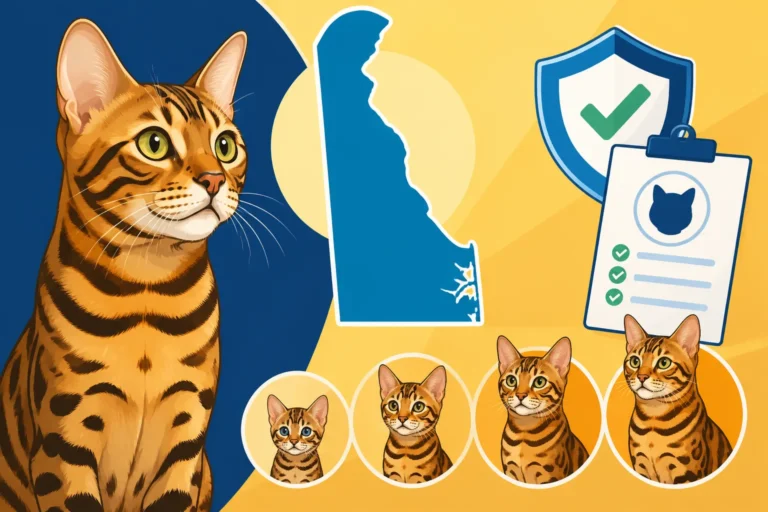
The legalities surrounding Bengal cats are frustratingly inconsistent. There isn't a single, uniform federal law in the United States, which means regulations are left up to individual states, and often, even specific counties or cities. Some states have no restrictions at all, treating Bengal cats like any other domestic breed, regardless of generation. Others draw a hard line at F4 or SBT, meaning any F1, F2, or F3 Bengal is either banned outright or requires a special permit, often with stringent housing and security requirements. For example, some states might allow F4 and higher, while others like New York have specific regulations that still require careful checking.
Then there are states, like Hawaii, that ban all Bengal cats, regardless of generation. Their reasoning often stems from concerns about protecting native wildlife and preventing the establishment of a feral hybrid population that could pose an ecological threat. This wide variance means that what's perfectly legal in one state could be a felony in another. You absolutely cannot assume; you must verify the laws for your specific location. It's why resources like Which States Restrict Early Generation Bengal Cats are so vital.
City-Specific Ordinances: An Added Layer of Complexity
Just when you think you've got the state laws figured out, many cities and counties introduce their own ordinances that can be even more restrictive. It's not uncommon for a state to allow F4 and higher Bengals, only for a major city within that state to ban all Bengals, including SBTs. New York City, for instance, has stricter rules than New York State. These local ordinances often arise from concerns about public safety, animal control resources, or the perceived "wildness" of the breed. They might classify early generation Bengals as "wild animals" or "dangerous animals," subjecting them to different sets of laws than domestic pets.
Imagine the heartbreak of moving from a rural area where your F3 Bengal was perfectly legal to a city that bans all hybrids. This scenario is unfortunately all too real for some owners who didn't research beyond state lines. Always, always check with your specific city's animal control or local government office. Never rely solely on a general internet search, as local laws can be nuanced and change without widespread notice. Consulting resources like Which Cities Ban the Bengal Cat can provide a starting point, but always verify directly.
The Consequences of Owning an Illegal Bengal Cat
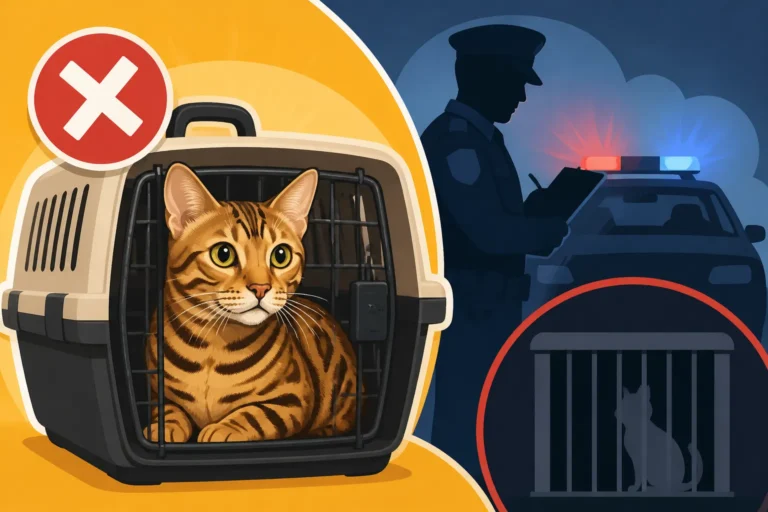
The repercussions of owning a Bengal cat that is illegal in your jurisdiction can be severe and emotionally devastating. At best, you might face fines and be required to rehome your cat. At worst, your beloved pet could be confiscated by animal control, and you could face criminal charges, especially if the cat is classified as a dangerous wild animal. This isn't just a slap on the wrist; it can lead to hefty fines, legal fees, and even jail time in some jurisdictions.
Beyond the legal penalties, there's the moral and ethical toll. Imagine the stress and trauma for your Bengal cat if it's taken from its home and placed in an unfamiliar shelter environment, potentially facing euthanasia if a legal home cannot be found. Furthermore, your ability to provide proper veterinary care might be compromised. Some veterinarians might be hesitant to treat an animal they know to be illegal, or your pet insurance, like policies from Healthy Paws, might not cover an animal deemed illegal in your area. This is why due diligence before adoption is paramount. Understanding What Happens If You Move With an Illegal Bengal Cat highlights the critical need for pre-emptive research.
Why Some Generations Are Restricted: Public Safety and Welfare Concerns
The restrictions placed on early generation Bengal cats aren't arbitrary. They stem from genuine concerns about public safety, the welfare of the cats themselves, and the potential impact on local ecosystems. It's a complex issue where the allure of a wild-looking pet meets the responsibilities of domestic animal ownership.
Behavioral Traits of Early Generation Bengal Cats
Early generation Bengals (F1-F3) often exhibit a distinct set of behaviors that are more akin to their wild ancestors than a typical housecat. Their instincts are stronger, their energy levels are off the charts, and their intelligence can lead to ingenious, and sometimes destructive, problem-solving. They have a very high prey drive, meaning small pets like hamsters, birds, or even smaller cats could be at risk. They can be wary of strangers, less predictable in their reactions, and may not appreciate being restrained or handled in the same way a domestic cat would. Their vocalizations can also be louder and more demanding than a typical meow.
These traits, while fascinating to some, can pose challenges in a standard domestic environment. An F1 Bengal might not be content with simply lounging on the sofa; they may need extensive enrichment, constant interaction, and a highly secure environment to prevent escapes. Their powerful jaws and claws, evolved for hunting, can make playtime more intense. For owners unprepared for these specific needs, an F1 or F2 Bengal can quickly become overwhelming, leading to behavioral issues that impact both the cat's welfare and the owner's peace of mind.
The Challenges of Caring for a High-Percentage Hybrid
Caring for an F1 or F2 Bengal cat goes beyond typical cat ownership. Their intense activity levels demand more than just a few toys; they often need dedicated interactive play for several hours a day, ample vertical space for climbing, and secure outdoor access like a substantial catio. Their intelligence means they quickly figure out child locks, open doors, and can be escape artists of the highest order. Keeping them stimulated and safe requires a significant investment of time, resources, and creativity.
Diet can also be a consideration. While all Bengals thrive on a high-protein diet, some early generations might have more sensitive digestive systems or specific needs that require very careful nutritional planning. You might find yourself researching premium brands on Chewy or even considering a raw diet to cater to their ancestral needs. Furthermore, their inherent wariness can make veterinary visits more stressful, potentially requiring specialized handling or sedation for routine procedures. These challenges are why it's imperative that potential owners truly understand the commitment involved, and why many jurisdictions feel these cats are not suitable for general pet ownership.
Protecting the Welfare of the Cats and the Public
Ultimately, the restrictions on early generation Bengals are designed to protect both the cats themselves and the public. From a welfare perspective, an F1 Bengal placed in an unsuitable home that cannot meet its complex needs is a recipe for disaster. The cat may become stressed, destructive, or even aggressive due to boredom and frustration. This can lead to the cat being surrendered to shelters, where they are often difficult to place due to their specialized requirements and legal status.
From a public safety standpoint, an escaped early generation Bengal with a high prey drive could pose a threat to local wildlife, other pets, or even small children if it feels threatened. The legal systems classify them differently precisely because their behavior can be less predictable than a thoroughly domesticated animal. These laws aim to prevent situations where untrained or unprepared individuals acquire animals that they cannot adequately control or provide for, thus protecting all parties involved. This ethical perspective often fuels the debate around Whether Breeding Hybrids Like the Bengal Cat Is Ethical.
Navigating the Permit Process for Early Generation Bengals
If you're determined to own an early generation Bengal cat in a jurisdiction that permits them with a license, be prepared for a rigorous and often lengthy process. This isn't like applying for a dog license; it's a much more involved procedure that requires significant commitment and proof of responsible ownership.
Identifying What Your Local Authority Requires
The very first step is to contact your local animal control or department of natural resources. Do not rely on hearsay or old forum posts. Ask for the specific ordinances related to hybrid cats or exotic animals. You need to know:
- Which generations are allowed.
- Whether a permit is required.
- The exact criteria for obtaining that permit.
- Any specific housing requirements (e.g., caging, fencing).
- Mandatory insurance requirements.
- Veterinary care stipulations.
Some jurisdictions might refer you to a state wildlife agency, especially for F1 or F2 Bengals, as they might be classified under exotic animal laws. It's a bureaucratic maze, but getting accurate, up-to-date information directly from the source is non-negotiable. Don't be afraid to ask for written documentation of the laws and requirements. This information will also usually outline What Permit an Early Generation Bengal Cat Needs.
Documentation and Fees: The Red Tape Involved
Once you know the requirements, you'll likely face a mountain of paperwork and associated fees. Permits for exotic or hybrid animals are rarely cheap, and they often involve annual renewal fees as well. You'll typically need to provide:
- Proof of ownership (bill of sale, pedigree papers).
- Veterinary records, including proof of rabies vaccination and other health clearances.
- Detailed plans for the cat's enclosure, including dimensions, materials, and security features.
- Proof of financial stability to care for the animal.
- Sometimes, even character references or proof of prior experience with similar animals.
The goal of this extensive documentation is to ensure that only truly capable and responsible individuals are granted permission to own these specialized animals. The authorities want to see that you've thought everything through and are fully prepared for the commitment.
Inspections and Ongoing Compliance
A critical part of the permit process often involves an on-site inspection of your home and the proposed housing for the Bengal cat. Animal control officers or wildlife agents will assess whether your setup meets their stringent safety and welfare standards. This could include checking the security of outdoor enclosures (catios), ensuring indoor areas are escape-proof, and verifying that the environment provides adequate enrichment for such an active and intelligent animal. They want to ensure the cat cannot escape and poses no risk to the community or itself.
Ongoing compliance is also a factor. Permits typically need annual renewal, and you might be subject to periodic re-inspections without much notice. Failing to maintain the required standards or allowing your early generation Bengal to escape could result in the revocation of your permit, fines, and potentially the confiscation of your cat. This isn't a one-time hurdle; it's an ongoing responsibility that requires constant vigilance and adherence to the rules.
Proving Your Bengal Cat's Generation: Essential Documentation
Imagine the nightmare scenario: you've adopted a Bengal cat, believing it to be an SBT, only to have a neighbor complain, and animal control asks for proof of its generation. Without proper documentation, you could be in a very difficult situation. Proving your Bengal's generation is not just about bragging rights; it's about legal compliance and responsible ownership.
The Importance of a Reputable Breeder and Pedigree Papers
The most reliable way to prove your Bengal cat's generation is through official pedigree papers from a recognized cat registry, such as The International Cat Association (TICA). Reputable breeders will always provide these papers, which meticulously detail the lineage of your cat, including the generation number (F1, F2, F3, SBT). These papers are the gold standard for verification. A good breeder will also have health screened their breeding cats, providing peace of mind about inherited conditions that might require ongoing care or even a specialized diet like those found on Chewy.
When choosing a breeder, ask to see the parents' pedigrees and the specific generation of the kitten you're interested in. A breeder who cannot or will not provide this documentation, or who seems vague about generations, is a major red flag. Avoid "backyard breeders" or individuals selling Bengals at unusually low prices, as they often cut corners on health testing and proper documentation, leaving you vulnerable. You can learn more about How to Prove Your Bengal Cat's Generation for additional tips.
Microchipping and Registration for Verification
While microchipping doesn't directly prove generation, it's an essential tool for identification and helps track ownership. Once your Bengal is microchipped, you can register that chip with a national pet recovery database. If your cat ever goes missing and is found, or if there's a dispute over its ownership or status, the microchip provides undeniable proof of identity linked to your records. This is especially important for Bengals, who are known for their adventurous spirit and can sometimes be escape artists.
Furthermore, some jurisdictions might require that exotic or hybrid pets be registered with local animal control, in addition to any state-level permits. This registration process often involves providing the cat's microchip number, pedigree information, and contact details. It creates an official record of your ownership and ensures authorities know where these specialized animals reside, allowing for proper management and response in emergencies.
When a DNA Test Might Be Necessary or Not
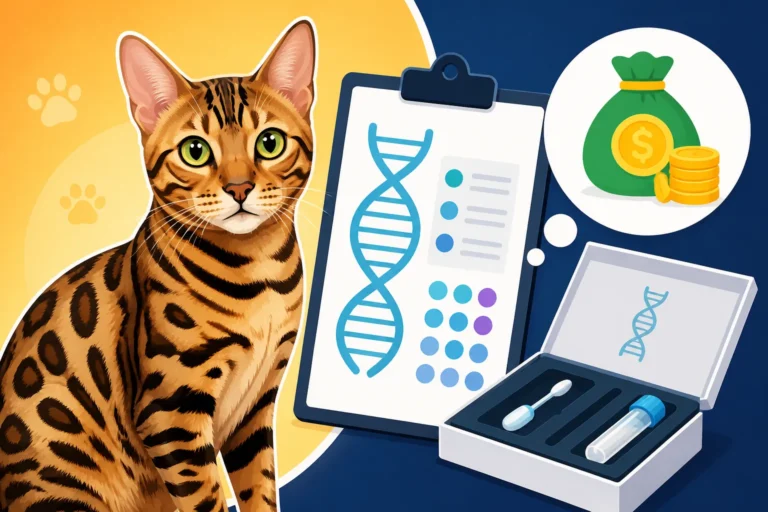
The question of DNA testing for generation verification can be tricky. For an F1, F2, or F3 Bengal, a DNA test can accurately determine the percentage of Asian Leopard Cat (ALC) ancestry. This can be invaluable if you've acquired a cat without clear pedigree papers and need to determine its generation for legal compliance. Several reputable labs offer these services, and they typically involve a simple cheek swab.
However, for SBT Bengals, a DNA test for ALC percentage is generally not necessary or even particularly useful for proving generation for legal purposes. An SBT Bengal's ALC percentage is so low (6.25% or less) that a general "wild cat panel" might not definitively place it at F4 or beyond for legal classification. For SBTs, the pedigree from a TICA-registered breeder remains the primary and most accepted form of proof. Always check with your local animal control or wildlife authority if they would accept a DNA test as proof for an SBT, as most prefer official registry documents.
The Ethical Considerations of Breeding and Owning Hybrids
The existence of the Bengal cat breed sparks considerable debate within the animal welfare community. The blend of wild and domestic creates a unique set of ethical questions, particularly concerning the earlier generations. Understanding these considerations is part of being a truly responsible Bengal owner.
The Debate Around Early Generation Breeding Programs
Breeding F1, F2, and F3 Bengal cats involves bringing wild Asian Leopard Cats into a breeding program or using very recent descendants. Critics argue this practice is inherently unethical. They raise concerns about the welfare of the ALCs used in breeding, which are wild animals by nature and may experience stress or suffering in a captive breeding environment. There are also questions about the welfare of the early generation Bengals themselves, who may struggle to adapt to domestic life dueencing and can be a difficult balance to strike.
Proponents of early generation breeding, often dedicated Bengal enthusiasts and breeders, argue that it's essential for maintaining the breed's unique appearance and genetic diversity. They emphasize that reputable breeders prioritize the health and temperament of their cats, carefully managing breeding pairs and providing extensive socialization for early generation kittens. They believe that with the right environment and an experienced owner, these cats can thrive. This debate highlights the complexities of hybrid breeding and why jurisdictions impose restrictions.
Responsible Ownership of Later Generation Bengals
Once you move into the SBT generations (F4 and beyond), the ethical landscape shifts. These cats are recognized as a domestic breed, and owning one comes with the same responsibilities as owning any other pedigree cat. Responsible ownership means providing a stimulating and safe environment, a high-quality diet, regular veterinary care, and plenty of interaction. Bengals are highly active and intelligent, so they need owners who can commit to their extensive needs for play, mental stimulation, and vertical space.
Responsible SBT ownership also means ensuring your Bengal is spayed or neutered (unless you are a licensed breeder), microchipped, and vaccinated. You must be prepared for their unique personality, including their vocal nature and love for water. While they are domesticated, they are still a far cry from a sedentary lap cat, and understanding their needs for enrichment is paramount to their happiness and your successful cohabitation. This type of dedication is why The Bengal Cat Is the Most Active Cat You Can Own is a crucial read.
Supporting Rescues and Rehoming Efforts
Unfortunately, even later generation Bengals sometimes end up in shelters or rescues when owners are unprepared for their high energy and specific needs. Supporting Bengal cat rescues is an incredibly ethical way to acquire one of these magnificent animals. Rescues often have a thorough screening process for adopters, ensuring that the cat is matched with a home that truly understands and can meet its needs. They also provide comprehensive veterinary care, including spaying/neutering and vaccinations, before adoption.
By adopting from a rescue, you're not only giving a deserving cat a second chance but also contributing to efforts to alleviate the burden on shelters and prevent overpopulation. These organizations often have a deep understanding of Bengal behavior and can provide invaluable advice and support to new owners. It's a compassionate and responsible choice that helps address some of the welfare concerns associated with the breed.
What to Do If You Already Own an Early Generation Bengal Cat
Finding out your beloved pet might be illegal can be a truly terrifying and stressful experience. If you already own an early generation Bengal cat and are unsure about its legal status, it's crucial to act quickly and responsibly. Panicking won't help; informed action will.
Checking Your Local Laws Retroactively
The first and most important step is to discreetly and thoroughly research the specific laws in your municipality, county, and state. Use the information in this guide to find official sources like your city's animal control department, county clerk's office, or state department of fish and wildlife. Don't call and immediately state you own an F1 Bengal; instead, inquire generally about regulations for "hybrid cats" or "exotic felines" to gather information without immediately flagging yourself. You want to understand the letter of the law first.
Look specifically for generation numbers and any grandfather clauses. Some laws might allow existing pets to remain if they were owned before the law changed, though this is rare for highly restricted animals. If you have any pedigree papers for your cat, have them ready. Understanding the precise legal text will inform your next steps and help you avoid unnecessary alarm or, conversely, a dangerous delay.
Seeking Professional Guidance and Support
If your research confirms that your Bengal cat falls into a restricted or illegal category, it's highly advisable to seek professional legal counsel from an attorney specializing in animal law or exotic pet regulations. They can interpret the nuances of the law, advise you on your rights and obligations, and help you navigate any necessary permit applications or negotiations with authorities. Do not try to handle this alone if the situation is serious.
Beyond legal advice, connecting with experienced Bengal cat enthusiasts, reputable breeders, or specialized rescues can offer invaluable support and practical advice. They might know local resources, understand the specific challenges, or even offer temporary rehoming if absolutely necessary. Organizations like TICA, while not legal bodies, can confirm the validity of pedigrees and offer general guidance on breed standards and care.
Contingency Planning for Relocation or Emergencies
Having an illegal pet puts you in a precarious position. It's essential to have a contingency plan. This means:
- Secure Housing: Ensure your Bengal's enclosure is absolutely escape-proof. An escaped illegal animal amplifies your legal risk exponentially.
- Emergency Contact: Designate a trusted friend or family member who could temporarily care for your cat if you face an emergency or legal action. Ideally, this person would live in a jurisdiction where the cat is legal.
- Relocation Strategy: If your cat is illegal and there's no path to legality, you might need to consider rehoming. This is a painful decision, but it's often the most responsible one for the cat's long-term welfare and your legal safety. Work with reputable Bengal rescues or a breeder who specializes in early generations to find a suitable and legal home. They can provide resources for Why Owners Give Up a Bengal Cat and help you understand how to find a responsible new owner.
Having these plans in place, even if you hope never to use them, provides a layer of protection and ensures you're ready to make the best decision for your Bengal cat, no matter what unfolds.
Table: Bengal Cat Generation Overview and Legal Implications
| Generation | Parentage (Example) | % Asian Leopard Cat (Approx.) | Typical Temperament | General Legality in US* | Care Level |
|---|---|---|---|---|---|
| F1 | ALC x Domestic Cat | 50% | Most wild, intense, wary, high needs | Highly restricted, often banned or permit-only | Very High |
| F2 | F1 x Domestic Cat | 25% | Still very wild, active, intelligent, challenging | Restricted, permit often required | High |
| F3 | F2 x Domestic Cat | 12.5% | More domesticated, but still high energy, strong prey drive | Restricted in some areas, permit possible | Medium-High |
| F4 (SBT) | F3 x Domestic Cat (leading to SBT) | 6.25% | Fully domesticated, active, intelligent, vocal | Generally legal in most places, few restrictions | Medium-High |
| SBT | SBT x SBT (3+ generations of Bengal-to-Bengal breeding) | <6.25% | Fully domesticated, active, intelligent, vocal, pet quality | Widely legal, treated as domestic cat | Medium-High |
*Note: This table provides general guidance. Laws vary drastically by state and city. Always check your specific local ordinances.
Disclaimer
This article is for general informational purposes only and does not constitute professional advice. Laws, prices and regulations vary by location and change over time. Consult a qualified professional for guidance on your specific situation.