Why Bengal Cat Prices Range So Widely
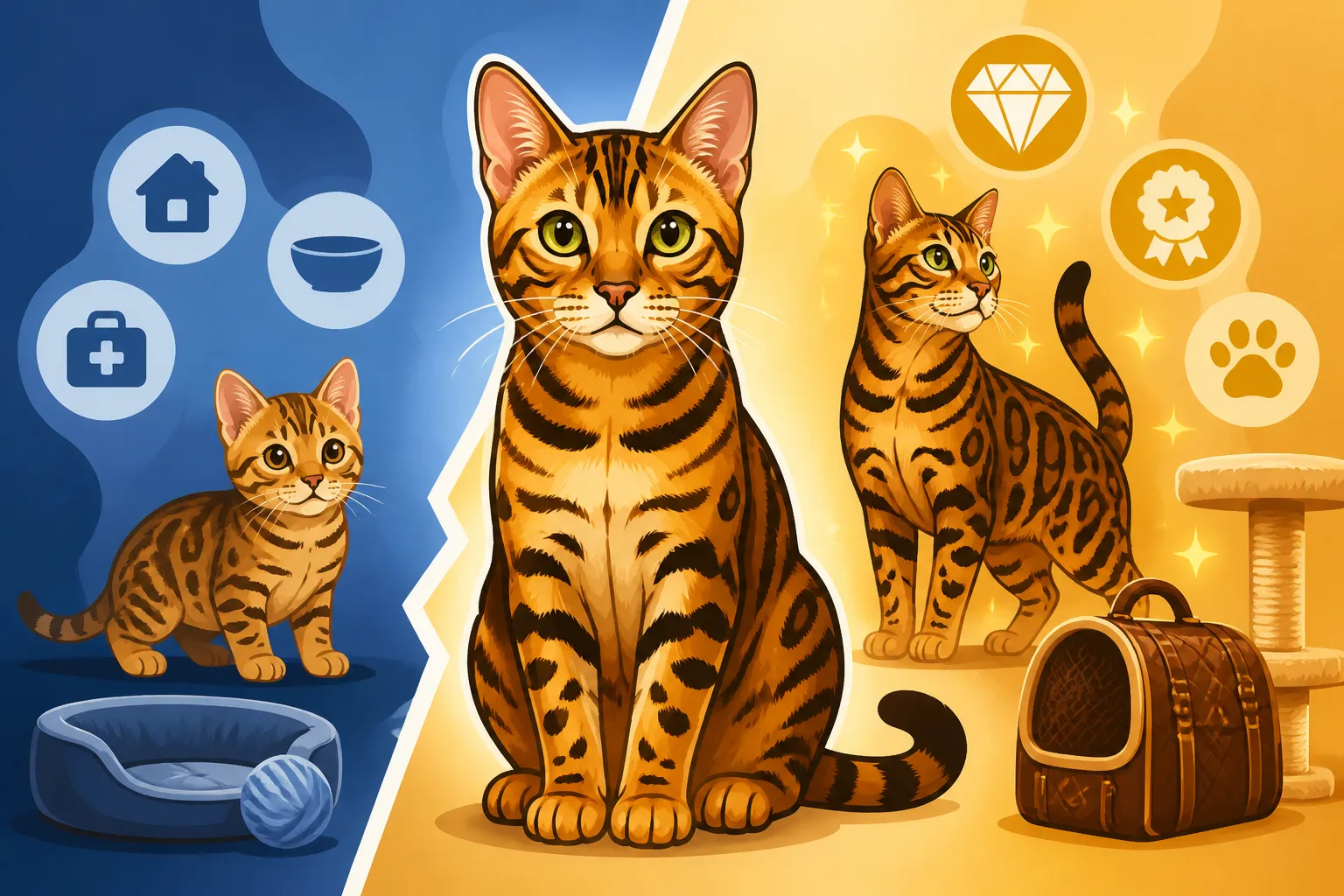
It's no secret that Bengal cats captivate us with their wild beauty and spirited personalities, making many of us dream of bringing one into our homes. But then you start looking at prices, and your head spins. One moment you see a kitten for a modest sum, and the next, you're looking at figures that could rival a down payment on a car! This huge discrepancy isn't just confusing; it can be incredibly frustrating when you're trying to budget and understand what you're truly paying for. This guide is here to unravel the mystery, explaining exactly why Bengal cat prices range so widely, breaking down all the factors that contribute to that final price tag, and helping you navigate the market with confidence.
The Foundational Cost: Generation and Lineage
When you first dive into the world of Bengal cats, one of the most immediate and impactful factors you'll encounter regarding price is their generation. This "F-number" is a direct indicator of how closely related your kitten is to its wild ancestor, the Asian Leopard Cat, and it plays a monumental role in determining its cost.
The F-Number Factor: Early Generations vs. SBT
The "F" in F1, F2, F3, and so on stands for "filial generation," indicating the number of generations removed from the original Asian Leopard Cat (ALC) cross. An F1 Bengal is a direct cross between an ALC and a domestic cat. As you might imagine, these kittens are extremely rare, often command the highest prices, and are generally not suitable for typical pet homes due to their more pronounced wild traits. Moving down the line, an F2 Bengal has an ALC grandparent, an F3 has an ALC great-grandparent, and so on. The further removed from the ALC, the more domesticated the cat becomes.
The prices for these early generations can be truly astronomical, reflecting their rarity, the significant effort and specialized care required by breeders, and their unique characteristics. Most reputable breeders focus on what's known as an SBT Bengal cat, which stands for "Stud Book Tradition." This means the cat is at least four generations removed from the ALC (F4 or later) and has an all-Bengal pedigree, making them fully domesticated and eligible for showing. These SBT Bengals are the most common pet Bengals and, while still premium, come at a much more accessible price point than their earlier generation relatives. Understanding what an F1 Bengal Cat Costs versus what an SBT Bengal Cat Costs is essential for setting realistic expectations.
Pedigree and Champion Lines
Beyond the generation number, the pedigree of a Bengal cat can significantly influence its price. Just like in other purebred animals, a strong lineage filled with Grand Champions, Supreme Grand Champions, or even regional and international winners from associations like TICA (The International Cat Association) will naturally elevate the value of a kitten. This isn't just about bragging rights; it indicates that the breeder is consistently producing cats that meet or exceed the breed standard, demonstrating excellent health, temperament, and conformation.
Kittens from such esteemed lines often carry a higher price tag because the breeder has invested heavily in acquiring top-quality breeding stock, participating in shows, and maintaining exceptional breeding practices. This commitment translates into kittens that are not only beautiful but also typically well-socialized and robust. It's an investment in quality and predictability, ensuring you're getting a Bengal that truly embodies the desirable traits of the breed.
Breeding Rights vs. Pet Prices
Another critical distinction that affects the final cost is whether you are purchasing a Bengal cat as a "pet" or with "breeding rights." A kitten sold as a pet is typically required to be spayed or neutered before going to its new home, or the contract will stipulate a spay/neuter clause that you must adhere to by a certain age. The price for a pet kitten is the most common and lowest tier.
However, if you wish to purchase a Bengal cat with breeding rights, meaning you intend to breed it yourself, the price will skyrocket. Reputable breeders protect their lines fiercely, and selling a cat with breeding rights is a significant decision. The price reflects not just the individual cat's quality but also the value of its genetics and the potential future progeny it could produce. Breeders often have strict criteria for who they will sell breeding rights to, ensuring their cats go to responsible catteries. This is an important consideration when looking at what a Bengal Cat Kitten Costs From a Breeder, as the difference can be thousands of dollars.
Coat, Color, and Pattern: The Visual Premium
The striking appearance of a Bengal cat is arguably its most defining feature, and it's no surprise that specific coat attributes, colors, and patterns can dramatically sway their market value.
Rosettes, Marbling, and Clarity
When people picture a Bengal cat, they often envision those distinct rosettes—the spotted patterns that resemble a leopard's coat. There are several types of rosettes, from arrowhead and paw-print to donut and clouded rosettes, with donut and clouded rosettes generally being the most sought-after due to their intricate, multi-tonal appearance. A Bengal with clear, well-defined rosettes, often called "high contrast," where the spots stand out sharply against the background color, will typically command a higher price than one with less distinct markings.
Marbled patterns, while beautiful in their own right, usually fetch a slightly lower price than rosetted Bengals, although exceptional marbling with good flow and color separation can still be quite valuable. The overall clarity of the pattern, meaning minimal "ticking" (small, dark flecks) or blurring of the markings, also contributes to desirability and, consequently, price. This clarity is a key aspect for those seeking a show-quality animal. For a deep dive, you might want to look into what a Rosetted Bengal Cat Costs specifically.
The Allure of Glitter and Special Colors
Beyond the primary pattern, the "glitter" gene is a unique trait found in many Bengals, giving their coat a shimmering, iridescent quality, as if dusted with gold. This highly desirable trait enhances the exotic appeal and often adds to the price. Not all Bengals have glitter, and its presence is a clear indicator of a well-bred Bengal.
Furthermore, certain rare and striking color variations can significantly increase the price. While traditional brown (black spotted/rosetted on a warm brown background) is common, colors like snow Bengals (Seal Lynx Point, Seal Mink, Seal Sepia), silver Bengals, and charcoal Bengals are highly coveted. Snow Bengals, with their captivating blue or aqua eyes and creamy to ivory coats, are particularly popular. Silver Bengals offer a sleek, sophisticated look, while charcoals have a dark, dramatic appearance often with a "Zorro mask" on their face. The rarity and aesthetic appeal of these colors mean they often come with a premium price tag. For those interested, exploring what a Snow Bengal Cat Costs can be quite enlightening.
Show Quality vs. Pet Quality Aesthetics
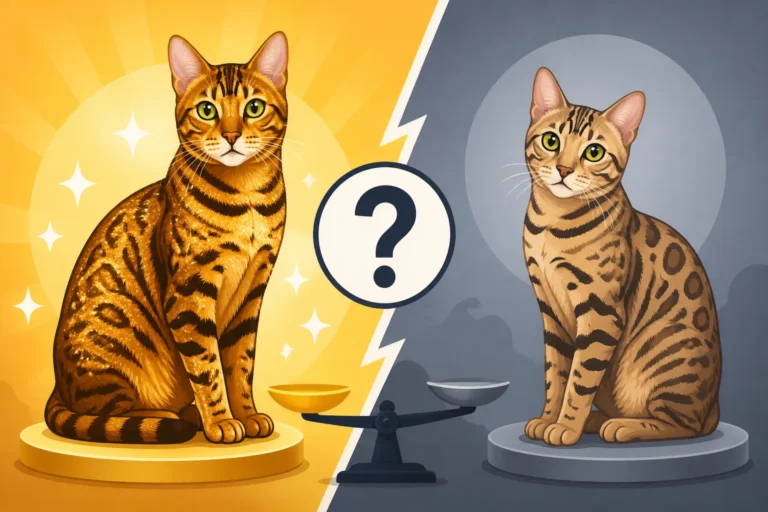
It's important to understand the distinction between "show quality" and "pet quality" when assessing a Bengal's price. A show-quality Bengal cat is one that closely adheres to the breed standard set by organizations like TICA. This means everything from the shape of their head, ear set, eye color, tail length, and, of course, their coat pattern, color, and glitter, is near perfection. These cats are intended for competitive showing and, as such, command the highest prices due to their genetic excellence and visual flawlessness.
A "pet quality" Bengal, while still a purebred Bengal with all the wonderful personality traits, might have a minor imperfection that disqualifies it from the show ring. Perhaps its rosettes aren't perfectly aligned, its ears are slightly too large, or its coat lacks the desired contrast. These minor aesthetic differences have absolutely no impact on the cat's health or temperament, but they do make them more affordable for families simply looking for a beloved companion rather than a showstopper. The price difference between these two categories can be substantial, reflecting the breeder's investment in producing and exhibiting top-tier animals.
Breeder Reputation and Health Guarantees
The foundation of a good Bengal cat purchase isn't just about the cat itself, but also the person you're buying it from. A reputable breeder is more than just a seller; they are a guardian of the breed, prioritizing health, temperament, and ethical practices, all of which are factored into their pricing.
The Importance of Health Testing and Screening
One of the most significant reasons why some Bengal cats are more expensive than others comes down to the health testing and screening performed by responsible breeders. Bengal cats, like many purebreds, can be predisposed to certain genetic health conditions. A dedicated breeder will invest in extensive testing for their breeding cats to minimize the risk of passing these conditions on to kittens.
Key tests include DNA panels for diseases like PRA-b (Progressive Retinal Atrophy-b), which can lead to blindness, and PK Deficiency (Pyruvate Kinase Deficiency), which causes a form of anemia. Reputable breeders also conduct regular cardiac screenings, specifically echocardiograms, to check for HCM (Hypertrophic Cardiomyopathy), a serious heart condition that is common in many cat breeds, including Bengals. These tests are not cheap, and their costs are naturally integrated into the kitten's price. When a breeder can show you current, clear health certificates for both parents, it’s a strong indicator of their commitment to the health of their line and is worth every penny. You can learn more about what the DNA Panel a Bengal Cat Breeder Runs Costs and which Health Results a Bengal Cat Breeder Must Show.
The Value of a Reputable Breeder
A reputable breeder provides far more than just a kitten; they offer expertise, support, and peace of mind. They typically operate a clean, enriching environment for their cats, providing excellent nutrition, early socialization, and regular veterinary care. They spend countless hours handling, playing with, and observing each kitten, ensuring they are well-adjusted and ready for their new homes. This level of care and dedication prevents common issues like behavioral problems, fear, or chronic health issues later on.
Such breeders are also usually active in the Bengal cat community, attending shows, staying current on breed health information, and adhering to ethical breeding guidelines. They are transparent about their practices, happy to answer questions, and will often interview prospective buyers to ensure their kittens go to suitable homes. The higher price you pay to a reputable breeder isn't just for the kitten; it's for their knowledge, their ongoing support, and the confidence that your new family member has had the best possible start in life.
Guarantees and Support Beyond the Sale
A hallmark of a responsible breeder is their willingness to stand behind their kittens. This often comes in the form of a health guarantee, typically covering genetic or congenital conditions for a specified period (e.g., one to three years). While these guarantees don't prevent all future health issues, they offer crucial protection against unforeseen problems that may arise early in the cat's life.
Beyond formal guarantees, a good breeder offers lifelong support. They become a resource for questions about diet, behavior, health, and general Bengal care. This ongoing mentorship is invaluable, especially for first-time Bengal owners. They care deeply about where their kittens end up and want them to thrive. This commitment to their cats, even after they've left their cattery, is a service that adds immeasurable value and is reflected in their pricing. For example, if your kitten were to develop HCM, knowing how common HCM Is in Bengal Cats and having a breeder's support network can be priceless.
Sales Contract and Kitten Inclusions
The price of a Bengal kitten isn't just for the furry bundle itself; it often encompasses a range of services, documentation, and starter items that ensure a smooth transition and a healthy beginning in your home. These inclusions are critical components of the overall value proposition.
Spay/Neuter Agreements and Microchipping
For pet-quality Bengals, a standard clause in most reputable breeder contracts is a spay/neuter agreement. This means the kitten will either be spayed or neutered before leaving the breeder's care, or you will be legally obligated to have the procedure done by a certain age, often with proof required. The cost of this surgery is typically absorbed into the kitten's purchase price. This practice is crucial for population control and preventing accidental litters, and it reflects the breeder's commitment to responsible pet ownership.
Microchipping is another common inclusion. A microchip is a tiny, passive transponder inserted under the cat's skin that carries a unique identification number. Should your Bengal ever get lost, a quick scan by a vet or shelter can reunite you. This simple, inexpensive procedure provides immense peace of mind, and its cost is usually part of the initial price, along with registration of the chip in your name.
Initial Vaccinations and Vet Checks
A healthy start is paramount for any kitten, and ethical breeders ensure their Bengals receive appropriate veterinary care before going to their new homes. This includes a series of initial vaccinations against common feline diseases like feline panleukopenia, feline herpesvirus, and calicivirus. Kittens typically receive their first one or two sets of shots while with the breeder.
Furthermore, most reputable breeders will have their kittens undergo a thorough veterinary health check-up before sale. This exam verifies the kitten's overall health, checks for any congenital issues, ensures they are free of parasites, and gives them a clean bill of health. Documentation of these vaccinations and vet checks is typically provided to the new owner. While these are necessary medical steps, they add to the breeder's overhead and are reflected in the final cost of the kitten.
Starter Kits and Transition Support
To help ease the transition from the breeder's home to yours, many breeders provide a "starter kit" along with your new kitten. These kits can vary widely but often include a small supply of the kitten's current food (which helps prevent stomach upset from an abrupt diet change), a favorite toy or blanket that smells of the littermates and mother (to provide comfort), and essential care information.
This thoughtful gesture not only makes the initial days easier but also demonstrates the breeder's care for their kittens. They want to set you and your new Bengal up for success. While the monetary value of these items might not be huge, the emotional support and practical assistance they offer are invaluable for navigating those first few weeks. Some breeders might even offer initial guidance on topics like litter training or behavior, reducing potential stress for both you and your new companion. For ongoing needs, stores like Chewy can be a great resource for food, toys, and other supplies.
Geographic Location and Market Demand
Just like real estate or any other desirable commodity, the price of a Bengal cat can fluctuate significantly based on where you live and the current popularity of the breed in that area.
Regional Price Differences
The cost of a Bengal cat is not uniform across an entire country; it can vary considerably from state to state, or even region to region. Factors contributing to these regional differences include the cost of living in an area, local veterinary care expenses, breeder overheads, and the availability of reputable breeders. In areas with a high cost of living, breeders face higher expenses for facilities, food, and vet care, which naturally translate to higher kitten prices.
Conversely, in regions with a lower cost of living or a higher concentration of breeders, prices might be slightly more competitive. It's not uncommon to see a difference of several hundred to a thousand dollars or more for a comparable kitten depending on its geographic origin. This is why some prospective owners might consider traveling to a different state to find a kitten at a more favorable price, though this adds travel costs to the overall equation.
Demand and Availability
The basic economic principles of supply and demand heavily influence Bengal cat prices. When the breed experiences a surge in popularity, and demand outstrips the supply of responsibly bred kittens, prices tend to rise. Conversely, if there are many breeders in a particular area and fewer buyers, prices might stabilize or even decrease slightly.
The overall availability of reputable breeders also plays a role. In areas where there are only a handful of ethical Bengal breeders, their prices will reflect the limited supply and high demand for their quality kittens. If a region has a larger, more established Bengal breeding community, there might be more options and a wider range of prices to choose from. The current trend and perceived desirability of the Bengal cat as a breed can also drive prices up or down over time, affecting what you might pay.
The Impact of Legal Restrictions
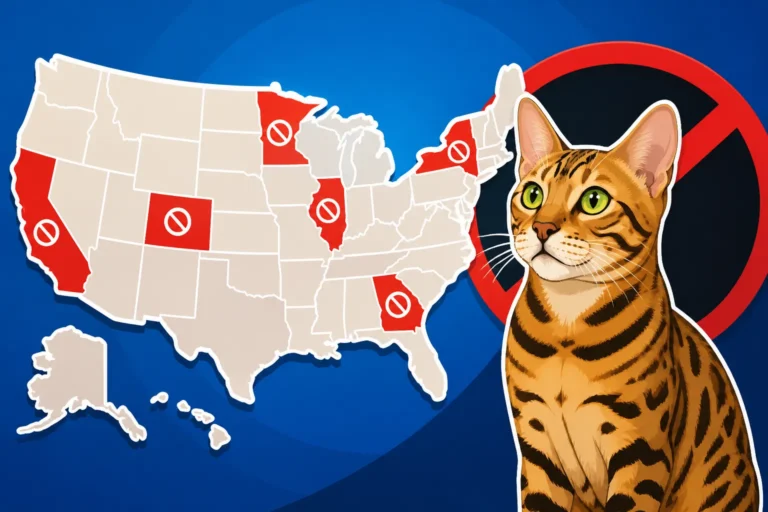
Another factor that can subtly influence pricing in certain regions is the presence of legal restrictions or bans on Bengal cats. In some states, cities, or even countries, early-generation Bengals (F1-F3) are either outright banned or require special permits due to their close lineage to the Asian Leopard Cat. In Hawaii, for example, every Bengal cat, regardless of generation, is banned. These restrictions can create a localized scarcity for certain generations, making legal Bengals in nearby unrestricted areas even more sought after and potentially increasing their price.
If you live in an area with strict regulations, finding a compliant Bengal might involve sourcing from a breeder further afield, which can add to transportation costs. Understanding Where a Bengal Cat Is Illegal in the United States and how to check your local ordinances is critical before committing to a purchase. Breeders in areas with fewer restrictions might also price their cats differently simply because they operate in a less complex regulatory environment.
Understanding the True Investment: Beyond the Purchase Price
While the initial purchase price of a Bengal cat might seem like a lot, it's truly just the tip of the iceberg. True ownership involves a long-term financial commitment that many first-time owners underestimate. Factoring these ongoing costs into your budget is essential for providing your Bengal with a happy, healthy life.
Lifelong Care Costs: Food, Vet, Enrichment
A Bengal cat is a lifetime commitment, and that means ongoing expenses for about The Twelve to Sixteen Years a Bengal Cat Gets, or even longer for some lucky felines. High-quality food is a significant recurring cost. Bengals are active, muscular cats, and many owners opt for premium, high-protein diets to support their energy levels and overall health. While specific brands will vary in price, choosing a good quality food can ensure they get the nutrition they need, but it definitely adds up over time.
Beyond food, routine veterinary care, including annual check-ups, vaccinations, and parasite prevention, is non-negotiable. Unexpected vet bills for illnesses or injuries can also arise. Then there are enrichment needs: sturdy cat trees (because a Bengal Cat Opens Cabinets, Doors and Drawers and loves to climb), interactive toys, a cat wheel for exercise, and potentially a secure outdoor enclosure or a catio for their adventurous spirit. All these elements contribute to the overall cost of owning a Bengal. This category alone can make you wonder whether a Bengal Cat Is Expensive to Own.
| Factor Affecting Price | Low End Price Impact | Mid-Range Price Impact | High End Price Impact |
|---|---|---|---|
| Generation (F-Number) | SBT/F4+ Pet Quality | F3 Pet Quality | F1/F2 Pet or SBT Show Quality |
| Pedigree/Lineage | Basic Registered Pet | Known Pedigree, Good Lines | Champion/Grand Champion Sires/Dams |
| Coat Pattern/Clarity | Good Marbled or Spotted | Clear Spotted/Donut Rosettes | High Contrast, Clouded Rosettes, Glitter |
| Color | Standard Brown | Snow, Silver, Charcoal | Rare/Exceptional Colors |
| Breeder Reputation | Smaller/Newer Breeder | Established, Health-Tested | Highly Respected, Extensive Health-Tested, Guarantees |
| Inclusions | Basic shots, microchip | Spay/Neuter, initial vet check, starter kit | Full vet workup, genetic screening, extensive guarantee, support |
| Market Demand | Lower Demand Area | Moderate Demand Area | High Demand/Limited Supply Area |
Insurance Considerations
Given the potential for unexpected health issues, especially with a breed prone to certain conditions, pet insurance is a wise investment for many Bengal owners. While it's an additional monthly or annual expense, it can provide significant financial relief if your Bengal faces a serious illness or accident. Policies vary widely, covering everything from routine wellness to emergency care, and premiums are influenced by your cat's age, breed, and your location.
Some insurance providers, like Healthy Paws, offer comprehensive plans that can help manage the costs of advanced diagnostics or treatments. For example, if your Bengal develops chronic diarrhea, a common Bengal cat complaint nobody warns about, the diagnostic workup and ongoing treatment can be substantial. Having insurance can mean the difference between getting the best possible care without financial strain versus making difficult decisions based on cost. It's worth researching different providers and plans to see what fits your budget and offers the best coverage for your active companion.
The "Cost" of Time and Dedication
Finally, while not a monetary cost, the "price" of time and dedication required for a Bengal cat is significant and shouldn't be overlooked. Bengals are incredibly intelligent, active, and demanding cats. They thrive on interaction, playtime, and mental stimulation. Leaving a Bengal bored or under-stimulated can lead to destructive behaviors, vocalization, and general unhappiness.
You'll need to dedicate consistent time each day to play, train, and engage with your Bengal. This might involve leash walks, clicker training for tricks, or puzzle feeders to challenge their minds. Their unique needs mean they aren't a "set it and forget it" pet. This commitment of time and energy is a crucial part of the investment in a Bengal cat. Without it, even the most expensive Bengal won't thrive, proving that the initial purchase price is merely the beginning of a truly rewarding, yet demanding, journey.
Disclaimer
This article is for general informational purposes only and does not constitute professional advice. Laws, prices and regulations vary by location and change over time. Consult a qualified professional for guidance on your specific situation.