Whether a Glitter Free Bengal Cat Is Worth Less
It's completely understandable to wonder if a Bengal cat without that signature "glitter" is somehow less valuable or, worse, not a true Bengal. Many prospective owners get caught up in specific aesthetic traits, and the unique, shimmering coat of a Bengal is certainly one of the most talked about. This guide will clarify what glitter actually is, explore why some Bengals might appear to lack it, and explain how this trait truly impacts a Bengal cat's value in the wider context of health, temperament, and overall breed standards.
Unpacking the "Glitter Gene" in Bengal Cats
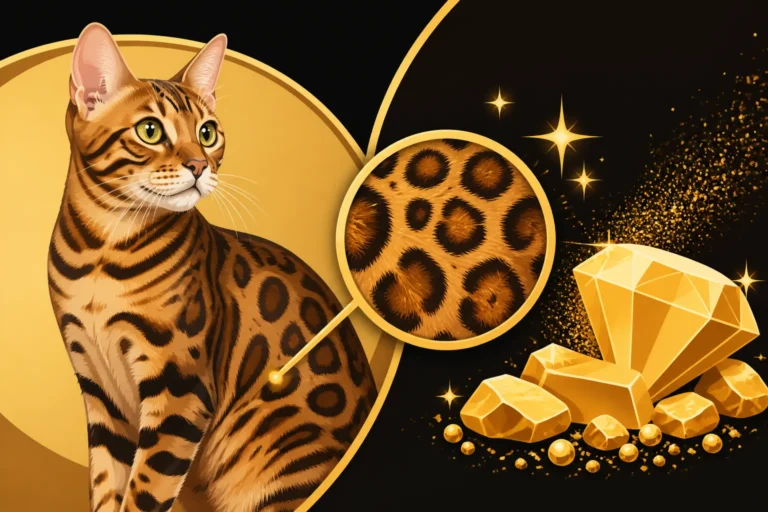
First, let's get to the bottom of what "glitter" actually is in the Bengal breed. When we talk about glitter, we're referring to a genetic trait that gives the Bengal cat's coat a unique, almost iridescent sheen, as if it's been dusted with gold or pearl. This isn't just a surface phenomenon; it's due to the hair shafts themselves being translucent and hollow. This unique structure allows light to pass through them and reflect off the underlying pigment, creating that incredible, sparkling effect. It's truly unlike anything you'll see on most domestic cats, which often have solid, opaque hair shafts.
This fascinating trait is inherited directly from the Bengal's wild ancestor, the Asian Leopard Cat. When the first hybrid crosses were made to create the Bengal breed, this distinctive coat quality was one of the many beautiful characteristics passed down. It’s part of what makes a Bengal look so exotic and contributes significantly to its wild aesthetic. Breeders have since selectively bred to maintain and enhance this glitter, making it a hallmark of the breed. You might also be interested to learn Which Founding Bengal Cat Carried the Glitter Gene.
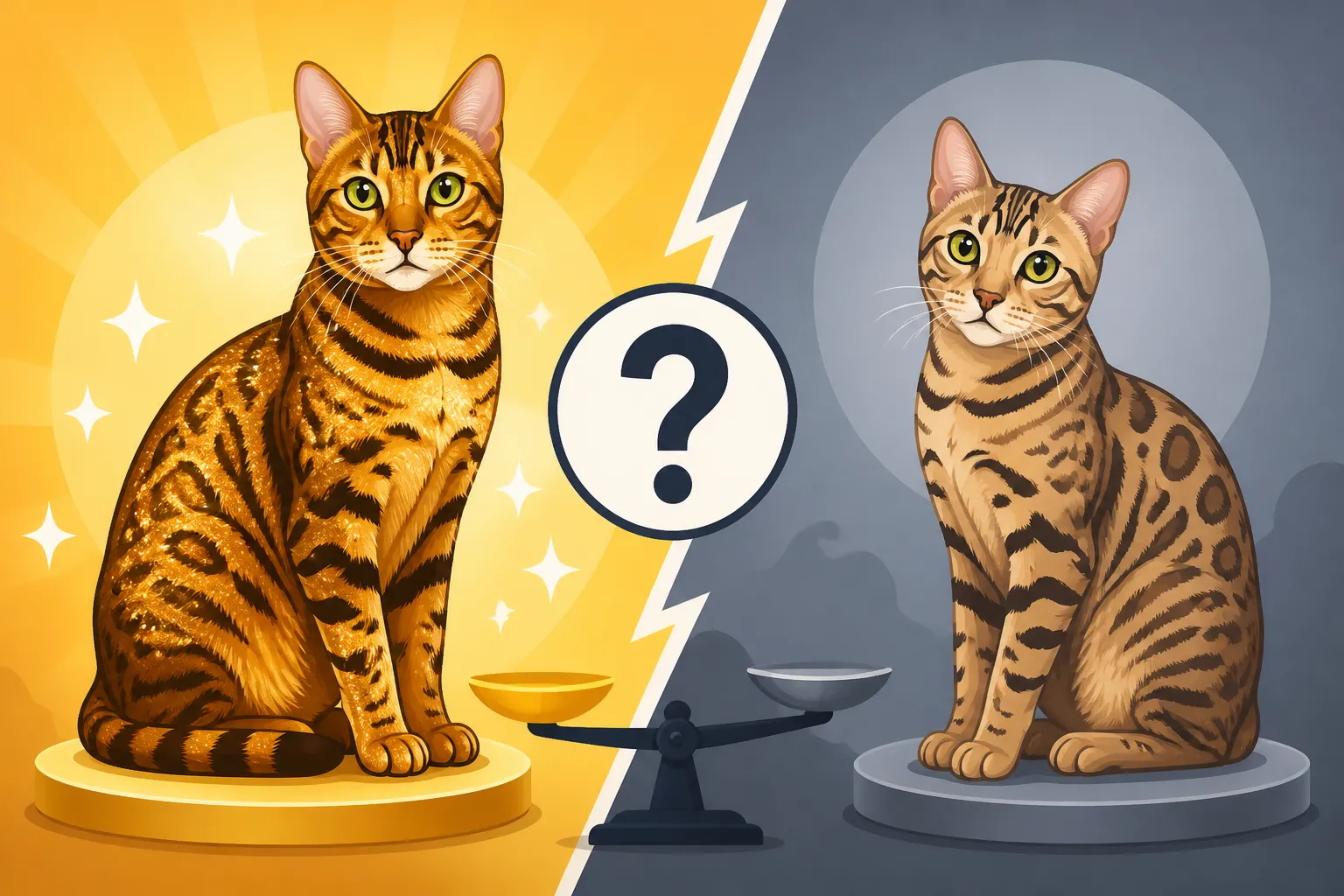
However, it's important to understand that not all glitter is created equally, and its intensity can vary quite a lot from one Bengal to another. Some cats might have a very pronounced, almost blinding sparkle, while others possess a more subtle, delicate shimmer that you only notice in certain lights. This variation is perfectly normal and falls within the spectrum of what's considered typical for the breed. The presence of glitter is technically a dominant trait, meaning a cat only needs one copy of the gene from a parent to express it. A cat that genuinely lacks glitter altogether is quite rare in well-established Bengal lines and might suggest a very distant or atypical lineage, possibly due to outcrossing or accidental breeding outside of the strict Bengal breed standards. This is why when people refer to "glitter free," they often mean a cat with very subtle glitter, rather than a complete absence.
Why a Bengal Cat Might Appear "Glitter-Free"
It's entirely possible for a Bengal cat to possess the glitter gene but not have it immediately obvious to the casual observer. There are several reasons why a Bengal might appear "glitter-free" even when it technically has the trait, and understanding these can alleviate concerns about a cat's authenticity or value.
Firstly, the intensity of glitter varies immensely. Just like some people have more freckles or a stronger hair curl, some Bengals simply have a less prominent glitter. This is part of natural genetic variation within the breed. A cat might have translucent hair shafts, but if they're not as dramatically hollow or reflective, the "sparkle" might be more muted. This doesn't make the cat any less of a Bengal; it just means their glitter is on the subtle end of the spectrum. You can find more detail on What the Glitter Gene Does to a Bengal Cat.
Secondly, lighting conditions play a huge role in how noticeable glitter is. In dim indoor lighting, even a heavily glittered Bengal might just look like a beautifully spotted cat. Take that same cat outside in bright sunlight or under direct, strong artificial light, and suddenly their coat can come alive with shimmering gold. Many owners mistakenly believe their cat lacks glitter until they see them in optimal light. This is a common misconception and often just a trick of perception rather than a true absence of the trait.
Age can also influence how glitter appears. Bengal kittens go through what breeders call "fuzzies," a stage where their coat is softer, often less defined, and can have a slightly muted appearance. This baby fuzz can temporarily obscure the underlying glitter and hide the true depth of their pattern and shimmer until they mature. As they grow, their adult coat comes in, and the glitter becomes much more apparent. It's a bit like a fuzzy peach eventually revealing its true, vibrant skin. This phase can last for several months. You might be interested in When a Bengal Cat Kitten's Fuzzies Clear to understand this developmental stage better. Also, while very rare, some owners report that glitter seems to lessen with extreme old age, though this is usually more about the overall dulling of the coat due to health or dietary changes rather than the glitter itself disappearing. Whether Glitter Fades in a Bengal Cat explores this further.
Lastly, the cat's base coat color and pattern can affect how glitter is perceived. While brown Bengals often showcase the golden glitter most dramatically, on a darker charcoal Bengal or a very high-contrast brown, the glitter might blend more with the intensity of the pattern, making it less obviously "sparkly" than on a lighter background. Similarly, a cat with a very dense, tight pattern might show less overt glitter simply because there's less space between the markings for the light to catch the translucent hairs.
The Role of Glitter in Breeder Practices and Show Standards
When it comes to the world of Bengal cat breeding and showing, glitter is indeed a desirable trait. It's part of what gives the Bengal its wild, exotic appeal and is explicitly mentioned in breed standards set by organizations like The International Cat Association (TICA). Judges in the show ring evaluate a Bengal not just on its spots or marbling, but also on the texture and quality of its coat, and glitter is a significant component of that. A cat with excellent glitter can certainly stand out and earn higher points for overall coat condition and presentation.
Breeders, therefore, actively work to produce Bengals with pronounced glitter. It's one of the many genetic puzzles they try to solve, aiming to combine strong type, clear patterns, excellent contrast, and beautiful glitter into one perfect package. However, it's crucial to understand that glitter is just one piece of a very complex puzzle. A breeder who focuses solely on glitter at the expense of health, temperament, or overall conformation would not be considered reputable. The goal is a well-rounded cat that adheres to the standard in all aspects. How a Bengal Cat's Pelt Is Judged in the Ring delves deeper into these criteria.
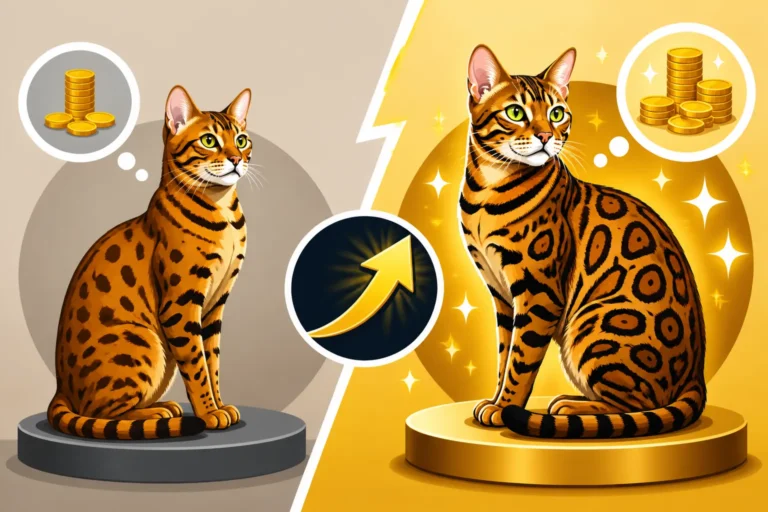
From a pricing perspective, a Bengal kitten with exceptionally strong, visible glitter, especially combined with other outstanding qualities like vivid rosettes and excellent conformation, might command a higher price from a reputable breeder, particularly if it's considered show or breeder quality. This is because such a cat embodies more of the ideal traits outlined in the breed standard and might be sought after by other breeders looking to enhance their lines. What Rosettes and Glitter Add to a Bengal Cat's Price provides more context on how specific traits influence pricing.
However, for the vast majority of people looking for a pet Bengal cat, glitter is often a secondary concern. While it's a lovely bonus, it rarely outweighs the importance of a cat's health, personality, and suitability for their home. A pet buyer is far more concerned with bringing home a friendly, well-adjusted companion than a show-stopper. Many wonderful Bengals with subtle glitter find loving homes without any issue of perceived "lesser value."
What Truly Determines a Bengal Cat's Value (Beyond Glitter)
It's easy to get caught up in specific aesthetic traits like glitter, but the true value of a Bengal cat, or any pet for that matter, is a complex tapestry woven from many threads far beyond superficial appearance. If you're considering bringing a Bengal into your life, these are the factors that truly matter and should guide your decision.
Health and Genetic Testing
This is, without a doubt, the single most important factor determining a Bengal cat's long-term value and your peace of mind as an owner. A healthy cat, free from debilitating genetic conditions, will save you immense heartache and expense down the line. Reputable breeders invest heavily in genetic testing for common Bengal health issues like PRA-b (Progressive Retinal Atrophy) and PK Deficiency (Pyruvate Kinase Deficiency), as well as regular cardiac screening for HCM (Hypertrophic Cardiomyopathy). These tests are costly and time-consuming, but they are absolutely essential.
When you purchase a Bengal, always ask to see the health clearances for both parents. A kitten from health-tested parents is an investment in a longer, healthier life for your feline companion. While a "glitter-free" cat might cost a bit less initially, a cat with genetic health problems will cost you far more in vet bills and emotional distress. This is where investing in pet insurance, like a plan from Healthy Paws, can really pay off, helping cover unexpected vet costs for illnesses or accidents. Knowing Which Health Results a Bengal Cat Breeder Must Show is critical. If a breeder can't provide these, walk away, no matter how sparkly the kitten is.
Temperament and Socialization
For a pet owner, a cat's temperament is priceless. Bengal cats are known for being incredibly active, intelligent, and engaging, but they also need to be well-socialized from a young age. A good breeder will handle their kittens daily, expose them to household sounds, and ensure they are confident and friendly before going to their new homes. A well-socialized Bengal is affectionate, playful, and adapts easily to family life. An unsocialized Bengal, on the other hand, can be fearful, destructive, and challenging to live with, regardless of how beautiful its coat is. The true "worth" of a cat in your home is how well it integrates and brings joy. Understanding What a Bengal Cat's Temperament Is Really Like can help set realistic expectations.
Pedigree and Breeder Reputation
A cat's pedigree isn't just a fancy piece of paper; it's a documented family tree that tells you about the cat's lineage, health history, and adherence to breed standards. A strong, well-documented pedigree from a reputable breeder ensures that you are indeed getting a purebred Bengal. Reputable breeders are transparent, provide contracts, offer ongoing support, and prioritize the health and well-being of their cats above all else. They often have waitlists, and their prices reflect the significant investment they make in their breeding program. This often goes hand-in-hand with ensuring your cat has the best start, including quality nutrition. The cost of a Bengal can vary widely, but typically, cats from reputable, health-focused breeders will be at the higher end. You can explore What a Bengal Cat Costs to Buy in 2026 for more details on pricing.
Pattern and Type
While glitter is one aesthetic component, the overall pattern and "type" are generally more significant in defining a Bengal's visual appeal and value within the breed standard. This includes the clarity and contrast of the rosettes or marbling, the muscular body, the head shape, eye color, and tail. A Bengal with exceptional, well-defined rosettes and high contrast will often be more highly valued than one with subtle glitter but less striking markings. For many, the bold, wild patterns are the primary draw to the breed, and breeders dedicate years to refining these traits in their lines.
| Trait Category | High Value Impact (Show/Breeding) | Lower Value Impact (Pet Home) |
|---|---|---|
| Health | Documented clear genetic tests, excellent physical condition | Health clearances still paramount for owner peace of mind, reduced vet bills |
| Temperament | Confident, social, adaptable, good with handling | Affectionate, playful, good with family, no behavioral issues |
| Pattern | Clear, high-contrast rosettes/marbling, adherence to breed standard | Visually appealing, unique markings, personal preference |
| Glitter | Strong, visible, iridescent sheen, enhances wild look | Pleasant bonus, but not critical if other traits are good |
| Type | Muscular build, correct head shape, ear set, tail length | Strong, active physique, appealing overall look |
| Pedigree | Champion lines, proven health record, established lineage | Assurance of purebred status, ethical breeding practices |
Ultimately, a cat's "worth" is incredibly subjective. For a pet owner, the unconditional love, companionship, and joy a Bengal brings are invaluable, far surpassing any discussion of glitter or specific markings. A happy, healthy, well-adjusted Bengal, regardless of its glitter intensity, is a truly precious member of the family. If you're still weighing the overall financial aspect, you might be interested in reading Whether a Bengal Cat Is Worth the Money.
Disclaimer
This article is for general informational purposes only and does not constitute professional advice. Laws, prices and regulations vary by location and change over time. Consult a qualified professional for guidance on your specific situation.