Where to Find a Bengal Cat Rescue
Finding a Bengal cat that needs a loving home can feel like a deeply rewarding, yet sometimes challenging, quest. Many people look to rescues after learning about the unique personality and demanding needs of these incredible felines, or perhaps after a heartbreaking encounter with a less-than-reputable breeder. This guide is here to light the way, showing you exactly where to find legitimate Bengal cat rescues, what to expect during the adoption process, and how to prepare for welcoming one into your life.
Why Bengal Cats Sometimes Need New Homes
It's a sad truth that even the most beautiful and sought-after breeds can end up in rescue. With Bengal cats, their wild ancestry imbues them with traits that, while captivating, aren't always understood or prepared for by their initial owners. When expectations don't match reality, these intelligent and energetic cats can find themselves searching for a second chance.
The Misunderstood Temperament of a Bengal
One of the biggest reasons Bengal cats end up in rescue is a mismatch in temperament expectations. People often fall in love with their stunning looks – those captivating rosettes and their confident stride – but don't fully grasp just how much energy, vocalization, and interaction a Bengal truly needs. These aren't your typical couch potato cats. They are incredibly active, constantly exploring, and often demand to be involved in everything you do. They can be incredibly vocal, with a range of chirps, chuffs, and even full-on yowls that can surprise an unsuspecting owner. The Bengal Cat Voice Is a Demand, Not a Greeting details just how much they like to communicate!
Imagine a new owner, excited about their sleek, spotted companion, who quickly finds their home turned upside down by a cat that opens cabinets, jumps onto the highest shelves, and actively seeks out water to play in. This isn't naughtiness; it's just being a Bengal. If an owner isn't prepared to provide ample enrichment, regular play sessions, and robust cat-proofing, the Bengal's natural behaviors can be perceived as destructive or overwhelming, leading to frustration for both cat and human. This is why it's so important for prospective owners to understand The Bengal Cat Is the Most Active Cat You Can Own before committing.
Unforeseen Health Needs and Costs
Another common, and often heartbreaking, reason for surrender stems from unexpected health issues and the associated costs. While Bengal cats are generally considered a healthy breed, they can be prone to certain conditions. Chronic Diarrhea Is the Bengal Cat Complaint Nobody Warns About is a perfect example; many Bengals have sensitive guts that require careful management, specialized diets, or ongoing veterinary care for conditions like tritrichomonas or even inflammatory bowel disease. These conditions can be expensive to diagnose and manage, especially when chronic.
Beyond gut issues, Bengal cats can also be affected by inherited conditions like Pyruvate Kinase Deficiency (PKD) or Hypertrophic Cardiomyopathy (HCM). While reputable breeders screen for these, a rescue Bengal might come from unknown origins, meaning these issues could surface later in life. Treating a cat with heart disease, for instance, can involve regular vet visits, medications, and specialized diagnostics like echocardiograms, which all add up. It’s wise to consider pet insurance from a provider like Healthy Paws for a rescue Bengal, especially if their history is unknown, to help manage these potential costs. Owners sometimes find themselves in a position where they simply cannot afford the extensive care required, leading to a difficult decision to rehome their beloved pet.
Navigating the Search for a Reputable Bengal Cat Rescue
When you're ready to open your home to a rescue Bengal, knowing where to look is half the battle. The good news is there are several avenues to explore, each with its own advantages. The key is patience and persistence, as these special cats often find homes quickly.
Breed-Specific Rescues
Your absolute best bet for finding a Bengal cat is to seek out breed-specific rescue organizations. These groups are entirely dedicated to Bengal cats and often have extensive networks across states, working with shelters, individuals, and even breeders to take in Bengals that need rehoming. They understand the unique quirks and needs of the breed, ensuring that the cats receive appropriate care and that prospective owners are thoroughly screened for compatibility.
To find these specialized rescues, start with a targeted online search for "Bengal cat rescue [your state]" or "[nearby states]." Many will have dedicated websites. You can also check the websites of major cat registries like The International Cat Association (TICA) or the Cat Fanciers' Association (CFA), as they sometimes list affiliated rescue groups or offer breeder directories that might include information about rescue efforts. Reputable breeders, who genuinely care about the welfare of the breed, often work closely with rescues to rehome older retired breeding cats or those whose original placements didn't work out. Asking a TICA-registered breeder for rescue recommendations can be a fantastic way to find out where Bengal cats in your area typically go when they need new homes.
General Shelters and Online Platforms
While less common, Bengal cats do sometimes appear in general animal shelters and humane societies. These organizations are often overwhelmed with a variety of cats, so a Bengal might not be specifically advertised as such or might not receive the specialized care that a breed-specific rescue could offer. It's worth regularly checking the websites of your local shelters, as well as broader online pet adoption platforms like Petfinder or Adopt-a-Pet. When using these platforms, be sure to filter by breed, but also keep an eye out for domestic shorthairs with "leopard spots" or "rosetted patterns," as some staff might not correctly identify a Bengal.
A common scenario might involve a family surrendering a cat they simply couldn't handle, and the shelter staff, while well-meaning, might not be experts on Bengal traits. This means you might find a diamond in the rough, but it also means you'll need to do your due diligence on the cat's behavior and health history as best as possible. Always inquire about the cat's background, known medical conditions, and behavioral observations. A reputable shelter should be transparent about what they know, and what they don't, about a cat's history.
Networking and Social Media
The power of community can be invaluable in a rescue search. Joining online Bengal cat groups on platforms like Facebook can connect you with a vast network of enthusiasts, breeders, and current owners. These groups often share information about Bengals needing homes, sometimes directly from owners who need to rehome their pets due to life changes. This direct connection can be incredibly helpful, as you might learn about a cat before it even officially enters a rescue system.
However, proceed with caution in these groups. While many people are genuine, you're also more likely to encounter situations that haven't been vetted by a formal rescue. Always ask for veterinary records, detailed behavioral histories, and insist on meeting the cat in its current home environment if possible. Be wary of anyone asking for large rehoming fees without transparent processes or health checks. Remember that responsible rehoming is about finding the best fit for the cat, not making a profit.
What Makes a Bengal Cat Rescue Trustworthy?
Adopting a rescue cat is a significant commitment, and it's vital to ensure you're working with a legitimate, ethical organization. Unfortunately, the allure of the Bengal breed can sometimes attract individuals or groups who cut corners. Knowing what to look for can help you identify a truly reputable rescue.
Transparency in Health Screening and Records
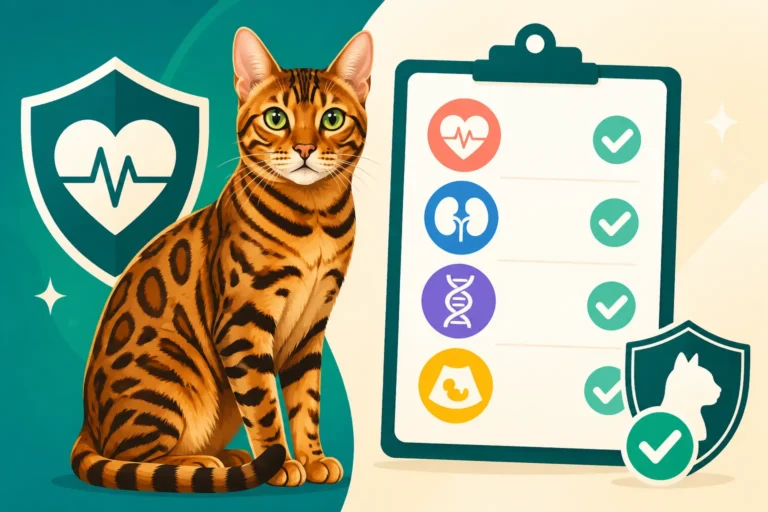
A trustworthy Bengal cat rescue will be completely transparent about the health of their cats. This means they should provide available veterinary records, including vaccination history, spay/neuter certificates, and any known treatments. Given the breed's predispositions, they should ideally also provide information on DNA testing for common Bengal genetic conditions like PRA-b (progressive retinal atrophy) and PK Deficiency, especially if the cat's background is known. What a Bengal Cat Breeder Should Have Tested gives a good overview of what these tests involve.
If they don't have this information, especially for an adult cat whose history is unclear, they should be open about it and ideally have done their own initial health checks. For example, if a Bengal comes in with chronic diarrhea, a good rescue will have actively pursued diagnosis and treatment, rather than just passing the problem on. They should be able to discuss potential ongoing health needs and any special dietary requirements. If a cat has a heart murmur, a responsible rescue might even arrange an echocardiogram to assess for HCM, or at least disclose the finding and recommend follow-up with a veterinary cardiologist.
Comprehensive Adoption Process
A reputable rescue isn't just looking to get a cat out the door; they're looking for the perfect match. This means they will have a thorough adoption process in place. Expect a detailed application form that asks about your living situation, previous pet experience, lifestyle, and how you plan to care for a Bengal. They might ask for vet references and even conduct a home visit (either in person or virtually) to ensure your home environment is safe and suitable for an active Bengal.
This rigorous process can feel a bit intrusive, but it's a positive sign. It shows they genuinely care about the long-term welfare of their cats and want to prevent future rehoming situations. Be prepared to discuss how you'll provide enrichment, address potential destructive behaviors, and manage their high energy. They might also have a contract outlining your responsibilities, and some even require the use of specific, high-quality foods, or pet insurance. Many rescues will send their cats home with a small supply of their current food (often from brands like Chewy's selection of high-quality cat foods) to help with the transition.
Clear Understanding of Bengal Needs
The staff and volunteers at a good Bengal rescue should possess a deep understanding of the breed's unique characteristics. They should be able to articulate the difference between an F1 and an SBT Bengal, understand their activity levels, and speak knowledgeably about common health issues. When you talk to them, you should feel that they truly "get" Bengals.
For instance, they should be able to advise you on How Much Enrichment a Bengal Cat Actually Needs or discuss why a catio is often Why a Catio Is the Answer to a Bengal Cat. If they brush off concerns about a Bengal's energy or vocalizations, or if they seem to treat them just like any other domestic shorthair, that's a red flag. A knowledgeable rescue will help you assess if a Bengal is truly the right fit for your lifestyle and will guide you in choosing a cat whose personality matches your household dynamics.
Here's a quick comparison of what to look for and what to be cautious of:
| Feature | Reputable Rescue | Potential Red Flag |
|---|---|---|
| Health Info | Detailed vet records, DNA test results (if available), open about history, active treatment for current issues. | Vague health history, no records, dismisses known problems. |
| Adoption Process | Application, interviews, home visit, references, contract, follow-up. | Quick approval, minimal questions, cash-only transactions. |
| Breed Knowledge | Deep understanding of Bengal temperament, needs, common issues, and genetic predispositions. | Treats Bengals like any other cat, downplays energy/vocalization. |
| Fees | Clearly stated, reasonable fee to cover costs (vet, food, housing). | Very high fees with no justification, or suspiciously low fees. |
| Transparency | Open about why cat is in rescue, honest about behavioral quirks. | Creates dramatic, unverifiable stories, or hides issues. |
| Support | Offers post-adoption support, resources, return policy. | No support after adoption, "all sales final" mentality. |
The Journey to Adopting Your Rescue Bengal
Once you've found a reputable rescue and identified a Bengal cat that catches your eye, the adoption journey truly begins. It's a process designed to ensure a successful, lasting placement for both you and the cat.
Application and Interview Process
The first step will almost always be a detailed application. This form is the rescue's initial way of getting to know you and your household. Be prepared to answer questions about your previous pet ownership experience, your living situation (do you rent or own? are there stairs? is there a safe outdoor space?), your family members (children, other pets), your work schedule, and how you plan to care for a Bengal. They might ask about your financial stability to cover pet care, which is a fair question given potential health costs.
Following the application, you can expect an interview, often via phone or video call. This is your chance to ask detailed questions about the specific Bengal you're interested in – their personality, any known quirks, their history, and their current routine. It's also an opportunity for the rescue to clarify anything on your application and to gauge your understanding of the commitment involved in owning a Bengal. Be honest and open; rescuers appreciate transparency. This is also a good time to mention your plans for enrichment, such as purchasing a cat wheel or building a catio, to show you’ve thought ahead about their needs.
Home Visits and Meet-and-Greets
Many rescues will conduct a home visit before finalizing an adoption. This isn't about judging your housekeeping skills! It's about ensuring the environment is safe and suitable for a Bengal. They'll look for potential hazards, assess the amount of space available, and discuss how you plan to cat-proof your home, especially for a cat known to open cabinets and doors. They might also observe how you interact with animals in general.
After a successful home visit, you'll typically have a meet-and-greet with the Bengal cat. This is the exciting part where you get to spend time with the cat, observe its personality, and see if there's a connection. Remember that shelter environments can be stressful, so a cat might be shy or overwhelmed at first. Ask the rescue staff how the cat behaves in a more relaxed setting. Some rescues even allow for foster-to-adopt periods, giving you a chance to see how the cat settles into your home before making a permanent commitment.
Post-Adoption Support and Resources
A sign of a truly outstanding Bengal rescue is their commitment to post-adoption support. They understand that bringing a new cat home, especially a rescue with an unknown past, can come with challenges. Look for rescues that offer a helpline, email support, or access to resources for common issues like behavioral adjustments, dietary concerns, or introductions to other pets.
Some rescues even host private online communities where adopters can share experiences and get advice. They should also have a clear policy for what happens if, for unforeseen reasons, the adoption doesn't work out. A responsible rescue will always want their cats returned to them, rather than ending up in another shelter or in an unsuitable home. They want a happy ending for every cat, and sometimes that means a re-evaluation of the placement. Even after adoption, you can continue to support your Bengal's health with quality nutrition and a wide range of toys and enrichment items to keep them mentally and physically stimulated. This ongoing support ensures that both you and your new Bengal have the best possible chance at a long, happy life together.
Disclaimer
This article is for general informational purposes only and does not constitute professional advice. Laws, prices and regulations vary by location and change over time. Consult a qualified professional for guidance on your specific situation.