What Permit an Early Generation Bengal Cat Needs
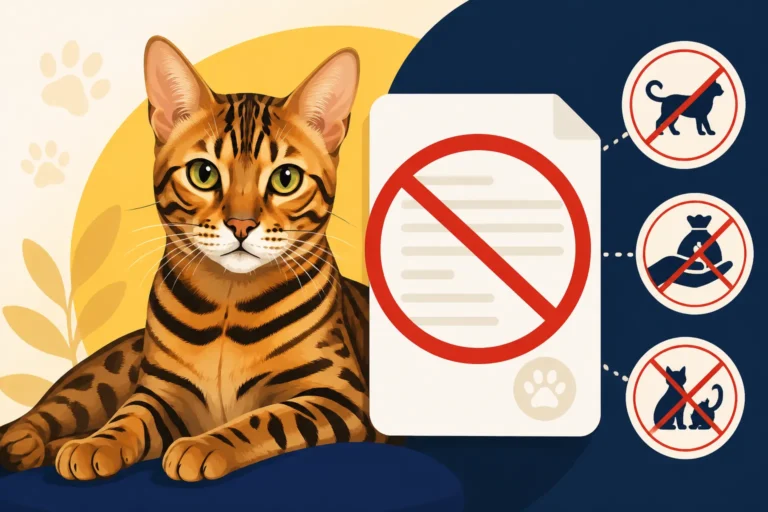
Bringing an early generation Bengal cat into your home sounds incredibly exciting, doesn't it? These majestic, intelligent felines capture hearts with their wild beauty and spirited personalities. But before you get swept away by those stunning rosettes, it's crucial to understand the intricate web of legal requirements, particularly permits, that often surround F1, F2, and F3 Bengals. It's a frustrating maze for many prospective owners, and this guide is here to walk you through exactly what permits an early generation Bengal cat needs and why, so you can navigate the process with confidence and keep your magnificent companion safe and legal.
Understanding Early Generation Bengal Cats and the Law
The allure of an early generation Bengal cat is undeniable, a direct link to their wild ancestors that promises a unique companionship. However, this very connection is why laws and regulations come into play, creating a necessary, albeit sometimes confusing, framework for responsible ownership.
What "Early Generation" Truly Means in the Eyes of the Law
When we talk about "early generation" Bengal cats, we're specifically referring to F1, F2, and F3 generations. The "F" stands for filial, indicating how many generations removed the cat is from its wild ancestor, the Asian Leopard Cat (ALC). An F1 Bengal has one ALC parent and one domestic Bengal parent. An F2 has an F1 parent and a domestic Bengal parent, and so on. This means an F3 Bengal still has a great-grandparent that was an ALC. Beyond F3, from F4 onwards, Bengals are generally considered "SBT" (Stud Book Traditional) and are recognized as fully domestic by most cat registries and, more importantly, by most legal jurisdictions.
The legal system cares about this distinction because it links directly to the percentage of wild blood and, by extension, the perceived "wildness" of the cat's temperament and needs. While an F3 Bengal is often quite socialized, the law tends to draw a strict line, lumping F1-F3 together due to their closer genetic ties to a non-domestic species. For prospective owners, deciphering what an F number on a Bengal cat means legally can feel like learning a whole new language, and it's a common source of anxiety when considering an early generation pet.
The Core Reason for Restrictions: Perceived Wildness
The primary reason behind these restrictions isn't to make your life difficult, but to address concerns about public safety and animal welfare, stemming from the perceived wild traits of early generation Bengals. The Asian Leopard Cat, while relatively small, is a wild animal with innate instincts for hunting, territoriality, and a natural wariness of humans that can manifest in their early generation descendants. These traits, when not properly understood or managed, could lead to challenges in a typical home environment.
Authorities worry about the potential for larger size, higher energy levels, more vocal communication, and a stronger prey drive in F1-F3 Bengals compared to fully domestic cats. They also consider the escape risk; an early generation Bengal might be more inclined to roam or more adept at finding ways out of confinement. The frustration here is often that responsible owners of well-socialized F3s, for example, feel their cats are unfairly stereotyped. However, the laws are typically broad strokes, designed to manage potential risks across a wider population, rather than make individual assessments of each cat's personality.
Navigating State and Local Regulations
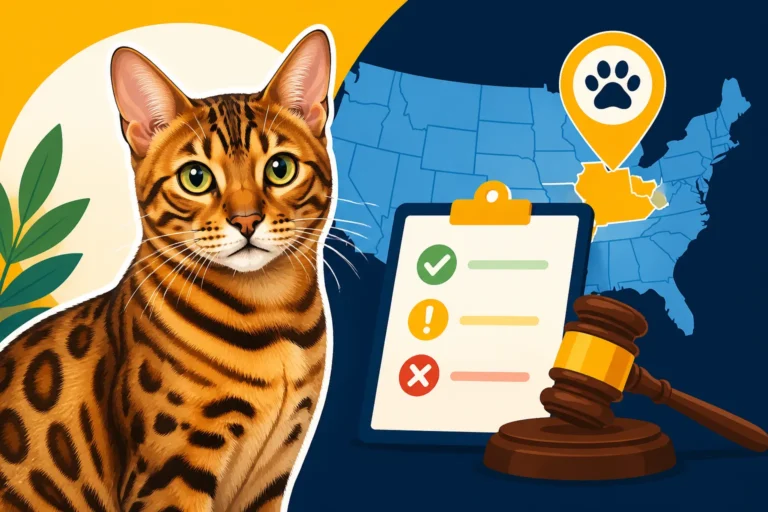
The legal landscape for Bengal cats, especially early generations, is far from uniform across the United States. What's perfectly legal in one county could be completely prohibited just a few miles down the road, making thorough research an absolute necessity.
State-Level Bans Versus Restrictions
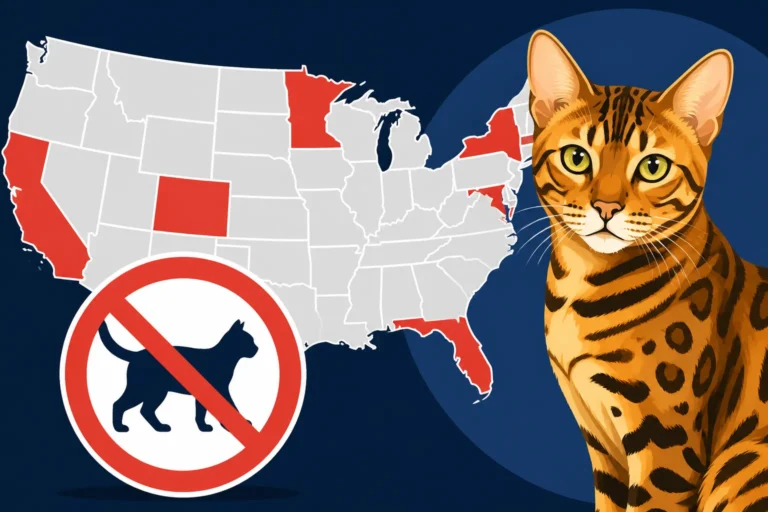
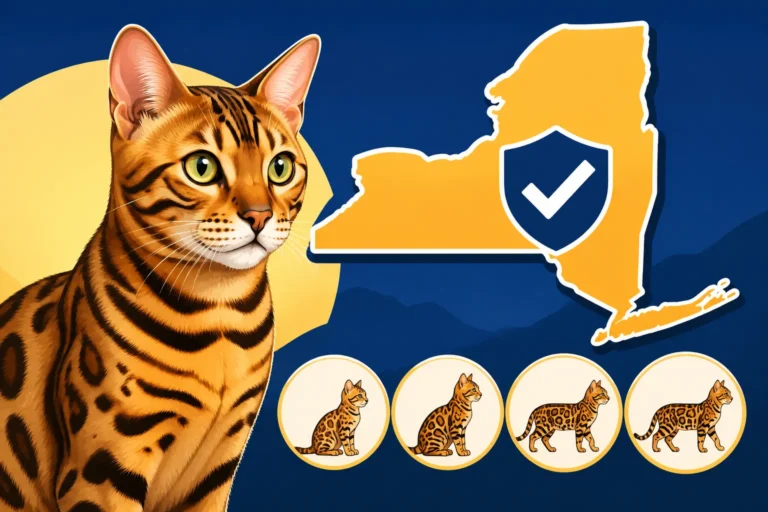
Some states take a very firm stance, outright banning all generations of Bengal cats, or at least all early generations (F1-F3). For instance, Hawaii bans every Bengal cat, regardless of generation, a strict measure to protect its unique ecosystem. Other states, like New York, allow later generations but draw a hard line at F1-F3, classifying them as wild or exotic animals that require special permits, or are outright prohibited for private ownership. This patchwork of regulations can be incredibly frustrating for hopeful Bengal owners, especially if they are considering moving across state lines.
Understanding these state-level differences is your very first step. If your state outright bans F1-F3, then pursuing a permit is often a non-starter. You might find yourself having to choose between waiting for an SBT Bengal or considering a different breed altogether. It's not just about what a Bengal cat is legal in your state; it's about checking the specifics of which generations are permitted and under what conditions. Always start with the highest authority, the state law, before delving into local specifics.
The Importance of Local Ordinances
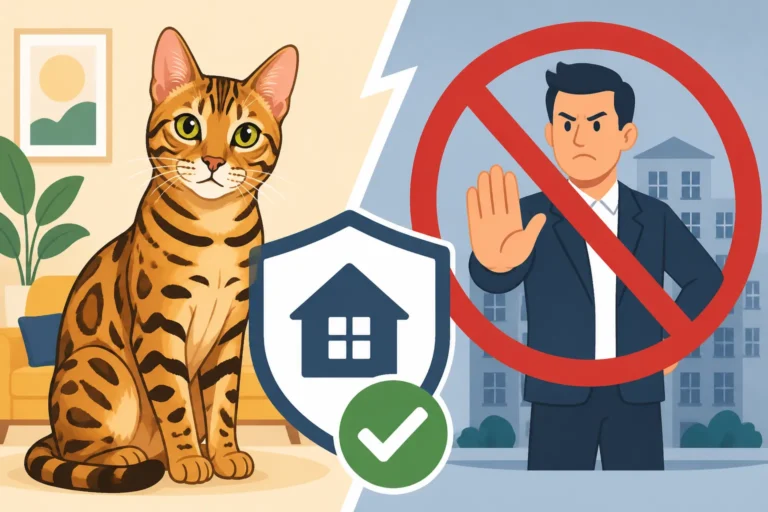
Even if your state permits early generation Bengal cats, your journey isn't over. Local ordinances, at the county and city level, often have their own set of rules, which can be even more restrictive than state law. A state might allow F3 Bengals with a permit, but your city might ban them entirely, or impose additional requirements that are difficult to meet. For example, while New York State permits certain generations, New York City bans every Bengal cat, illustrating a common conflict where city laws supersede state permissions for its residents.
This creates a highly localized legal environment where moving from a rural county to an urban city, even within the same state, could render your previously legal Bengal cat illegal overnight. These local laws are notoriously difficult to track down, often buried deep within municipal codes or animal control regulations that aren't easily found through a quick internet search. The frustration of trying to understand where Bengal cat law is set, the state or the city, is a sentiment many potential owners share. It requires diligent digging into your specific municipality's animal control ordinances to ensure full compliance and avoid future heartache.
The Permit Application Process: A Step-by-Step Walkthrough
Once you've confirmed that early generation Bengal cats are permitted in your specific area, the real work of securing a permit begins. This process is designed to ensure you are a responsible owner capable of providing a safe environment for both your cat and your community.
Initial Research and Documentation Gathering
The very first step is to definitively identify the specific permit requirements in your jurisdiction. This means contacting your local animal control department, county clerk's office, or relevant wildlife agency. Don't rely solely on online forums or anecdotal advice; laws change, and interpretations vary. Ask for all necessary forms, a clear list of required documentation, and any associated fees. You'll likely need to provide proof of your Bengal's generation, which usually means a full pedigree from a reputable registry like TICA, detailing the ancestry back to the Asian Leopard Cat.
Beyond the pedigree, prepare to gather extensive documentation. This might include veterinary records, proof of microchipping, rabies vaccination certificates, and sometimes even proof of ownership or purchase agreements. If you acquired your cat from a breeder, having their contact information and any health testing results they provide (like those covered in What a Bengal Cat Breeder Should Have Tested) will also be invaluable. This stage can feel like an overwhelming mountain of paperwork, but being meticulously organized from the start will save you significant headaches down the line. It’s critical to prove your Bengal cat's generation beyond a shadow of a doubt to the authorities.
Preparing for Home Inspections and Compliance
A significant component of the early generation Bengal cat permit process is often a home inspection. This isn't a casual visit; it's a critical evaluation by an animal control officer or a designated wildlife official to ensure your property meets the specified requirements for housing a hybrid cat. They will be looking for secure enclosures, proper containment measures, and an environment that prevents escape and ensures the animal's welfare. For many early generation Bengals, especially F1s and F2s, this might mean a requirement for a robust outdoor enclosure, often called a catio, that is securely roofed, has concrete or wire mesh extending underground to prevent digging out, and is made of strong, escape-proof materials.
Indoor provisions are also evaluated. They might check for secure windows, doors, and other potential escape routes. The goal is to ensure that your home and property are genuinely escape-proof, mitigating any risk to the community if your spirited Bengal decides to explore. This part of the process can be costly and intimidating, as modifications to your home or yard to meet these strict standards can be a significant investment. You might feel a bit under the microscope, but remember, the inspector's job is to ensure public safety and the well-being of the animal, validating that you are prepared for the unique needs of your early generation companion.
Costs, Challenges, and Long-Term Considerations of Permitted Ownership
The financial and practical implications of owning a permitted early generation Bengal cat extend far beyond the initial permit fee. It's a commitment that requires careful planning and a realistic understanding of the ongoing responsibilities.
Understanding the Financial Investment of Permitting
First, let's talk about the permit itself. What an early generation Bengal cat permit costs varies wildly. Some jurisdictions might have a nominal fee, perhaps a few tens of dollars, while others could charge hundreds or even thousands for initial application and annual renewals. These fees typically contribute to the administration and enforcement of exotic animal regulations. However, the permit fee is often the smallest part of the financial investment. The real costs come with compliance.
If your permit requires a specialized outdoor enclosure, such as a secure catio, the construction costs can be substantial, ranging from hundreds to several thousands of dollars, depending on size, materials, and whether you DIY or hire a professional. You'll also need to factor in durable, high-quality enrichment items. Given that a Bengal cat is the most active cat you can own, they need robust scratching posts, puzzle feeders, and engaging toys to prevent boredom and destructive behaviors. While pet supply stores like Chewy offer a wide selection of durable toys, the sheer volume and quality required for an early generation Bengal can add up over time. Moreover, the initial purchase price for an early generation Bengal itself is often considerably higher than that of an SBT Bengal. What an F1 Bengal cat costs, for instance, can be exponentially more than an F4 or SBT Bengal, reflecting their rarity and the significant investment breeders make in their lines.
The Emotional and Practical Challenges of Early Generation Ownership
Beyond the financial outlay, owning a permitted early generation Bengal brings unique emotional and practical challenges. These cats are known for their incredibly high energy levels and intellectual curiosity; A Bengal cat opens cabinets, doors and drawers with ease, and will find ways to entertain themselves if not adequately stimulated. This means dedicating significant time daily to interactive play, training, and providing ample vertical and horizontal enrichment, often far more than a typical domestic cat. A cat wheel, extensive climbing structures, and regular leash walks (if trained) become less of a luxury and more of a necessity.
The ongoing commitment to their enrichment is paramount. Without it, a bored Bengal cat destroys almost anything, from furniture to electrical cords, creating frustration and potential hazards. Furthermore, dealing with the unique temperament of a cat closer to its wild roots can sometimes mean more vocalizations (The Bengal cat voice is a demand, not a greeting), more demanding behaviors, and potentially a more cautious approach to new people or environments. There can also be social stigma or misunderstanding from friends, family, or even some veterinary professionals who may not be familiar with early generation hybrid cats. It's an immense responsibility, and being fully prepared for these aspects is just as crucial as securing the permit itself.
Why Strict Adherence to Permit Laws Matters
It's easy to view regulations as burdensome, but when it comes to early generation Bengal cats, strict adherence to permit laws is not just about avoiding trouble; it's about responsible pet ownership, community safety, and protecting the breed's future.
The Risks of Non-Compliance
Ignoring permit requirements carries significant consequences, both legal and ethical. The legal penalties for owning an early generation Bengal cat without the proper permits can range from hefty fines to, in the most severe cases, confiscation of your beloved pet. Imagine the heartbreak of having your companion taken away, not because you were a bad owner, but simply because you weren't aware of or didn't comply with a specific local ordinance. What happens to a confiscated Bengal cat can be devastating, often leading to rehoming in specialized sanctuaries or, in dire circumstances, even euthanasia if no suitable placement can be found.
Beyond the legal ramifications, there are serious animal welfare concerns. These laws are often in place because early generation Bengals have specific needs that, if unmet, can lead to stress, behavioral issues, or even danger to themselves or others. An F1 or F2 Bengal kept in an unsuitable, unsecure environment is at a higher risk of escape, which could lead to injury, becoming lost, or causing distress to wildlife or neighbors. Responsible ownership means prioritizing the cat's well-being within the bounds of the law, ensuring they have the environment and care they need to thrive.
Ensuring Responsible Ownership and Future Advocacy
By diligently following permit laws, you aren't just protecting yourself and your cat; you're also setting a positive example for responsible hybrid cat ownership. Every instance of an early generation Bengal cat being kept safely and legally, without incident, helps to combat negative stereotypes and prejudices against the breed. This collective responsibility is vital for the long-term acceptance and welfare of Bengal cats.
Being a permitted, responsible owner also positions you as an advocate. If you believe specific laws are overly restrictive or based on outdated information, your compliance record gives you a stronger voice to engage with local authorities and advocate for more reasonable and breed-specific regulations in the future. Organizations and breeders are continually working to educate the public and lawmakers, and responsible owners are their greatest allies. Feeding your cat a high-quality, biologically appropriate diet and ensuring they have excellent veterinary care further demonstrates your commitment to responsible ownership, painting a complete picture of dedicated care that goes beyond mere legal compliance.
Here's a simplified checklist for permit considerations, though remember, local laws vary greatly:
| Aspect | Common Requirement | Importance |
|---|---|---|
| Generation | F1, F2, F3 typically require permits; F4/SBT often don't | Directly dictates whether a permit is even possible/needed. |
| Local Legality | Confirm state, county, and city ordinances | Absolute first step; bans override state permissions. |
| Application Form | Complete official forms with all details | Formal request for permission; establishes record. |
| Fees | Application, annual renewal fees | Covers administrative costs and ongoing regulation. |
| Proof of Ownership | Purchase agreement, vet records, microchip info | Establishes you as the legal owner and responsible party. |
| Pedigree | Official TICA or equivalent detailing ALC lineage | Confirms generation for legal classification. |
| Enclosure Plan | Detailed plans for secure indoor/outdoor containment | Demonstrates ability to prevent escape and ensure safety. |
| Home Inspection | Visit by animal control/wildlife official | Verifies actual conditions meet safety and welfare standards. |
| Emergency Contact | Provide alternative care provider details | Ensures care plan if owner is incapacitated. |
| Microchipping | Required for identification | Essential for reunification if cat escapes. |
| Veterinary Records | Proof of vaccinations, spay/neuter | Confirms basic health care and prevents unwanted breeding. |
| Liability Insurance | Sometimes required to cover potential damages | Protects owner and public in case of an incident. |
Disclaimer
This article is for general informational purposes only and does not constitute professional advice. Laws, prices and regulations vary by location and change over time. Consult a qualified professional for guidance on your specific situation.