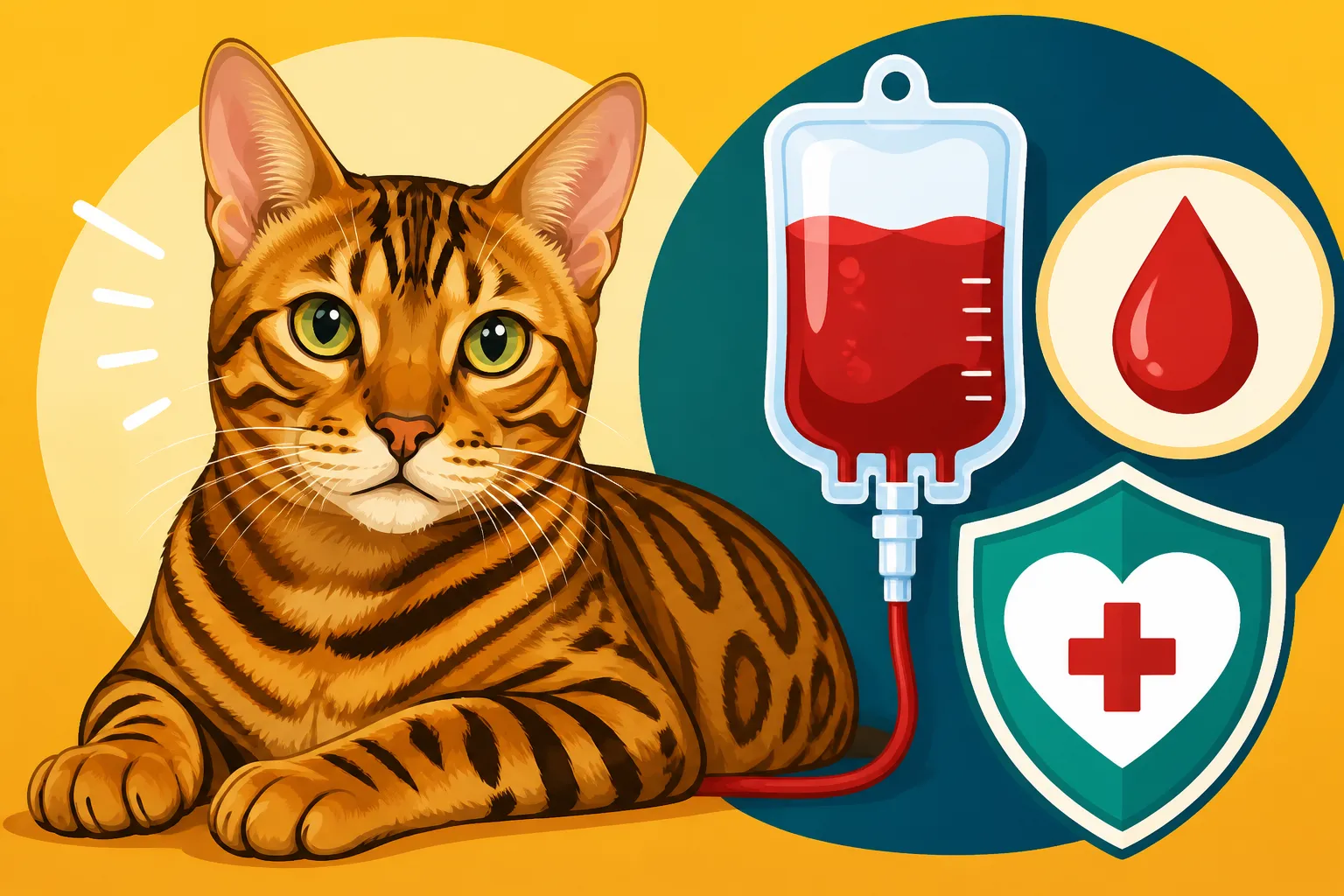
What a Bengal Cat’s Blood Transfusion Costs
It’s a terrifying moment when your vibrant, energetic Bengal cat suddenly becomes lethargic, weak, or struggles to breathe, only to have your vet deliver the news that they need an emergency blood transfusion. The immediate concern is, of course, your beloved cat’s life, but soon, the dizzying question of cost creeps in, adding immense stress to an already heartbreaking situation. This comprehensive guide will walk you through what exactly a Bengal cat blood transfusion entails, why it might be necessary, and importantly, what factors contribute to the final bill, helping you understand and prepare for such a daunting expense.
Why a Bengal Cat Might Need a Blood Transfusion
A blood transfusion is a critical, often life-saving procedure. It's not a common occurrence for every cat owner, but when it's needed, it's usually an emergency. For a breed as active and full of life as the Bengal, a sudden downturn in health can be particularly alarming. Understanding the underlying reasons for a transfusion can help you recognize the signs and act quickly.
Understanding Severe Anemia in Bengal Cats
Anemia means your cat doesn't have enough healthy red blood cells to carry adequate oxygen to its tissues. Think about trying to run a marathon with only half the oxygen you need – it’s debilitating. In cats, especially active ones like Bengals, severe anemia leads to extreme weakness, lethargy, pale gums, and increased heart rate or breathing difficulty. It's a dire situation where every minute counts.
For Bengal cats, there are a few specific concerns that can lead to severe anemia requiring a transfusion. One genetic condition we talk about often in the Bengal community is Pyruvate Kinase Deficiency in a Bengal Cat. This inherited disorder affects the red blood cells, causing them to break down prematurely, leading to chronic or intermittent anemia. If a Bengal with PK Deficiency has a crisis, a transfusion might be necessary to stabilize them. Beyond genetic factors, anemia can also be caused by severe internal or external bleeding from trauma, chronic diseases like kidney failure or cancer, or immune-mediated hemolytic anemia (IMHA), where the cat's own immune system attacks its red blood cells. Seeing Signs a Bengal Cat Is Anemic means it's time for an immediate vet visit. Understanding What PK Deficiency Does to a Bengal Cat can help you recognize this particular threat. You might also notice Signs a Bengal Cat Has Hemolytic Anemia if their immune system is working against them.
Acute Blood Loss and Other Emergencies
Beyond chronic conditions, sudden and acute blood loss is another major reason for a transfusion. Imagine your Bengal, with their boundless energy and inquisitive nature, getting into an accident. Perhaps they jumped from a height and suffered internal injuries, or encountered something sharp outdoors (which is why keeping them safe indoors or in a secure catio is so important). Trauma from falls, vehicle accidents (even if they just got out for a minute!), or fights with other animals can cause rapid and dangerous blood loss.
Certain toxic ingestions can also lead to anemia requiring a transfusion. For example, some rat poisons prevent blood from clotting, causing severe internal bleeding. These are the kinds of situations where quick thinking and immediate veterinary intervention are paramount. The vet's primary goal in these emergencies is to stabilize your cat and then address the root cause, and sometimes, stabilization absolutely requires replacing lost blood.
Deconstructing the Costs: What Goes Into a Bengal Cat's Blood Transfusion Bill
When your vet mentions a blood transfusion, it's natural for your mind to immediately jump to the expense. It's not a simple procedure, and the cost can be significant because it involves multiple stages, specialized resources, and intensive care. Breaking down the components of the bill can help demystify where your money is going during such a stressful time.
Initial Diagnostics and Cross-Matching
Before any blood can be given, the veterinary team needs to understand why your Bengal is anemic and ensure the donor blood is compatible. This involves a battery of diagnostic tests that are absolutely crucial for the safety and success of the transfusion.
First, a complete blood count (CBC) will confirm the severity of the anemia and provide other vital information about your cat's overall health. A biochemistry panel checks organ function, which is important because underlying organ disease can cause anemia or complicate treatment. What a Bengal Cat's Yearly Bloodwork Should Cover often includes these tests as part of routine preventative care, but in an emergency, they are urgent.
Then comes blood typing and cross-matching. Just like humans, cats have different blood types, primarily A, B, and AB, though B-type cats are rarer and more sensitive to incompatible transfusions. Giving incompatible blood can lead to a severe, life-threatening reaction. Cross-matching involves mixing a small sample of your Bengal's blood with a sample from the potential donor blood to ensure there won't be a reaction. These tests are non-negotiable steps and contribute a significant portion to the initial cost.
The Blood Product Itself
Once compatibility is confirmed, there's the cost of the blood product. Unlike human medicine, where blood banks are plentiful, veterinary blood banks are more specialized and sometimes harder to access. Veterinary clinics often rely on regional animal blood banks or may even have a network of volunteer donor cats.
The blood product itself isn't just "blood." It can be whole blood, which contains all components like red blood cells, white blood cells, and clotting factors. More commonly, vets use packed red blood cells (PRBCs) for anemia, or fresh frozen plasma (FFP) if the cat also has clotting issues. Each of these products is collected, processed, screened for infectious diseases, and stored under strict conditions. This meticulous handling, donor screening, and specialized storage mean the blood product itself carries a substantial cost, reflecting the resources and expertise involved in making it safe and available.
Administration, Monitoring, and Hospitalization
This is often where the majority of the transfusion bill accrues. Administering a blood transfusion isn't like giving a simple injection. It's a slow, carefully monitored process that requires a dedicated, skilled veterinary team.
Your Bengal will need an intravenous (IV) catheter placed, and the blood will be infused slowly, often over several hours, using an IV pump to control the rate. Throughout the entire transfusion, and for hours afterward, your cat will require constant, vigilant monitoring. The veterinary staff will be checking their heart rate, respiratory rate, temperature, blood pressure, and looking for any signs of an adverse reaction, which can range from mild (fever, hives) to severe and life-threatening (anaphylactic shock, difficulty breathing). This level of intensive care often means your Bengal is in the intensive care unit (ICU) or a similar high-observation area, especially if they are already critically ill.
The length of hospitalization will depend on your Bengal's condition, the severity of the anemia, and how well they tolerate the transfusion. A cat might need to stay for 24-48 hours, or even longer if complications arise or if the underlying cause of the anemia requires continued intensive treatment. The longer the stay and the more critical the care, the higher the overall bill. This around-the-clock professional attention, specialized equipment, and medication (like anti-nausea drugs or antihistamines to prevent reactions) all contribute significantly to the cost. It's similar to how Whether a Bengal Cat Reacts Badly to Anesthesia requires careful monitoring; any procedure involving critical care drives up the cost due to the vigilance required.
| Cost Component | Description | Shape of Cost |
|---|---|---|
| Emergency Exam/Consultation | Initial vet assessment, stabilization, immediate intervention | Moderate to Significant |
| Diagnostic Tests | Complete Blood Count (CBC), Blood Chemistry, Blood Typing, Cross-Matching | Significant |
| Blood Product (per unit) | Whole blood, Packed Red Blood Cells, Plasma, sourced from blood banks | High |
| Transfusion Administration | IV catheter placement, fluid pumps, skilled staff supervision | Moderate, per hour or per procedure |
| Hospitalization/ICU Stay | Overnight observation, critical care, continuous monitoring | Very High, per day, escalates with intensity |
| Post-Transfusion Medications | Anti-nausea, pain relief, supportive drugs, anti-inflammatory | Moderate |
| Follow-up Appointments | Rechecks, further diagnostics to monitor recovery | Moderate, per visit |
Strategies to Mitigate and Manage the Financial Burden
Facing a massive vet bill, especially unexpectedly, can be truly terrifying. It adds a whole new layer of stress to an already emotional situation. While we can’t eliminate the costs, there are strategies you can employ to make them more manageable. Being proactive is always better than reacting in a crisis.
The Lifeline of Pet Insurance
This is probably one of the most impactful ways to safeguard yourself against high emergency vet bills. Pet insurance works similarly to human health insurance, covering a percentage of your vet bills after a deductible is met. For procedures like blood transfusions, which are almost always emergencies and carry a high price tag, having insurance can be a lifesaver for your wallet.
However, it's crucial to understand how pet insurance works. Most policies have waiting periods before coverage kicks in, especially for accidents or illnesses, so don't wait until your cat is sick to enroll. Also, pre-existing conditions are generally not covered. When choosing a plan, consider the deductible, the reimbursement percentage (e.g., 70%, 80%, 90%), and the annual payout limit. Many providers, like Healthy Paws, offer various plans that can help cover a significant portion of unexpected expenses, including diagnostics, treatment, and hospitalization. It’s worth checking Whether Insurance Covers a Bengal Cat and understanding What Insuring a Bengal Cat Costs a Month long before you need it. Be aware that Whether Insurance Excludes a Bengal Cat's Inherited Disease is an important question to ask, especially for breeds with known predispositions like Bengals.
Emergency Savings and Financial Planning
Even with pet insurance, you'll still be responsible for deductibles and the uncovered percentage of the bill. This is where an emergency fund specifically for pet care becomes invaluable. Setting aside a small amount each month into a dedicated savings account means you're not caught completely off guard when disaster strikes.
For those who don’t have immediate savings, many veterinary clinics work with third-party payment options like veterinary credit cards (which often offer deferred interest periods) or can set up payment plans. While these aren't ideal, they can provide a crucial bridge in an emergency. It's always a tough conversation to have, balancing your pet's life with your financial limits, but a good vet clinic will be empathetic and try to explore all available options with you. Remember, prevention can sometimes reduce the likelihood of these emergencies, so regular check-ups and a high-quality diet are essential.
Exploring All Treatment Avenues and Support
A blood transfusion is often just one step in a larger treatment plan. After stabilization, your vet will need to continue treating the underlying cause of the anemia. This might involve ongoing medications, further diagnostics, or even specialized diets. For example, if your Bengal has PK Deficiency, the transfusion treats the acute anemia, but ongoing management will still be needed, as outlined in How a Bengal Cat With PK Deficiency Is Treated.
Don't hesitate to ask your vet about all possible treatment avenues and their associated costs. Sometimes, there might be less expensive alternative treatments or a different phased approach. For long-term care, especially for conditions that might recur, look into reliable suppliers for ongoing medications and prescription diets. Online pet supply retailers like Chewy can often provide these at competitive prices, delivered right to your door. If your Bengal needs a highly specialized or fresh food diet, tailored meals can contribute to overall health and potentially prevent future issues, though always consult your vet about specific dietary needs. It's about looking at the big picture of What an Aging Bengal Cat's Bills Look Like and planning ahead for your cat's entire lifespan.
Beyond financial planning, there are sometimes charitable organizations or breed-specific rescues that offer financial assistance for veterinary emergencies. It's worth researching these options in your local area or through national organizations. Crowdfunding platforms can also be an option for those who have exhausted other resources and have a strong network of support.
The Emotional Impact and Long-Term Considerations
An emergency like a blood transfusion for your Bengal cat doesn't just impact your finances; it takes a massive emotional toll. The stress, fear, and uncertainty can be overwhelming, and it's important to acknowledge and process these feelings while also thinking about the future.
Navigating a Pet Emergency with a Clear Head
When your Bengal is in critical condition, it’s incredibly difficult to make clear-headed decisions. You’re worried, you’re often sleep-deprived, and you’re being presented with complex medical information and daunting costs. It’s okay to feel overwhelmed.
My advice is always to take a deep breath, ask your vet to explain things in simple terms, and ask as many questions as you need to. Don't be afraid to ask about the prognosis: what are the chances of recovery with the transfusion? What does recovery look like? What are the potential complications? This honest dialogue with your veterinary team is essential. You’re part of your cat’s care team, and understanding the situation fully, even if it’s grim, will help you make the best decisions. Remember that your Bengal cat depends on you, and while the costs are a concern, their comfort and quality of life are paramount. It’s important to manage expectations too; while a blood transfusion can be life-saving, it's often a temporary fix to stabilize the cat, not a cure for the underlying disease. For a condition like PK Deficiency, for instance, a transfusion might extend life, but How Long a PK Deficient Bengal Cat Lives still depends on managing the chronic aspects of the illness.
Post-Transfusion Care and Future Health
The immediate emergency might be over, but the journey often continues. Post-transfusion care is crucial for your Bengal’s recovery and involves continued monitoring, medication, and follow-up appointments. Your vet will want to recheck blood work to ensure the anemia is resolving and to monitor for any delayed reactions or complications.
The underlying cause of the anemia will need ongoing management. This might mean long-term medication, special diets, or regular check-ups. It's a commitment that extends beyond the initial transfusion. Thinking about proactive health management, like ensuring your Bengal has a pre-surgery workup (Whether a Bengal Cat Needs a Pre Surgery Workup) before any planned procedure, can sometimes catch issues before they become emergencies. Maintaining a strong relationship with your veterinarian and being diligent about preventative care, including proper nutrition and regular wellness exams, is the best way to support your Bengal cat's health long-term and potentially prevent future crises.
Disclaimer
This article is for general informational purposes only and does not constitute professional advice. Laws, prices and regulations vary by location and change over time. Consult a qualified professional for guidance on your specific situation.