What a Snow Bengal Cat Costs
The moment you lay eyes on a Snow Bengal cat, it's easy to fall head over heels. Their ethereal beauty, those stunning icy blue or aqua eyes, and their wild, yet domestic, charm are truly captivating. But then comes the question: "How much does a Snow Bengal cat actually cost?" Many prospective owners are often surprised, sometimes even shocked, by the price tag associated with these magnificent felines, only to discover that the initial purchase price is just the tip of the iceberg. This guide is here to shed light on the true financial commitment involved, from the purchase price to the long-term care, helping you understand what goes into bringing one of these frosty beauties home and keeping them happy and healthy.
The Allure and Rarity of the Snow Bengal Cat
It's not just their striking looks that drive up the price of a Snow Bengal; it's a combination of genetics, rarity, and the sheer effort involved in ethical breeding. People are drawn to these cats for their exotic appearance, but it's important to understand the unique characteristics that define them and how these contribute to their value.
What Defines a Snow Bengal's Appearance
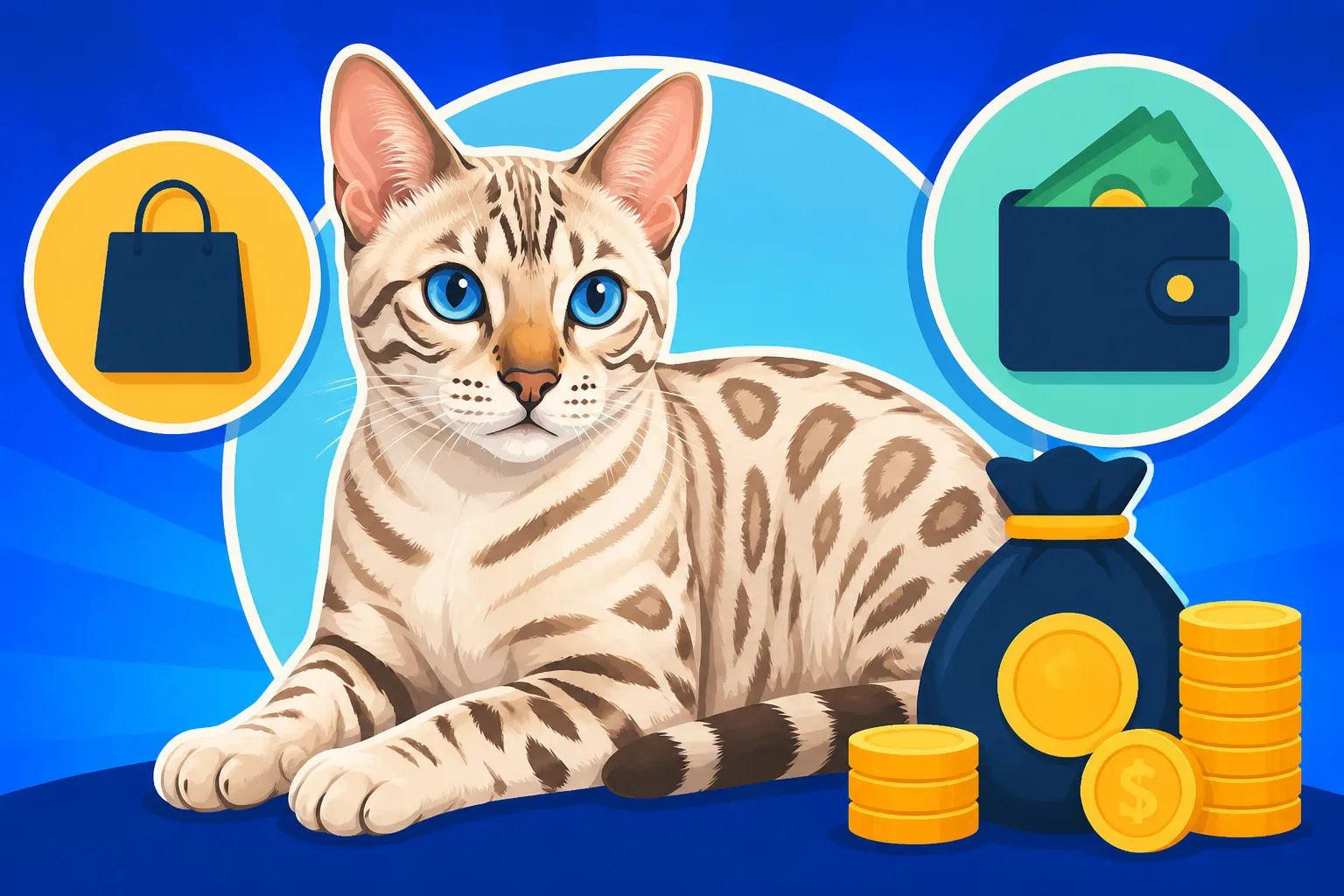
A Snow Bengal cat isn't just a Bengal cat with a white coat; there's a specific genetic blueprint that creates their stunning appearance. There are actually three main types of Snow Bengals: Seal Lynx Point, Seal Mink, and Seal Sepia. Each has its own subtle variations in coat color and eye color, contributing to their distinct beauty. The Seal Lynx Point will typically have the palest body color, often with striking blue eyes, which is a highly sought-after trait. The Seal Mink often has a creamier body color and aqua or green eyes, while the Seal Sepia tends to have a warmer, more golden-cream base coat with green or gold eyes. These differences, while sometimes subtle to the untrained eye, are significant in the breeding world.
Beyond the base color, Snow Bengals still carry the characteristic patterns of their brown counterparts: spots, rosettes, or marble. A well-defined pattern on a pale background is incredibly striking and is highly valued. Many also possess the "glitter" gene, which gives their coat a shimmering, iridescent quality, as though dusted with gold or silver. This combination of rare color genetics, clear patterning, and glitter makes a Snow Bengal truly stand out.
The Genetics Behind the Snow Coat
The "snow" coloration in Bengal cats comes from a specific set of recessive genes, much like blue eyes in humans. For a kitten to be a Snow Bengal, it must inherit two copies of the recessive gene for color restriction – one from each parent. This means that two "snow" parents will produce all "snow" kittens. However, two standard brown Bengal cats who both carry the snow gene can also produce snow kittens, albeit at a lower statistical probability. This makes breeding for snow colors a bit more complex and often involves careful genetic testing and selection by reputable breeders.
Breeders must understand these genetics deeply to consistently produce healthy Snow Bengal kittens with desirable traits. It's not just about getting a pale coat, but ensuring the overall health and temperament of the kitten. The specific gene that causes the Seal Lynx Point color, for instance, is the same gene responsible for the Siamese colorpoint trait. Understanding Which Gene Causes PRA-b in a Bengal Cat and other genetic health markers is crucial for any responsible breeder, regardless of the desired coat color. This knowledge and the specialized breeding programs required add to the cost.
The Initial Investment: Purchase Price Factors
When you first start looking for a Snow Bengal kitten, you'll quickly notice a wide range of prices. This isn't random; many factors influence the initial purchase cost, from the kitten's generation and lineage to its pattern quality and the breeder's reputation. Understanding these variables will help you gauge what you're paying for and why.
Generation and Pedigree Influence
The "generation" of a Bengal cat refers to how many generations removed it is from its wild Asian Leopard Cat (ALC) ancestor. You'll often see terms like F1, F2, F3, and SBT (Stud Book Tradition). Early generation Bengals (F1-F3) are closer to their wild ancestors and can have more unpredictable temperaments, making them less suitable for most pet homes. Reputable breeders typically focus on breeding SBT Bengals, which are at least four generations removed from the ALC and are considered fully domestic. The cost hierarchy generally sees F1s being the most expensive due to their rarity and specialized care requirements, with prices decreasing as the generation number increases, down to the SBT.
For Snow Bengals, this generation factor plays an equally significant role. An SBT Snow Bengal, particularly one with a strong, healthy lineage and show-quality parents, will command a higher price than a lower-quality SBT Bengal, even if they are both considered "pet quality." The pedigree, which details the kitten's ancestry, provides a clear picture of its genetic background and health history, often indicating the breeder's commitment to the breed standard and health. A TICA registered Bengal Cat typically costs more, reflecting the breeder's adherence to breed standards and ethical practices.
Pattern, Color, and Quality Assessment
Beyond simply being a "snow" cat, the quality of the pattern and color clarity significantly impacts the price. A Snow Bengal with crisp, highly contrasted rosettes (often called donut, paw-print, or arrowhead rosettes) on a clean, clear background will be more expensive than one with a muddier or less defined pattern. The ideal Snow Bengal exhibits a vivid contrast, making its markings pop against the pale base coat. Some breeders will differentiate prices based on whether a kitten is deemed "pet quality," "breeder quality," or "show quality."
- Pet Quality: These kittens are healthy, have wonderful temperaments, and meet most breed standards but might have a minor flaw that prevents them from excelling in the show ring (e.g., a less defined pattern, a faint stripe). They are still gorgeous and make fantastic companions.
- Breeder Quality: These kittens possess excellent breed characteristics and genetics suitable for a breeding program, often carrying desirable traits like glitter or specific rosetting. They cost more than pet quality.
- Show Quality: These are the kittens that perfectly embody the Bengal breed standard, with impeccable conformation, stunning patterns, and confident temperaments. They are the cream of the crop and come with the highest price tag, often reserved for experienced show homes or breeders.
A Snow Bengal with deep blue eyes, a hallmark of the Seal Lynx Point, is often considered particularly desirable and may fetch a premium. The market for these rare and exquisite variations can fluctuate, but demand for high-quality, clear-patterned Snow Bengals with striking eye color remains consistently strong.
Breeder Reputation and Health Guarantees
The breeder you choose is paramount, and their reputation directly impacts the cost. Established, ethical breeders invest heavily in their cats. This includes extensive genetic health testing for conditions like HCM, PRA-b, and PK Deficiency. A breeder who proudly displays their cats' health clearances, provides a detailed health guarantee, and offers lifetime support is worth every penny. For instance, What a Bengal Cat Breeder Should Have Tested provides critical insights into the responsible practices that add value to a kitten. These breeders often have higher prices because they absorb the costs of quality food, veterinary care for their breeding cats and kittens, proper socialization, and genetic screening.
A health guarantee protects you if your kitten develops certain genetic conditions within a specified timeframe. This assurance, while not cheap, offers immense peace of mind. Conversely, backyard breeders or those selling kittens for unusually low prices often cut corners on health testing, veterinary care, and socialization, which can lead to heartbreaking and costly health issues down the line. Always ask to see the parents' health certificates, visit the cattery if possible, and verify their registration with organizations like The International Cat Association (TICA).
Ongoing Expenses: The Lifetime Cost of a Snow Bengal
Bringing home a Snow Bengal is just the beginning of a beautiful, albeit financially involved, journey. These highly active and intelligent cats have specific needs that translate into ongoing costs. It's crucial to budget for these expenses to ensure your Snow Bengal lives a long, healthy, and enriched life.
Premium Nutrition and Dietary Needs
Bengal cats, including the Snow varieties, are known for their high energy levels and a sensitive digestive system. This often means they thrive on a high-quality, high-protein diet that can fuel their active lifestyle. Many owners opt for premium kibble, wet food, or even a raw diet, all of which tend to be more expensive than generic cat foods. For example, a quality wet food or raw diet can significantly increase monthly food bills, but it can also contribute to better digestion and overall health, potentially preventing future vet visits for chronic diarrhea, a common Bengal cat complaint.
Some owners find success with fresh food delivery, though this comes at a premium price point. Others rely on trusted online retailers like Chewy for a wide selection of high-protein dry and wet foods from brands known for their quality ingredients suitable for an active cat. Which Food Settles a Bengal Cat's Stomach is a topic many Bengal owners explore in depth, highlighting the ongoing effort and expense in finding the right dietary balance. It's not uncommon for a Bengal cat to consume more or require more specialized food than an average housecat due to their metabolism and activity levels.
Veterinary Care and Health Screenings
Routine veterinary care is a non-negotiable expense. This includes annual check-ups, vaccinations, parasite prevention, and dental care. However, for a breed like the Bengal, there are additional considerations. While Bengals are generally considered a healthy breed, they can be predisposed to certain genetic conditions such as Hypertrophic Cardiomyopathy (HCM), Pyruvate Kinase Deficiency (PK Deficiency), and Progressive Retinal Atrophy (PRA-b). Regular screenings, particularly cardiac ultrasounds (echos) for HCM, are recommended. When a Bengal Cat Should Have Its First Echo and subsequent scans are vital parts of responsible ownership, and these specialized tests add to the annual veterinary bill.
Should your Snow Bengal develop a health issue, the costs can escalate rapidly. Treatments for conditions like chronic diarrhea, if not resolved by diet, or managing a heart condition can involve specialists, medications, and ongoing monitoring. Investing in pet insurance from providers like Healthy Paws can be a wise decision, as it can help offset the financial burden of unexpected illnesses or accidents, though it's important to understand what a Bengal Cat Policy Covers a Hybrid and any exclusions for pre-existing or inherited conditions.
Enrichment, Toys, and Home Modifications
A bored Bengal cat is a destructive Bengal cat – a truth many owners quickly learn. These cats are incredibly intelligent and active, requiring a significant amount of mental and physical enrichment to stay happy and out of trouble. This means investing in durable toys that can withstand their powerful play, tall cat trees for climbing, puzzle feeders, and potentially a cat wheel. What a Bengal destroys when bored (What a Bored Bengal Cat Destroys) can be a long and expensive list, so prevention through enrichment is key.
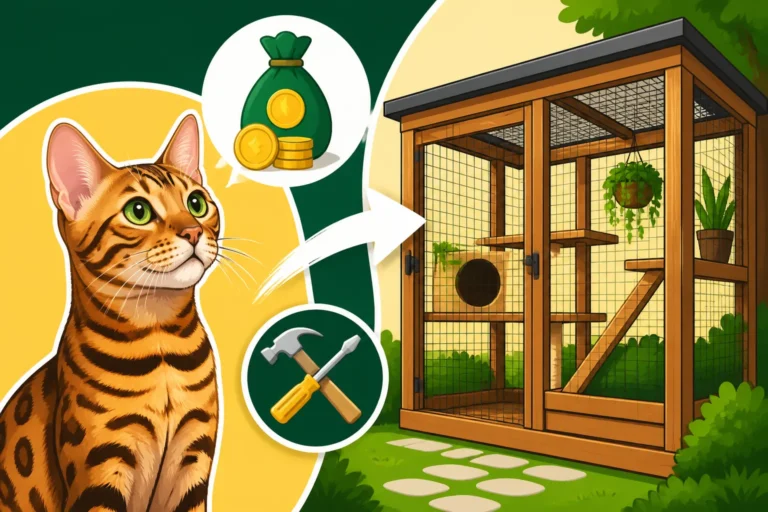
Many Bengal owners find that standard cat furniture simply doesn't cut it. They need robust, tall, and stable climbing structures that can handle their athletic prowess. Some even go so far as to build "catios" – secure outdoor enclosures – to provide safe outdoor access and prevent escapes, which can be a significant upfront cost but a fantastic long-term investment in their cat's well-being. Even small things like sturdy litter boxes that can withstand a Bengal cat's vigorous digging can add up.
Table: Factors Influencing Snow Bengal Cat Costs
To provide a clearer picture, here's a table summarizing the various factors that influence both the initial purchase price and the ongoing costs of a Snow Bengal cat:
| Cost Category | Factor | Impact on Price (Initial Purchase) | Impact on Price (Ongoing) | Notes |
|---|---|---|---|---|
| Initial Purchase | Generation (F1, F2, F3, SBT) | Higher for F1/F2, lower for SBT | Minimal | F1/F2 often require specialized care due to closer ALC lineage. |
| Pattern Quality (Rosettes, Clarity) | Higher for clear, well-defined patterns | Minimal | Show-quality patterns are most expensive. | |
| Eye Color (Blue eyes in Lynx Points) | Higher for striking blue/aqua eyes | Minimal | Highly desired trait in Seal Lynx Points. | |
| Breeder Reputation | Higher for ethical, health-tested breeders | Minimal (but lower risk of future costs) | Reflects investment in health, genetics, and socialization. | |
| Registration (TICA) | Higher for registered, purebred cats | Minimal | Verifies lineage and adherence to breed standards. | |
| Ongoing Care | Food Quality (High Protein, Raw) | N/A | Higher for premium/specialized diets | Essential for an active Bengal's health; often requires more expensive options. |
| Routine Vet Care (Vaccines, Check-ups) | N/A | Standard (but essential) | Annual visits, parasite control. | |
| Specialized Vet Care (Echos, Tests) | N/A | Higher for breed-specific screenings | HCM echos, genetic tests for PRA-b/PK-def are crucial preventative measures. | |
| Pet Insurance | N/A | Monthly premiums | Can save significant money on unexpected illnesses or accidents. | |
| Enrichment (Toys, Trees, Wheel) | Varies from moderate to high upfront cost | Moderate replacement costs | Prevents boredom and destructive behavior; requires durable items. | |
| Grooming Supplies | Low upfront | Very low ongoing | Minimal grooming needed due to the Bengal's pelt-like coat. | |
| Litter & Litter Boxes | Moderate upfront | Moderate ongoing | Bengals need large, sturdy boxes and good quality litter due to their digging habits. | |
| Emergency Fund | N/A | Variable (for unexpected events) | Critical for sudden illnesses, injuries, or specialized vet treatments. |
Finding a Reputable Snow Bengal Breeder
Choosing the right breeder is perhaps the most critical step in acquiring a Snow Bengal cat. A good breeder prioritizes health, temperament, and ethical practices above all else, ensuring you bring home a healthy, well-adjusted kitten. Unfortunately, the demand for Snow Bengals has led to an increase in unscrupulous breeders who may cut corners.
What to Look for in a Breeder
When seeking a Snow Bengal, start by looking for breeders who are registered with reputable cat associations like The International Cat Association (TICA). This signifies a commitment to breed standards and ethical guidelines. A good breeder will be transparent about their breeding practices, eager to answer your questions, and willing to provide references from previous kitten buyers. They should also be knowledgeable about the specific health concerns of Bengal cats and the genetics of the snow coloration. Don't be afraid to ask Which Questions to Ask a Bengal Cat Breeder.
Most importantly, an ethical breeder will conduct comprehensive genetic testing on their breeding cats for known Bengal health issues. This includes screening for HCM (through regular echocardiograms performed by a veterinary cardiologist), PRA-b, and PK Deficiency. They should be able to provide documentation of these tests for both parents of your potential kitten. For example, a breeder must show an echo, not just a gene test, to prove a cat is clear of HCM, as there's no reliable genetic test for HCM in Bengals.
Red Flags to Watch Out For
Sadly, not all breeders operate with integrity. Be wary of anyone offering kittens at unusually low prices, especially for a Snow Bengal. This is often a sign that corners have been cut on health testing, proper nutrition, or veterinary care. Another major red flag is a breeder who cannot provide health certificates for the parents or refuses to allow you to visit their cattery (though virtual tours have become more common and acceptable post-pandemic). A breeder should also not rush you into a decision or demand full payment upfront without a clear contract and health guarantee.
Avoid breeders who have multiple litters available all the time or seem overly focused on selling quickly. Responsible breeding involves careful planning, limited litters, and a strong emphasis on the health and welfare of the cats, not mass production. If a breeder promises that a Bengal is "hypoallergenic" or makes other unsubstantiated claims, proceed with extreme caution. Always read contracts carefully and ensure all health guarantees and return policies are clearly outlined.
Long-Term Financial Planning and Unexpected Costs
Even with the best planning, life with a Bengal cat can present unexpected financial challenges. Being prepared for these eventualities is a crucial part of responsible ownership and can save you a lot of stress (and money) in the long run.
The True Value of Pet Insurance
We touched on pet insurance briefly, but its importance for a Bengal cat cannot be overstated. Given their active nature and potential for certain genetic predispositions, a sudden illness or accident can result in veterinary bills ranging from hundreds to thousands of dollars. Imagine your Bengal ingests something it shouldn't, or develops an acute bout of pancreatitis, or even something more serious like a clot related to HCM. The financial impact can be devastating without insurance.
Companies like Healthy Paws offer various plans that can cover a significant portion of unexpected veterinary costs, from emergency visits to specialist consultations and medications. While there's a monthly premium, the peace of mind and the ability to say "yes" to the best treatment without worrying about cost can be invaluable. However, it's vital to research policies thoroughly, understand deductibles, reimbursement percentages, and any exclusions, especially concerning inherited conditions or the specific needs of a hybrid breed. It can truly affect What a Bengal Cat Costs Over Its Lifetime.
Planning for the Senior Snow Bengal
Bengal cats can live for The Twelve to Sixteen Years a Bengal Cat Gets, sometimes even longer. As they age, their needs and associated costs can change. Senior cats often require more frequent veterinary check-ups, specialized senior diets, and sometimes medication for age-related conditions like arthritis, kidney disease, or hyperthyroidism. Caring for a Bengal Cat Past Ten involves a shift in focus, often requiring more gentle play, comfortable bedding, and closer monitoring of their health.
While an aging Bengal cat might slow down slightly, their unique personality often remains intact. However, they may still need appropriate mental stimulation and comfortable, accessible climbing spaces. The costs associated with an aging pet can increase substantially in their golden years, from diagnostic tests to ongoing pharmaceutical management. Setting aside an emergency fund specifically for your cat's health, or maintaining robust pet insurance coverage throughout their life, can help mitigate these later-life expenses.
Disclaimer
This article is for general informational purposes only and does not constitute professional advice. Laws, prices and regulations vary by location and change over time. Consult a qualified professional for guidance on your specific situation.