What a Bored Bengal Cat Destroys
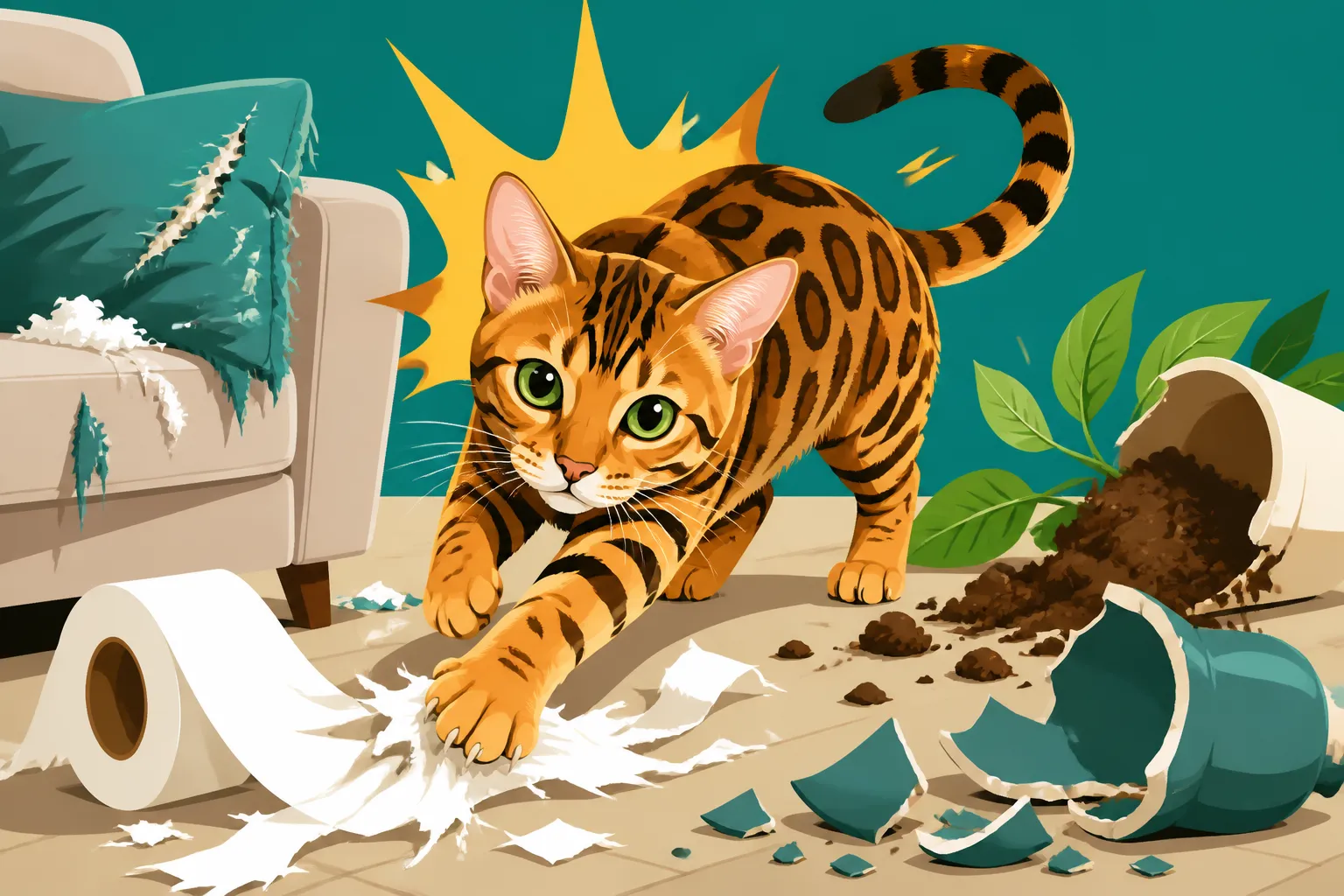
It’s a scene many Bengal cat owners know all too well: you walk into a room, and it looks like a miniature hurricane passed through. Cushions are ripped, cabinet doors are ajar, your favorite plant is overturned, and there’s a distinct feeling of chaos in the air. This guide is here to help you understand why your Bengal cat turns your home into their personal demolition zone when bored, and more importantly, how you can channel that incredible energy into something less destructive.
Why Bengal Cats Get Bored So Easily
Bengal cats aren't your average couch potato kitties. They come from a unique lineage, and with that comes a suite of behaviors and needs that can quickly lead to boredom and, subsequently, destruction if not properly addressed. Their minds are constantly buzzing, seeking stimulation, and if they don't find it in a way we approve of, they'll certainly find it in ways we don't!
Their Wild Ancestry: The Asian Leopard Cat's Influence
At the heart of every Bengal cat is the spirit of its wild ancestor, the Asian Leopard Cat. This isn't just a fun fact; it's crucial to understanding their behavior. Imagine a creature that, in the wild, spends its days hunting, climbing, exploring vast territories, and solving problems to find food and stay safe. Now, imagine bringing that creature, even a few generations removed, into a relatively static indoor environment. That innate drive doesn't simply disappear.
This wild heritage means they're hardwired for activity, for vigilance, and for seeking out new experiences. They possess a primal intelligence geared towards survival and exploration. When these powerful instincts are confined and left unstimulated, they don't just sit around and wait. They create their own stimulation, and often, that looks like tearing apart your home. It’s not malice; it’s instinct.
High Intelligence and Curiosity
Bengals are incredibly smart – almost too smart for their own good sometimes! They have a remarkable ability to observe, learn, and problem-solve. This high intelligence means they can quickly master puzzle toys, figure out how to open doors and cabinets, and even learn complex tricks. While this makes them fascinating companions, it also means they get bored with repetitive tasks or easily solvable challenges very quickly. A toy that might entertain a typical domestic shorthair for weeks could be "solved" by a Bengal in an afternoon.
Their curiosity is boundless. They want to know what's behind every closed door, what's inside every cupboard, and what happens when they bat that delicate vase off the shelf. This isn't just idle curiosity; it’s an active investigative process. If a Bengal feels under-stimulated mentally, they will proactively seek out new "puzzles" to solve, which often involves dismantling household items or exploring forbidden territories with gusto. How Clever a Bengal Cat Is is something many owners quickly discover, often after the fact!
Boundless Energy and Activity Levels
If you've ever owned a Bengal, you know they are quite simply the most active cat you can own. Their energy levels are off the charts, especially during their younger years. They aren't content with a few leisurely strolls around the house; they need intense bursts of play that mimic hunting, running, and climbing. Think of a toddler who never stops moving, but with razor-sharp claws and incredible agility.
When this energy isn't properly expended, it builds up, creating a literal ticking time bomb of destructive potential. They need outlets for jumping, pouncing, climbing, and running. If those outlets aren't provided through appropriate toys, structures, or interactive playtime, they will find other ways to burn off that energy – often by scaling curtains, sprinting across your furniture like it's an agility course, or trying to dig to the center of the earth in your potted plants. How Active a Bengal Cat Is really can't be overstated.
Common Targets of a Bored Bengal Cat's Destructive Energy
When a Bengal cat decides to become an interior decorator, they don't just pick things at random. There are certain "hot zones" and items in most homes that become prime targets for their bored and busy paws, jaws, and claws. Understanding these common areas can help you pre-empt the destruction.
Furniture and Upholstery: A Favorite Scratching Post
Ah, the sofa. That plush, inviting centerpiece of your living room. To a bored Bengal, it's not just furniture; it's a multi-purpose entertainment center. It's a fantastic scratching post, especially those tempting corners and armrests. It's a prime climbing wall, perfect for scaling to the very top. And sometimes, it's just a giant, soft object begging to be "redesigned" with a few strategic pulls of fabric. This isn't just about sharpening claws; it's also about marking territory, stretching muscles, and simply letting off steam.
Beyond the sofa, curtains become excellent climbing ropes, especially if they reach the ceiling. Mattresses and box springs can be fascinating new worlds to explore and shred. Even wooden table legs can become tempting vertical scratching surfaces. The key is that these items offer a sensory experience – the feel of the fabric tearing, the satisfying resistance of wood, the height they can gain – that provides a stimulating outlet for their pent-up energy. To save your sofa, you might need to invest in a truly robust Which Scratching Post a Bengal Cat Needs.
Cabinets, Doors, and Drawers: The Escape Artist's Canvas
Bengals are notoriously clever, and their problem-solving skills often manifest in their ability to manipulate latches, handles, and knobs. If there's a closed door, a Bengal will eventually figure out how to open it, especially if they suspect there's something interesting on the other side. This can mean opening kitchen cabinets to explore the pantry, rummaging through bathroom drawers for intriguing objects, or even opening bedroom doors in the middle of the night for a "check-in."
This behavior isn't always driven by hunger or a specific desire for what's inside; sometimes, it's purely for the mental challenge. They learn by watching you, and if they see you open a door using a lever handle, they'll quickly mimic the action. A truly bored Bengal will see a closed cabinet as an insult to their intelligence, a challenge to be overcome. And once they're in, chaos often ensues as they investigate every item. I've heard countless stories of Bengal owners finding their spice racks rearranged or their toiletries scattered across the floor. This is why A Bengal Cat Opens Cabinets, Doors and Drawers is such a common complaint.
Household Objects and Valuables: The Curious Thief
Anything that's not securely fastened down or hidden away is fair game for a bored Bengal. Small, shiny objects are particularly enticing. Keys, jewelry, hair ties, pens, remote controls, coins – these items often disappear, only to be found months later under a sofa or in a forgotten corner. This is part hunting instinct, part play, and part just pure curiosity. The act of batting something around, watching it move, and then "capturing" it is incredibly stimulating.
Beyond small objects, books can be swatted off shelves, plants can be excavated, and delicate ornaments can be knocked over. Water glasses left unattended are practically an invitation for a playful paw. It's not that they want to break your favorite heirloom; it's that in their pursuit of entertainment, they don't always consider the consequences. They are simply engaging with their environment in the most exciting way they know how.
The "Why" Behind the Destruction: Understanding Bengal Cat Behavior
It's easy to get frustrated when your Bengal has turned your living room into a disaster zone. But it's important to remember that they aren't being "bad" on purpose. Their destructive behaviors almost always stem from unfulfilled needs or misunderstood attempts to communicate. Understanding the underlying motivations can help you respond more effectively.
Seeking Attention, Any Attention
Let's face it: Bengal cats are masters of manipulation when they want something. And often, what they want most is your attention. If they feel neglected or aren't getting enough interactive playtime, they will escalate their behaviors until they get a reaction. Tearing up the carpet? You'll rush over. Knocking over a lamp? You'll definitely notice. These aren't ideal forms of attention, but to a bored Bengal, any attention is better than none.
They quickly learn what specific actions trigger a response from you. If shredding a paper towel roll makes you drop everything and come running, even if it's to scold them, they've learned that this is an effective way to get you to engage. This is why consistency in providing positive attention for good behavior, and calmly redirecting negative behavior, is so critical. You don't want to accidentally train them that destruction equals attention.
Exploring Their Environment (and how that goes wrong)
As we touched on, Bengal cats are natural explorers. In the wild, their ancestors would constantly be mapping their territory, checking for prey, and identifying new vantage points. This innate drive to investigate every nook and cranny doesn't stop just because they live indoors. If their primary environment (your home) becomes predictable and unchanging, their exploratory instincts will kick in, often leading them to "redecorate" or dismantle things to make them new again.
A seemingly benign object, like a roll of toilet paper, can become a fascinating new texture to shred, unroll, and bat around. A houseplant isn't just decoration; it's a potential climbing structure or a source of interesting dirt to dig in. When they're exploring, they're learning, stimulating their senses, and working their muscles. The "wrong" way this goes is when your possessions become collateral damage in their quest for discovery.
Instinctual Behaviors Expressed Inappropriately
Many destructive Bengal cat behaviors are simply exaggerated or inappropriately directed natural instincts. Scratching is natural for cats – it sharpens claws, stretches muscles, and marks territory. Climbing is natural – it provides safety, vantage points, and exercise. Hunting and pouncing are natural – they are vital for survival. The problem isn't the instinct itself, but the lack of suitable outlets for it within a human home.
For instance, if a Bengal doesn't have a tall, sturdy cat tree, they might climb your shelves or curtains to reach a high perch, simply because their instinct tells them to seek elevation. If they don't have enough interactive play sessions that mimic hunting, they might "hunt" your feet under the covers or pounce on household items. It's not malicious; it's their primal programming looking for an outlet. Understanding this allows us to provide constructive ways for them to express these deep-seated behaviors.
Preventing Destruction: Environmental Enrichment Strategies
The good news is that most destructive behaviors in Bengal cats can be managed and often eliminated with proper environmental enrichment. It's all about providing engaging, appropriate outlets for their intelligence, energy, and natural instincts. Think of it as creating a stimulating "jungle gym" for their minds and bodies right in your home.
Vertical Space: Climbing, Perching, and Observing
One of the most crucial elements for a Bengal cat's happiness and sanity (and your furniture's survival) is ample vertical space. Bengals love to climb, jump, and perch in high places. It satisfies their natural instinct to survey their territory from above, providing a sense of security and a superior vantage point. Without it, they will seek out your bookshelves, curtain rods, and even refrigerator tops.
Invest in tall, sturdy cat trees. Don't skimp on quality; a cheap, wobbly tree will be ignored or quickly destroyed by an athletic Bengal. Look for multi-level trees with scratching surfaces, platforms, and perhaps even a cozy cubby. Consider cat shelves or "cat superhighways" installed on your walls, allowing them to traverse rooms without touching the floor. These platforms can be carpeted or sisal-wrapped to encourage scratching there instead of your walls. Placing these near windows offers additional stimulation as they can watch the world outside. You can find some excellent, robust options on Amazon that can withstand a Bengal's energy. How High a Bengal Cat Can Jump means you need to think big!
Interactive Toys and Puzzle Feeders
A bored mind is the devil's playground, and for a Bengal, that means a destructive mind. Keep their intelligence engaged with a variety of interactive toys and puzzle feeders. Simple wand toys are fantastic for interactive play sessions, mimicking prey. Look for sturdy ones, as a Bengal will tear through flimsy feathers in no time. Rotate their toys regularly to keep things fresh – what was boring last week might be exciting again after a break.
Puzzle feeders are gold for Bengals. These require your cat to use their brains and paws to extract treats or kibble, slowing down their eating and providing mental stimulation. Start with easier puzzles and gradually introduce more complex ones. This taps into their hunting and problem-solving instincts, making them "work" for their food. Fill a few with their daily kibble ration, scattering them around the house, forcing them to "hunt" for their meals. This activity can make a huge difference in tiring them out mentally.
The Power of a Catio: Safe Outdoor Exploration
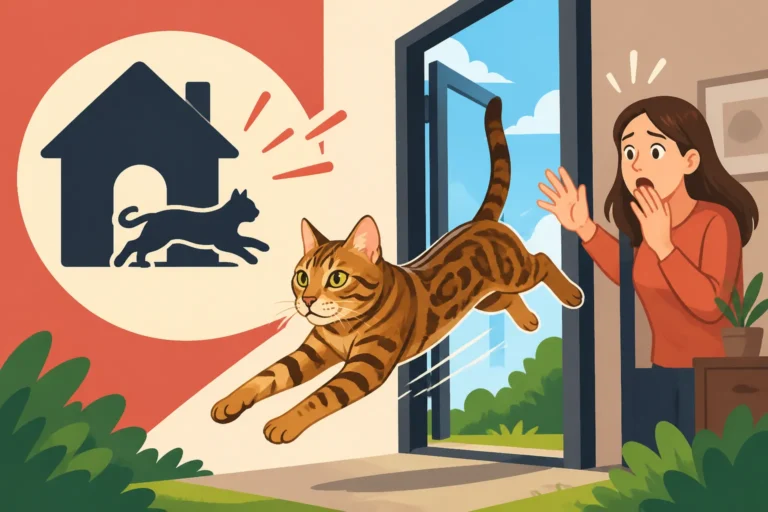
For an animal with a wild ancestor, being confined solely indoors can feel restrictive, no matter how many cat trees you have. A catio – a secure outdoor enclosure – can be an absolute game-changer for a Bengal cat. It offers a safe way for them to experience the sights, sounds, and smells of the outdoors without the dangers of free-roaming, such as traffic, predators, or getting lost. Why a Catio Is the Answer to a Bengal Cat cannot be stressed enough.
A catio can be a small window box enclosure or a large, elaborate structure with multiple levels, ramps, and scratching posts. Even a modest catio provides immense enrichment, allowing them to bask in the sun, watch birds and squirrels, and feel the breeze. This connection to the natural world helps satisfy their deep-seated exploratory and hunting instincts in a non-destructive way. Make sure it's secure enough to prevent escapes, as Bengals are clever and agile. Many great DIY catio plans and pre-made kits can be found on Amazon.
Beyond Toys: Interaction and Training for a Bengal Cat
While toys and environmental structures are vital, they are only part of the solution. Bengal cats thrive on interaction with their human companions. They are incredibly social and intelligent, and a significant portion of their enrichment should come directly from you. This isn't just about preventing destruction; it's about building a strong, fulfilling relationship with your unique feline friend.
Scheduled Playtime: Dedication is Key
Because of their high energy levels, spontaneous, short play sessions often aren't enough for a Bengal. They need dedicated, scheduled playtimes, ideally two or three times a day, for at least 15-20 minutes each. These sessions should be intense, mimicking the hunt: stalk, chase, pounce, "kill," and then a calm "eat" (a treat or meal). Wand toys are excellent for this, allowing you to control the "prey" and engage their full hunting sequence.
Consistency is key. Bengals thrive on routine. If they know when their dedicated playtimes are, they are less likely to seek out destructive ways to burn off energy between those times. This focused interaction also strengthens your bond and helps them understand that you are their source of fun and engagement. Remember, they need to truly tire out during these sessions – a casual bat at a toy won't cut it. How Many Play Sessions a Bengal Cat Needs is often more than new owners anticipate.
Leash Training: Adventures Beyond the Home
Yes, you can actually walk a cat on a leash, and for many Bengals, it's an incredibly enriching activity! A Bengal Cat Walks on a Leash is a fantastic way to satisfy their exploratory drive and provide mental and physical stimulation beyond the confines of your home or even a catio. It allows them to experience new sights, sounds, and smells in a controlled and safe manner.
Start leash training early, ideally when they are kittens, and make it a positive experience. Use a comfortable, secure harness (never just a collar, as they can easily slip out). Begin with short sessions in a quiet, safe area, letting them explore at their own pace. Don't expect them to heel like a dog; let them lead the way, sniffing and investigating. This controlled exposure to the outside world can significantly reduce boredom-induced destruction indoors.
Clicker Training and Learning Tricks
Bengals are incredibly smart and highly trainable, often enjoying the mental challenge of learning new things. Clicker training is an excellent way to engage their intelligence and provide positive reinforcement. You can teach them a wide variety of tricks, from simple commands like "sit" or "stay" to more complex behaviors like "fetch" or "high five."
The beauty of clicker training isn't just the tricks themselves, but the mental exercise it provides. It requires focus, problem-solving, and coordination. These training sessions, even short ones, can be just as tiring as physical play, helping to prevent boredom. Plus, it's a wonderful way to interact with your Bengal and reinforce good behavior. Many Bengal owners find their cats excel at agility courses or even enjoy puzzles that involve multiple steps.
When Boredom Becomes a Bigger Problem: Signs and Solutions
Sometimes, boredom can manifest in ways that go beyond mere destruction and point to deeper stress or frustration. It’s important to recognize these signs as calls for help from your Bengal cat, indicating that their needs are critically unmet. Addressing these issues promptly is crucial for their well-being and your peace of mind.
Excessive Vocalization and Attention Seeking
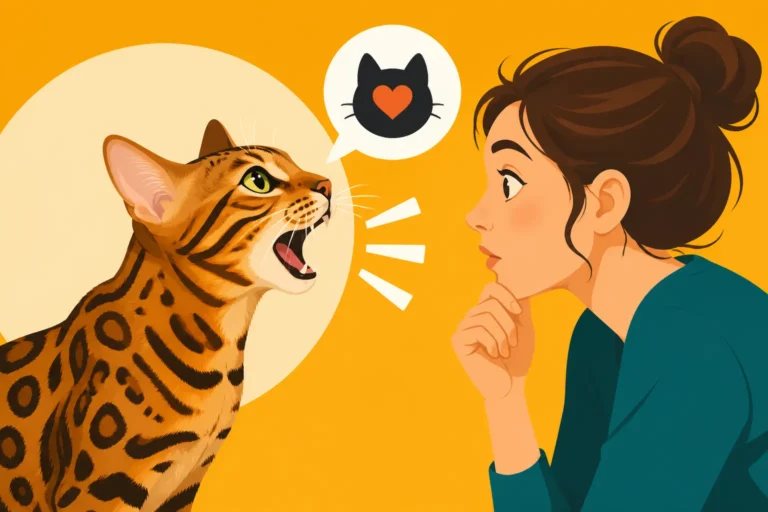
While Bengals are generally known for being quite vocal – their chirps, meows, and even yowl-like sounds are part of their charm – excessive or incessant vocalization can be a sign of extreme boredom or anxiety. If your Bengal is constantly meowing, crying, or demanding your attention with loud vocalizations, especially at odd hours, it might be their way of saying, "I'm bored and I need something to do!" How Vocal a Bengal Cat Is is often tied to their emotional state.
This isn't just about being annoying; it's about a cat who doesn't know how else to communicate their frustration. They might follow you around, paw at you, or even escalate to destructive behaviors to get you to respond. The solution here is not to ignore them, but to proactively increase their enrichment and interactive playtime before they resort to desperate measures. A consistent routine of play and attention can help regulate their vocalization.
Inappropriate Elimination: A Cry for Help
One of the most distressing signs of stress or extreme boredom in any cat, including a Bengal, is inappropriate urination or defecation outside the litter box. While this can sometimes indicate a medical issue (always rule that out with a vet visit first!), it's very often a behavioral one. A Bengal who isn't stimulated enough might feel stressed, anxious, or simply be acting out in a way that gets a strong reaction from you.
They might choose a spot that is highly visible or has a strong association with you, like your bed or laundry pile. This isn't done out of spite; it's a clear signal that something is wrong in their world. If you find your Bengal eliminating outside the box, take a hard look at their environment and daily routine. Are they getting enough exercise? Enough mental stimulation? Is their litter box clean and appealing? Is there enough privacy? A frustrated Bengal will often make a statement with their potty habits.
Self-Mutilation or Over-Grooming
In rare but concerning cases, extreme boredom and stress can lead a Bengal cat to self-mutilation or compulsive over-grooming. This can manifest as excessive licking, chewing, or pulling out their fur, leading to bald spots or skin irritation. This is a coping mechanism, a way for them to deal with overwhelming stress or a lack of appropriate stimulation.
If you notice your Bengal engaging in these behaviors, it's a serious red flag. First, consult your veterinarian to rule out any underlying medical conditions like allergies or parasites. If medical causes are excluded, then it's time for a comprehensive overhaul of their enrichment strategy. This might involve introducing new types of toys, increasing interactive play, exploring outdoor access (like a catio), and potentially even consulting with a feline behaviorist to develop a tailored plan to reduce their anxiety and provide appropriate outlets for their energy.
Living with a Bengal Cat: Managing Expectations and Daily Life
Owning a Bengal cat is a unique and incredibly rewarding experience, but it's not for everyone. Their high energy, intelligence, and vocal nature mean they require a significant commitment from their owners. Learning to manage expectations and integrate their specific needs into your daily life is key to a harmonious household, free from excessive destruction.
Commitment to an Active Lifestyle
You cannot simply get a Bengal cat and expect them to entertain themselves or be a quiet, decorative presence. They demand an active lifestyle – not just for them, but from you as well. This means dedicating time every day for interactive play, training, and mental engagement. If you have a busy schedule, you need to factor in how you will provide this consistent stimulation. This might mean waking up earlier for a play session, dedicating evenings to training, or investing in automated toys (though these are rarely a full substitute for human interaction).
Consider your own lifestyle realistically. If you're rarely home or prefer a very quiet, sedentary pet, a Bengal might not be the best fit. They thrive with owners who are enthusiastic about engaging with them and who understand that a Bengal is more like a small, highly intelligent dog in a cat's body when it comes to activity needs. How Much Exercise a Bengal Cat Needs a Day often surprises new owners.
Accepting the "Bengal-isms"
There are certain quirks and behaviors that are simply part and parcel of owning a Bengal cat. Their fascination with water, for example, means you might find them playing in sinks, drinking from running faucets, or even joining you in the shower. Why a Bengal Cat Loves Water is a characteristic many owners learn to embrace. Their vocalizations can be intense, and their climbing abilities mean that no shelf or cupboard is truly safe without proper cat-proofing.
Accepting these "Bengal-isms" means understanding that you're living with a wild-at-heart feline. You can't train out every instinct, but you can channel it constructively. Instead of getting frustrated when they try to turn on the tap, invest in a good water fountain and perhaps a designated play bowl. Instead of fighting their urge to climb, provide vertical spaces that are better than your bookshelves. It's about adapting your home and routines to their needs, rather than trying to force them into a conventional cat mold.
Building a Strong Bond
Ultimately, preventing destructive behavior in a Bengal cat comes down to building a strong, trusting bond with them. When your Bengal feels secure, loved, and adequately stimulated, they are far less likely to act out. This bond is forged through consistent positive interaction, understanding their communication cues, and providing for their unique needs.
Spend time not just playing, but also just being with your Bengal. Many enjoy cuddling (on their terms), being brushed, or simply coexisting in the same room. A well-socialized, well-loved Bengal is a joy to live with, and while they will always have that spark of wildness, it will be directed into playful curiosity rather than destructive mayhem. This bond transforms them from a potential wrecking ball into an amazing, intelligent companion.
Addressing Specific Destructive Behaviors
Sometimes, despite all your efforts, specific destructive behaviors persist. It’s helpful to break these down and apply targeted solutions, often combining enrichment strategies with behavioral modification techniques.
Stopping Counter Surfing and Cabinet Raids
Bengal cats are notorious counter surfers and cabinet raiders. Their agility allows them to leap onto counters with ease, and their intelligence helps them bypass child locks on cabinets. To combat this, you need a multi-pronged approach.
First, remove temptation. Don't leave food or interesting objects on counters. A clear counter is less appealing. Second, make the counter unappealing. Some owners use motion-activated alarms or sticky mats (like the ones from Amazon) on counter edges. These aren't meant to hurt but to provide a startling, unpleasant sensation that makes the cat think, "Hmm, this isn't fun." Third, provide alternative, more appealing vertical spaces nearby, such as a tall cat tree or cat shelves that offer a better view and are approved for climbing. Finally, practice redirection: if you catch them attempting to jump, immediately redirect their attention to a wand toy or a game on the floor. How to Keep a Bengal Cat Off the Counter is a battle many owners wage.
Redirecting Destructive Scratching
Destructive scratching is often due to a lack of appropriate scratching surfaces or a preference for the wrong kind. Bengals need durable, appealing scratching posts that cater to their size and scratching style.
Ensure you have multiple scratching posts in various locations, especially near areas they tend to scratch (like the sofa). Offer different materials: sisal rope, cardboard, and carpeted posts. Many Bengals prefer tall, sturdy vertical posts that allow them to stretch their full body length. Some also enjoy horizontal scratchers. Encourage use with catnip and praise. If they scratch furniture, calmly redirect them to a scratching post. You can also make the furniture less appealing with double-sided sticky tape or by covering the area with a blanket. Remember, scratching is an instinct, so you must provide an acceptable alternative. How to Protect Furniture From a Bengal Cat often involves several layers of defense!
Managing Water Play Messes
Bengal cats and water go hand-in-hand, but that doesn't mean you want puddles all over your bathroom floor. While you might not stop their fascination, you can manage the mess.
Firstly, invest in a sturdy, high-quality water fountain. Bengals often prefer running water, and a good fountain can keep them engaged while containing the water better than an open bowl. Place the fountain on a mat with a raised edge to catch splashes. If they play in sinks, try placing a shallow, heavy bowl of water in the sink for them to bat at, diverting their attention from the faucet itself. Always keep toilet lids down to prevent them from splashing or drinking from there. For the shower, if they insist on joining you, ensure the bathroom floor is safe and water-resistant. You can even get specific water toys for cats on Amazon that might satiate their desire to splash without making a huge mess. Why a Bengal Cat Plays in Its Water Bowl is a common, messy sight!
| Destructive Behavior | Underlying Need | Primary Solutions | Secondary Solutions |
|---|---|---|---|
| Furniture Shredding | Scratching, stretching, marking | Multiple, tall, sturdy scratching posts (sisal, cardboard) | Cat furniture protectors, double-sided tape, deterrent sprays |
| Cabinet/Door Opening | Curiosity, exploration, problem-solving | Pet-proof latches, child locks, cabinet straps | Puzzle feeders, interactive toys, increased playtime |
| Counter Surfing | Exploration, seeking resources, height | Remove temptations, motion-activated deterrents | Tall cat trees/shelves near counters, redirection |
| Knocking Items Over | Play, hunting, attention-seeking | Secure breakables, heavy bases, rotate toys | Interactive play sessions, clicker training, puzzle feeders |
| Plant Digging | Digging instinct, exploration | Place river rocks or pinecones in pots, deterrent spray | Provide a digging box (e.g., a shallow bin with cat grass) |
| Excessive Vocalization | Attention-seeking, boredom | Scheduled intense playtime, mental enrichment | Rule out medical issues, reinforce quiet behavior |
| Inappropriate Elimination | Stress, anxiety, boredom | Rule out medical issues, clean litter boxes, privacy | Increase enrichment, reduce stressors, feline behaviorist |
| Self-Mutilation | Extreme stress, anxiety | Rule out medical issues, significant enrichment increase | Consult feline behaviorist, environmental changes |
Disclaimer
This article is for general informational purposes only and does not constitute professional advice. Laws, prices and regulations vary by location and change over time. Consult a qualified professional for guidance on your specific situation.