What a Bengal Cat Contract Restricts
Bringing a gorgeous, spotted Bengal cat into your home is an incredibly exciting prospect! You're dreaming of those playful pounces, the distinctive voice, and that striking, wild appearance. But before you finalize anything, you'll be presented with a purchase contract, and for many first-time Bengal owners, these documents can be quite a revelation. It's not just a receipt; it's a legally binding agreement that often includes a surprising number of restrictions and responsibilities that go far beyond simply paying for your new companion. This guide is here to demystify those contracts, so you understand exactly what you're agreeing to and why these clauses are in place, ensuring a smooth start to life with your spirited Bengal.
The "Why" Behind the Restrictions: Protecting the Breed and the Cat
It might feel a little intrusive when a breeder hands you a multi-page contract detailing everything from how you feed your cat to where it sleeps, but trust me, there's a good reason for it. Reputable Bengal breeders pour their hearts, time, and considerable resources into their breeding programs. They are deeply committed to the health, welfare, and future of their cats and the breed as a whole. These contracts are their way of safeguarding their precious kittens long after they leave the cattery. It’s not about control for control's sake, but rather about ensuring the best possible outcome for every single kitten they bring into the world.
Think of it from their perspective: they’ve meticulously researched pedigrees, performed extensive health testing, spent sleepless nights nurturing new mothers and tiny kittens, and socialized each one to be a confident, loving companion. Handing that kitten over to a new owner is a huge act of trust. The contract serves as a written agreement that you, the new owner, share their commitment to the Bengal's well-being and to upholding the ethical standards of the breed. It helps to weed out individuals who might not have the cat's best interest at heart or who are simply unprepared for the unique demands of a Bengal.
These documents also act as a shield for the breeder, protecting them from potential liabilities and ensuring that their hard work isn't exploited. For example, a "pet" contract specifically ensures that a kitten intended as a family companion won't accidentally or intentionally end up in a backyard breeding situation, which could dilute the breed's quality or compromise its health standards. It’s a serious business, and the contract is the formalization of a serious commitment from both sides.
Ensuring Health and Welfare
One of the most paramount concerns for any ethical Bengal breeder is the health and welfare of their kittens. This is why you'll often find clauses in contracts that outline specific expectations for veterinary care, vaccinations, and the timing of spaying or neutering. These aren't just suggestions; they are often mandatory conditions of sale. Breeders want to be confident that their kittens will receive prompt and appropriate medical attention throughout their lives, not just when they are cute, tiny fluff-balls.
For instance, a contract will almost always stipulate that your Bengal cat must be spayed or neutered by a certain age, often between 4 and 6 months, or sometimes even before they leave the breeder's home in what's known as an "early spay/neuter." This isn't arbitrary; it prevents unwanted pregnancies, reduces the risk of certain health issues like mammary tumors or uterine infections in females, and can help mitigate behavioral problems such as spraying or persistent vocalization in intact males. If the procedure isn't done by the breeder, you'll likely have to provide proof from your veterinarian that the surgery has been completed by the specified deadline, sometimes even returning the cat's registration papers after proof is supplied.
Beyond spay/neuter, expect requirements for regular veterinary check-ups and adherence to a vaccination schedule appropriate for your cat's age and lifestyle. This proactive approach to health helps catch potential issues early and ensures your Bengal is protected against common feline diseases. Breeders also often include clauses about the type of food they recommend, emphasizing high-quality nutrition to support the Bengal's active lifestyle and sensitive digestive system, which can be prone to issues like Chronic Diarrhea Is the Bengal Cat Complaint Nobody Warns About. They've researched and seen what works for their lines, and they want to share that success with you.
Preserving Breed Standards and Lineage
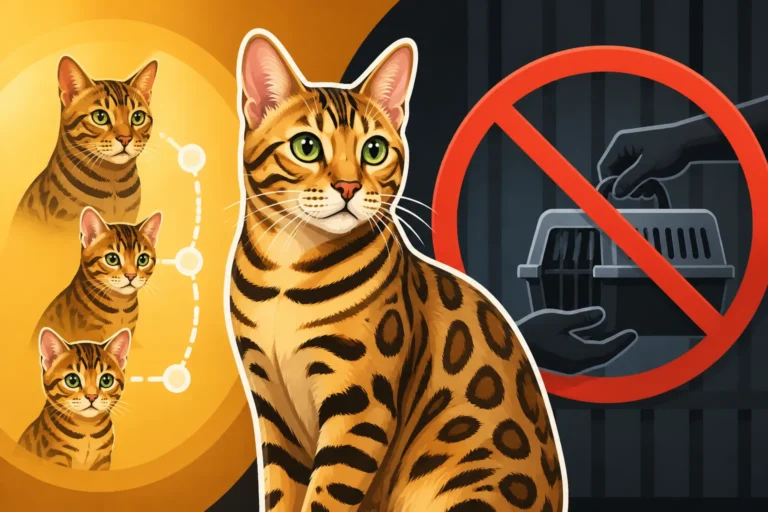
Another critical aspect for breeders is the preservation of the Bengal breed's integrity and lineage. This means their contracts often include strict stipulations about breeding rights, showing requirements, and even how the cat's name can be used. When you acquire a Bengal cat, you're not just getting a pet; you're becoming a custodian of a carefully developed lineage that traces back to the Asian Leopard Cat. Breeders want to ensure this heritage is maintained responsibly.
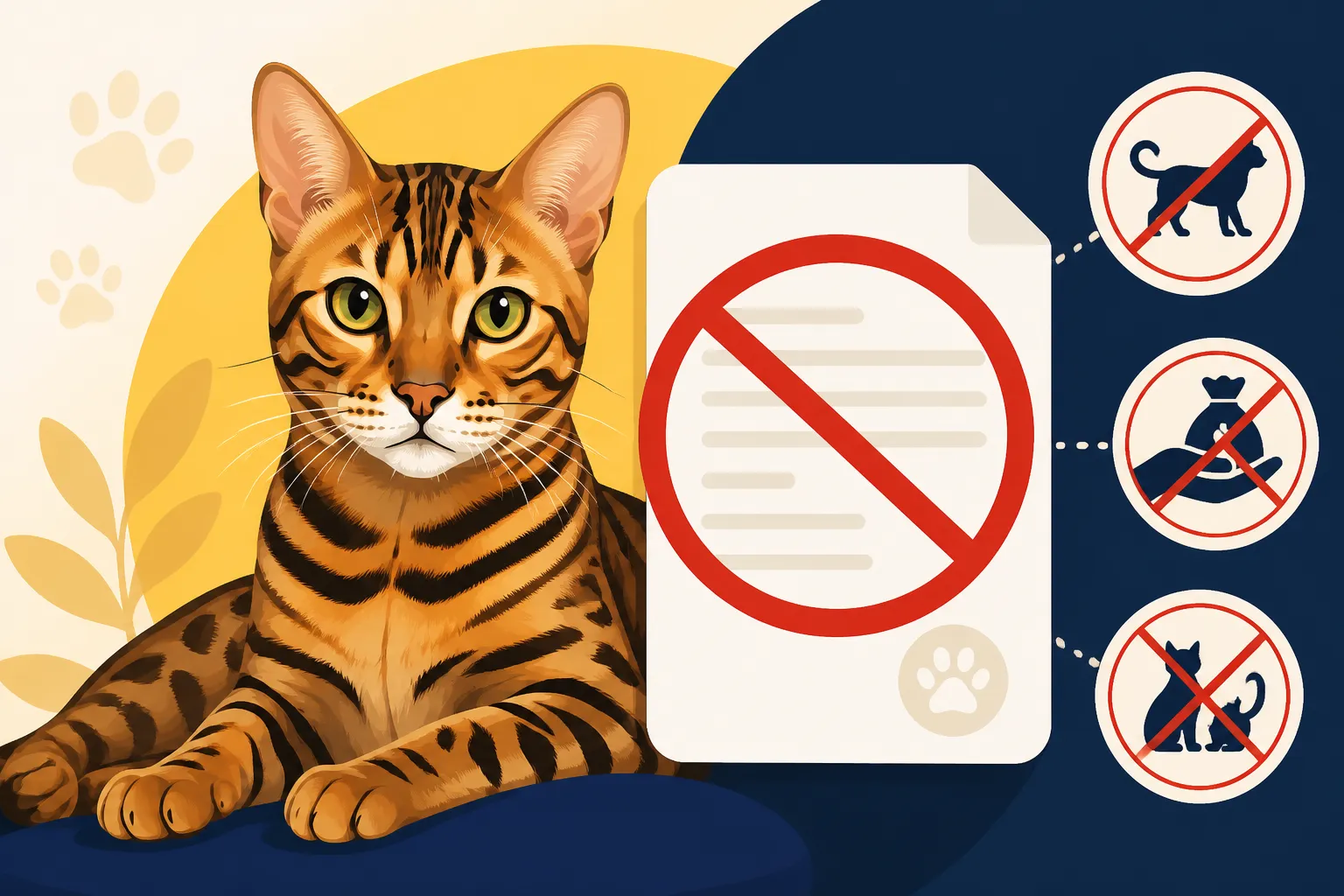
A fundamental distinction in Bengal contracts is between a "pet quality" cat and a "breeder/show quality" cat. If you are buying a Bengal as a family companion, your contract will almost certainly explicitly state that the cat is being sold as a pet only and carries no breeding rights. This means you are prohibited from using the cat to produce kittens, whether purebred Bengals or mixed breeds. These clauses are vital to prevent indiscriminate breeding, which can lead to health problems, behavioral issues, and a dilution of the breed's carefully curated characteristics. Reputable breeders invest heavily in health testing, like knowing What a Bengal Cat Breeder Should Have Tested, and they want to prevent their lines from being used irresponsibly.
For those interested in showing or breeding, the contract will be significantly different, much more detailed, and come with a higher price tag – see The F1 to F5 Price Ladder for a Bengal Cat for an idea of price variations. It will outline specific expectations for participating in cat shows, adhering to breed standards, and strict guidelines for any future breeding. Even then, breeders often retain the right of first refusal if you ever decide to sell the cat, or they may include clauses about returning the cat to them if you can no longer care for it. This ensures that their valuable genetic lines remain within responsible hands and continue to contribute positively to the breed's future.
Common Restrictive Clauses You'll Encounter
Okay, so we've covered the why. Now let's dig into the what – the specific clauses you're most likely to see in a Bengal cat contract. It's important to read every word of your contract carefully and ask your breeder to clarify anything you don't fully understand. Remember, these aren't just polite suggestions; they are legally binding terms.
Falling in love with a Bengal kitten is easy, but making sure you can abide by the breeder's terms is crucial for a harmonious relationship and a happy life for your new companion. Don't be afraid to discuss these points thoroughly with your breeder before you sign on the dotted line. They should be happy to explain their reasoning and ensure you're comfortable with the expectations.
Spay/Neuter Agreements and Timelines
As mentioned, this is one of the most universal clauses. If your kitten isn't already spayed or neutered by the breeder (a practice known as "early spay/neuter"), your contract will clearly state a deadline for the procedure. This deadline is often tied to the cat's age, such as "by 6 months old" or "before 8 months old." To incentivize compliance, some breeders might hold back the cat's official registration papers until they receive proof from your veterinarian that the surgery has been performed. This is a common and effective way to ensure pet owners follow through.
The contract might also specify who performs the surgery – sometimes requiring a licensed veterinarian and not, for example, a mobile clinic if the breeder has had bad experiences in the past. If you fail to spay or neuter by the agreed-upon date, the contract could stipulate penalties. These could range from monetary fines (sometimes a substantial amount to compensate for potential breeding rights) to the requirement to return the cat to the breeder without a refund. It's a serious commitment, and it underscores the breeder's dedication to preventing accidental litters and maintaining their breeding program's integrity. Don't underestimate the importance of this clause; it's non-negotiable for pet quality Bengals.
Rehoming and Resale Limitations
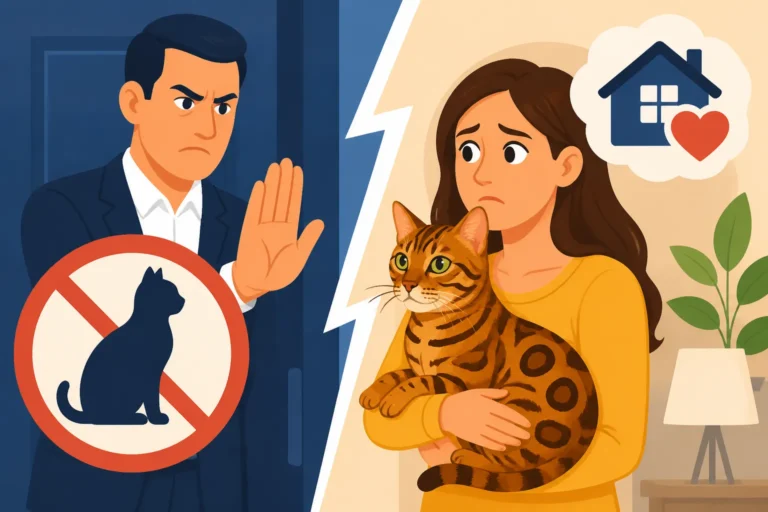
This clause can sometimes catch new owners off guard, but it's very common and for good reason. Many Bengal cat contracts will include language stating that if you ever need to rehome your Bengal, you must either return the cat to the breeder or obtain their explicit permission before selling or giving the cat away to a new owner. You cannot simply post your Bengal on an online classified site or hand them off to a friend without consulting the breeder first.
The breeder's motivation here is clear: they want to ensure their cats always go to loving, responsible, and knowledgeable homes. They've invested years into their lines and have a deep understanding of the breed's needs, often having a network of potential adoptive homes or being willing to take the cat back into their care. This prevents Bengals from ending up in shelters, being used for unethical purposes, or being rehomed to individuals unprepared for What a Bengal Cat's Temperament Is Really Like. It's a safety net for the cat, ensuring they have a secure future. If you foresee a situation where you might need to rehome your cat, it’s best to discuss this clause thoroughly with the breeder upfront and understand their process. They might offer assistance or require you to vet potential new owners with their guidance.
Indoor-Only Mandates and Safety Protocols
Almost every reputable Bengal cat breeder contract will stipulate that your Bengal must be kept as an indoor-only cat. This is not because they believe cats don't deserve fresh air, but purely for the safety and well-being of the animal, as well as the protection of local wildlife. Bengals are incredibly intelligent, curious, and athletic, but these traits, combined with their striking appearance, make them particularly vulnerable outdoors. Whether a Bengal Cat Can Be an Indoor Only Cat is a common question, and the answer, for most breeders, is a resounding yes, strictly so.
The dangers for an outdoor Bengal are numerous: traffic accidents, fights with other animals (wildlife or other cats), exposure to parasites and diseases (like feline leukemia or FIV), and even the risk of theft due to their exotic looks and high value. Moreover, Bengals are effective hunters, and allowing them to roam freely can decimate local bird and small mammal populations. To satisfy their need for outdoor stimulation, breeders often encourage or require the use of secure enclosures like a "catio" (patio for cats) or supervised leash walks. If you're considering a catio, researching What a Catio for a Bengal Cat Costs is a good idea. Some contracts may even require that your Bengal be microchipped and that you keep the registration information updated, providing another layer of safety should they ever accidentally get out.
Dietary and Veterinary Care Expectations
Your Bengal cat's contract will very likely include specific recommendations, or even mandates, regarding their diet. Given the breed's sensitive digestive system and high energy levels, proper nutrition is paramount. Many breeders will specify a preference for high-quality, high-protein wet or raw food and often advise against certain ingredients like excessive grains, which can sometimes lead to digestive upset. They've found what works best for their cats and want to pass that knowledge on.
For example, a breeder might recommend a particular brand of cat food or suggest exploring options from a trusted pet supply retailer like Chewy that offers a wide range of specialized diets. They might even suggest looking into fresh food options if you're inclined towards a more natural feeding approach, emphasizing the importance of a balanced, species-appropriate diet. While they typically won't enforce you buy a specific brand forever, they expect you to follow the nutritional guidelines they provide, especially during the initial transition period. This ensures the kitten continues to thrive after leaving the cattery and can avoid common tummy troubles that can afflict Bengals.
Beyond food, the contract will reiterate expectations for ongoing veterinary care. This includes regular annual check-ups, prompt attention for any signs of illness or injury, and keeping up-to-date on necessary vaccinations and parasite prevention. It's a commitment to ensuring your Bengal receives comprehensive medical care throughout its The Twelve to Sixteen Years a Bengal Cat Gets. Some breeders might even suggest looking into pet insurance, with providers like Healthy Paws often recommended, to help manage the costs of unexpected vet bills, knowing that these active cats can sometimes get into scrapes or develop unforeseen health issues. This proactive approach ensures a long, healthy life for your adventurous companion.
Understanding Your Rights and Responsibilities
While a contract outlines the breeder's expectations of you, it's also a document that establishes your rights as the owner and the breeder's responsibilities to you. It's a two-way street, designed to protect both parties and, most importantly, the cat. Don't view it as merely a list of demands, but as a framework for a healthy, ethical pet ownership journey.
A reputable breeder will usually offer a health guarantee within the contract, covering certain genetic conditions or a specific period against infectious diseases. This provides you with peace of mind and often outlines what steps will be taken if a serious health issue arises shortly after purchase. They've poured a lot into their kittens, including health testing their breeding cats, and stand behind their efforts. For instance, they should always be transparent about tests like those for PRA-b Blinds a Bengal Cat by Two and There Is a DNA Test or Pyruvate Kinase Deficiency in a Bengal Cat. Knowing your rights and the breeder's obligations, especially regarding health, is paramount.
Ultimately, your responsibility as an owner is to uphold your end of the bargain – to provide a loving, safe, and enriching environment that meets the specific needs of an active, intelligent Bengal cat, and to adhere to all the terms laid out in the contract. This partnership with your breeder can be a valuable resource throughout your cat's life.
Reading the Fine Print: What to Look For
When you receive a Bengal cat contract, resist the urge to skim it in your excitement. This is a legal document, and you need to understand every single clause. Look for clarity in the language; ambiguity can lead to future disputes. Pay particular attention to sections regarding health guarantees, spay/neuter deadlines, and rehoming policies. Does the contract specify a particular timeframe for a health guarantee against genetic defects? What recourse do you have if the kitten develops a serious illness within that period?
Don't hesitate to ask your breeder questions. A good breeder will welcome your inquiries and patiently explain any confusing terms. They want you to be a well-informed and responsible owner. If a breeder seems annoyed by your questions or rushes you through the signing process, that could be a red flag. It’s also wise to consider getting independent legal advice if you have serious concerns about any clause, especially if it involves significant financial penalties or long-term obligations. Remember, you can often negotiate certain non-critical terms before signing, though core clauses like spay/neuter or breeding restrictions are usually firm.
Consequences of Breach and Disputes
Understanding the potential consequences of breaching your contract is critical. These aren't just empty threats; they are legally enforceable terms. If you fail to adhere to a clause, such as the spay/neuter deadline or rehoming restrictions, the contract will typically outline the penalties. This could include financial fines, which can sometimes be quite substantial, or even a demand for the return of the cat to the breeder without a refund. In extreme cases, a breach of contract could lead to legal action.
The key to avoiding disputes is clear communication. If you encounter an unforeseen circumstance that makes it difficult to fulfill a contract term – for example, if your vet recommends delaying spay/neuter due to a temporary health issue – inform your breeder immediately. Most reputable breeders are reasonable and understanding, and open dialogue can often lead to an amicable solution or an amendment to the contract. Hiding a breach or ignoring the terms will only escalate the situation and can result in significant stress and heartache for everyone involved, especially for your beloved Bengal.
Here’s a summary of common restrictions and their reasoning:
| Restriction Type | Common Clause Example | Breeder's Primary Reason | Impact on Owner |
|---|---|---|---|
| Spay/Neuter Mandate | "Kitten must be spayed/neutered by 6 months of age." | Prevents unwanted litters; reduces health/behavioral risks; preserves breed integrity. | Requires a vet appointment by a specific date; proof of surgery often required. |
| No Breeding Rights | "Cat sold as pet-only; breeding strictly prohibited." | Prevents irresponsible breeding; protects bloodlines; ensures kitten welfare. | Cannot breed the cat, even with another purebred Bengal. |
| Rehoming/Resale | "Must notify breeder and get approval before rehoming/selling." | Ensures cat goes to suitable home; prevents shelter placements; maintains breeder oversight. | Cannot independently sell or give away the cat; must involve or return to breeder. |
| Indoor-Only Life | "Cat must be kept strictly indoors or in a secure enclosure." | Protects cat from outdoor dangers (traffic, disease, theft); protects wildlife. | Requires cat-proofing; encourages catios/leash training; no free-roaming outdoors. |
| Health & Vet Care | "Annual vet check-ups & vaccinations required." | Ensures ongoing health monitoring; prevents preventable diseases. | Commitment to regular veterinary visits and expenses; potential for specific diet advice. |
| Health Guarantee | "Guaranteed against life-threatening genetic defects for 1 year." | Offers buyer protection; demonstrates breeder confidence in health lines. | Provides recourse if specific serious health issues arise; terms must be understood. |
| Feeding Guidelines | "Feed high-quality, grain-free wet food." | Supports optimal health, energy, and digestion for the breed. | May require adherence to specific food types or brands. |
| Declawing Prohibition | "Declawing is strictly forbidden." | Protects cat's natural anatomy and welfare; promotes ethical cat care. | Requires alternative scratching solutions and claw trimming. |
Disclaimer
This article is for general informational purposes only and does not constitute professional advice. Laws, prices and regulations vary by location and change over time. Consult a qualified professional for guidance on your specific situation.