Whether a Blood Test Alone Diagnoses a Bengal Cat
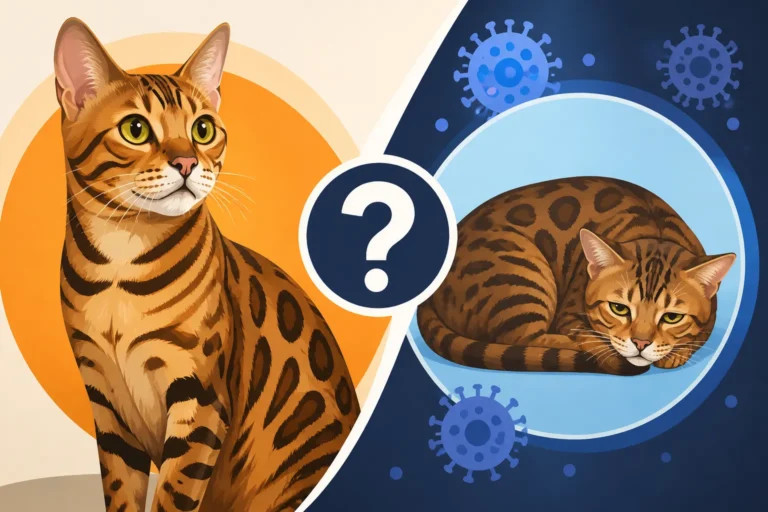
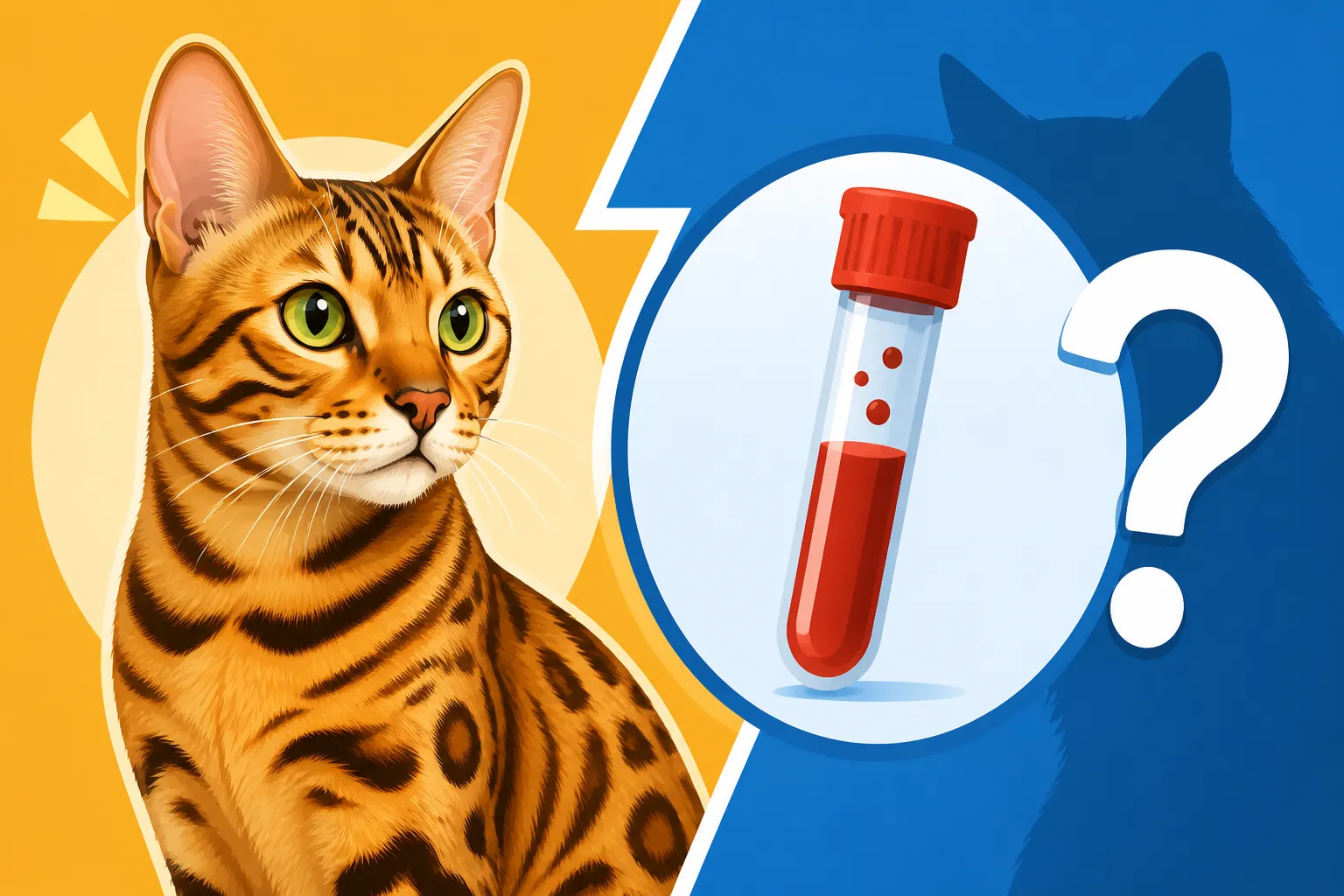
It’s a natural assumption, isn't it? You notice your beloved Bengal cat isn't quite themselves—maybe they're a bit lethargic, or their appetite isn't what it usually is—and you think, "A simple blood test at the vet should tell us exactly what's going on." While a blood test is undeniably a critical diagnostic tool, especially for such a unique and sometimes sensitive breed, it's often just one piece of a much larger, more intricate puzzle, especially when dealing with the specific health challenges Bengal cats can face. This guide will walk you through why a blood test alone usually won't give you a definitive diagnosis for certain Bengal cat conditions and what other steps are involved in truly understanding your cat's health.
The Limits of a Routine Blood Test for Bengal Cats
When your vet draws blood from your Bengal, they're typically looking at a couple of broad categories: a Complete Blood Count (CBC) and a chemistry panel. These tests are fantastic for giving a general overview of your cat's internal state, but they don't always pinpoint the exact cause of an issue, especially for breeds like the Bengal, which are prone to specific genetic conditions.
What a Routine Blood Panel Reveals and Doesn't
A CBC provides a snapshot of your cat's red blood cells, white blood cells, and platelets. It can tell us if there's an infection brewing, if your cat is anemic, or if their immune system is compromised. For example, if your Bengal is battling a bacterial infection, their white blood cell count might be elevated. If they're showing signs of pale gums and weakness, a CBC would confirm anemia, which means their red blood cell count is low.
The chemistry panel, on the other hand, evaluates organ function—things like kidney and liver health, blood sugar levels, and electrolyte balance. If your Bengal has kidney disease, the chemistry panel would likely show elevated creatinine and BUN levels. If their liver isn't functioning properly, liver enzyme levels might be high. These are invaluable insights, helping your vet understand what might be going wrong in a general sense.
However, here’s the crucial distinction: these routine tests show symptoms or indicators of a problem, not necessarily the specific underlying cause, particularly for genetic diseases. Think of it this way: a blood test can tell you the "check engine" light is on and maybe even suggest it's an issue with the "engine block," but it doesn't tell you if it's a faulty spark plug or a blown gasket. For that, you need more specialized investigation.
Why Genetic Conditions Need More Than Just Blood Work
Bengal cats, stemming from their Asian Leopard Cat ancestry, are unfortunately predisposed to certain genetic conditions that a standard blood test simply cannot diagnose. Conditions such as Pyruvate Kinase Deficiency in a Bengal Cat (PK Deficiency) or PRA-b Blinds a Bengal Cat by Two and There Is a DNA Test are perfect examples.
With PK Deficiency, for instance, a blood test might reveal that your cat is suffering from anemia. This is a critical piece of information and a major red flag. However, the blood test itself doesn't confirm that PK Deficiency is the reason for the anemia. Anemia can be caused by many things: parasites, nutritional deficiencies, other autoimmune diseases, or even some cancers. To definitively say it's PK Deficiency, you need a specific DNA test. This test looks for the genetic mutation responsible for the condition, something a general blood panel isn't designed to do. It’s like looking at a blurry photo versus having the original high-resolution image.
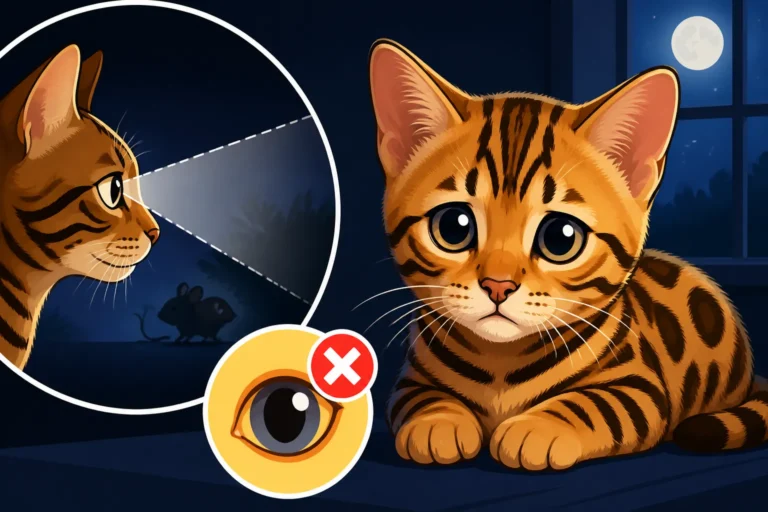
The same goes for eye conditions like PRA-b. A vet might notice changes in your Bengal's vision or even subtle eye abnormalities during an exam, but a standard blood test won't reveal the genetic marker for PRA-b. For that, you need a specialized genetic test, often done via a buccal swab (a simple cheek swab), which is then sent to a lab that specializes in feline genetic testing to see if your cat carries the gene.
When a Blood Test Is a Crucial Clue, Not the Final Answer
While a routine blood test might not be the definitive answer for every ailment, it's absolutely a cornerstone of diagnostic medicine and often the first vital step in understanding what’s ailing your Bengal cat. It provides the initial clues that guide your veterinarian toward further investigation.
Interpreting Blood Test Results for Suspected Conditions
Let's consider the scenario of a Bengal cat showing lethargy, weight loss, and perhaps intermittent pale gums—classic signs of anemia. When the vet runs a CBC, and it indeed shows a low red blood cell count, they then look deeper into the type of anemia. Is it regenerative, meaning the body is trying to make new red blood cells, which often happens with blood loss or destruction? Or is it non-regenerative, indicating a problem with bone marrow production?
If the anemia is regenerative, it might lead your vet to consider conditions that cause red blood cell destruction, such as auto-immune hemolytic anemia or, yes, PK Deficiency. The blood test, in this case, isn't diagnosing PK Deficiency itself, but it's telling the vet, "Hey, something is destroying red blood cells, let's investigate why." The blood test can also show if your Bengal is displaying Signs a Bengal Cat Has Hemolytic Anemia, providing more context. This initial finding prompts the next logical step, which could be a specific DNA test for the PK gene mutation. Without that initial blood work, the vet might be chasing shadows, trying to figure out the general area of the problem.
The Need for Confirmation: Beyond Initial Indicators
Abnormal blood work always, and I mean always, warrants further investigation. It's rare for a veterinarian to make a definitive diagnosis of a complex condition based solely on a routine blood panel. For instance, if your Bengal's liver enzymes are elevated, the vet won't immediately say, "It's liver disease." Instead, they'll want to investigate why. This could involve:
- Further blood tests: More specialized blood tests, like bile acid tests for liver function, or specific tests for certain viruses.
- Imaging: Ultrasounds or X-rays to get a visual of the organs, checking for size, shape, or abnormalities like tumors or stones.
- Biopsies: Taking a tissue sample for microscopic examination, which can definitively diagnose conditions like cancer or inflammatory bowel disease.
- Genetic testing: As mentioned, for specific inherited conditions.
This multi-step approach ensures accuracy and avoids misdiagnosis. It’s about building a complete picture, much like a detective gathers all the evidence before identifying a suspect. For severe conditions, getting proper diagnostic steps can be crucial, and this is where having pet insurance like Healthy Paws can be a real game-changer, helping with the costs of extensive testing.
Diagnostic Pathways for Common Bengal Cat Health Concerns
Understanding the specific conditions Bengal cats are prone to helps illustrate why various diagnostic tools beyond just a basic blood test are so vital. It’s about targeting the right test for the suspected culprit.
Unraveling Pyruvate Kinase Deficiency PK Deficiency
PK Deficiency is a particularly important one for Bengal cat owners to understand. It's a genetic disorder that affects the red blood cells, causing them to break down prematurely, leading to chronic anemia. While a general blood test showing anemia is your first clue, it’s not the diagnosis itself.
If your Bengal cat displays symptoms like lethargy, weakness, pale mucous membranes (gums, inside eyelids), or an enlarged spleen, your vet will almost certainly run a CBC. If this shows anemia, especially a regenerative anemia, then the possibility of PK Deficiency becomes much higher. This is where the specific PK gene test comes in.
To fully confirm "How a Vet Confirms PK Deficiency in a Bengal Cat", a buccal swab or blood sample is collected and sent to a specialized laboratory, like the one at the University of California, Davis, or Optimal Selection. These labs analyze the DNA to detect the specific mutation responsible for PK Deficiency. The results will tell you if your cat is clear, a carrier, or affected. A blood test might hint at what PK Deficiency Does to a Bengal Cat, but only the DNA test confirms the genetic reality of the disease itself and helps understand How PK Deficiency Destroys a Bengal Cat's Red Cells. This definitive genetic test is crucial not just for diagnosis but also for breeding programs, ensuring affected cats aren't bred.
Diagnosing Other Genetic and Complex Ailments
Beyond PK Deficiency, Bengal cats are unfortunately susceptible to other health issues that require specific diagnostics:
- Hypertrophic Cardiomyopathy (HCM): This is a heart condition where the walls of the heart muscle thicken, making it harder for the heart to pump blood effectively. Blood tests are not diagnostic for HCM. While a vet might hear a heart murmur during a routine exam, the definitive diagnosis requires a cardiac ultrasound (echocardiogram) performed by a veterinary cardiologist. This is why "HCM Is What Kills Bengal Cats Early" is a serious concern, and why a Bengal cat breeder must show an echo, not a gene test, because there is no reliable gene test for HCM in Bengals. Regular echoes are critical for early detection and management.
- Progressive Retinal Atrophy (PRA-b): As mentioned earlier, this is a genetic eye disease that causes the retina to degenerate over time, leading to blindness. A visual exam might pick up signs of vision loss, but the confirmed diagnosis comes from a DNA test specifically for the PRA-b gene mutation in Bengal cats.
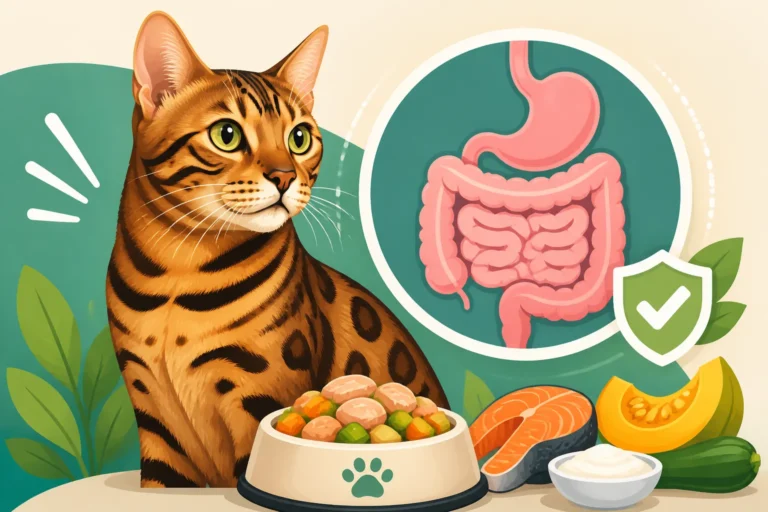
- Chronic Diarrhea: While not always purely genetic, Bengal cats are famously known for having sensitive digestive systems, leading to "Chronic Diarrhea Is the Bengal Cat Complaint Nobody Warns About." A blood test might show general inflammation or dehydration, but the root cause—which could be anything from parasites like Tritrichomonas foetus or Giardia, to food sensitivities, or inflammatory bowel disease—requires fecal tests, dietary trials, or even intestinal biopsies. The blood test here is a supporting player, not the lead diagnostician.
- Feline Infectious Peritonitis (FIP): This devastating viral disease can present with vague symptoms and sometimes changes in blood work (like elevated globulins), but no single blood test can definitively diagnose FIP. A diagnosis often involves a combination of clinical signs, specific fluid analysis (if effusions are present), advanced imaging, and sometimes even biopsy. The diagnostic process can be long and emotionally taxing.
The Importance of a Comprehensive Approach and Breeder Due Diligence
Navigating the health landscape of a Bengal cat can feel overwhelming with all these potential conditions and tests. This is why a partnership with your veterinarian and knowing what to expect from a reputable breeder are absolutely paramount.
Partnering with Your Veterinarian for Accurate Diagnosis
Your vet is your primary ally. They are trained to piece together all the information—your Bengal's symptoms, physical examination findings, routine blood work, and specialized tests—to arrive at the most accurate diagnosis. Don't be afraid to ask questions. If your vet suggests further testing beyond a basic blood panel, understand why. For a Bengal cat, whose health issues can be complex and sometimes inherited, this comprehensive approach is not overkill; it's essential.
For instance, if your cat has a sudden onset of symptoms like rapid breathing or coughing, which might suggest a cardiac issue, your vet might recommend a blood test to check for signs of stress or organ compromise, but they will very quickly move to an echocardiogram to get a direct look at the heart. Similarly, for a "What a Bengal Cat's Yearly Bloodwork Should Cover" check-up, your vet will be looking at general markers. But if anything seems off, that's when targeted diagnostic efforts begin.
Remember, veterinarians are scientists and diagnosticians, not fortune tellers. They work with the evidence available, and for conditions like "What Most Bengal Cats Die Of," early and accurate diagnosis is critical for intervention and quality of life. Be prepared for a diagnostic journey, which, while sometimes costly, is the best path to an accurate answer and effective treatment. Having pet insurance like Healthy Paws can alleviate some of the financial stress associated with these comprehensive diagnostic workups.
Why Health Certificates from Breeders Matter
One of the most proactive steps you can take to safeguard your Bengal cat's health is to ensure you’re getting them from a reputable breeder who performs thorough health screenings on their breeding cats. A responsible breeder will provide documentation of genetic testing for conditions like PK Deficiency and PRA-b. They should be able to show you "What a Bengal Cat Breeder Should Have Tested," including results from both parents.
For HCM, specifically, a breeder should provide recent echocardiogram results from a board-certified veterinary cardiologist for both parent cats. This demonstrates their commitment to trying to reduce the incidence of this devastating disease in their lines. If a breeder tells you a blood test is sufficient or doesn't have these documents, that's a significant red flag. Don't hesitate to ask to see the paperwork, verify the dates, and even confirm with the testing labs if you have any doubts. This due diligence on your part can save you a world of heartache and significant veterinary bills down the line. It's about ensuring your furry family member starts life with the best possible genetic hand.
Comparing Diagnostic Approaches for Bengal Cat Health
Here's a quick overview of how different conditions in Bengal cats typically require a mix of initial observations, blood tests (as clues), and definitive diagnostic methods:
| Condition | Initial Symptoms/Observations | Role of Routine Blood Test (as a clue) | Definitive Diagnostic Test(s) |
|---|---|---|---|
| Pyruvate Kinase (PK) Deficiency | Lethargy, weakness, pale gums, intermittent anemia, poor growth | Will show anemia (often regenerative) | DNA Test (buccal swab or blood sample) |
| Progressive Retinal Atrophy (PRA-b) | Vision loss (especially at night), clumsiness, dilated pupils | No specific findings for PRA-b; may be normal | DNA Test (buccal swab or blood sample) |
| Hypertrophic Cardiomyopathy (HCM) | Heart murmur, lethargy, difficulty breathing, sudden collapse | May show signs of heart failure (elevated cardiac enzymes, lung changes on x-ray, kidney value changes from reduced flow) | Echocardiogram (cardiac ultrasound by a specialist) |
| Chronic Diarrhea | Loose stools, frequent defecation, weight loss, vomiting | May show dehydration, electrolyte imbalance, inflammation | Fecal tests (parasites), dietary trials, intestinal biopsy, targeted pathogen PCR tests |
| Kidney Disease | Increased thirst/urination, weight loss, vomiting, lethargy | Elevated BUN, creatinine, phosphorus | Urinalysis, ultrasound, blood pressure, specific kidney function tests |
Final Thoughts on Bengal Cat Diagnosis
It's clear that while a blood test is an indispensable tool in veterinary medicine, it rarely provides a standalone diagnosis for the more complex or genetically linked conditions that can affect Bengal cats. Instead, it serves as a critical indicator, a flashing light on the dashboard that tells your vet where to look next. The journey to a definitive diagnosis often involves a combination of clinical examination, blood work, specialized genetic tests, advanced imaging, and sometimes even biopsies. Being informed, partnering closely with your veterinarian, and choosing a reputable breeder who prioritizes health screening are your best strategies for ensuring your incredible Bengal cat lives a long, healthy, and vibrant life.
Disclaimer
This article is intended for informational purposes only and is not a substitute for professional veterinary advice. Always consult with a qualified veterinarian regarding your Bengal cat's health concerns and before making any decisions about their care or treatment.