How a Vet Confirms PK Deficiency in a Bengal Cat
When your lively Bengal suddenly seems lethargic, isn't eating, or you notice their gums look a little pale, it's enough to send any cat parent into a panic. These subtle, worrying changes often point to an underlying health issue, and for a Bengal cat, one possibility that always crosses a vet's mind is Pyruvate Kinase Deficiency (PKD). This guide is here to walk you through exactly how your veterinarian approaches confirming this genetic condition, from your initial concerns to the definitive diagnostic steps.
Understanding Pyruvate Kinase Deficiency in Bengal Cats
Finding out your Bengal cat might have a genetic condition can be incredibly daunting. Pyruvate Kinase Deficiency, or PKD, is one of those invisible threats that can cast a long shadow, especially because it's so common in certain breeds, Bengals included. It’s a hereditary metabolic disorder that specifically affects a cat's red blood cells, leading to chronic anemia.
What PK Deficiency Is and How It Affects Red Blood Cells
At its core, PK Deficiency is a problem with energy. Every cell in the body needs energy to function, and red blood cells are no exception. They rely on an enzyme called pyruvate kinase to create ATP, which is their main energy source. When a Bengal cat has PK Deficiency, they don't produce enough functional pyruvate kinase. This means their red blood cells can't maintain their energy levels, leading to them breaking down prematurely, a process known as hemolysis.
This destruction of red blood cells causes a type of anemia called hemolytic anemia. Imagine tiny, essential oxygen carriers in your cat’s blood having a much shorter lifespan than they should. This leads to a constant struggle for the body to replace them, resulting in a persistent, sometimes severe, lack of red blood cells. It's a bit like trying to keep a leaky bucket full – no matter how much water you pour in, it's always draining out. If you're wondering Which Enzyme PK Deficiency Removes From a Bengal Cat, it's precisely this pyruvate kinase. The impact on their red cells is profound, directly affecting their ability to carry oxygen throughout their body, which explains many of the symptoms you might notice.
The Genetic Link and Inheritance Pattern in Bengals
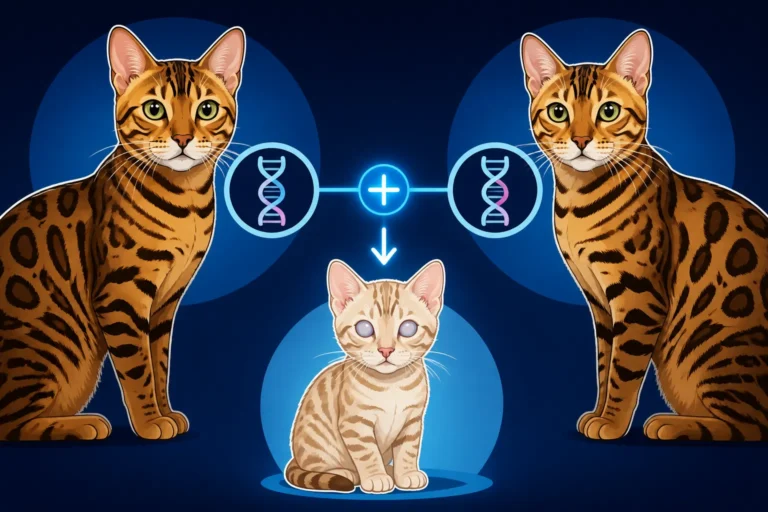
This isn't a disease your Bengal "catches"; it's something they're born with, passed down through generations. PK Deficiency in Bengal cats is an autosomal recessive inherited disorder. What this means in plain language is that a kitten needs to inherit two copies of the faulty gene – one from its mother and one from its father – to actually develop the disease.
- Clear cats: These Bengals have two normal copies of the gene. They won't develop PK Deficiency and cannot pass the gene on to their offspring.
- Carriers: These cats have one normal copy and one faulty copy of the gene. They do not show any symptoms of PK Deficiency themselves, but they can pass the faulty gene on to their kittens. Whether a PK Carrier Bengal Cat Gets Sick is a common question, and the answer is generally no, they appear completely healthy. However, How Many Bengal Cats Carry PK Deficiency might surprise you; the carrier rate can be significant in some lines, making testing crucial.
- Affected cats: These Bengals have inherited two faulty copies of the gene. They will develop PK Deficiency.
Breeders who are dedicated to the health of their lines will test their breeding cats for PK Deficiency to ensure they don't accidentally breed two carriers together. If two carriers are bred, there's a 25% chance with each kitten that it will be affected, a 50% chance it will be a carrier, and a 25% chance it will be clear. Understanding this inheritance pattern is key to preventing the spread of the disease.
Common Signs and Symptoms Owners Might Observe
The frustrating thing about PK Deficiency is that its symptoms can be quite vague and often mimic other illnesses, especially in the early stages. The Age PK Deficiency Shows in a Bengal Cat can vary widely, from as early as 6 months to several years of age, but it often manifests in younger adult cats. Affected cats experience intermittent episodes of anemia, meaning they can have good days and bad days, which really adds to the confusion for owners.
Here are some of the signs that might prompt you to visit the vet:
- Lethargy and Weakness: Your usually energetic Bengal might seem unusually tired, less interested in play, or generally sluggish. They might nap more than usual.
- Pale Gums and Mucous Membranes: This is a classic sign of anemia. Gently lift your cat's lip to check their gums – they might look very light pink, almost white, instead of a healthy rosy pink. You might also notice paleness around their inner eyelids. Why a PK Deficient Bengal Cat's Gums Look Pale is directly related to the low red blood cell count.
- Reduced Appetite: A cat not eating is always a red flag. They might pick at their food or refuse it entirely.
- Weight Loss: Over time, if they're not eating well and their body is struggling, weight loss can occur.
- Jaundice: In some cases, the breakdown of red blood cells can lead to a buildup of bilirubin, causing a yellow tinge to the skin, gums, or whites of the eyes. This is less common but can happen.
- Enlarged Spleen: While not something you’d observe directly, your vet might detect this during a physical exam as the spleen works harder to filter damaged red blood cells.
- Exercise Intolerance: They might tire easily during play or walks, or simply not have the stamina they once did.
It’s crucial to remember that these signs are not exclusive to PK Deficiency. Other conditions like FeLV, FIV, autoimmune hemolytic anemia, or even internal parasites could cause similar symptoms. That's why a thorough veterinary investigation is so vital. If you notice any of these Signs a Bengal Cat Is Anemic, don't hesitate to seek veterinary care.
The Initial Vet Visit and Diagnostic Pathway
When you bring your Bengal to the vet with concerns, they'll start with a comprehensive approach, gathering all the information they can before narrowing down possibilities. It’s a systematic process, and your observations are a huge part of the puzzle.
Your Observations and the Initial Consultation
The very first step is always a detailed conversation with you, the owner. Your vet will want to know everything you've noticed:
- When did you first see symptoms? Were they sudden or gradual?
- Are they intermittent? Your input on Why a PK Deficient Bengal Cat Has Good Days and Bad is particularly helpful here.
- What are your Bengal's eating habits like? Any changes in appetite or thirst?
- How's their energy level? Are they playing less, sleeping more?
- Any changes in litter box habits?
- Have there been any recent changes at home? New food, new pet, stress?
- What is your Bengal's breeding history, if applicable? (Though for pet owners, this is less relevant, it's critical for breeders).
- Have they been tested for genetic conditions before? Whether a Bengal Cat Kitten Comes PK Tested is something many reputable breeders will do, and knowing this information helps the vet.
Don't hold back any details, no matter how small they seem. Your vet uses this information to build a clinical picture and decide on the most appropriate diagnostic tests. This initial discussion sets the stage for everything that follows.
Physical Examination and Routine Blood Work
Following the consultation, your vet will perform a thorough physical examination. They’ll check your Bengal’s weight, temperature, listen to their heart and lungs, palpate their abdomen (feeling for organ enlargement, especially the spleen), and, of course, meticulously check their mucous membranes for pallor.
After the physical, the first line of diagnostic testing almost always involves routine blood work, specifically a Complete Blood Count (CBC) and a biochemistry panel.
- Complete Blood Count (CBC): This is incredibly informative. In a Bengal with PK Deficiency, the CBC will reveal anemia. This typically means a lower-than-normal Red Blood Cell (RBC) count, decreased hemoglobin (the protein that carries oxygen), and a low hematocrit (the percentage of red blood cells in the blood). The vet will also look at the red blood cell morphology – what the cells look like under a microscope. With hemolytic anemia, they might see signs of regeneration, where the body is trying to compensate by producing new red blood cells quickly.
- Biochemistry Panel: This panel checks organ function and electrolyte levels. While it might not directly diagnose PK Deficiency, it can show if other organs are being affected by the anemia or if there are other underlying issues. For example, signs of liver stress might be present due to the breakdown of red blood cells.
These initial tests help confirm the presence of anemia and give clues about its type (regenerative vs. non-regenerative), allowing the vet to move forward or rule out certain conditions.
Ruling Out Other Causes of Anemia
One of the challenges in diagnosing PK Deficiency is that anemia can stem from many different issues. Before jumping to a genetic test, your vet will likely want to rule out other, more common causes of anemia. This saves you time, worry, and potentially unnecessary testing if the answer is simpler.
Common causes of anemia in cats include:
- Parasites: Fleas, ticks, or internal parasites like hookworms can cause significant blood loss, especially in kittens.
- Nutritional Deficiencies: While less common in cats fed a high-quality commercial diet, severe malnutrition can lead to anemia.
- Infections: Certain viral infections like Feline Leukemia Virus (FeLV) or Feline Immunodeficiency Virus (FIV) can suppress bone marrow function, leading to anemia. Bacterial infections can also contribute.
- Toxins: Exposure to certain toxins (e.g., acetaminophen, zinc, certain plants) can cause red blood cell damage or suppression.
- Autoimmune Disease: Conditions like autoimmune hemolytic anemia (AIHA) cause the body's immune system to mistakenly attack and destroy its own red blood cells.
- Chronic Kidney Disease: The kidneys produce a hormone called erythropoietin, which stimulates red blood cell production. Impaired kidney function can lead to anemia.
- Cancers: Certain cancers, especially those affecting the bone marrow or causing internal bleeding, can lead to anemia.
To rule these out, your vet might recommend additional tests:
- Fecal tests: To check for internal parasites.
- FeLV/FIV tests: Essential screening for these common viral infections.
- Urinalysis: To assess kidney function and look for signs of blood in the urine.
- Imaging (X-rays, ultrasound): If internal bleeding, organ enlargement, or tumors are suspected.
How a Vet Confirms PK Deficiency in a Bengal Cat isn't just one test; it's a careful process of elimination, using a combination of clinical signs, blood work, and targeted diagnostics to pinpoint the exact problem. This systematic approach ensures that they don't miss anything and that your Bengal gets the most accurate diagnosis and appropriate care. If you have pet insurance, a good policy like those from Healthy Paws can certainly help cover these extensive diagnostic steps, which can add up quickly.
The Definitive PK Deficiency DNA Test
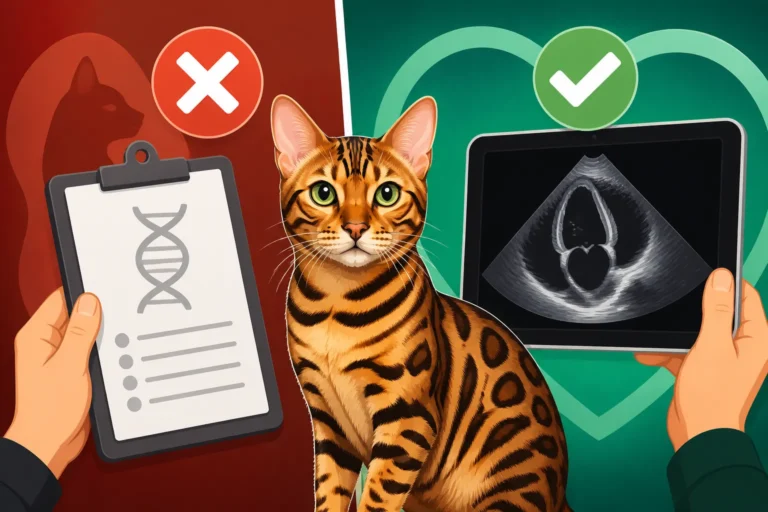
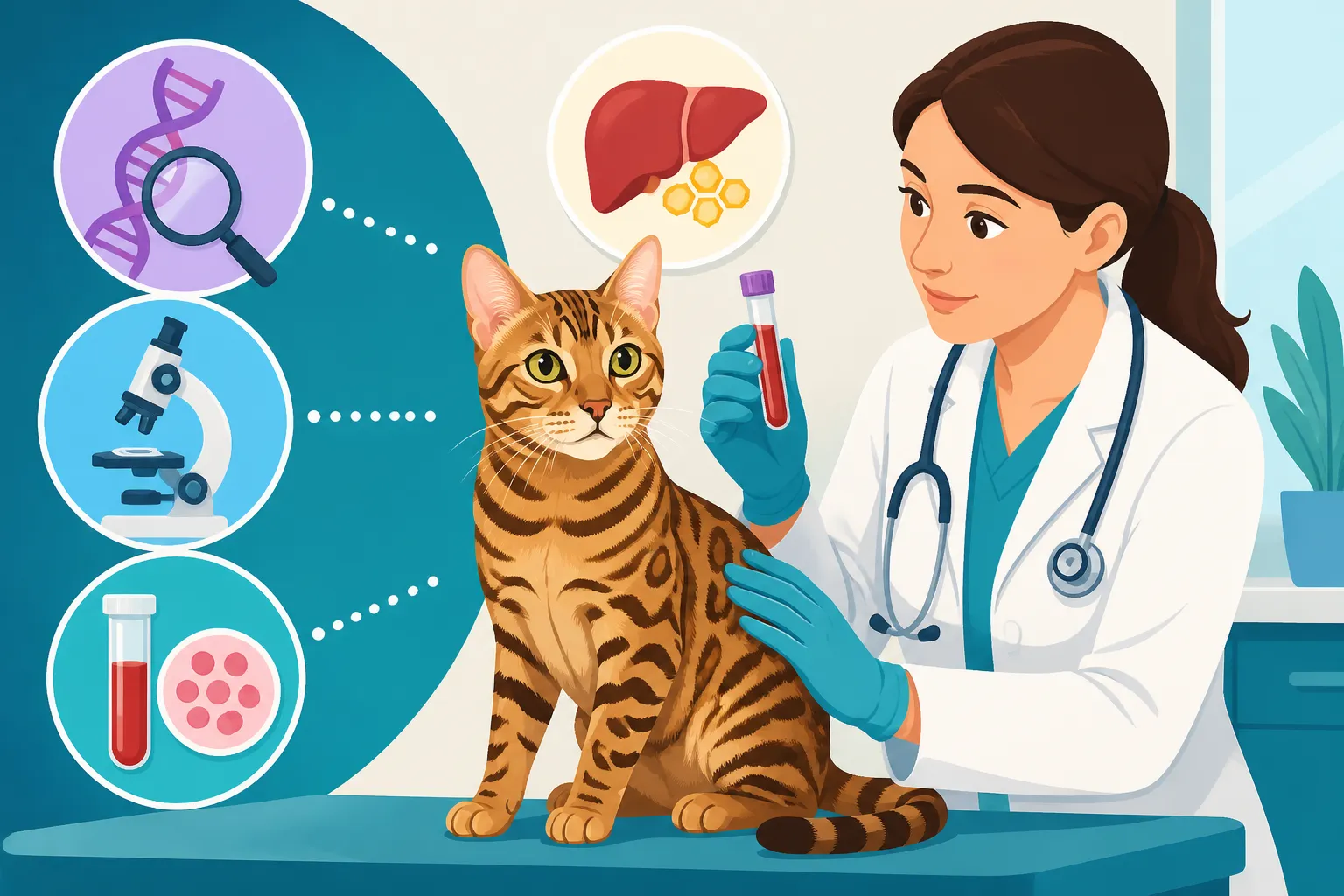
Once other common causes of anemia have been sufficiently ruled out, or if there's a strong suspicion due to breed and history, the most reliable way to confirm PK Deficiency in a Bengal cat is through a specific DNA test. This test is non-invasive and provides a definitive answer.
Why a DNA Test is the Gold Standard for Confirmation
Unlike other conditions that might require invasive biopsies or complex imaging, PK Deficiency has a clear genetic marker. This makes a DNA test the "gold standard" because it directly looks for the specific mutation in the cat's genetic code that causes the disease.
- Definitive Answer: It doesn't just indicate a likelihood; it tells you whether the cat carries the gene, is affected by it, or is completely clear.
- Early Detection: The DNA test can be performed at any age, even on young kittens, before symptoms even appear. This is incredibly valuable for breeders to make informed decisions and for pet owners to prepare for potential future health challenges.
- No Ambiguity: Blood tests can confirm anemia, but they can't tell you why the cat is anemic with the same precision as a genetic test when it comes to specific inherited disorders. A DNA test removes that ambiguity, helping to answer Whether a Blood Test Alone Diagnoses a Bengal Cat.
Knowing for certain allows for appropriate management, breeding decisions, and gives you peace of mind, even if the news isn't what you hoped for.
How the DNA Test Is Performed and What Labs Are Involved
Getting a DNA sample for PK Deficiency testing is surprisingly simple and completely stress-free for your Bengal. The most common method involves a buccal swab:
- Collecting the Sample: Your vet (or sometimes even you, if provided with a kit) will use a sterile cotton swab to gently rub the inside of your Bengal's cheek and gums. This collects epithelial cells, which contain DNA. It takes just a few seconds and is completely painless. Many reputable breeders will have done this for kittens before they go to their new homes, so you might already know Whether a Bengal Cat Kitten Comes PK Tested.
- Sending to the Lab: The swab is then air-dried, packaged according to the lab's instructions, and mailed to a specialized veterinary genetics laboratory.
Several well-known and reputable labs offer the PK Deficiency DNA test for Bengal cats. Some prominent ones include:
- Optimal Selection by Wisdom Panel: This company offers a comprehensive genetic health screening panel for cats, including PK Deficiency, along with other conditions relevant to Bengals.
- UC Davis Veterinary Genetics Laboratory (VGL): A widely recognized academic institution known for its extensive genetic testing services for animals.
- Laboklin (Europe-based but serves international clients): Another highly respected lab offering a range of feline genetic tests.
These labs are equipped to accurately analyze the DNA and provide precise results. It's a quick, efficient process that yields crucial information. If you're considering Whether an Owner Should PK Test an Adult Bengal Cat, especially if you adopted them and don't have their full genetic history, this simple swab is the way to go.
Interpreting the Results: Clear, Carrier, or Affected
When the results come back, they will typically categorize your Bengal into one of three groups based on the alleles (gene copies) they possess:
- N/N (Normal/Clear): This means your Bengal cat has two normal copies of the pyruvate kinase gene. They are not affected by PK Deficiency, nor are they carriers, and they cannot pass the faulty gene on. This is the ideal result for both pet cats and breeding animals.
- N/PK (Normal/Carrier): This indicates your Bengal has one normal copy and one mutated copy of the gene. They are a "carrier." As we discussed, carriers generally do not show any clinical signs of PK Deficiency themselves, living perfectly normal, healthy lives. However, they carry the risk of passing the faulty gene to their offspring if bred. This is why Whether a PK Carrier Bengal Cat Can Be Bred is a serious consideration for ethical breeders; they would only breed a carrier to a clear cat, ensuring no affected kittens are produced.
- PK/PK (Affected): This result means your Bengal cat has inherited two copies of the mutated gene (one from each parent). These cats are "affected" and will develop PK Deficiency. They are the ones who will experience the chronic hemolytic anemia and associated symptoms. The severity of the disease can vary greatly among affected cats, but they are guaranteed to have the condition.
Understanding these results is vital for managing your Bengal's health and, for breeders, making responsible decisions to protect the breed's future. The information from a DNA test is a powerful tool in a vet's arsenal for proper diagnosis and long-term care planning.
Managing a PK-Deficient Bengal Cat and Life Beyond Diagnosis
Receiving a diagnosis of PK Deficiency can feel overwhelming, but it's important to remember that it's not an immediate death sentence. While there's no cure, careful management and supportive care can significantly improve your Bengal's quality of life and potentially extend it.
Treatment Options and Supportive Care
Since PK Deficiency is a genetic condition, there's currently no cure that replaces the faulty enzyme or fixes the gene. Instead, treatment focuses entirely on supportive care, aiming to manage the symptoms and make your Bengal as comfortable as possible. The approach will vary depending on the severity of the anemia and how your cat is coping.
Here are the mainstays of managing an affected Bengal:
- Blood Transfusions: For cats experiencing severe anemic crises, a blood transfusion can be life-saving. This provides a temporary boost of healthy red blood cells, giving your cat's body time to recover or stabilize. Whether a PK Deficient Bengal Cat Needs a Transfusion will depend entirely on their clinical state and how critically anemic they become. It's a temporary solution, as the transfused cells will eventually be destroyed, but it buys precious time.
- Steroids (Corticosteroids): Sometimes, corticosteroids might be used, particularly if there's an immune-mediated component exacerbating the red blood cell destruction, though their effectiveness specifically for PK Deficiency is debated and generally not a primary treatment.
- Splenectomy (Spleen Removal): In some cases, a splenectomy – surgical removal of the spleen – can be considered. The spleen is a major site where old and damaged red blood cells are filtered out and destroyed. By removing the spleen, the lifespan of the red blood cells, even the faulty ones, can be prolonged. This can lead to a significant improvement in the cat's red blood cell count and reduce the severity of anemia, potentially reducing the need for frequent transfusions. However, it's a major surgery and not without risks. Whether a Spleen Removal Helps a Bengal Cat is a discussion to have thoroughly with your veterinary specialist, weighing the potential benefits against the risks for your individual cat.
- Supportive Medications: Your vet might prescribe medications to support liver function, or appetite stimulants to encourage eating. They may also recommend specific vitamins or supplements, though evidence for their direct impact on the disease itself is limited.
- Stress Reduction and Environmental Management: Keeping your Bengal's stress levels low is paramount. Stress can exacerbate any underlying health condition. A calm, predictable environment with plenty of comfortable resting spots and easy access to food and water is essential.
- Dietary Support: A high-quality, easily digestible diet is crucial. Some vets might recommend specific prescription diets formulated for cats with chronic illness, but the focus is generally on ensuring adequate nutrition and hydration.
Prognosis and Life Expectancy
The prognosis for Bengal cats with PK Deficiency is highly variable. Some affected cats may experience severe, life-threatening anemia from a young age, while others might have milder symptoms and lead relatively normal lives for years. The intermittent nature of the disease, with good days and bad days, is a defining characteristic.
Unfortunately, for most affected cats, the condition is progressive. Episodes of anemia can become more frequent and severe over time. How Long a PK Deficient Bengal Cat Lives is difficult to predict definitively, but many affected cats have a significantly shortened lifespan compared to their unaffected counterparts. Some may succumb to the disease in early adulthood, while others might live into their middle years (5-8 years old) with careful management. Regular veterinary check-ups are essential to monitor their condition and adjust supportive care as needed. This is where having pet insurance like Healthy Paws can truly be a lifesaver, helping to cover the costs of ongoing care, medications, and potential emergency treatments.
Implications for Breeding Programs and Ethical Considerations
For Bengal breeders, the implications of PK Deficiency are profound and directly tie into ethical breeding practices.
- Testing All Breeding Stock: Responsible breeders will routinely test all their breeding Bengals for PK Deficiency before breeding. This ensures they know the genetic status (clear, carrier, or affected) of every cat in their program.
- Avoiding Affected Cats: No ethical breeder would ever breed an affected (PK/PK) cat, as all of its offspring would inherit at least one copy of the faulty gene.
- Managing Carriers: Carriers (N/PK) can still be part of a breeding program, but only if they are bred to a "clear" (N/N) cat. This pairing ensures that no kittens will be affected (PK/PK), though approximately 50% of the litter will be carriers. This strategy helps maintain genetic diversity while preventing the birth of sick kittens. Breeding two carriers together is considered highly unethical due to the 25% risk of producing affected offspring.
- Informing Pet Owners: Reputable breeders will always provide genetic test results for both parents to prospective kitten buyers, clearly stating the PK Deficiency status. They will also typically guarantee that their pet kittens will not be affected by the disease. This transparency is crucial.
Understanding and acting upon the genetic information for PK Deficiency is a cornerstone of responsible Bengal cat breeding, contributing to the overall health and longevity of the breed. It underscores the importance of choosing a breeder who prioritizes genetic health testing.
| Diagnostic Step | What it Involves | What it Tells the Vet | Cost Implication (Estimate) |
|---|---|---|---|
| Initial Consultation | Discussion of symptoms, physical exam | Overall health, signs of anemia, potential causes | $50 – $150 |
| Complete Blood Count | Blood sample analyzed for cell counts | Confirms anemia, type of anemia (regenerative/non-regenerative) | $80 – $200 |
| Biochemistry Panel | Blood sample analyzed for organ function | Overall organ health, ruling out other issues | $100 – $250 |
| FeLV/FIV Test | Blood sample for viral infections | Rules out common viral causes of anemia | $50 – $100 |
| Fecal Parasite Exam | Stool sample analyzed | Rules out intestinal parasites causing blood loss | $30 – $70 |
| PK Deficiency DNA Test | Cheek swab for genetic mutation | Definitive diagnosis: Clear, Carrier, or Affected | $50 – $150 (per test) |
| Radiographs/Ultrasound | Imaging of chest/abdomen (if needed) | Assess organ size, rule out internal bleeding/tumors | $200 – $600 |
Please note: These are estimated costs and can vary significantly based on location, veterinary practice, and individual cat's needs.
Disclaimer
The information provided in this article is for general informational purposes only and is not intended as a substitute for professional veterinary advice, diagnosis, or treatment. Always seek the advice of your veterinarian or other qualified health provider with any questions you may have regarding a medical condition or the health and welfare of your Bengal cat. Never disregard professional veterinary advice or delay in seeking it because of something you have read in this article.