What a Bengal Cat’s Murmur Means
Discovering that your beloved Bengal cat has a heart murmur can be an incredibly frightening and confusing experience for any cat parent. It immediately raises a flurry of questions and worries about their health and future. This comprehensive guide aims to demystify what a Bengal cat's heart murmur actually means, exploring the nuances of diagnosis, potential underlying conditions, and the steps you can take to ensure your furry friend receives the best possible care.
Understanding What a Heart Murmur Is
When your veterinarian mentions a "heart murmur," it refers to an unusual sound heard during a heartbeat, distinct from the normal lub-dub sound. These sounds are caused by turbulent blood flow within the heart or major blood vessels, creating vibrations that a stethoscope can pick up. It's important to understand that a murmur itself isn't a disease; rather, it's a symptom or a sign that something might be causing this irregular blood flow. For a Bengal cat, known for their athletic prowess and generally robust nature, hearing about a heart murmur can feel particularly jarring.
How Murmurs Are Graded and Characterized
Vets typically grade heart murmurs on a scale of I to VI, with Grade I being very soft and difficult to hear, and Grade VI being very loud and often palpable on the chest wall. This grading system helps the veterinarian assess the intensity of the murmur, but it doesn't necessarily correlate directly with the severity of any underlying heart disease. A very faint murmur could still indicate a significant issue, while a loud murmur might be an "innocent" one.
Beyond the grade, your vet will also note other characteristics:
- Timing: When in the cardiac cycle the murmur occurs (e.g., systolic, diastolic, continuous). Most murmurs are systolic, meaning they happen when the heart contracts.
- Location: Where on the chest the murmur is loudest. This can sometimes point towards a specific area of the heart or a particular valve.
- Quality: The sound's nature (e.g., harsh, blowing, musical).
These details help piece together the puzzle, guiding the next steps in diagnostics. It’s a lot for a vet to listen for, and it highlights why their expertise is so vital in those initial moments of detection.
Innocent Versus Pathologic Murmurs
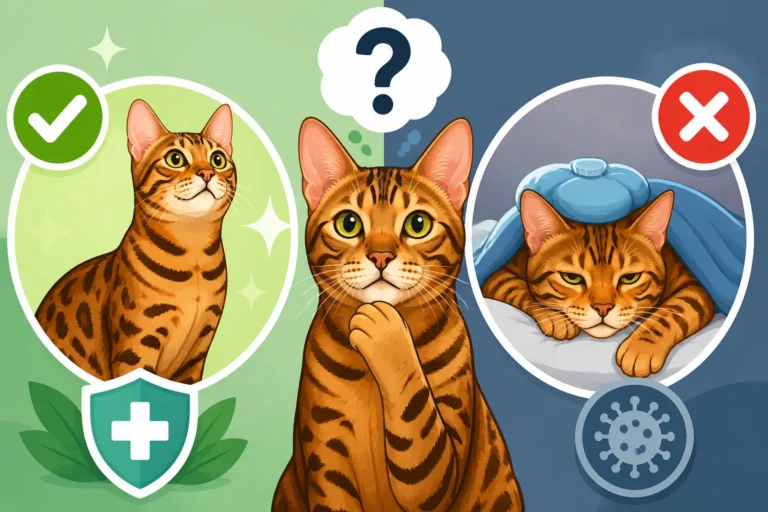
This is perhaps the most crucial distinction an owner needs to grasp. Not all murmurs are bad news. Many cats, especially young, healthy, active ones (which certainly describes many Bengal cats), can have what's called a "physiologic" or "innocent" murmur. These murmurs are usually soft (Grade I-II), don't have an underlying structural heart disease, and often resolve on their own as the cat matures, or they might persist without causing any health problems. They can be caused by things like anemia, fever, stress, or even just rapid blood flow during excitement or exertion – all things a high-energy Bengal might experience.
On the other hand, "pathologic" murmurs indicate an underlying structural heart issue. These are the ones that warrant further investigation because they could be a sign of significant heart disease, like hypertrophic cardiomyopathy (HCM), valve abnormalities, or congenital defects. The goal after detecting any murmur is to determine which category it falls into. Skipping this step can lead to undue worry or, conversely, a missed diagnosis of a serious condition.
| Murmur Characteristic | Innocent (Physiologic) Murmur | Pathologic Murmur |
|---|---|---|
| Grade | Usually Grade I-II (soft) | Can be any grade, often louder (Grade III-VI) |
| Timing | Typically systolic | Can be systolic, diastolic, or continuous |
| Location | Often variable, or loudest over a specific valve but not always indicative of disease | Often consistent and indicative of specific heart region |
| Associated Signs | No other clinical signs of heart disease | May have other signs like lethargy, difficulty breathing, fainting |
| Cause | Stress, fever, anemia, rapid growth, excitement | Structural heart disease (e.g., HCM, valve defects) |
| Prognosis | Usually benign, often resolves or persists without issue | Requires further investigation and potential treatment |
Diagnosing the Underlying Cause of a Bengal Cat's Murmur
So, your vet hears a murmur. What now? The diagnostic journey is critical to move from a "murmur" to a definitive understanding of your Bengal's heart health. This process usually involves several steps, building from basic physical exams to more specialized imaging. Many owners find that pet insurance, like a plan from Healthy Paws, can really alleviate the financial burden of these diagnostic tests, as cardiology workups can be quite comprehensive.
The Initial Veterinary Examination
After detecting a murmur, your general practice veterinarian will perform a thorough physical exam. This isn't just listening to the heart again; it involves checking for other subtle signs of heart disease. They'll assess:
- Respiratory rate and effort: Is your Bengal breathing harder or faster than normal? Signs a Bengal cat is breathing hard could indicate fluid buildup in the lungs, a symptom of heart failure.
- Pulse quality: Is the pulse strong, weak, or irregular?
- Mucous membrane color: Are their gums pink, pale, or bluish? Pale gums can be a sign of anemia, which can cause an innocent murmur.
- Abdominal palpation: Checking for fluid buildup (ascites) or an enlarged liver.
- Overall energy level and appetite: Has your cat shown any changes in behavior or activity? Knowing that Signs a Bengal Cat Has Heart Disease can be subtle, your vet will rely on your observations too.
Your vet might also recommend a blood test to check for anemia, thyroid issues, or other systemic conditions that could cause or exacerbate a murmur. These initial steps help rule out non-cardiac causes for the murmur.
Referral to a Veterinary Cardiologist and Echocardiogram
If the murmur is significant (Grade III or higher), persistent, or accompanied by other signs of illness, your vet will almost certainly recommend a referral to a veterinary cardiologist. This is a specialist who dedicates their practice to heart conditions. They have advanced equipment and expertise specifically for diagnosing and treating cardiac disease in animals. For a Bengal cat, especially given the breed's predisposition to certain heart conditions, consulting a specialist is often the gold standard. You might wonder, Why a Cardiologist Should Scan a Bengal Cat, and the answer lies in their specialized training to interpret subtle findings that a general practitioner might miss.
The primary diagnostic tool used by a cardiologist is an echocardiogram (an ultrasound of the heart). This non-invasive test allows them to visualize the heart's structure and function in real-time. They can:
- Measure the thickness of the heart muscle walls.
- Assess the size of the heart chambers.
- Evaluate the function of the heart valves.
- Determine the speed and direction of blood flow.
- Identify any congenital abnormalities or tumors.
This is the definitive test to determine if a murmur is innocent or if it points to an actual heart disease like What HCM Does to a Bengal Cat's Heart. Getting an echo is a crucial step, and typically, When a Bengal Cat Should Have Its First Echo is usually recommended by around one year of age for breeding Bengals, or whenever a murmur is detected for pet cats.
What a Murmur Could Mean: Potential Health Implications
Once the diagnostics are done, particularly the echocardiogram, the picture becomes much clearer. For many Bengal cats, especially those with soft, innocent murmurs, the news will be reassuring: no underlying heart disease. However, for others, the murmur might be the first indicator of a more serious condition.
Hypertrophic Cardiomyopathy HCM
The most common heart disease in cats, and unfortunately, one to which Bengal cats are predisposed, is Hypertrophic Cardiomyopathy (HCM). This condition causes the muscular walls of the heart, particularly the left ventricle, to thicken abnormally. This thickening reduces the heart's ability to pump blood effectively and can lead to serious complications, including heart failure and sudden death. A heart murmur is often the first, and sometimes the only, detectable sign of HCM.
While some breeds like Maine Coons have a known genetic test for HCM, it's important to remember that Why There Is No Bengal Cat HCM Gene Test. This means regular echocardiograms by a board-certified veterinary cardiologist are the only reliable way to screen for and monitor HCM in Bengal cats. Early detection, even before clinical signs appear, is vital for managing the condition and extending your cat's lifespan. Knowing How Long a Bengal Cat Lives After an HCM Diagnosis can vary greatly depending on the severity and how early treatment begins.
Other Potential Cardiac Issues
While HCM takes center stage for Bengal cats, a murmur could also point to other, less common, but still serious, cardiac issues:
- Valvular Disease: Problems with the heart valves (mitral, aortic, tricuspid, pulmonic) can cause turbulent blood flow. Valves might be too narrow (stenosis), allowing blood to leak backward (insufficiency or regurgitation).
- Congenital Heart Defects: These are abnormalities present from birth, such as ventricular septal defects (a hole between the heart's lower chambers) or patent ductus arteriosus (a blood vessel that fails to close after birth). These are usually detected in kittens or young cats.
- Arrhythmias: While not a direct cause of a murmur, some arrhythmias (irregular heartbeats) can cause turbulent blood flow that creates a murmur, or they can be present alongside structural heart disease.
- Systemic Hypertension (High Blood Pressure): Severe hypertension can strain the heart and lead to thickening, sometimes producing a murmur, though it's less common as a primary cause in younger cats.
Each of these conditions requires specific management, highlighting why a precise diagnosis is so important. Without the echo, it's impossible to differentiate between these various possibilities or rule them out entirely.
Managing a Bengal Cat With a Heart Murmur
The course of action after a heart murmur is detected in your Bengal cat depends entirely on the underlying cause. If it's an innocent murmur, often no treatment is needed, just observation. If a pathologic condition is identified, management strategies focus on slowing disease progression, alleviating symptoms, and improving quality of life. Regular monitoring, which might include How Often a Bengal Cat Needs an Echo, will be a key part of this.
Treatment Options for Cardiac Disease
For Bengal cats diagnosed with actual heart disease, such as HCM, treatment is generally aimed at managing symptoms and slowing the progression of the disease. There is currently no cure for HCM in cats, but medications can significantly improve their lives. Common medications may include:
- Beta-blockers (e.g., Atenolol): These help to slow the heart rate, reduce the heart's workload, and improve relaxation of the thickened muscle.
- Calcium channel blockers (e.g., Diltiazem): Similar to beta-blockers, these help the heart muscle relax and improve blood flow.
- Diuretics (e.g., Furosemide): If heart failure is present and fluid is building up in the lungs or abdomen, diuretics help remove excess fluid.
- ACE inhibitors (e.g., Benazepril): These can help reduce blood pressure and ease the heart's workload.
- Anti-thrombotic medications (e.g., Clopidogrel): Cats with HCM are at a higher risk of developing blood clots, particularly in the hind legs (saddle thrombus), so anti-clotting medications are often prescribed as a preventative measure.
Your cardiologist will tailor a medication regimen specifically for your Bengal, often adjusting dosages or combinations as the disease progresses. This personalized approach is crucial for optimal management.
Lifestyle Adjustments and Monitoring
Even with medication, lifestyle adjustments can play a role in supporting your Bengal cat's heart health.
- Stress Reduction: Try to maintain a calm and consistent environment. While Bengal cats are known for their high energy, excessive stress can put additional strain on a compromised heart.
- Dietary Considerations: Your vet might recommend a specific diet, particularly if heart failure is present. This could involve foods with controlled sodium levels. For general heart health, ensuring a high-quality, balanced diet is always important.
- Controlled Exercise: While an active breed, a Bengal with significant heart disease might need adjustments to their exercise routine. Strenuous, sudden bursts of activity might be discouraged, but moderate, consistent play can still be beneficial. Your vet will advise on appropriate activity levels.
- Regular Veterinary Check-ups: Consistent follow-up appointments with your cardiologist are paramount. This allows them to monitor the disease progression, adjust medications as needed, and detect any new issues early. These check-ups might include repeat echocardiograms and blood tests. Pet insurance plans, such as those offered by Healthy Paws, can be invaluable for covering these ongoing monitoring costs.
Living with a Bengal cat with a heart murmur, especially one linked to a condition like HCM, requires commitment and vigilance. However, with proper diagnosis, diligent treatment, and loving care, many Bengal cats can continue to enjoy a good quality of life for a significant period. It's about being informed and working closely with your veterinary team to give your adventurous companion the best possible chance. While What Most Bengal Cats Die Of often includes unforeseen accidents, heart disease can be a significant factor, making proactive care essential.
Disclaimer
The information provided in this article is for educational purposes only and is not intended to be a substitute for professional veterinary advice, diagnosis, or treatment. Always seek the advice of your veterinarian or other qualified animal health provider with any questions you may have regarding a medical condition.