Why a Bengal Cat Loves Water
One of the most surprising things many new Bengal cat owners discover is just how utterly fascinated their feline companions are with water. If you’ve ever found your Bengal pawing at a running faucet, batting at their water bowl until it’s nearly empty on the floor, or even attempting to join you in the shower, you’re not alone. This isn't just a quirky habit; it's a deep-seated characteristic that comes from their unique heritage and inherent curiosity, and understanding it is key to a harmonious home.
The Wild Ancestry Connection: Tracing the Water Love
When we talk about Bengal cats, we're really talking about a domestic cat with a wild heart, and much of their distinctive behavior can be traced back to their ancestral roots. Unlike many domestic breeds who tend to view water with suspicion or outright disdain, Bengals often embrace it with an enthusiasm that catches many owners off guard. This isn't some random evolutionary quirk; it's deeply connected to where their wild forebears roamed.
The Asian Leopard Cat's Habitat and Habits
The Bengal cat's wild ancestor, the Asian Leopard Cat (ALC), is a small wild furbaby native to Southeast Asia. Their natural habitat is incredibly diverse, ranging from tropical rainforests to agricultural land, and often includes close proximity to rivers, streams, and other bodies of water. These environments are teeming with life, and for a small predator like the ALC, water is not just a source of hydration but a vital part of their hunting ground and daily survival. They are known to be adept swimmers and opportunistic hunters, often fishing for small aquatic creatures like frogs and fish. Imagine an ALC quietly stalking along the banks of a river, waiting for the perfect moment to dip a paw in and snatch a meal. This isn't a cat that fears getting wet; it's a cat that thrives in and around water. This constant interaction with water for survival and sustenance has undoubtedly shaped the species over millennia, embedding an instinctual comfort and even attraction to it. So, when your Bengal is splashing in the sink, they're channeling a bit of that ancient hunter, exploring a sensory-rich environment that feels inherently right to them. This inherited appreciation for water is a fundamental difference setting them apart from many common housecats.
Genetic Predisposition vs. Learned Behavior
It's a fascinating question: is your Bengal's love for water purely genetic, a hardwired instinct passed down from generations of ALCs, or is it something they learn and develop based on their environment? The truth, as with most complex behaviors, is likely a mix of both. There’s certainly a strong genetic predisposition. The traits of the Asian Leopard Cat, including their comfort with water, were purposefully preserved in the Bengal breed's development. Breeders specifically sought to maintain many of the wild characteristics, and this included their physical prowess and adventurous spirit, which naturally extends to water play. When a Bengal kitten sees its mother or littermates interacting positively with water, they're likely to mimic that behavior. Even if the initial inclination is genetic, positive early experiences can reinforce and amplify it. If a kitten grows up with a safe, fun introduction to water, they'll likely develop a lifelong enjoyment of it. Conversely, a negative experience might dampen their enthusiasm, but it’s unlikely to entirely erase that underlying genetic programming. They might still be drawn to watch running water or bat at a dripping faucet, even if they avoid a full bath. It's truly a dance between nature and nurture, where their wild genes provide the blueprint, and their experiences fill in the vibrant details of their aquatic adventures. This combination explains Why a Bengal Cat Is Not Afraid of Water and why their fascination with it can vary slightly from one individual to another.
More Than Just a Splash: Why Bengals Are Drawn to Water
For a Bengal cat, water isn't just something to drink; it's a dynamic, engaging element that appeals to multiple senses and satisfies their highly active and intelligent nature. Their intense curiosity means they're always exploring, and water offers a playground unlike any other. It moves, it reflects, it makes sounds, and it holds interesting textures – all incredibly stimulating for a Bengal.
Play and Enrichment Opportunities
A Bengal cat needs a lot of stimulation to stay happy and healthy. As a particularly intelligent and energetic breed, they're always looking for new ways to engage their minds and bodies. This isn't a breed content to just nap in a sunbeam all day; they are known for being The Bengal Cat Is the Most Active Cat You Can Own. Water provides an endless source of novel enrichment that can keep them entertained for hours. Think about it: a dripping faucet creates a moving target for their paws, a full sink is an instant swimming pool for toys, and a running bath offers a whole new world of exploration. This isn't just idle splashing; it's often a form of hunting simulation. They might stalk the stream of water from a tap as if it were prey, or "fish" for toys floating in a bowl. For a breed that thrives on mental challenges and physical activity, water is an irresistible puzzle and playground. Without enough outlets for their energy, a bored Bengal can quickly become a destructive Bengal, so providing safe and engaging water play is actually a fantastic way to meet some of their inherent needs.
Drinking and Hydration Habits
Beyond the sheer joy of play, Bengals often have unique drinking habits that further demonstrate their affinity for water. Many Bengal owners report that their cats prefer to drink from running water sources, such as a faucet, a specially designed pet fountain, or even a toilet bowl (which, while amusing, isn't the most hygienic option). This preference for moving water is thought to stem from their wild heritage, where standing water in nature might be stagnant or contaminated, while moving water is generally fresher and safer. The sight and sound of flowing water instinctively signal "freshness" to them. This is why many Bengals will opt to drink from a running tap over a still bowl of water, even if the bowl has just been filled. It's an ingrained instinct for self-preservation that has carried over from their wild days. Because of this, investing in a good quality pet water fountain can be a game-changer for a Bengal cat owner. It encourages them to drink more, which is excellent for their kidney health, and it satisfies that innate desire for moving water. Look for durable, easy-to-clean options on platforms like Amazon that can withstand a bit of enthusiastic pawing.
From Faucet to Fountain: Common Water Shenanigans
You might think you’re prepared for a cat that likes water, but a Bengal’s creativity when it comes to aquatic antics can truly surprise you. They don't just tolerate water; they actively seek it out and interact with it in ways most other cats wouldn't dream of. Understanding these common behaviors can help you predict and manage their watery escapades.
The Allure of Running Water
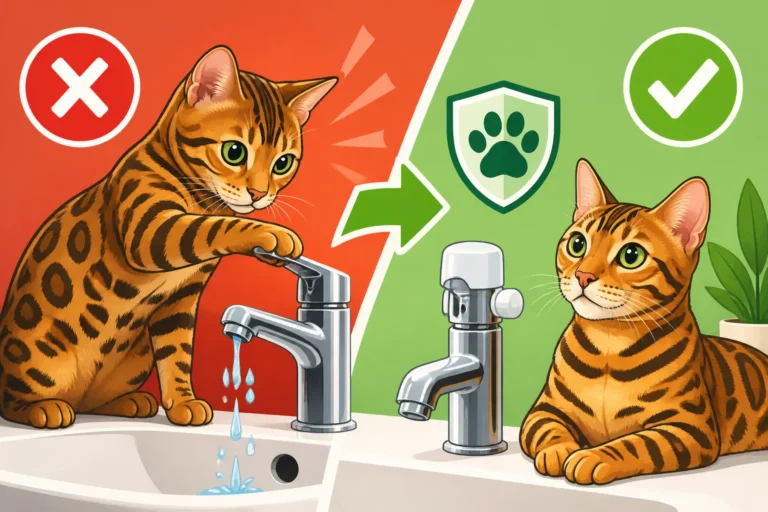
The sound and movement of running water are practically a siren call for many Bengal cats. Whether it's a dripping bathroom faucet, a kitchen tap left slightly ajar, or the stream from a pet fountain, they are mesmerized. Why a Bengal Cat Plays in the Sink is a common question, and it often boils down to pure, unadulterated sensory stimulation. The moving water provides visual interest, the sound is captivating, and the cool sensation on their paws is irresistible. Many Bengals will spend considerable time batting at the stream, trying to "catch" the water, or simply dipping their paws in for a drink. They might even try to turn the faucet on themselves if they're particularly clever and observe you doing it! This behavior isn't just cute; it's an important insight into their need for interactive play. If your Bengal is constantly trying to get to running water, it's a clear signal that they enjoy dynamic stimulation and might benefit from more engaging toys or a dedicated water fountain.
Bath Time and Shower Buddies
Perhaps the most astonishing behavior for many first-time Bengal owners is their cat's willingness, and often eagerness, to join them during bath or shower time. It’s not uncommon to hear tales of Bengals leaping into a half-filled tub or squeezing into the shower stall alongside their human. A Bengal Cat Gets in the Shower With You isn't an exaggeration for many owners. This behavior stems from a combination of their lack of innate fear of water, their intense curiosity, and their desire to be involved in whatever their humans are doing. For a Bengal, the bathroom can be another exciting environment to explore, and the shower, with its warm running water and steam, presents a unique sensory experience. They might initially just watch from the edge, batting at the falling water, but it often escalates to them wanting to fully participate. While it can be a fun bonding experience, remember that hot water can be dangerous for them, so always ensure the water temperature is safe if they're sharing your shower or bath. Their comfort in water also means that routine baths, if needed, are often much less stressful for a Bengal compared to other breeds.
Toilet Bowls and Paws in Water Bowls
While running faucets and showers are exciting, Bengals also have a unique way of interacting with more mundane water sources, often much to their owner's chagrin. One common (and slightly gross) habit is drinking from the toilet bowl. For a Bengal, the toilet offers a large, fresh-looking body of water that's always available. The ceramic bowl keeps the water cool, and they might even appreciate the constant "refill" mechanism if it’s recently been flushed, mimicking the running water they love. To prevent this, always keep your toilet lid down!
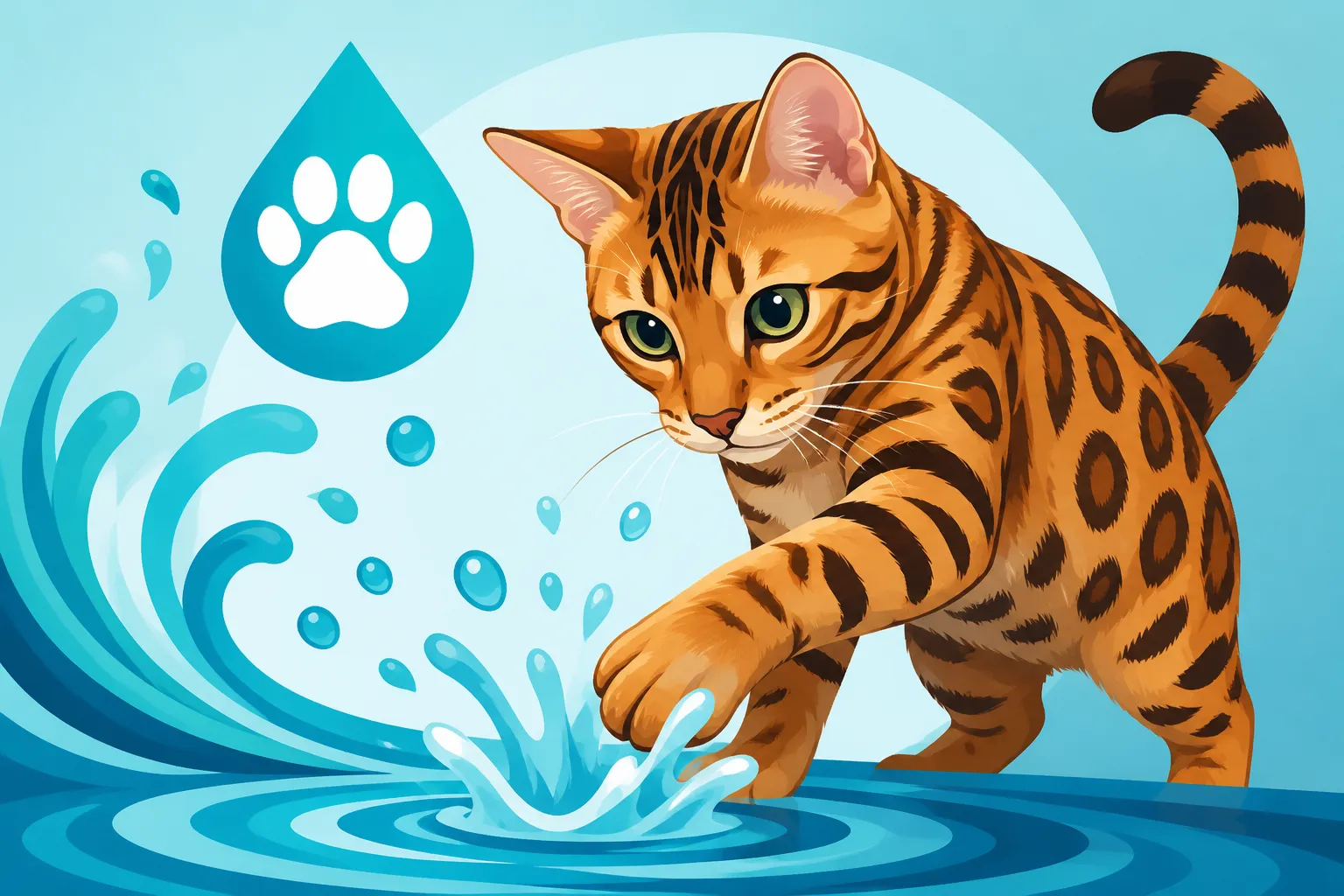
Then there's the classic water bowl saga. Many Bengals don't just drink from their water bowl; they play in it. They'll bat at the water with their paws, splash it out onto the floor, or even try to "fish" for imaginary prey. Why a Bengal Cat Plays in Its Water Bowl is another demonstration of their need for enrichment. This can be messy, leading to wet paws all over your home and perpetually damp floors around their bowls. It’s not malicious; it's simply their instinctual drive to interact with water. This can be particularly frustrating when you're trying to keep the house tidy.
Managing the Aquatic Bengal in Your Home
Living with a water-loving Bengal cat can be an adventure, but it doesn't have to mean constant puddles and soaked belongings. With a few thoughtful adjustments and a good understanding of their needs, you can encourage safe and enriching water play while minimizing the mess and potential hazards. It's all about channeling their natural inclinations into appropriate outlets.
Preventing Water Damage and Messes
The biggest headache for owners of water-loving Bengals is often the sheer amount of mess they can create. From knocking over water bowls to flooding sinks, their enthusiasm can be a bit much. Here are some strategies to keep your home drier:
- Heavy, Non-Tip Bowls: Ditch the lightweight plastic bowls. Invest in heavy ceramic or stainless steel bowls that are difficult to overturn. Some even come with rubber bases to prevent sliding.
- Waterproof Mats: Place a large, absorbent, or waterproof mat underneath their water bowls. This will catch splashes and spills, protecting your floors. You can find many options on Amazon.
- Elevated Bowls: Sometimes, an elevated bowl can reduce splashing, as they don't have to dip their head as far down.
- Childproof Locks on Cabinets: If your Bengal has learned to open cabinets, especially those under sinks, secure them with childproof locks. These cats are incredibly clever and persistent. You might be surprised at their ability to manipulate latches!
- Faucet Guards: For persistent faucet fiddlers, consider temporary faucet guards or simply ensure all taps are tightly turned off. If they're turning on lever-style handles, you might need to find a way to secure them when not in use.
- Toilet Lid Down: Make it a habit. Every single time. Not only does it prevent them from drinking from it, but it also stops them from playing in it and potentially falling in, which can be a real hazard for small kittens or older cats.
These preventative measures are about creating a safe environment and minimizing frustration for both you and your adventurous feline. It helps them engage their instincts without causing undue damage or stress. You don't want to discourage their natural inclination; you just want to manage it effectively. The article How to Stop a Bengal Cat Flooding the Bathroom offers more specific tips on this front.
Safe Water Play and Enrichment
Since water play is such a natural and enjoyable activity for Bengals, it’s important to provide safe and appropriate outlets for it. Rather than fighting their instincts, embrace them!
- Dedicated Water Play Sessions: Fill a shallow basin or a clean bathtub with an inch or two of cool water. Toss in some floating toys (catnip fish, plastic balls, rubber ducks) and let them "fish" them out. This is a great way to let them indulge their instincts without making a mess in unwanted areas.
- Interactive Water Toys: There are many cat toys designed for water play. Look for floating toys or submersible ones that encourage batting and hunting. Think about toys you might find for toddlers, as many are cat-safe and durable. Some interactive toys available on Amazon can provide hours of entertainment.
- Supervised Faucet Time: If your Bengal loves the faucet, dedicate a few minutes each day to letting them play with a slow stream of water in the sink. This satisfies their urge under your supervision and teaches them when and where it's acceptable.
- Consider a Small Pool (supervised): If you have an outdoor space, a small, shallow kiddie pool filled with a few inches of water can be an incredible source of supervised enrichment on warm days. Always ensure they can easily get in and out, and never leave them unattended. How Well a Bengal Cat Swims but safety is still paramount.
The key is to proactively provide ways for them to engage with water in a controlled environment. This not only keeps them happy and stimulated but also helps protect your home from their boundless aquatic energy. Remember, a Bengal cat with enough enrichment is a happy cat, and water is a fantastic tool in your enrichment arsenal. For more ideas on keeping your Bengal engaged, check out How Much Enrichment a Bengal Cat Actually Needs.
Providing Appropriate Water Sources
Given their preference for running water, investing in the right hydration tools can make a significant difference in your Bengal's health and happiness. Still water in a bowl might not always cut it for these particular furballs.
- High-Quality Water Fountains: This is almost a non-negotiable for many Bengal owners. A good pet water fountain mimics running water, encouraging them to drink more frequently. Look for fountains that are easy to clean, have multiple flow settings, and are made from durable materials like ceramic or stainless steel, as plastic can sometimes retain odors or be prone to algae buildup. There are many reliable brands on Amazon that offer features perfect for a playful Bengal.
- Multiple Water Stations: Place several water bowls or fountains around your home, especially in areas where your Bengal spends a lot of time. This increases the chances they'll drink regularly and can also reduce competition in multi-cat households.
- Freshness is Key: Even with a fountain, regular cleaning is crucial. Change the water daily in bowls and clean fountains thoroughly according to manufacturer instructions. Bengals are very sensitive to stale or dirty water, and they might reject it if it’s not up to their standards.
- Large, Wide Bowls: If you opt for traditional bowls, choose wide, shallow ones. Some cats don't like their whiskers touching the sides of narrow bowls, a phenomenon known as "whisker fatigue." This isn't specifically a Bengal trait but can contribute to them seeking alternative water sources.
By understanding why your Bengal loves water and implementing these strategies, you can turn a potential source of chaos into a wonderful opportunity for enrichment and bonding. Their unique personality, including their aquatic flair, is a huge part of what makes owning a Bengal cat so incredibly rewarding. It's truly something special, and embracing it makes for a much happier household.
| Water Interaction Type | Bengal Cat Motivation | Owner Management Strategy |
|---|---|---|
| Playing in Faucet/Sink | Hunting simulation, sensory stimulation, curiosity | Supervised play sessions, turn off taps tightly, childproof handles |
| Joining Baths/Showers | Curiosity, desire for closeness, lack of fear | Ensure safe water temperature, create dedicated splash zone |
| Drinking from Toilet | Cool, fresh-looking water, large volume | Always keep toilet lid down, provide alternative running water |
| Splashing Water Bowl | Play, hunting simulation, curiosity | Heavy, non-tip bowls, waterproof mats, water fountain |
| Obsession with Fountains | Instinctual preference for moving water, hydration | Provide good quality fountain, regular cleaning, multiple stations |
Disclaimer
This article is for general informational purposes only and does not constitute professional advice. Laws, prices and regulations vary by location and change over time. Consult a qualified professional for guidance on your specific situation.