Why a Bengal Cat Plays in Its Water Bowl
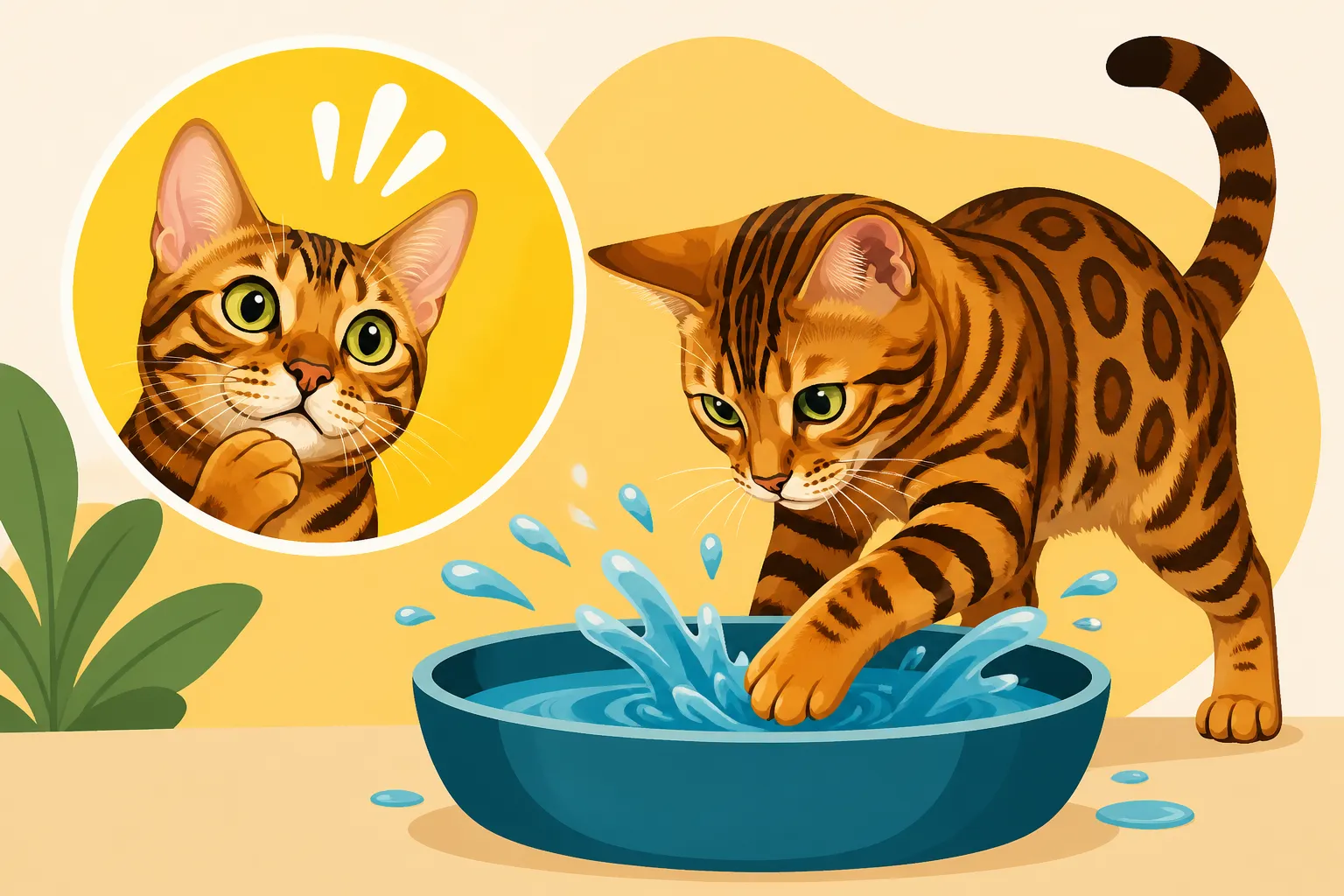
If you're a Bengal cat owner, you've probably witnessed it: your beautiful, sleek furball, instead of simply drinking from their water bowl, treats it like a personal swimming pool or a thrilling hunting ground. It's exasperating, especially when you find splashed water all over your kitchen floor, or worse, your Bengal starts "fishing" for imaginary prey in their bowl, tipping it over entirely. This guide will dive deep into why your Bengal cat has such a unique relationship with their water source and, more importantly, what you can do about it to maintain a dry floor and a happy cat.
The Deep Roots of Water Play: Wild Ancestry and Instinct
It’s easy to forget that beneath the domestic charm and glittering coat, your Bengal cat carries a significant wild heritage. They are, after all, a hybrid breed, a fascinating blend of domestic cat and the wild Asian Leopard Cat (ALC). This wild connection isn't just about their stunning spots and active nature; it profoundly influences many of their behaviors, including their notorious love affair with water.
The Asian Leopard Cat's Aquatic Tendencies
The Asian Leopard Cat, the foundational ancestor of the Bengal, is not your typical house cat when it comes to water. While most domestic cats view water with suspicion, if not outright disdain, ALCs are often found near water sources in their natural habitats across Asia. They are known to be proficient swimmers and will even hunt in shallow streams and ponds, using their paws to scoop fish, insects, or small amphibians. This isn't just a quirky habit for them; it's a survival trait. They use water to cool down, to clean themselves, and as a hunting ground.
When your Bengal cat dips a paw into their water bowl, bats at the surface, or even attempts to "dig" in it, they're likely tapping into these deeply ingrained, ancestral instincts. It's a remnant of that wild past, a genetic echo that tells them, "Hey, this water could be interesting!" It's a natural behavior, not a misbehavior, and understanding this can shift your perspective from frustration to fascination. This instinctual drive is a huge part of Why a Bengal Cat Loves Water.
Satisfying Natural Hunting Drives
For many domestic cats, playtime involves chasing toys, batting at feathers, or pouncing on laser pointers. For a Bengal, while they enjoy those activities, their innate predatory drive is often more intense. Think about it: a water bowl presents a novel, ever-changing surface. The ripples, the reflections, the slight movement of the water itself can trigger their hunting instincts. They might see their own reflection and try to "catch" it, or they might simply be simulating hunting small aquatic prey.
This isn't just about entertainment for them; it's about fulfilling a fundamental biological need. If your Bengal isn't getting enough structured playtime or mental stimulation, the water bowl becomes an easy, accessible, and endlessly entertaining outlet for these urges. It’s an interactive "toy" that’s always available. When considering what kind of enrichment your cat needs, remember that How Many Play Sessions a Bengal Cat Needs often goes beyond what a typical cat requires.
Environmental Factors and the Quest for Enrichment
Beyond their wild instincts, a Bengal cat's environment and daily routine play a massive role in why they might be turning their water bowl into a personal splash pad. Often, what appears to be mischievous behavior is actually a sign that your Bengal is seeking something more or that their current setup isn't quite meeting their unique needs.
Boredom and Lack of Stimulation
Bengals are incredibly intelligent and active cats, truly The Bengal Cat Is the Most Active Cat You Can Own. If they’re not adequately stimulated, boredom can set in quickly. A bored Bengal is often a destructive Bengal, or in this case, a watery Bengal. Splashing in the water bowl can be a self-made game, a way to entertain themselves when other options aren't available or engaging enough. It's a classic sign of an under-stimulated feline mind. Imagine being stuck in a room with nothing to do; eventually, you'd probably start poking at things to see what happens. Your Bengal is doing something similar, just with their paws and your pristine floor.
This isn't just about physical exercise; it's mental stimulation too. They need challenges, puzzles, and interactive play that engages their clever brains. Without enough opportunities to hunt, climb, or solve problems, the simple act of manipulating water becomes a stimulating activity. This is also why they might be drawn to How a Bengal Cat Reacts to a Laser or why Which Puzzle Feeder Beats a Bengal Cat becomes a constant challenge.
Seeking Fresh or Moving Water
Cats, in general, are often drawn to moving water because their instincts tell them that flowing water is fresher and safer than still water. Think about a wild cat in nature – a stagnant puddle might harbor bacteria, while a flowing stream is usually a better bet. While your tap water is perfectly safe, this ingrained preference for movement can make a still water bowl less appealing for drinking and more appealing for playful investigation.
A Bengal might paddle at the water, attempting to "stir" it up and encourage movement, or they might try to knock the bowl over, either accidentally creating movement or attempting to access a perceived "fresher" source on the floor. This strong preference is why many Bengal owners invest in water fountains, which we'll discuss as a solution. It's a natural inclination that, when not met with an appropriate drinking source, can manifest as playful, albeit messy, interaction with their current bowl. It really highlights Why a Bengal Cat Needs a Water Fountain.
Temperature Regulation and Grooming
While less common, sometimes a Bengal cat's water play can be related to temperature regulation or grooming. In warmer climates or during hot spells, dipping paws into cool water can be a way for them to cool down, especially given their relatively thin coats that don't offer as much insulation as other breeds. They might also instinctively use the water to clean their paws, an activity they'd typically do in a natural water source in the wild.
Even if your house isn't particularly hot, the sensation of cool water on their paws can be pleasant and soothing, especially after a vigorous play session. It’s part of their natural grooming routine, using water to rinse off anything that might be clinging to their paws. This primal connection to water for hygiene is another facet of their wild lineage, making them quite different from a domestic shorthair.
| Reason for Water Play | Underlying Cause | Common Manifestation |
|---|---|---|
| Ancestral Instinct | Asian Leopard Cat heritage, hunting in water. | Pawing, splashing, "fishing" in the bowl. |
| Boredom/Lack of Enrichment | High intelligence, extreme activity needs. | Turning water play into a self-made game or challenge. |
| Preference for Moving Water | Instinct that flowing water is fresher/safer. | Stirring, batting at water, attempting to tip. |
| Temperature/Grooming | Cooling down, cleaning paws. | Dipping paws, lingering in the water, splashing. |
Practical Solutions to Tame the Water Beast
So, you understand why your Bengal is doing it. Now, what can you actually do to stop the endless puddles and potential for slippery accidents? The good news is there are several effective strategies that cater to their unique needs while preserving your sanity and flooring.
Invest in a Heavy, Stable Water Bowl
First and foremost, address the practical aspect of a tipped-over bowl. Many standard ceramic or plastic bowls are simply too light and easily maneuvered by a determined Bengal. Look for heavy, non-slip options. Stainless steel bowls with rubber bases are a good start, but often even these can be pushed around. The best bet is a heavy ceramic bowl or, even better, a weighted pet bowl designed for enthusiastic drinkers (or players!). Some innovative designs even have a wide, shallow base that makes tipping incredibly difficult. Placing the bowl in a designated mat or tray can also catch spills.
Consider bowls that integrate into a stand or are heavy enough that your Bengal can't easily dislodge them. You might even find gravity-fed water dispensers that have a large, heavy base, making them more stable. While your Bengal might still splash, a sturdy bowl will at least prevent the catastrophic floods that come from a completely overturned dish.
Embrace the Water Fountain
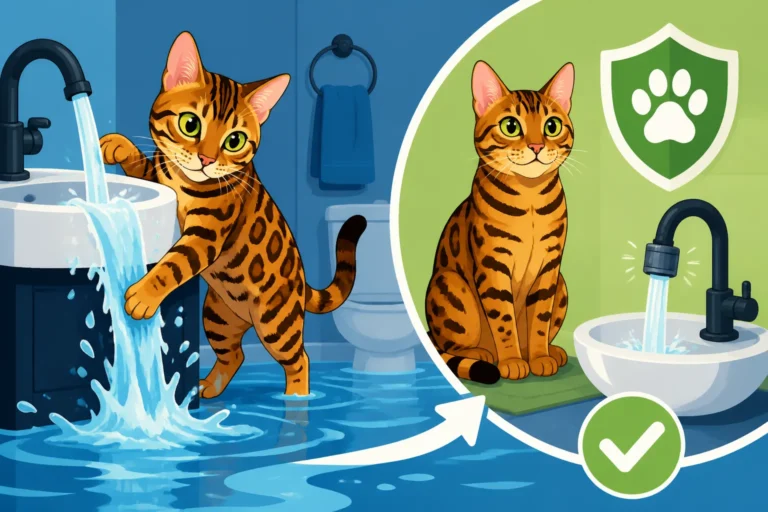
This is often the holy grail for Bengal owners struggling with water play. Given their preference for moving water, a good quality pet water fountain can satisfy their instinct to interact with flowing water in a controlled, less messy way. The constant circulation often discourages excessive splashing because the water is already "alive." Look for fountains with multiple streams or bubbling features, as these will be more engaging for your clever cat.
There's a wide range of options available, from ceramic to stainless steel to plastic. Each has its pros and cons regarding cleaning and durability. Many Bengal owners find success with larger capacity fountains, ensuring a continuous supply of fresh, filtered water. While a fountain might not stop all paw-dipping, it significantly reduces the likelihood of the bowl being treated as a personal swimming hole. Check out Which Water Fountain Survives a Bengal Cat for more specific recommendations, but many popular models can be found on platforms like Amazon.
Provide Alternative Water Play Opportunities
If your Bengal loves water so much, why not give them an appropriate outlet for that passion? This sounds counter-intuitive when you're trying to prevent splashing, but it's about redirecting the behavior. Fill a shallow pan or a clean bathtub with just an inch or two of water and toss in some floating toys. Ice cubes, ping-pong balls, or specialized cat toys that float can provide endless entertainment. You can even add a few drops of salmon oil to the water to make it more enticing (just make sure it's fish oil safe for cats).
This dedicated water play zone allows them to indulge their aquatic instincts without making a mess in their regular drinking area. It also serves as fantastic enrichment, tackling any underlying boredom. Supervise these sessions, of course, and then drain the water when playtime is over. This approach validates their natural tendencies while setting boundaries for where and when water play is acceptable. This also helps with How Much Enrichment a Bengal Cat Actually Needs.
Boost Overall Enrichment and Playtime
As we discussed, a bored Bengal is a creative (and often messy) Bengal. Increasing their overall daily enrichment and playtime can significantly reduce their need to create their own fun with the water bowl.
- Interactive Toys: Invest in wand toys that mimic prey movement, and engage in multiple play sessions throughout the day. Remember, How Long a Bengal Cat Plays in One Session can be surprisingly long!
- Puzzle Feeders: These challenge their minds and make them "work" for their food, burning mental energy. Look for robust options that can withstand a Bengal's cleverness.
- Vertical Space: Bengals are climbers. Provide tall cat trees, wall shelves, and cat highways to give them plenty of vertical territory to explore.
- Leash Training/Catios: If feasible, leash training your Bengal for walks outdoors or providing a secure catio can offer immense stimulation and fresh air. A Bengal Cat Walks on a Leash and Why a Catio Is the Answer to a Bengal Cat are great resources here. A secure outdoor space helps them experience the world in a safe way.
- Scheduled Play: Ensure you have dedicated, interactive play sessions. A tired Bengal is less likely to feel the need to invent water games out of boredom. Aim for several short, intense sessions daily rather than one long, desultory one.
By providing a rich, stimulating environment, you're meeting their needs proactively, making the water bowl less of a target for their playful, yet messy, explorations. Many fantastic enrichment toys and tools can be found on Amazon, from wall-mounted cat trees to complex puzzle feeders.
Consider Location and Multiple Water Sources
Sometimes, the simplest solutions are the most effective. Where is your Bengal's water bowl located? Is it in a high-traffic area where they might feel exposed or easily get overstimulated? Try moving it to a quieter spot. Also, consider having multiple water sources around your home. A fountain in one room, a sturdy bowl in another, and perhaps a shallow dish in a third can give your Bengal options and reduce the focus on just one spot for all their water-related activities.
For a Bengal that seems obsessed with their water, offering a variety of water sources might satisfy their curiosity and reduce the intensity of their interaction with any single bowl. They might be looking for a specific texture, temperature, or simply novelty. By offering choices, you're more likely to hit on what they truly want. Just ensure all bowls are cleaned regularly, as even Bengals can be particular about fresh water.
Disclaimer
This article is for general informational purposes only and does not constitute professional advice. Laws, prices and regulations vary by location and change over time. Consult a qualified professional for guidance on your specific situation.