Why a Bengal Cat Needs a Water Fountain
You’ve brought home that energetic, stunning Bengal cat, and you’re quickly learning that they’re not your average feline companion. One common frustration many Bengal owners face is ensuring their active, playful cat drinks enough water, especially when they seem more interested in batting at the tap than sipping from a bowl. This guide is here to shed light on why traditional water bowls often fall short for these unique cats and how a water fountain can be a game-changer for their hydration and overall well-being.
Why Bengal Cats Are Such Particular Drinkers
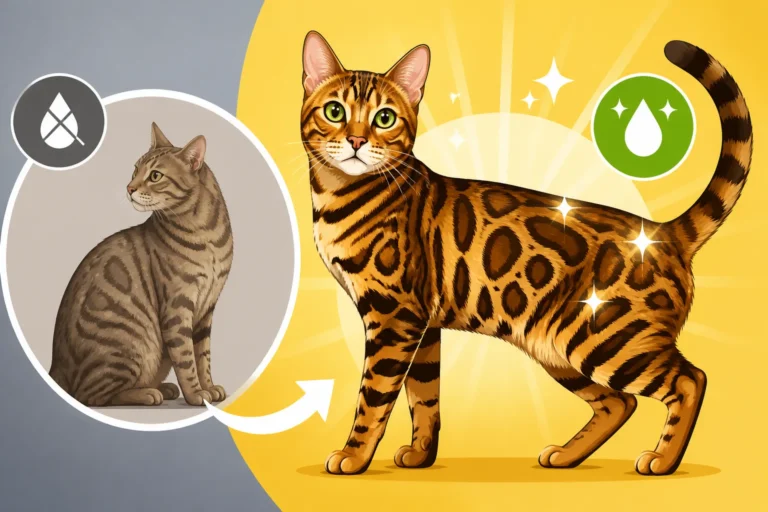
Bengal cats are truly a breed apart, and their drinking habits are no exception. Their wild ancestry, stemming from the Asian Leopard Cat, imbues them with instincts and behaviors that differ significantly from most domestic shorthairs. This heritage often translates into a preference for moving water, a natural instinct from their wild ancestors who would seek out fresh, flowing streams rather than stagnant puddles.
The Instinct for Flowing Water
Imagine a wild cat in its natural habitat. It wouldn't seek out a still pond or a puddle by the roadside, not if a babbling brook or a rushing stream was nearby. Stagnant water sources in the wild can harbor bacteria, parasites, and debris, making them less safe to drink. Flowing water, on the other hand, is generally fresher, cleaner, and more oxygenated. This innate preference for dynamic water sources is hardwired into your Bengal cat's DNA, and it's why they might turn their nose up at a bowl of still water, no matter how freshly you've filled it. They're simply listening to an ancient, evolutionary warning system.
This isn't just about safety; it's also about sensory appeal. The gentle gurgle, the shimmering movement, the cool sensation of flowing water – these are all signals to your Bengal that this water is good. They’ll often be more intrigued by a running faucet, even if it's just a drip, than a full bowl. This isn't them being difficult; it's them seeking out the best, most appealing hydration source based on millions of years of ancestral wisdom. It's a testament to how closely connected they still are to their wild roots, even generations removed from the jungle.
High Activity Levels and Increased Hydration Needs
If you live with a Bengal cat, you know they are bundles of energy. They run, jump, climb, and play with an intensity that can exhaust even the most dedicated owner. This high level of activity isn't just a fun quirk; it means their bodies are constantly working hard, burning calories, and naturally expending more water through respiration and metabolic processes. Just like a human athlete needs to stay well-hydrated, your Bengal cat, with their boundless How Active a Bengal Cat Is, has a greater physiological demand for water.
Think about it: after an epic chase around the house, a wrestling match with a favorite toy, or a vigorous session on their cat wheel, your Bengal isn't just tired; they're likely a bit parched. If the water source isn't appealing or easily accessible, they might not drink as much as their body truly needs. This can lead to a state of chronic mild dehydration over time, which silently takes a toll on their health. We often focus on what they eat, but adequate hydration is equally, if not more, critical for such an active creature. Their sleek, muscular bodies rely on efficient fluid balance to perform all those amazing acrobatic feats.
The Risks of Insufficient Hydration for Bengal Cats
It's easy to assume that if a cat is eating and appears healthy, they're drinking enough. However, for a Bengal cat, whose instincts might lead them to shun still water, this isn't always the case. Chronic, low-level dehydration can sneak up on you and your beloved feline, contributing to a host of health issues that could otherwise be prevented. The signs can be subtle, but the long-term impact on their vibrant health can be significant.
Urinary Tract and Kidney Issues
One of the most concerning long-term consequences of inadequate water intake in any cat, but especially a breed prone to being picky like the Bengal, is the increased risk of urinary tract problems. When a cat doesn't drink enough, their urine becomes more concentrated. This highly concentrated urine can lead to the formation of crystals and stones in the bladder and kidneys. These aren't just uncomfortable; they can cause painful infections, blockages, and even lead to severe kidney damage over time. Imagine trying to pass sandpaper through a straw – that's a bit what it can feel like for a cat with urinary crystals.
Beyond crystals, the lack of flushing action from ample water intake means that bacteria have a better chance to multiply and cause infections in the bladder. For a Bengal cat, who may already be predisposed to certain sensitivities, managing their urinary health through proper hydration is paramount. It’s a silent battle that often only becomes apparent when a crisis hits, like repeated trips to the litter box with no output, crying in pain, or even bloody urine. Prevention, in this case, truly is better than a cure, which often involves expensive vet visits, specialized diets, and a lot of discomfort for your cat. Many owners don't realize that Bladder Problems in a Bengal Cat can be significantly mitigated by simply encouraging more water consumption.
Digestive Problems and Chronic Diarrhea
Bengal cats are also notorious for having sensitive stomachs. Many owners struggle with finding the right food to keep their Bengal's gut happy and their stools firm. What often gets overlooked in the quest for the perfect protein or grain-free option is the role of hydration in digestive health. Water is absolutely essential for the proper function of the digestive system, from breaking down food to moving waste through the intestines. When a Bengal cat is dehydrated, even slightly, their digestive processes can slow down and become less efficient.
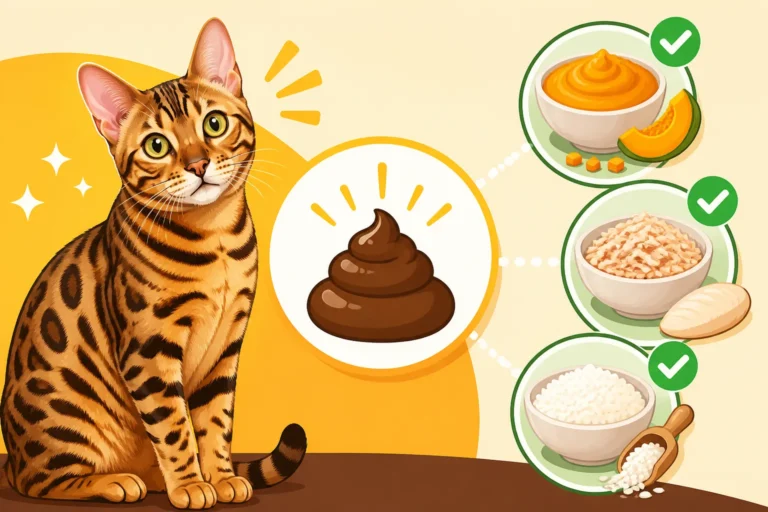
This can manifest as constipation in some cats, but for a Bengal, it can exacerbate existing tendencies towards loose stools or contribute to Chronic Diarrhea Is the Bengal Cat Complaint Nobody Warns About. Imagine trying to push thick mud through a dry pipe; that’s what a dehydrated digestive tract struggles with. Adequate water intake helps keep things moving smoothly, ensuring that food is properly digested and absorbed, and waste is expelled efficiently. Without enough water, nutrient absorption can also be compromised, potentially leading to dull coats, lower energy, and overall reduced vitality. It's a vicious cycle where a sensitive gut needs good hydration, but a cat with a sensitive gut might also be less inclined to drink from a less-than-perfect source.
Overheating and General Lethargy
Given their incredible energy levels, Bengal cats are constantly on the go. While they manage their body temperature through panting and sweating through their paw pads, sufficient internal hydration is crucial for thermoregulation. If a Bengal is not drinking enough, especially after a vigorous play session or in warmer weather, they can become more susceptible to overheating. Dehydration reduces blood volume and can impair the body's ability to cool itself effectively.
A Bengal cat that is not adequately hydrated might also display general lethargy, which can be alarming for owners used to their cat's relentless zest for life. While it's normal for them to crash after a play session, prolonged listlessness, reduced interest in games, or an unusually dull coat can all be subtle indicators of dehydration. Their muscles, which are so prominent and define their athletic build, rely heavily on proper fluid balance for optimal function. Without it, they simply won't have the stamina or the spring in their step that makes them so uniquely Bengal. It's not just about preventing serious illness; it's about maintaining their characteristic vibrant energy and ensuring they feel their absolute best every single day.
How Water Fountains Solve the Bengal Cat Hydration Puzzle
So, you understand why your Bengal needs more appealing water and the risks if they don't get it. Now, let's dive into how water fountains aren't just a fancy gadget, but often a genuine solution to these specific challenges, turning a potential health problem into a simple daily joy for your cat.
Mimicking Natural Water Sources
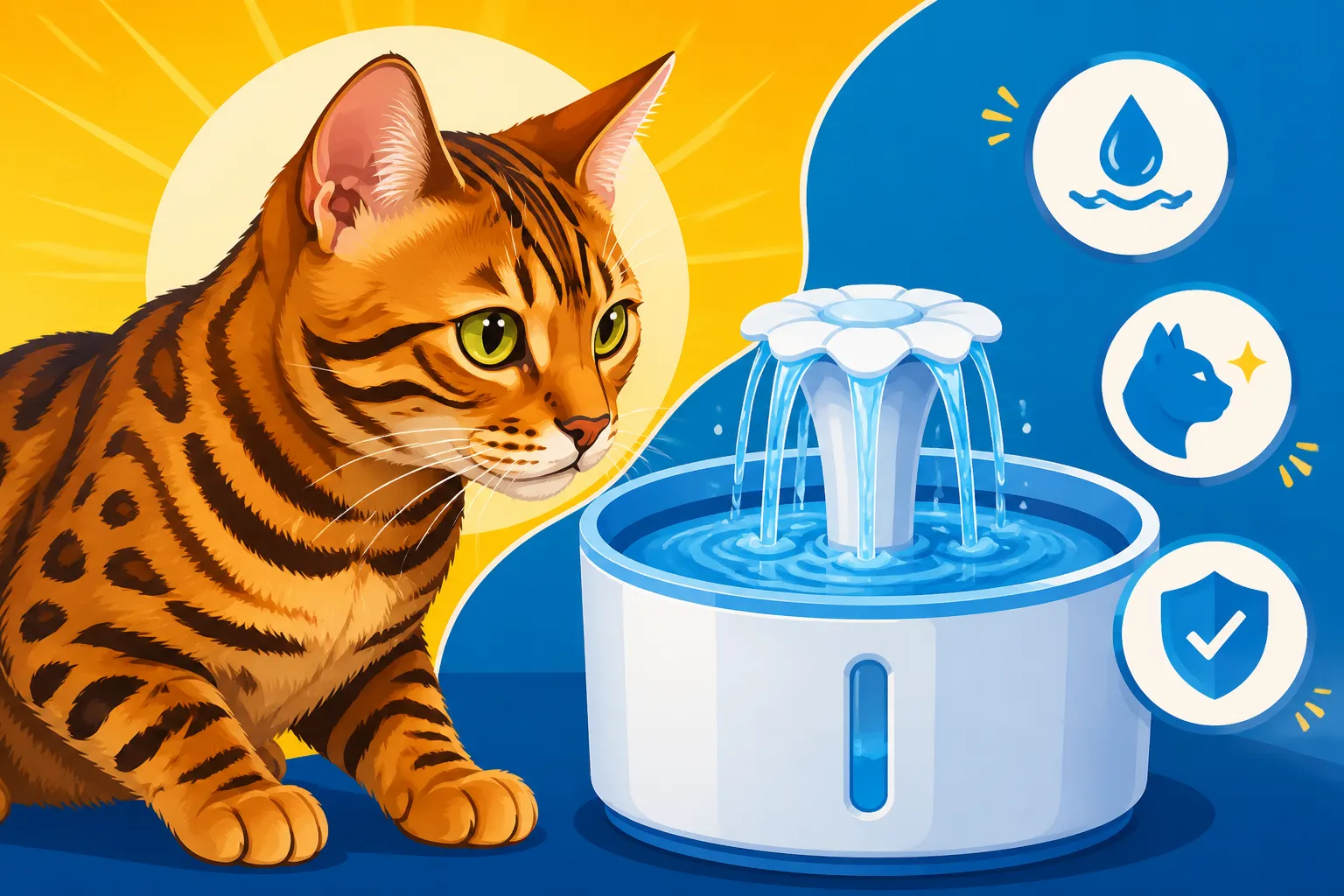
The primary reason water fountains are so effective for Bengal cats is their ability to mimic the flowing water sources that their wild ancestors instinctively sought out. A fountain provides constant movement, whether it's a bubbling spring, a gentle cascade, or a stream from a spout. This movement immediately makes the water more intriguing and appealing to your Bengal, triggering their natural inclination to drink from it. It's not just about the water itself, but the primal cues it sends.
Think about the difference: a still bowl of water can look stagnant, uninviting, and even a little 'dead' to a cat that prefers the dynamic environment of the wild. A fountain, on the other hand, is alive. It catches their eye, the sound often piques their curiosity, and the surface tension is constantly broken, making it appear fresh and safe. This simple act of simulating nature taps directly into their instincts, transforming a mundane necessity into an engaging experience. You'll often see them observing the fountain, sometimes batting at the streams, before settling down for a long, satisfying drink, fulfilling their ancient programming.
Increased Oxygenation and Freshness
Beyond the visual and auditory appeal, the continuous circulation of water in a fountain offers a tangible benefit: increased oxygenation. As the water moves and flows, it's exposed to the air, which helps to aerate it. This process not only makes the water taste fresher and more appealing to sensitive feline palates but also discourages the growth of certain bacteria that thrive in stagnant conditions. A well-maintained fountain provides a constantly refreshed supply, rather than water that sits for hours, collecting dust and losing its crispness.
Consider the alternative of a traditional water bowl. Even if you change the water frequently, it quickly becomes still, absorbing ambient odors and temperatures. Over time, a film can develop, making it less palatable for a fastidious creature like a Bengal. A fountain, with its integrated filtration system, works continuously to remove impurities, odors, and tastes, ensuring that every sip your Bengal takes is clean, cool, and inviting. This consistent freshness is a huge factor in encouraging more frequent and substantial drinking, making it a powerful tool in preventing dehydration and supporting their overall health.
Encouraging Playful Interaction and Engagement
One of the most charming, if sometimes chaotic, traits of Bengal cats is their love for water play. They often find fascination in running faucets, dripping showerheads, and even their own water bowls, often pawing at the surface or trying to "fish" imaginary prey. A water fountain capitalizes on this natural inclination, turning the act of drinking into an engaging, interactive experience rather than a chore. Many Bengals will spend time batting at the streams of water, watching the movement, and then, almost as an afterthought, pause to drink. This playful interaction significantly increases their time spent around the water source.
This isn't just about entertainment; it's about making hydration fun. For a breed that thrives on mental and physical stimulation, a fountain offers both. It becomes another "toy" in their environment, something dynamic and interesting to investigate. You might find your Bengal dipping a paw in, flicking water around, and then finally taking a good, long drink. This engagement is crucial because it overrides any aversion they might have to still water, making them more likely to hydrate regularly. It perfectly aligns with their inquisitive nature and their penchant for turning almost anything into a game, including their drinking water.
Choosing the Right Water Fountain for Your Bengal
So, you're convinced a water fountain is the way to go. Excellent! But walking into a pet store or browsing online can be overwhelming with the sheer number of options available. Don't worry, I've got you covered. Choosing the right fountain for your unique Bengal cat involves considering materials, capacity, filtration, and noise levels.
Material Matters: Stainless Steel, Ceramic, or Plastic?
The material of your Bengal's water fountain is more important than you might think, influencing everything from hygiene to durability and even taste.
- Stainless Steel: This is often considered the gold standard for pet fountains. Stainless steel is incredibly durable, resistant to scratches, and very easy to clean. It's also non-porous, meaning it won't harbor bacteria or absorb odors over time, which can be a common issue with plastic. Many cat owners find their Bengals prefer the taste of water from stainless steel because it doesn't impart any flavor. Brands found on platforms like Chewy offer a wide range of robust stainless steel options that can withstand a Bengal's playful nature.
- Ceramic: Ceramic fountains are another excellent choice for hygiene. Like stainless steel, ceramic is non-porous and easy to clean, resisting bacterial growth. They are also heavy and stable, making them less likely to be tipped over by a boisterous Bengal. Ceramic fountains often come in attractive designs, blending seamlessly with home decor. The main drawback is their fragility; a heavy knock could cause them to chip or break. However, for those seeking both aesthetics and cleanliness, ceramic is a fantastic option.
- Plastic: Plastic fountains are usually the most affordable and lightweight option. While convenient for some, they can be problematic for Bengal cats. Plastic can develop tiny scratches over time, creating microscopic crevices where bacteria can grow, leading to what some call "feline acne" around the chin. Plastic can also leach chemicals or impart a taste to the water, which might deter a discerning Bengal. If you opt for plastic, choose high-quality, BPA-free plastic and commit to rigorous daily cleaning to mitigate these issues. You can find basic plastic fountains on Amazon, but consider upgrading if your Bengal is particularly sensitive.
Capacity and Flow Settings
The capacity of the water fountain refers to how much water it can hold. For an active Bengal cat, you'll want a fountain with a generous capacity, ideally enough to last at least a few days between refills, especially if you have a multi-cat household or are away during the day. A larger reservoir also means the pump has a less frequent chance of running dry, which can damage it.
Flow settings are another crucial feature. Many fountains offer adjustable flow rates, from a gentle bubble to a strong stream. Some Bengals might be intimidated by a powerful gush, while others will love the challenge of batting at it. Experiment with different settings to see what your individual Bengal prefers. Some might prefer a quiet, gentle flow that mimics a natural spring, while others might be more drawn to a more dynamic, gushing cascade. The goal is to find the setting that most encourages consistent drinking. Remember, their interaction with the fountain is key, so don't be afraid to try different things until you hit the sweet spot.
Here’s a quick overview of common fountain types and their features:
| Feature | Plastic Fountain | Ceramic Fountain | Stainless Steel Fountain |
|---|---|---|---|
| Durability | Good, but prone to scratches | Excellent, but fragile if dropped | Excellent, highly robust |
| Hygiene | Can harbor bacteria in scratches | Very good, easy to clean | Excellent, non-porous, easy to sanitize |
| Taste/Odor | Can impart plastic taste/odor | Neutral, no taste/odor | Neutral, no taste/odor |
| Stability | Lightweight, can be tipped | Heavy, very stable | Stable, moderately heavy |
| Maintenance | Requires frequent deep cleaning | Regular cleaning | Regular cleaning |
| Cost | Lower | Medium to High | Medium to High |
| Appearance | Basic | Often decorative, blends with decor | Modern, sleek |
Filtration and Noise Levels
Effective filtration is non-negotiable for a cat water fountain, especially for a Bengal. Most fountains use a multi-stage filtration system that typically includes:
- Mechanical filtration: A foam filter that traps hair, debris, and larger particles, preventing them from clogging the pump and circulating in the water.
- Chemical filtration: Activated carbon filters remove unpleasant odors and tastes from the water, making it more palatable. This is vital for Bengals who might be sensitive to chlorine or other tap water impurities.
Regular replacement of these filters is crucial for the fountain to do its job. Depending on the brand and usage, you might need to replace them every 2-4 weeks. Neglecting filter changes can lead to water quality degradation, negating the benefits of the fountain. You can easily stock up on replacement filters through online retailers like Chewy or Amazon.
Noise level is another practical consideration. While some Bengals might be drawn to the gentle hum of a pump or the sound of flowing water, others, or even you, might find it disruptive. Modern fountains are designed to be relatively quiet, but some can still have a noticeable hum or splash. Read reviews from other pet owners to get an idea of the actual noise output. Factors like pump quality, fountain design (how the water falls), and even the water level can affect how noisy a fountain is. A fountain that's too loud might deter your sensitive Bengal from drinking, defeating the whole purpose. Aim for a fountain with a submersible pump and a design that minimizes splashing to ensure a peaceful drinking experience for everyone.
Maximizing the Benefits of Your Bengal's Water Fountain
Getting the right fountain is a fantastic first step, but how you introduce it and maintain it is just as important to ensure your Bengal truly reaps the benefits. A little effort on your part can make a big difference in turning a good idea into a hydration success story.
Proper Placement and Introduction
Where you place the water fountain can significantly impact its usage. Cats, including Bengals, prefer to drink in a location that feels safe and away from high-traffic areas where they might feel vulnerable. Avoid placing it directly next to their litter box; cats are fastidious and won't want to eat or drink near their waste area. Similarly, placing it right next to their food bowl might not be ideal, as some cats prefer separate dining and drinking spots. Consider a quiet corner in a room where your Bengal spends a lot of time, perhaps in a living area or a den.
When introducing the fountain, don't just toss out their old water bowl. Keep the traditional bowl available for a few days, placing the new fountain nearby. This allows your Bengal to investigate the new object at their own pace without feeling forced. Some cats are naturally curious and will take to it immediately, while others may need a bit more time. You can try dipping your finger in the flowing water and offering it to your cat, or even gently encouraging them to bat at the stream. Positive reinforcement, like praise or a tiny treat when they interact with it, can also help. Patience is key; eventually, their natural curiosity and instinct for flowing water should win out.
Regular Cleaning and Filter Replacement
This is perhaps the most critical aspect of owning a water fountain. Even with a sophisticated filtration system, fountains require regular cleaning to prevent the buildup of biofilm (that slimy layer you sometimes see) and ensure the water remains pristine. I recommend dismantling and washing the entire fountain, including the pump, at least once a week with soap and water. For stainless steel or ceramic, you can even run some parts through the dishwasher if they're dishwasher-safe. Neglecting this leads to bacteria, which defeats the purpose of providing fresh water and can even make your Bengal sick.
Filter replacement is equally important. The charcoal and foam filters will become saturated with impurities over time and lose their effectiveness. Most manufacturers recommend replacing filters every 2-4 weeks, depending on the number of cats and water quality in your area. Always keep spare filters on hand; you can often buy them in bulk from retailers like Chewy or Amazon, which saves you a last-minute scramble. Marking your calendar or setting a reminder on your phone can help you stay on schedule. Clean filters mean clean, fresh-tasting water that your Bengal will be eager to drink.
Combining With High-Moisture Diet
While a water fountain is a powerful tool for hydration, it's not the only piece of the puzzle. For an active Bengal cat, a high-moisture diet can significantly boost their overall fluid intake and support their sensitive digestive system. Canned wet food or even fresh, gently cooked options, can provide a substantial amount of water that your cat might not get from drinking alone. Many Bengals thrive on diets with a high percentage of protein and moisture.
Some premium pet foods focus on fresh, human-grade ingredients that naturally contain more moisture than dry kibble. Incorporating such a diet alongside a water fountain creates a synergistic effect, ensuring your Bengal is optimally hydrated from both food and drink. This dual approach is especially beneficial for breeds like the Bengal, who have higher metabolic rates and are prone to urinary and digestive sensitivities. Think of it as an extra layer of protection, complementing the fountain's appeal and giving your cat every advantage for a long, healthy, and hydrated life.
Disclaimer
This article is for general informational purposes only and does not constitute professional advice. Laws, prices and regulations vary by location and change over time. Consult a qualified professional for guidance on your specific situation.