Whether a Show Bengal Cat’s Coat Is Conditioned
One of the biggest worries I hear from aspiring Bengal cat owners, especially those curious about showing, is the daunting thought of elaborate grooming routines. You might imagine hours spent meticulously prepping a show cat's coat with an arsenal of conditioners, sprays, and special brushes. However, when it comes to a Bengal cat destined for the show ring, the truth is wonderfully simple: their coat is a marvel of natural beauty that requires surprisingly little artificial conditioning. This guide will dive into why their unique pelt needs minimal intervention and what truly makes a show-winning Bengal coat shine.
The Unique Nature of the Bengal Cat's Coat
Let's be real, a Bengal cat's coat isn't just "fur"; it's a completely different tactile experience. If you've ever had the pleasure of stroking a well-bred Bengal, you know exactly what I mean. This isn't your average fluffy housecat; this is a miniature leopard in texture and appearance. Understanding this fundamental difference is key to knowing why traditional conditioning methods simply aren't necessary, or even desirable, for a show Bengal.
Why It's a Pelt, Not Just Fur
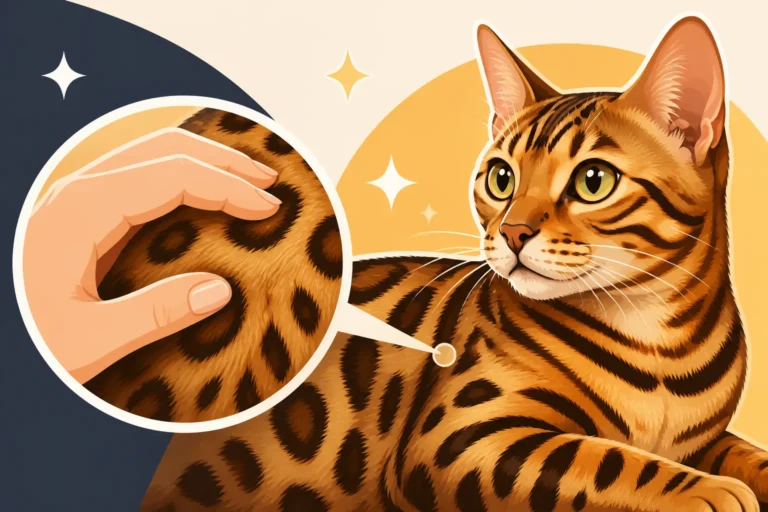
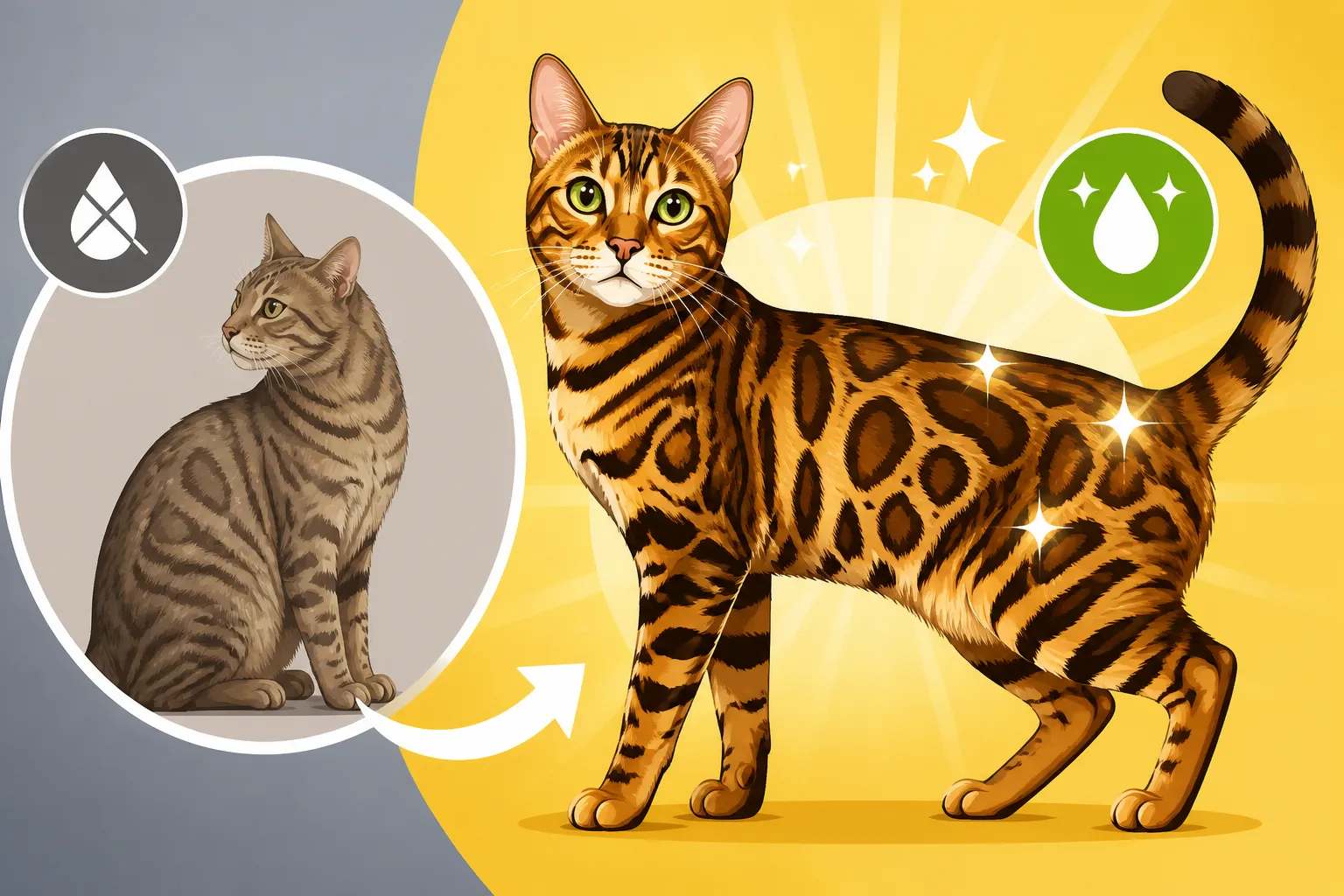
The term "pelted" is used to describe a Bengal cat's coat for a reason. Unlike many domestic cats with thick, often double-layered coats, a Bengal possesses a short, dense, and incredibly soft texture that lies close to the body. This characteristic directly descends from their wild ancestor, the Asian Leopard Cat. This short, close-lying hair is not designed for heavy undercoats that mat or require extensive brushing. It's built for sleekness and durability in a wild environment, which translates beautifully into a low-maintenance pet coat.
What does this mean for conditioning? It means there's simply less to "condition." A pelt doesn't absorb and retain heavy products in the same way a long, dense fur coat might. The natural oils produced by a healthy Bengal cat are usually more than enough to keep their coat in pristine, shimmering condition. Think of it less like conditioning human hair, and more like buffing a fine leather; you're enhancing its natural qualities, not fundamentally altering them. A Bengal Cat's Coat Is a Pelt, Not Fur delves deeper into this fascinating characteristic.
The Role of the Glitter Gene
Ah, "glitter"—one of the most enchanting features of a well-bred Bengal cat. This isn't something you spray on or rub in; it's a genetic trait that gives their coat an iridescent shimmer, as if dusted with gold or pearl powder. This translucency in the hair shafts catches the light and creates that magical sparkle. It's particularly noticeable on brown and snow Bengals, making their already stunning patterns even more captivating.
The glitter gene is entirely internal. No amount of external product can replicate it. In fact, applying heavy conditioners or oils might actually dull the natural glitter by coating the hair shafts and reducing their light-reflecting properties. A show judge wants to see the natural, genetic glitter, not a product-enhanced shine. So, rather than reaching for a conditioning spray, the best way to enhance glitter is to ensure your Bengal is healthy from the inside out. The Glitter Gene and What It Does to a Bengal Cat's Coat explains this phenomenon more fully.
Show Standards and Natural Beauty
When a Bengal cat steps into the show ring, judges aren't looking for a heavily "done" coat. They are evaluating how closely the cat adheres to the breed standard, and that standard heavily emphasizes natural health, clarity, and the unique characteristics passed down through generations. The focus is on genetics and overall well-being, not cosmetic enhancements.
What Judges Are Really Looking For
At a TICA or other cat show, judges inspect every aspect of a Bengal, from its head shape to its tail length, and of course, its coat. For the coat, they're assessing several key factors:
- Pattern Clarity: The vividness and contrast of rosettes or marbling against the ground color. This is paramount, and a coat weighed down by product can obscure this.
- Coat Texture: That smooth, close-lying, pelted feel is a hallmark. It should feel like silk. Why a Bengal Cat's Coat Feels Like Silk explores this sensory delight.
- Glitter: As mentioned, the natural, genetic glitter is highly prized.
- Condition: This refers to the overall health and sheen of the coat, which is a direct reflection of the cat's diet, genetics, and general care, not external conditioners. A dull, greasy, or flaky coat suggests health issues or improper care, which no amount of product can truly hide.
The expectation is that the cat is presented in peak natural condition. Anything that looks artificial or caked on will likely detract from their score rather than enhance it.
The Emphasis on Genetics and Health
A truly outstanding show coat begins with excellent genetics. Breeders strive to produce Bengals with clear patterns, brilliant color, and that unmistakable pelted texture. If a Bengal cat doesn't have these genetic predispositions, no amount of conditioning can magically create them. This is why choosing a reputable breeder who prioritizes health and adherence to the breed standard is so crucial.
Beyond genetics, overall health plays a massive role. A cat that is well-fed, free from parasites, and in good physical condition will naturally have a radiant coat. Imagine a cat with a poor diet, then trying to “condition” its coat – it's like painting over rust. It might look okay for a moment, but it's not truly healthy. A high-quality diet, for instance, provides the necessary nutrients for skin and coat health. Many owners find that premium foods contribute significantly to coat quality, while others prefer fresh options. The best “conditioning” happens from the inside out. What a Bengal Cat's Yearly Bloodwork Should Cover also touches on aspects of health that reflect in the coat.
Minimal Grooming for a Show Bengal
Given the Bengal's naturally exquisite coat, their show prep grooming routine is surprisingly low-key compared to many other breeds. The goal is to highlight their inherent beauty, not to mask or alter it. It's about cleanliness, a healthy diet, and a calm disposition, not a salon treatment.
The "Less Is More" Approach to Grooming
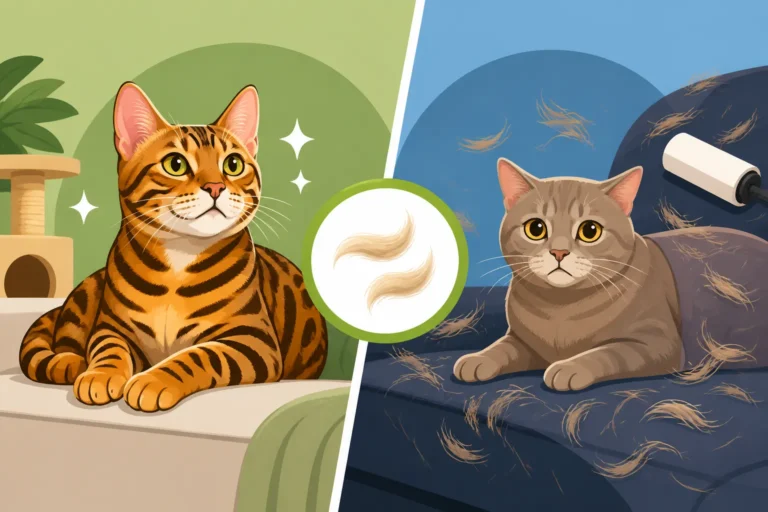
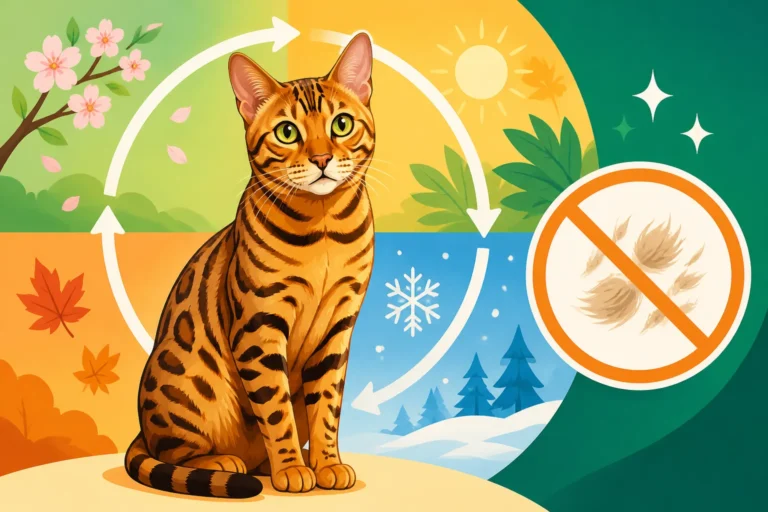
For a Bengal cat in the show ring, the mantra is definitely "less is more." Unlike long-haired breeds that require daily brushing to prevent mats or extensive trimming, a Bengal's short, close-lying pelt rarely mats and sheds minimally. A Bengal Cat Needs Almost No Grooming explains just how little effort is truly needed.
The main grooming steps for a show Bengal are:
- Bathing: A bath a day or two before the show is usually sufficient to remove any natural oils or dust and ensure the coat is sparkling clean. Use a gentle, cat-specific shampoo, thoroughly rinse, and ensure the cat is completely dry to prevent chilling or a dull finish.
- Light Brushing: A soft rubber curry brush or a grooming glove can be used gently to remove any loose hairs and distribute natural oils, enhancing the shine. This isn't about detangling; it's about polishing.
- Nail Trims: Essential for safety and presentation.
- Ear Cleaning: A quick check and gentle wipe with a vet-approved cleaner if needed.
That's largely it! The less you interfere with the natural integrity of the coat, the better.
Diet and Internal Health for Coat Radiance
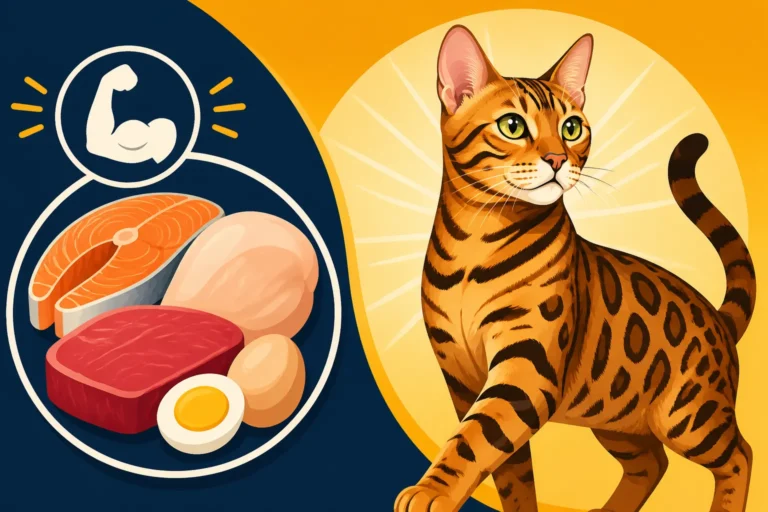
I can't stress this enough: what goes into your Bengal cat is far more important than what goes onto its coat. A diet rich in high-quality protein and essential fatty acids (like Omega-3s and Omega-6s) is fundamental for a lustrous, healthy coat. These nutrients support skin health, reduce shedding, and contribute to that natural sheen and vibrancy that judges adore.
Consider consulting with your veterinarian or a feline nutritionist about the best diet for your individual Bengal. Some owners opt for commercially prepared raw or high-meat-content wet foods, believing these mimic their wild ancestors' diet more closely and result in superior coat condition. Others find premium kibbles, especially those fortified with skin and coat supplements, perfectly adequate. Brands widely available on platforms like Amazon or Chewy offer a vast selection of quality foods that can support this. The healthier the cat, the more its natural beauty—including its magnificent coat—will shine through. How Much a Bengal Cat Eats to Fuel That Activity talks about their high energy needs.
When Products Might Be Used (and Why They're Different)
While the general rule for a show Bengal's coat is minimal intervention, there are a few rare instances where a very specific, light-touch product might be employed. However, it's crucial to understand that these are targeted solutions, not general "conditioning" in the traditional sense, and are used sparingly.
Targeted Solutions, Not Routine Conditioning
Occasionally, a Bengal might develop a slightly greasy tail (often called "stud tail," even in neutered cats) or have a bit of excess oil on their coat. In such cases, a very mild, cat-safe degreasing shampoo might be used only on the affected area, followed by a thorough rinse. This is about restoring the coat's natural cleanliness, not adding artificial shine or softness. The goal is to remove what shouldn't be there, allowing the natural pelt to present itself.
Similarly, if a cat has an unexpected spot or stain, a dry shampoo or a very light, localized cleaning might be used. But these are emergency measures, not part of a routine conditioning regimen. A good show handler knows how to prep a cat without relying on a slew of products that might ultimately detract from the cat's natural appearance. The emphasis is always on revealing the cat's inherent beauty, not creating it artificially.
Comparing Bengal Coat Prep to Other Breeds
To truly understand the Bengal's unique grooming needs (or lack thereof), it helps to contrast them with other breeds.
| Grooming Aspect | Typical Long-Haired Cat (e.g., Persian, Maine Coon) | Bengal Cat (Show Prep) |
|---|---|---|
| Brushing Frequency | Daily, extensive brushing to prevent mats, remove loose undercoat. | Minimal, light brushing with a rubber mitt to remove loose hairs and polish coat. |
| Bathing Frequency | Regular baths, often with conditioning treatments to maintain coat health/texture. | Occasional baths (e.g., before shows) with gentle, non-conditioning shampoo. |
| Conditioners/Sprays | Common practice: leave-in conditioners, detangling sprays, volumizing products. | Rare: generally avoided; may use targeted degreaser for specific issues. |
| Drying Method | Often requires careful blow-drying and fluffing to achieve desired volume/texture. | Towel dry, then air dry or light blow-dry for quick, sleek finish. |
| Focus | Styling, enhancing volume, preventing mats, achieving specific "look." | Cleanliness, natural health, highlighting genetic pattern and texture. |
As you can see, the difference is stark. While a Persian might spend hours being fluffed and styled, a Bengal's natural coat is its greatest asset. The "conditioning" for a show Bengal primarily happens through proper nutrition, excellent health care, and minimal, gentle cleaning. It's a testament to the breed's wild beauty that it needs so little adornment to shine in the ring. How a Bengal Cat's Pelt Is Judged in the Ring further elaborates on the criteria.
Disclaimer
This article is for general informational purposes only and does not constitute professional advice. Laws, prices and regulations vary by location and change over time. Consult a qualified professional for guidance on your specific situation.