Which Food Firms Up a Bengal Cat’s Stool
It's incredibly frustrating when your beautiful, energetic Bengal cat isn't feeling their best, especially when it manifests as persistent loose stools or outright diarrhea. You want them to be vibrant and healthy, but instead, you're constantly cleaning up messes and worrying about their well-being. This guide is here to walk you through the common reasons why your Bengal might be experiencing these gut issues and, more importantly, what you can do about it, focusing primarily on dietary solutions to help firm up their stool and bring comfort back to your feline friend.
Understanding Why Your Bengal Cat Might Have Loose Stools
Before we dive into solutions, it’s important to understand why Bengals often seem to struggle with digestive upset more than some other breeds. It’s not just in your head; there are some genuine reasons behind it.
The Sensitive Bengal Gut: A Common Frustration
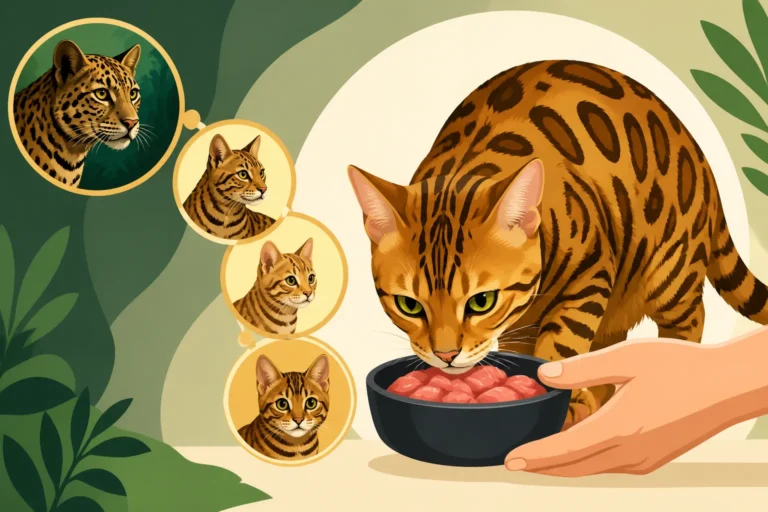
Many Bengal cat owners, myself included, have experienced the exasperating journey of trying to figure out why their cat has a perpetually upset stomach. It often feels like you're walking on eggshells with their diet, and a tiny change can send everything into disarray. This sensitivity stems partly from their wild ancestry. While our domestic Bengals are many generations removed from their Asian Leopard Cat forebears, some of that wild physiology, particularly concerning their digestive system, can persist. They are still obligate carnivores, built to process a diet rich in animal protein and moisture, with very little in the way of carbohydrates or plant matter. When their diet deviates too far from this, their systems can react with inflammation and poor digestion, leading to those all-too-familiar loose stools. It's a common complaint among Bengal owners, making it feel like their gut is a delicate ecosystem that’s easily thrown off balance. This can be a real headache when you're just trying to keep their litter box clean and your cat comfortable. If you're curious about the specifics, you can learn more about Why a Bengal Cat's Gut Is So Sensitive.
Common Culprits: What's Causing the Problem?
Loose stools aren't just a random occurrence; there's almost always an underlying reason. Pinpointing it is key to finding the right solution.
- Dietary Changes: Even a subtle switch in food brand, flavor, or protein source can upset a Bengal's sensitive stomach. Their gut bacteria can take time to adjust, and a sudden change can lead to an imbalance. It’s always best to transition foods very slowly over a week or more.
- Parasites: This is a huge one for Bengal cats, especially kittens from catteries. Common culprits include Giardia and Tritrichomonas foetus. These microscopic parasites wreak havoc on the intestinal lining, causing chronic inflammation and diarrhea. It's truly heartbreaking to see your kitten struggle, and it often requires specific veterinary intervention. What Tritrichomonas Does to a Bengal Cat is a topic worth researching if you suspect this.
- Food Allergies or Intolerances: Just like people, cats can develop allergies or intolerances to certain ingredients, most commonly protein sources like chicken, beef, or fish, or even grains and fillers. The body sees these ingredients as a threat and mounts an inflammatory response in the gut.
- Stress: Bengals are intelligent and sensitive creatures. Changes in their environment, a new pet, moving house, or even a shift in your daily routine can cause stress, which can manifest as digestive upset. Sometimes, the gut is the first place a cat shows anxiety.
- Bacterial Imbalances: Sometimes, the "good" and "bad" bacteria in the gut get out of whack. This dysbiosis can be caused by antibiotics, stress, or diet, and it prevents proper digestion and nutrient absorption.
- Inflammatory Bowel Disease (IBD): This is a more serious, chronic condition where the gastrointestinal tract becomes persistently inflamed. It often requires careful dietary management and sometimes medication.
- Unsuitable Food: Many commercial cat foods, especially dry kibble, contain a high percentage of plant-based ingredients, carbohydrates, and fillers that a Bengal's digestive system isn't designed to handle efficiently. This can lead to ongoing soft stools or diarrhea. It's shocking how many foods marketed for cats aren't truly optimized for their biology. You might be surprised to learn How Common Chronic Diarrhea Is in Bengal Cats due to these factors.
Dietary Adjustments: The First Line of Defense
Once you've ruled out immediate medical emergencies with your vet (which should always be your first step if diarrhea is severe or persistent), diet is almost always the next area to tackle. Making thoughtful adjustments can make a world of difference.
The Right Protein Level and Type
Bengal cats, stemming from wild felines, are obligate carnivores. This isn't just a fancy term; it means their bodies are optimally designed to thrive on a diet primarily composed of animal protein. They need a high percentage of easily digestible animal protein to support their lean muscle mass and high energy levels. When considering food to firm up stools, look for diets with a high animal protein content – generally 40% or more on a dry matter basis.
Furthermore, the type of protein matters. Common proteins like chicken and fish, while excellent for many cats, can be common allergens or difficult for particularly sensitive Bengals. If your cat is struggling, you might consider trying a "novel protein" diet. This means switching to a protein source your cat has never encountered before, such as venison, duck, rabbit, or even quail. By removing common allergens, you give their immune system a break and allow the gut to heal. The idea is to find a protein source that doesn't trigger an inflammatory response. Remember that Which Protein Percentage Suits a Bengal Cat is a critical factor for their overall health, not just stool consistency.
The Role of Wet Food vs. Dry Kibble
This is often a contentious topic among cat owners, but for Bengals with sensitive stomachs and loose stools, wet food generally reigns supreme. Here's why:
- Moisture Content: Cats are not naturally big drinkers, and they evolved to get most of their hydration from their prey. Dry kibble has very little moisture, which can put a strain on their kidneys and digestive system. Wet food, with its high moisture content (often 70-80%), helps keep the digestive tract hydrated, aids in the passage of food, and can prevent constipation that sometimes precedes loose stools as the body struggles to regulate.
- Ingredient Quality: Often, but not always, wet foods tend to have a higher meat content and fewer carbohydrates and fillers than dry kibble. These ingredients are more aligned with a Bengal's natural diet and are easier for their system to process, leading to firmer, healthier stools. It's a sad truth that many dry kibbles are heavily processed and laden with plant-based proteins and starches that are simply not ideal for a Bengal's gut.
- Digestibility: The process of digesting wet food is generally less taxing on a sensitive gut. The higher moisture content also helps the digestive enzymes work more efficiently. If you're dealing with loose stools, switching to an all-wet food diet, or at least significantly increasing the wet food proportion, can often be a game-changer. It's no wonder that Why Wet Food Suits a Bengal Cat's Gut is such a common point of discussion among informed Bengal owners.
Avoiding Problematic Ingredients
When you're scrutinizing cat food labels, it's not just about what should be in there, but also what shouldn't. Certain ingredients are notorious for causing digestive upset in sensitive cats, especially Bengals.
- Grains: While cats can technically digest some carbohydrates, their systems aren't designed for it. Many cats, and Bengals in particular, can be intolerant to grains like corn, wheat, or soy. These ingredients are often used as cheap fillers in dry kibble and can cause inflammation, leading to loose stools. A "grain-free" label doesn't automatically mean a food is good, as grains can often be replaced by other problematic starches like potatoes or peas, but it's a good starting point. Understanding Whether Grain Causes a Bengal Cat's Loose Stools is essential for dietary planning.
- Artificial Additives and Preservatives: Dyes, artificial flavors, and certain chemical preservatives can irritate a sensitive digestive tract. Always opt for foods with natural preservatives like tocopherols (Vitamin E) and avoid anything with ambiguous terms like "animal by-products" or "meat meal" without clear specification of the animal source.
- Excessive Fillers: Ingredients like beet pulp, cellulose, or high amounts of other plant fibers can sometimes be too much for a sensitive gut, especially if your cat isn't absorbing nutrients effectively. While some fiber is beneficial, too much can exacerbate loose stools.
Introducing Novel Ingredients and Supplements
Sometimes, simply changing the core food isn't enough, or you need some extra tools in your arsenal to support your Bengal's gut health. This is where specific supplements and dietary strategies come in.
Fiber: A Balancing Act
Fiber is a tricky one when it comes to firming up stools. Too much or the wrong type can make things worse, but the right kind can be incredibly helpful.
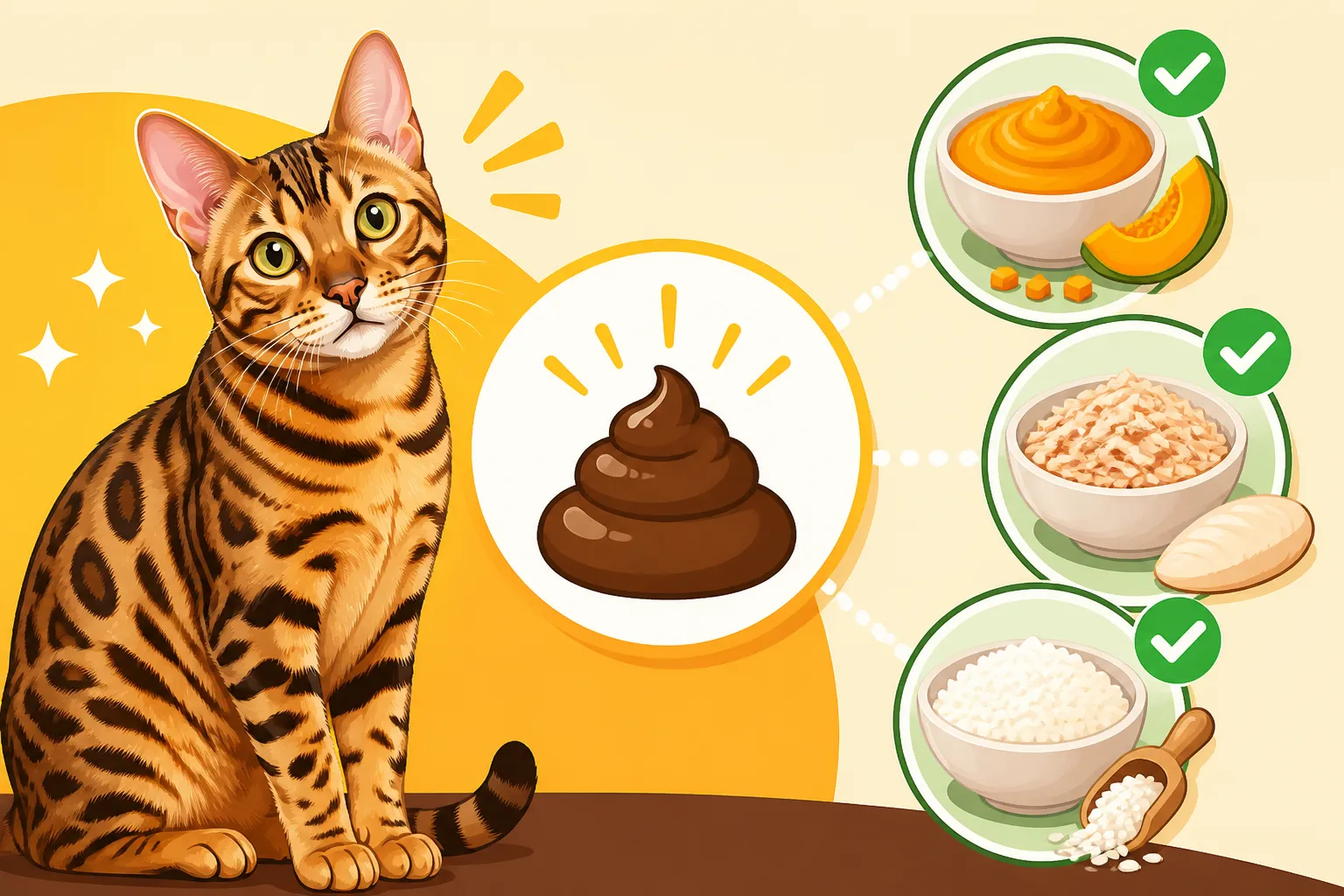
- Soluble Fiber: This type of fiber dissolves in water and forms a gel-like substance, which can help regulate stool consistency. It's fermented by gut bacteria, producing beneficial short-chain fatty acids that nourish the colon cells. Common sources include pumpkin (pure, canned pumpkin puree, not pie filling), psyllium husk, and certain prebiotics. A small spoonful of pumpkin added to your Bengal’s meal a few times a week can sometimes work wonders, helping to absorb excess moisture in the gut and bind the stool.
- Insoluble Fiber: This fiber doesn't dissolve in water and adds bulk to the stool, speeding up its passage through the digestive tract. While useful for constipation, too much insoluble fiber can sometimes be irritating to an already inflamed gut and might not be the primary solution for loose stools. The key is balance; consult your vet on the appropriate amount and type of fiber.
Probiotics and Prebiotics
These gut health powerhouses can be incredibly beneficial for a Bengal cat struggling with loose stools, especially if there's a bacterial imbalance.
- Probiotics: These are beneficial live microorganisms (like bacteria and yeast) that, when administered in adequate amounts, confer a health benefit on the host. Think of them as supplementing the "good" bacteria in your cat's gut. They can help restore balance after illness, antibiotic use, or stress, improving digestion and immune function. Look for feline-specific probiotic supplements. You can often find a good selection of these on platforms like Chewy or Amazon, but always check with your vet for recommendations.
- Prebiotics: These are non-digestible food ingredients that selectively stimulate the growth and/or activity of beneficial bacteria in the colon. In essence, they feed the good bacteria already present or those introduced by probiotics. FOS (fructooligosaccharides) and inulin are common prebiotics found in some cat foods or supplements. Combining probiotics with prebiotics can create a synergistic effect, really bolstering gut health. It’s worth exploring Whether Probiotics Help a Bengal Cat in specific situations.
Limited Ingredient Diets (LIDs) and Food Trials
If you suspect food allergies or intolerances are at play, a Limited Ingredient Diet (LID) or a proper food trial is your best bet.
- Limited Ingredient Diets (LIDs): These foods are formulated with a minimal number of ingredients, typically a single novel protein source (like venison or duck) and one carbohydrate source (like sweet potato, if any). The idea is to reduce the chances of encountering an ingredient that triggers an allergic reaction.
- Food Trials: This is the gold standard for diagnosing food allergies. It involves feeding your Bengal only a specific, novel protein and carbohydrate source for a strict period, usually 8-12 weeks, with absolutely no other treats, flavored medications, or accidental ingestion of other foods. If the loose stools resolve, you then reintroduce ingredients one by one to identify the culprit. This process requires dedication, but it’s incredibly effective. Many excellent veterinary-prescribed LIDs are available, which your vet can guide you on. You can often order these specific diets through online retailers like Chewy or Amazon once you have a veterinary prescription or recommendation. To understand more about this approach, read up on When a Bengal Cat Needs a Limited Ingredient Diet.
When to Consult Your Veterinarian
While dietary changes and supplements can be incredibly effective, there are definite times when you need to involve your veterinarian. Never hesitate to call them, as a Bengal's health can decline rapidly.
Red Flags: What Warrants an Immediate Vet Visit
It's natural to try home remedies first, but some symptoms with loose stools are absolute red flags that mean you need to get your Bengal to the vet now.
- Blood in Stool: Fresh red blood (hematochezia) or dark, tarry stools (melena) are serious indicators. Bright red streaks usually mean irritation in the lower digestive tract, while dark, sticky stools suggest bleeding higher up. Both warrant immediate investigation.
- Vomiting and Diarrhea Together: If your cat is experiencing both, especially repeatedly, they are at high risk of dehydration. This can quickly become life-threatening, particularly for kittens.
- Lethargy and Weakness: A cat with diarrhea who is also unusually tired, weak, unresponsive, or hiding more than usual is likely in distress and needs urgent care.
- Loss of Appetite or Water Refusal: If your Bengal stops eating or drinking, they can quickly become dehydrated and malnourished, compounding the problem.
- Pain or Abdominal Discomfort: If your cat cries out when touched, hunches, or appears to be in pain, it's a sign of a serious underlying issue.
- Weight Loss: Chronic loose stools prevent proper nutrient absorption, leading to unexplained weight loss, even if your cat is eating. Significant weight loss is a serious concern for any cat, and signs like pale gums can also be concerning, as discussed in Signs a Bengal Cat Is Anemic.
Diagnostic Tests for Persistent Issues
If loose stools persist despite dietary changes, your vet will likely recommend diagnostic tests to uncover the root cause. This is crucial for proper treatment.
- Fecal Examination: This is the most common and often first step. A fresh stool sample is examined under a microscope for parasites like Giardia, coccidia, and the often-missed Tritrichomonas foetus. A PCR panel can test for a wider range of pathogens. It's important to remember that some parasites like Tritrichomonas require very specific tests, as a standard fecal float might miss them. How a Vet Tests a Bengal Cat for Tritrichomonas outlines this process.
- Blood Work: Complete Blood Count (CBC) and Chemistry Panel can assess your cat's overall health, hydration status, organ function, and look for signs of inflammation or anemia that might point to a chronic issue.
- Abdominal Imaging: X-rays or ultrasound may be used to visualize the digestive tract, identify foreign bodies, tumors, or changes in organ size and shape that could be contributing to the problem.
- Food Allergy Testing (Elimination Diet): As mentioned, this is the most accurate way to diagnose food allergies.
- Intestinal Biopsy: In severe or chronic cases, a biopsy of the intestinal lining, usually obtained via endoscopy, might be necessary to diagnose conditions like IBD or lymphoma.
Prescription Diets and Medications
Once a diagnosis is made, your vet can recommend targeted treatments, which often include specialized diets and/or medications.
- Therapeutic Prescription Diets: These are not your average over-the-counter foods. They are specifically formulated to address various gastrointestinal issues. Examples include:
- Hydrolyzed Protein Diets: Proteins in these diets are broken down into tiny components, making them virtually unrecognizable to the immune system, thus reducing allergic reactions.
- Highly Digestible Diets: These are made with easily digestible ingredients to reduce the workload on a compromised gut.
- High Fiber Diets: Some specific fiber-rich diets can help regulate gut motility and promote healthy stool formation.
Your vet will recommend the best option for your Bengal's specific condition. These diets are typically available through veterinary clinics or with a vet's authorization from online pet supply stores like Chewy or Amazon.
- Medications:
- Antiparasitics: Specific medications are needed to eradicate parasites like Giardia (e.g., fenbendazole) or Tritrichomonas (e.g., ronidazole). Be aware that Which Drug Clears Tritrichomonas in a Bengal Cat can be quite potent and requires careful administration. Dealing with these infections can incur significant costs, so understanding What Treating Tritrichomonas Costs a Bengal Cat Owner can help you prepare.
- Antibiotics: May be prescribed if a bacterial overgrowth or infection is identified.
- Anti-inflammatory Medications: For conditions like IBD, steroids or other immunosuppressants might be necessary to control inflammation.
- Probiotics and Gut Support: Your vet may prescribe stronger, veterinary-grade probiotics or other supplements to help restore gut flora and integrity.
Remember, a holistic approach that combines proper veterinary diagnosis with appropriate dietary management and support is often the most successful path to firming up your Bengal cat's stool and getting them back to their playful, healthy self.
| Dietary Approach / Supplement | Potential Benefit for Loose Stools | Considerations |
|---|---|---|
| High Animal Protein Diet | Supports natural carnivorous physiology; better digestion | Ensure high-quality, named protein sources; check for allergens |
| Novel Protein Diet | Avoids common food allergens; reduces inflammation | Requires strict adherence; new protein must be truly novel to your cat |
| All-Wet Food Diet | Increases hydration; often lower in carbs/fillers | Can be more expensive; ensure it's nutritionally complete |
| Grain-Free Diet | Removes potential grain allergens/irritants | Ensure grains aren't replaced by other problematic starches (e.g., peas, potatoes) |
| Pumpkin (canned, pure) | Soluble fiber helps bind stools; provides prebiotics | Use pure pumpkin, not pie filling; start with small amounts |
| Psyllium Husk | Soluble fiber aids consistency | Must be mixed thoroughly with wet food and adequate water to prevent choking |
| Probiotics (Feline-specific) | Restores gut flora balance; aids digestion | Choose reputable brands; ensure live cultures |
| Prebiotics | Feeds beneficial gut bacteria | Often found in conjunction with probiotics or in specialized diets |
| Limited Ingredient Diet (LID) | Helps identify and eliminate food allergens/intolerances | Requires strict adherence; vet-guided food trials are most effective |
Disclaimer
This article is for general informational purposes only and does not constitute professional advice. Laws, prices and regulations vary by location and change over time. Consult a qualified professional for guidance on your specific situation.