What Fuzzies Are on a Bengal Cat Kitten
It’s a moment every new Bengal cat parent experiences: you bring home that adorable, spotted little furball, mesmerized by its wild beauty, only to wake up a few weeks later and wonder, "What on earth happened to my kitten's coat?!" Those crisp, distinct rosettes you fell in love with seem to have vanished, replaced by a dull, hazy, almost fuzzy blur. This guide is here to tell you that what you're seeing isn't a problem, but a perfectly normal, fascinating stage in your Bengal kitten's development known as "fuzzies," and we'll explore exactly what they are and why they happen.
Understanding What "Fuzzies" Are on a Bengal Cat Kitten
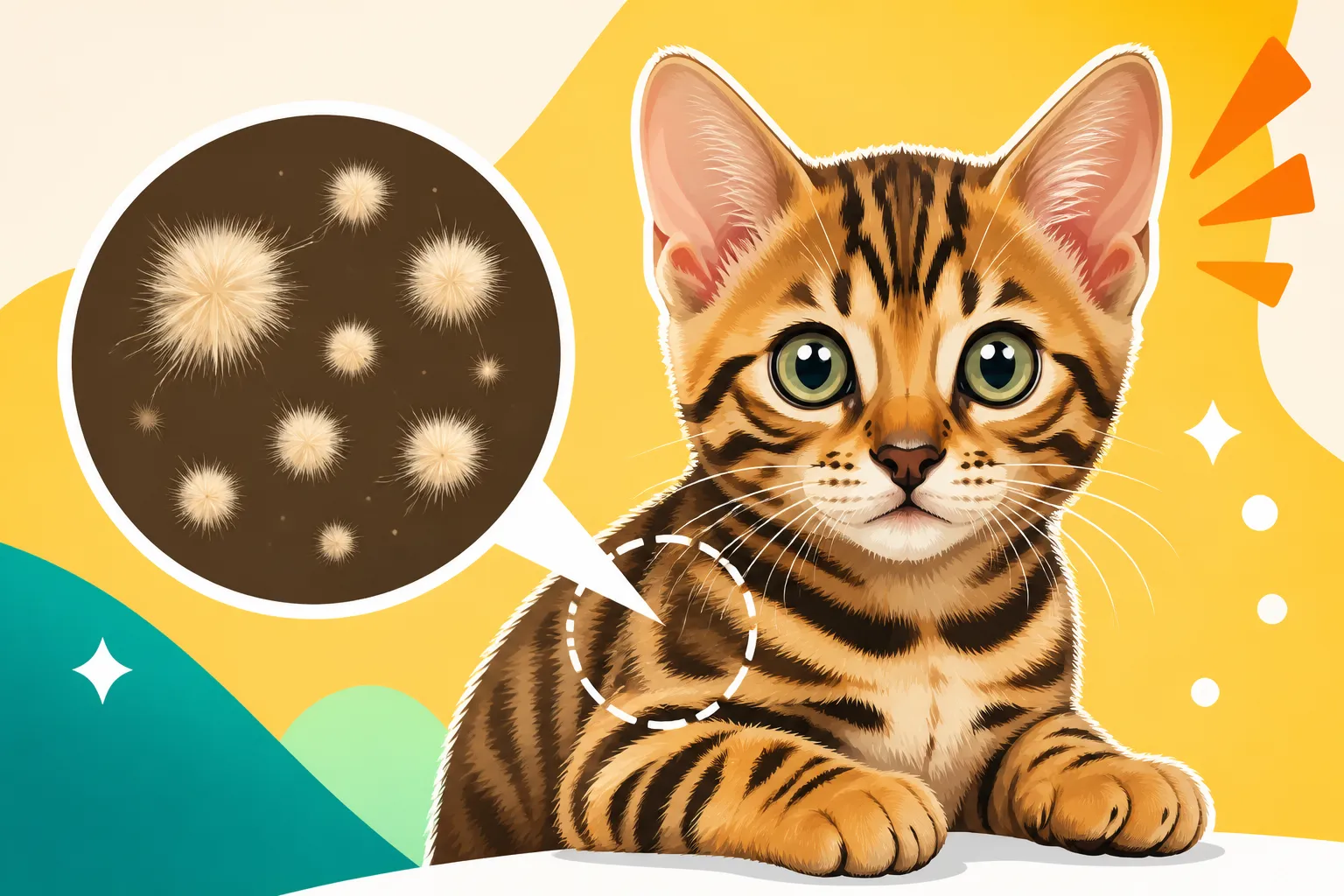
When you first lay eyes on a Bengal kitten, especially if you're lucky enough to see them right after birth, their pattern can be incredibly sharp and clear. Those spots and rosettes often stand out with remarkable contrast. But then, almost magically, this changes. Around a few weeks old, a Bengal kitten often develops what breeders affectionately call "fuzzies." This isn't a medical condition or a flaw in their genetics; it's a completely natural, temporary phase in their coat development that every single Bengal kitten goes through to varying degrees.
The Visual Transformation of a Kitten's Coat
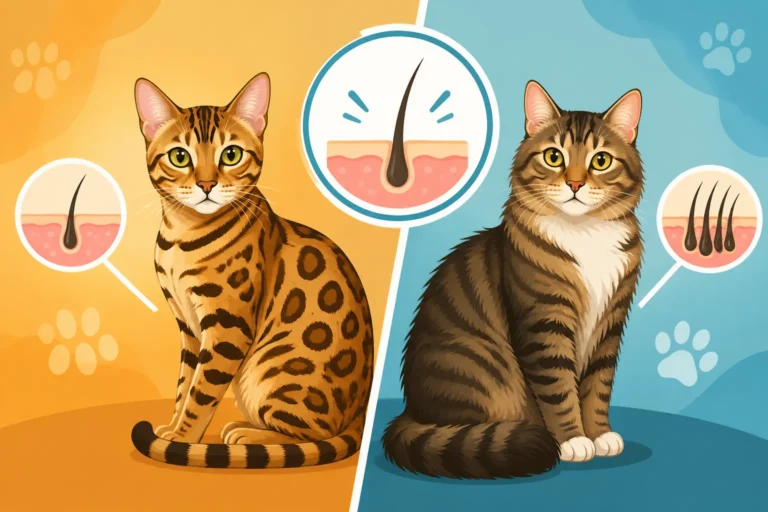
Imagine looking at a finely detailed painting, then someone takes a soft brush and lightly, almost imperceptibly, smears a thin, hazy layer over the top. That's what fuzzies do to a Bengal kitten's coat. The individual hairs grow longer and less sleek, often taking on a slightly coarse or woolly texture. This new growth subtly obscures the underlying pattern. Those perfectly defined rosettes or spots begin to look blurred, faded, or "fuzzy" around the edges. The contrast that was once so striking becomes muted, making the kitten appear less vivid and almost plain compared to its adult counterparts or even its newborn self. It can be quite startling if you're not expecting it, and many new owners initially worry that something is wrong with their beautiful, exotic-looking cat.
The amount of fuzziness can vary wildly from one kitten to another, even within the same litter. Some kittens might just have a light blurring, while others can look like their pattern has almost completely disappeared under a thick, woolly blanket. Factors like genetics, coat length, and even individual hair growth cycles play a role in how pronounced these fuzzies become. It’s important to remember that this isn't a permanent change, and it doesn't indicate a lesser quality coat or a genetic fault; it's simply a stage, much like a child losing their baby teeth or going through an awkward growth spurt.
The Evolutionary Reason Behind Kitten Fuzzies
To truly understand why Bengal kittens get fuzzies, we need to look back at their wild ancestor: the Asian Leopard Cat (ALC). The Bengal cat is a hybrid breed, created by crossing domestic cats with the ALC, and many of their unique traits come directly from this wild heritage. In the wild, survival is paramount, especially for vulnerable young animals. Baby ALCs, much like many other wild felid species, are born in dens or secluded nests. While their initial spots might offer some camouflage, as they start to venture out, they need more sophisticated protection.
This is where the fuzzy coat comes in. This temporary, softer, and more muted coat acts as a brilliant form of camouflage. Imagine a small kitten moving through tall grasses or dense undergrowth. A sharply defined, high-contrast pattern could actually make them stand out. However, a blurred, indistinct coat helps them blend into the dappled light and shadows of their natural habitat, making it incredibly difficult for predators to spot them. It's a natural "blur filter" designed by evolution to help these vulnerable youngsters survive their most precarious months. It allows them to move around with a better chance of going unnoticed by hawks, snakes, or larger mammalian predators. This protective measure typically lasts until the kitten is a bit older, stronger, and more agile, at which point the risk of predation lessens, and their adult coat can emerge.
Fuzzies Versus Adult Coat Development
It's common for new Bengal owners to worry that fuzzies are a sign that their kitten won't develop those stunning, high-contrast rosettes or marbling that define the breed. I remember one owner, Sarah, calling me in a panic because her otherwise perfect kitten, "Leo," was starting to look like a fluffy, spotted blob. She worried she'd been sold a "dud" kitten. I assured her this couldn't be further from the truth. Fuzzies are a completely separate stage from the development of the kitten's adult pattern quality.
A kitten with excellent pattern genetics will still go through the fuzzy stage, and once the fuzz clears, those beautiful, defined markings will emerge with all their glory. Conversely, a kitten that might not have the strongest pattern genetics to begin with won't be "saved" by the fuzzy stage; its adult pattern might still be less defined, but the fuzzies themselves don't dictate this. Think of it like a beautiful landscape temporarily obscured by a morning mist. The landscape's underlying features don't change, they're just hidden for a while. So, rest assured, the fuzzies are not a predictor of a dull adult coat; they are merely a temporary cloak. A reputable breeder will always be able to discuss the expected adult pattern based on the kitten's lineage and their own experience with how their lines "clear" from the fuzzy stage.
The Typical Timeline: When Fuzzies Appear and Disappear
Understanding the timeline of fuzzies can help manage expectations and alleviate concerns for Bengal cat owners. It’s not an overnight transformation, but a gradual process that unfolds over several months. This journey from birth to a clear adult coat is one of the many unique aspects of owning a Bengal.
When Fuzzies Typically Emerge
Most Bengal kittens are born with relatively clear, sharp patterns. Those first few weeks are a delight for spotting enthusiasts, as you can often see the distinct outlines of their rosettes or spots without much interference. However, as they hit the 3-week to 1-month mark, you might start noticing the first subtle signs of the "fuzzies." The coat begins to look a little less sleek, a little more textured, and the edges of the markings start to soften. This initial blurring then becomes more pronounced as the kitten grows.
By the time a Bengal kitten is usually around 8 to 12 weeks old, which is often when they are ready to go to their new homes, their fuzzies are typically at their peak. This can sometimes be a bit of a shock for new owners who might have seen photos of the kitten at a younger, clearer stage. Breeders often try to capture photos of kittens both before and during their fuzzy stage to give prospective owners a realistic expectation, but it's hard to truly grasp until you see it in person. The coat will appear dull, the colors less vibrant, and the patterns significantly blurred. This is the stage where many owners express their initial concern, but it's important to know this is absolutely normal.
The Clearing Process and Adult Coat Emergence
The good news is that fuzzies are not forever! The clearing process typically begins around 4 to 5 months of age, and it’s a gradual unveiling. The longer, softer hairs that make up the fuzzy coat slowly start to shed and are replaced by the shorter, sleeker, and more vibrant hairs of the adult coat. This isn't a uniform process across the entire body; you might notice areas like the face or legs clearing faster than the back or sides. It can be like watching a slow-motion reveal, as those stunning patterns you envisioned begin to re-emerge, sharper and more defined than ever.
The majority of Bengal cats will have largely cleared their fuzzies by 6 to 9 months of age, but some can take a bit longer. It's not uncommon for a Bengal to still be "clearing" or refining its coat until they are a year old, or even slightly beyond, especially for show-quality cats where every detail counts. The final, spectacular adult coat, with its vibrant colors, deep contrast, and shimmering glitter, will usually be fully established around 12 to 18 months. Patience is definitely a virtue during this period! You'll eventually see the true beauty of your Bengal shine through, as discussed in When a Bengal Cat's Adult Pattern Comes Through.
| Kitten Age (Approx.) | Coat Appearance & Stage | Owner Observation |
|---|---|---|
| 0-3 Weeks | Clear, sharp pattern | Distinct spots/rosettes visible. |
| 3 Weeks – 3 Months | Fuzzies emerging/peak | Pattern blurring, dullness, woolly texture. |
| 4-9 Months | Clearing begins/progresses | Pattern gradually sharpens, colors deepen. |
| 12-18 Months | Adult coat established | Full vibrancy, contrast, and glitter visible. |
The Role of Genetics and Health in a Bengal's Coat
While fuzzies are a natural part of a Bengal kitten's development, the overall health and genetic makeup of your cat play a significant role in how well their coat develops and appears once the fuzzy stage has passed. It's not just about waiting it out; proper care and good genetics provide the foundation for that magnificent pelt.
Impact of Genetics on Coat Quality and Fuzziness
Genetics are the blueprints for your Bengal cat's coat, influencing everything from the pattern type (rosetted vs. marbled), the clarity of those markings, the richness of the color, and even the presence of glitter. A kitten from well-bred lines, with parents known for excellent coat quality, will typically have a better chance of developing a spectacular adult coat, even if their fuzzy stage is particularly pronounced. The "fuzz" itself is a genetically inherited trait from the Asian Leopard Cat, so it's a marker of the breed's authenticity rather than a flaw.
What the fuzzies don't change is the underlying genetic quality of the pattern. A kitten genetically predisposed to beautiful, open rosettes will eventually reveal those, even if they looked like a blurry mess for a few months. Conversely, a kitten with weaker pattern genetics won't suddenly develop stunning rosettes just because the fuzz clears. It's like unwrapping a present; the wrapping (fuzz) doesn't change what's inside (the genetic pattern). This is why choosing a reputable breeder is so crucial – they understand their lines and can predict with reasonable accuracy what the adult coat will look like, despite the fuzzy stage. Learning about How a Bengal Cat's Generation Is Counted can also give you insight into the genetic influence from their wild ancestors.
Nutrition and Coat Health During the Fuzzy Stage
A Bengal cat's coat, whether fuzzy or sleek, is a reflection of their overall health. During the intense growth phases of kittenhood, and especially as their coat transitions through the fuzzy stage, proper nutrition is absolutely vital. A high-quality, protein-rich diet provides the essential building blocks for healthy skin and hair. Look for foods that list meat as the first ingredient, and ensure they have a good balance of omega fatty acids, which contribute to skin health and a shiny coat.
For a growing Bengal kitten, this means a diet formulated for kittens, often higher in calories and specific nutrients needed for development. There is a wide selection of high-quality kitten foods available, and fresh, human-grade food can be excellent for coat health. If your kitten's coat seems unusually dull, greasy, or if they have excessive shedding beyond the clearing of fuzzies, it could indicate a nutritional deficiency or an underlying health issue, and a vet visit is in order. Remember, the journey from fuzzy kitten to magnificent adult requires consistent, top-tier nourishment.
Caring for Your Fuzzy Bengal Kitten
The fuzzy stage is a normal part of your Bengal's development, but it doesn't mean your kitten is any less beautiful or deserving of proper care. In fact, providing consistent care during this period supports their overall health and prepares them for their stunning adult coat.
Grooming Needs During the Fuzzy Phase
You might think a fuzzy coat would need more grooming, but Bengal cats are naturally low-shedding and self-sufficient groomers. Even during the fuzzy stage, their needs are minimal. The longer, softer hairs don't typically mat or tangle, unlike some long-haired breeds. A soft brush, used once or twice a week, is usually sufficient. This helps to remove any loose hairs and dead skin, stimulates blood circulation to the skin, and helps distribute natural oils, contributing to a healthier coat once the fuzzies start to clear. More importantly, it's a fantastic bonding opportunity!
Regular gentle brushing also gets your kitten accustomed to being handled, which is invaluable for future vet visits or nail trims. Think of it as preventative care for their temperament as much as for their coat. As they get older, you'll find that A Bengal Cat Needs Almost No Grooming even when their adult coat comes in, thanks to their unique pelt-like fur.
Reassurance and Patience for New Owners
It's completely normal to feel a little disappointed or even worried when your Bengal kitten’s striking pattern seemingly disappears under a veil of fuzz. Many first-time Bengal owners experience this, convinced their kitten is losing its beautiful spots forever. I’ve heard countless stories from people who initially thought something was wrong. But I can't stress this enough: patience is key. This phase is a temporary part of their journey to becoming the majestic, wild-looking cat you envisioned.
Instead of focusing on the temporary dullness, try to appreciate this unique developmental stage. It’s a direct link to their wild ancestry and a testament to their natural design. Before you know it, that beautiful pattern will begin to emerge, and you'll witness a stunning transformation. While you're waiting for the fuzzies to clear, consider investing in engaging toys and puzzle feeders from places like Amazon to keep your active kitten stimulated, which is crucial for overall well-being. Focusing on their playful personality and robust health will make the wait fly by. Your fuzzy kitten will soon be a sleek, spotted marvel.
Common Misconceptions About Kitten Fuzzies
There are a few myths and misconceptions that swirl around Bengal kitten fuzzies that are worth debunking. One common fear is that fuzzies mean the kitten isn't a "true" Bengal or that it indicates poor breeding. This is absolutely false. As we've discussed, fuzzies are a hallmark of the breed's wild lineage; a Bengal without fuzzies would actually be more unusual and might suggest a lack of their Asian Leopard Cat heritage. Reputable breeders expect and understand this stage.
Another misconception is that the fuzzies are a sign of illness or a nutritional deficiency. While extreme dullness, poor coat condition, or hair loss can indicate health issues, normal kitten fuzzies are a healthy, natural phenomenon. If you have concerns about your kitten's overall health, always consult your veterinarian. However, simply seeing a blurry pattern during this developmental window is not a cause for alarm. Embrace the fuzz, appreciate the wildness it represents, and enjoy watching your kitten transform before your very eyes.
Disclaimer
This article is for general informational purposes only and does not constitute professional advice. Laws, prices and regulations vary by location and change over time. Consult a qualified professional for guidance on your specific situation.