When a Bengal Cat’s Adult Pattern Comes Through
Bringing home a Bengal kitten is an absolute joy, isn't it? You're probably captivated by their boundless energy and playful antics. But if you’re anything like the many new Bengal parents I’ve chatted with, you might also be looking at that fuzzy little coat and wondering: "When exactly will those stunning, vivid patterns I fell in love with finally shine through?" It's a common concern, this anticipation of the magnificent adult coat that defines the Bengal breed. This guide will walk you through the fascinating journey of your Bengal kitten's coat development, from the adorable "fuzzy" stage to the breathtaking clarity of their mature pattern, helping you understand what to expect every step of the way.
Understanding Bengal Cat Kitten "Fuzzies"
When your Bengal kitten first comes home, you might notice their coat isn't as sharp or defined as the adult Bengals you've seen in pictures. This isn't a flaw; it's a completely normal, and frankly, rather clever, stage of their development often referred to as "fuzzies."
What are "Fuzzies" and Why Do They Happen?
"Fuzzies" manifest as a temporary, dulling layer of longer, often darker guard hairs that essentially obscure the beautiful rosettes or marbling underneath. Imagine a soft, slightly blurry filter over their coat – that's the fuzzy stage. It can make a kitten's pattern look less contrasted and a bit muted, which can sometimes lead to new owners worrying if their kitten will ever develop that coveted wild look.
But rest assured, this isn't a defect; it's a genetic throwback to their wild ancestors, the Asian Leopard Cat. In the wild, young leopard cat kittens rely on this natural camouflage to blend into their surroundings, helping them hide from potential predators during their most vulnerable stage. This ingenious biological trick is Why a Bengal Cat Kitten Looks Dull for Months during their early weeks. It's a testament to the Bengal's unique heritage and a delightful reminder of the wild spirit that runs through their veins.
The Purpose of the Camouflage Phase
The fuzzy stage isn't just a quirky aesthetic; it serves a vital purpose in nature. For a wild cat kitten, being born with a distinct, high-contrast pattern could make them stand out to predators in the dense undergrowth. The longer, softer "fuzzy" hair acts as a natural cloak, breaking up their outline and allowing them to blend seamlessly with dappled sunlight and shadows on the forest floor.
While our pampered pet Bengals no longer face the daily threat of predators, this instinctual camouflage mechanism remains deeply embedded in their DNA. It’s a temporary blessing of evolution, ensuring that even in your living room, your little hunter is perfectly equipped with survival traits. It's truly fascinating to see this wild trait in action, even when the biggest threat your kitten faces is the vacuum cleaner!
How Long Do "Fuzzies" Typically Last?
The duration of the fuzzy stage can vary quite a bit from one Bengal kitten to another, but generally, you'll start to see it appear around 4-6 weeks of age. It often reaches its peak fuzziness between 8-12 weeks, which is usually when many kittens are getting ready to go to their new homes.
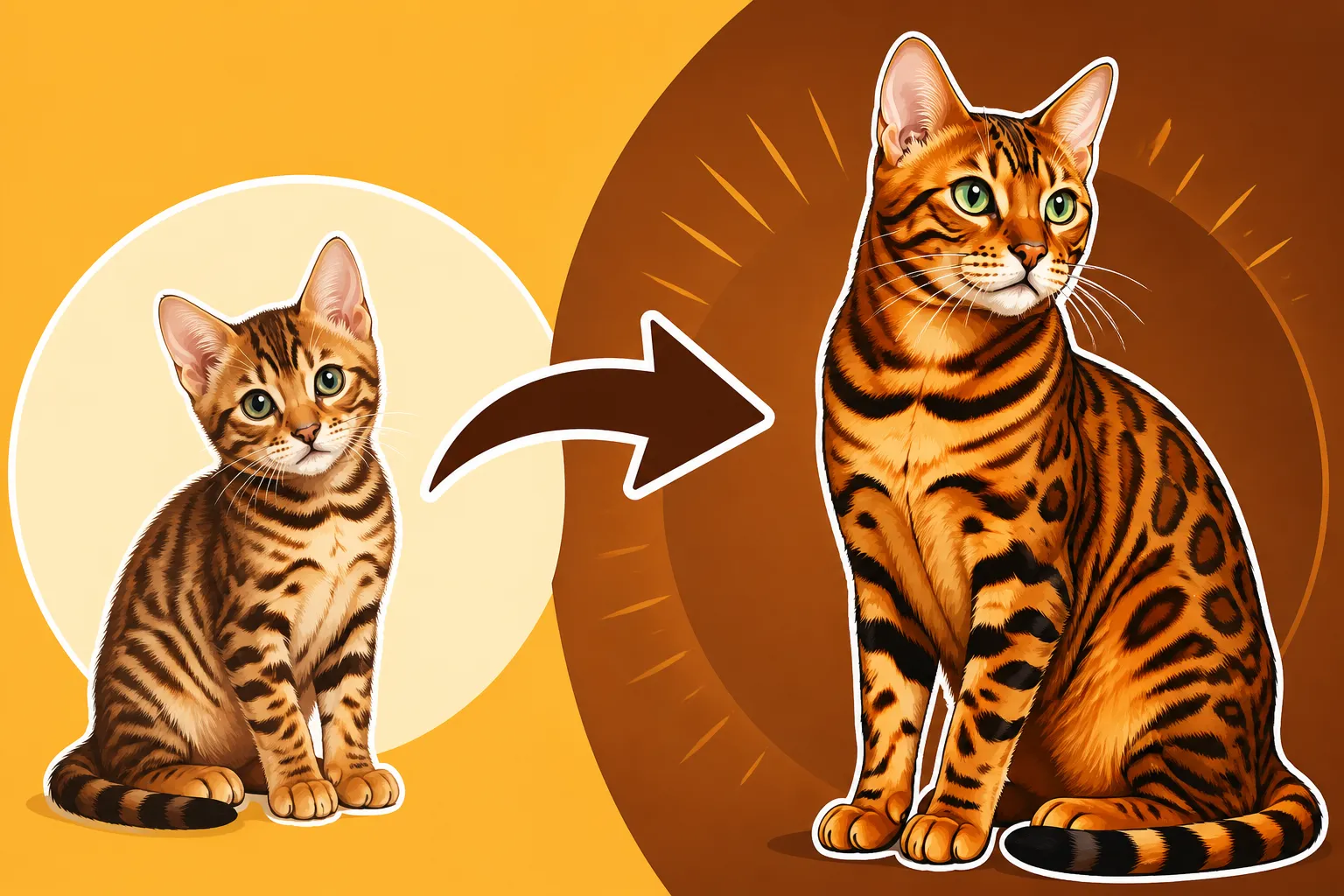
The good news is, it's a transient phase! Most Bengal kittens will begin to "clear" their fuzzies, meaning the pattern beneath starts to become more defined and vibrant, somewhere between 12-16 weeks. However, it's not an overnight transformation. This clearing process can continue gradually over several months, sometimes even up to a year or more, until their adult coat is fully revealed. So, if your kitten still looks a bit blurry at four months, don't fret; it's completely normal. You'll wake up one day and suddenly notice their rosettes popping with a clarity you hadn't seen before. Understanding When a Bengal Cat Kitten's Fuzzies Clear helps manage expectations and appreciate each stage of their unique development.
The Transformation: When the Adult Pattern Emerges
Watching your Bengal kitten's pattern emerge from the fuzzy stage is truly one of the most rewarding parts of being a Bengal owner. It's like unwrapping a slowly revealed piece of living art.
Key Milestones in Pattern Development
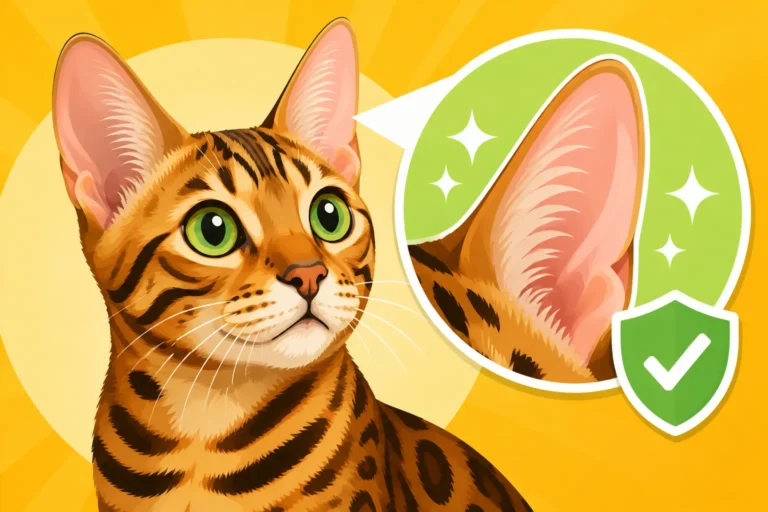
The emergence of your Bengal's adult pattern is a gradual evolution, not a sudden metamorphosis. You won't simply wake up one morning to a fully formed, clear pattern. Instead, it's a series of subtle changes that accumulate over weeks and months. Often, the first areas to show clearer definition are around the face, particularly the "mascara" markings around their eyes, and sometimes their legs. Then, slowly but surely, the body pattern starts to intensify.
You might notice the edges of their rosettes or marbled swirls becoming sharper, with a clearer delineation between the darker markings and the lighter background color of their coat. The contrast, which was muted by the fuzzies, will begin to dramatically increase. This can be most noticeable in natural daylight, where the depth and richness of their markings really start to pop. It's a journey that typically begins around 3-4 months of age and can continue to refine and deepen until they are well over a year old, sometimes even closer to two.
Factors Influencing the Timing of Pattern Clarity
Just like humans, every Bengal cat is an individual, and several factors can influence the exact timing and speed at which their adult pattern becomes clear.
Firstly, genetics play a huge role. Some Bengal lines are known for clearing their fuzzies earlier and producing very high-contrast patterns at a young age, while others might take a little longer to truly shine. It's all part of the unique genetic blueprint inherited from their parents.
Secondly, nutrition is absolutely paramount for healthy coat development. A high-quality diet, rich in essential proteins, vitamins, and minerals, directly supports healthy skin and hair growth. If your kitten isn't getting adequate nutrition, their coat might take longer to develop its full potential, and the fuzzies might linger. Many owners choose premium kitten foods specifically formulated for optimal growth and coat health, which can make a noticeable difference.
Lastly, individual growth rates and overall health can also be a factor. A robust, healthy kitten that is growing well is more likely to shed its kitten fuzzies efficiently. Regular vet check-ups ensure your kitten is on the right track, allowing their natural beauty to emerge without any unnecessary delays.
Observing the Subtle Changes
To truly appreciate the transformation, I always encourage new Bengal owners to take regular photos of their kitten, perhaps once a week or every other week, in similar lighting conditions. You might not notice the day-to-day changes, but when you look back at a series of photos taken over several months, the progression is often astonishing. You'll see the delicate, indistinct marks of the kitten fuzzies gradually giving way to the bold, captivating patterns of the adult Bengal.
Pay close attention to the shoulders, flanks, and belly. These areas often show the most dramatic changes. You'll start to see the outline of what will become beautiful rosettes or intricate marbling, and perhaps even the early glimmer of "glitter," which is that stunning iridescent sheen unique to the Bengal coat. It's a bit like watching a masterpiece slowly reveal itself, brushstroke by brushstroke.
What to Expect from Your Bengal's Mature Coat
Once the fuzzies have cleared and your Bengal has matured, their coat will be nothing short of spectacular. This is where the true "wild" beauty of the breed truly shines.
Rosettes, Marbling, and Other Distinctive Marks
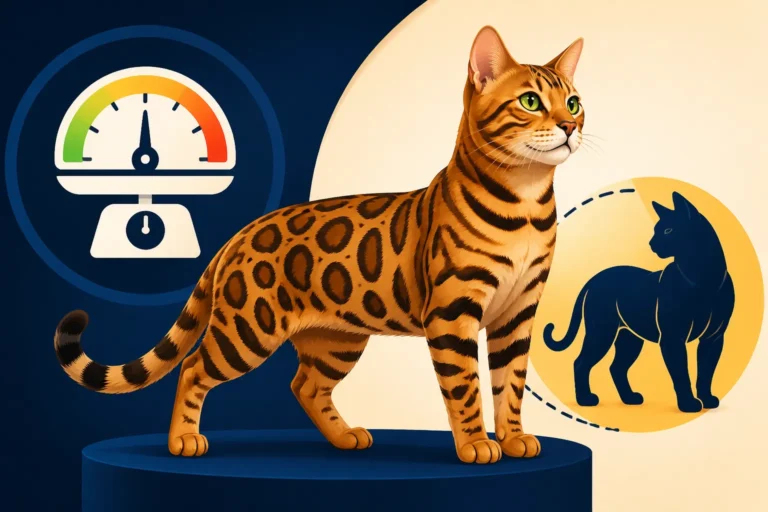
A mature Bengal coat is characterized by its remarkable clarity and contrast. Whether your Bengal displays rosettes or a marbled pattern, each mark should be distinct and well-defined.
- Rosettes: These are the most sought-after patterns, mimicking the markings of their wild leopard cat ancestors. They can take several forms:
- Donut rosettes: These are spots that are darker in outline with a lighter center, much like a jaguar or leopard.
- Paw print rosettes: These consist of a cluster of smaller spots that create a larger, distinct marking.
- Arrowhead rosettes: Triangular markings that point towards the back of the cat.
- Clouded rosettes: Large, irregular, and complex rosettes that can sometimes appear to merge. The clarity and distinctiveness of these rosettes are what make What a Rosette Is on a Bengal Cat so prized.
- Marbling: This pattern features horizontal, swirling stripes and swirls, often resembling marble. A well-defined marbled pattern will have a clear, flowing design with good contrast, rather than looking blotchy or broken up. You'll want to see clean lines and definition in What a Marbled Bengal Cat Is.
Beyond the primary patterns, you'll also notice "mascara" markings (lines extending from the outer corner of the eyes), bold barring on the legs and tail, and usually a whited tummy and chest, all contributing to that wild, exotic look. The What a Bengal Cat's Coat Feels Like Nothing Else refers to this unique combination of pattern, glitter, and texture.
The Role of Glitter and Whited Tummy in the Adult Coat
Two more incredible features that become more apparent in an adult Bengal's coat are "glitter" and the "whited tummy."
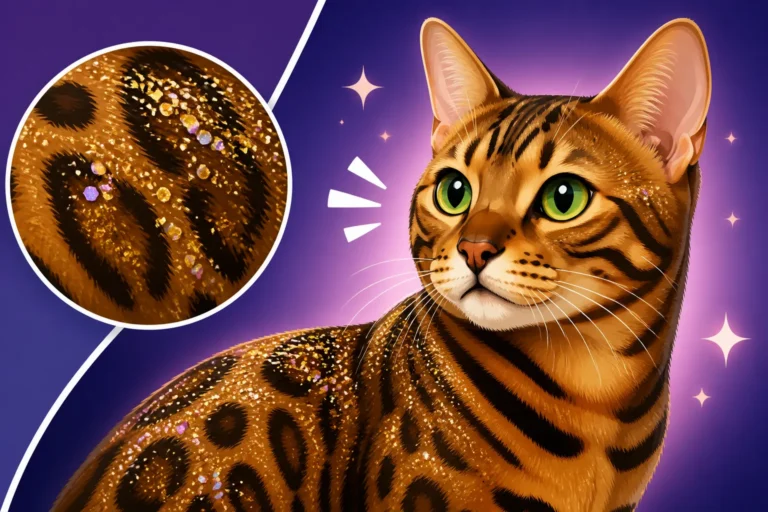
Glitter: This isn't just a fancy name; it's a physical characteristic that makes a Bengal's coat truly sparkle. It's caused by the individual hair shafts being hollow or translucent, allowing light to penetrate and reflect in a unique way, giving the coat an iridescent shimmer, especially in natural light. This effect is often compared to gold dust scattered over their fur. Not every Bengal will have it, but when present, it adds an extra layer of exotic beauty. Understanding What the Glitter Gene Does to a Bengal Cat reveals the genetic marvel behind this sparkling trait. It's one of those features that really makes What Glitter Adds to a Bengal Cat's Price a premium for many buyers.
Whited Tummy: This refers to the distinct pale, almost white, fur on the Bengal's belly and inner legs, often adorned with spots. This is another hallmark trait inherited directly from the Asian Leopard Cat and is highly prized in the breed standard. It creates a stunning contrast with the darker patterned areas of the body and further enhances their wild appearance.
How an Adult Bengal Cat's Pattern Evolves Over Time
Even after the initial clearing of the fuzzies, a Bengal's coat isn't static. It continues to develop and mature, often reaching its peak vibrancy and depth between one and two years of age. You might find that the colors become richer, the contrast sharper, and the individual markings even more pronounced during this period.
However, like all living things, a cat's coat can undergo subtle changes throughout their life. For instance, some Bengal owners report that their cat's rosettes might soften slightly with extreme age, or the overall vibrancy could diminish a tiny bit. This is a natural part of the aging process, much like how human hair changes. How an Aging Bengal Cat's Rosettes Soften is a common observation.
Environmental factors can also play a role. Prolonged exposure to strong sunlight can sometimes cause the darker pigments in a Bengal's coat to lighten or "sun-bleach" over time, subtly altering the intensity of their pattern. This isn't usually a dramatic change, but it's something to be aware of, especially if your Bengal enjoys basking by a sunny window for hours. Whether Sun Changes a Bengal Cat's Coat is a question many owners ponder. Ensuring your cat has a balanced diet and remains healthy will always contribute to maintaining the best possible coat condition throughout their life.
Common Concerns and Misconceptions About Bengal Coat Development
It's natural to have questions and sometimes worries about your Bengal kitten's development, especially when you're looking forward to that stunning adult coat. Let's tackle some common concerns.
Is My Bengal Kitten's Pattern "Bad"?
Absolutely not! If your Bengal kitten is currently in its fuzzy stage, it's crucial to understand that this is a completely normal, healthy, and temporary phase. Many new owners, accustomed to seeing only pictures of magnificent adult Bengals, might become anxious when their kitten looks a bit dull or indistinct. They might wonder, "Is my kitten's pattern going to be 'bad'?"
The answer, almost always, is no. The fuzzies are a natural camouflage mechanism, not an indicator of a poor-quality adult pattern. Breeders specifically work to produce kittens with strong underlying patterns that will clear beautifully. The appearance of fuzzies simply means your kitten is going through a natural developmental stage. It’s part of the charming journey of watching them grow into their wild beauty. Patience is truly a virtue here, as the magnificent rosettes or marbling are simply waiting for the right time to reveal themselves.
When the Pattern Doesn't Meet Expectations
While most Bengals develop stunning patterns, it's also important to have realistic expectations. Not every Bengal cat will mature into a show-quality specimen with perfectly defined donut rosettes and intense contrast. There's a wide spectrum of beauty within the breed, and factors like genetics mean that some patterns might be less defined, or the contrast might be softer than what you've seen in glossy magazines.
It's easy to get caught up in the ideal, but remember that a Bengal's pattern is just one aspect of their incredible charm. Their vibrant personality, intelligence, and playful nature are equally, if not more, important. If your Bengal's pattern doesn't quite match your initial vision, try to shift your focus to their unique character and the joy they bring into your home. Every Bengal is beautiful in its own right, and a slightly less-defined rosette doesn't diminish their status as a cherished family member.
The Difference Between Pet and Show Quality Pattern
This is where understanding the breed standard comes into play, but it’s really more for breeders and those interested in showing their cats. When breeders talk about "pet quality" versus "show quality," they are often referring to how closely a cat adheres to the very specific aesthetic guidelines set by cat registries like TICA (The International Cat Association).
A "show quality" Bengal will have an adult pattern that meets or exceeds these strict standards: highly contrasted, well-formed rosettes or clear, flowing marbling, a short and pelted coat with glitter, and all the other physical attributes defined by the standard. These cats are chosen for their potential to win ribbons and contribute to the breed's future.
A "pet quality" Bengal, on the other hand, is still a purebred Bengal with all the wonderful traits of the breed, but their pattern or other physical characteristics might have a slight deviation from the show standard. Perhaps their rosettes are a bit more scattered, the contrast isn't quite as dramatic, or the glitter is less pronounced. These variations don't impact the cat's health, temperament, or its ability to be an incredible companion. They are just as loving, playful, and energetic as their show-quality siblings. For most owners, a pet-quality Bengal is the perfect fit, offering all the wild beauty and personality without the stringent demands of the show ring. Knowing What Separates a Pet From a Show Bengal Cat can help you understand these distinctions without feeling disappointed in your own beloved feline.
| Developmental Stage | Typical Age Range | Coat Characteristics | Expectations for Owner |
|---|---|---|---|
| Newborn Kitten | Birth – 4 weeks | Pattern usually visible, but very soft, minimal fuzzies. | Early glimpse of future pattern, still developing. |
| "Fuzzy" Stage | 4 weeks – 12-16 weeks | Dull, longer guard hairs obscure pattern, low contrast. | Normal camouflage; patience is key. Document with photos. |
| Clearing Begins | 12-16 weeks (approx.) | Pattern starts to sharpen, contrast improves, especially on face/legs. | Exciting early signs of adult pattern emerging. Keep photographing! |
| Juvenile Clarity | 4 months – 1 year | Pattern becomes significantly clearer, more vibrant, glitter may show. | Stronger indication of final pattern, but still deepening. |
| Adult Coat | 1 year – 2 years and beyond | Full depth, contrast, and definition of rosettes/marbling. Glitter prominent. | Fully developed, stunning coat. Minor changes may occur with age. |
Watching your Bengal kitten grow and their coat transform is a truly unique experience. The fuzzy stage, while it might test your patience for that perfect wild look, is a beautiful and natural part of their journey. Embrace every stage, knowing that underneath that baby fluff, a truly magnificent pattern is waiting to emerge. Your Bengal will eventually reveal its spectacular, wild-inspired coat, a testament to their incredible heritage and a source of endless admiration.
Disclaimer
This article is for general informational purposes only and does not constitute professional advice. Laws, prices and regulations vary by location and change over time. Consult a qualified professional for guidance on your specific situation.