Whether a Bengal Cat Kitten Shows Glitter at Birth
It's a common, completely understandable question many prospective Bengal cat owners have: when does that famous, dazzling "glitter" actually appear on these magnificent felines? You've seen the stunning photos of adult Bengals shimmering in the light, and you naturally want to know if that sparkle is there from day one with your tiny, playful kitten. The truth is, while the genetic predisposition for glitter is always present, it's not usually something you'll spot immediately on a newborn kitten.
Unpacking the Mystery: What Exactly is Bengal Cat Glitter?
Before we dive into when you'll see it, let's talk about what this magical glitter actually is. It's not just a fancy word for a shiny coat; it's a truly unique characteristic that sets Bengal cats apart, making their coats look as if they've been sprinkled with stardust or fine gold dust.
The Unique Genetic Trait of the Bengal Coat
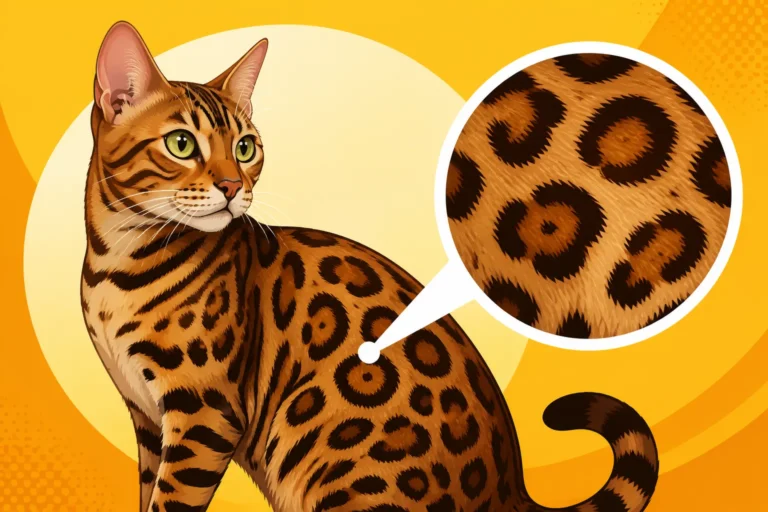
The glitter in a Bengal cat's coat is a fascinating genetic trait that comes directly from their wild ancestor, the Asian Leopard Cat. Unlike most domestic cats, whose hair shafts are solid and opaque, a Bengal's hair shafts are partially hollow or translucent, especially towards the tip. Think of it like a tiny, microscopic light pipe. When light hits these unique hair shafts, it's refracted and reflected, creating that incredible shimmering effect. It's not just a surface shine; it's a deep, internal luminescence that gives the coat its signature sparkle. This is why you'll often hear experienced breeders describe the A Bengal Cat's Coat Is a Pelt, Not Fur or that its texture feels like silk. It's an evolutionary adaptation that likely helped their wild ancestors blend into dappled sunlight and shadow, providing natural camouflage.
Why the Glitter Phenomenon Captivates Owners
For many of us who adore Bengal cats, the glitter is one of those "wow" factors that makes them truly special. It contributes immensely to their wild, exotic appearance, enhancing the richness of their rosettes and marbling. When a Bengal with strong glitter moves, particularly in natural sunlight, their coat seems to come alive, shimmering and shifting with every muscle ripple. It's a visual delight, adding another layer to their already stunning aesthetic. Beyond the pure beauty, it's also a highly valued trait in the show ring and a hallmark of a well-bred Bengal, signifying a strong connection to their lineage. It's a testament to the careful breeding efforts that have preserved these incredible characteristics.
The Timeline of a Tiny Tiger's Sparkle: From Birth Onward
So, you've brought home your adorable Bengal kitten, and you're eagerly inspecting every tiny spot for that famous glitter. It's completely natural to be looking for it, but if you don't see it right away, don't despair! Patience is truly a virtue when it comes to observing this particular trait.
The "Fuzzies" Phenomenon: Why Glitter Isn't Apparent Immediately
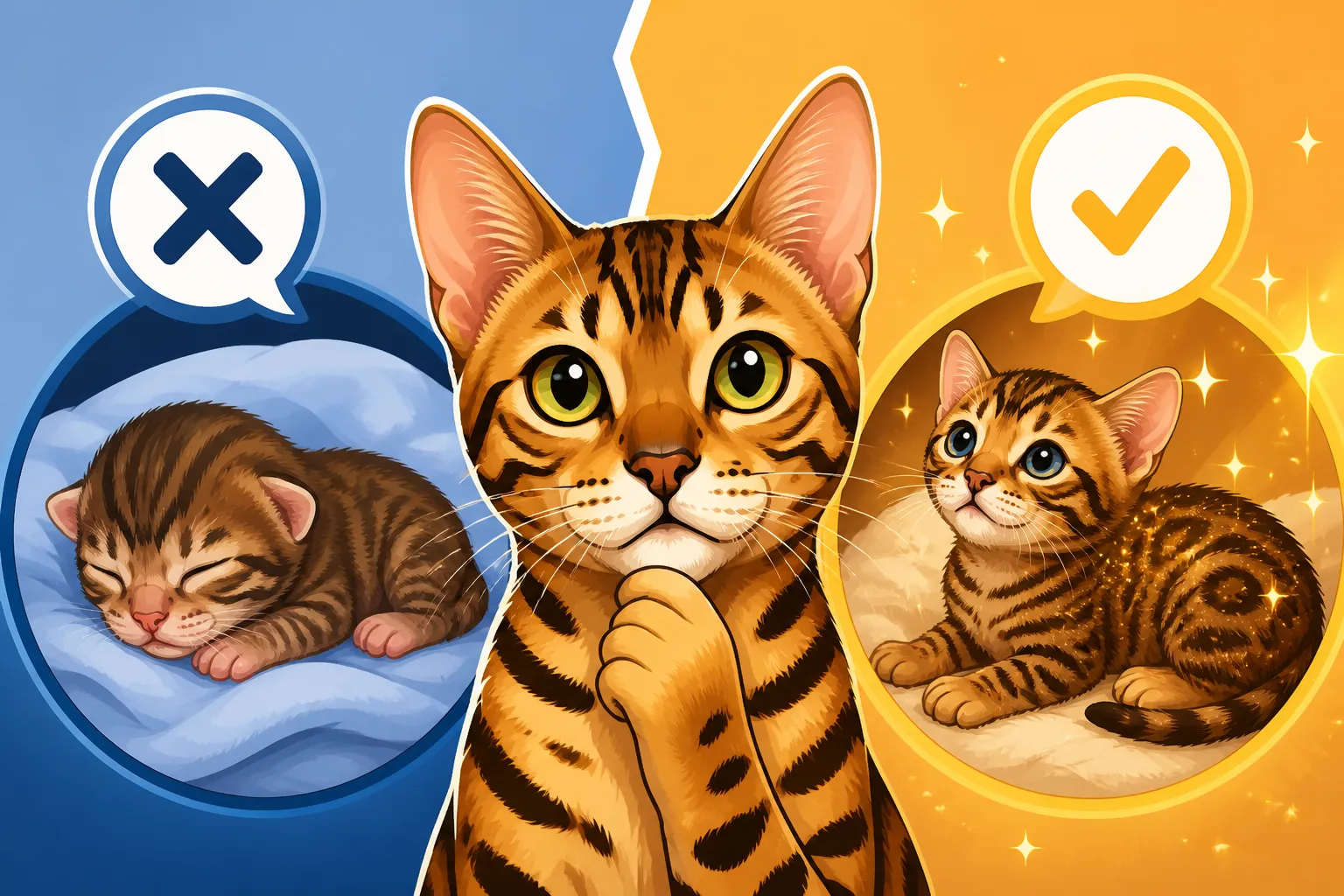
One of the biggest reasons you won't see pronounced glitter on a Bengal kitten at birth is something called "fuzzies." This is a normal, temporary stage of development where the kitten's coat appears duller, longer, and often lighter or more obscured than their adult pattern. Imagine a soft, downy veil over their markings. The technical term for this is camouflaging or "grizzling," and again, it's a wild trait. In the wild, it helps young Asian Leopard Cat kittens hide from predators in their dens or while venturing out.
This fuzzy coat literally covers and softens the developing adult coat, including the unique hair shafts that will eventually produce glitter. It's like looking at a masterpiece under a thin sheet – you can see the outline, but the vibrant details and shimmer aren't yet clear. A young Bengal kitten's coat is undergoing rapid changes, and the fuzzies are just one part of that exciting transformation. So, if you're holding a tiny Bengal kitten and noticing a soft, somewhat muted coat, rest assured this is entirely normal and expected. This stage is particularly noticeable in kittens as young as a few weeks old. If you're wondering What Fuzzies Are on a Bengal Cat Kitten, it's this soft, often woolly-looking coat that temporarily obscures their true patterns and glitter.
The Clearing Process: When the Glitter Starts to Emerge
The good news is that the fuzzies don't last forever! As your Bengal kitten grows, typically between 3 to 6 months of age, this fuzzy baby coat starts to "clear." The longer, duller hairs shed out, and the adult guard hairs, with their translucent tips, begin to develop and push through. This is when the magic starts to happen.
You won't wake up one morning and suddenly find your kitten sparkling like a disco ball. Instead, it's a gradual process. You might first notice a subtle sheen in certain lights, perhaps around the shoulders or along the back. As the clearing continues, the shimmer will become more widespread and intense. By the time your Bengal is around 6 months to a year old, their adult coat should be fully developed, and the glitter, if they possess it strongly, will be much more evident. This is often the time When a Bengal Cat Kitten's Fuzzies Clear and their stunning rosettes and vibrant colors truly pop. The quality and intensity of the glitter will ultimately depend on the individual cat's genetics, but you will see it develop over these crucial months.
| Age Range | Coat Appearance | Glitter Visibility | Key Development |
|---|---|---|---|
| Newborn – 8 weeks | "Fuzzy" and often dull | Absent or minimal | Rapid growth, patterns may be muted by fuzzies. |
| 8 – 16 weeks | Fuzzies begin to thin subtly | Faint shimmer may appear | Pattern definition improves, but the coat still has a "baby" texture. |
| 4 – 6 months | Fuzzies mostly clear, coat shortens | Glitter becomes noticeable | Adult coat emerging, colors and patterns sharpen, initial sparkle evident. |
| 6+ months | Adult coat fully developed | Prominent and reflective | Maximum glitter expression, coat health significantly impacts overall brilliance. |
Factors Affecting Glitter's Visibility and Intensity
While genetics are the primary driver of whether a Bengal cat has glitter and how intense it is, several other factors can influence its visibility and apparent strength:
- Coat Color and Pattern: Glitter often appears differently on various Bengal colors. For instance, on a brown Bengal, the glitter might look like a rich gold or copper shimmer, especially vibrant against their dark markings. On a snow Bengal, the glitter might appear as a frosty, silvery sparkle, adding to their ethereal beauty. How Glitter Looks on a Brown Bengal Cat can be quite distinct from How Glitter Looks on a Snow Bengal Cat, simply because of the base color it's refracting against. The contrast in a rosetted pattern can also highlight the glitter more dramatically.
- Lighting Conditions: This is a huge one! You'll notice glitter most dramatically in bright, natural sunlight or under strong, direct indoor lighting. In dim or indirect light, the effect will be much more subtle, perhaps even unnoticeable. Don't worry if your cat isn't constantly sparkling like a diamond; it's all about how the light catches those unique hair shafts.
- Coat Condition and Health: A healthy coat is a shiny coat, glitter or no glitter. Cats that are well-nourished, hydrated, and free from parasites will naturally have a healthier, more vibrant coat that allows their glitter to shine through. A dull, dry, or greasy coat, often indicative of underlying health issues or poor nutrition, will significantly diminish the appearance of glitter.
The Role of Health and Nutrition in a Dazzling Coat
You might think that glitter is purely genetic and therefore completely out of your control. While the presence of glitter is genetic, its best expression is absolutely influenced by the care you provide, especially through diet and overall health. A truly dazzling, healthy coat, complete with brilliant glitter, is a reflection of a healthy cat from the inside out.
High-Quality Diet for Optimal Coat Development
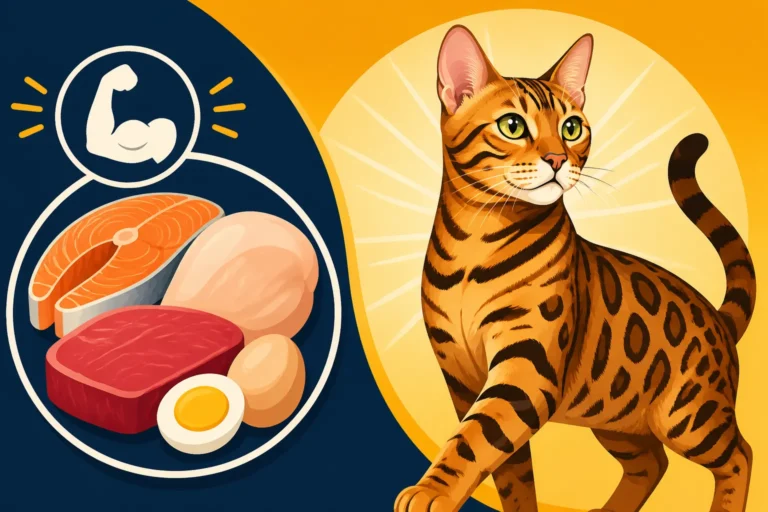
A Bengal cat, being an active and muscular breed, has specific nutritional needs. Their diet plays a critical role in the health and appearance of their skin and coat. You want to look for high-quality cat foods that are rich in animal protein and essential fatty acids like Omega-3 and Omega-6. These nutrients are the building blocks for healthy skin cells and a strong, lustrous coat.
Many Bengal owners gravitate towards diets that mimic what their wild ancestors would eat – high in meat, low in fillers. This is often part of The High Protein Argument for a Bengal Cat. When considering food, exploring reputable retailers like Chewy can give you a wide range of high-quality kibble and wet food options that boast strong protein content and beneficial oils. Some owners even delve into raw feeding, believing it provides the most natural nutrition for their energetic cats and promotes superior coat health. Remember, How Much a Bengal Cat Eats to Fuel That Activity means they need nutrient-dense food.
Poor nutrition, characterized by low-quality ingredients, excessive fillers, or a lack of essential fats, can lead to a dull, dry, and brittle coat, even in a Bengal with strong genetic glitter. This dullness will hide any potential sparkle. Conversely, a well-fed Bengal will have a soft, supple pelt that feels incredible to touch, and its glitter will truly pop. Also, consider that When a Bengal Cat Needs Wet Food, especially if they don't drink enough water, as hydration also contributes to skin and coat health.
Grooming Practices and Environmental Care
Bengals are generally low-maintenance in terms of grooming. Their short, pelt-like coats don't typically mat, and they are fastidious self-groomers. Because Why a Bengal Cat's Coat Feels Like Silk and lies so close to the body, it doesn't tend to attract and hold dirt like longer, fluffier coats. However, minimal attention from you can still make a difference.
Regular, gentle brushing – even just once a week with a soft brush or grooming mitt – can help distribute natural oils, remove loose hairs (even though they shed minimally), and stimulate circulation to the skin. This keeps the coat healthy and shiny, allowing the glitter to be more prominent. Beyond brushing, ensuring your cat lives in a clean, dust-free environment can prevent dulling residues from building up on their coat. Protect them from harsh chemicals or excessive sun exposure, which can sometimes dry out or lighten their coat over time. While Bengals don't typically need baths, if your cat gets particularly dirty, a gentle cat-specific shampoo can help restore their natural luster without stripping essential oils.
Setting Expectations: What to Look For (and Not to Look For) in a Kitten
When you're choosing a Bengal kitten, it's easy to get caught up in the excitement of markings and glitter. But it's important to keep a balanced perspective to ensure you bring home a happy, healthy companion.
Focus on Overall Health and Temperament First
While glitter is certainly a desirable trait, it should never be the only thing you look for in a Bengal kitten. Far more important are the kitten's overall health and temperament. A truly healthy kitten will be active, alert, have clear eyes and ears, and a clean, soft coat (even if it's fuzzy!). They should be curious, playful, and responsive to human interaction – though some might be a little shy at first.
A reputable breeder will prioritize the health and socialization of their kittens above all else. They will be transparent about their breeding practices, health testing, and the specific needs of the Bengal breed. Don't be shy about asking about the health of the parents, what tests have been done (like asking Whether a Breeder Must Show a Bengal Cat's PRA-b Result), and how the kittens have been socialized. A physically sound and emotionally well-adjusted kitten will bring you far more joy than one with perfect glitter but underlying health or behavioral issues. Remember, a regular How Often a Bengal Cat Needs a Wellness Exam is vital throughout their life, starting from kittenhood.
How a Reputable Breeder Communicates About Glitter
A good breeder understands that glitter develops over time and will be upfront about it. They won't promise you a "super glittered" kitten at 8 weeks old, because they know it's simply not visible yet. Instead, they might show you photos of the kitten's parents, grandparents, or older siblings to demonstrate the glitter potential in their lines. This gives you a much better indication of what to expect as your kitten matures.
They will explain the "fuzzies" phenomenon and reassure you that the glitter will emerge as the kitten grows. A breeder focused on the long-term health and well-being of their cats will emphasize proper nutrition and care, knowing these factors contribute to the ultimate expression of the coat's beauty. They will provide clear guidance on feeding, care, and what to expect during the various stages of your kitten's development, including when that captivating glitter will begin to truly shine through.
Disclaimer
This article is for general informational purposes only and does not constitute professional advice. Laws, prices and regulations vary by location and change over time. Consult a qualified professional for guidance on your specific situation.