Why a Bengal Cat’s Coat Is Shorter Than a Housecat’s
It’s a question many new Bengal cat parents or those just admiring these stunning felines often ponder: why does their coat seem so uniquely sleek and, well, short compared to the fluffy tabby next door? You might even think your regular housecat has a longer, denser coat, and you wouldn't be wrong. There's a fascinating blend of genetics, evolutionary history, and selective breeding that gives the Bengal cat its signature wild appearance, right down to the length and feel of its fur. This guide will dive deep into the specific reasons behind the Bengal's distinctive short coat, exploring its wild heritage and the practical implications for owners.
The Wild Ancestor's Influence: A Legacy of Short Coats
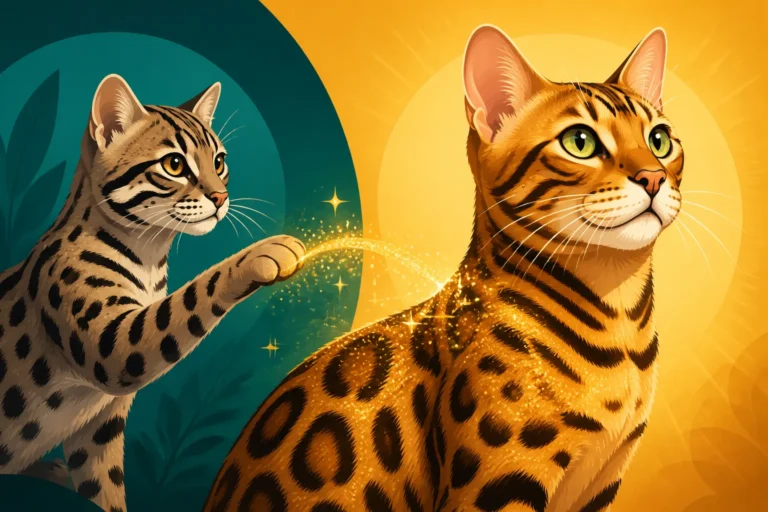
When we talk about the Bengal cat, we absolutely have to start with its wild ancestor, the Asian Leopard Cat (ALC). This beautiful small wild cat, native to various parts of Asia, is the genetic blueprint for many of the Bengal's most striking features, including its coat. Understanding the ALC's natural habitat and needs gives us incredible insight into why your Bengal cat's coat is the way it is.
Tracing Back to the Asian Leopard Cat
The Asian Leopard Cat (ALC), or Prionailurus bengalensis, typically inhabits warmer climates, ranging from tropical rainforests to grasslands and even some temperate regions across Asia. Think about the environments where these wild cats thrive: dense vegetation, humid air, and often hot temperatures. In such conditions, a long, thick coat would be a significant disadvantage. It would trap heat, make movement through undergrowth more cumbersome, and be harder to keep clean from the mud, burrs, and parasites encountered in their natural environment.
So, the ALC naturally evolved a short, dense coat that lies flat against its body. This coat provides excellent camouflage among dappled light and shadows, is quick-drying after a rain shower or a dip in the water (yes, ALCs are known to be quite fond of water, much like their Bengal descendants!), and allows for efficient thermoregulation. The initial crosses between ALCs and domestic cats were aimed at creating a domestic cat that looked wild, and naturally, that included retaining this characteristic short coat.
The Practicality of a Shorter Coat in the Wild
Imagine an ALC stalking prey through tall grasses or dense jungle undergrowth. A long, shaggy coat would not only hinder its stealth but could also get tangled, torn, or attract unwanted debris. The short, slick coat of the ALC allows it to move with minimal friction, making it an incredibly agile and efficient hunter. It helps them shed water quickly if they get caught in a downpour or decide to go for a swim – a trait that some Bengal cats famously carry, much to their owners' surprise when they join them in the shower!
This short coat also plays a crucial role in temperature regulation. In hot, humid environments, a short coat allows excess body heat to dissipate more easily. While your domestic housecat might fluff up to keep warm, the ALC's short coat helps it stay cool. This adaptation was vital for survival in its diverse habitats, ensuring that this wild elegance was passed down through the generations to the modern Bengal cat. This direct lineage is a primary reason why A Bengal Cat's Coat Is Shorter Than a Housecat's.
Genetics at Play: The Inheritance of Coat Length
It's not just about the Asian Leopard Cat, though. The subsequent breeding programs that created the Bengal cat also involved domestic shorthair cats, which contributed their own genetic factors to reinforce the desired coat characteristics. Understanding basic feline genetics helps clarify why the Bengal's coat length is so consistently short.
The "Shorthair" Gene Dominance
In cats, coat length is primarily determined by a few key genes. The gene for short hair is generally dominant over the gene for long hair. This means that if a cat inherits even one copy of the "shorthair" gene, it will typically have a short coat. When the first Asian Leopard Cats were bred with domestic shorthairs, the offspring (known as F1 Bengals) almost universally exhibited short coats because both parents contributed dominant shorthair genes or at least one dominant gene from the shorthair parent.
As breeders continued to develop the Bengal breed through subsequent generations (F2, F3, and eventually SBT — Stud Book Tradition), they meticulously selected for traits that enhanced the wild appearance, which, of course, included the short, sleek coat. Any kittens that displayed longer fur, or "fluff," were typically not used in further breeding programs, especially those aimed at establishing the breed standard. This rigorous selection process solidified the short coat as a defining characteristic of the Bengal cat.
Why Long Hair Isn't Part of the Breed Standard
The goal of Bengal cat breeders was always to create a domestic cat with the striking looks of its wild ancestor. This vision, embraced by major cat registries like The International Cat Association (TICA), firmly established the short, dense, pelt-like coat as a fundamental part of the Bengal breed standard. A long-haired Bengal, while sometimes occurring due to recessive genes surfacing, is not recognized for show or breeding purposes by the major associations.
This strict adherence to the breed standard means that breeders actively work to ensure the short coat trait. You won't find a recognized Bengal cat breeder deliberately trying to produce long-haired Bengals, as it goes against the very essence of what makes a Bengal, well, a Bengal. This selective breeding has ensured that the trait of a short coat remains remarkably consistent across the breed, making it a reliable differentiator from many other domestic breeds. It's truly fascinating how much deliberate effort goes into maintaining these specific traits, ensuring that The Bengal Cat Is the Hybrid Most Registries Fully Accept based on its adherence to this wild aesthetic.
The Unique Texture: More Than Just Length
Beyond its visible shortness, a Bengal cat's coat possesses a truly remarkable texture that sets it apart from almost any other domestic cat. This isn't just about how long the individual hairs are; it's about their structure, density, and overall feel.
The Pelt-like Quality
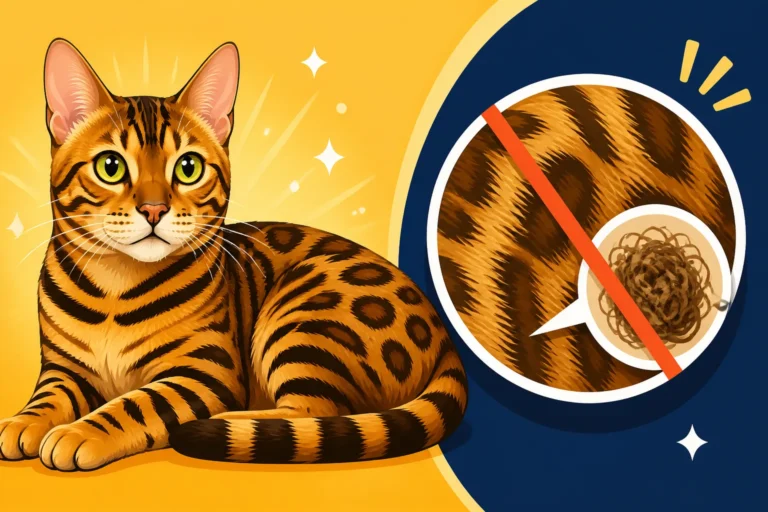
One of the most defining characteristics of a Bengal's coat is its "pelt-like" quality. If you've ever had the pleasure of petting a Bengal, you'll immediately notice the difference. It doesn't feel like typical cat fur, which can be soft, fluffy, or somewhat coarse. Instead, a Bengal's coat often feels incredibly dense, smooth, and luxurious, almost like velvet or silk. It lies flat against the body, showcasing their magnificent patterns with crisp definition, rather than obscuring them with length.
This unique feel comes from the structure of the individual hairs. They are usually thicker and more resilient than those of a typical domestic cat, contributing to that distinctive dense, yet sleek, texture. The way the light catches these hairs, especially with the "glitter" gene (which we'll talk about more in a bit), enhances this pelt-like appearance, giving them an almost iridescent sheen. It’s a sensory experience that really drives home the fact that A Bengal Cat's Coat Is a Pelt, Not Fur. This isn't just a marketing term; it's a genuine description of their unique epidermal artistry.
Minimal Undercoat for a Sleeker Look
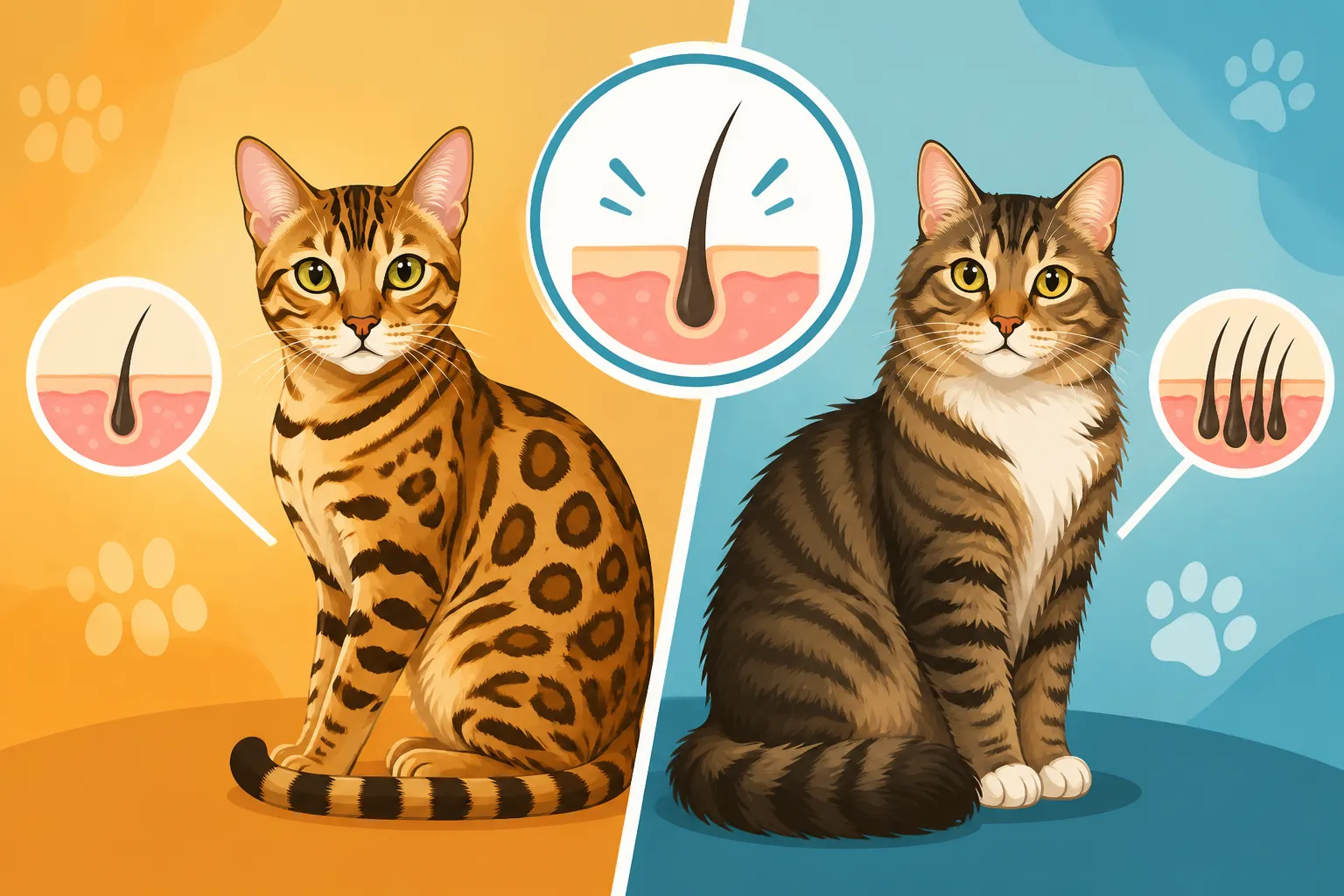
Many domestic cats, especially those adapted to colder climates or simply carrying certain genes, have a thick undercoat. This fluffy layer provides insulation, keeping them warm. While beneficial for warmth, it also adds bulk and can make a cat's fur appear much longer and softer. In contrast, Bengal cats typically have a significantly reduced undercoat, or in some cases, almost none at all.
This minimal undercoat is another direct inheritance from the Asian Leopard Cat, which didn't need extensive insulation in its warmer natural habitats. For your Bengal, this means several things. First, it contributes directly to the sleek, close-lying appearance of their coat, making it look and feel shorter and more defined. Second, it plays a role in their relatively low shedding, as there's less loose, fluffy undercoat to shed around your home. Third, it means they might not be as well-equipped for extreme cold as some other breeds, underscoring the importance of keeping them warm indoors during winter months. Why a Bengal Cat's Coat Has Almost No Undercoat is a key factor in their unique physical presentation.
Practical Implications for Bengal Cat Owners
The short, pelt-like coat of your Bengal cat isn't just a pretty feature; it has several practical implications for their care, grooming, and even how they interact with their environment. Understanding these aspects can help you provide the best possible care for your wild-looking companion.
Grooming Benefits and Considerations
One of the most delightful aspects of owning a Bengal cat, for many, is their incredibly low grooming maintenance. Thanks to that short, dense, pelt-like coat with minimal undercoat, Bengal cats require almost no brushing or special coat care. They are meticulous self-groomers, and their short hair means they don't get tangled or matted like long-haired breeds do. This can be a huge relief for busy owners or those who aren't keen on daily brushing sessions.
While you won't need an extensive grooming kit, a soft rubber brush or grooming glove can be used occasionally to remove any loose hairs, especially during seasonal shedding (though even this is minimal for a Bengal). This light brushing can also be a nice bonding experience. If you’re looking for a good grooming glove, you can often find them on Chewy or Amazon. The fact that A Bengal Cat Needs Almost No Grooming means you can spend less time on upkeep and more time playing or cuddling with your energetic feline. Similarly, How Little a Bengal Cat Sheds for a Shorthair is often a pleasant surprise for new owners.
Temperature Regulation and Comfort
Because of their short coat and reduced undercoat, Bengal cats are not as well-insulated as many other cat breeds. This means they can be more sensitive to cold temperatures. While they are adaptable, a Bengal might seek out warm spots in your home more readily than a long-haired cat, whether it's basking in a sunbeam, snuggling under a blanket, or curling up next to you.
Conversely, their short coat helps them handle warmer weather more efficiently, allowing heat to escape easily. If you live in a colder climate, it's particularly important to ensure your Bengal has plenty of warm, cozy places to rest and isn't exposed to drafts or extreme outdoor temperatures for extended periods. They might enjoy a heated bed or a warm spot by the radiator in winter. Understanding How a Bengal Cat Copes With Cold is vital for their comfort, and recognizing Why a Bengal Cat Seeks Heat More Than Most Cats helps you provide appropriate environmental enrichment.
The "Hypoallergenic" Myth and Reality
Given their short hair and low shedding, Bengal cats are often touted as "hypoallergenic." It's a common claim, and one that often draws people with allergies to the breed. However, it's crucial to understand that no cat is truly 100% hypoallergenic. Allergies to cats are primarily caused by a protein called Fel d 1, which is found in a cat's dander (dead skin flakes), saliva, and urine, not just their fur itself.
While Bengals may produce less Fel d 1 or shed less dander than some other breeds, they still produce it. The reduced shedding can help to some extent, as less dander-laden hair is spread around the home. However, individuals with severe cat allergies may still react to a Bengal cat. It's always recommended for prospective owners with allergies to spend time with a Bengal cat (or several, if possible) before committing, to see how their allergies react. So, while a Bengal's short coat might offer a slight advantage, it's important to be realistic about Whether the Bengal Cat Hypoallergenic Claim Holds Up.
Here's a quick comparison of Bengal cat coats versus typical domestic shorthair coats:
| Feature | Bengal Cat Coat | Typical Domestic Shorthair Coat |
|---|---|---|
| Length | Short to very short, lies flat | Short, but often appears slightly longer and fuller |
| Texture | Dense, pelt-like, often described as silky/velvet | Varies from soft to slightly coarse |
| Undercoat | Minimal to almost none | Present, can be moderate to dense |
| Shedding | Low to moderate | Moderate to high |
| Grooming Needs | Very low, occasional brushing | Low to moderate, regular brushing recommended |
| Insulation | Less insulated, can be sensitive to cold | Generally good insulation, adapts well to cold |
| Pattern Clarity | Highly defined, sharp patterns | Patterns can appear softer, less defined |
Ultimately, the Bengal cat's short coat is a beautiful testament to its wild heritage and the careful breeding that has gone into creating this captivating domestic feline. It's a feature that not only enhances their exotic appearance but also contributes to their low-maintenance care and unique physical characteristics. So next time you pet your Bengal, take a moment to appreciate the centuries of evolution and decades of selective breeding that went into crafting that perfectly short, sleek, and utterly unique pelt.
Disclaimer
This article is for general informational purposes only and does not constitute professional advice. Laws, prices and regulations vary by location and change over time. Consult a qualified professional for guidance on your specific situation.