Chronic Diarrhea Is the Bengal Cat Complaint Nobody Warns About
Oh, the joy of bringing a Bengal cat into your life! Their wild looks, their boundless energy, their incredibly soft pelts – they're truly captivating companions. But then, there's that one frustrating, often bewildering issue that so many Bengal owners whisper about, but nobody really prepares you for: chronic diarrhea. It’s messy, it’s stressful, and it can leave you feeling utterly helpless. This guide is here to walk you through understanding why your Bengal might be struggling with persistent loose stools, what steps you can take with your vet, and how to manage and even prevent this common, yet deeply vexing, Bengal cat complaint.
Why Bengal Cats Are Prone to Digestive Issues
It's not just your imagination; Bengal cats really do seem to have more sensitive tummies than many other breeds. While every cat is an individual, there are some breed-specific reasons why chronic diarrhea can become such a persistent challenge for our spotted friends. It’s something many breeders and long-time owners have observed, making it one of those "unspoken rules" of Bengal ownership.
The Wild Ancestry Factor
At the heart of every Bengal cat lies the DNA of the Asian Leopard Cat (ALC). This wild ancestor, native to various parts of Asia, lived a life dramatically different from our domesticated house cats. Their diet was varied, often consisting of freshly caught small prey – birds, rodents, insects – rich in moisture and unprocessed nutrients. Their digestive systems evolved to handle this kind of diet, complete with natural enzymes and a specific gut microbiome.
When we bring a Bengal cat into our homes, even several generations removed from their wild ancestors, they still carry some of that genetic blueprint. Their digestive tracts are, in some ways, still wired for a more "natural" or wild-type diet. This can mean they struggle with highly processed commercial kibbles, which often contain grains, fillers, and protein sources that their ancestral guts aren't designed to efficiently break down. It's not that these foods are inherently "bad," but rather that your Bengal's system might see them as foreign invaders rather than nutritious meals, leading to inflammation and, you guessed it, diarrhea. This unique aspect is why understanding "Why a Bengal Cat's Gut Is So Sensitive" is so crucial for every owner.
Unique Gut Microbiome Considerations
Just like humans, cats have a complex ecosystem of bacteria, fungi, and other microorganisms living in their digestive tracts – their gut microbiome. This microbiome plays a vital role in digestion, nutrient absorption, and even immune function. In Bengal cats, particularly those closer to their ALC heritage, this microbiome might be subtly different, making it less resilient to changes or imbalances.
A healthy microbiome is a balanced one. When this balance is disrupted, perhaps by stress, antibiotics, diet changes, or even certain pathogens, "bad" bacteria can proliferate, leading to dysbiosis. This imbalance can manifest as chronic diarrhea. Anecdotally, many Bengal owners report that their cats are particularly susceptible to these shifts, making them more prone to digestive upset than, say, a domestic shorthair who might bounce back from a diet change with minimal fuss. It's a delicate ecosystem that needs careful nurturing.
Stress and Environmental Sensitivity
Bengals are known for their intelligence, high energy, and inquisitive natures. What's often overlooked is that these traits can also make them more sensitive to their environment and prone to stress. A stressed cat can manifest a variety of physical symptoms, and digestive upset is a very common one. Think of it like a human getting an upset stomach before a big presentation – animals experience similar physiological reactions.
Changes in routine, new pets, moving house, even loud noises or a perceived lack of mental stimulation can all contribute to stress in a Bengal cat. This stress can impact gut motility, alter the microbiome, and weaken the gut lining, making them more susceptible to inflammation and diarrhea. It's a vicious cycle where chronic diarrhea can cause stress, and stress can exacerbate diarrhea. Creating a stable, enriching, and calm environment is paramount for their overall well-being, and often, for their digestive health too.
Common Causes of Chronic Diarrhea in Bengal Cats
When your Bengal cat has had loose stools for more than a few days, it’s not just a minor annoyance; it’s a sign that something is amiss in their system. Identifying the root cause is the first, and often most challenging, step toward finding relief for your furry friend. The list of potential culprits can be quite extensive, and it often requires a methodical approach from your veterinarian to truly get to the bottom of things.
Pesky Parasites: Tritrichomonas and Giardia
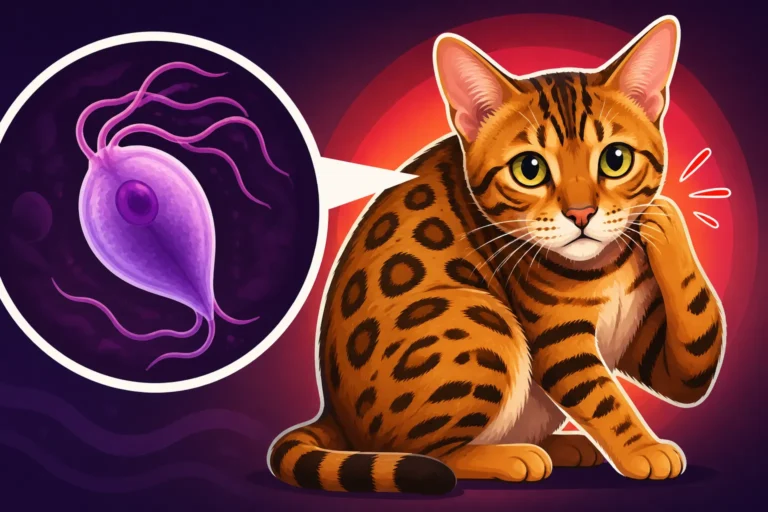
Parasites are a notoriously common cause of chronic diarrhea in Bengal cats, and two in particular tend to crop up frequently: Tritrichomonas foetus and Giardia. These aren't your typical worms that you can see; they are microscopic, insidious, and incredibly persistent. They can be picked up from contaminated environments, shared litter boxes, or even from their mother as kittens. Many Bengal breeders will tell you these are the bane of their existence, and for good reason!
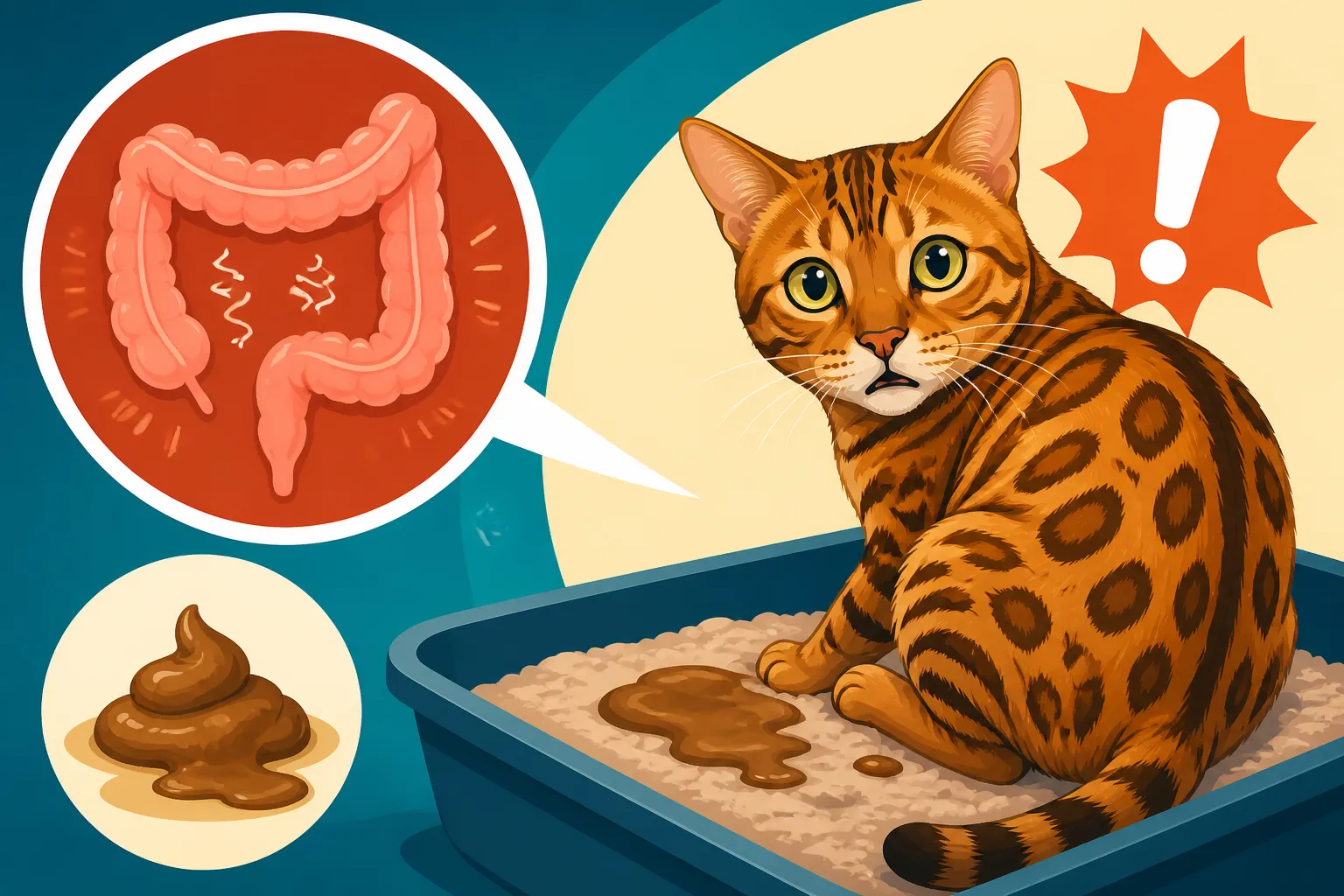
Tritrichomonas foetus is a protozoan parasite that causes a distinct, often foul-smelling, "cow-patty" like diarrhea, sometimes with mucus or fresh blood. It's especially prevalent in multi-cat households and catteries. What makes it so frustrating is that it's notoriously difficult to diagnose with standard fecal tests, requiring a special PCR test to detect its DNA. And even more frustrating, once diagnosed, treatment can be prolonged and sometimes ineffective, as the parasite can be quite resistant. You really need to understand "What Tritrichomonas Does to a Bengal Cat" to appreciate the battle ahead.
Giardia is another common protozoan parasite, often causing watery to soft, greasy stools, sometimes with a greenish tinge. While more easily diagnosed than Tritrichomonas, it can also be tough to eradicate entirely, often requiring multiple rounds of specific medications and rigorous environmental decontamination. If you're wondering "How a Bengal Cat's Giardia Is Treated," prepare for a multi-pronged approach that goes beyond just medication. Both of these parasites can be incredibly challenging, causing long-term gut inflammation even after they've been cleared, leaving your Bengal's digestive system vulnerable.
Bacterial Overgrowth and Viral Culprits
Beyond parasites, bacterial imbalances or specific bacterial infections can also be major players in chronic diarrhea. Sometimes, a "bad" bacteria like Clostridium perfringens or E. coli can overgrow in the gut, disrupting the delicate balance and leading to persistent loose stools. This might happen after a course of antibiotics that wiped out beneficial bacteria, or simply due to dietary changes or stress. These bacterial overgrowths often produce toxins that irritate the gut lining, leading to inflammation and increased fluid in the intestines.
While less common for chronic diarrhea, viral infections can sometimes kickstart a long-term gut issue. For instance, a kitten might have had a bout of panleukopenia or feline coronavirus (FCoV) that, while treated, left their intestinal lining compromised, setting the stage for ongoing sensitivities. Even common stressors that weaken the immune system can allow opportunistic bacteria or dormant viruses to flare up, contributing to the cycle of digestive upset. It's a complex interplay where identifying a single viral culprit for chronic issues is rare, but the lasting impact of a past infection is very real.
Inflammatory Bowel Disease (IBD) and Food Allergies
One of the most disheartening diagnoses for chronic diarrhea is Inflammatory Bowel Disease (IBD). This is an umbrella term for a group of conditions where the gastrointestinal tract becomes chronically inflamed. It’s not an infection but rather an immune system overreaction. The inflammation makes it difficult for the intestines to absorb nutrients and water effectively, leading to persistent vomiting, weight loss, and, of course, diarrhea. While "Whether IBD Is Common in Bengal Cats" is a question many ask, their sensitive guts and genetic predispositions seem to put them at a higher risk.
Food allergies or intolerances are closely linked to IBD, and can often be a primary driver for the inflammation. Your Bengal's immune system might mistakenly identify a specific protein source (like chicken, beef, or fish) or a carbohydrate (like corn or wheat) as a threat, launching an inflammatory response every time they ingest it. This is why food trials, where novel proteins or hydrolyzed diets are introduced, are a cornerstone of treatment for many cats with chronic diarrhea. It’s a painstaking process, but finding the trigger food can be life-changing for your Bengal.
Other Contributing Factors
Sometimes, the cause isn't one singular thing, but a combination of factors or less common issues. Exocrine Pancreatic Insufficiency (EPI), while rarer in cats than dogs, can lead to chronic diarrhea and weight loss because the pancreas isn't producing enough digestive enzymes. Hyperthyroidism, more common in senior cats, can also cause increased metabolism and subsequent diarrhea.
Certain cancers, particularly lymphoma affecting the intestinal tract, can also manifest as chronic diarrhea. Though a frightening thought, it's why persistent symptoms always warrant a thorough veterinary investigation. Liver or kidney disease can also indirectly impact digestive health. Even medications, stress, or exposure to toxins can trigger severe, prolonged bouts of diarrhea. It’s a puzzle, and your vet will often need to rule out many possibilities before pinpointing the precise issue.
Diagnosing Chronic Diarrhea: What to Expect at the Vet
Facing chronic diarrhea in your Bengal is frustrating, not just for you but for your cat. The first step, and really the most important one, is a thorough investigation by your veterinarian. They’ll act like a detective, piecing together clues to uncover the underlying cause. Don't be surprised if this process takes time and multiple visits; it's rarely a quick fix.
The Initial Examination and History Taking
Your vet appointment will likely start with a detailed chat about your Bengal's history. This is where you, as the owner, become a crucial part of the diagnostic team. Be prepared to discuss:
- Duration and Frequency: How long has the diarrhea been going on? Is it constant, or does it come and go?
- Consistency and Color: Is it watery, soft, pudding-like, or "cow-patty"? What color is it? Any blood or mucus?
- Other Symptoms: Is your cat vomiting, losing weight, lethargic, or showing changes in appetite or thirst? Is their fur dull?
- Diet: What brand and type of food do they eat? Any recent changes? Any treats or human food? Do they free-feed or have set meal times?
- Environment: Is your Bengal an indoor-only cat, or do they go outside? Any new pets, people, or stressors in the home? Access to plants, chemicals, or foreign objects?
- Vaccination and Worming History: Are they up-to-date? When was their last worming?
- Travel History: Have you traveled with your cat recently?
After this chat, your vet will perform a full physical examination. They’ll check your Bengal’s weight, hydration status, listen to their heart and lungs, palpate their abdomen for pain or abnormalities, and examine their overall body condition. This initial assessment helps them narrow down potential causes and decide on the next diagnostic steps. Sometimes, just feeling the intestines can give a vet a strong hint about inflammation or thickening.
Comprehensive Fecal Testing and Lab Work
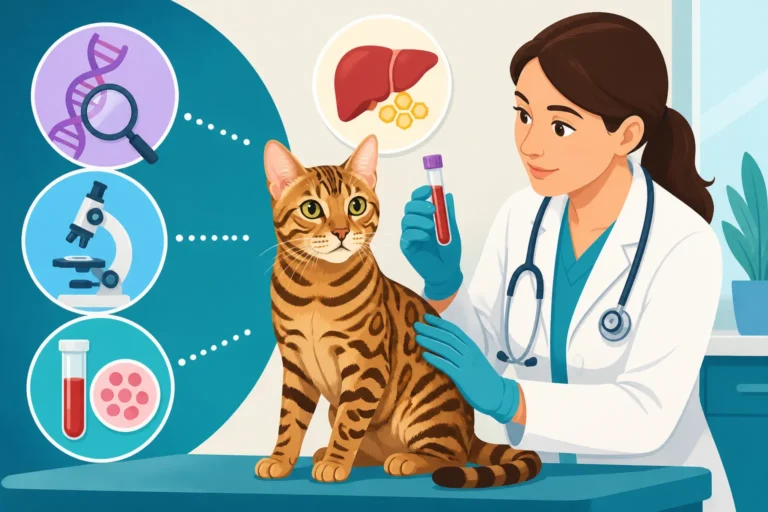
Once they have a good history, the vet will almost certainly request fecal samples. This is absolutely critical. A basic fecal flotation can check for common intestinal parasites like roundworms, hookworms, and coccidia. However, for those more elusive culprits like Giardia and Tritrichomonas foetus, specialized tests are needed. For Giardia, a direct smear and an ELISA antigen test are often used, and for Tritrichomonas, a PCR test is the gold standard. It’s worth noting that "What a Bengal Cat's Fecal Panel Costs" can vary depending on how many specialized tests are run, but it's an investment that often pays off by identifying the problem.
Beyond fecal tests, your vet will likely recommend a comprehensive blood panel. This typically includes a complete blood count (CBC) to check for anemia, infection, or inflammation, and a biochemistry panel to assess organ function (kidneys, liver, pancreas), electrolyte balance, and protein levels. Low protein can sometimes indicate severe intestinal malabsorption. A specific test called a feline pancreatic lipase immunoreactivity (fPLI) test might also be run to check for pancreatitis, which can certainly cause digestive upset. These tests give a holistic view of your cat’s internal health, helping to rule out systemic diseases or identify other contributing factors.
Advanced Diagnostics: Imaging and Biopsies
If initial fecal and blood tests don't provide a clear answer, or if your Bengal's condition is severe or worsening, your vet might suggest more advanced diagnostics. Abdominal X-rays can help identify foreign bodies, tumors, or severe gas distention. However, for a more detailed look at the soft tissues and internal organs, an abdominal ultrasound is often the next step. A veterinary internal medicine specialist or a trained ultrasonographer can examine the thickness of the intestinal walls, assess the lymph nodes, and look for any masses or fluid accumulation that could indicate IBD, cancer, or other serious conditions.
In some cases, even with advanced imaging, a definitive diagnosis remains elusive, especially for conditions like IBD or certain types of cancer. This is when intestinal biopsies become necessary. These are typically obtained via endoscopy (a camera inserted into the digestive tract) or surgical exploration. Biopsies allow the veterinarian to get tissue samples from the intestinal lining, which are then sent to a pathologist for microscopic examination. This is the only way to definitively diagnose IBD or intestinal lymphoma. While invasive and more costly, it provides the most accurate picture of what's happening at a cellular level, guiding the most effective treatment plan. If you have pet insurance like Healthy Paws, these more expensive diagnostic procedures may be covered, easing the financial burden during a stressful time.
Managing Chronic Diarrhea Through Diet
Once you've ruled out the immediate, treatable causes like parasites or bacterial infections, or even alongside their treatment, diet becomes the absolute cornerstone of managing chronic diarrhea in Bengal cats. This isn't just about what you feed them, but how you feed them, and it often requires a lot of patience and trial and error.
The Role of Novel Protein and Hydrolyzed Diets
For many Bengal cats battling chronic diarrhea, especially when IBD or food allergies are suspected, a therapeutic diet is often the first line of defense. The goal here is to either eliminate common allergens or present proteins in such a way that the immune system doesn't recognize them as a threat. This is where novel protein and hydrolyzed diets come into play.
A novel protein diet uses protein sources that your cat has never eaten before, making an allergic reaction highly unlikely. Think venison, rabbit, duck, or even kangaroo. The idea is to completely remove all previous protein sources from their diet and feed only the novel protein, along with a limited number of carbohydrates (like peas or potato). This means absolutely no other treats, human food, or even flavored medications, as any deviation can contaminate the trial. The challenge with these diets is finding truly novel proteins for cats that may have already tried many different commercial foods.
Hydrolyzed protein diets take a different approach. Instead of using a new protein, they take common protein sources (like chicken or soy) and break them down into such tiny molecular fragments that the cat's immune system doesn't recognize them as allergens. It's like disguising the protein so the immune system just "sees" small, harmless peptides rather than a potential threat. Brands like Royal Canin Hydrolyzed Protein or Purina Pro Plan HA are popular choices. These diets are often highly digestible and can be very effective in reducing gut inflammation.
When introducing either of these, it's crucial to conduct a strict food trial, typically for 8-12 weeks. During this period, nothing else should pass your Bengal's lips. If symptoms improve dramatically, you've likely found your answer. Your vet can guide you on "When a Bengal Cat Needs a Special Diet for Its Gut."
Navigating Raw Diets and Home-Cooked Options
The discussion around raw feeding for Bengal cats can be quite passionate, and it's particularly relevant when dealing with chronic digestive issues, given their wild ancestry. Proponents of raw feeding argue that it's closer to what their Asian Leopard Cat ancestors would have eaten, consisting of high moisture, unprocessed meat, organs, and bone, which is easier for their systems to digest. Many owners report significant improvements in stool quality, coat health, and energy levels after transitioning their Bengal to a well-balanced raw diet. If you’re considering "Whether a Raw Diet Suits a Bengal Cat's Gut," you'll find a mixed bag of opinions and experiences.
However, raw feeding comes with significant considerations. Firstly, it must be nutritionally complete and balanced, which often requires careful planning and potentially consulting with a veterinary nutritionist. Imbalanced raw diets can lead to serious deficiencies or excesses. Secondly, there are undeniable risks of bacterial contamination (like Salmonella or E. coli) that can affect both the cat and human family members. Strict hygiene protocols are essential.
Home-cooked diets offer a middle ground, providing fresh, human-grade ingredients that you control, without the raw bacterial risk. Like raw diets, they also require careful formulation to ensure complete nutrition. Both raw and home-cooked options need to be introduced gradually and monitored closely, preferably under veterinary guidance, to ensure they don't exacerbate the problem or create new nutritional deficiencies.
Fiber, Probiotics, and Supplements
Dietary fiber plays a complex role in feline digestion. Soluble fibers (like psyllium or pumpkin) can absorb excess water and bulk up stools, sometimes helping with both diarrhea and constipation. Insoluble fibers can help regulate gut motility. Your vet might suggest adding a small amount of pureed pumpkin or a fiber supplement to your Bengal's diet to see if it helps firm things up.
Probiotics are beneficial bacteria that can help restore balance to the gut microbiome. Since many chronic diarrhea cases involve dysbiosis, "Whether Probiotics Help a Bengal Cat" is a very common question, and often, the answer is yes. Specific veterinary-grade probiotics, like Fortiflora or Proviable, contain strains of bacteria that are beneficial to cats. They can be particularly helpful after antibiotic courses or during times of stress. Consistency is key; probiotics often need to be given daily for weeks or even months to see a lasting effect.
Beyond probiotics, other supplements might be recommended depending on the specific cause of diarrhea. Prebiotics (food for beneficial gut bacteria), digestive enzymes (if EPI is suspected), or even B vitamins (which can be depleted with chronic malabsorption) are sometimes used as supportive therapy. Omega-3 fatty acids, known for their anti-inflammatory properties, can also be beneficial in managing gut inflammation, especially in cases of IBD. Always discuss any supplements with your vet before introducing them, as some can interfere with medications or be inappropriate for certain conditions.
Medical Treatments for Persistent Diarrhea
While diet forms the foundation for managing chronic diarrhea, there are times when medication is absolutely necessary. Whether it's to eradicate a stubborn parasite, calm an overactive immune system, or simply provide symptomatic relief, your veterinarian has a range of pharmaceutical tools at their disposal.
Targeting Parasites and Bacteria with Medication
If a specific parasitic infection like Giardia or Tritrichomonas foetus is identified, targeted medications are essential. For Giardia, drugs like metronidazole (which also has some anti-inflammatory properties) or fenbendazole are commonly prescribed. Treatment often involves multiple rounds and sometimes treating all pets in the household to prevent reinfection. For Tritrichomonas, a specialized drug called ronidazole is often necessary, which can have significant side effects and requires careful dosing. It's often reserved for confirmed cases due to its potency.
When bacterial overgrowth is suspected, antibiotics might be used, but vets are increasingly cautious about this due to the risk of further disrupting the gut microbiome. Sometimes, a short course of an antibiotic like metronidazole or tylosin can help bring the bacterial population under control. However, the focus is increasingly on using probiotics and dietary management to naturally restore balance, reserving antibiotics for severe or unresponsive bacterial infections. It's a delicate balance, as overtreating with antibiotics can sometimes make chronic diarrhea worse in the long run.
Anti-Inflammatory and Immunosuppressive Therapies
For conditions like Inflammatory Bowel Disease (IBD), where the immune system is overreacting and causing chronic inflammation, anti-inflammatory or immunosuppressive medications are often crucial. Corticosteroids, such as prednisolone, are the most commonly used drugs. They work by suppressing the immune response, thereby reducing inflammation in the gut lining. The goal is to find the lowest effective dose to control symptoms, as long-term steroid use can have side effects. Many cats with IBD require lifelong, low-dose steroid therapy, often in combination with a therapeutic diet.
In more severe or unresponsive cases of IBD, or if your Bengal cannot tolerate steroids, other immunosuppressants might be considered. Cyclosporine is one such drug that can effectively modulate the immune system. Newer biologics or drugs specifically targeting inflammatory pathways may also be explored by a veterinary internal medicine specialist. These medications are powerful and require close monitoring, including regular blood tests, to ensure your cat is responding well and not developing adverse effects. The journey with IBD can be long and require a dedicated partnership with your vet, especially when trying to pinpoint "Which Medication a Bengal Cat With HCM Takes," though that's a different condition, it highlights the need for careful medication management.
Supportive Care and Hydration
Regardless of the underlying cause, persistent diarrhea can lead to dehydration and electrolyte imbalances, which can be dangerous for cats. Therefore, supportive care to maintain hydration is often a critical component of treatment. For cats that are eating and drinking, ensuring constant access to fresh water is key. However, for those who are lethargic or losing too much fluid, subcutaneous (under the skin) fluids or even intravenous (IV) fluids might be necessary, administered either at home or in the vet clinic.
Other supportive medications might include anti-diarrheals, like loperamide or bismuth subsalicylate (Kaopectate), though these should never be given without veterinary guidance as some human formulations are toxic to cats, and they can sometimes mask underlying issues or worsen certain infections. Gastric protectants, like famotidine or omeprazole, might be prescribed if there's evidence of stomach upset or ulcers. Appetite stimulants can be helpful if your Bengal is refusing to eat, which is a concern in any sick cat. The ultimate goal is not just to stop the diarrhea, but to ensure your cat remains comfortable, hydrated, and able to absorb the nutrients they need to recover.
Living with a Bengal Cat with Chronic Diarrhea
Managing a Bengal cat with chronic diarrhea goes beyond vet visits and medication; it’s about adapting your home life, monitoring their well-being, and providing them with continuous support. It can be exhausting, disheartening, and frankly, quite smelly, but with patience and the right strategies, you can significantly improve your cat's quality of life.
Maintaining Hygiene and Sanitation
Let's be honest: chronic diarrhea is messy. It means more litter box cleaning, more potential for accidents outside the box, and a higher risk of bacterial contamination in your home. Establishing a rigorous cleaning routine is paramount, not just for hygiene but also to prevent reinfection if parasites are the cause.
Invest in litter boxes that are easy to clean and maybe even higher-sided to contain potential "overshoots." Scooping multiple times a day is a must. Consider switching to a less dusty, unscented litter if your current one seems to irritate their respiratory system or cause further issues. When accidents happen, use enzymatic cleaners to break down odors and stains, rather than just masking them. Regularly disinfect litter boxes, food bowls, and any surfaces your Bengal frequents, especially if you have other pets. For persistent issues like Giardia, steam cleaning carpets and disinfecting hard surfaces can be necessary to prevent reinfection. This attention to detail can prevent a recurring nightmare.
Monitoring Symptoms and Quality of Life
As the primary caregiver, you become your Bengal's best advocate. Closely monitoring their symptoms and overall well-being is vital. Keep a log of their stool consistency (a simple 1-7 fecal scoring chart can be helpful), frequency of bowel movements, appetite, water intake, energy levels, and any other changes you observe. This detailed record will be invaluable to your vet when assessing treatment effectiveness or adjusting protocols.
Beyond the physical, consider your Bengal's quality of life. Are they still playful, engaging, and enjoying their usual activities? Or are they withdrawn, lethargic, or showing signs of discomfort? Cats are masters at hiding pain, so you need to be extra vigilant for subtle cues. If your cat seems to be in pain, or losing weight despite your best efforts, it's a sign to reach out to your vet immediately. The ultimate goal is not just to eliminate diarrhea, but to ensure your Bengal is happy, comfortable, and living their best life, even with a sensitive stomach. This includes understanding "How a Bengal Cat Hides Pain" so you can recognize the subtle signs that something is wrong.
Emotional Support for Your Feline Friend
Living with chronic illness can be stressful for anyone, and that includes our pets. Your Bengal cat might feel uncomfortable, anxious, or frustrated by their condition. Providing them with extra emotional support can make a world of difference.
Maintain a consistent routine for feeding, playtime, and rest. Provide plenty of safe, quiet spaces where they can retreat if they're not feeling well or feeling stressed. Engage them with interactive toys and enrichment activities to keep their minds stimulated, even if their energy levels are lower. Gentle petting, quiet reassurance, and simply being present can go a long way in reducing their stress. Remember, their stress can exacerbate their digestive issues, so a calm and loving environment is therapeutic in itself. It’s a marathon, not a sprint, and your patience and empathy are their greatest allies.
Preventing Future Episodes and Promoting Gut Health
While it might feel like chronic diarrhea is an endless battle, there are proactive steps you can take to minimize future flare-ups and actively promote a healthier gut for your Bengal cat. It's about building resilience from the inside out and creating an environment that supports their unique needs.
Proactive Diet and Supplementation Strategies
Once you've identified a diet that works for your Bengal, consistency is key. Avoid frequent or sudden changes in food, as this can easily upset their sensitive digestive system. If you do need to switch foods, do so very gradually over 7-10 days, mixing increasing amounts of the new food with decreasing amounts of the old. Even the occasional "stray" treat can throw them off, so be diligent about what goes into their mouth.
Consider incorporating high-quality probiotics and prebiotics into their daily routine, even when they are feeling well. These can help maintain a balanced gut microbiome, strengthening their defenses against future upsets. Ask your vet for recommendations on veterinary-specific brands. Omega-3 fatty acids, from fish oil or krill oil, can also be beneficial for their anti-inflammatory properties, supporting overall gut health. However, always ensure any supplements are vet-approved and dosed correctly for cats. Think of it as investing in their long-term gut armor. You might also want to look into "Whether Probiotics Help a Bengal Cat" in more detail to ensure you choose the best options.
Environmental Enrichment and Stress Reduction
As we discussed, stress can be a major trigger for digestive upset in Bengals. Therefore, creating a low-stress, enriching environment is a powerful preventative measure. Ensure your Bengal has plenty of opportunities to express their natural behaviors: climbing, scratching, hunting (play-hunting, of course!), and exploring. Vertical space, interactive toys, puzzle feeders, and regular play sessions can all help reduce boredom and anxiety. A catio, a secure outdoor enclosure, can provide safe mental and physical stimulation, reducing indoor stress.
Minimize sudden changes to their routine and household. If changes are unavoidable (like moving or introducing a new pet), do so slowly and thoughtfully, providing plenty of reassurance and safe spaces for your Bengal. Feliway diffusers, which release calming pheromones, can also be a helpful tool in managing environmental stress. Remember, a calm cat is often a cat with a calm stomach.
Regular Veterinary Check-ups and Early Intervention
Even if your Bengal's chronic diarrhea is well-managed, regular veterinary check-ups are essential. These routine visits allow your vet to monitor their overall health, catch any subtle changes early, and make proactive adjustments to their diet or supplement regimen. An annual or bi-annual check-up, especially for an older cat, is a great opportunity to discuss any new concerns and ensure everything is still on track.
Early intervention is crucial if symptoms reappear or worsen. Don't wait until the diarrhea becomes severe before contacting your vet. The sooner you address a flare-up, the easier it is to bring it back under control. Keeping up with routine deworming and vaccinations, as recommended by your vet, also plays a role in preventing some causes of digestive upset. Investing in pet insurance, like Healthy Paws, early in your Bengal's life can also provide peace of mind, knowing that you're prepared for unexpected diagnostics or long-term management of conditions that might arise. This proactive approach ensures your Bengal has the best possible chance at a long, healthy life, ideally one reaching "The Twelve to Sixteen Years a Bengal Cat Gets."
When to Seek Emergency Vet Care
While managing chronic diarrhea often involves a long-term strategy, there are definite red flags that indicate a sudden, severe, or life-threatening situation requiring immediate veterinary attention. Knowing when to stop monitoring and start rushing can literally save your Bengal's life.
Recognizing Danger Signs
If your Bengal cat experiences any of the following symptoms alongside diarrhea, do not hesitate: contact your emergency veterinarian or head to the nearest clinic immediately:
- Severe Lethargy or Weakness: If your cat is unresponsive, unable to stand, or seems extremely weak and unlike themselves. This can indicate severe dehydration, shock, or a rapidly progressing illness.
- Persistent Vomiting: If diarrhea is accompanied by repeated, forceful vomiting, especially if they can't keep any water down. This greatly increases the risk of severe dehydration and electrolyte imbalances.
- Bloody Diarrhea (Frank Blood or Tarry Stools): While a small streak of fresh blood might sometimes occur with straining, large amounts of bright red blood or black, tarry stools (which indicate digested blood from higher up in the digestive tract) are serious. This could signal severe inflammation, ulceration, or internal bleeding.
- Pale Gums: Check your cat's gums. If they are pale pink, white, or bluish, it's a sign of shock, severe anemia, or poor circulation, often associated with significant blood loss or severe illness.
- Abdominal Pain or Distension: If your Bengal cries out when you touch their belly, or if their abdomen appears swollen or hard, it could indicate a foreign body, pancreatitis, a ruptured organ, or another acute, painful condition.
- Fever or Hypothermia: Take your cat's temperature if you have a rectal thermometer and know how to use it safely. A very high fever or abnormally low body temperature can both be signs of a serious underlying problem.
- Rapid Dehydration: You can check for dehydration by gently pinching the skin on their back between your thumb and forefinger. If it doesn't snap back into place immediately, they are dehydrated. Also, look for sunken eyes and dry gums.
These signs indicate that your cat's body is struggling and needs immediate medical intervention. Delaying care in these situations can drastically reduce your Bengal's chances of recovery.
The Importance of Rapid Response
Cats can deteriorate very quickly, especially when dealing with severe digestive upset. Their small body size means they have fewer fluid reserves, and severe dehydration can quickly lead to organ failure and collapse. What might seem like "just diarrhea" can escalate into a critical situation in a matter of hours.
When you contact your emergency vet, be prepared to describe your Bengal's symptoms clearly and concisely. Let them know their breed, age, and any known medical conditions or medications they are on. This information will help the veterinary team prepare for your arrival and prioritize care. It's always better to err on the side of caution and seek veterinary attention if you are at all concerned. Even if it turns out to be a false alarm, you'll have peace of mind, and your Bengal will be safer for it. Remember, these magnificent creatures rely entirely on us for their well-being, and a quick response in an emergency is one of the most important ways we show them our love.
Disclaimer
This article is intended for informational purposes only and does not constitute medical advice. Always consult with a qualified veterinarian for any health concerns or before making any decisions related to your Bengal cat's health or treatment plan. Individual circumstances may vary, and only a professional can provide accurate diagnoses and personalized recommendations.