What Tritrichomonas Does to a Bengal Cat
It's incredibly disheartening and often puzzling when your usually vibrant Bengal cat starts experiencing persistent diarrhea. Many owners find themselves on a long, frustrating journey trying to figure out the root cause, especially when it seems like nothing helps. This guide is here to shed light on a common, yet often misunderstood, culprit behind chronic digestive upset in Bengal cats: Tritrichomonas foetus, and what this insidious parasite truly does to your beloved feline friend.
Understanding Tritrichomonas Foetus in Bengal Cats
Dealing with a Bengal cat that has chronic diarrhea can feel like a never-ending battle, and often, the enemy is microscopic. Tritrichomonas foetus is one such microscopic foe that many Bengal owners unfortunately become intimately familiar with. It’s not just a run-of-the-mill tummy upset; it’s a specific, persistent issue that needs a targeted approach.
What Is Tritrichomonas Foetus?
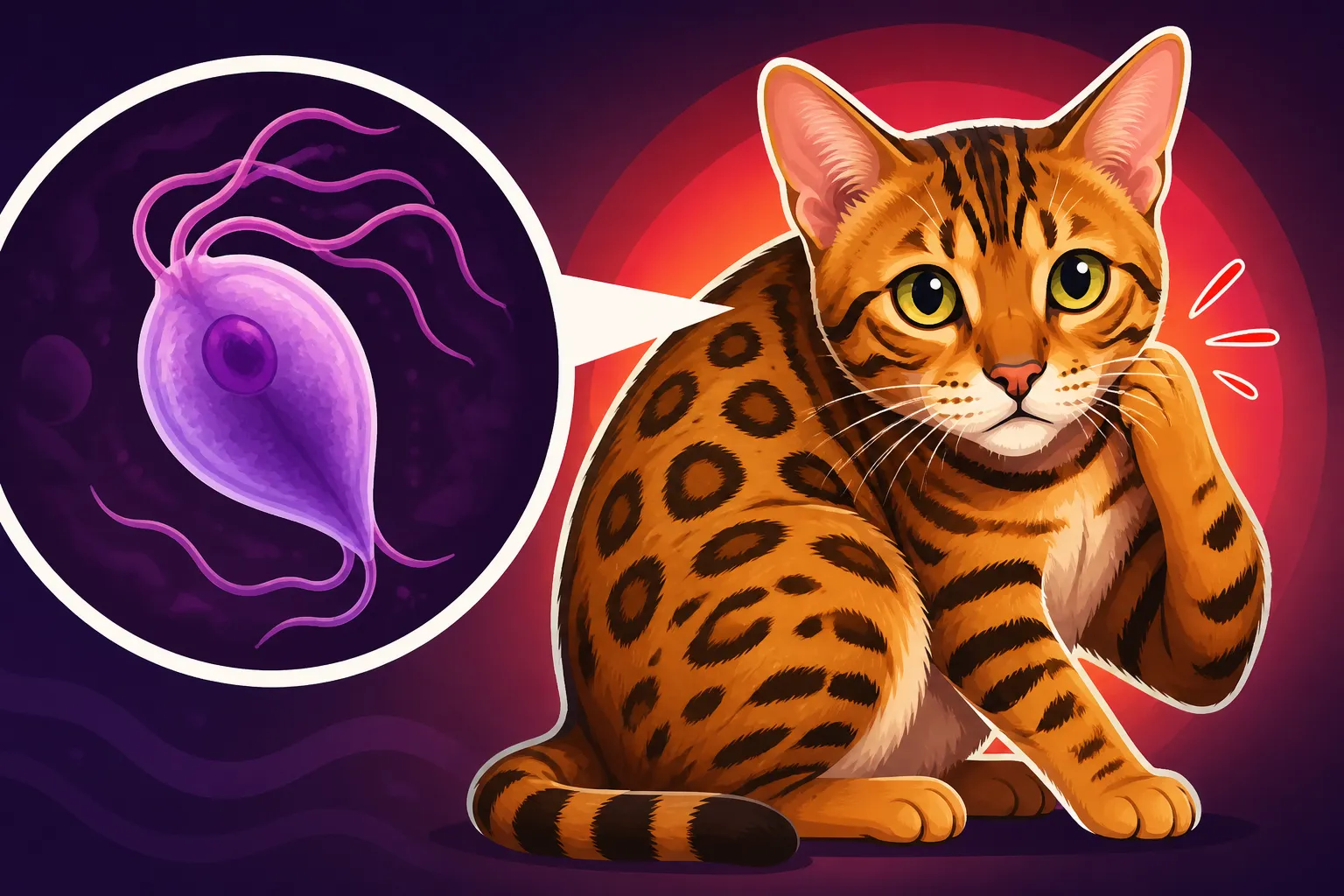
Tritrichomonas foetus is a single-celcelled protozoan parasite, a tiny organism that takes up residence in the lower intestinal tract, particularly the large intestine or colon, of cats. Now, you might be thinking, "Protozoan? Is that like giardia?" While both are microscopic parasites, they are distinctly different, both in their biology and how they impact your cat. Tritrichomonas isn't a bacterium or a virus; it's a flagellate, meaning it has little whip-like tails that allow it to move around and attach to the intestinal lining. Unlike some other parasites that might cause a brief bout of illness, Tritrichomonas is known for causing long-term, frustrating symptoms because it’s so adept at embedding itself and resisting the body’s natural defenses.
The parasite primarily causes inflammation in the colon, leading to the tell-tale signs of large bowel diarrhea. It’s not something you can usually spot with the naked eye, even in your cat's stool. The impact comes from its persistent presence and the irritation it causes, creating a constant struggle for your Bengal's digestive system. This isn't just about discomfort; long-term inflammation can affect nutrient absorption and overall gut health, making your cat feel generally unwell even if they still maintain their energetic Bengal demeanor between flare-ups.
Why Bengal Cats Are Particularly Susceptible
It often feels like Bengal cats draw the short straw when it comes to certain health issues, and unfortunately, Tritrichomonas foetus is one of them. While any cat can technically contract this parasite, it’s disproportionately prevalent in Bengal cats, particularly those from multi-cat environments like catteries or rescues. There are several theories as to why this breed seems more susceptible, and it's a point of much discussion among breeders and veterinarians. One major factor is the breed's inherently Why a Bengal Cat's Gut Is So Sensitive. Their digestive systems, perhaps due to their wild Asian Leopard Cat ancestry, can be more delicate and prone to imbalances, making them an easier target for opportunistic parasites.
Another significant reason for the higher prevalence is the social nature of the parasite. It spreads through the fecal-oral route, meaning cats ingest the parasite when they come into contact with contaminated feces – something that happens all too easily in environments where many cats share litter boxes or living spaces. A kitten can easily pick it up from its mother or littermates. If a cattery has an endemic issue, it can be incredibly difficult to eradicate, leading to Whether a Bengal Cat Kitten Arrives With Diarrhea with the parasite already active. This is why many experienced Bengal breeders are meticulous about hygiene and testing, trying to prevent this cycle of transmission.
The Difference Between Tritrichomonas and Other Causes of Diarrhea
When your Bengal cat starts having loose stools, your first thought probably isn't "Tritrichomonas!" It's more likely to be diet change, stress, or perhaps another common parasite like giardia or coccidia. And you'd be right to consider those, as Why a Bengal Cat Gets Chronic Diarrhea can stem from numerous issues. However, differentiating Tritrichomonas from these other culprits is crucial for effective treatment.
The diarrhea caused by Tritrichomonas is typically a large bowel diarrhea, meaning it originates in the colon. This usually presents as semi-formed to liquid stools, often with fresh blood, mucus, and a strong, foul odor. Cats may strain to defecate (tenesmus) and have accidents outside the litter box because of urgency. While giardia also causes diarrhea, it can be small or large bowel, and might respond to standard dewormers like fenbendazole, which has no effect on Tritrichomonas. Bacterial overgrowths, food sensitivities, or inflammatory bowel disease (IBD) also cause similar symptoms, making diagnosis a real challenge.
A key differentiator is the persistence and refractory nature of Tritrichomonas. If you've tried dietary changes, probiotics, and general dewormers, and the diarrhea keeps coming back or never fully resolves, Tritrichomonas should be high on your vet's list of suspects. It's often the last thing to be considered after other, more common causes have been ruled out, precisely because it requires a specialized test and treatment. This parasite doesn't respond to typical antibiotics or anti-parasitic medications, which is why a proper diagnosis is absolutely essential.
Recognizing the Signs and Symptoms of Tritrichomonas
It’s often a long and frustrating road for Bengal cat owners trying to figure out why their otherwise healthy, energetic furball has such persistent digestive issues. You might find yourself constantly cleaning up messes, wondering if this is just "how Bengal cats are," but it's important to recognize when something more specific like Tritrichomonas foetus might be at play. The signs can be subtle at first, then become undeniably disruptive.
The Hallmark: Chronic Loose Stools
The most prominent and persistent symptom of Tritrichomonas foetus infection in Bengal cats is chronic large bowel diarrhea. This isn't just a one-off soft stool; it's a recurring, often daily, issue that can last for weeks, months, or even years if left untreated. Many owners describe it as soft, cow-pie consistency, sometimes pudding-like, or even entirely liquid. What often sets it apart from other types of diarrhea is its particular characteristics:
- Foul Odor: The stool frequently has a particularly pungent, almost rancid smell that can permeate the room. This isn't just normal cat stool smell; it's distinctly worse.
- Mucus and Blood: You might notice a jelly-like mucus coating the stool, or even streaks of fresh red blood. This is a clear indicator of inflammation in the colon, where the Tritrichomonas parasite resides and causes irritation.
- Urgency and Tenesmus: Your Bengal might exhibit a sudden, desperate need to use the litter box, sometimes not making it in time. They might also strain excessively when trying to defecate, even when the stool is loose. This straining, known as tenesmus, can be quite distressing to watch and is a strong sign of colon inflammation.
- Increased Frequency: Cats with Tritrichomonas often defecate more frequently than normal, sometimes multiple times within an hour or several times a day.
This relentless cycle of loose stools can be incredibly taxing on both your cat and your household. It’s far more than just an inconvenience; it can indicate that your cat’s digestive system is under constant assault. If you're constantly cleaning up after your Bengal and the issue just doesn't seem to go away, even with changes to their diet or other supportive measures, this specific parasite should certainly be on your radar. Many owners unfortunately experience Chronic Diarrhea Is the Bengal Cat Complaint Nobody Warns About for extended periods before a proper diagnosis is made.
Other Observable Symptoms Beyond Diarrhea
While diarrhea is the star of the show when it comes to Tritrichomonas infection, there are other symptoms you might observe, though they can be less specific or only appear in more severe cases. These symptoms arise from the chronic inflammation and discomfort your cat is experiencing.
- Soiled Hindquarters: Due to the frequent, loose stools and often explosive nature of defecation, many affected Bengal cats will have chronically soiled hindquarters. The fur around their anus and tail base can become matted with feces, leading to irritation, skin infections, and a general lack of cleanliness. This can be particularly noticeable with their active lifestyles, as they might spread the mess more easily.
- Flatulence: An irritated gut often produces more gas, so you might notice your Bengal being unusually gassy, adding to the unpleasant odor in their environment.
- Mild Weight Loss or Poor Condition: While many Bengal cats with Tritrichomonas remain surprisingly lean and active, especially younger ones, chronic diarrhea means nutrients aren't being absorbed optimally. In some cases, particularly with long-standing infections or if secondary issues arise, you might see a gradual decline in their overall body condition. They might not be gaining weight as they should, or they might appear thinner than expected for their age and activity level. However, it's worth noting that severely emaciated cats are less common with Tritrichomonas than with some other chronic digestive diseases.
- Perianal Discomfort/Irritation: The constant exposure to acidic, irritated stool can lead to inflammation and discomfort around the anus. Your cat might lick or bite at the area more frequently, contributing to further irritation or even secondary infections.
It's vital to remember that not all Bengal cats will show every single symptom. Some might only have persistent loose stools without much blood or mucus, while others might present with all the classic signs. The key is the chronic nature of the problem, and its resistance to conventional treatments.
When to Be Concerned and Seek Veterinary Help
You know your Bengal best, and any significant, prolonged change in their digestive habits warrants a trip to the vet. For Tritrichomonas, specifically, you should definitely seek veterinary help if you observe:
- Diarrhea lasting more than a few days, especially if it's accompanied by fresh blood or mucus.
- Straining or pain during defecation. This is a clear sign of discomfort and inflammation.
- Any signs of dehydration (sunken eyes, lethargy, loss of skin elasticity), though this is less common with Tritrichomonas unless the diarrhea is exceptionally severe.
- Soiling outside the litter box due to urgency or inability to control their bowel movements. This is often a huge frustration for owners and a major indicator of a serious underlying problem, not just a behavioral issue.
- If you've adopted a Bengal kitten or cat from a multi-cat household or rescue, and they immediately develop chronic diarrhea, this parasite should be considered early on.
Don't dismiss chronic diarrhea as "just how some cats are" or assume it's simply stress. While these can certainly be factors, the persistent nature of Tritrichomonas means it won't resolve on its own. Early diagnosis can save your cat prolonged discomfort and prevent the spread to other felines, if applicable. A veterinary professional is equipped to differentiate between the various causes of digestive upset and guide you toward the correct diagnostic tests.
Diagnosing Tritrichomonas in Your Bengal Cat
The journey to getting a definitive Tritrichomonas diagnosis for your Bengal cat can often feel like navigating a maze. Many owners have spent significant time and money trying various remedies, diets, and treatments for chronic diarrhea, only to find the problem stubbornly persists. This is largely because Tritrichomonas foetus requires a very specific approach to identify, and it's easily missed if your vet isn't actively looking for it.
The Challenges of Pinpointing the Cause
One of the biggest frustrations for Bengal cat owners, and indeed for veterinarians, is that the symptoms of Tritrichomonas infection—chronic large bowel diarrhea, mucus, fresh blood, tenesmus—are incredibly similar to those caused by many other conditions. This makes accurate diagnosis a real headache. You might initially suspect dietary intolerance, stress, inflammatory bowel disease (IBD), bacterial overgrowth, or other parasites like Giardia.
Your vet will likely start by performing a routine fecal flotation test, which is great for identifying common worm eggs and other parasites, but it won't reliably find Tritrichomonas. This protozoan is often elusive under a standard microscope, and its numbers can fluctuate, making it easy to miss even on direct smear examinations. Furthermore, many common anti-diarrheal medications or broad-spectrum antibiotics, while sometimes offering temporary relief for other issues, will have no lasting impact on Tritrichomonas, leading to recurring symptoms and a growing sense of despair for the owner. It's truly a scenario where you feel like you've tried everything, and nothing works.
The Importance of a Fecal PCR Test
Given the challenges of microscopic identification, the gold standard for diagnosing Tritrichomonas foetus in Bengal cats (and all cats) is a fecal PCR (Polymerase Chain Reaction) test. This test doesn't look for the parasite itself, but rather for its DNA. This is a game-changer because it can detect even tiny amounts of Tritrichomonas DNA, making it highly sensitive and accurate.
Here's how it generally works and why it's so important:
- Sample Collection: Your vet will ask you to collect fresh fecal samples from your Bengal cat. Often, multiple samples collected over a few days are recommended to increase the chances of detection, as the shedding of the parasite can be intermittent. The samples need to be collected hygienically and placed in a sterile container provided by your vet.
- Lab Analysis: The samples are then sent to a specialized veterinary diagnostic laboratory. Labs like Cornell University's Animal Health Diagnostic Center or IDEXX Laboratories are well-known for performing these advanced fecal PCR tests. The lab extracts DNA from the fecal matter and then uses PCR technology to amplify any Tritrichomonas foetus DNA present.
- High Accuracy: The beauty of the PCR test is its sensitivity. It can identify the parasite even if only a few organisms are present in the sample, which is a major advantage over traditional microscopic examination where the parasite can be sparse or difficult to differentiate from other motile organisms. This specificity ensures that you're not just treating symptoms, but targeting the actual underlying cause. Knowing How a Vet Tests a Bengal Cat for Tritrichomonas is key to understanding why this particular diagnostic path is so crucial.
While the cost of a PCR test might be higher than a standard fecal exam (you can expect What a Bengal Cat's Fecal Panel Costs to be a bit more significant), it is often the most cost-effective solution in the long run, as it avoids repeated ineffective treatments and the associated veterinary visits. Many pet insurance providers, like Healthy Paws, will cover diagnostic testing for conditions like Tritrichomonas, which can be a huge relief for owners facing persistent health challenges.
Interpreting Test Results and Next Steps
Once the PCR test results are back, interpreting them correctly is the next critical step.
- Positive Result: A positive PCR test result confirms the presence of Tritrichomonas foetus DNA, meaning your Bengal cat is indeed infected. This provides a clear path forward for treatment. It also indicates that you should discuss the possibility of testing other cats in your household or informing the breeder, especially if your cat came from a multi-cat environment, to help prevent further spread.
- Negative Result: A negative result is a bit trickier. While it most likely means your cat isn't infected with Tritrichomonas, it's not always 100% conclusive. Due to intermittent shedding, a single negative test might not capture the parasite. If your cat's symptoms are highly suggestive of Tritrichomonas and other causes have been thoroughly ruled out, your vet might recommend re-testing with additional samples or even pursuing a therapeutic trial (treating for Tritrichomonas to see if symptoms resolve). However, typically, a negative PCR test is considered reliable, and your vet would then pivot to investigating other potential causes of chronic diarrhea, such as food allergies requiring When a Bengal Cat Needs a Special Diet for Its Gut or inflammatory bowel disease.
A clear diagnosis empowers you and your vet to pursue the most effective treatment, saving your Bengal cat from continued discomfort and you from endless frustration and expense.
Treatment and Management Strategies for Tritrichomonas
Discovering your Bengal cat has Tritrichomonas foetus is a huge step, bringing relief that you finally have an answer, but also a new set of questions about how to tackle this persistent parasite. Thankfully, there are effective strategies, though they require patience and adherence to your vet's instructions. This isn't a quick fix, but with the right approach, your Bengal can find relief.
The Specific Medication for Tritrichomonas
Unlike many common intestinal parasites that respond to widely available dewormers, Tritrichomonas foetus is notoriously resistant to most conventional medications. This is why you might have already tried various antibiotics or anti-parasitic drugs without success. The good news is that there is a specific drug that has proven effective against Tritrichomonas.
The medication of choice for treating Tritrichomonas foetus is Ronidazole. This drug is an antiprotozoal agent that specifically targets these organisms. It's crucial to understand a few things about Ronidazole:
- Veterinary Prescription Only: Ronidazole is not readily available over-the-counter and must be prescribed by a veterinarian. It's not approved for use in cats in all countries, so your vet might need to prescribe it "off-label," which means using a drug in a way not specified on the label, but which is medically sound and commonly practiced.
- Precise Dosing and Duration: Your vet will determine the precise dose based on your Bengal's weight and the specific formulation of the drug. It’s typically administered orally for a period, often around 10-14 days. It is absolutely vital to complete the entire course of medication, even if your cat's symptoms improve rapidly, to ensure the parasite is fully eradicated.
- Potential Side Effects: While generally well-tolerated, Ronidazole can have side effects, most notably neurological issues like tremors, seizures, or ataxia (incoordination), especially if given at too high a dose or for too long. This is why strict adherence to your vet's prescribed dosage is paramount. If you notice any concerning side effects, contact your vet immediately. The good news is that these side effects usually resolve once the medication is discontinued. To learn more, you can delve into Which Drug Clears Tritrichomonas in a Bengal Cat.
It's tempting to try alternative therapies or stop medication early when symptoms improve, but for Tritrichomonas, a full and proper course of Ronidazole is usually the most effective route to sustained relief. Any lapses can allow the parasite to rebound, and then you're back to square one. When considering What Treating Tritrichomonas Costs a Bengal Cat Owner, remember that the medication is a key part of that investment.
Managing Symptoms and Supporting Your Cat's Gut
While Ronidazole works to eliminate the parasite, supportive care is crucial to help your Bengal cat recover and to manage symptoms during treatment. The gut has been inflamed and irritated, and it needs time and support to heal.
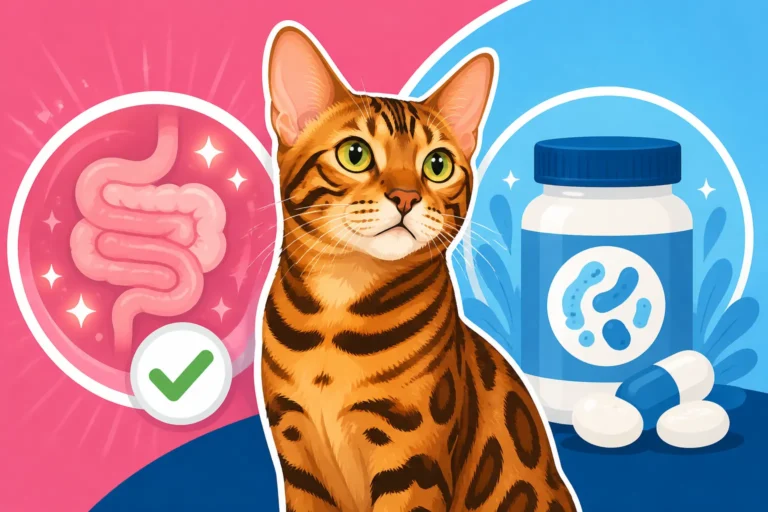
- Probiotics and Prebiotics: Introducing a high-quality feline-specific probiotic can help restore the balance of beneficial bacteria in your Bengal's gut, which may have been disrupted by the infection and potentially by the medication. Prebiotics, which are fibers that feed these good bacteria, can also be beneficial.
- Easily Digestible Diet: While not a cure for Tritrichomonas, feeding an easily digestible, often novel protein or hydrolyzed protein diet, can reduce the workload on your cat's inflamed digestive system. This can help firm up stools faster and reduce irritation. Discuss with your vet whether a special diet is recommended during or after treatment. You might find guidance in articles like When a Bengal Cat Needs a Special Diet for Its Gut.
- Hydration: Chronic diarrhea can lead to dehydration. Ensure your Bengal has constant access to fresh water. A water fountain can encourage drinking for these water-loving cats.
- Cleanliness: Keep your Bengal's hindquarters clean to prevent skin irritation and secondary infections. Gentle, unscented wipes or a warm, damp cloth can be used. Regular cleaning of the litter box is also vital for preventing reinfection and spread.
It's important to be patient during this phase. While symptoms often improve within a few days of starting Ronidazole, full resolution of diarrhea can take longer, and some cats may have lingering soft stools as their gut heals. Continue to follow your vet's advice on diet and supplements.
Preventing Reinfection and Spread in Multi-Cat Households
Preventing reinfection and spread is absolutely critical, especially in homes with multiple cats or if you got your Bengal from a cattery. Tritrichomonas is highly contagious through the fecal-oral route.
Here are key strategies:
- Strict Litter Box Hygiene: This is paramount. Scoop litter boxes immediately after use, ideally multiple times a day. Disinfect litter boxes regularly with a solution that kills protozoa, such as bleach (diluted 1:32 with water, ensuring thorough rinsing). Consider using disposable litter box liners or having more litter boxes than cats (the general rule is one box per cat plus one extra).
- Sanitize the Environment: Because Tritrichomonas can survive in feces for some time, it’s important to clean and disinfect all areas your cat frequents. This includes floors, bedding, toys, and grooming tools. Steam cleaning can be very effective for carpets and upholstery.
- Isolation of Infected Cats (if practical): In severe cases or multi-cat households, temporarily isolating the infected cat might be necessary to prevent others from picking up the parasite. Each cat should have its own food and water bowls, and litter box.
- Test All Cats: If one cat in a multi-cat household tests positive, it's highly recommended to test all other cats, even if they show no symptoms. Some cats can be asymptomatic carriers, meaning they carry and shed the parasite without showing signs of diarrhea, thus continuing the cycle of infection. This is different from How Giardia Spreads Through a Bengal Cat Cattery, but both emphasize stringent hygiene.
- Post-Treatment Testing: After your Bengal has completed the Ronidazole course and symptoms have resolved, your vet might recommend a follow-up fecal PCR test (or even multiple tests) to confirm that the parasite has been cleared. This is crucial because, unfortunately, Whether Tritrichomonas Comes Back in a Bengal Cat is a real concern if not fully eliminated.
This diligent approach to hygiene and testing is essential to break the cycle of infection and give your Bengal cat the best chance at a healthy, comfortable life. Insurance providers like Healthy Paws can be invaluable here, helping to cover the costs of these often-repeated tests and treatments, making it easier to follow your vet's comprehensive plan.
Long-Term Outlook and Living with a Bengal Cat Affected by Tritrichomonas
Receiving a diagnosis of Tritrichomonas foetus for your Bengal cat, especially after a long struggle with chronic diarrhea, can be a mixed bag of relief and apprehension. You have an answer, but now what does the future hold? It’s important to manage expectations, understand the potential for recurrence, and commit to long-term strategies for your cat's well-being.
The Possibility of Recurrence and Chronic Issues
While Ronidazole is highly effective at clearing Tritrichomonas, it’s not a magic bullet guaranteeing a lifetime free of issues. The reality is that recurrence can happen, and some Bengal cats might experience chronic, low-grade symptoms even after treatment.
- Incomplete Eradication: Sometimes, despite a full course of Ronidazole, a small number of parasites might persist, leading to a relapse of symptoms weeks or months later. This could be due to factors like medication absorption, individual cat response, or reinfection from a contaminated environment or an untested carrier cat.
- Post-Infection Gut Sensitivity: Even after the parasite is gone, the chronic inflammation caused by Tritrichomonas can leave your Bengal's gut more sensitive and prone to future upsets. The intestinal lining may take time to fully heal, and the microbiome (the community of bacteria in the gut) might remain imbalanced. This heightened sensitivity can mean they react more strongly to dietary changes, stress, or other minor irritants that a cat with a pristine gut might shrug off.
- Ongoing Management: For some Bengal cats, managing Tritrichomonas can transition into managing a chronically sensitive gut. This might involve long-term use of probiotics, careful dietary management, and vigilance for any return of symptoms. It's a testament to the persistent nature of this parasite and its lasting impact on the feline digestive system.
This isn't to say that all Bengals will suffer long-term; many make a full recovery and live normal, symptom-free lives. However, being aware of the potential for recurrence and continued sensitivity helps owners stay proactive and work closely with their vet.
Supporting a Cat's Quality of Life
Living with a Bengal cat that has, or has had, Tritrichomonas means being extra attentive to their overall health and ensuring their quality of life remains high. These are vibrant, intelligent animals, and chronic discomfort can certainly take a toll.
- Nutritional Support: A well-balanced, high-quality diet that is easily digestible is paramount. Some Bengal owners find success with specific prescription gastrointestinal diets, limited ingredient diets, or even raw feeding (under strict veterinary guidance). The goal is to minimize gut irritation and support nutrient absorption. You may need to have What a Prescription Gut Diet Costs a Bengal Cat Owner in mind as part of their ongoing care.
- Stress Reduction: Stress can exacerbate gastrointestinal issues. For active and intelligent Bengals, ensuring adequate enrichment, play, and mental stimulation is crucial. Provide plenty of vertical space, interactive toys, and regular play sessions. A secure What a Catio Costs to Build for a Bengal Cat can also provide safe outdoor enrichment.
- Regular Veterinary Check-ups: Even if your cat seems to be doing well, regular vet visits are important to monitor their digestive health, address any emerging issues, and discuss ongoing management strategies. Your vet can perform fecal re-checks if symptoms recur and provide guidance on diet or supplements.
- Environmental Cleanliness: Maintaining impeccable hygiene, especially around litter boxes, isn't just for preventing recurrence; it also keeps your cat clean and comfortable. A cat with chronically soiled hindquarters is an uncomfortable cat.
By taking a holistic approach that combines targeted medical treatment with comprehensive supportive care, you can significantly improve your Bengal's comfort and health, allowing their energetic and affectionate personality to shine through.
Breeder Responsibility and Ethical Considerations
The prevalence of Tritrichomonas foetus in Bengal cats highlights the significant role of responsible breeding practices and ethical considerations within the cat fancy. Since the parasite spreads easily in multi-cat environments and kittens can be infected from their mothers, breeders have a crucial responsibility.
- Testing Breeding Cats: Reputable Bengal breeders should ideally test all their breeding cats for Tritrichomonas foetus via PCR before they are bred. This proactive approach helps to ensure that healthy kittens are produced and that the parasite isn't perpetuated within a cattery.
- Quarantine Protocols: Strict quarantine protocols for any new cats entering a cattery, including thorough testing for various parasites and diseases, can prevent the introduction of Tritrichomonas.
- Transparency with Buyers: Honest breeders will be transparent about the health of their lines and any historical issues with Tritrichomonas. They should provide clear instructions on how to care for new kittens and what to do if digestive issues arise.
- Handling Infected Kittens: If a kitten tests positive for Tritrichomonas before sale, a responsible breeder should treat the kitten before it goes to its new home, or at minimum, fully disclose the diagnosis and treatment plan to the buyer. Unfortunately, sometimes Whether a Breeder Should Treat a Bengal Cat Before Sale becomes a point of contention.
- Ethical Breeding Practices: The conversation around Tritrichomonas also touches on the broader ethics of breeding. Ensuring the health and welfare of all breeding animals and their offspring should always be the top priority. Breeders should strive to produce cats that are not just beautiful but also robustly healthy.
As a potential Bengal cat owner, it’s imperative to ask breeders about their testing protocols for Tritrichomonas and other common Bengal health issues. This due diligence can save you a great deal of heartache, expense, and frustration down the line. A breeder who is knowledgeable and proactive about Tritrichomonas is a breeder who prioritizes the health of their cats.
Comparing Common Bengal Cat Diarrhea Causes
To help visualize the differences between Tritrichomonas foetus and other common causes of chronic diarrhea in Bengal cats, here's a comparison table:
| Feature/Condition | Tritrichomonas Foetus | Giardia | Food Sensitivity/Allergy | Inflammatory Bowel Disease (IBD) |
|---|---|---|---|---|
| Primary Symptoms | Chronic large bowel diarrhea, mucus, fresh blood, tenesmus, foul odor, soiled hindquarters. | Chronic or intermittent diarrhea (small or large bowel), greasy stool, flatulence, weight loss. | Chronic diarrhea (soft to watery), vomiting, skin issues, itching, poor coat quality. | Chronic diarrhea, vomiting, weight loss, decreased appetite, lethargy. |
| Causative Agent | Protozoan parasite (T. foetus) | Protozoan parasite (G. duodenalis) | Immune reaction to specific protein/ingredient | Chronic inflammation of GI tract, often idiopathic (unknown cause) |
| Onset | Often in kittens/young adults from multi-cat environments; persistent. | Can be acute or chronic, often intermittent. | Varies, often develops over time with exposure to trigger ingredient. | Gradual, progressive, often waxing and waning. |
| Contagious? | Yes, highly contagious fecal-oral. | Yes, highly contagious fecal-oral. | No | No |
| Diagnostic Test(s) | Fecal PCR test (gold standard), direct smear (less reliable). | Fecal ELISA test, fecal flotation, PCR test. | Food elimination trial (novel protein/hydrolyzed diet) | Biopsy of intestinal tract (definitive), rule-outs, bloodwork. |
| Standard Treatment | Ronidazole | Fenbendazole, Metronidazole | Strict hypoallergenic diet trial | Immunosuppressants (e.g., steroids), dietary management, probiotics. |
| Recurrence Potential | Moderate to high, especially in multi-cat settings or incomplete treatment. | Moderate if not fully cleared or reinfection occurs. | High if trigger ingredient is reintroduced. | Chronic condition, requires ongoing management. |
Disclaimer
The information provided in this article is for general informational purposes only and does not constitute veterinary medical advice. Always consult with a qualified veterinarian for any health concerns or before making any decisions related to your Bengal cat's health or treatment. The specific needs of your cat may vary, and a professional diagnosis is essential for proper care.