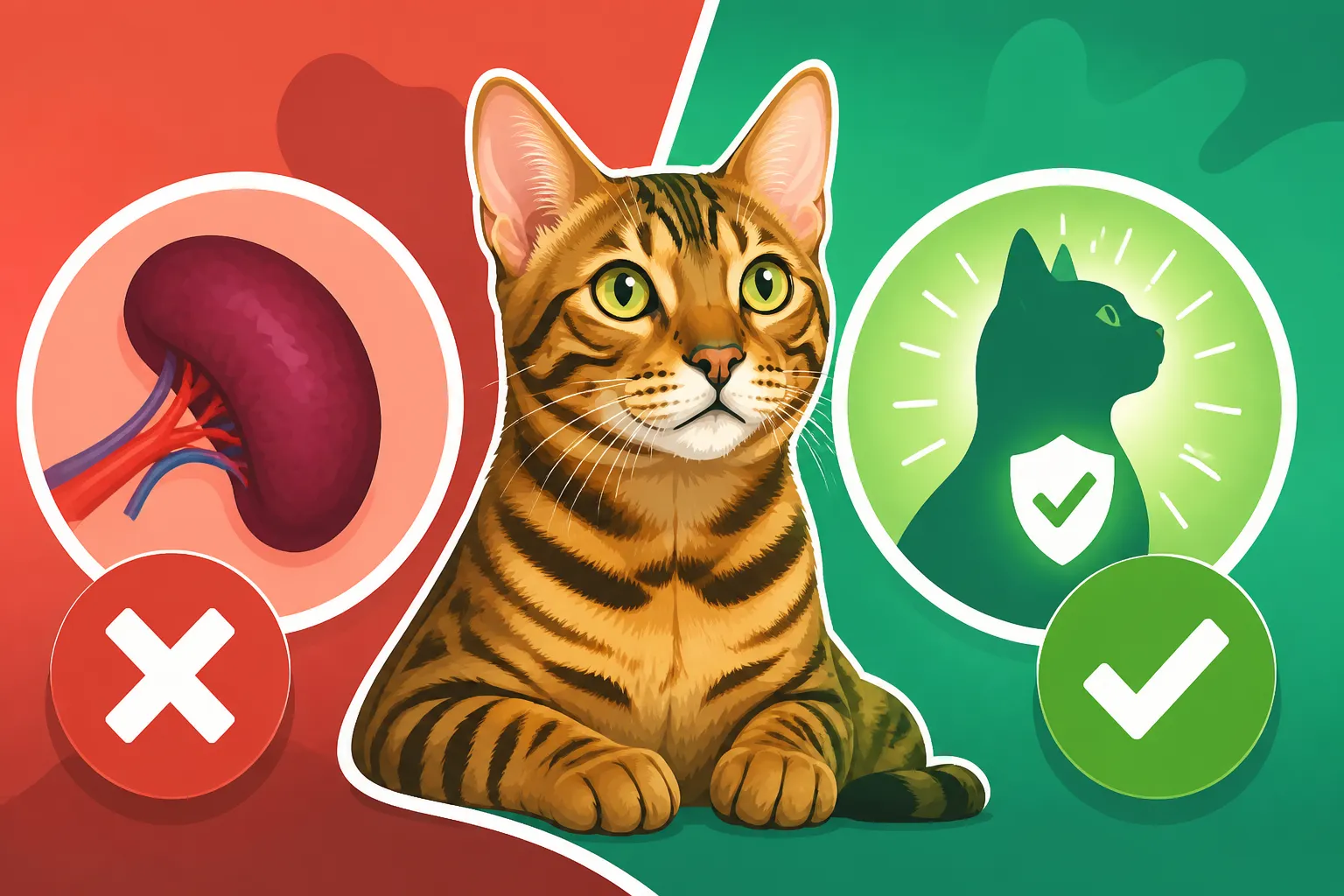
Whether a Spleen Removal Helps a Bengal Cat
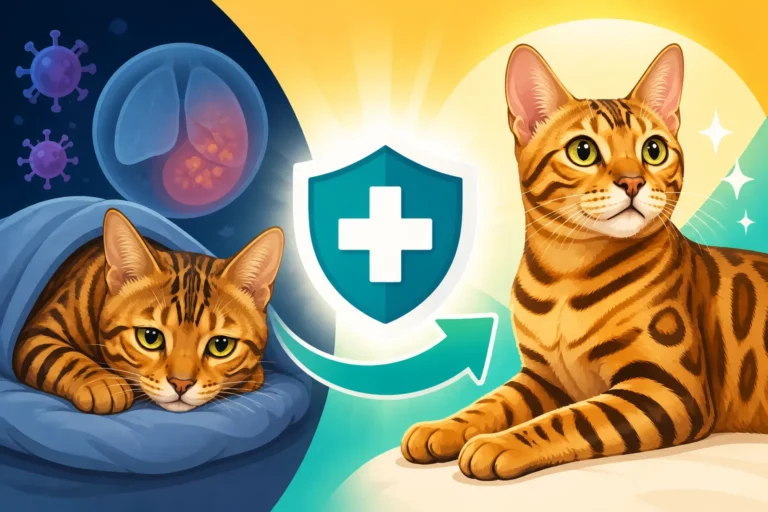
It’s a heartbreaking situation when your vibrant Bengal cat is diagnosed with Pyruvate Kinase (PK) Deficiency, a genetic blood disorder that leaves them perpetually anemic. As an owner, you're constantly searching for ways to ease their suffering and improve their quality of life, and one option that often comes up in discussions with your vet is the potential for a spleen removal, or splenectomy. This guide will walk you through what this procedure entails and whether it truly offers a lifeline for your beloved Bengal.
Understanding Pyruvate Kinase Deficiency in Bengal Cats
Living with a Bengal cat diagnosed with Pyruvate Kinase Deficiency is a challenging journey, marked by periods of concern and the constant desire to ensure your feline friend has the best possible quality of life. This inherited condition affects how your cat’s red blood cells function, leading to chronic anemia that can significantly impact their energy and overall well-being.
What PK Deficiency Means for Your Bengal's Red Blood Cells
At its core, Pyruvate Kinase Deficiency is a genetic metabolic disorder. The enzyme pyruvate kinase is crucial for the survival and proper function of red blood cells. Without enough of this enzyme, the red blood cells become fragile and are destroyed prematurely, leading to a condition called hemolytic anemia. Imagine trying to run a marathon with leaky tires; your car isn't going to get far. That’s essentially what happens to your Bengal's red blood cells – they can’t sustain themselves, and their lifespan is drastically shortened. This isn't something that develops over time; it's an inherited trait, meaning your cat was born with it if both parents were carriers or affected. To truly grasp this condition, it helps to understand Pyruvate Kinase Deficiency in a Bengal Cat.
Recognizing the Signs of Anemia in PK Deficient Bengals
The signs of PK Deficiency, primarily due to the ongoing anemia, can be quite varied and often fluctuate. You might notice your once-zoomie Bengal, who normally can't get enough playtime, is now more lethargic, sleeping more than usual, and showing less interest in their favorite toys or climbing adventures. Pale gums are a hallmark sign of anemia; gently lifting their lip to check the color can give you a quick indication. Instead of a healthy bubblegum pink, they might appear very light pink or even whitish.
Weight loss, despite a good appetite, can also be a symptom, as their body works harder to compensate for the lack of oxygen-carrying red blood cells. One of the most frustrating aspects for owners is witnessing Why a PK Deficient Bengal Cat Has Good Days and Bad. Your cat might have a few days where they seem almost normal, full of energy, only to crash a day or two later, becoming profoundly tired and weak. This waxing and waning nature of the disease makes it particularly difficult to manage and predict. Recognizing the subtle Signs a Bengal Cat Has Hemolytic Anemia is crucial for early intervention and support.
Diagnosing PK Deficiency: More Than Just a Blood Test
When you first notice these worrying symptoms, your veterinarian will likely start with standard blood tests, including a complete blood count (CBC), which will indeed show anemia. However, diagnosing PK Deficiency specifically requires more advanced testing. While a routine blood test can confirm anemia, it doesn't tell you the cause. To get a definitive diagnosis, a DNA test is necessary.
This specialized test identifies the genetic mutation responsible for PK Deficiency in Bengal cats. It’s a simple cheek swab or blood sample sent to a specialized laboratory. This DNA test not only confirms if your Bengal is affected but also if they are a carrier, which is vital information for breeders. Knowing How a Vet Confirms PK Deficiency in a Bengal Cat empowers you to get the right diagnosis and treatment plan in place. Without this specific genetic testing, a diagnosis of PK deficiency might be missed or confused with other forms of anemia, leading to ineffective treatment strategies.
The Role of the Spleen in a PK Deficient Bengal Cat
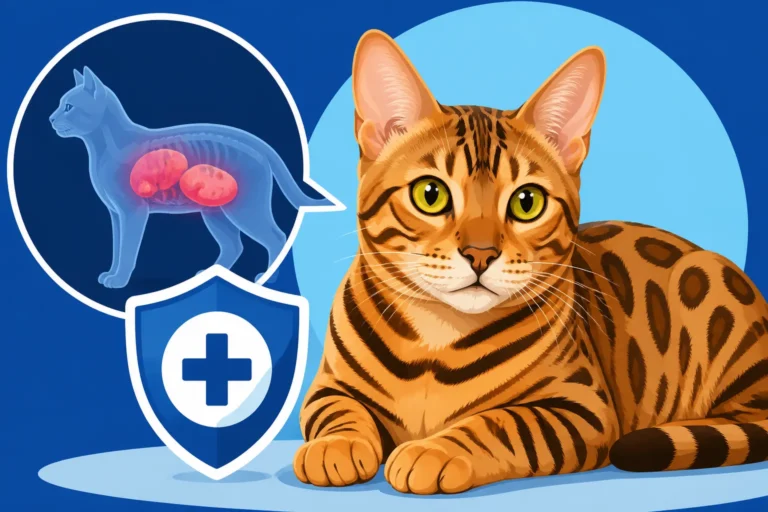
The spleen is an organ that often goes unnoticed until something goes wrong. In the context of Pyruvate Kinase Deficiency, however, the spleen plays a particularly significant and detrimental role in the progression of the disease. Understanding its function is key to grasping why its removal is sometimes considered.
Why the Spleen Becomes Overactive
In a healthy cat, the spleen acts as a vital filter, removing old, damaged, or abnormal red blood cells from circulation. It’s like a quality control center, ensuring only healthy cells continue to transport oxygen throughout the body. For a Bengal cat with PK Deficiency, this normal filtering process becomes a major problem. Because their red blood cells are inherently fragile and defective due to the enzyme deficiency, they are flagged by the spleen as abnormal much earlier than they should be.
The spleen in a PK deficient cat, in its diligent attempt to do its job, becomes hyperactive. It doesn't just filter out truly "old" cells; it starts prematurely destroying even relatively young, functional red blood cells simply because they possess the PK Deficiency defect. This overzealous destruction exacerbates the anemia, making it even harder for the cat's bone marrow to keep up with the demand for new red blood cells. The spleen essentially becomes part of the problem, contributing significantly to the chronic, severe anemia that defines the condition.
The Rationale Behind Splenectomy for PK Deficiency
Given the spleen's central role in accelerating red blood cell destruction in PK Deficient cats, the idea of removing it (a splenectomy) seems, on the surface, like a logical step. The rationale is quite straightforward: if the primary organ responsible for prematurely destroying these fragile red blood cells is removed, then a major source of blood loss is eliminated.
The hope is that by removing the spleen, the remaining red blood cells, despite their inherent defect, will be able to circulate for longer periods before being destroyed by other filtering organs (like the liver), or simply dying of natural causes. This could theoretically lead to a higher red blood cell count, reducing the severity of anemia and potentially the need for frequent blood transfusions. While it doesn't cure the underlying genetic defect – your Bengal's bone marrow will still produce defective red blood cells – it aims to mitigate one of the most significant complications of the disease, which is the rapid destruction of those cells. Discussing these options with your veterinary specialist, understanding the potential benefits and drawbacks, is critical when considering How a Bengal Cat With PK Deficiency Is Treated.
Weighing the Pros and Cons of Spleen Removal
Making the decision to pursue a splenectomy for your Bengal cat with PK Deficiency is not one to take lightly. It involves a careful balancing act between the potential for improved quality of life and significant surgical risks and long-term implications.
Potential Benefits: What Owners Hope For
For a Bengal cat suffering from severe, chronic anemia due to PK Deficiency, a successful splenectomy can offer several appealing potential benefits. The primary goal is to increase the lifespan of the red blood cells, which in turn reduces the severity of the anemia. Owners often hope to see a noticeable improvement in their cat's energy levels, making them more active and engaged, closer to their naturally spirited Bengal selves. A decreased need for regular blood transfusions is another significant potential benefit, reducing both the stress on the cat and the financial burden on the owner. Frequent transfusions, while life-saving in acute crises, are not a long-term solution and come with their own risks and costs.
By extending the life of existing red blood cells, a splenectomy can lead to a more stable red blood cell count, offering the cat a better overall quality of life. This could mean more consistent good days and fewer of those severely lethargic, pale periods. While it's not a cure, it can be a palliative measure that provides symptomatic relief, making day-to-day life significantly more comfortable for your feline companion.
Significant Risks and Complications
However, it's absolutely crucial to go into a splenectomy with a clear understanding of the substantial risks involved. Any major surgery carries inherent dangers, and a splenectomy is no exception.
- Anesthesia Risks: Bengal cats, like all felines, are susceptible to complications from general anesthesia, especially if they are already weakened by chronic illness. A thorough pre-surgical workup, including comprehensive blood tests and cardiac evaluation, is essential to mitigate these risks.
- Surgical Complications: There's always a risk of hemorrhage during or after the surgery, infection at the incision site, or damage to surrounding organs. The spleen is highly vascular, so bleeding is a particular concern.
- Post-Operative Issues: Even if the surgery goes smoothly, post-operative complications can arise. Some cats may develop pancreatitis or other gastrointestinal issues.
- Immune System Impact: The spleen plays a role in the immune system, and its removal can theoretically lead to a slightly increased susceptibility to certain infections, though this is less common in cats than in humans.
- Not a Cure: The most important consideration is that splenectomy is not a cure for PK Deficiency. The underlying genetic defect remains, and the bone marrow will continue to produce abnormal red blood cells. While the rate of destruction might slow down, these cells will still eventually be removed from circulation by other organs like the liver. Therefore, some degree of anemia will almost certainly persist.
This procedure is a major undertaking, and your vet will likely discuss how Whether a PK Deficient Bengal Cat Needs a Transfusion might change after surgery, but won't be eliminated entirely for crises. When considering the financial implications of such a complex procedure, having pet insurance can be a huge relief. Companies like Healthy Paws can help cover a significant portion of the surgical costs, allowing you to prioritize your cat's health without added financial strain.
Long-Term Outlook and Management After Splenectomy
The long-term outlook after a splenectomy for PK Deficiency varies considerably from one Bengal cat to another. Some cats experience a significant improvement, with a noticeable boost in energy and a reduction in the severity and frequency of anemic episodes. They might lead a relatively normal life for years post-surgery. However, other cats may show only marginal improvement, or the benefits might be short-lived.
Ongoing management will definitely be necessary. Regular veterinary check-ups, including What a Bengal Cat's Yearly Bloodwork Should Cover, will be crucial to monitor their red blood cell count and overall health. Your vet might also recommend dietary adjustments or specific supplements to support red blood cell production. While the initial hope is to reduce the need for transfusions, it’s not uncommon for some cats to still require them during severe anemic crises even after spleen removal. Ultimately, a splenectomy is a palliative measure, aiming to improve comfort and extend life, but it does not eliminate the chronic nature of the disease. Therefore, continued vigilance and close collaboration with your veterinary team remain paramount.
Here's a quick overview of the key points:
| Feature | Potential Benefits of Splenectomy | Significant Risks/Drawbacks of Splenectomy |
|---|---|---|
| Anemia | Reduced severity, increased red blood cell lifespan | Anemia not fully cured, may still require transfusions |
| Quality of Life | Increased energy, more consistent good days, improved activity | Anesthesia risks, surgical complications (hemorrhage, infection) |
| Transfusions | Decreased frequency or need for blood transfusions | Post-operative complications (pancreatitis, blood clots, immune impact) |
| Longevity | Potential for extended lifespan due to reduced red cell destruction | No guarantee of extended life; underlying genetic issue persists |
| Cost | Potentially reduce long-term costs of frequent transfusions | High upfront surgical cost, ongoing monitoring expenses |
Alternative and Supportive Therapies
While a splenectomy can be a consideration for managing severe Pyruvate Kinase Deficiency, it’s essential to remember that it's just one piece of the puzzle. There are several other crucial therapies and management strategies that play a vital role in supporting your Bengal cat, whether before, alongside, or in place of surgical intervention.
Managing Anemia with Transfusions and Medications
For Bengal cats experiencing acute and severe anemic crises, blood transfusions can be life-saving. These transfusions provide a temporary boost of healthy red blood cells, buying time for your cat's body to recover or for other treatments to take effect. It’s a critical intervention when your cat's red blood cell count drops dangerously low. However, transfusions are not a cure and typically only offer short-term relief, and they can be quite expensive. What a Bengal Cat's Blood Transfusion Costs can be a significant concern for owners, reinforcing the value of pet insurance.
Beyond transfusions, your veterinarian might prescribe medications to help manage the symptoms and complications of PK Deficiency. Corticosteroids are sometimes used to suppress the immune system if there's an autoimmune component suspected to be contributing to red blood cell destruction, though their efficacy in pure PK Deficiency cases is debated. Iron supplements might be considered if your cat is iron deficient, but this should only be done under veterinary guidance, as too much iron can be harmful. The goal of these medications is to provide supportive care and help stabilize your cat's condition.
Nutritional Support and Lifestyle Adjustments
Beyond medical interventions, creating a supportive environment and providing optimal nutrition are fundamental for a Bengal cat with PK Deficiency. Because their bodies are constantly working harder to compensate for anemia, a high-quality, easily digestible diet rich in appropriate nutrients is crucial. Your vet might recommend specific cat foods designed for sensitive stomachs or those with higher protein content to support overall health and muscle maintenance. Some owners explore specialized diets in consultation with their vets, carefully monitoring their cat's response.
Minimizing stress is also incredibly important. A calm, stable home environment helps conserve energy and reduces demands on their already strained system. Ensure your Bengal has comfortable, warm resting spots, as maintaining body temperature can require extra energy. While Bengal cats are naturally energetic, during periods of severe anemia, it's vital not to overexert them. Gentle play sessions are fine, but listen to your cat and allow them plenty of rest. These seemingly small lifestyle adjustments can make a big difference in their daily comfort and well-being.
Making an Informed Decision for Your Bengal Cat
Ultimately, deciding whether a splenectomy is the right path for your Bengal cat with PK Deficiency is a deeply personal and complex choice. It requires open and honest communication with your veterinary team, including your primary vet and potentially a veterinary internal medicine specialist. They can provide the most accurate assessment of your cat's individual condition, the severity of their anemia, and their overall prognosis.
Consider your cat's specific temperament and how well they handle veterinary visits and stress. A highly anxious cat might find frequent medical interventions more distressing. Weigh the potential benefits against the significant risks of surgery, and be realistic about the outcomes. Remember, there is no magic bullet; PK Deficiency is a chronic, lifelong condition.
The financial aspect is also a significant factor. Major surgery, ongoing medications, and potential transfusions can quickly add up. This is where pet insurance can be an invaluable asset. Companies like Healthy Paws offer comprehensive plans that can cover a substantial portion of emergency care, specialist visits, and prescribed medications for conditions like PK Deficiency. Knowing that you have financial support can allow you to make decisions based purely on what's best for your beloved Bengal, rather than being constrained by cost. Exploring options like What Insuring a Bengal Cat Costs a Month can provide peace of mind in challenging times.
Disclaimer
This article is for general informational purposes only and does not constitute professional advice. Laws, prices and regulations vary by location and change over time. Consult a qualified professional for guidance on your specific situation.