What Jean Mill Named Her Bengal Cat Cattery
It’s a common frustration for anyone diving into the fascinating world of Bengal cats: trying to trace their origins and understand the pivotal figures who shaped this incredible breed can feel like navigating a historical labyrinth. You hear names like Jean Mill, but how did her specific contributions lay the groundwork for the beautiful, wild-looking companions we cherish today? This guide is here to untangle that history, specifically revealing the enduring name of the cattery that became synonymous with the Bengal cat and why it still matters.
The Legacy of Jean Mill and the Genesis of the Bengal Cat
The Bengal cat breed didn't just appear out of nowhere; it's the result of decades of dedicated, passionate, and often challenging work by a few pioneering individuals. At the very heart of this origin story is Jean Mill, a woman whose vision and persistence truly transformed what many thought was possible in cat breeding. Her impact is undeniable, and understanding her work helps us appreciate the Bengal cat's unique place in the feline world.
The Visionary Behind the Breed
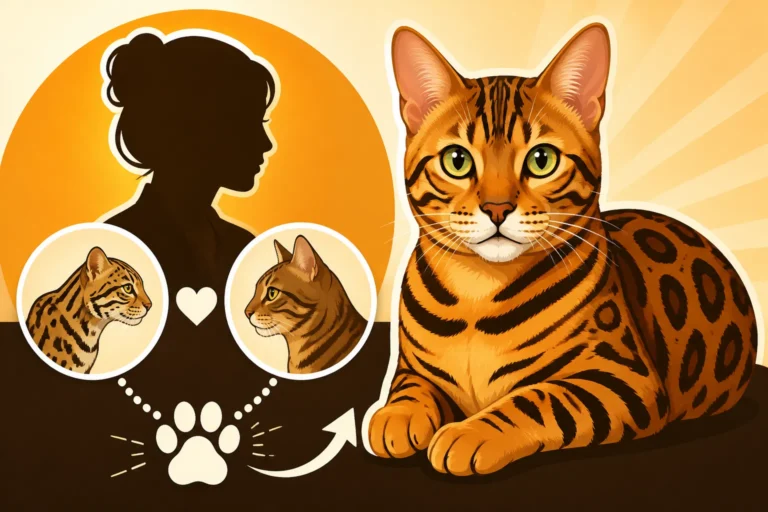
Jean Sudgen Mill wasn't just another cat breeder. She was a geneticist with a profound interest in hybridizing cats, driven by a desire to create a domestic feline with the exotic beauty of a wild cat, yet possessing the loving temperament of a housecat. Her journey began long before the Bengal became a recognized breed, starting in the early 1960s. She initially began breeding Asian Leopard Cats (ALCs) with domestic cats, observing the fascinating offspring. Imagine the dedication required to undertake such a long-term project, especially at a time when hybrid cats were largely unheard of and often met with skepticism. Her commitment to carefully selecting pairings and meticulously documenting results laid the scientific foundation for the breed. It wasn't just about creating pretty kittens; it was about understanding genetics, temperament, and health.
Her initial crosses were quite experimental, and it took immense patience to achieve her goals. She wasn't simply looking for a spotted cat; she was aiming for a robust, healthy animal that retained the stunning appearance of its wild ancestor without the challenges of wild behavior. This careful balance was crucial, distinguishing her work from more casual attempts at hybridization. She faced many hurdles, including the sterility of early-generation males – a common issue with hybrid animals, as discussed in Why F1 to F3 Bengal Cat Males Cannot Breed. Her determination pushed her past these obstacles, selecting for fertility and desirable traits across generations.
How the Asian Leopard Cat Entered the Picture
The story of the Bengal cat quite literally begins with the Asian Leopard Cat. Jean Mill's primary goal was to introduce the striking coat patterns and physical characteristics of the ALC into a domestic cat line. The Asian Leopard Cat ( Prionailurus bengalensis ) is a small, nocturnal wild cat native to Southeast Asia, renowned for its vivid spotted coat. Mill’s initial work involved breeding these wild cats with domestic shorthairs. This was revolutionary at the time and required a deep understanding of animal behavior and genetics. The first generation offspring, known as F1 Bengals, were typically quite wild in temperament, as one might expect when breeding a wild animal directly.
However, Mill’s genius lay in her long-term vision. She understood that subsequent generations would gradually dilute the wild temperament while retaining the exotic look. Her work was significantly bolstered by a research project at Loma Linda University, led by Dr. Willard Centerwall, which had also been crossing ALCs with domestic cats to study feline leukemia immunity. When that project concluded, Jean Mill acquired some of these F1 and F2 hybrids, integrating them into her own breeding program. This infusion of new genetics was vital, helping to broaden the gene pool and accelerate her progress towards creating a truly domestic cat with an untamed appearance. It’s a testament to her foresight that she recognized the value in these animals, further solidifying the future of the Bengal breed. You can learn more about this foundational work in The Leukemia Research Colony That Founded the Bengal Cat.
Millwood Cattery: A Name Synonymous with Bengal Cats
When we talk about the history of the Bengal cat, one name stands out not just for the person behind it, but for the place where the magic happened: Millwood Cattery. This wasn't just a place where cats were bred; it was a pioneering establishment that shaped the entire trajectory of the breed. It became a benchmark for quality, health, and ethical breeding practices in the nascent days of the Bengal.
The Significance of "Millwood"
So, what did Jean Mill name her Bengal Cat cattery? The answer is "Millwood Cattery." This name became iconic, not just a label but a symbol of the breed's origin and the standard of excellence it aimed for. The name "Millwood" itself likely reflected Jean Mill's own surname combined with the natural, rustic environment where her breeding program took place, evoking a sense of groundedness and connection to nature—a fitting sentiment for a breed designed to embody the wild. For many years, to have a Bengal from Millwood Cattery was to possess a piece of history, a cat whose lineage could be directly traced back to the very foundation of the breed.
The reputation of Millwood Cattery grew quickly within the emerging cat fancy community. Breeders worldwide sought out Millwood cats to establish their own lines, recognizing the superior quality, health, and adherence to the nascent breed standard that Jean Mill tirelessly championed. The name became a quality assurance stamp, signifying a cat with excellent temperament, robust health, and the striking appearance that breeders were striving for. Even today, responsible Bengal breeders often highlight the Millwood lineage in their cats' pedigrees as a mark of authenticity and adherence to the breed's original vision.
Pioneering Breeding Practices
Millwood Cattery wasn't just famous for its cats; it was famous for how those cats were bred. Jean Mill was a trailblazer in advocating for responsible and ethical breeding practices, particularly crucial for a new hybrid breed. She understood that merely breeding an ALC with a domestic cat was not enough; careful selection was paramount. This meant a strong emphasis on health screening, temperament assessment, and genetic diversity. Her goal was always to produce healthy, well-socialized cats that would thrive as family pets, not just wild-looking curiosities.
This involved rigorous testing for genetic conditions and a deep understanding of feline health. While comprehensive DNA panels weren't available in her earliest days, she meticulously observed her cats, documented any health issues, and worked to eliminate potential problems from her breeding lines. This dedication laid the foundation for the health testing we see today, which is essential for any reputable breeder. For example, understanding how genetic diseases like Pyruvate Kinase Deficiency (PKD) or Progressive Retinal Atrophy (PRA-b) could affect Bengal cats was critical for early breeders. What a Bengal Cat Breeder Should Have Tested delves into what modern breeders should be doing, much of which builds on Mill's early principles. She carefully selected breeding pairs not just for their physical attributes but also for their outgoing and friendly dispositions, ensuring that the wild heritage translated into a confident, curious, and affectionate pet, rather than a skittish or aggressive one.
Key Contributions from Millwood Cattery to the Bengal Breed Standard
The official breed standard for the Bengal cat, as recognized by associations like The International Cat Association (TICA), owes a tremendous debt to the characteristics established and perfected at Millwood Cattery. Jean Mill’s work directly influenced what is considered the ideal Bengal cat, setting the bar for future generations of breeders.
Defining the Wild Look
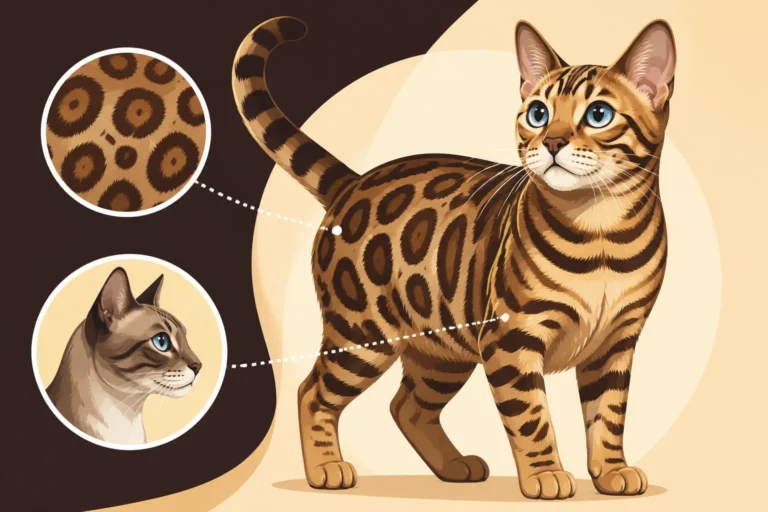
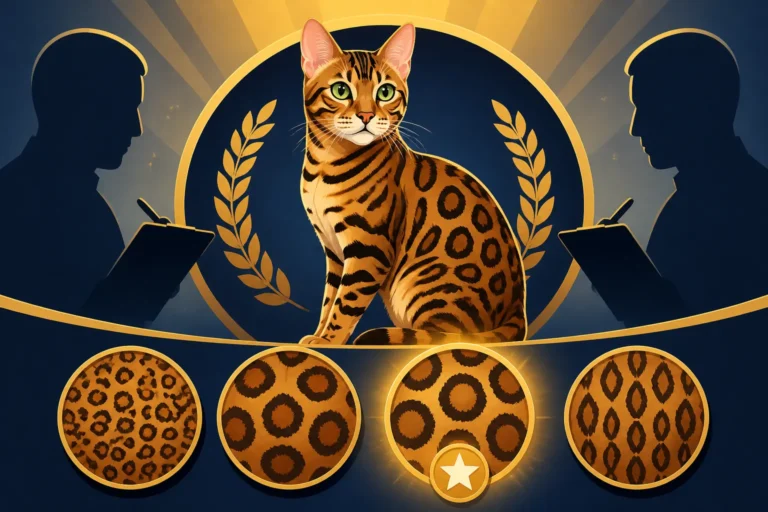
One of Millwood Cattery's most significant contributions was solidifying the "wild look" that is the Bengal cat's hallmark. Jean Mill was passionate about reproducing the exotic appearance of the Asian Leopard Cat, focusing on features like the short, plush coat, the distinct head shape, and, of course, the breathtaking patterns. Her selective breeding brought out the vibrant rosettes that Bengal cats are famous for. Instead of simple spots, she worked to create patterns that resembled those found on jaguars or leopards, such as paw-print, arrowhead, or donut rosettes. These intricate markings, along with the high contrast between the pattern and background color, became a defining trait of the breed.
Another striking feature championed by Millwood was the "glitter" gene. This unique genetic trait gives the Bengal cat's coat a shimmering, iridescent quality, as if dusted with gold or silver dust. It's a subtle yet unmistakable characteristic that enhances their wild allure. You can find more about this in The Glitter Gene and What It Does to a Bengal Cat's Coat. Beyond the coat, Millwood cats also helped define the ideal Bengal physique: a long, muscular body, slightly longer hind legs, and a relatively small head with small, rounded ears. These are all elements directly observed and bred for in the early days at Millwood, and they remain critical components of the breed standard today.
Health and Temperament Focus
While the stunning appearance was paramount, Jean Mill never compromised on health and temperament. She understood that a beautiful cat that couldn't thrive in a home environment, or was plagued by health issues, would ultimately fail as a breed. This commitment at Millwood meant selecting for robust health and a docile, yet active, disposition. Early on, this involved careful observation and screening for common feline ailments, as well as an emphasis on good nutrition and socialization.
The temperament of the Bengal cat, though often described as "wild" or "exotic," is a direct result of Millwood's focus on domesticating the lineage. Mill worked tirelessly to ensure that her cats were confident, curious, and playful, rather than shy or aggressive. This meant extensive handling of kittens, exposing them to household sights and sounds, and breeding from adults with stable temperaments. This careful work ensured that the Bengal cat, despite its wild looks, could truly integrate into a family home. They are known for their intelligence and active nature, often engaging in behaviors like playing fetch or enjoying water, traits that were cultivated and encouraged by early breeders like Mill. You can read more about their specific needs in How Much Enrichment a Bengal Cat Actually Needs.
The Enduring Impact of Millwood on Modern Bengal Breeding
Even decades after Jean Mill’s initial pioneering work, the influence of Millwood Cattery remains profound in the Bengal cat world. It's not just a historical footnote; it’s a living legacy that continues to shape how breeders approach their craft and how enthusiasts appreciate their beloved Bengals.
A Foundation for All Bengals
Virtually every Bengal cat alive today can trace its lineage back to the original cats bred at Millwood Cattery. Jean Mill’s foundation cats provided the genetic blueprint for the breed, ensuring that the desired traits—from the rosetted patterns and glittering coat to the athletic build and confident temperament—were passed down through generations. This consistent foundation is why, despite variations in individual cats, the core characteristics of the Bengal breed remain strong and recognizable. Modern breeders meticulously study pedigrees, often seeking out lines that can be traced back to Millwood's most successful cats, to ensure they are working with strong, healthy genetics that align with the breed's origins.
The early work done at Millwood also set the stage for the health considerations that are so vital today. While Jean Mill operated with the tools available at her time, her emphasis on robust health continues. Modern breeders now have access to advanced genetic testing for inherited diseases like PRA-b and PK deficiency. However, the importance of these tests stems from the understanding, cultivated by pioneers like Mill, that careful health management is essential for the longevity and well-being of the breed. Understanding The Twelve to Sixteen Years a Bengal Cat Gets is directly linked to the health foundations laid by early breeders.
Where to Find Information on Reputable Breeders
Given the extensive history and specific needs of the Bengal cat, finding a reputable breeder is paramount. The legacy of Millwood Cattery teaches us the importance of choosing a breeder who prioritizes health, temperament, and adherence to the breed standard. When looking for a Bengal, you should always ask a breeder about their cats' pedigrees and health testing results. They should be transparent and willing to discuss the health of their breeding lines, including screening for conditions like Hypertrophic Cardiomyopathy (HCM) through regular echocardiograms, as detailed in Why a Bengal Cat Breeder Must Show an Echo, Not a Gene Test.
A good breeder will also be able to provide documentation, answer all your questions, and ideally, allow you to visit their cattery to see how their cats are raised. They should also be able to offer advice on everything from diet to enrichment, and might even recommend specific products. For example, for active cats like Bengals, they might suggest durable toys or high-quality food, perhaps even mentioning a trusted retailer like Chewy for supplies. When you're bringing a new Bengal kitten home, you'll need everything from a high-quality food that supports their energetic metabolism (and you can often find excellent options on Chewy) to a sturdy scratching post that can withstand their powerful claws. Don't forget that Bengals thrive on enrichment, so stocking up on interactive toys from places like Chewy will be key to keeping them happy and out of mischief. A quality breeder will ensure their kittens are well-socialized and ready for their new homes, equipped with the best start in life, and that includes recommending where to find the best supplies, perhaps a familiar name like Chewy.
Key Milestones from Millwood Cattery
Jean Mill's Millwood Cattery was instrumental in many firsts for the Bengal breed. Here’s a quick overview of some of the significant achievements and recognifications directly tied to her work:
| Year/Period | Achievement/Contribution | Impact on Bengal Breed |
|---|---|---|
| Early 1960s | First crosses of Asian Leopard Cat x Domestic Cat | Established the hybrid foundation of the Bengal breed. |
| 1980s | Acquisition of Centerwall's research hybrids | Broadened genetic pool, accelerated domestication. |
| 1986 | TICA Provisional Registration | First major step towards official breed recognition. |
| Late 1980s | Development of distinct rosetted patterns and "glitter" | Defined the iconic wild appearance and unique coat qualities. |
| Early 1990s | Attained TICA Championship Status (1991) | Elevated Bengal cats to competitive show status worldwide. |
| Ongoing | Advocacy for health testing and ethical breeding standards | Laid groundwork for responsible breeding practices and breed health. |
This table highlights just some of the ways Millwood Cattery, under Jean Mill's guidance, continually pushed the boundaries and set the gold standard for the emerging Bengal cat breed. The meticulous records and careful selections made during these formative years ensured that the Bengal cat would be recognized not just for its beauty, but also for its health and unique personality.
Disclaimer
This article is for general informational purposes only and does not constitute professional advice. Laws, prices and regulations vary by location and change over time. Consult a qualified professional for guidance on your specific situation.