The Leukemia Research Colony That Founded the Bengal Cat
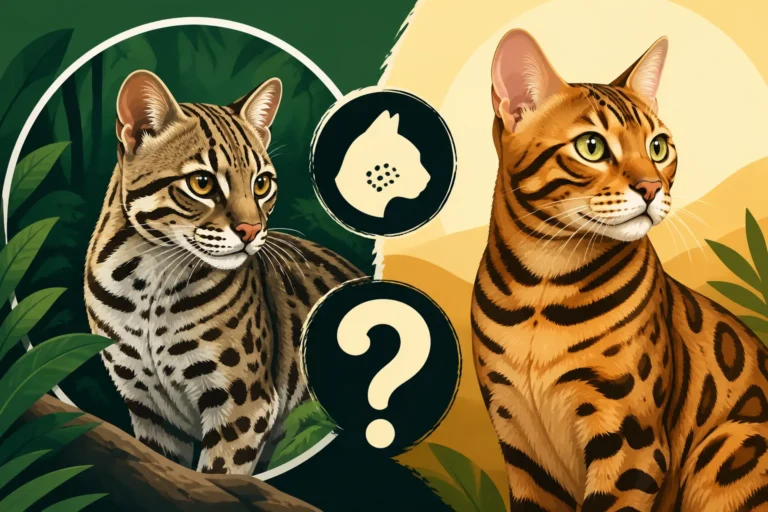
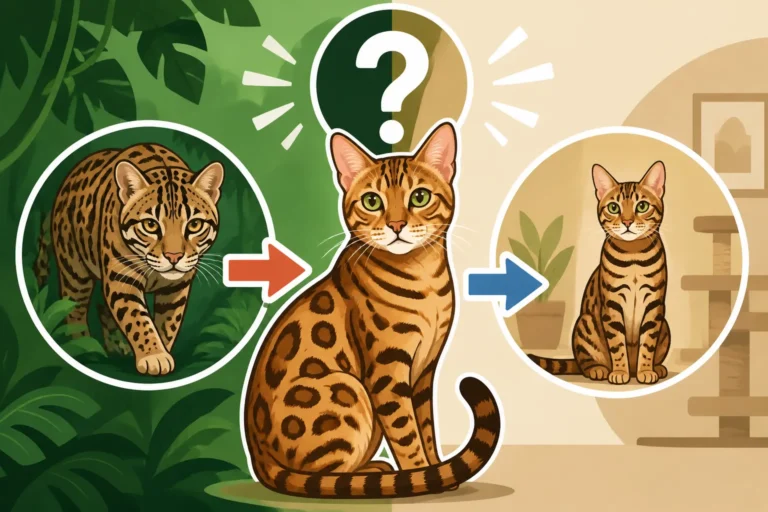
When you first fall in love with the striking looks of a Bengal cat, you probably picture their wild ancestors, the sleek Asian Leopard Cats, roaming through lush landscapes. What many don't realize, though, is that the journey of this magnificent breed from the jungle's edge to our living rooms has a surprisingly scientific origin. This isn't just a tale of a passionate breeder; it's a fascinating story rooted in a medical research colony, striving to understand feline diseases. This comprehensive guide will pull back the curtain on the often-overlooked scientific beginnings of the Bengal cat, exploring the pivotal role a leukemia research program played in shaping the breed we know and adore today.
The Dawn of the Bengal Cat: Beyond the Backstory
Many Bengal cat enthusiasts know the name Jean Mill, and rightly so, as her dedication was instrumental in establishing the breed. Her vision and careful breeding brought the Bengal cat into the spotlight, making it the beloved companion it is today. However, the story of how the Asian Leopard Cat (ALC) and domestic cats first met in a structured breeding program actually begins with a different individual and a very different motivation: scientific research. This often-overlooked chapter is crucial for truly understanding the breed's origins and some of its unique characteristics.
The Popular Narrative Versus Scientific Origins
The typical narrative focuses on Jean Mill's early crosses in the 1960s, driven by a desire to create a beautiful, wild-looking domestic cat. While her work was undoubtedly foundational, it often overshadows the parallel, and in some ways preceding, scientific efforts. Imagine the surprise of someone who thinks they know the Bengal cat's history, only to discover it also involves a laboratory setting, white coats, and petri dishes rather than just verdant jungles and careful selection of patterns. It's a testament to the complex and sometimes unexpected paths that breeds take to become established.
Dispelling Myths About the Breed's Beginnings
Without this knowledge of the research colony, it’s easy to form misconceptions. Some might believe that all early Bengal crosses were simply hobbyist experiments, or that the breed was purely an aesthetic endeavor from day one. In reality, a significant portion of the initial hybridization, particularly those cats that formed the genetic bedrock for many modern Bengals, had a distinctly scientific purpose. It's not about discrediting the breeders, but rather enriching our understanding of the multi-faceted origins that gave us these incredible animals. Understanding this scientific connection adds another layer of appreciation for their unique heritage.
Dr. Willard Centerwall and His Vision: More Than Just a Pretty Face
The scientific chapter of the Bengal cat's history is inextricably linked to Dr. Willard Centerwall, a medical geneticist whose work, while not directly aimed at creating a new cat breed, laid vital groundwork. His motivation was far from cosmetic; it was about addressing a serious health challenge in the feline world: feline leukemia.
Who Willard Centerwall Was to the Bengal Cat
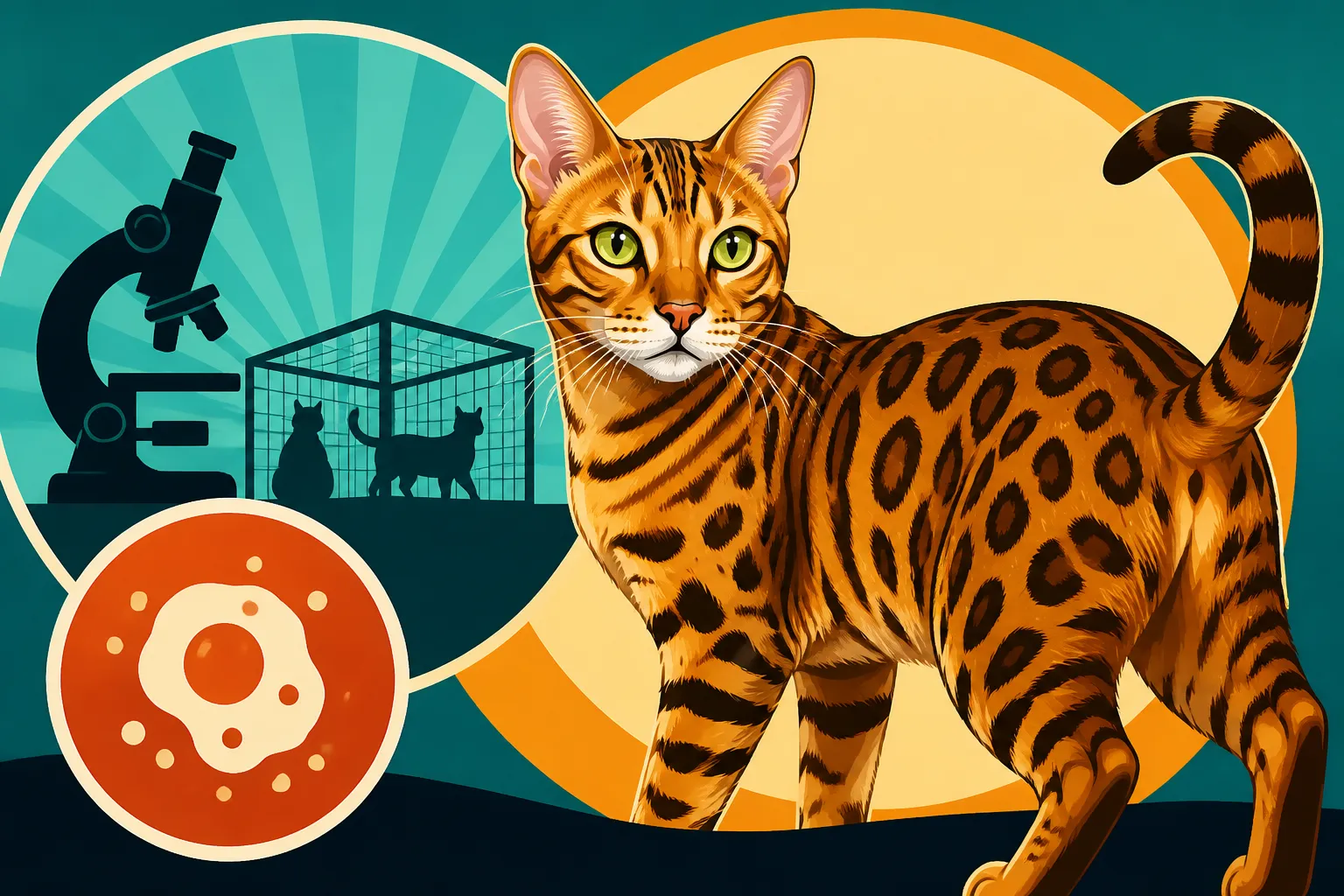
Dr. Willard Centerwall was a prominent geneticist working at Loma Linda University in California. In the early 1970s, he embarked on a research project focusing on feline leukemia virus (FeLV). This devastating retrovirus was, and still is, a significant health threat to domestic cats, causing immunosuppression, anemia, and various cancers. Centerwall's innovative approach was to explore the genetic resistance to FeLV by crossing domestic cats with a wild species known to possess such immunity: the Asian Leopard Cat. His goal was purely scientific: to study FeLV and potentially develop models for understanding human leukemia, not to create a new pet breed.
The Medical Purpose Behind the Crosses
Centerwall's research was driven by the observation that Asian Leopard Cats seemed naturally resistant to certain feline diseases, including FeLV. He hypothesized that this resistance was genetically encoded and could potentially be studied by creating hybrids between ALCs and domestic cats. By breeding these "hybrid cats," he aimed to observe how disease resistance was inherited and expressed across generations. This wasn't about developing a "cure" for FeLV in the immediate sense, but rather understanding the fundamental biological mechanisms behind immunity. The resulting kittens, while beautiful, were primarily tools for scientific inquiry into viral resistance and genetics, a far cry from the show rings and family homes they would eventually inhabit.
The Loma Linda University Colony: A Scientific Endeavor
The research conducted by Dr. Centerwall took place within a formal academic setting, highlighting its scientific rigor and purpose. This was not a backyard breeding operation but a controlled environment dedicated to genetic study.
Which University Ran the Bengal Cat Research Colony
The pioneering work on the FeLV-resistant hybrids was conducted at Loma Linda University in California. This institution, known for its strong emphasis on health sciences and research, provided the facilities and oversight necessary for such a genetic study. The university environment ensured that the breeding program adhered to scientific protocols and that the data collected was meticulously recorded. It was within the sterile, academic confines of this university that some of the very first documented Bengal cat ancestors were born, long before anyone truly conceived of them as a distinct domestic breed. This is a crucial detail, as it grounds the Bengal cat's origins in credible scientific investigation rather than anecdotal experimentation. Which University Ran the Bengal Cat Research Colony explains more about the context of this research.
The Early Years of the Research Program
Centerwall's program began in the early 1970s. The process involved carefully selected Asian Leopard Cats bred with domestic cats, often from local shelters, to produce the initial F1 generation hybrids. These first-generation cats were then bred back to domestic cats to create F2s, and so on. The emphasis was on studying the transfer of genetic traits, specifically disease resistance, rather than on developing specific aesthetic qualities or temperaments. The kittens born in this colony were observed, tested, and their health parameters tracked, all in the pursuit of scientific knowledge about retroviruses and feline immunology. These early hybrids paved the way for future understanding, even if their ultimate destiny as cherished pets wasn't initially envisioned.
What Centerwall Was Trying to Learn From Bengal Cat Hybrids
Dr. Centerwall was fundamentally interested in why the Asian Leopard Cat appeared to exhibit a natural resistance to feline leukemia virus, a common and often fatal disease in domestic cats. His research aimed to:
- Identify the genetic mechanisms of FeLV resistance: By crossing ALCs with domestic cats, he hoped to pinpoint the genes responsible for this immunity and understand how they were inherited.
- Develop a model for human retroviruses: At the time, there was growing interest in retroviruses and their potential links to human diseases. Feline leukemia, being a retrovirus, offered a valuable comparative model for studying similar human conditions.
- Investigate disease susceptibility: Beyond resistance, he also sought to understand why domestic cats were so susceptible to FeLV and what factors influenced disease progression in hybrids.
The hybrids were living laboratories, offering unique insights into complex genetic and immunological questions. The data gathered from these cats contributed to a broader scientific understanding of viral diseases, far beyond just the world of felines.
How the Asian Leopard Cat Became Part of the Equation
The choice of the Asian Leopard Cat as the wild ancestor for these hybrids was no accident. It was directly tied to their unique biological characteristics that caught the attention of researchers like Dr. Centerwall.
The Wild Ancestor's Natural Immunity
The Asian Leopard Cat (ALC) is a small, solitary wild cat native to Southeast Asia, known for its stunning spotted coat and elusive nature. Critically, these wild cats have been observed to possess a remarkable natural resistance to certain pathogens, including the feline leukemia virus. This resistance isn't just about avoiding infection; it's about their physiological makeup being less hospitable to the virus, or their immune systems being more adept at clearing it. This intrinsic immunity made the ALC an ideal candidate for genetic research aimed at understanding and potentially transferring such beneficial traits to domestic cat populations. Without this natural defense, Centerwall's project would never have taken the direction it did. What an Asian Leopard Cat Is Behind Every Bengal Cat provides a deeper dive into this fascinating species.
Early Hybridization Efforts at Loma Linda
The hybridization process at Loma Linda involved carefully planned pairings between ALCs and domestic cats. The first-generation (F1) offspring of these pairings were crucial for the study, as they carried a direct mix of genetic material from both parents. These F1 hybrids were then observed for their physical traits, behavior, and, most importantly, their response to viral challenges or natural exposure to FeLV. The subsequent generations (F2, F3) were bred by crossing these hybrids back to domestic cats, gradually diluting the wild genetics while still tracking the inheritance of the desired resistance traits. It was a methodical approach, much like any other genetic research, with careful documentation of lineage and health outcomes. This wasn't about creating beautiful spots at first; it was about understanding biological inheritance.
The Unexpected Link: Feline Leukemia Resistance
The core of Dr. Centerwall's research revolved around understanding the Asian Leopard Cat's resilience to feline leukemia and whether this could offer insights into broader disease resistance.
Why the Bengal Cat's Ancestor Resists Feline Leukemia
The Asian Leopard Cat's resistance to feline leukemia is believed to stem from unique genetic factors that interfere with the virus's ability to infect cells, replicate, or cause disease. While the exact mechanisms are complex and involve intricate immunological responses, the key takeaway is that ALCs possess an inherent biological advantage against FeLV. This can manifest as anything from their cells being harder for the virus to enter, to their immune system mounting a more robust and effective defense once the virus is detected. This natural resistance was the driving force behind Centerwall's entire project, making the ALC an invaluable subject for study. It highlights how even the most exotic creatures can hold keys to significant medical breakthroughs.
The Promising Results and Scientific Findings
The hybrid cats produced at Loma Linda provided compelling evidence of the heritability of FeLV resistance. Observations and tests on the F1, F2, and F3 generations indicated that the hybrid offspring often displayed a reduced susceptibility to FeLV infection or a milder disease course compared to their purely domestic counterparts. These findings were significant for the scientific community, demonstrating a tangible genetic link to disease resistance that could be studied further. While the practical application of breeding resistant domestic cats was still a long way off, the foundational research provided crucial data points for future genetic and immunological studies. It was a powerful proof of concept, showing that wild genetics could indeed confer protective traits against devastating diseases.
The Limitations of the Initial Findings
While the results were promising, it's important to understand the limitations. The research was exploratory, focused on understanding genetic mechanisms rather than immediately producing FeLV-immune pet cats. The early generation hybrids, particularly the F1s, retained many wild traits, making them challenging as companion animals. Their temperament, independence, and specific care needs meant they weren't easily integrated into typical households. Furthermore, the resistance observed wasn't always absolute, and the mechanisms were complex, not a simple "on/off" switch. The scientific endeavor provided critical data but highlighted the vast gap between laboratory findings and practical applications in pet breeding. The dream of a fully disease-resistant domestic cat remained, and still remains, a complex challenge.
From Lab to Legacy: The Transition to the Pet World
As scientific goals shifted and the research program concluded, the fate of the hybrid cats from Loma Linda took a pivotal turn, intertwining with the burgeoning interest in the Bengal breed.
The Rehoming of the Research Bengal Cats
When Dr. Centerwall's research program at Loma Linda University came to an end in the early 1980s, a new challenge emerged: what to do with the growing population of hybrid cats? These animals had served their scientific purpose, but they weren't typical domestic pets. Rehoming them required finding individuals who understood their unique needs and were committed to their welfare. It was during this period that Jean Mill, who was already experimenting with her own ALC crosses, stepped in. She acquired several of these "Loma Linda" hybrids, recognizing their potential to further her breeding program. This transfer was critical, injecting a new and diverse genetic pool into the emerging Bengal breed. What Happened to Centerwall's Bengal Cat Hybrids details more about this transition.
Jean Mill's Crucial Role in the Breed's Continuation
Jean Mill, the passionate breeder behind the Millwood cattery, became the accidental beneficiary of Centerwall's scientific endeavor. Already envisioning a domestic cat with the beauty of a leopard, she had started her own hybridization efforts in the 1960s. However, the addition of the Loma Linda cats provided a vital boost. These cats brought new bloodlines and, crucially, a documented pedigree of wild ancestry, which was essential for a breed seeking recognition. Mill's skill lay in her ability to selectively breed these hybrids, focusing on temperament, fertility (especially in later generations, as early generation males are often sterile), and the striking leopard-like patterns that define the Bengal cat today. Her dedication transformed scientific subjects into sought-after companions. Who Jean Mill Was to the Bengal Cat explains her significant impact on the breed.
How Centerwall's Work Influenced Mill's Program
Centerwall's research provided Jean Mill with several invaluable contributions:
- Established Genetics: The Loma Linda cats provided proven F1, F2, and F3 generations, which were essential for creating a consistent breed lineage. This wasn't just random crossing; it was backed by scientific records.
- Disease Resistance Potential: While Mill's focus was primarily on aesthetics and temperament, the underlying health benefits, particularly the discussed FeLV resistance, were an added bonus to the breed's genetic foundation.
- A Broader Gene Pool: Incorporating these research cats expanded the genetic diversity available for Mill's breeding program, helping to avoid issues associated with too narrow a foundation.
Essentially, Centerwall provided the scientific "starter kit," and Mill honed it into a magnificent, recognized breed. Without the groundwork laid by the research colony, the Bengal cat might have taken a very different, and perhaps slower, path to establishment. It truly highlights how different fields can serendipitously intersect to create something wonderful.
Ethical Considerations and the Hybrid Debate
The creation of hybrid breeds, especially those with recent wild ancestry, inevitably sparks discussions about ethics and animal welfare. The Bengal cat's origins in a research facility only add another layer to this ongoing conversation.
Whether Breeding Hybrids Like the Bengal Cat Is Ethical
The question of whether breeding hybrids like the Bengal cat is ethical is complex and often debated. On one hand, proponents argue that responsible breeding of later generations (SBT and beyond) results in well-socialized, healthy domestic cats that bring joy to many families. They point to the meticulous health testing and careful selection practiced by reputable breeders. They also highlight the unique physical characteristics and active temperaments that appeal to a specific type of cat owner, offering an alternative to traditional breeds. The argument often rests on the idea that if done responsibly, with an emphasis on the animals' well-being and adaptation to domestic life, it can be acceptable.
However, critics raise concerns about the welfare of early-generation (F1-F3) cats, which often retain strong wild instincts and can be challenging to manage in a typical home environment. These cats may exhibit behaviors such as extreme shyness, territorial marking, or an inability to thrive in a purely domestic setting. There are also questions about the potential impact on the wild Asian Leopard Cat populations if demand for new crosses leads to irresponsible sourcing. The initial scientific motivation for Centerwall's crosses was different from a purely aesthetic breeding goal, which adds another dimension to the ethical discussion. It's a nuanced topic that requires considering the full spectrum of welfare implications for both the hybrid cats and their wild ancestors. Whether Breeding Hybrids Like the Bengal Cat Is Ethical delves deeper into these considerations.
Balancing Research Goals with Animal Welfare
In the context of the Loma Linda research colony, the primary goal was scientific discovery, specifically understanding disease resistance. While animal welfare standards in research have evolved significantly over time, the ethical considerations of using wild animals and their hybrids in a laboratory setting were present then, and remain relevant. Researchers are tasked with balancing the potential for scientific advancement against the well-being of the animals involved. This means ensuring that housing, care, and experimental protocols minimize stress and maximize health.
For the Bengal cat, this balance shifted when the program concluded. The transition of these research animals into breeding programs for companion animals introduced a new set of ethical questions. Breeders then took on the responsibility of not just propagating desirable traits, but also ensuring that successive generations were progressively more suited to domestic life. This involves careful screening for temperament, health, and a commitment to educating prospective owners about the unique needs of even later-generation Bengals. It’s a delicate dance between preserving a breed's unique heritage and ensuring every cat has the best possible chance at a happy, healthy, and well-adjusted life.
Understanding the Early Generations: A Look at the Filial Scale
The scientific origins of the Bengal cat directly influence how we classify and understand the breed's different generations, known as "filial" generations. This classification is vital for both legal reasons and for understanding a Bengal cat's temperament and care requirements.
How an Early Generation Bengal Cat Behaves Differently
The earliest generations of Bengal cats, specifically F1, F2, and F3, are often referred to as "Early Generation" or "EG" Bengals. These cats have a relatively recent Asian Leopard Cat ancestor and often exhibit more pronounced wild traits compared to their later-generation (SBT) counterparts. An F1 Bengal, being a direct cross between an ALC and a domestic cat, will typically be more reserved, less tolerant of handling, and possess stronger hunting instincts. They might be wary of strangers, vocalize with a wilder "chirrup" rather than a purr, and be intensely active.
As you move to F2 and F3, these wilder traits begin to dilute, but they are still very present. Owners of EG Bengals often report intense energy levels, a deep love for water, a propensity for "door dashing" or escaping, and a need for extensive environmental enrichment like a secure What a Catio for a Bengal Cat Costs or a cat wheel (which you can often find great options for on sites like Chewy). Their behavior requires an owner with significant experience, patience, and a deep understanding of feline psychology. They are definitely not for first-time cat owners, and their unique needs are why responsible breeders rarely sell them as typical pets. How an Early Generation Bengal Cat Behaves Differently offers further insights.
The Filial Generations and the Wild Percentage
The filial (F) numbering system directly indicates how many generations a Bengal cat is removed from its wild ancestor, the Asian Leopard Cat.
- F1: First generation. A direct offspring of an Asian Leopard Cat and a domestic cat. These cats carry approximately 50% ALC DNA.
- F2: Second generation. An F1 Bengal bred to a domestic cat. These cats have approximately 25% ALC DNA.
- F3: Third generation. An F2 Bengal bred to a domestic cat. These cats typically have around 12.5% ALC DNA.
- F4 (and beyond): Fourth generation. An F3 Bengal bred to a domestic cat. While still considered a hybrid, an F4 Bengal is often the first generation that can be considered a "SBT" (Stud Book Tradition) Bengal, meaning it's four generations removed from the ALC and registers as a domestic cat with associations like TICA. F1 to SBT: How a Bengal Cat's Generation Is Counted explains this system in detail.
The further the generation is from the F1, the more diluted the wild genetics, and generally, the more domestic the cat's temperament becomes. It's a gradual process, but the numerical system provides a clear roadmap of their lineage.
Legal and Ownership Implications of Early Generations
The generation number of a Bengal cat has significant legal and ownership implications. Due to their close proximity to their wild ancestors, F1, F2, and often F3 Bengal cats are regulated differently, and sometimes entirely banned, by state and local laws. Many jurisdictions classify them as "wild animals" or "exotic hybrids," requiring special permits, housing requirements, or outright prohibiting ownership. For example, some states draw the line at F4, while cities within those states might have stricter ordinances. This means that a potential owner must research their local laws thoroughly before acquiring an early generation Bengal.
Beyond legality, the ownership experience for an EG Bengal is fundamentally different. Their care can be more intense, requiring specific diets (many owners choose high-quality, high-protein foods, sometimes even raw, often sourced from specialty retailers or online like Chewy), secure outdoor enclosures, and a commitment to managing their natural instincts. These aren't just larger, spotted domestic cats; they are unique beings that demand an owner who is educated, prepared, and dedicated to meeting their complex needs. The careful documentation of generation, originating from the initial scientific breeding, remains crucial for responsible ownership today.
| Generation | Wild Ancestry % (Approx.) | Typical Temperament | Legal Status (General) | Ownership Experience |
|---|---|---|---|---|
| F1 | 50% ALC | Very Wild, Reserved, High Energy | Often Restricted/Banned | Requires Expert, Dedicated Owners, Secure Enclosures |
| F2 | 25% ALC | Still Wild, More Tolerant, High Energy | Often Restricted | Requires Experienced Owners, Strong Instincts |
| F3 | 12.5% ALC | Taming Progresses, Still Demanding | Some Restrictions May Apply | Best for Experienced Owners, Can Be Affectionate |
| SBT | < 12.5% ALC (F4+) | Fully Domestic, Active, Affectionate | Generally Legal as Domestic | Suitable for Active Cat Owners, Needs Enrichment |
Disclaimer
This article is for general informational purposes only and does not constitute professional advice. Laws, prices and regulations vary by location and change over time. Consult a qualified professional for guidance on your specific situation.