Why Jean Mill Paused Her Bengal Cat Program
It's easy to look at the majestic Bengal cat today and assume its journey to becoming a beloved household companion was a smooth, uninterrupted path. But the truth is, even the most pioneering efforts have their moments of doubt, redirection, and even pause. Many of us know Jean Mill as the foundational figure, the visionary who created this incredible breed, but few understand the personal and genetic challenges that led her to temporarily step back from her groundbreaking work. This guide will delve into the compelling reasons why Jean Mill, the undisputed matriarch of the Bengal cat, actually paused her breeding program, and how that pause ultimately shaped the breed we know and love today.
The Early Days: A Vision Takes Shape and Hits a Snag
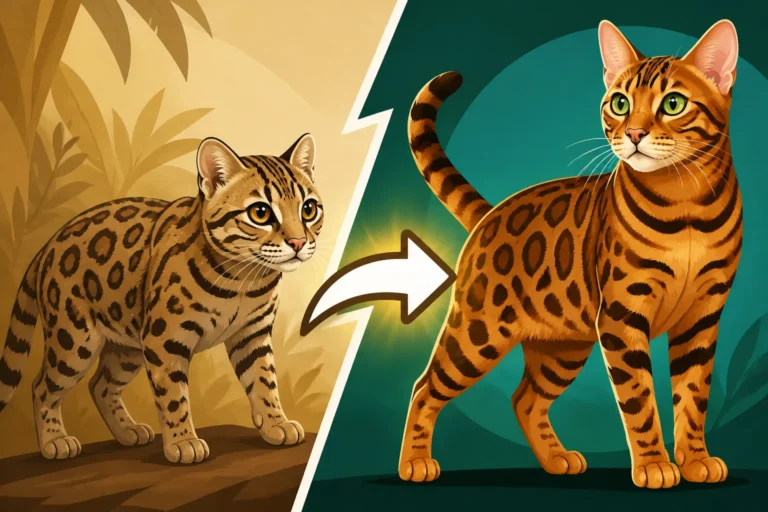
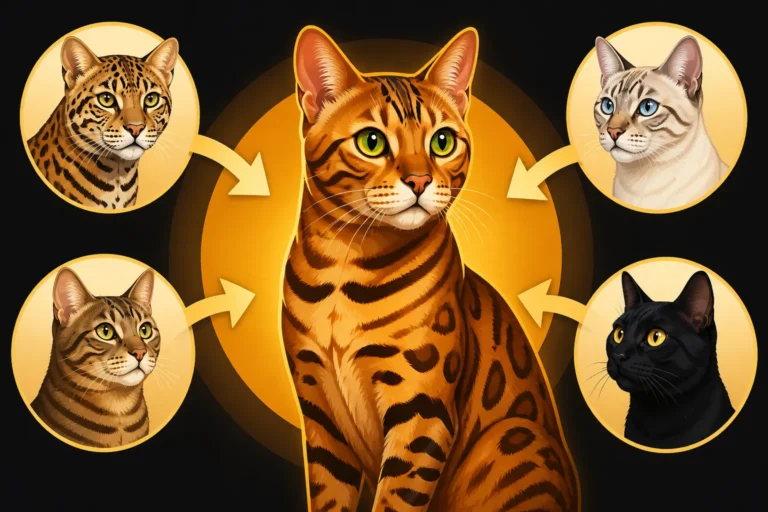
Jean Mill's dream was audacious: to bring the wild beauty of the Asian Leopard Cat (ALC) into a domestic setting, creating a feline companion that carried the stunning rosetted coat of its wild ancestor but possessed the loving temperament of a housecat. She wasn't just breeding cats; she was pioneering a new lineage, a new breed entirely. This wasn't a task for the faint of heart, and her early experiences were a testament to both her unwavering dedication and the immense hurdles she faced.
The Initial Cross and Early Goals
Back in the early 1960s, Jean Mill embarked on this incredible genetic adventure, making her first deliberate cross between a domestic shorthair and an Asian Leopard Cat. This was a truly revolutionary step, laying the groundwork for what would eventually become the Bengal cat. You can trace this pivotal moment back to What Year Jean Mill Made the First Bengal Cat Cross, marking the very beginning of a breed that would captivate the world. Her goal was clear: to infuse the domestic cat population with the exotic patterns and robust health of the ALC, while meticulously selecting for gentle dispositions.
However, the initial results, while visually striking, were not without their difficulties. These early first-generation (F1) cats, being half wild, often retained significant aspects of their wild parent's nature. This meant temperaments that could be skittish, wary of humans, and certainly not always suited for a typical pet home. Imagine trying to integrate a creature with strong instincts into a domestic environment where you're also trying to lay the foundation for a new breed. It was a monumental undertaking. Things like consistent litter box use, which we take for granted in domestic cats, were not a given for every F1. While some F1s could adapt, many presented challenges that made them far removed from the "domestic" ideal Jean Mill was striving for. This early reality check was crucial; it showed that simply making the cross wasn't enough – careful selection and generational breeding were paramount.
Unexpected Hurdles: Fertility and Temperament
Beyond the initial temperament quirks, Jean Mill encountered a significant biological barrier: the issue of male sterility. It's a well-documented phenomenon in hybrid breeding that the males of early generations often cannot reproduce. This was precisely what Jean Mill faced, finding that most F1, F2, and even F3 generation male Bengals were sterile. This particular challenge is one of the foundational difficulties in hybrid cat breeding, and it's why Why F1 to F3 Bengal Cat Males Are Sterile is such a critical piece of the Bengal cat's history. This meant that to continue her program, she largely relied on fertile F1 females bred back to domestic males, or to later-generation fertile Bengal males if she had them. This bottleneck severely limited the genetic diversity and the speed at which she could progress her breeding lines.
The temperament aspect also proved more challenging than initially anticipated. While the exotic look was undeniably there, the F1 generation, often being quite independent and sometimes exhibiting behaviors more akin to their wild ancestors, didn't always make for easy breeding stock. They required immense patience, specialized handling, and environments tailored to their unique needs. Getting these cats to reliably breed, especially without extensive human intervention, was a demanding process. The combination of male sterility and the inherent difficulties of working with early-generation hybrids meant that progress was slow, arduous, and sometimes felt like two steps forward, one step back. It was this intense period of discovery and constraint that necessitated a re-evaluation of her approach, contributing heavily to her decision to temporarily step away.
Life, Priorities, and the Loma Linda Connection
Running a pioneering breeding program of this magnitude isn't just about the cats themselves; it's a monumental commitment of time, resources, and personal energy. Jean Mill was not only a visionary breeder but also a person with a life outside the cattery. Understanding her personal circumstances provides another layer of insight into why her program experienced a pause.
Personal Circumstances and Changing Focus
Jean Mill, for all her dedication to the Bengal cat, had a rich and active life. She was a busy individual with various interests and responsibilities that extended beyond her cattery in Covina, California. While the specific details of her personal life during that period are, well, personal, it's reasonable to assume that family commitments, other professional endeavors, or even simply needing a break from the relentless demands of a demanding breeding program could lead to a temporary cessation. The sheer logistical and emotional investment required to manage early-generation hybrids, deal with fertility issues, and painstakingly select for desired traits is immense. It's not a hobby you can simply put down and pick up; it's a lifestyle.
Consider the resources: specialized enclosures for F1s, extensive veterinary care, and the time spent observing, socializing, and attempting to breed these complex animals. All of this demands an incredible amount of focused attention. A pause could have been a strategic decision to re-group, re-assess, and wait for new opportunities or resources to align. Sometimes, stepping back allows for a clearer vision forward, especially when facing such significant biological and logistical challenges. It allowed her to gather her thoughts, reflect on the initial difficulties, and prepare for a more structured, sustainable approach to achieving her ultimate goal: a truly domestic Bengal cat.
The Crucial Role of Dr. Willard Centerwall
One of the most significant external factors that influenced Jean Mill's program, and arguably played a role in its re-ignition rather than its initial pause, was the parallel work being done by Dr. Willard Centerwall. While Jean Mill was pursuing her vision in California, Dr. Centerwall, a geneticist at Loma Linda University, was engaged in fascinating scientific research. His program, initiated in 1970, was focused on studying feline leukemia virus (FeLV) resistance. The Asian Leopard Cat had shown natural immunity to FeLV, and Centerwall was breeding ALCs with domestic cats to understand how this immunity might be passed on. This became the famous The Leukemia Research Colony That Founded the Bengal Cat.
Dr. Centerwall's research produced several generations of ALC x domestic cat hybrids. When his grant funding for the research concluded in the early 1980s, he needed to find homes for these research cats. And who better to take them than Jean Mill, who had already demonstrated her commitment and understanding of these unique hybrids? This fortuitous event provided Jean Mill with invaluable new breeding stock. It's a critical moment in the breed's history, as Which Bengal Cats Jean Mill Received From Loma Linda injected fresh, unrelated genetic lines into her program. This influx of cats, some of which were F1 and F2 generations that she could use to breed forward, gave her a powerful new impetus and a broader genetic base to work with, addressing some of the challenges she faced with limited male fertility in her own lines. This infusion of new genetics arguably made the restart of her program even more potent and successful.
The Reignition: New Stock, New Momentum
The pause in Jean Mill's program wasn't an end but a strategic regrouping. Armed with new knowledge, renewed determination, and critically, new genetic material from the Loma Linda University research colony, she was able to reignite her efforts with unprecedented momentum, setting the stage for the Bengal cat's eventual widespread recognition.
A Fresh Start with New Genetics
The Centerwall cats were a game-changer. Imagine struggling with a limited gene pool and then suddenly being handed a treasure trove of new, healthy, and genetically diverse early-generation hybrids. This allowed Jean Mill to restart her program not from scratch, but with a significantly enhanced foundation. The fresh bloodlines helped to mitigate potential issues that can arise from a small founding population, such as inbreeding depression. More importantly, these new cats offered different temperamental traits and physical characteristics, allowing for broader selection.
This infusion of new genes accelerated the process of domesticating the breed. With a larger pool of F1 and F2 cats, Jean Mill could make more informed decisions about which individuals to carry forward, prioritizing those that showed the most promising blend of wild appearance and gentle demeanor. The renewed energy and potential that these new lines brought allowed her to dive back into breeding with incredible purpose. It was a pivotal moment, truly marking When Jean Mill Restarted Her Bengal Cat Program with a renewed sense of possibility and a clear path forward. She could now focus on consistently producing those elusive fertile SBT (Stud Book Traditional) males, which were essential for the breed's long-term sustainability and recognition.
Refining the Breed and Paving the Way for Recognition
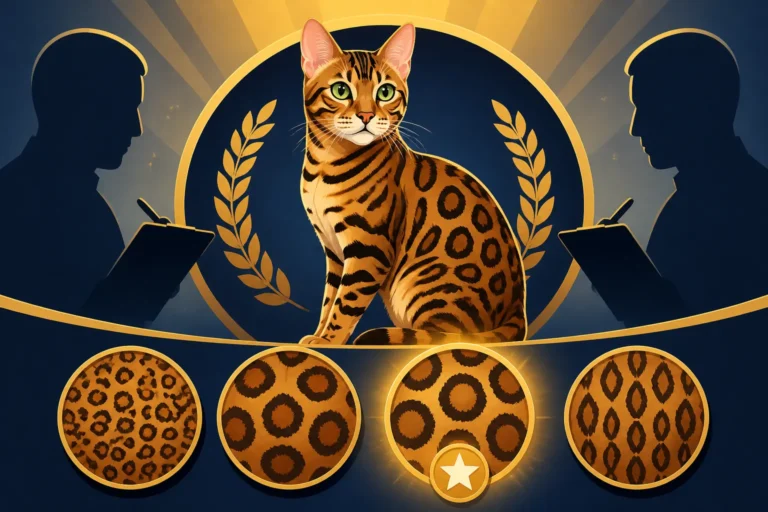
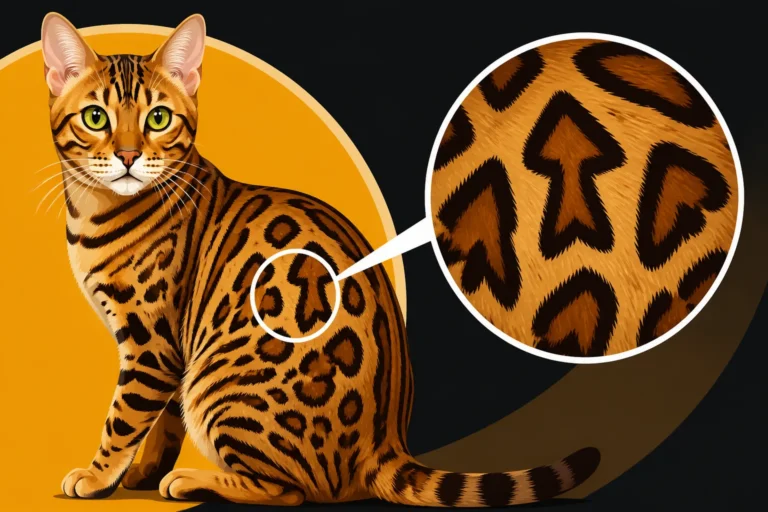
With the expanded genetic base, Jean Mill could meticulously refine the Bengal cat breed. Her focus shifted to solidifying the desired traits: the distinctive short, soft, "pelted" coat, the striking rosettes and marbling, and that incredible glitter gene that makes their coats sparkle. She was keenly aware that for the breed to be truly successful and accepted, it needed to be consistently beautiful and consistently domestic in temperament. The focus wasn't just on looks; it was equally on creating a cat that could thrive as a loving pet in a family home.
This period of refinement was crucial for gaining acceptance from feline registries. Jean Mill worked tirelessly to establish a breed standard that truly captured the essence of the Bengal cat – its wild heritage tempered by domestic grace. Her efforts culminated in a monumental achievement when TICA Accepted the Bengal Cat in 1986. This official recognition by The International Cat Association (TICA) was a watershed moment. It validated years of hard work, selection, and dedication, transforming the Bengal from an experimental hybrid into a legitimate, recognized breed. This recognition didn't just open doors for showing; it cemented the Bengal's place in the feline world, paving the way for countless Bengals to become cherished members of families globally. The unique patterns, like the rosettes that mimic their wild ancestors, became highly prized, and it's well understood that What Rosettes and Glitter Add to a Bengal Cat's Price reflects the success of her selective breeding for these stunning traits.
It's clear that Jean Mill's pause wasn't a failure, but rather a strategic retreat that allowed her to come back stronger, more informed, and ultimately, more successful. The challenges she faced in the early years were immense, from the biological complexities of hybrid sterility to the sheer demands of a pioneering breeding program. Her ability to navigate these difficulties, coupled with the timely acquisition of the Centerwall cats, allowed her to achieve her vision: a truly unique and beloved domestic cat that stands as a testament to her enduring legacy.
| Aspect of Program | Initial Challenges (Pre-Pause) | Post-Pause Improvements/Benefits |
|---|---|---|
| Genetic Diversity | Limited pool, reliance on initial crosses | Expanded by Centerwall cats, broader gene base |
| Male Fertility | High incidence of F1-F3 male sterility | Increased likelihood of fertile SBT males |
| Temperament | More wild instincts, inconsistent domestication | Stronger selection for domestic traits |
| Progress Speed | Slow due to genetic hurdles and limitations | Accelerated by new lines and focused breeding |
| Resources | Intensive personal time & effort required | Renewed focus, potential for more support |
| Breed Status | Experimental hybrid, not formally recognized | Pathway to TICA acceptance and breed standard |
Disclaimer
This article is for general informational purposes only and does not constitute professional advice. Laws, prices and regulations vary by location and change over time. Consult a qualified professional for guidance on your specific situation.