When Jean Mill Restarted Her Bengal Cat Program
It's quite a journey to trace the origins of a Bengal cat, and sometimes the history can feel a bit fragmented, leaving us wondering about the true timeline of its development. One of the most common questions revolves around Jean Mill, the breed's foundational figure, and specifically, when she truly got her breeding program into full swing after an initial period. Understanding this pause and restart is key to appreciating the perseverance and vision that ultimately gave us these magnificent spotted companions. This guide will clarify the timeline and the pivotal moments that led to her remarkable return to developing the Bengal cat breed.
The Initial Spark: Jean Mill's Early Vision and the First Crosses
The story of the Bengal cat is inextricably linked with Jean Mill, a woman whose passion for cats and genetics led her down an unconventional path. Her initial vision was nothing short of revolutionary: to create a domestic cat with the breathtaking appearance of a wild leopard, but with the gentle, loving temperament suitable for a family home. This wasn't just about breeding; it was about transforming a concept into a living, breathing reality, a challenge that came with significant hurdles from the very beginning.
The Vision for a Domestic Wildcat Look
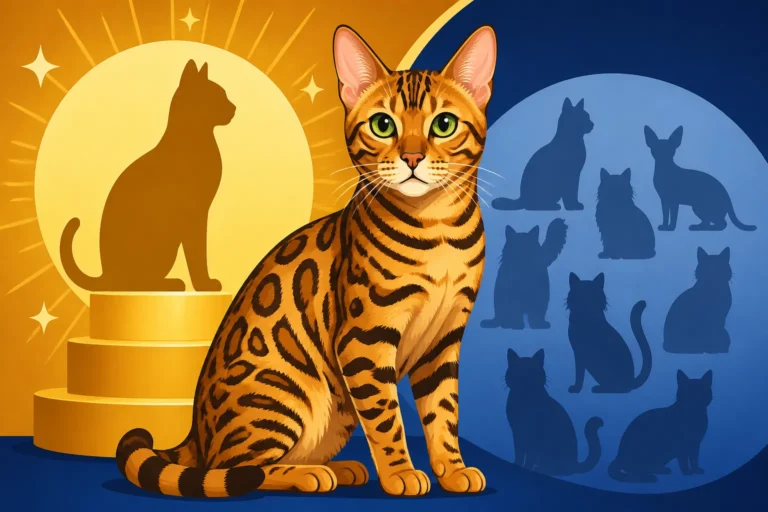
Jean Mill wasn't just any cat breeder; she was a true pioneer. Imagine looking at a majestic Asian Leopard Cat (ALC) and thinking, "I want to bring that wild beauty into our homes, safely and lovingly." That was her audacious goal. She wasn't content with merely breeding existing domestic cats; she sought to harness the stunning aesthetics of the wild, particularly the rosetted coat patterns and powerful physique of the ALC, and blend them with the trainability and affection of a housecat. It was a dream born of deep admiration for wildlife and a desire to preserve its essence in a domestic form. This vision meant facing challenges that no other breeder had truly tackled on such a scale before, combining two species that nature had kept apart for millennia. Her work would redefine what a domestic cat could be.
The Pioneering First Generations
The initial steps in any hybrid breeding program are always the most tentative and often the most challenging. Jean Mill began making crosses between the Asian Leopard Cat and various domestic cats, aiming to produce the first filial (F1) generation. These early hybrids were truly fascinating creatures, carrying the striking patterns of their wild parent, but their temperaments were a mixed bag, often retaining a significant degree of wildness. Fertility was another massive hurdle; F1 males are typically sterile, and breeding back the F1 females to domestic males was a long and often unpredictable process. The difficulties of working with these early generations, combined with the sheer commitment of time and resources, made the progress slow and arduous. Each successful litter was a triumph, and each setback a lesson learned, but the path forward was far from clear or easy. What F1 Means in a Bengal Cat gives a deeper dive into these initial crosses.
The Early Pause: Life's Interruptions
Even the most dedicated visionaries face interruptions, and Jean Mill's early Bengal program was no exception. Life, as it often does, threw unexpected challenges her way, leading to a temporary pause in her breeding efforts. These weren't simply small breaks; they were significant periods where her focus had to shift away from her beloved cats. Imagine having such a grand, ambitious project, only to have to put it on hold due to personal circumstances. It can be incredibly disheartening, leaving many to wonder if such an endeavor could ever truly be picked up again. This hiatus meant that the initial spark of her work, while groundbreaking, didn't immediately lead to the continuous development that breeders typically strive for. For a while, the dream of the domestic leopard cat seemed to be just that – a dream on hold.
The Loma Linda Connection: A Catalyst for Revival
Sometimes, the greatest advancements come from unexpected places, and for the Bengal cat, a scientific research project played a crucial, unplanned role in its development. This unexpected collaboration would provide Jean Mill with the means to not only restart her program but to elevate it to new heights, leveraging genetic material that she might not otherwise have accessed. It was a truly serendipitous turn of events that would forever shape the breed.
The Unexpected Scientific Collaboration
While Jean Mill was navigating her personal pause, a significant scientific endeavor was underway at Loma Linda University. Dr. Willard Centerwall, a geneticist, was conducting research into feline leukemia virus (FeLV) resistance, and he discovered that Asian Leopard Cats possessed a natural immunity. To study this phenomenon, he began breeding ALCs with domestic cats, creating F1, F2, and F3 generation hybrids, much like Jean Mill had done years earlier. The Leukemia Research Colony That Founded the Bengal Cat details this fascinating chapter. This medical research colony, though focused purely on scientific inquiry, was inadvertently creating a valuable gene pool of healthy, genetically diverse hybrid cats. It's a prime example of how different fields can intersect in unpredictable ways, ultimately benefiting a passion project like the Bengal cat breed.
The Rehoming of the Research Hybrids
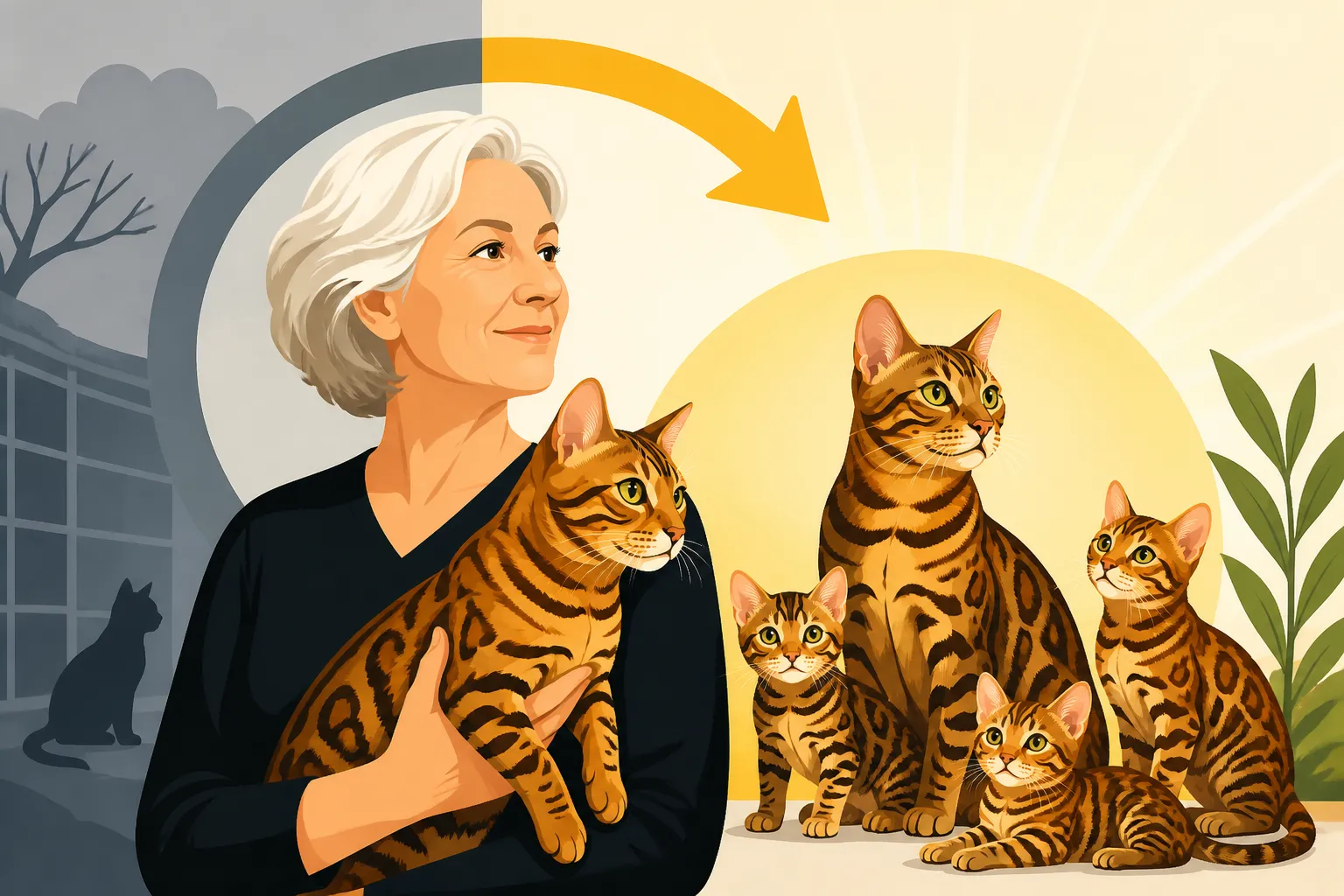
As scientific projects often do, the Loma Linda FeLV research eventually ran its course and came to a close. This left Dr. Centerwall with a number of hybrid cats that needed rehoming. These were not just any cats; they were well-documented F1, F2, and F3 generations, all descended from the Asian Leopard Cat, and all carrying valuable genetic diversity and, crucially, health data from the study. It was at this critical juncture that Jean Mill re-entered the picture. She learned about these available cats, realizing the immense opportunity they presented. Receiving these healthy, fertile females from the Centerwall program was like being handed the missing pieces of a complex puzzle. It provided her with a new, strong foundation of cats that could directly advance her breeding program, breathing new life into her paused dream. Which Bengal Cats Jean Mill Received From Loma Linda highlights the specific impact of these cats.
Jean Mill's Opportunity and Decision
For Jean Mill, acquiring these Loma Linda cats wasn't just a simple restart; it was a profound opportunity to build upon her previous efforts with an even stronger genetic foundation. The cats from Dr. Centerwall's program provided a robust and varied gene pool, free from many of the inbreeding concerns that can plague small, isolated breeding lines. She saw the potential to integrate these cats, combining their valuable genetics with her own existing lines (or those she could acquire) to create a more stable, consistent, and ultimately healthier breed. Her decision to restart was not taken lightly; it was a commitment to years of further dedication, meticulous record-keeping, and careful selection. This period marked her full re-engagement with the Bengal cat project, transforming it from a pioneering experiment into a serious and sustained effort to establish a recognized breed. It was a testament to her unwavering vision and determination.
The Resurgence: Building the Modern Bengal Cat
With the infusion of new genetics from the Loma Linda colony, Jean Mill's restarted program gained incredible momentum. This period marked the true genesis of the modern Bengal cat, where her vision began to coalesce into a recognizable and distinct breed. It was a time of intense selection, meticulous breeding, and unwavering dedication to crafting the perfect domestic wildcat.
The Impact of New Bloodlines
The cats from the Loma Linda project brought invaluable diversity and vigor to Jean Mill's restarted breeding program. Prior to this, challenges like fertility issues, particularly in males from the early generations, had been a significant roadblock. The new bloodlines helped to broaden the genetic base, which is crucial for the long-term health and viability of any breed. With these fresh genetics, Mill was able to more effectively breed for the desirable physical traits – those stunning rosettes, the distinctive head shape, and the athletic build – while simultaneously working to stabilize temperament and ensure good health. This accelerated the pace of development, allowing her to produce multiple generations more consistently and observe how traits were being passed down. The focus shifted from merely creating hybrids to refining and perfecting the unique characteristics that would define the Bengal breed. Why F1 to F3 Bengal Cat Males Cannot Breed explains the earlier fertility challenges in detail.
Defining the Breed and Seeking Recognition
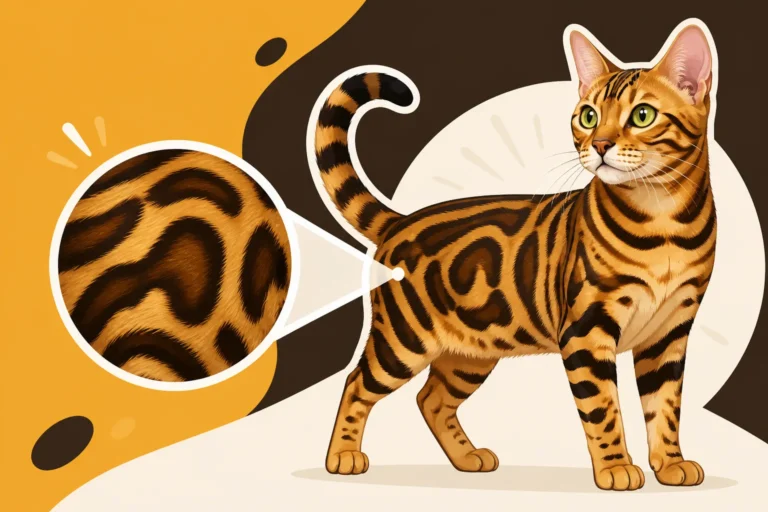
As the successive generations emerged from her restarted program, Jean Mill began to solidify the ideal traits that would become the Bengal cat standard. It wasn't enough to simply have beautiful cats; they needed a consistent look and a predictable temperament to be considered a true breed. She worked tirelessly to select for those individuals that embodied her vision of a mini-leopard: the short, plush coat with glitter, the deep contrast in patterns, the expressive eyes, and, crucially, the affectionate yet active personality. This phase also involved serious engagement with cat fancy associations, particularly The International Cat Association (TICA). Gaining official recognition was a monumental step, validating years of effort and legitimizing the Bengal as a distinct and valuable breed. When TICA Accepted the Bengal Cat offers more information on this significant achievement. This meant meticulous documentation, adherence to breeding standards, and presenting her cats for judging to demonstrate their consistency and quality.
The Legacy of a Restart
The decision to restart her program, bolstered by the Loma Linda cats, proved to be one of the most critical turning points in Bengal cat history. Without that second wind, the breed as we know it today might never have reached its full potential, or perhaps even ceased to exist. Jean Mill's perseverance ensured that the unique beauty and captivating personality of the Bengal cat would become available to cat lovers around the world. Her legacy isn't just in the existence of the breed, but in the meticulous selection and ethical considerations she brought to its development. Every Bengal cat today carries a piece of that history, a testament to her vision, her adaptability, and her enduring love for these extraordinary felines. This restarted journey laid the groundwork for future generations of breeders to continue her work, ensuring the health and integrity of the breed.
Key Milestones and the Continued Journey
The foundation laid by Jean Mill's restarted program wasn't a static achievement; it was the beginning of a dynamic and ongoing journey. The development of the Bengal cat involved specific individuals who became cornerstones of the breed, as well as continuous efforts to ensure genetic health and responsible breeding practices. Understanding these milestones helps us appreciate the depth of dedication that went into creating these magnificent cats.
The Importance of Millwood Toby of Delhi
Within Jean Mill's restarted program, certain individual cats emerged as pivotal figures, their genetics contributing profoundly to the breed's development. One such cat was Millwood Toby of Delhi. Toby wasn't just any stud; he possessed an exceptional coat pattern with clear, contrasted rosettes and the coveted "glitter" gene, which gives the Bengal cat's fur a shimmer, almost as if dusted with gold or silver. He became instrumental in consistently passing on these desirable traits, solidifying the distinctive look that breeders aimed for. His influence helped to move the breed away from simple spotting towards the more complex and beautiful rosette patterns that are now a hallmark of the Bengal cat. What Millwood Toby of Delhi Was to the Bengal Cat delves deeper into his unique contribution, highlighting how specific individuals can dramatically shape a breed's future.
Expanding the Gene Pool Responsibly
Even with the influx of Loma Linda cats, creating a robust and diverse gene pool for a new breed like the Bengal requires continuous, careful management. Jean Mill and subsequent ethical breeders understood the importance of judiciously introducing new domestic bloodlines to prevent excessive inbreeding and maintain genetic health. While the core "wild look" came from the Asian Leopard Cat, certain domestic breeds were occasionally chosen for their size, temperament, or specific conformational traits that complemented the Bengal's desired characteristics. This process had to be done with extreme care to ensure the wild appearance wasn't diluted, but rather enhanced and stabilized. It's a delicate balance, ensuring genetic vigor without losing the essence of what makes a Bengal unique. Which Domestic Breeds Went Into the Bengal Cat provides context on how this selective outcrossing contributed to the breed's development. This careful stewardship of genetics is an ongoing responsibility for all reputable Bengal breeders.
The Ethical Considerations of Hybrid Breeding
The journey of the Bengal cat, from its wild ancestor to a beloved companion, has not been without its critics and ethical debates. The very concept of creating a hybrid breed from a wild species often raises questions about animal welfare, conservation, and the potential impact on both the domestic cat world and the wild populations. Concerns often center around the temperament of early generations, the stress of hybridization, and whether breeding such animals is truly ethical. Jean Mill herself was deeply committed to the welfare of her cats, striving to create a healthy, well-adjusted animal suitable for pet homes. Her program, especially after its restart, focused heavily on selecting for stable temperaments and robust health. Today, ethical Bengal breeders continue this commitment, prioritizing health testing, temperament evaluation, and responsible placement of kittens. The discussion around hybrid breeding remains important, reminding us that with the creation of any new breed, particularly one with wild ancestry, comes a significant responsibility to ensure the well-being and appropriate care for these unique felines. Whether Breeding Hybrids Like the Bengal Cat Is Ethical explores these important discussions in more detail.
| Phase of Development | Timeline (Approximate) | Key Events & Challenges | Impact on Breed |
|---|---|---|---|
| Initial Crosses | Early 1960s | Jean Mill's first ALC x Domestic crosses. Fertility issues, wild temperaments. |
Established initial hybrid lines. Demonstrated viability of the concept. |
| Early Pause | Mid-1960s to Mid-1970s | Personal circumstances led to hiatus. Breeding program put on hold. |
Stagnation of breed development. Uncertainty about future. |
| Loma Linda Catalyst | Mid-1970s | Dr. Centerwall's FeLV research with ALC hybrids. | Created a new, documented pool of F1-F3 hybrids. Offered genetic diversity. |
| Program Restart | Late 1970s | Jean Mill acquired Loma Linda cats. Renewed focus and accelerated breeding. |
Infused fresh genetics, improved fertility, enhanced temperament stability. |
| Breed Refinement | 1980s onwards | Selection for rosettes, glitter, consistent type. TICA recognition achieved. |
Defined the modern Bengal cat standard. Gained global acceptance. |
Disclaimer
This article is for general informational purposes only and does not constitute professional advice. Laws, prices and regulations vary by location and change over time. Consult a qualified professional for guidance on your specific situation.