Where the Bengal Cat Ranks in Registrations
When you're captivated by the striking, wild beauty of a Bengal cat, it's natural to wonder just how popular these stunning felines truly are. You see their incredible patterns, their confident strut, and you instantly know they're special. But where do they actually stand in the grand scheme of cat breeds? It can feel like they're everywhere on social media, but what does that mean for their official standing? This guide will dive deep into how cat breed registries track popularity, where the Bengal cat typically ranks, and what its remarkable rise means for both the breed and for you, a potential or current owner.
The Allure That Drives Popularity
It's no secret that Bengal cats possess a unique charm, a blend of exotic appeal and domestic companionship that few other breeds can match. This captivating combination is a huge part of why they've ascended the popularity charts.
The Allure of Wild Looks in a Domestic Pet
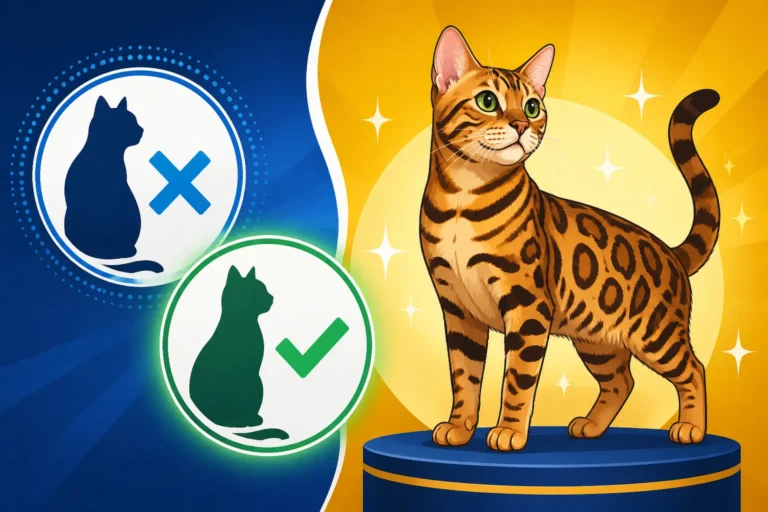
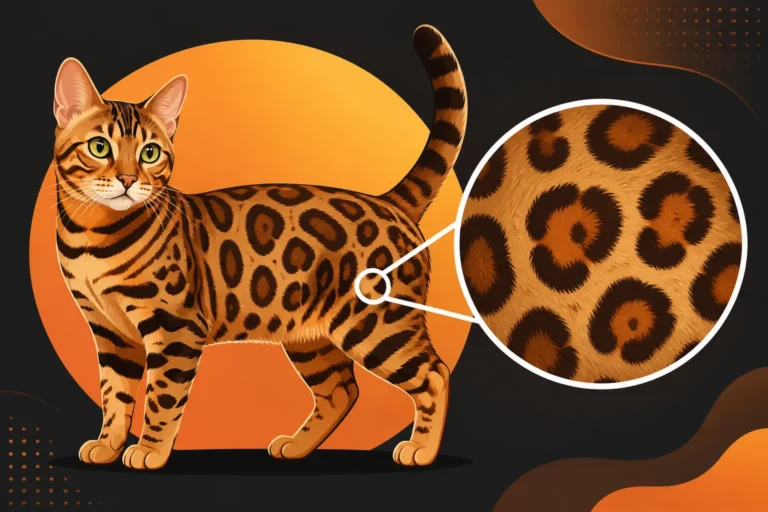
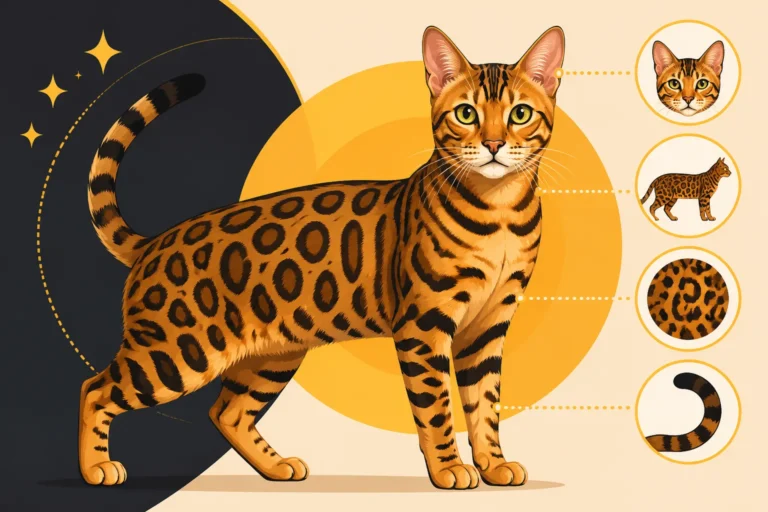
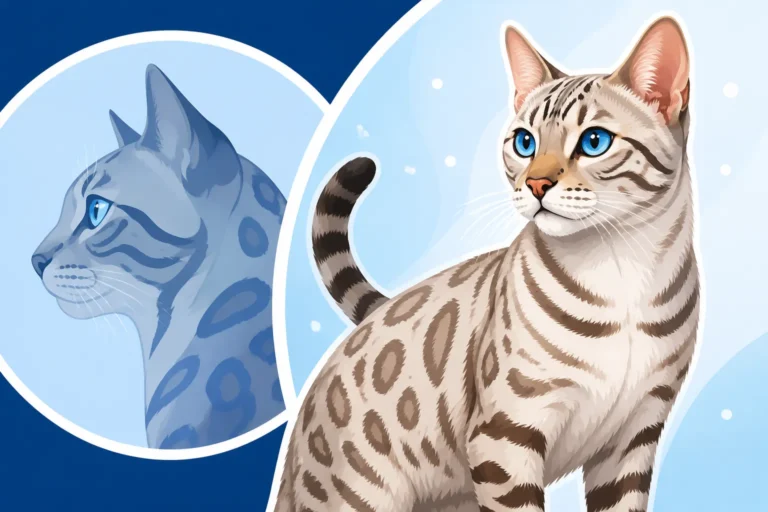
There’s an undeniable thrill in sharing your home with a creature that looks like it just stepped out of the jungle. The Bengal cat, with its distinctive rosetted or marbled coat, powerful musculature, and athletic build, truly embodies this wild aesthetic. Unlike many domestic breeds whose origins are centuries deep in human companionship, the Bengal's relatively recent lineage from the Asian Leopard Cat gives it that distinct "mini-leopard" appearance. This striking visual alone draws in countless admirers. People often express a desire for an exotic pet, but the legalities, dangers, and ethical considerations make true wild animals impossible for most. The Bengal offers that visual excitement without the true perils of an undomesticated animal, making it an incredibly attractive option for those seeking something beyond the ordinary housecat. Its pelt-like coat, often adorned with "glitter" that catches the light, only adds to this mystique, making it a true showstopper.
Temperament and Activity Levels – A Unique Blend
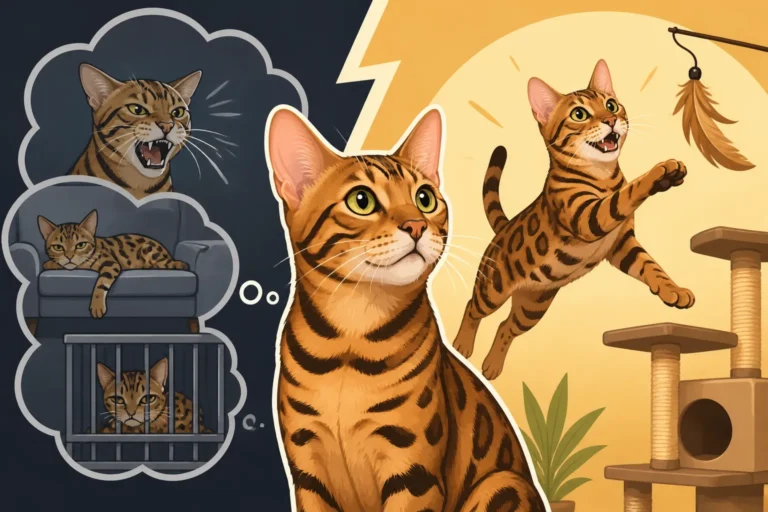
Beyond their breathtaking looks, Bengal cats are renowned for their highly energetic, intelligent, and interactive personalities. This isn't a cat content to merely nap on the couch all day, though they certainly enjoy a good cuddle when they choose. Bengals are often described as having a dog-like temperament due to their love for fetching, their willingness to be leash-trained, and their intense loyalty to their chosen humans. Their boundless curiosity means they're constantly exploring, climbing, and interacting with their environment – and you. This active engagement creates a deep bond with owners who appreciate a cat that’s truly part of the family action, rather than just an aloof observer. However, this high energy isn't for everyone, and potential owners often grapple with the reality of just how much stimulation and interaction a Bengal truly needs to thrive. But for those ready for the challenge, this engaging personality only solidifies their appeal. The Bengal Cat Is the Most Active Cat You Can Own
Understanding Cat Breed Registries
When we talk about a cat breed's "ranking," we're not just guessing based on internet trends. These rankings come from established cat associations that meticulously track breed data.
The Role of Major Cat Associations
Major cat associations like The International Cat Association (TICA) and the Cat Fanciers' Association (CFA) are the bedrock of the purebred cat world. Think of them as the official record-keepers, pedigree certifiers, and standard-bearers for all recognized breeds. Their primary role is to register cats, track their lineage, and ensure that breeding adheres to established standards. They also host cat shows, which are crucial for evaluating and promoting breeds. TICA, in particular, has been instrumental in the Bengal cat's journey to global recognition. Without these organizations, maintaining the integrity and specific traits of any breed, including the Bengal, would be incredibly difficult. They provide a framework that allows breeders to work towards common goals and allows prospective owners to verify a cat's heritage and, to some extent, its adherence to breed characteristics. It’s through their registration numbers that we can gauge a breed's relative popularity across different regions and over time.
Why Registration Numbers Matter
High registration numbers within these major cat associations are significant indicators of a breed's health, visibility, and desirability. When a breed consistently ranks high, it generally means there's a robust and active breeding community dedicated to it. This often translates into more breeders adhering to ethical practices, a wider gene pool (which is crucial for avoiding hereditary health issues), and increased general awareness. For a relatively new breed like the Bengal, high registration numbers also show that it has successfully moved past its "experimental" phase and has achieved full championship status, earning the trust and interest of cat fanciers and the public alike. It signifies that the breed has proven its stability in terms of temperament, health, and conformation to its written standard. Essentially, registration numbers are a snapshot of how many people are actively investing in and celebrating a particular breed within the established cat fancy world.
The Bengal Cat's Rise Through the Ranks
The Bengal cat's journey from a wild hybrid to a beloved domestic companion, and its subsequent rise in popularity rankings, is a fascinating story.
Early Days and Gaining Recognition
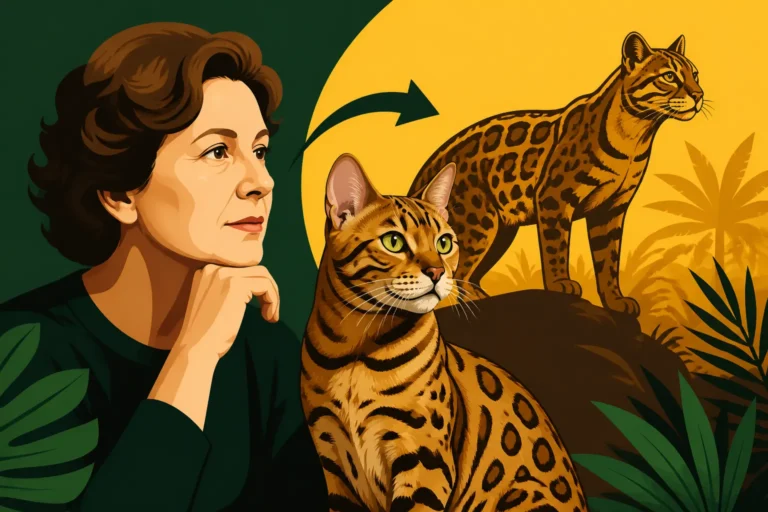
The Bengal cat is a relatively young breed when compared to ancient breeds like the Egyptian Mau or the Siamese, which have histories stretching back centuries. Its true development began in the 1960s with Jean Mill's pioneering efforts to cross the Asian Leopard Cat with domestic felines. Initially, the breed faced skepticism and challenges, as many new hybrid breeds do. It wasn't until the mid-1980s that TICA truly embraced the breed, a pivotal moment in its history. When TICA Accepted the Bengal Cat This acceptance marked the beginning of its journey into the mainstream cat world. Gaining championship status within TICA, allowing Bengals to compete for top honors, further legitimized the breed and boosted its visibility. This early recognition by a major registry provided the necessary platform for breeders to establish strong lines, refine the breed standard, and introduce these magnificent cats to a wider audience. It was a slow but steady climb, building momentum as more people encountered their unique charm.
Steady Growth and Current Standing
Since its official recognition, the Bengal cat has experienced consistent and often rapid growth in popularity. It's truly remarkable to see how quickly it has captured the hearts of cat enthusiasts worldwide. In many major registries, particularly TICA, the Bengal cat frequently ranks among the top five most popular breeds, often vying for the number one spot. Whether the Bengal Cat Is TICA's Most Popular Breed This isn't a fleeting trend; it’s a sustained demand driven by their stunning appearance and engaging personalities.
One of the main reasons for this continued ascent is the breed's striking visual appeal, which instantly sets it apart. The desire for a unique companion has never been stronger, and the Bengal perfectly fits that niche. Furthermore, as more information becomes available about their care requirements and suitable environments, more people feel confident bringing a Bengal into their homes. The dedicated community of Bengal breeders and enthusiasts has also played a crucial role, working tirelessly to promote the breed, educate potential owners, and maintain rigorous health testing standards. This collective effort has ensured that the Bengal cat isn't just a passing fad but a truly beloved and established presence in the cat world, a testament to its enduring charm. How Many Bengal Cats Are Registered a Year
Factors Influencing Bengal Cat Registration Data
While the Bengal cat's popularity is broadly high, there are nuances that affect registration numbers, from where you live to the specific generation of the cat.
Geographic Variations in Popularity
It's fascinating to observe how the popularity of a breed can ebb and flow depending on the region or country. While the Bengal cat enjoys widespread adoration globally, its ranking might vary from one country's registry to another. For instance, the breed might be exceptionally popular in North America and parts of Europe, leading to higher registration numbers in TICA (which is strong in these regions) compared to, say, a local registry in a country where the breed is newer or less established. These differences can be influenced by cultural preferences, the prevalence of cat shows, and even general awareness campaigns. Furthermore, some countries have specific regulations or outright bans on certain generations of hybrid cats, including Bengals, which can significantly impact their registered population in those areas. Which Countries Restrict the Bengal Cat Owners in locations with stricter laws might find it challenging to register their cats, or the demand might naturally be lower due to legal hurdles.
The Impact of Early Generations and Legalities
A crucial factor influencing Bengal cat registration data, especially when considering "popularity" for pet ownership, revolves around its generations. The Bengal breed is categorized by filial (F) generations, indicating how many generations removed a cat is from its wild Asian Leopard Cat ancestor. F1 (first generation) to F3 (third generation) Bengals are known as "Early Generation" cats. These cats retain more of their wild instincts and can be quite challenging to manage, often requiring specialized care and housing. Consequently, many regions and entire countries have laws restricting or outright banning the ownership of F1-F3 Bengals. Where a Bengal Cat Is Illegal in the United States
Because of these restrictions, most pet Bengals sold and registered are fourth generation (F4) or later, also known as SBT (Stud Book Traditional) Bengals. What SBT Means in a Bengal Cat These SBT Bengals are generally considered fully domestic and are legal in most places where cats are allowed. Therefore, when you look at widespread popularity and pet registrations, it's overwhelmingly the SBT Bengals that are counted. The registration numbers for F1-F3 Bengals, while they exist within breeding programs, are comparatively much lower due to their specialized nature and legal limitations. This distinction is vital for understanding why the breed is so popular as a pet, as it's the domestic generations that truly drive the high rankings.
| Generation Category | Description | Legal Status (General) | Pet Popularity Ranking |
|---|---|---|---|
| F1-F3 | Early Generations, closer to wild ancestor | Often Restricted or Banned | Very Low |
| F4+ (SBT) | Stud Book Traditional, fully domestic | Generally Legal Everywhere | Very High |
What High Ranking Means for Owners and Breeders
The Bengal cat's high ranking isn't just a statistic; it has real-world implications for everyone involved with the breed, from the dedicated breeders to the loving pet parents.
Benefits for the Breed and Community
A high ranking in major cat registries brings a host of benefits to the Bengal breed and its community. Firstly, it means increased awareness and visibility, drawing more potential owners to learn about these amazing cats. This heightened interest, in turn, often encourages more responsible breeders to enter the field, leading to a wider selection of healthy, well-socialized kittens. More reputable breeders also mean a greater collective effort in genetic health screening, which is paramount for a breed with certain predispositions. For example, knowing what a good breeder should be testing for, like PRA-b and PK deficiency, becomes more common knowledge when the breed is popular. What a Bengal Cat Breeder Should Have Tested This visibility also fuels research into breed-specific health concerns and the development of educational resources for owners, such as detailed guides on Caring for a Bengal Cat Past Ten. Furthermore, a strong breed community forms around popular breeds, offering invaluable support networks, shared knowledge, and camaraderie among owners who truly understand the joys and challenges of living with a Bengal.
Challenges of Popularity
However, with great popularity often come significant challenges. One of the most prominent issues for any highly sought-after breed is the unfortunate rise of unscrupulous "backyard breeders" or "kitten mills" looking to profit from demand without regard for the animals' health or welfare. These breeders often cut corners on genetic testing, proper socialization, and veterinary care, leading to kittens with health problems, temperament issues, or both. This can be heartbreaking for new owners and can, unfortunately, give the breed a bad name.
Another challenge is that high demand can sometimes outstrip the supply of ethically bred Bengals, potentially driving up prices and creating long waitlists. While a What a Bengal Cat Costs to Buy in 2026 might seem high, it reflects the significant investment responsible breeders make in their cats. Additionally, the sheer number of Bengals being bred means that vigilance against hereditary diseases, like HCM (Hypertrophic Cardiomyopathy), must be maintained rigorously. HCM Is What Kills Bengal Cats Early Owners must also be aware that the breed's active nature and specific needs mean it's not the right fit for every household, leading to potential rehoming if research isn't done beforehand. Popularity is a double-edged sword: it brings recognition and resources, but also the responsibility to protect the breed from its own success.
Looking Ahead: The Future of Bengal Cat Popularity
The Bengal cat's popularity isn't static; it's an evolving landscape. Understanding its future trajectory involves recognizing the ongoing efforts to sustain its appeal and how it compares to its feline counterparts.
Sustaining the Breed's Appeal
For the Bengal cat to maintain its high ranking and continue to thrive, the concerted efforts of responsible breeders and dedicated owners are absolutely vital. This means an unwavering commitment to health testing, ensuring that genetic diseases like progressive retinal atrophy (PRA-b) and pyruvate kinase deficiency (PKD) are minimized within breeding lines. It also involves prioritizing temperament, breeding for well-socialized, confident, and affectionate cats that are true companions, not just pretty faces. Breeders also play a crucial role in educating prospective owners about the unique needs of a Bengal, including their high energy levels, vocal nature, and love for water. By providing realistic expectations and comprehensive guidance, they help ensure that Bengals go to homes where they will be cherished and properly cared for throughout their The Twelve to Sixteen Years a Bengal Cat Gets. Ultimately, the sustained appeal of the Bengal cat lies in its ability to consistently deliver on its promise: a beautiful, intelligent, and engaging companion that enriches the lives of its owners. Whether Bengal Cat Popularity Is Rising
Comparing Bengal Cat Popularity to Other Breeds
To fully appreciate the Bengal's standing, it’s helpful to see it in context with other beloved breeds. While exact annual figures fluctuate and vary slightly between registries, a general comparison reveals the Bengal's impressive position.
Here's a qualitative comparison of common popular cat breeds and the Bengal's typical ranking:
| Breed | General Popularity Standing (Qualitative) | Key Traits Driving Popularity |
|---|---|---|
| Ragdoll | Consistently Top 5, often #1 | Docile, affectionate, beautiful blue eyes, soft semi-long coat |
| Maine Coon | Consistently Top 5 | Gentle giants, fluffy, friendly, robust, dog-like |
| Exotic Shorthair | Often Top 10 | Persian look with short hair, calm, sweet disposition |
| Persian | Long-standing Top 10 | Iconic flat face, luxurious long coat, serene nature |
| British Shorthair | Growing rapidly, often Top 10 | Plush coat, round face, calm, independent, easy-going |
| Bengal Cat | Consistently Top 5, often #1 (TICA) | Wild appearance, energetic, intelligent, interactive, dog-like |
| Siamese | Long-standing Top 15 | Vocal, striking blue eyes, sleek body, loyal, demanding |
| Sphynx | Niche but loyal following, often Top 20 | Hairless, very affectionate, warm to the touch, unique look |
| Abyssinian | Steady, often Top 20 | Active, playful, sleek ticked coat, graceful, curious |
| Scottish Fold | Popular but specific due to ears | Folded ears, sweet expression, calm, affectionate |
As you can see, the Bengal cat firmly holds its own among the giants of the cat world. Its consistent presence at the top of the charts, especially with TICA, speaks volumes about its undeniable charm and the strong, vibrant community that supports it. This isn't just a trend; it's a testament to a breed that has carved out a unique and lasting place in our hearts and homes.
Disclaimer
This article is for general informational purposes only and does not constitute professional advice. Laws, prices and regulations vary by location and change over time. Consult a qualified professional for guidance on your specific situation.