Whether a Pet Bengal Cat Needs PRA-b Testing
You've brought home that stunning Bengal cat, with their captivating rosettes and endless energy, and you're doing your absolute best to be the most responsible cat parent you can be. But then you start hearing about all these genetic tests, especially something called PRA-b, and you wonder: is this really necessary for my pet Bengal, who I have no intention of breeding? It's a valid question that causes a lot of confusion, and this guide is here to help you understand whether PRA-b testing is a step you need to take for your beloved companion.
Understanding PRA-b in Bengal Cats
Progressive Retinal Atrophy, specifically the PRA-b variant, is one of those inherited conditions that can catch even the most diligent Bengal cat owner off guard. It's a disease that, frankly, sounds scary, and it's something every potential Bengal owner should be aware of. Understanding exactly what it is and how it impacts these magnificent felines is the first step in deciding if testing is right for your pet.
What PRA-b Actually Does to a Bengal Cat's Sight
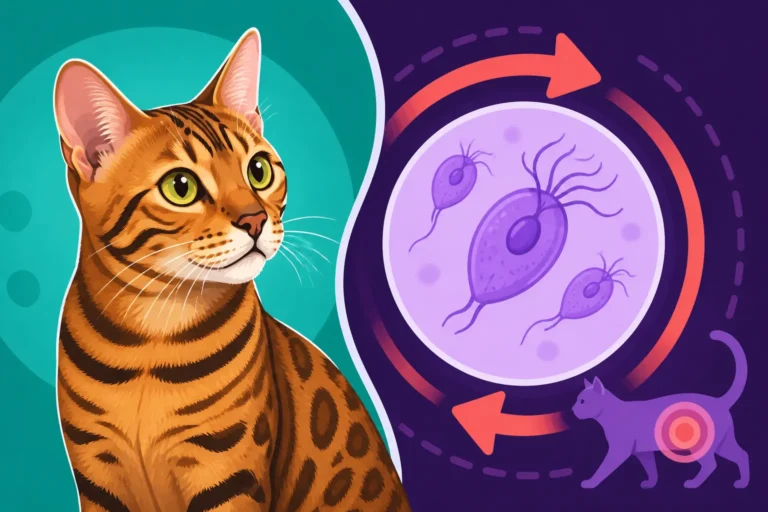
Imagine slowly losing your ability to see, starting with the subtle twilight hues, then gradually diminishing to complete darkness. That's the reality for a Bengal cat affected by PRA-b. This condition causes the light-sensitive cells in the retina at the back of the eye, known as photoreceptors, to degenerate over time. Initially, the rod cells, which are responsible for vision in low light, are affected. This means one of the earliest signs you might notice is your Bengal cat struggling to navigate in dimmer environments, perhaps bumping into furniture at night or being more hesitant in dimly lit rooms. This initial stage, where a Bengal Cat kitten's retina starts to degenerate, can be subtle and easily missed.
As the disease progresses, the cone cells, which handle bright light and color vision, also begin to degrade. This leads to a more pronounced loss of sight, eventually resulting in total blindness. The timeframe for this can vary, but typically, affected Bengal cats might start showing signs in kittenhood or early adulthood, with full blindness often occurring by the age a Bengal Cat is fully blind from PRA-b, which is usually around 2-7 years old. It's a heartbreaking process to witness, knowing that your vibrant, active cat is losing one of their most crucial senses, even though cats are remarkably adaptable.
The Genetic Basis of PRA-b and Inheritance Patterns
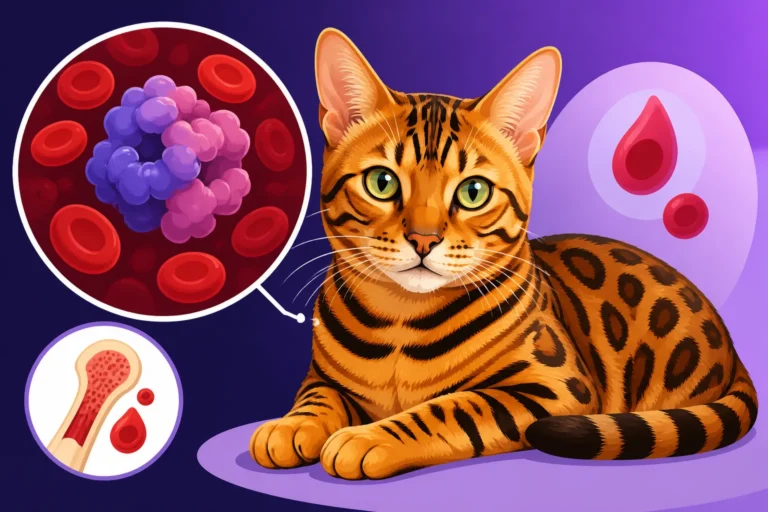
PRA-b isn't just a random occurrence; it's a genetic hand-me-down, specifically inherited in an autosomal recessive pattern. What does that mean in plain English? It means a Bengal cat needs to inherit two copies of the faulty gene – one from each parent – to actually develop the disease and go blind. If they only inherit one copy of the faulty gene and one normal gene, they become a "carrier."
A carrier Bengal cat will not develop PRA-b themselves, nor will they experience any loss of sight. They live perfectly normal, healthy lives, blissfully unaware they carry this genetic secret. The challenge arises when two carriers are bred together. In such a pairing, statistically, 25% of the kittens born will be genetically clear (inheriting two normal genes), 50% will be carriers (like their parents), and 25% will be affected (inheriting two faulty genes) and will eventually go blind. This is precisely how two carriers produce a blind Bengal Cat, making genetic testing for breeding animals absolutely critical to prevent passing on this devastating condition.
Why Genetic Testing for PRA-b Matters for Breeders and Its Implications for Pet Owners
The world of Bengal cat breeding is complex, with a strong emphasis on health and genetic integrity. For breeders, genetic testing for conditions like PRA-b isn't optional; it's a fundamental responsibility. For pet owners, however, the necessity of such tests can seem less clear.
Preventing Blindness in Future Generations
Reputable Bengal cat breeders go to great lengths to ensure the health of their lines. For them, PRA-b testing is a non-negotiable part of their breeding program. Every cat intended for breeding should be tested to determine their genetic status: Clear, Carrier, or Affected. The goal is to avoid breeding two carriers together, which, as we discussed, has a 25% chance of producing affected kittens. By carefully selecting breeding pairs, breeders can prevent the birth of kittens destined for blindness, upholding the health and welfare of the breed.
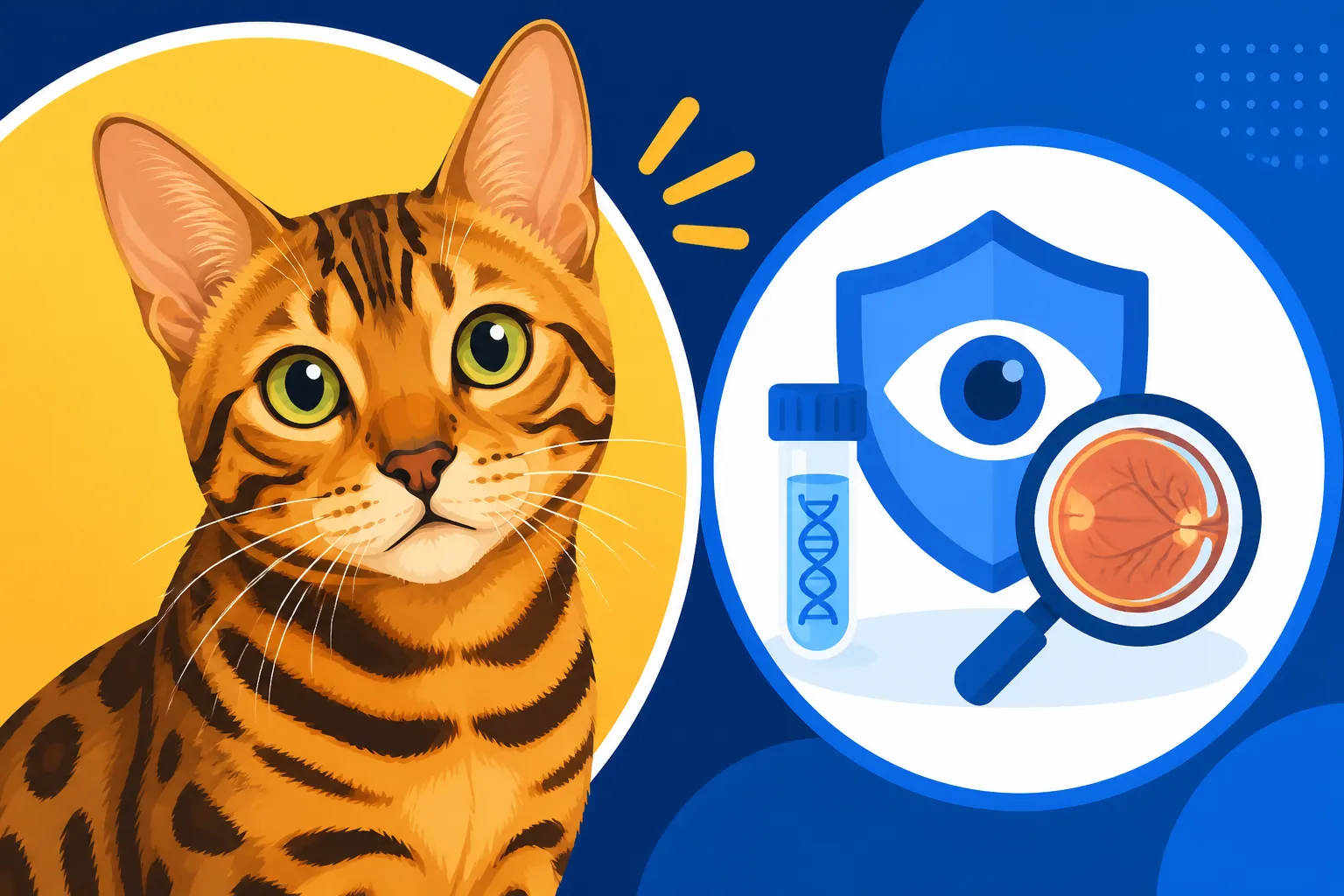
This proactive approach is why a Bengal Cat breeder must show an Echo, not a gene test for HCM, but does need to show gene test results for PRA-b and other recessive conditions. It's a commitment to transparency and ethical breeding practices. Breeders often use laboratories such as Optimal Selection or Neogen/GeneSeek, which are common labs that run the Bengal Cat PRA-b test. They take a simple cheek swab from the cat to collect DNA for analysis, a process that is quick and stress-free for the animal. Beyond PRA-b, a comprehensive panel should cover a range of genetic conditions, encompassing what a Bengal Cat breeder should have tested to produce healthy, robust kittens.
The Difference Between Breeding and Pet Ownership Considerations
For a breeding Bengal, knowing their PRA-b status is paramount. It dictates who they can be safely paired with to avoid producing affected offspring. A carrier cat can still be bred, but only to a clear cat, ensuring no kittens will be affected, though 50% will still be carriers. An affected cat should never be bred.
For a pet owner, the decision is often less about genetic strategy and more about personal peace of mind or future preparedness. If your Bengal cat is spayed or neutered, their genetic status for PRA-b will not affect any future kittens, because there won't be any! So, in the strictest sense, whether a pet Bengal cat needs PRA-b testing for breeding purposes is a moot point. However, this doesn't mean the information is entirely useless for a pet owner. It simply shifts the focus from population genetics to individual health preparedness and management. The reality is, if your cat is not going to be a parent, the immediate "need" to prevent genetic passing is removed.
When a Pet Bengal Cat Might Benefit from PRA-b Testing
While the primary drive for PRA-b testing lies with responsible breeders, there are indeed compelling reasons why a pet owner might choose to have their Bengal tested. It's not always about preventing disease in offspring, but about understanding and preparing for the life of your individual companion.
If You Adopt from a Rescue or Unknown Background
One of the most common scenarios where PRA-b testing for a pet Bengal cat becomes highly relevant is when you adopt from a rescue organization or when the cat's lineage is simply unknown. While many rescues do their best to gather health information, the history of some cats can be murky. You might love a rescue Bengal cat who has been eye tested, but that doesn't always guarantee a genetic screening for PRA-b. A routine vet eye exam can spot existing vision problems, but it won't tell you if a healthy-eyed cat is a carrier or predisposed to PRA-b later in life. Whether an eye exam finds PRA-b in a Bengal Cat only happens when the disease has already manifested, which is often too late for proactive planning.
In these situations, a DNA test offers invaluable clarity. Knowing if your cat is a carrier means you can share that information with any future owners if circumstances change, or simply be aware of a potential genetic trait. More importantly, knowing if your cat is affected, even if they show no symptoms yet, allows you to anticipate and prepare for progressive vision loss. This can significantly reduce stress and provide a smoother transition if and when blindness begins to manifest. It's about empowering yourself with knowledge to provide the best possible care, even when you don't have all the answers from the past.
The Value of Peace of Mind for Responsible Ownership
Beyond specific circumstances like rescue adoptions, many pet owners simply want to know everything they can about their cherished feline friend's health. Testing for PRA-b, even if your cat is a spayed or neutered pet, can offer a profound sense of peace of mind. Imagine the anxiety of noticing your Bengal cat start to falter in the dark, and not knowing why. Having a PRA-b negative result can immediately rule out one serious possibility, allowing you and your vet to explore other causes without delay.
Conversely, receiving a carrier or affected result, while initially concerning, provides the opportunity for proactive care and planning. You can educate yourself on the progression of the disease, learn how a blind Bengal Cat copes, and begin to make small adjustments to your home environment long before they might be needed. This foresight can make a huge difference in maintaining your cat's quality of life. Furthermore, understanding potential future health concerns can also influence your pet insurance choices. Many owners find value in knowing their cat's genetic predispositions when selecting plans from providers like Healthy Paws, which can help cover veterinary costs for chronic conditions, including those that might arise from genetic predispositions. This information truly lets you become the most informed and prepared guardian for your Bengal.
Practicalities of PRA-b Testing for Pet Owners
Deciding to test your pet Bengal for PRA-b is just the first step. Understanding the actual process, from sample collection to interpreting results, will help demystify the experience and ensure you feel confident every step of the way.
How a Bengal Cat's PRA-b Swab Is Taken and What to Expect
The good news is that PRA-b testing is incredibly simple and non-invasive. It typically involves a buccal swab, which is a fancy way of saying a cheek swab. You can often obtain a testing kit directly from a reputable genetic testing laboratory. Many well-known labs, such as Optimal Selection by Wisdom Panel or Neogen/GeneSeek, are excellent choices, and these are often the same labs that breeders use. The kit usually contains sterile swabs and detailed instructions.
To take a Bengal Cat's PRA-b swab, you'll gently rub the sterile swab firmly against the inside of your cat's cheek and gum line for about 10-20 seconds. It's important to collect enough cells, not just saliva, so don't be shy! Some cats are quite cooperative, while others might need a gentle hold or a distraction. It's best to do this at least an hour after they've eaten or had a drink to ensure the sample isn't contaminated by food particles. Once the sample is collected, you'll let the swab air dry for a few minutes before placing it back into its sterile sleeve or container, then mail it back to the lab. The results typically come back within a few weeks, often delivered via an online portal. The entire process is far less stressful than a blood draw and can even be done in the comfort of your home.
Interpreting the Results: Clear, Carrier, or Affected
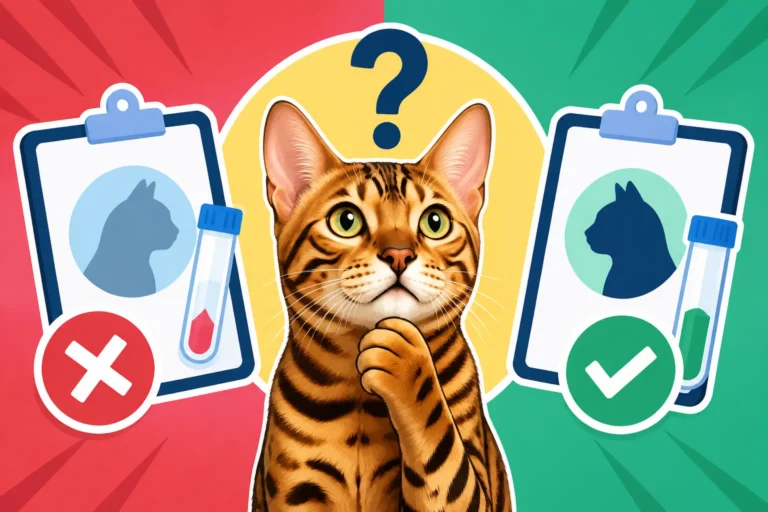
When your results come back, they will usually fall into one of three categories:
- N/N (Normal/Clear): This means your Bengal cat has two normal copies of the gene and is highly unlikely to develop PRA-b due to this specific mutation. They also cannot pass the gene on. This is the ideal result for any cat, especially for peace of mind.
- N/PRA-b (Carrier): This means your Bengal cat has one normal gene and one copy of the PRA-b gene. As discussed, a PRA-b carrier Bengal Cat will not lose sight themselves and will not develop the disease. They lead perfectly healthy lives. The only significance of this result is for breeding, where care would need to be taken to avoid pairing with another carrier. For a pet, it simply means your cat carries the gene, but it won't impact their personal health.
- PRA-b/PRA-b (Affected): This means your Bengal cat has two copies of the PRA-b gene, one from each parent. Your cat will develop PRA-b and will, at some point, experience progressive vision loss leading to blindness. The good news, however, is that knowing this in advance allows you to prepare. This knowledge can also prompt conversations with your veterinarian about supportive care and how to best manage the onset of blindness. While challenging, knowing is always better than being caught unawares.
Living with a PRA-b Affected or Blind Bengal Cat
Discovering your Bengal cat is affected by PRA-b can be upsetting, but it’s crucial to remember that a diagnosis is not a death sentence. Cats are incredibly resilient, and with your help, a visually impaired or blind Bengal can still lead a full and happy life. It’s all about adaptation and ensuring their world remains safe and stimulating.
Adapting Your Home for a Visually Impaired Bengal Cat
The key to successfully supporting a blind Bengal cat is consistency and creating a predictable environment. Their keen senses of smell, hearing, and touch will become even more pronounced, helping them navigate their surroundings. The first rule of thumb is to avoid rearranging furniture unnecessarily once they have mapped out their home. Every piece of furniture, every corner, becomes a crucial landmark.
Here are some practical steps you can take:
- Maintain Consistency: Keep food and water bowls, litter boxes, and favorite sleeping spots in the same places. A blind Bengal Cat finds the litter box through memory and scent cues.
- Create Safe Pathways: Ensure clear pathways through your home, free of clutter or tripping hazards. Consider soft rugs or runners that offer tactile differences, helping them feel their way.
- Protect from Hazards: Block off stairs with gates if your cat struggles with them, or teach them to navigate with verbal cues and scent markers. Protect sharp corners or edges with child-proofing bumpers.
- Scent Markers: Use distinct scents (like a drop of essential oil diluted in water, or specific air fresheners) near key areas like their bed, food, or litter box to help them orient themselves.
- Auditory Cues: Talk to your cat frequently as you move around so they know where you are. Use toys that make noise, like crinkle balls or toys with bells, to engage their hunting instincts.
- Elevated Surfaces: While Bengal cats love to climb, consider whether a blind Bengal Cat should climb on high cat trees or shelves without modifications. You might need to add ramps or lower perches to ensure safe ascent and descent. Providing carpeted ramps or steps to their favorite window perches can be a great compromise.
Cats adapt remarkably well to vision loss, often relying on their other senses to compensate. Patience, understanding, and a consistent environment are your best tools in helping your Bengal thrive.
Maintaining Quality of Life and Veterinary Support
A PRA-b diagnosis means your Bengal cat will require ongoing veterinary care focused on managing their health and ensuring their comfort. Regular eye check-ups will monitor the progression of the disease and address any secondary issues that might arise, though unfortunately, whether a Bengal Cat's PRA-b can be treated is a firm "no" – there is no cure for this genetic condition. However, supportive care is crucial.
Your veterinarian can offer advice on maintaining overall health, nutrition, and even stress management for your visually impaired cat. Maintaining a stimulating environment through interactive play (using sound-making toys), plenty of love, and a consistent routine will greatly contribute to their mental and emotional well-being. A blind Bengal Cat can still be leash walked, enjoying the scents and sounds of the outdoors in a safe, familiar area, often with a companion or a trusted human guide.
Many owners wonder whether a Bengal Cat with PRA-b lives a normal life. The answer is a resounding yes! While their world may be different, it is not diminished if they have the support and love they need. These cats are incredibly resilient and can find joy in their modified surroundings. Regular wellness exams, ensuring a healthy diet, and continuing enrichment activities will help your Bengal cat live a long, happy, and fulfilling life, despite their vision challenges.
Deciding Whether to Test Your Pet Bengal Cat for PRA-b
| Scenario | Breeding Cat | Pet Only (Known Pedigree from Reputable Breeder) | Pet Only (Rescue or Unknown Background) |
|---|---|---|---|
| Reason for Testing | Essential to avoid producing affected kittens; ethical breeding practice. | Primarily for peace of mind, understanding potential future health, personal knowledge. | Critical for understanding potential health issues, proactive planning for vision loss. |
| Impact of Result | Dictates breeding pairings; Affected cats are retired from breeding. | N/N (clear) confirms low risk; N/PRA-b (carrier) has no health impact on the cat. | N/N (clear) provides reassurance; N/PRA-b (carrier) means no health impact on the cat; PRA-b/PRA-b (affected) allows for early preparation and support. |
| Recommendation | Mandatory | Optional, but beneficial for peace of mind. | Highly Recommended |
| Financial Preparedness | Considered part of breeding costs. | Helps inform discussions with pet insurance providers like Healthy Paws. | Crucial for planning potential long-term care; pet insurance can mitigate costs. |
| Relevant Internal Links | How Many Bengal Cats Carry PRA-b and Whether a Breeder Must Show a Bengal Cat's PRA-b Result | Whether a PRA-b Carrier Bengal Cat Loses Sight | Whether a Rescue Bengal Cat Has Been Eye Tested and How a Blind Bengal Cat Copes |
Disclaimer
The information provided in this article is for general informational purposes only and does not constitute veterinary advice. Always consult with a qualified veterinarian for any health concerns or before making any decisions about your pet's health or treatment.