Pyruvate Kinase Deficiency in a Bengal Cat
Watching your beloved Bengal cat suddenly become lethargic, weak, or lose their vibrant energy can be terrifying, especially when the cause is a hidden genetic condition. Pyruvate Kinase Deficiency (PK Deficiency) is one such inherited blood disorder that can cast a shadow over an otherwise lively Bengal. This comprehensive guide will delve deep into understanding this frustrating disease, helping you recognize its subtle signs, navigate diagnosis, and provide the best possible care for your cherished feline friend.
Understanding Pyruvate Kinase Deficiency in Bengal Cats
Pyruvate Kinase Deficiency (PK Deficiency) is a truly insidious genetic disease because it's something a Bengal cat is born with, a ticking clock that might not even start for years. It’s not something they "catch" or that suddenly develops due to diet or environment; it's hardwired into their DNA from the moment of conception. For many Bengal owners, the discovery of PK Deficiency comes as a complete shock, often after inexplicable symptoms begin to surface.
The Core Mechanism of PK Deficiency
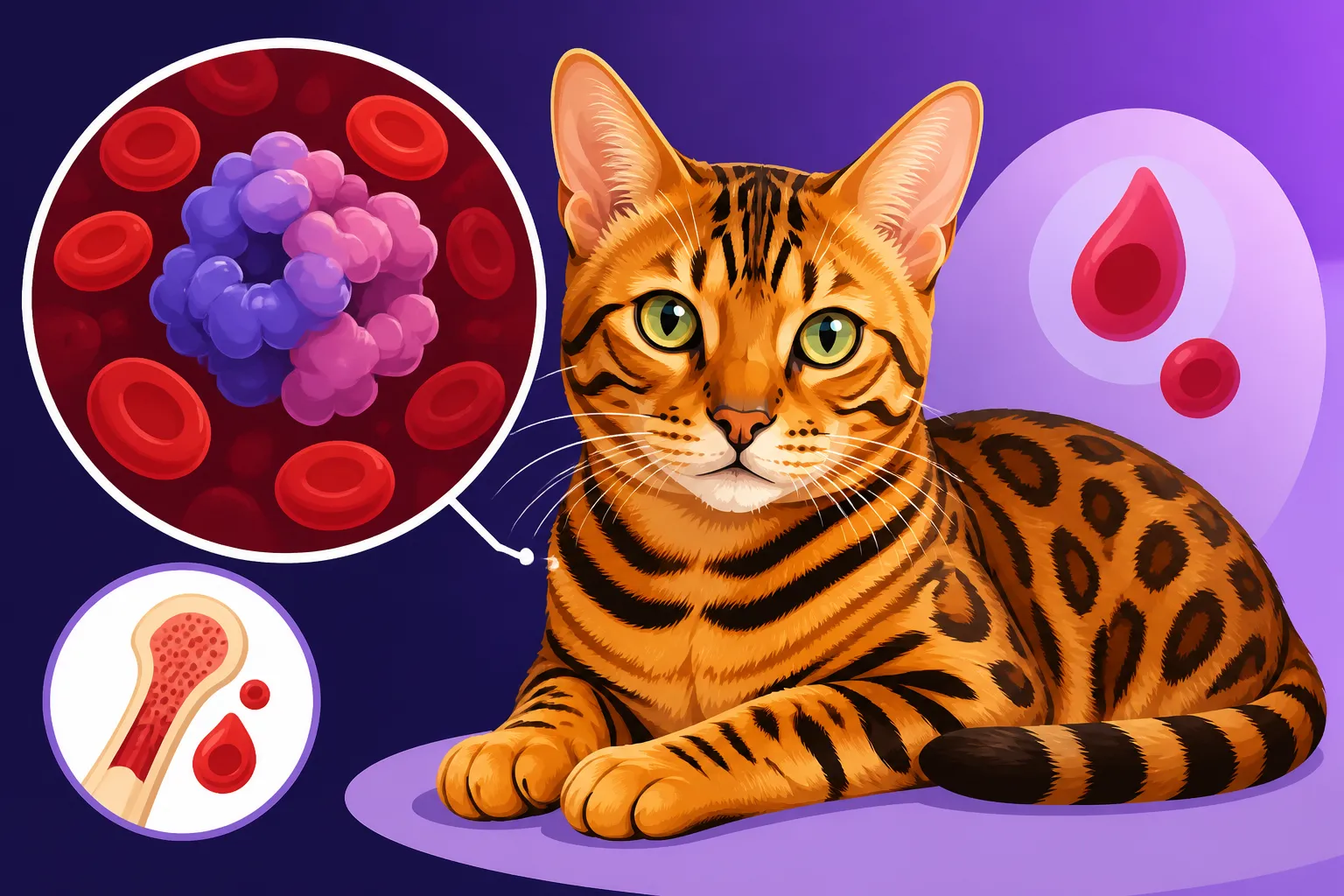
At its heart, PK Deficiency is a problem with red blood cells – the vital couriers that carry oxygen throughout the body. Imagine these red blood cells as tiny, perfectly constructed vehicles, each needing a specific engine to keep running. In a cat with PK Deficiency, that engine, an enzyme called pyruvate kinase, is faulty or completely missing. This enzyme is crucial for glycolysis, the metabolic pathway that provides energy for the red blood cells to function properly and maintain their integrity. Without enough functional pyruvate kinase, the red blood cells can't produce the energy they need to stay alive. They become fragile, misshapen, and are prematurely destroyed in the spleen or bone marrow.
This continuous, premature destruction of red blood cells leads directly to hemolytic anemia, which is essentially the body not having enough healthy red blood cells to carry oxygen. Think of it like a constant drain on the red blood cell supply, far outpacing the body's ability to produce new ones. This chronic, recurring anemia is what causes most of the clinical signs we see in affected Bengal cats, leading to a host of health challenges that can significantly impact their quality of life. It’s a relentless battle for their bodies, day in and day out, to keep up with the demand for healthy red blood cells.
Genetic Inheritance and How it Spreads
PK Deficiency is an autosomal recessive genetic disorder, which is a fancy way of saying two things: first, it’s not linked to sex (males and females are equally susceptible), and second, a cat needs two copies of the faulty gene—one from each parent—to actually develop the disease. This is where things get tricky and often confusing for new Bengal owners. If a cat inherits only one copy of the faulty gene and one normal copy, they won't show any symptoms of the disease themselves. They are what we call "carriers." These carriers are completely healthy, live normal lives, and typically show no outward signs of their genetic status.
The problem arises when two carriers are bred together. Each carrier parent has a 50% chance of passing on the faulty gene to their offspring. This means that for every kitten born from two carrier parents, there’s a 25% chance of inheriting two faulty genes and thus developing PK Deficiency. There’s also a 50% chance of being a carrier like the parents, and a 25% chance of inheriting two normal genes and being completely clear. This genetic lottery explains why the disease can unexpectedly pop up in litters even from seemingly healthy parents, highlighting the immense importance of responsible breeding practices and genetic testing.
Which Enzyme PK Deficiency Removes From a Bengal Cat
The specific enzyme in question for this condition is, quite literally, pyruvate kinase. This enzyme is a key player in the final steps of glycolysis, a metabolic pathway that breaks down glucose (sugar) to create adenosine triphosphate (ATP), the primary energy currency of cells. For red blood cells, ATP is critical for maintaining their biconcave shape, flexibility, and overall structural integrity, allowing them to squeeze through tiny capillaries and deliver oxygen efficiently.
When a Bengal cat has PK Deficiency, their red blood cells are unable to produce sufficient ATP due to the lack of this essential enzyme. It's like a car trying to run on an empty fuel tank; it simply can't function. The red blood cells become starved of energy, leading to a cascade of problems. They become rigid, cannot maintain their normal shape, and are prematurely marked for destruction, mainly in the spleen and liver. This continuous loss of red blood cells results in the chronic or intermittent anemia that defines the disease. It's a fundamental cellular malfunction that directly impacts one of the body's most crucial systems.
Recognizing the Signs of PK Deficiency in Your Bengal
One of the most frustrating aspects of Pyruvate Kinase Deficiency is how varied and unpredictable its onset can be. Unlike some other genetic conditions that present early and clearly, PK Deficiency can manifest subtly, sometimes in kittens, other times not until a Bengal cat is an adult, even past the age of five or six. This variability means owners often spend months or even years trying to figure out what's wrong, often going through multiple vet visits and tests before pinpointing the true culprit.
Early Indicators and Why They're Missed
The early signs of PK Deficiency are often so mild and non-specific that they're easily overlooked or attributed to other, more common ailments. You might notice your energetic Bengal, usually a whirlwind of activity, seems a bit less keen on playtime, perhaps sleeping a little more than usual. They might become easily tired after even a short burst of activity, taking longer to recover their breath. This subtle shift in energy levels is the most common early indicator. However, Bengals are known for their high activity levels, so a slight decrease can be dismissed as just a "lazy day" or a cat growing out of kittenhood.
Sometimes, owners might observe a decreased appetite or a general "unthrifty" appearance, where the cat just doesn't seem to be thriving as much as their littermates or other Bengals. These are all signs that their body isn't getting enough oxygen due to the anemia, but without obvious red flags, a busy owner or even a seasoned vet might not immediately suspect a serious underlying genetic disorder. It's often only in hindsight, once a diagnosis is confirmed, that these early, subtle cues click into place as part of the bigger picture.
Signs a Bengal Cat Is Anemic and Its Gums Look Pale
As the disease progresses or during an anemic crisis, the signs become more apparent, directly reflecting the body's struggle with a lack of oxygen-carrying red blood cells. One of the most telling indicators of anemia in a Bengal cat is a change in the color of their mucous membranes, particularly their gums. Instead of a healthy, vibrant pink, a PK deficient Bengal's gums might appear noticeably pale, almost white or a very light pink. This is a direct consequence of the reduced number of red blood cells circulating in their system. Checking your cat's gums regularly can be a surprisingly useful habit for any owner concerned about their pet's health.
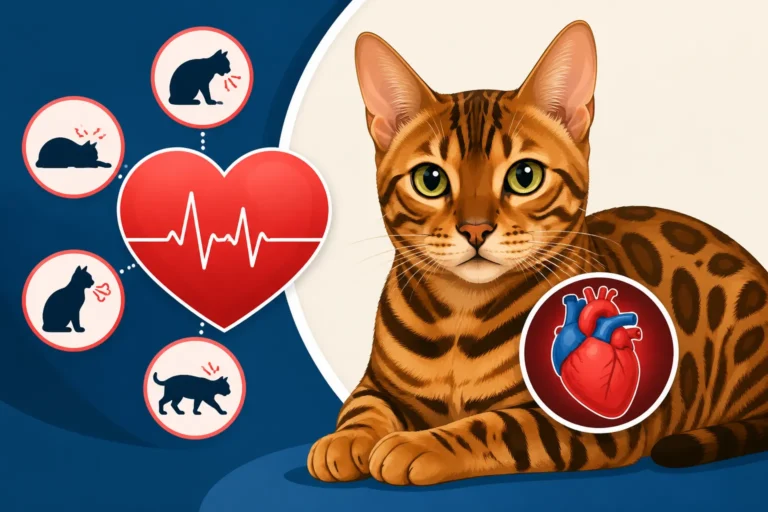
Beyond pale gums, other signs of anemia include lethargy, which manifests as extreme tiredness and a general lack of interest in their surroundings or usual activities. They might be reluctant to move, preferring to lie down rather than play or explore. You may also observe an increased respiratory rate or effort, meaning they might be breathing faster or harder even when at rest, as their body tries to compensate for the lack of oxygen. Sometimes, a Bengal cat may experience a rapid heart rate, which a veterinarian might detect during an examination. This constellation of symptoms, especially pale gums, should prompt an immediate visit to your veterinarian for further investigation.
The Rollercoaster of Good Days and Bad
One of the most heartbreaking and challenging aspects of living with a PK Deficient Bengal cat is the unpredictable "rollercoaster" nature of the disease. It’s not a steady decline; instead, affected cats often experience periods of relative health and energy, followed by sudden, severe anemic episodes. During these "good days," your Bengal might seem perfectly normal, running, playing, and eating with gusto, leading you to believe they’re finally over whatever was ailing them. This can create a false sense of security and make the eventual downturn even more crushing.
Then, seemingly out of nowhere, an anemic crisis hits. Your cat might become profoundly weak, collapse, or show severe lethargy. They might lose their appetite completely, hide away, or develop jaundice (a yellowish tint to the skin, gums, or whites of the eyes, caused by the breakdown products of red blood cells). These episodes can be triggered by stress, illness, or even no discernible reason, and they can be life-threatening if not managed promptly. This variability makes long-term care planning difficult and requires immense vigilance from owners, always being ready to spring into action if their cat takes a turn for the worse. It's a constant tightrope walk, and you learn to cherish every good day while bracing for the bad.
Diagnosing Pyruvate Kinase Deficiency Accurately
Getting an accurate diagnosis for PK Deficiency can be a journey filled with anxiety and multiple veterinary visits. Because the symptoms are so general and can mimic many other conditions, veterinarians often start by ruling out more common causes of anemia before delving into rare genetic disorders. This process requires patience, persistence, and a close working relationship with your vet.
Initial Veterinary Consultation and Physical Exam
When you first bring your Bengal cat to the vet with symptoms suggestive of anemia, the initial consultation will involve a thorough discussion of their history – when the symptoms started, how frequently they occur, and any patterns you've noticed. The veterinarian will then perform a comprehensive physical examination. They will carefully check your cat's mucous membranes (gums, inside the eyelids) for pallor, listen to their heart and lungs for murmurs or abnormal breathing sounds, and palpate their abdomen to check for an enlarged spleen, which can be a sign of increased red blood cell destruction. They'll also assess their general body condition, hydration, and mental alertness.
During this initial exam, your vet might already have a suspicion of anemia, but pinpointing the cause requires more advanced diagnostics. They might suggest a range of initial tests to get a clearer picture of your cat's overall health and to eliminate other potential causes of their symptoms, like infections, parasites, or kidney disease. This foundational step is crucial to narrow down the possibilities and guide the subsequent diagnostic pathway toward confirming or ruling out PK Deficiency.
The Role of Blood Tests and DNA Testing
Blood tests are indispensable in diagnosing PK Deficiency. A complete blood count (CBC) will confirm the presence and severity of anemia, showing a decreased red blood cell count, hemoglobin, and hematocrit. The CBC might also reveal other characteristic findings, such as reticulocytosis (an increase in immature red blood cells, indicating the bone marrow is trying to compensate for the loss) or an elevated mean corpuscular volume (MCV), though these aren't always present. Your vet might also run a biochemistry panel to assess organ function and rule out other systemic diseases. While these blood tests can strongly suggest hemolytic anemia, they can't definitively diagnose PK Deficiency as the underlying cause.
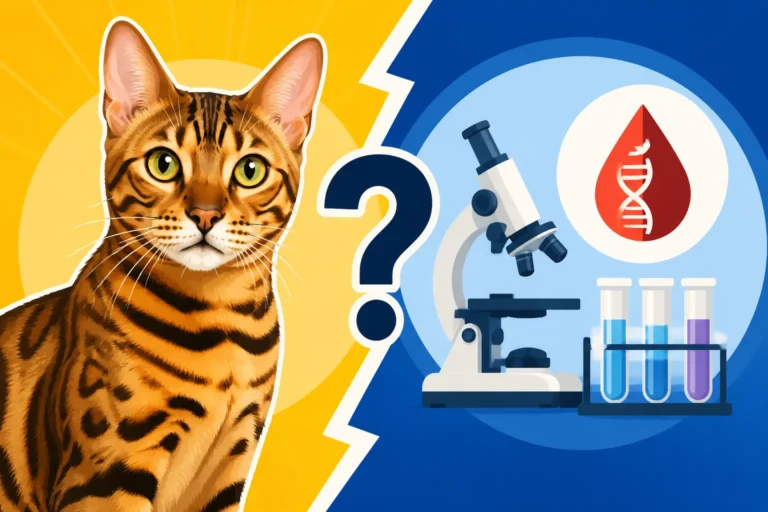
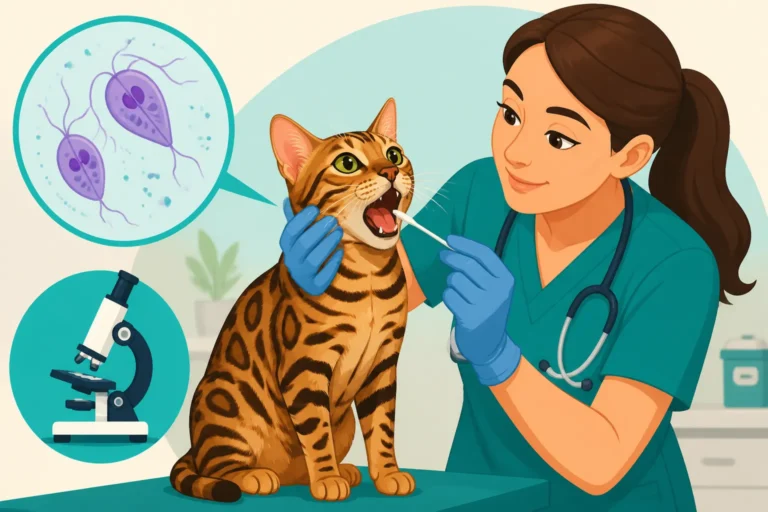
This is where DNA testing becomes the gold standard. A simple cheek swab or blood sample can be sent to a specialized veterinary genetics laboratory. This test directly identifies the specific genetic mutation responsible for PK Deficiency in Bengal cats. It’s a definitive "yes" or "no" answer regarding whether your cat has two copies of the faulty gene (affected), one copy (carrier), or no copies (clear). Many reputable Bengal breeders routinely test their breeding cats for genetic conditions like PK Deficiency and will gladly provide the results. This is vital, as a blood test alone often won't definitively diagnose a Bengal cat with PK Deficiency; the DNA test is essential.
How a Vet Confirms PK Deficiency in a Bengal Cat
Confirming PK Deficiency involves a multi-pronged approach that brings together clinical signs, conventional blood work, and the all-important genetic test. Your veterinarian will typically start by noting the chronic or intermittent anemia, often unresponsive to standard treatments for other types of anemia. They'll likely observe pale mucous membranes, lethargy, and potentially an enlarged spleen, which is often a key clinical finding due to the organ working overtime to remove damaged red blood cells.
After observing these clinical signs and confirming anemia through a CBC, the definitive step is the genetic DNA test. Once the lab results come back positive for two copies of the PK Deficiency mutation, combined with the clinical presentation of hemolytic anemia, your vet can confidently confirm the diagnosis. This comprehensive approach ensures that other potential causes of anemia are considered and ruled out, leading to an accurate and actionable diagnosis. It's important to understand that while other blood disorders can cause similar symptoms, the DNA test is what truly seals the deal for PK Deficiency. If you’re considering pet insurance, companies like Healthy Paws often cover diagnostic testing for such conditions, which can be a huge relief given the potential costs involved in ruling out various diseases.
Living With and Managing a PK Deficient Bengal Cat
Receiving a diagnosis of Pyruvate Kinase Deficiency for your Bengal cat can be overwhelming. There's no cure for this genetic condition, but that doesn't mean there's no hope. The goal of management is to minimize the severity and frequency of anemic crises, support your cat's overall health, and ensure they have the best possible quality of life. This will involve ongoing veterinary care, vigilant observation at home, and a commitment to adapting to your cat's unique needs.
Supportive Care and Symptom Management
Living with a PK Deficient Bengal means constantly monitoring their energy levels, appetite, and general demeanor. The cornerstone of management is supportive care, particularly during an anemic episode. Your vet might recommend supplements such as iron or B vitamins, though their efficacy can vary as the root problem isn't a nutritional deficiency but rather the red blood cells' inability to use energy. Sometimes, corticosteroids are used to suppress the immune system if there's an immune-mediated component contributing to red blood cell destruction, but this is less common for primary PK Deficiency.
Keeping your cat as stress-free as possible is also crucial, as stress can sometimes trigger anemic crises. This means maintaining a stable routine, providing a calm home environment, and minimizing sudden changes. Ensuring access to comfortable, quiet resting spots is vital, as your cat may need more rest than an unaffected Bengal. A high-quality diet that supports overall health is always important, although there isn't a specific diet that can cure or significantly alter the course of PK Deficiency itself. The focus is on making your cat comfortable and strong enough to weather the intermittent storms of their condition.
Treatment Options: From Transfusions to Spleen Removal
During severe anemic crises, more intensive treatments may be necessary. If your Bengal's red blood cell count drops dangerously low, a blood transfusion may be required to stabilize them. This provides a temporary boost of healthy red blood cells, giving their body time to recover and produce more of its own. Transfusions are not a cure, but they can be life-saving in an emergency. It's worth discussing with your vet where the nearest emergency veterinary facility capable of performing transfusions is located, just in case.
Another treatment option that has been explored for PK Deficiency, particularly in other breeds, is a splenectomy (surgical removal of the spleen). Since the spleen is a major site where damaged red blood cells are removed from circulation, removing it can sometimes extend the lifespan of the fragile red blood cells, thereby improving the anemia. However, whether a spleen removal helps a Bengal cat with PK Deficiency is a complex decision that needs careful consideration with your veterinary specialist. It's not a guaranteed solution, carries surgical risks, and its effectiveness can vary. The decision to pursue a splenectomy should only be made after thorough consultation and understanding of the potential benefits and drawbacks for your individual cat.
Ensuring Quality of Life for Your Affected Cat
The most important aspect of managing a Bengal cat with PK Deficiency is focusing on their quality of life. This means being attuned to their needs, knowing their limits, and providing a loving, supportive environment. On their good days, let them be a Bengal – provide safe opportunities for play, interaction, and mental stimulation. On their bad days, offer comfort, quiet, and easy access to food, water, and their litter box. If your cat enjoys leash walks, keep them short and gentle, watching for any signs of fatigue.
Regular veterinary check-ups are essential, even when your cat seems well, to monitor their blood values and catch any subtle changes before they escalate. Open communication with your vet about your cat's behavior and any concerns you have is paramount. Understanding that this is a fluctuating condition allows you to adjust your expectations and adapt your care. Many PK Deficient Bengals can live fulfilling lives for several years with dedicated care, particularly if their crises are managed effectively. This journey certainly highlights the unique needs of cats and reminds us that their genetic health is paramount for their longevity.
The Lifespan and Prognosis for Bengal Cats with PK Deficiency
Hearing that your Bengal cat has a genetic disease like PK Deficiency naturally leads to questions about their future. While it's true that the condition impacts their health significantly, it's not always an immediate death sentence. The prognosis can vary widely from cat to cat, influenced by the severity of their symptoms, the frequency of anemic crises, and the dedication of their owners to ongoing care.
How Long a PK Deficient Bengal Cat Lives
Predicting the exact lifespan for a PK Deficient Bengal cat is challenging because of the disease's variable nature. Some affected cats may experience severe, frequent crises from kittenhood and have a shorter lifespan, sometimes only a few years. Others might have milder, less frequent episodes and live well into adulthood, perhaps 8-10 years, or even longer in rare cases, albeit with continuous management. The average lifespan for a cat with diagnosed PK Deficiency is often cited as shorter than the typical Bengal cat lifespan of 12-16 years.
The key factor in longevity is how effectively the anemic episodes are managed and how well the cat's body copes with the chronic stress of red blood cell destruction. Cats that respond well to supportive treatments and have longer intervals between severe crises tend to live longer, more comfortable lives. It's important for owners to remember that this isn't a battle they can "win" definitively, but rather a condition to be managed, aiming for the longest and highest quality of life possible.
Factors Influencing Longevity and Well-being
Several factors can influence how long and how well a PK Deficient Bengal cat lives. Firstly, the severity of the genetic mutation and how much functional pyruvate kinase the red blood cells can still produce plays a role. Some cats might have a "milder" expression of the disease, leading to less severe anemia. Secondly, the presence of concurrent illnesses or infections can significantly worsen their condition, as their already compromised system struggles to cope. Even a routine illness can trigger a severe anemic crisis.
Environmental factors, such as stress levels in the home, diet quality, and regular veterinary monitoring, are also critical. A calm, predictable environment and a high-quality, easily digestible diet can help support their overall health. Regular blood work allows your vet to track their red blood cell counts and intervene with supportive care proactively, rather than reactively during a crisis. Early diagnosis also helps, as it allows for proactive management and avoids unnecessary stress or interventions that might exacerbate their condition. Understanding these variables can empower owners to make informed decisions for their cat's care.
Coping with the Emotional Toll
Caring for a cat with a chronic, incurable genetic disease like PK Deficiency takes a significant emotional toll on owners. The constant worry about when the next crisis might hit, the financial burden of veterinary care, and the heartbreak of watching your vibrant Bengal suffer can be incredibly draining. It's perfectly normal to feel overwhelmed, sad, or even frustrated. Many owners experience anticipatory grief, knowing that their cat's life may be cut short.
Finding support is crucial. Connecting with other Bengal cat owners who have faced similar challenges, either through online forums or local groups, can provide invaluable emotional support and practical advice. Your veterinarian can also be a vital resource, not just for medical care but also for guidance and empathy. Remember, you are doing everything you can for your beloved pet, and that love and dedication make a profound difference to their well-being. Pet insurance providers like Healthy Paws can also offer a layer of financial security, easing some of the stress associated with unexpected veterinary bills for chronic conditions.
Prevention and Responsible Breeding Practices
While living with and managing PK Deficiency is possible, the ultimate goal for the Bengal breed is to eradicate this genetic disease entirely. This ambitious but achievable goal hinges entirely on responsible breeding practices and the widespread adoption of genetic testing. As frustrating as it is for individual owners whose cats are affected, preventing future cases through careful breeding is the most impactful long-term solution.
Mandatory DNA Testing for Breeding Bengals
For any Bengal cat breeder committed to the health and integrity of the breed, mandatory DNA testing for PK Deficiency is not just recommended—it's absolutely essential. Reputable breeders will test all their breeding cats to determine if they are clear, carriers, or affected by the PK gene mutation. This simple, non-invasive test, often just a cheek swab, provides definitive results and is a crucial part of a comprehensive health screening.
Once a cat's status is known, breeders can make informed decisions. A cat that is "clear" (no copies of the mutated gene) can be safely bred with any other clear or carrier cat without producing affected offspring. A "carrier" cat (one copy of the mutated gene) should only ever be bred with a "clear" mate. Under no circumstances should two carrier cats be bred together, as this is the only way to produce affected kittens. Furthermore, an "affected" cat should never be used in a breeding program. This commitment to testing and transparent reporting ensures that kittens are born healthy and free from this debilitating disease.
The Ethics of Breeding PK Carriers
The question of whether a PK carrier Bengal cat can be bred is a significant ethical consideration in the breeding community. While breeding two carriers together is unequivocally irresponsible and should be avoided, breeding a carrier with a clear cat is a common and generally accepted practice. The logic is simple: a carrier cat, by definition, is healthy and shows no symptoms of the disease. If bred with a clear cat, none of the offspring will be affected by PK Deficiency, although approximately 50% of the kittens will inherit the carrier status.
The long-term strategy is to gradually reduce the number of carriers in the breeding pool by selectively breeding them to clear cats and then testing the offspring to identify and retain only clear individuals for future breeding. This approach allows breeders to maintain valuable genetic diversity within the breed, especially if a carrier cat possesses other highly desirable traits, while still working towards eliminating the disease. It’s a delicate balance that prioritizes health without excessively narrowing the gene pool, always with the understanding that every breeding decision must be made with utmost responsibility.
Choosing a Responsible Bengal Cat Breeder
When you're looking for a Bengal kitten, choosing a responsible breeder is perhaps the single most important step you can take to ensure your new family member is healthy. A responsible breeder will be transparent about their health testing protocols, especially for genetic diseases like PK Deficiency. They should readily provide documentation of DNA test results for both parent cats, showing that they are clear or, if a carrier, that they were bred to a clear mate. Don't be shy about asking to see these certificates; a good breeder will be proud to share them.
Beyond genetic testing, a reputable breeder will prioritize the overall health and well-being of their cats and kittens. They will have clean facilities, provide proper nutrition and socialization, and be knowledgeable about the breed's specific needs and potential health concerns, such as Chronic Diarrhea Is the Bengal Cat Complaint Nobody Warns About. They should also offer a health guarantee and be available to answer your questions both before and after you take your kitten home. Avoiding breeders who cannot provide health certificates or seem evasive about their practices is crucial. Investing in a kitten from a responsible breeder isn't just about getting a pedigree; it's about investing in a healthy, well-adjusted companion and supporting ethical breeding practices that safeguard the future of the Bengal breed. Understanding What a Bengal Cat's DNA Panel Costs also gives you insight into the investment a breeder makes.
Dispelling Myths and Addressing Common Concerns
When dealing with a complex genetic disease like PK Deficiency, misinformation can easily spread and cause unnecessary anxiety or lead to ineffective treatments. It's crucial for Bengal cat owners to rely on accurate, scientifically backed information and to consult with their veterinarian for any concerns. Let's tackle some common myths and questions surrounding this condition.
Misconceptions About PK Deficiency Severity
One common misconception is that all cats with PK Deficiency will have a severely compromised and short life. While it is a serious condition, the severity and onset can vary greatly. Some cats may have very mild symptoms for years, only experiencing anemic episodes under significant stress or in old age, while others suffer from chronic, severe anemia from a young age. This variability means that a diagnosis isn't a uniform death sentence but rather an indicator of a condition that requires careful, individualized management. It's also often believed that carriers will eventually show symptoms, but this is untrue; a PK carrier Bengal cat gets sick only if they also inherit another copy of the faulty gene from a second carrier parent. They themselves remain healthy carriers.
Another myth is that PK Deficiency can be cured with diet or supplements. While good nutrition and general supportive care are vital for overall health, there is no dietary intervention or supplement that can reverse the genetic defect or eliminate the disease. These measures can help manage symptoms and support the body, but they do not address the fundamental enzymatic problem in the red blood cells. Focusing on unproven "cures" can divert attention and resources from effective veterinary care.
Why Other Cat PK Tests Don't Apply to Bengals
It's natural to assume that a generic Pyruvate Kinase Deficiency test for "cats" would apply to all breeds. However, genetic mutations are often breed-specific. The specific mutation that causes PK Deficiency in Bengal cats is distinct from the mutations found in other breeds that might also suffer from PK Deficiency, such as Abyssinian or Somali cats. While the underlying enzyme deficiency is the same, the genetic "typo" in the DNA sequence that causes it is different.
Therefore, if a breeder or owner uses a genetic test designed for another breed on their Bengal cat, the results will be inaccurate and misleading. It might come back "clear" even if the Bengal is a carrier or affected by the Bengal-specific mutation, because the test simply isn't looking for the correct genetic marker. Always ensure that any genetic testing for your Bengal cat is specifically marketed for the Bengal breed or specifically states that it tests for the Bengal-specific PK Deficiency mutation. Reputable genetic testing labs will clearly indicate which breeds their tests are valid for, such as Optigen or Wisdom Panel.
The Importance of Community and Support
Navigating the complexities of a rare genetic disease like PK Deficiency can feel incredibly isolating. This is why engaging with the wider Bengal cat community and finding support networks is so important. Forums, social media groups dedicated to Bengal health, and even local breed clubs can connect you with other owners who understand your challenges. These communities can offer a wealth of shared experiences, practical tips for day-to-day management, and much-needed emotional encouragement.
Beyond informal groups, your veterinary team remains your primary and most reliable source of information and care. Building a strong, trusting relationship with a vet who is knowledgeable about Bengal cat health and genetic conditions is invaluable. They can guide you through treatment decisions, provide the latest medical advice, and help you understand what to expect. Remember, you don't have to face this journey alone; there are resources and people willing to help you provide the best possible life for your beloved Bengal.
| Aspect | Clear Bengal Cat | PK Carrier Bengal Cat | PK Affected Bengal Cat |
|---|---|---|---|
| Genetic Status | Inherited two normal PK genes. | Inherited one normal, one faulty PK gene. | Inherited two faulty PK genes. |
| Health | Completely healthy, no symptoms of PK Deficiency. | Completely healthy, no symptoms of PK Deficiency. | Develops hemolytic anemia due to PK Deficiency. |
| Passing on Gene | Will pass only normal PK genes to offspring. | Has a 50% chance of passing faulty PK gene. | Will pass faulty PK gene to all offspring. |
| Breeding Potential | Can be bred with any cat (clear or carrier). | Should only be bred with a "Clear" cat. | Should not be used for breeding. |
| Lifespan | Normal Bengal lifespan (12-16 years). | Normal Bengal lifespan (12-16 years). | Potentially shortened, variable, requires management. |
| DNA Test Result | N/N (Negative/Normal) | N/PK (Negative/Carrier) | PK/PK (Affected) |
Disclaimer
This guide provides general information about Pyruvate Kinase Deficiency in Bengal cats and should not be considered a substitute for professional veterinary advice. Always consult with a qualified veterinarian for any health concerns or before making any decisions about your pet's medical care.