Whether a Breeder Must Show a Bengal Cat’s PRA-b Result
Bringing a Bengal cat into your home is an exciting prospect, but the journey to finding the right kitten can often be shrouded in a lot of confusion, especially when it comes to understanding genetic health screenings. Many aspiring owners feel overwhelmed by the technical jargon and wonder what documentation they're truly entitled to see. This guide is here to cut through the noise and clarify exactly what a reputable Bengal cat breeder must show you regarding Progressive Retinal Atrophy (PRA-b) test results, so you can make an informed and confident decision about your new family member.
Understanding PRA-b and Its Impact on Bengal Cats
It's heartbreaking to imagine your beloved pet gradually losing their sight, and unfortunately, for certain breeds like the Bengal, there's a specific genetic condition that can lead to just that: Progressive Retinal Atrophy, often referred to as PRA-b. This isn't just a minor inconvenience; it's a serious health concern that can dramatically impact a cat's quality of life.
What is PRA-b and Why It Matters
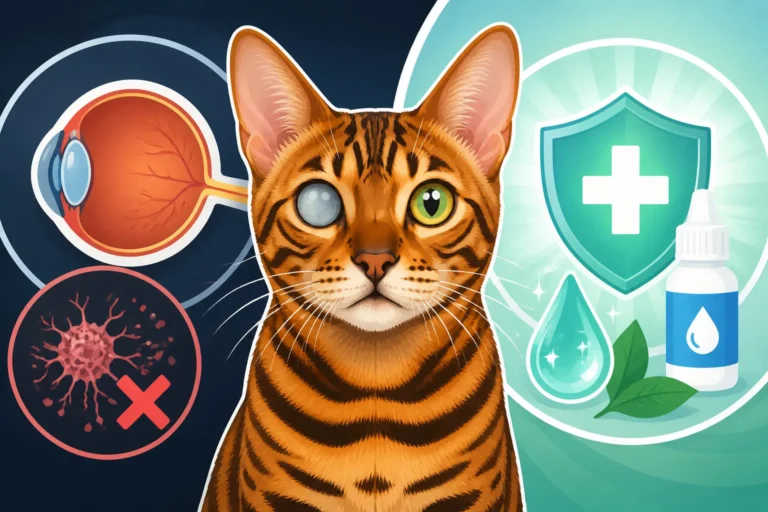
Progressive Retinal Atrophy is a hereditary eye disease that causes the photoreceptor cells in a cat's retina to degenerate over time. Think of it like the film in a camera slowly decaying. Initially, affected cats might show signs of night blindness, becoming hesitant in dimly lit rooms or bumping into furniture in the dark. As the condition progresses, their day vision also deteriorates, eventually leading to complete blindness. The cruel reality of What PRA-b Does to a Bengal Cat's Sight is that it's irreversible, and while blind cats can adapt incredibly well, it requires significant adjustments from both the cat and their owners.
The emotional and practical toll of caring for a cat that is losing its sight, or is fully blind, can be immense. Owners need to adapt their homes, be hyper-aware of changes in furniture or routine, and provide a safe, consistent environment. This is why understanding the risks before you bring a kitten home is paramount. No one wants to face such a challenge unexpectedly, especially when it could potentially have been avoided through responsible breeding.
The Genetics Behind PRA-b in Bengal Cats
To really grasp why PRA-b testing is so important, we need to talk a little bit about genetics. Which Gene Causes PRA-b in a Bengal Cat is a specific mutation, and it's inherited in an autosomal recessive pattern. What does that mouthful mean for you? It means a Bengal cat needs to inherit two copies of the defective gene – one from each parent – to actually develop the disease and eventually go blind.
Here's a breakdown of the genetic possibilities:
- Clear: A cat with two normal copies of the gene. They won't develop PRA-b and won't pass the defective gene to their offspring.
- Carrier: A cat with one normal copy and one defective copy of the gene. These cats will not develop PRA-b themselves, meaning their sight will remain perfectly fine throughout their lives. However, they can pass the defective gene to their kittens.
- Affected: A cat with two defective copies of the gene. These are the cats that will eventually develop PRA-b and lose their sight. They will pass a defective gene to all of their offspring.
The challenge arises when two carriers are bred together. If both parents are carriers, there's a 25% chance with each kitten that it will inherit two copies of the defective gene and become affected, a 50% chance it will be a carrier, and a 25% chance it will be clear. This is why careful genetic testing and transparent sharing of results are absolutely non-negotiable for ethical breeders.
The Mandate for PRA-b Testing in Responsible Breeding
When you're looking for a Bengal kitten, you're not just buying a pet; you're investing in a lifetime of companionship, and that includes their health. A reputable breeder understands this responsibility implicitly, which is why genetic health testing, particularly for conditions like PRA-b, isn't just a suggestion—it's a fundamental part of ethical breeding.
Why Ethical Breeding Practices Demand Transparency
Responsible Bengal cat breeders are essentially the guardians of the breed's future. Their primary goal should be to produce healthy, well-socialized kittens that embody the best traits of the Bengal. This means going above and beyond to screen for known genetic conditions that could cause suffering for the cat and heartbreak for its future family. Testing for PRA-b isn't about avoiding a problem; it's about actively preventing it.
When a breeder performs these tests, they are showing a deep commitment not only to their individual cats but to the entire Bengal breed. They're making an effort to eradicate these debilitating genetic diseases from their lines, ensuring that each generation is healthier and happier. It’s about building trust with potential buyers and demonstrating that they prioritize the welfare of their animals over any financial gain. Transparency in these results is key to building that trust. You'll find that truly dedicated breeders are often eager to discuss their health screening protocols and provide detailed documentation. They know that this level of openness sets them apart and is what defines What a Bengal Cat Breeder Should Have Tested as a whole.
What the PRA-b DNA Test Reveals
The PRA-b DNA test is a simple, non-invasive cheek swab that provides definitive answers about a cat's genetic status regarding this specific condition. How the Bengal Cat PRA-b DNA Test Works is quite straightforward: a sample is collected and sent to a specialized veterinary genetics laboratory.
The results will clearly state one of three possibilities for each tested cat:
- N/N (Clear/Normal): This cat does not carry the gene for PRA-b and will not develop the disease. They can be safely bred with any other cat without fear of producing affected kittens, although breeding with a carrier could result in carrier offspring.
- N/PRA-b (Carrier): This cat carries one copy of the gene but will not develop PRA-b. This is where breeder responsibility becomes critical. A carrier can be bred, but only with a cat that is N/N (Clear). Breeding two N/PRA-b (Carrier) cats together is highly irresponsible because it carries a 25% risk of producing kittens that are PRA-b/PRA-b (Affected). This is why considering Whether Two PRA-b Carrier Bengal Cats Should Be Bred is a serious ethical question, and the answer, for affected offspring, is a resounding no.
- PRA-b/PRA-b (Affected): This cat has two copies of the gene and will develop PRA-b. These cats should never be bred, as they will pass on a defective gene to all of their offspring.
Knowing these results empowers breeders to make informed decisions about their breeding pairs, safeguarding the health of their future kittens. For buyers, it offers peace of mind.
What to Expect from a Reputable Bengal Cat Breeder Regarding PRA-b Results
When you’re looking for a Bengal kitten, navigating the world of breeders can feel a bit like a maze. Everyone says they have healthy cats, but how do you truly verify that? The key lies in proof, not just promises, especially when it comes to genetic health tests like PRA-b.
The Standard of Proof: Official Lab Certificates
A breeder might tell you their breeding cats are "PRA-b clear," and that sounds wonderful, but it’s crucial to remember that words alone aren't enough. A truly reputable Bengal cat breeder will not hesitate to provide you with official documentation from a veterinary genetics laboratory. These aren't homemade certificates or simple printouts; they are formal reports issued by accredited labs.
When you ask about PRA-b, expect to see an actual lab certificate for both the mother and the father of your prospective kitten. These certificates should clearly state the cat's name, its registration number, the specific genetic test performed (PRA-b), and the result (Clear, Carrier, or Affected). Look for results from well-recognized feline genetics labs such as Optimal Selection (part of Wisdom Panel) or Langford Vets. These institutions are trusted because of their rigorous testing protocols and the scientific validity of their results. Which Lab Runs the Bengal Cat PRA-b Test will typically be prominently displayed on the certificate.
Think of it this way: if you were buying a car, you wouldn't just take the seller's word that it passed inspection; you'd want to see the official inspection report. The same principle applies here, but the stakes are much higher – it's about a living, breathing creature's health and future well-being. Don't be shy about asking to see these documents. Any breeder who is genuinely committed to the health of their lines will be proud to share them.
Why Some Breeders May Resist or What to Watch Out For
Unfortunately, not all breeders operate with the same high standards, and it's vital to be aware of potential red flags. If you encounter a breeder who seems hesitant, or outright refuses, to show you official PRA-b test results for their breeding cats, consider it a serious warning sign.
Here are some common excuses or behaviors to watch out for:
- "My lines are clear, I don't need to test." This is perhaps the most common and dangerous claim. Without documented proof, there's no way to verify this. Even if a breeder has never had an affected kitten before, a carrier could still exist in their lines, ready to produce affected kittens if bred to another carrier.
- "The vet said their eyes are fine." A standard veterinary eye exam does not detect PRA-b carriers or early stages of the disease. It can only confirm signs of retinal degeneration once the disease has already begun to manifest. It is not a substitute for a DNA test.
- "I lost the paperwork." While accidents happen, responsible breeders keep meticulous records. If they genuinely lost it, they should be able to easily request a duplicate from the lab. A persistent inability to produce documentation is suspicious.
- "It's too expensive to test every cat." While genetic testing does incur a cost, it's a minor expense in the overall scheme of ethical breeding. Breeders who cut corners on health testing are prioritizing profit over the well-being of their animals and the families who adopt them. The cost of a PRA-b test, which typically runs around $40-$60 per cat, is a small investment for the peace of mind it provides. In fact, many breeders run a full health panel that covers multiple genetic diseases, including PRA-b and Pyruvate Kinase Deficiency (PKDef), for a comprehensive view of their cat's genetic health.
Remember, Whether a Bengal Cat Kitten Comes With Test Certificates for the parents is a key indicator of a responsible breeder. You want proof, and you have every right to ask for it. It's not about being demanding; it's about being a responsible future pet owner.
| Breeder Claim | Evidence Needed | What It Means |
|---|---|---|
| "My cats are PRA-b clear." | Official lab certificate for BOTH parents. | Shows documented proof of genetic health status. |
| "My vet checked their eyes." | Not sufficient. Need DNA test results. | Vet eye exams detect disease, not carrier status. |
| "I've never had a blind kitten." | Official lab certificate for BOTH parents. | Luck, not proof. Carriers can exist for generations without affected offspring. |
| "The paperwork is at home." | Photos/scans of official lab certificates, emailed. | Breeder should readily provide proof even if not physically present. |
| "We just don't believe in genetic testing." | Major red flag. Avoid this breeder. | Indicates a disregard for breed health and ethical responsibility. |
Navigating Your Purchase: Questions and Due Diligence
Bringing a Bengal cat into your home is a long-term commitment, and ensuring their health from the outset is one of the most important things you can do. This requires you, as the prospective owner, to be proactive and informed. Don't be afraid to ask direct questions and insist on seeing the necessary documentation.
Asking for Specific PRA-b Documentation
When you've found a breeder you're considering, it's time to put on your detective hat. Don't feel awkward about asking detailed questions about health testing. A good breeder will expect it and welcome your thoroughness. Here are some precise questions to ask:
- "Can I please see the official PRA-b DNA test certificates for both the mother (queen) and father (stud) of the litter I am interested in?"
- "Which specific veterinary genetics laboratory did you use for the PRA-b testing?" (This allows you to verify the lab's reputation if you wish.)
- "What are the exact PRA-b results for each parent (Clear, Carrier, or Affected)?"
- "Are the certificates available for me to review in person or can they be emailed to me?"
Insist on seeing the actual lab reports, not just a breeder's interpretation. Check that the cat's name on the certificate matches the parent cat, and that the test date is reasonably current. While the genetic status doesn't change, a recent date shows ongoing commitment to health screening.
Remember, Which Questions to Ask a Bengal Cat Breeder should extend beyond just PRA-b, covering other genetic conditions common in the breed, such as Pyruvate Kinase Deficiency (PKDef), and ensuring regular cardiac screening for Hypertrophic Cardiomyopathy (HCM).
Understanding Health Guarantees and Proactive Care
Beyond genetic test results, a reputable breeder will typically offer a health guarantee as part of their contract. This guarantee should outline what happens if a genetic health issue, like PRA-b, is discovered within a certain timeframe after you take your kitten home. While these guarantees are important, they are reactive. Proactive care, starting with proper genetic screening of the parents, is always better.
Even with the most thorough genetic testing, life happens. Unexpected illnesses or accidents can occur. This is where pet insurance can be a real lifesaver. Many new Bengal owners find that investing in a good pet insurance policy, perhaps from a provider like Healthy Paws, gives them peace of mind. Knowing that you have support for unforeseen veterinary expenses, even if your kitten comes from genetically clear parents, is a smart move. What the Bengal Cat PRA-b Test Costs is a relatively small sum compared to the potential costs of managing a severe illness down the line. A comprehensive policy from a company like Healthy Paws can cover a wide range of issues, from emergencies to ongoing treatments, ensuring your Bengal gets the best care without financial strain.
Additionally, consider the ongoing costs of care. While What a Full Bengal Cat DNA Panel Costs may seem like an upfront expense for the breeder, it translates into a healthier cat for you. Being prepared for regular wellness exams, vaccinations, and potential emergencies, perhaps with the help of a robust pet insurance plan from Healthy Paws, means you’re ready for the full journey of Bengal cat ownership, not just the initial excitement. A healthy Bengal cat is a happy Bengal cat, and careful due diligence before purchase is the first step towards a long and joyful life together, even as they approach The Age a Bengal Cat Is Fully Blind From PRA-b if you somehow end up with an affected cat despite your best efforts.
Disclaimer
The information provided in this article is for general informational purposes only and does not constitute veterinary advice. Always consult with a qualified veterinarian for any health concerns or before making any decisions related to your pet's health and treatment.