Whether an Eye Exam Finds PRA-b in a Bengal Cat
It's incredibly disheartening when you suspect something might be wrong with your beloved Bengal cat's vision, and the first thought is often to rush them to the vet for an eye exam. While a comprehensive veterinary eye examination is crucial for overall eye health, many owners are surprised to learn that it often won't definitively detect Progressive Retinal Atrophy (PRA-b) in its early, critical stages. This guide will walk you through why a simple eye exam isn't always enough for this specific genetic condition and what truly provides a definitive diagnosis.
Understanding Progressive Retinal Atrophy in Bengal Cats
Progressive Retinal Atrophy type b (PRA-b) is a genetic condition that sadly affects Bengal cats, slowly stealing away their sight. It's a cruel disease because it doesn't just show up overnight; it's a gradual degeneration of the cells in the retina at the back of the eye. Imagine watching a beloved landscape slowly fade to black, day by day—that's a bit like what happens to a Bengal cat with PRA-b.
How PRA-b Damages a Bengal Cat's Sight
At its core, PRA-b is a disease that targets the photoreceptor cells in the retina—specifically the rods and cones responsible for detecting light and color. Rods handle low-light vision, and cones handle bright light and color perception. In Bengal cats with PRA-b, these cells start to deteriorate over time, leading to a progressive loss of vision. Initially, it's often the rods that are affected, meaning the first noticeable symptom is usually a decline in night vision. As the disease progresses, the cones also begin to fail, eventually leading to complete blindness. This degeneration isn't like a physical injury or infection that a vet can easily spot with a quick look; it's a cellular breakdown happening deep within the eye's structure. Understanding exactly what PRA-b Does to a Bengal Cat's Sight can help owners grasp the subtle nature of its onset.
The Genetic Basis and Early Retinal Changes
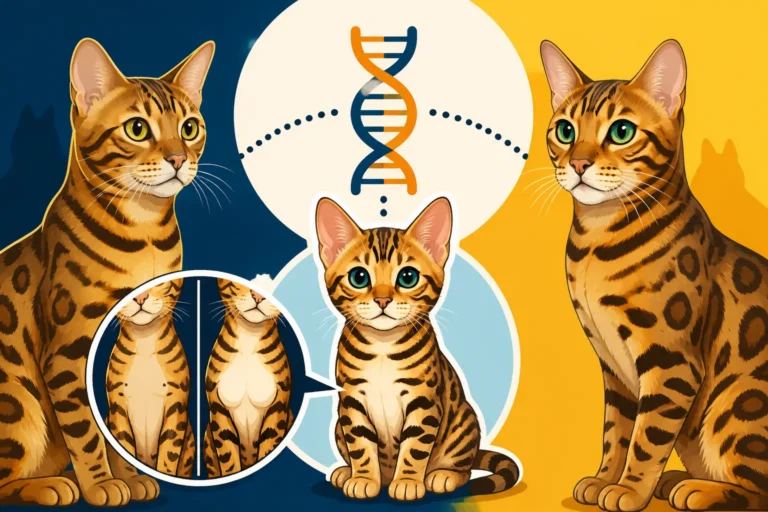
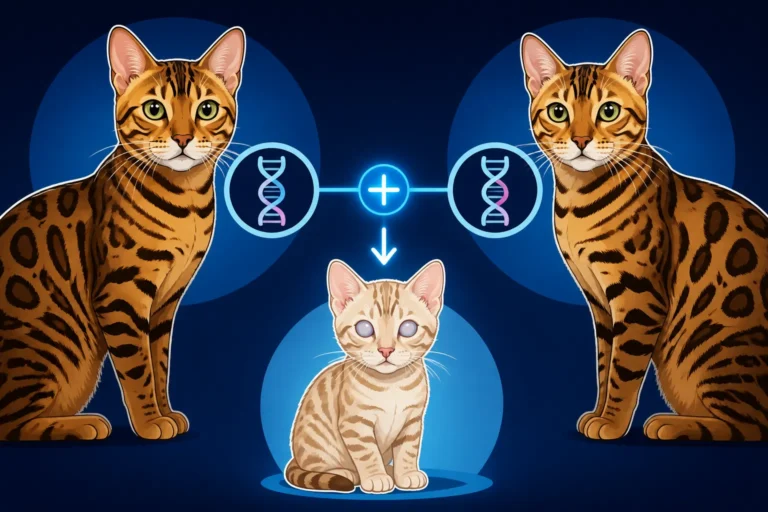
The frustrating truth about PRA-b is that it's an inherited condition, meaning it's passed down through a specific gene. This particular gene causes the photoreceptors to develop abnormally or degenerate prematurely. A Bengal cat needs to inherit two copies of this faulty gene (one from each parent) to be affected. If they only inherit one, they are considered a carrier but will not develop the disease themselves, nor will they lose their sight, as explored in whether a PRA-b Carrier Bengal Cat Loses Sight. The retinal degeneration can begin remarkably early, even in kittens, long before any outward signs of vision loss are apparent. In fact, research indicates that How Early a Bengal Cat Kitten's Retina Starts to Degenerate can be as early as 8-10 weeks of age, though it typically takes much longer for owners to notice any issues. This early, insidious onset is precisely why a standard eye exam often isn't enough to catch it.
Why a Standard Eye Exam Misses Early PRA-b
When you take your Bengal to the vet for an eye exam, they're typically looking for visible signs of trauma, infection, inflammation, cataracts, or glaucoma—things they can see with an ophthalmoscope or by direct observation. However, PRA-b operates on a much subtler, microscopic level, especially in its initial phases.
The Limitations of General Veterinary Examinations
A general veterinary eye exam usually involves checking pupils for light response, looking at the outer eye structures, and a basic look at the retina. For conditions like conjunctivitis or a corneal scratch, this is perfectly adequate. But PRA-b is a slow-burn disease. The earliest changes, such as subtle thinning of the retinal layers, are often not visible to the naked eye, or even with a standard ophthalmoscope, unless performed by a highly specialized veterinary ophthalmologist. Your general vet, while amazing for so many things, isn't usually equipped with the specialized magnification tools or the deep expertise to detect these microscopic alterations in the early stages. They are looking for the obvious, not the molecular. This often leads to that frustrating feeling where you know something is off, but the vet says everything looks "normal" at first glance.
When Visual Symptoms Finally Appear
The real kicker is that by the time you start noticing obvious visual symptoms in your Bengal—like bumping into furniture in low light, hesitation when jumping, or difficulty navigating familiar spaces at dusk—the retinal degeneration is already well underway. This is because cats are incredibly adept at compensating for vision loss. They rely heavily on their other senses, particularly their hearing and sense of smell, and their spatial memory. They learn to navigate their environment by memory, especially if it remains unchanged. Owners often report the first clear indication being Signs a Bengal Cat Kitten Is Losing Night Vision, which can easily be mistaken for playful clumsiness or a slight disorientation. Only once the vision loss becomes significant and irreversible do the physical signs become undeniable, and by then, the disease has progressed considerably. The Age a Bengal Cat Is Fully Blind From PRA-b can vary, but it's typically a process that unfolds over months or even years.
The Definitive Diagnostic Tool: DNA Testing
Given the insidious nature of PRA-b and the limitations of early visual detection, DNA testing stands out as the absolute gold standard for diagnosing this condition in Bengal cats. It’s a game-changer for breeders and pet owners alike, offering clarity long before any visual symptoms might emerge.
How the DNA Test Works for PRA-b
The beauty of a DNA test for PRA-b is its simplicity and accuracy. It doesn't rely on subjective interpretation or the presence of visible symptoms. Instead, it looks directly for the specific genetic mutation responsible for the condition. For a Bengal cat, this means identifying the mutation on the CEP290 gene, which is the Which Gene Causes PRA-b in a Bengal Cat. A small, painless cheek swab is usually all that's required. You simply rub a sterile brush along the inside of your cat's cheek to collect some cells, send it to a specialized genetics lab, and within a few weeks, you'll get a definitive result: clear, carrier, or affected. This simple procedure provides invaluable information about your cat's genetic status regarding PRA-b.
The Importance of Breeder Testing
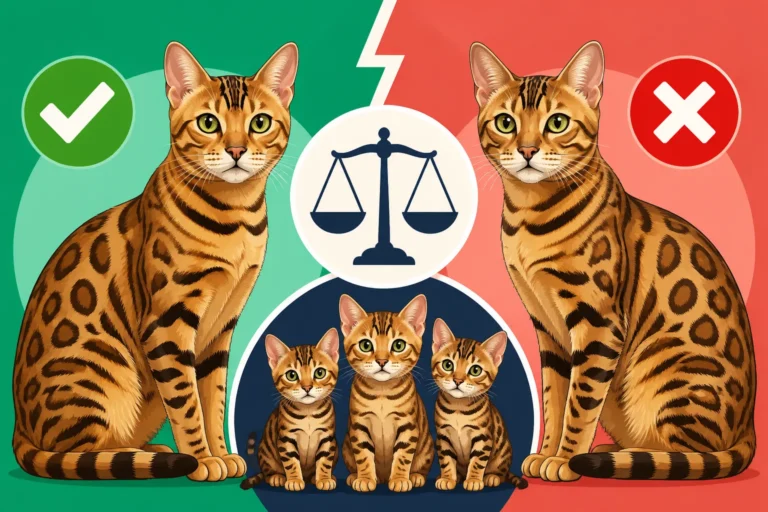
For ethical breeders, DNA testing for PRA-b isn't just an option; it's a fundamental responsibility. Reputable Bengal cat breeders will routinely test all their breeding animals to ensure they are not passing on this devastating gene. By testing, they can make informed decisions about pairings, avoiding situations where two carriers might be bred together, which would result in affected kittens. Responsible breeding practices mean that potential pet owners should always ask to see the PRA-b DNA test results of both parents before committing to a kitten. This transparency helps ensure you're bringing home a kitten that has the best possible chance at a full, healthy life, free from this genetic blindness.
Should Every Pet Bengal Cat Be Tested?
While breeder testing is paramount, the question often arises: Whether a Pet Bengal Cat Needs PRA-b Testing? If you've acquired your Bengal cat from a reputable breeder who provided documentation of both parents being PRA-b clear, then your pet cat likely doesn't need to be tested. However, if your cat's lineage is unknown, or if you rescued a Bengal cat and don't have access to their parents' genetic history, testing your individual pet could still be beneficial. Knowing their status, even if they are a carrier, means you can inform any future owners if your circumstances change, or simply be aware of potential health considerations down the line. Moreover, if you have multiple Bengal cats, testing can provide peace of mind and help manage breeding decisions if you have intact animals. Early knowledge, even for a pet, can help you prepare for The Age a Bengal Cat With PRA-b Goes Blind and make appropriate adjustments to their environment.
What a Specialized Ophthalmic Exam Can Tell You
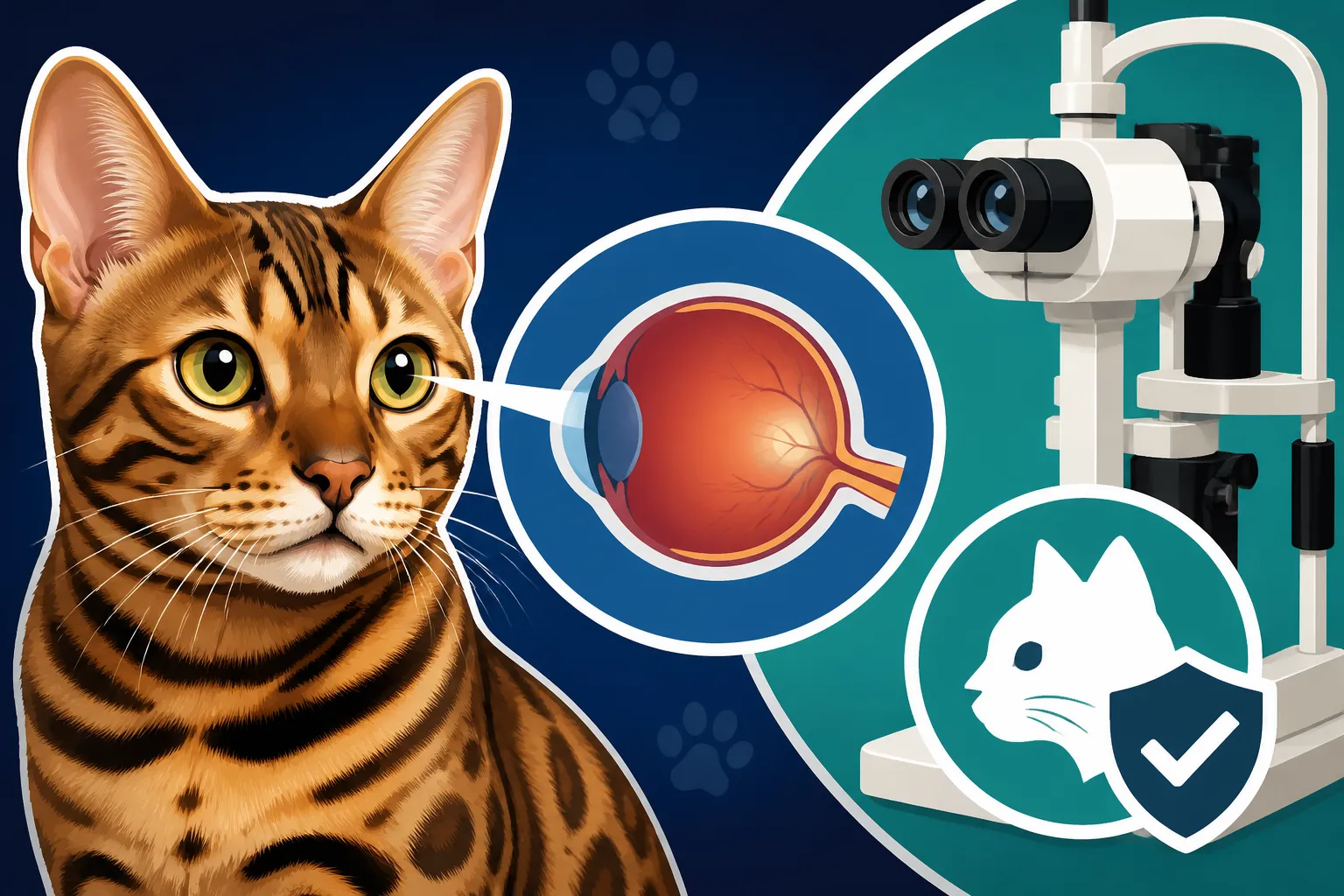
While a standard vet visit won't catch early PRA-b, a specialized ophthalmic exam performed by a board-certified veterinary ophthalmologist is a different story. These specialists have advanced training and equipment that can detect subtle changes, even if they aren't enough for an early, definitive PRA-b diagnosis without a DNA test.
Advanced Ophthalmic Techniques
A veterinary ophthalmologist employs specialized tools like indirect ophthalmoscopy, slit-lamp biomicroscopy, and electroretinography (ERG). These tools allow for a much more detailed examination of the retina, optic nerve, and other ocular structures. An ERG, for instance, measures the electrical responses of the cells in the retina to flashes of light, which can detect retinal dysfunction long before outward signs of vision loss are evident. While these advanced tests can indicate retinal degeneration consistent with PRA-b, they are usually performed after clinical signs appear or in conjunction with DNA testing for confirmation. They can visually confirm the retinal changes associated with PRA-b once they are sufficiently advanced, but they don't replace the proactive genetic test.
Distinguishing PRA-b from Other Eye Conditions
One crucial role of a veterinary ophthalmologist is to differentiate PRA-b from other potential causes of vision loss. There are many reasons a cat's vision might decline, including cataracts, glaucoma, retinal detachments, or even neurological conditions. A specialist can accurately diagnose these issues, ensuring your Bengal cat receives the correct treatment. For example, some retinal detachments can be treated, whereas PRA-b currently has no cure. If your Bengal is showing any signs of vision changes, especially if you haven't had them DNA tested, a referral to an ophthalmologist is always a wise step. They can rule out treatable conditions and help you understand the specific nature of your cat's vision challenge. Even if it's PRA-b, they can help monitor the progression and suggest ways to support your cat. Pet insurance plans like those from Healthy Paws can often help cover the costs of these specialist visits, easing the financial burden.
Managing and Supporting a Bengal Cat with PRA-b
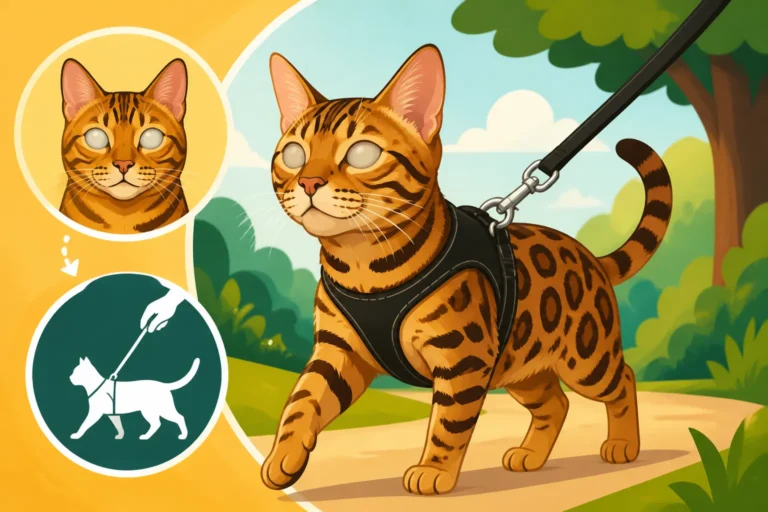
If your Bengal cat is diagnosed with PRA-b, whether through DNA testing or a specialist ophthalmic exam, the focus shifts to management and support. There is currently no cure for PRA-b, so the goal is to make your cat's life as comfortable and safe as possible as their vision declines. This might involve keeping their environment consistent and avoiding rearranging furniture, as well as providing sensory enrichment. For more detailed advice on adapting your home, you might find guidance in articles like How to Rearrange a Home for a Blind Bengal Cat.
Table: Diagnostic Methods for PRA-b in Bengal Cats
| Method | What it examines | When it's effective for PRA-b | Cost Range | Pros | Cons |
|---|---|---|---|---|---|
| General Eye Exam (Vet) | Gross eye structures, pupil reflex | Rarely early, only advanced | Low (part of exam) | Detects obvious issues (infection, injury) | Cannot detect early retinal degeneration; not specific for PRA-b |
| DNA Test (Genetic Lab) | Specific CEP290 gene mutation | Any age, before symptoms | Moderate | Definitive diagnosis (clear, carrier, affected); proactive | Requires lab submission; doesn't assess other eye conditions |
| Specialized Ophthalmic Exam | Detailed retinal structures, ERG | Detects early changes, not definitive early diagnosis | High | Can confirm retinal degeneration; rules out other conditions; monitors progression | Requires specialist vet; not a genetic test; changes visible only at certain stage |
Living with a Bengal cat that is losing its sight, or even becoming fully blind, is an emotional journey. But remember, these cats are incredibly resilient. They adapt. They learn. They thrive on routine and stability. With your love and support, a blind Bengal can still lead a wonderfully full and happy life. Consider looking into options like pet insurance from Healthy Paws to help manage potential future veterinary expenses, including specialist visits and supportive care.
Final Thoughts on Eye Health and PRA-b in Bengal Cats
The journey of ensuring your Bengal cat's health, especially regarding conditions like PRA-b, often feels like a puzzle with many pieces. It's clear that a standard eye exam, while important for general health, simply isn't the whole picture when it comes to identifying this specific genetic vision disorder early on. The definitive answer lies in proactive DNA testing, ideally performed by responsible breeders.
If you are considering getting a Bengal cat, or if you already have one with an unknown history, take the initiative to learn more about their genetic predispositions. Understanding How Many Bengal Cats Carry PRA-b can highlight the importance of these tests. Always ask breeders for proof of genetic testing for both parents. If you suspect your cat is showing subtle signs of vision loss, even after a regular vet check, don't hesitate to consult with a veterinary ophthalmologist to get a comprehensive assessment. Their expertise can provide invaluable insights and guide you in providing the best care for your adventurous companion.
Disclaimer
The information provided in this guide is for general informational purposes only and is not intended as a substitute for professional veterinary advice. Always consult with a qualified veterinarian or veterinary specialist for any health concerns or before making any decisions related to your pet's health and treatment.