Whether Tritrichomonas Comes Back in a Bengal Cat
One of the most disheartening experiences for any Bengal cat owner is dealing with chronic, relentless diarrhea. You clean, you change food, you try supplements, but sometimes nothing seems to work. If you've been through this, especially with a diagnosis of Tritrichomonas foetus, you know the deep frustration of seeing your beloved, energetic Bengal suffer and wondering if this incredibly stubborn parasite will ever truly be gone, or if it's destined to return. This comprehensive guide will delve into why Tritrichomonas is such a persistent foe and what you can realistically expect regarding its recurrence in your Bengal cat.
Understanding Tritrichomonas Foetus in Bengal Cats
Dealing with a Bengal cat’s digestive issues can feel like a full-time job, and when the culprit turns out to be something as insidious as Tritrichomonas foetus, the challenge amplifies. This microscopic troublemaker is a common cause of persistent diarrhea, especially in catteries and multi-cat households, and it seems to have a particular knack for bothering our famously gut-sensitive Bengals.
The Elusive Parasite and Its Impact
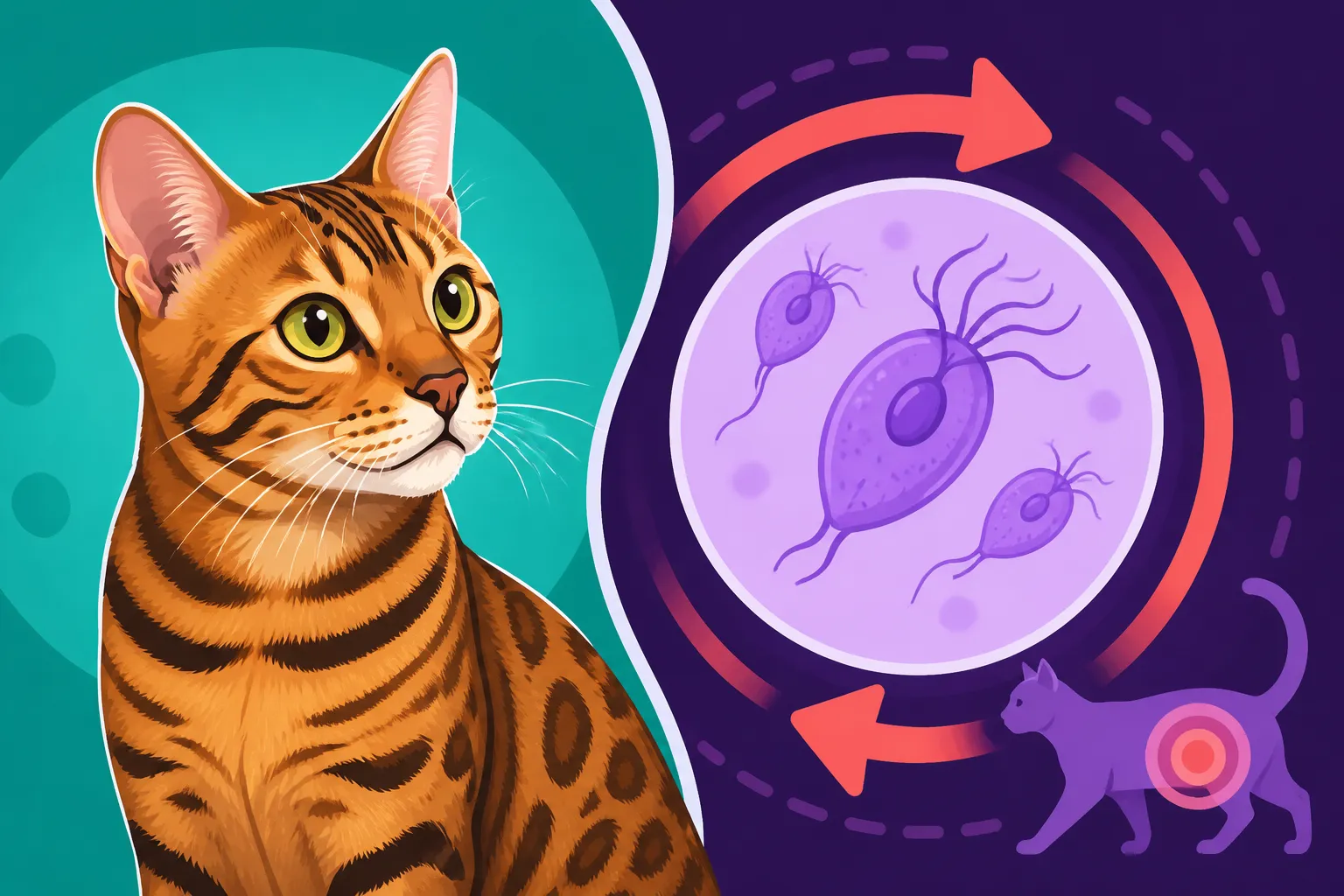
Tritrichomonas foetus (often abbreviated as T. foetus) isn't a worm or a typical bacteria; it's a single-celled protozoan parasite, a tiny organism that makes its home in the large intestine of cats. Unlike many parasites that a standard fecal float test can easily pick up, T. foetus is elusive, requiring specific diagnostic methods. The irritation it causes to the intestinal lining leads to inflammation, resulting in the classic symptoms that make Bengal owners tear their hair out.
The most common sign you'll see is chronic large bowel diarrhea. This often manifests as soft, cow-pie-like, or even watery stools. It's frequently accompanied by mucus, a strong, unpleasant odor, and sometimes even a little fresh blood. Cats may strain to defecate, and in severe cases, the constant straining can lead to a prolapsed rectum, which is as unpleasant as it sounds. What makes T. foetus particularly tricky is that affected Bengal cats often remain bright, energetic, and maintain a good appetite. This can be misleading; your cat might seem fine otherwise, making you question the severity of the diarrhea, but the constant gut upset is far from normal or comfortable for them. The wild ancestry of Bengal cats is often cited for their unique characteristics, and some theories suggest their sensitive digestive systems may make them more prone to issues like chronic diarrhea, including those caused by T. foetus. For a deeper dive into general gut issues, check out why a Bengal cat's gut is so sensitive.
This parasite spreads through direct contact with infected feces, usually from shared litter boxes, food bowls, or even grooming. In a busy cattery environment or a home with multiple cats, transmission is incredibly easy, making it a nightmare to control. Kittens are especially vulnerable, and it's not uncommon for a Bengal cat kitten to arrive with diarrhea, sometimes indicating T. foetus or other gut invaders.
The Frustration of Diagnosis
The first step in tackling T. foetus is getting an accurate diagnosis, and this is where many owners hit their first significant hurdle. Standard veterinary fecal tests, which look for ova and parasites (O&P) by flotation, will almost always miss T. foetus. This is because the protozoan doesn't shed eggs that float readily; instead, it's typically identified by examining its motile trophozoite stage.
To properly diagnose T. foetus, your veterinarian needs to perform specific tests. One common method is a direct fecal smear, where a fresh stool sample is mixed with saline and examined under a microscope. The trick here is that the sample needs to be very fresh (ideally within minutes of defecation) and the person examining it needs to be experienced in identifying the characteristic jerky, rolling motility of the protozoa. This is a skill, and not every clinic has staff trained for it, or the time for immediate examination.
The most reliable diagnostic tool is a PCR (Polymerase Chain Reaction) test. This highly sensitive test detects the DNA of T. foetus in a fecal sample. It doesn't require a live organism, making it much more practical as samples can be shipped to a specialized laboratory. However, PCR tests can be more expensive and take a few days for results, which can be agonizing when your cat is suffering. Many owners find themselves navigating multiple vet visits and different tests before finally pinpointing T. foetus. If you're wondering what a Bengal cat's fecal panel costs, expect higher prices for specialized tests like PCR.
The Challenges of Treating Tritrichomonas
Once you finally have that diagnosis, the relief of knowing what you're fighting is quickly replaced by the reality that treating Tritrichomonas foetus is not straightforward. Unlike many other parasites, this one doesn't respond to typical antibiotics or dewormers, requiring a specific approach that comes with its own set of complications.
Ronidazole: The Double-Edged Sword
For years, T. foetus was considered untreatable, or at least incredibly difficult to manage. Thankfully, a drug called Ronidazole has emerged as the most effective, and often the only, treatment available. Ronidazole is an antiprotozoal medication, and it's generally quite good at reducing or eliminating the parasite load in the cat's gut.
However, Ronidazole is what I call a "double-edged sword." The proper dosage and duration of treatment are absolutely crucial. Typically, a course lasts about two weeks, and it's vital that you adhere strictly to your veterinarian's instructions. Skipping doses or ending the treatment early significantly increases the risk of the parasite returning, or developing resistance. Ronidazole is not without its potential side effects. The most concerning ones are neurological, including tremors, seizures, and incoordination, especially if the cat is given an incorrect or too high dosage. This is why it's a prescription-only medication, and your vet will calculate the dose precisely based on your Bengal's weight and overall health. Owners often worry about these side effects, which can make administering the full course stressful.
It's also important to understand that other medications, like metronidazole (another common antibiotic for diarrhea), are largely ineffective against T. foetus. This is a specific organism requiring a specific drug, highlighting the need for accurate diagnosis before treatment begins. For more details on the drug, you can read which drug clears Tritrichomonas in a Bengal cat.
Why Treatment Can Feel Like a Losing Battle
Even with Ronidazole, the journey to a T. foetus-free Bengal can feel like a marathon, not a sprint. One of the biggest hurdles, especially in multi-cat households or catteries, is that all exposed cats must be treated simultaneously. T. foetus spreads easily, and if even one cat is an asymptomatic carrier (meaning they carry the parasite but show no symptoms), they can easily re-infect the others after treatment. Identifying these carriers can be challenging, often requiring PCR testing for every cat in the household, which adds to the overall cost and complexity.
Then there's the practical challenge of medication compliance. Bengals are intelligent and often opinionated cats! Administering medication twice a day for two weeks can be a struggle, leading to missed doses or incomplete courses. Some cats are adept at spitting out pills or refusing food mixed with medication. This can severely undermine the effectiveness of the treatment.
Finally, the financial burden can be significant. The specialized PCR tests, the Ronidazole medication (which can be costly, especially for multiple cats), and follow-up vet visits can quickly add up. This is where having pet insurance can be a real lifesaver. Providers like Healthy Paws often cover diagnostic tests and prescription medications for conditions like Tritrichomonas, which can alleviate some of the financial stress during this challenging time. Without such support, owners might be forced to cut corners, leading to incomplete treatment and higher chances of recurrence.
The Unwelcome Return: Why Tritrichomonas Comes Back
This is the big question, isn't it? You’ve gone through the stress, the cleaning, the medication, and then, bam, the diarrhea is back. It's incredibly frustrating, and unfortunately, it's a common reality with Tritrichomonas foetus. This parasite is notoriously stubborn, and there are several reasons why it might make an unwelcome return, even after what seemed like successful treatment.
Incomplete Eradication and Carrier States
One of the primary reasons T. foetus resurfaces is that the treatment, despite best efforts, didn't achieve complete eradication. Ronidazole is effective, but it doesn't always kill every last protozoan in every cat. Even a tiny remnant population can multiply and cause symptoms to return. This is particularly true if the medication dosage wasn't perfect, if doses were missed, or if the full course wasn't completed. The microscopic nature of the parasite means you can't see it to know if it's truly gone.
Furthermore, some cats become asymptomatic carriers. This means they harbor T. foetus in their intestines, often without showing any outward signs of diarrhea, but they continue to shed the parasite intermittently in their feces. These carriers are silent spreaders, posing a constant re-infection risk to other cats in the household or even to themselves if their immune system is momentarily compromised. Imagine treating one cat diligently, only for it to be re-exposed by a seemingly healthy housemate who is a carrier. It's a truly disheartening cycle. This is why many vets recommend retesting all cats in the household with PCR after a full course of treatment, even if they initially tested negative or were asymptomatic.
Environmental Persistence and Re-infection
Even if you managed to clear the parasite from your cat's system, the environment itself can be a source of re-infection. T. foetus trophozoites, while fragile outside the host, can survive in moist fecal material for a few hours up to several days. This means contaminated litter boxes, food bowls, bedding, toys, and even surfaces where an infected cat has had an accident can all harbor the parasite.
Cleaning a house thoroughly enough to eliminate every microscopic trace of T. foetus is a monumental task. The organism isn't killed by common household disinfectants or bleach easily. Special care is needed, and porous materials can be particularly difficult to decontaminate. Think about carpet fibers, grout lines, or even scratches in plastic litter boxes – these can all provide hiding spots for the protozoa. If your Bengal then comes into contact with these contaminated surfaces, especially by ingesting residual fecal matter (which cats unfortunately do during grooming), re-infection is a very real possibility. This often feels like fighting an invisible enemy on all fronts.
Stress can also play a role in recurrence. Just like with many other feline health issues, a stressful event – a move, a new pet, even a change in routine – can weaken a cat's immune system, potentially allowing a low-level T. foetus infection to flare up and cause symptoms again.
| Recurrence Factor | Explanation | Prevention/Management Strategy |
|---|---|---|
| Incomplete Treatment | Medication not given for the full duration or at the correct dosage, leaving residual parasites. | Administer Ronidazole exactly as prescribed by your vet for the entire duration. Do not stop early, even if symptoms improve. Consult your vet if administration is difficult. |
| Asymptomatic Carriers | Other cats in the household may harbor T. foetus without showing symptoms, shedding the parasite and re-infecting treated cats. | Test all cats in the household (via PCR) and treat simultaneously if positive. Consider treating even negative cats in a high-risk multi-cat environment, under vet guidance. |
| Environmental Contamination | The parasite can survive in fecal matter in the environment (litter boxes, bedding, floors), leading to re-infection. | Implement rigorous daily cleaning and disinfection protocols. Use disposable litter box liners or replace plastic boxes regularly. Clean food/water bowls, toys, and bedding thoroughly. Consider temporarily isolating affected cats. |
| Re-exposure from Outside | Contact with infected cats outside the home (e.g., boarding, new cat introduction). | Screen new cats with PCR testing before introduction to your household. Be cautious about environments where your cat might interact with unknown feline populations. |
| Stress | Can weaken the immune system, potentially allowing a low-level, previously asymptomatic infection to flare up. | Minimize stressors in your Bengal's environment. Maintain a consistent routine, provide enrichment, and ensure a calm home. Consider pheromone diffusers if stress is a known issue. |
| Misdiagnosis/Co-infection | Other causes of diarrhea might be present alongside or instead of T. foetus, leading to ineffective treatment if not addressed. | Ensure a thorough diagnostic workup. Rule out other common causes of chronic diarrhea in Bengal cats, such as Giardia, coccidia, or even inflammatory bowel disease (IBD). |
Strategies for Preventing Recurrence and Managing a Bengal Cat
The battle against Tritrichomonas foetus can be a protracted one, but with a strategic and diligent approach, you can significantly reduce the chances of recurrence and manage your Bengal cat's health effectively. It requires a multi-pronged attack that combines rigorous hygiene with careful monitoring and sometimes, long-term dietary support.
Rigorous Hygiene and Environmental Control
Once you've started treatment, environmental decontamination becomes just as crucial as the medication itself. Since T. foetus can survive in fecal matter, cleaning routines need to be elevated to an almost obsessive level.
Here’s a detailed plan:
- Litter Box Overhaul: This is your primary battleground.
- Scoop Religiously: Scoop all litter boxes immediately after use, or at least twice daily. The longer feces sit, the higher the risk of spreading the parasite.
- Deep Clean Daily: Instead of just scooping, completely empty, scrub, and disinfect litter boxes daily, or at least every other day, especially during active infection and treatment. Use a powerful disinfectant effective against protozoa, such as Virkon S, or a strong bleach solution (1 part bleach to 32 parts water), ensuring thorough rinsing afterwards to remove chemical residue.
- Consider Disposable Liners/Boxes: During treatment, using disposable litter box liners can be incredibly helpful. Simply scoop, tie up, and dispose of the entire liner each day. If your budget allows, replacing plastic litter boxes entirely after treatment can give you peace of mind, as plastic can harbor microscopic scratches where the parasite might linger. For tips on managing litter, read which litter box survives a Bengal cat.
- Food and Water Bowls: Wash these daily with hot, soapy water, or run them through a dishwasher on a high-temperature cycle.
- Bedding and Toys: Wash all fabric bedding and soft toys in hot water with detergent. For hard toys, scrub and disinfect them. Any items that cannot be thoroughly cleaned should be discarded, especially if your cat often "kneads" or mouths them.
- Floors and Surfaces: Clean and disinfect all hard, non-porous floor surfaces, especially around litter boxes and feeding areas. Steam cleaning carpets can help, but if a severe outbreak has occurred, consider professional carpet cleaning or even replacing heavily soiled areas.
- Temporary Isolation: If you have multiple cats, and only one is confirmed infected (or if you’re trying to prevent re-infection from an asymptomatic carrier), consider temporarily isolating the affected cat to a single, easily sanitized room during treatment. This reduces the spread to other areas of the house and simplifies your cleaning efforts.
These steps aren't just for during treatment; they need to continue for several weeks afterward to ensure any lingering environmental parasites are eliminated.
Long-term Management and Monitoring
Even after a successful course of Ronidazole and diligent cleaning, the journey isn't over. Long-term management and vigilant monitoring are key to preventing future flare-ups.
- Follow-Up Testing: This is non-negotiable. Your vet will recommend follow-up PCR testing weeks after the treatment is completed. Often, three consecutive negative PCR tests, each performed a couple of weeks apart, are recommended to truly confirm clearance. However, it's crucial to understand that even with negative tests, an asymptomatic carrier state can sometimes persist, and the parasite might be shed intermittently, making detection tricky. Never assume "all clear" without your vet's guidance.
- Dietary Support: Bengal cats are known for their sensitive digestive systems. Even after T. foetus is gone, their gut may need ongoing support to recover and maintain health. Your vet might recommend a highly digestible, often prescription, diet, or a limited ingredient diet to reduce any secondary gastrointestinal irritation. Probiotics can also play a supportive role in re-establishing a healthy gut microbiome. For more information on managing sensitive stomachs, explore when a Bengal cat needs a special diet for its gut or whether probiotics help a Bengal cat.
- Stress Reduction: As mentioned, stress can contribute to flare-ups. Maintaining a stable, predictable environment for your Bengal cat, providing plenty of enrichment (like vertical climbing spaces, puzzle toys, and regular play sessions), and ensuring they feel secure can help support their immune system and overall gut health.
- Ongoing Vigilance: Always be on the lookout for changes in your Bengal's stool. Any return of soft stools, mucus, or blood should prompt immediate communication with your vet. Early intervention is always better.
- Pet Insurance: The repeated testing, potential medication refills, and ongoing veterinary consultations for persistent issues like Tritrichomonas can be financially daunting. This is where a robust pet insurance plan can make a significant difference. Many comprehensive plans, like those offered by Healthy Paws, cover diagnostic tests, prescription medications, and even specialist visits for chronic conditions. Having this safety net allows you to pursue the best possible care for your Bengal without having to make difficult financial decisions, ensuring you can keep up with the necessary monitoring and potential re-treatment if needed. It’s a worthwhile investment for the peace of mind it provides when dealing with stubborn health issues.
Ultimately, while Tritrichomonas foetus is a challenging adversary, armed with knowledge, diligence, and strong veterinary partnership, you can give your Bengal cat the best chance at a healthy, comfortable life, even if occasional vigilance is always required.
Disclaimer
This article is intended for informational purposes only and does not constitute veterinary advice. Always consult with a qualified veterinarian for any health concerns or before making any decisions related to your pet's care.