How a Bengal Cat Throws a Clot
The horrifying reality of a blood clot striking your Bengal cat is one of the most terrifying scenarios any pet parent can face. One moment, your vibrant, energetic companion is bounding around, and the next, they can be suddenly paralyzed, in immense pain, and fighting for their life. This guide is here to shed light on why Bengal cats are particularly susceptible to these devastating events, how to spot the critical warning signs, and what you absolutely must do in those frantic moments to give your beloved feline the best chance at survival and recovery.
The Silent Threat of Blood Clots in Bengal Cats
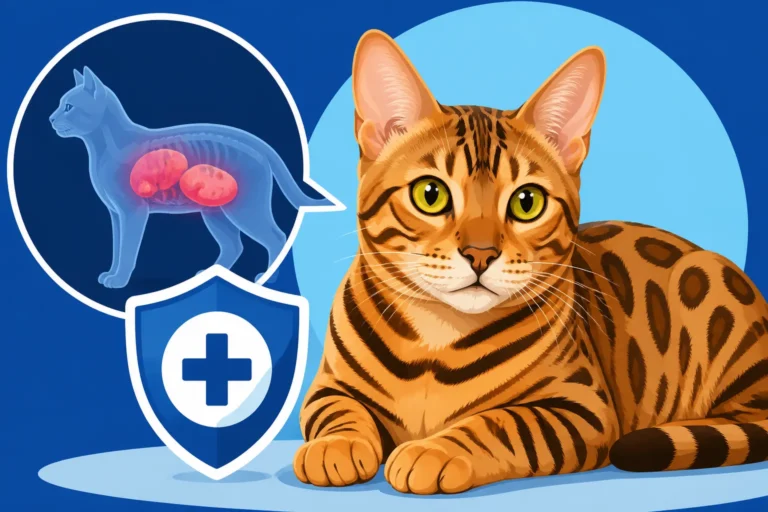
It’s a cruel twist of fate that our athletic, wild-looking Bengal cats, with their robust appearance, can be prone to such a sudden and debilitating condition. Blood clots, specifically Feline Aortic Thromboembolism (FATE), are often a secondary consequence of an underlying heart problem that can exist silently for years. Understanding this connection is the first step in being prepared.
The Link to Hypertrophic Cardiomyopathy HCM
The vast majority of blood clots in cats, including Bengals, are a direct result of hypertrophic cardiomyopathy, or HCM. If you've been around Bengal circles for a while, you've probably heard this term whispered with a mix of fear and resignation. HCM is a progressive disease where the muscle walls of the heart, particularly the left ventricle, become abnormally thick. Imagine the powerful engine of your car suddenly having its cylinders shrink – that's somewhat what happens to a Bengal's heart with HCM.
This thickening makes the heart muscle stiff, reducing the space inside the chambers and preventing the heart from pumping blood efficiently. This leads to turbulent blood flow and, critically, can cause blood to pool in the left atrium. Stagnant or turbulent blood is a breeding ground for clots. These clots are not due to an injury or external factor; they form silently within the heart itself. It's a truly heartbreaking situation because a Bengal can appear completely normal, displaying no outward symptoms of heart disease, until a catastrophic event like a blood clot occurs. For more on this, you might find our article on What HCM Does to a Bengal Cat's Heart particularly informative.
Where Clots Form and What Happens Next
These insidious clots typically form in the left atrium of the heart. This is the chamber that receives oxygenated blood from the lungs before it's pumped out to the rest of the body. When the heart muscle is thickened due to HCM, this atrium can become enlarged, creating perfect conditions for blood to swirl and coagulate into a thrombus (clot).
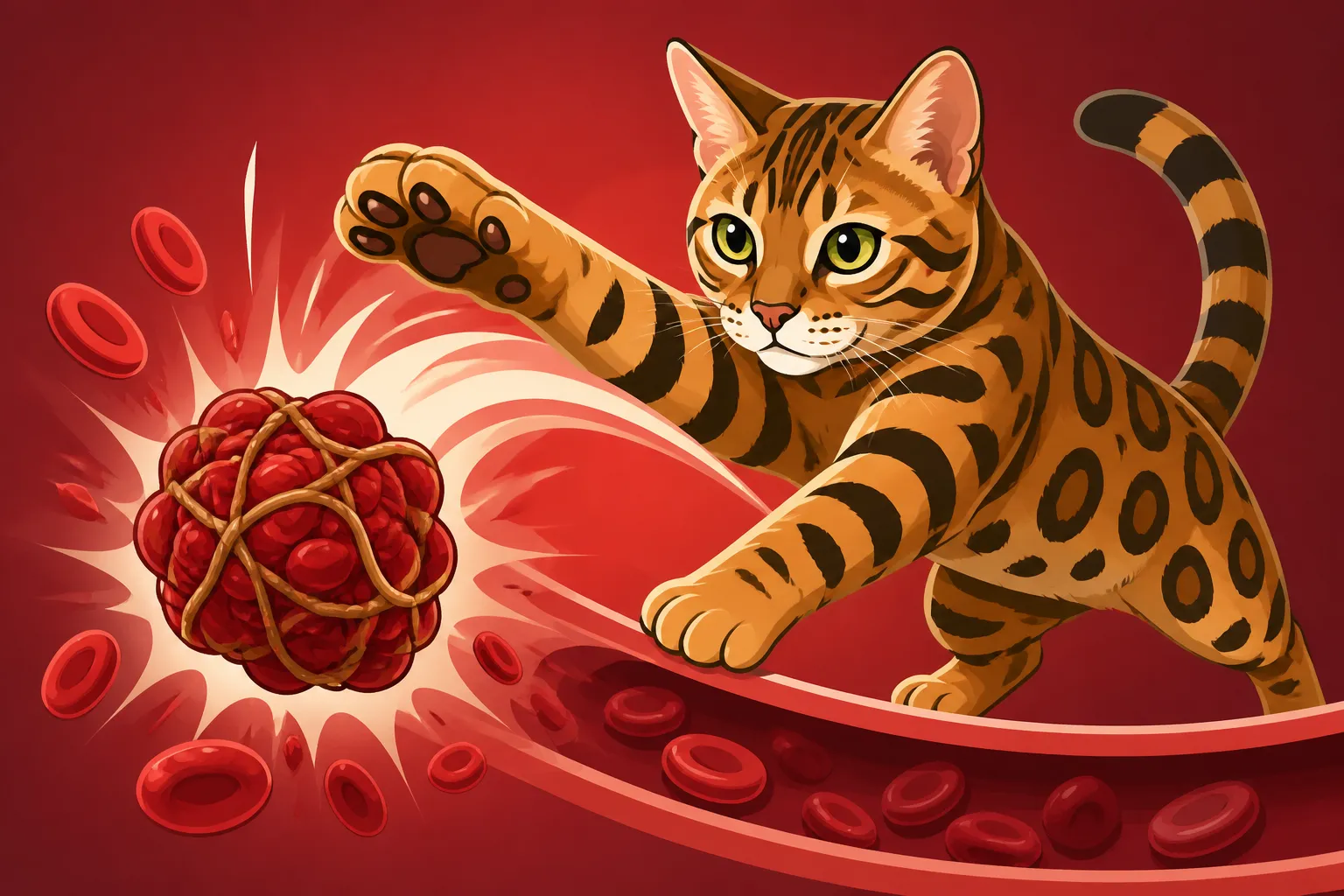
The real danger arises when a piece of this clot breaks off. This fragment, now called an embolus, is then carried by the bloodstream out of the heart and into the main artery of the body, the aorta. The aorta branches out to supply blood to all major organs and limbs. The most common, and most devastating, place for this embolus to get stuck is at the "saddle" of the aorta, where it splits to go down both hind legs. This is why it's often referred to as a "saddle thrombus." When this happens, blood flow to the hind legs is severely or completely cut off, leading to the sudden, agonizing paralysis that is the hallmark of FATE. Less commonly, clots can travel to other areas like the front legs, the brain, or even the kidneys, causing different sets of symptoms, but the hind legs are by far the most frequent target. The consequences of this blockage are explored in more detail in What Saddle Thrombus Does to a Bengal Cat.
Recognizing the Urgent and Terrifying Signs of a Feline Blood Clot
Knowing what to look for when your Bengal cat throws a clot isn't just helpful, it's absolutely vital. These events are medical emergencies that demand immediate attention, and every minute counts. The signs are usually dramatic and undeniable, leaving little room for doubt that something is terribly wrong.
Sudden Weakness or Paralysis in the Hind Legs
This is the classic, horrifying sign that no owner ever forgets. One moment your Bengal might be walking, jumping, or playing, and the next, they collapse. You might see them dragging one or both hind legs, unable to bear weight, or completely unable to move their back half. As an owner, your mind immediately jumps to the worst: a broken back, a stroke, or some other terrible spinal injury. The suddenness is often what's so shocking. It's usually not a gradual decline; it's an abrupt inability to use their legs. They might try to move, but their hind quarters just won't respond, or they may simply lie down and refuse to get up.
Extreme Pain and Distress
Cats are masters of hiding pain, a holdover from their wild ancestors where showing weakness meant vulnerability. But with a blood clot, the pain is often so excruciating that even the most stoic Bengal cannot conceal it. You might witness vocalization – loud cries, yowls, or incessant meowing that sounds utterly desperate. They might pant rapidly, even in a cool room, or breathe with an open mouth, which is a significant sign of distress in a cat. Restlessness, agitation, or an inability to get comfortable are common. They might lash out if you try to touch their hind legs, even if they are usually very docile. You may also notice them hiding, which is a common feline response to severe discomfort. This level of pain is different from typical aches; it's often inconsolable and deeply upsetting to witness. For more on recognizing discomfort, you can refer to Signs a Bengal Cat Has Heart Disease.
Cold Paws and Pale Paw Pads
This is a critical physical sign that veterinarians look for, but you can check it at home too. If the blood flow to the hind legs is blocked, those paws will become noticeably colder than the front paws or the rest of their body. Carefully feel their back paw pads and compare them to their front paw pads. The difference in temperature can be stark. Along with this, the paw pads and nail beds on the affected legs might appear pale, bluish, or even purplish due to the lack of oxygenated blood. This discoloration is a stark indicator of circulatory compromise.
Other, Less Obvious Symptoms
While the hind leg issues and pain are the most prominent, other symptoms can also point to a FATE event or the underlying heart condition that caused it. Rapid breathing or open-mouth breathing, even without exertion, can be signs of extreme stress or, more worryingly, the onset of congestive heart failure. You might notice your Bengal struggling to breathe, with their chest heaving or their flanks moving vigorously. This is a severe symptom that requires immediate veterinary attention. You can read more about this in our article Signs a Bengal Cat Is Breathing Hard.
Vets will also check for weak or absent femoral pulses in the hind legs. While difficult for an owner to accurately assess, it's a key diagnostic tool for professionals. Sometimes, changes in your Bengal's typical vocalizations or general behavior, beyond the overt signs of pain, might precede or accompany the clot. They might become unusually quiet, withdrawn, or, conversely, act frantic and disoriented. Remember, Bengals are often very good at hiding illness until it's critical, so any significant behavioral shift, especially combined with physical symptoms, should prompt concern.
Immediate Action: What to Do in a Clot Emergency
When your Bengal cat throws a clot, it's a moment of sheer panic and terror. But in these critical seconds and minutes, your ability to act quickly and decisively can literally be the difference between life and death for your beloved companion. This isn't a situation where you can wait and see; it demands immediate, professional medical intervention.
Stay Calm and Act Fast
I know, it sounds impossible to stay calm when your Bengal is crying out in pain and can't move their legs. But truly, this is the single most important piece of advice. Take a deep breath. Your immediate goal is to get your cat to an emergency veterinarian. Do not waste a second debating or trying to Google home remedies – there are none for this condition. A blood clot in a cat is a true, life-threatening emergency.
Pick up the phone and call your regular vet if they are open, or, more likely, call the nearest 24/7 emergency veterinary clinic. Describe your cat's symptoms clearly and let them know you are on your way with a suspected Feline Aortic Thromboembolism (FATE). This will allow them to prepare for your arrival and ensure immediate care.
Safe Transport to Emergency Care
Transporting a cat in this much pain requires gentleness and care. Your Bengal is likely in agony and may be scared or even aggressive due to the distress. Use a sturdy pet carrier, ideally one that opens from the top or has a wide front opening, so you don't have to maneuver them too much. Gently slide them onto a flat surface like a towel or a small board, then into the carrier. Avoid putting pressure on their hind legs.
Keep them as comfortable and warm as possible during the journey. A soft blanket or towel placed in the carrier can provide both comfort and a sense of security. Make sure the car is a comfortable temperature – not too hot or too cold. Drive carefully but quickly. Knowing the location and contact information for your closest emergency vet before an emergency strikes is invaluable, a tip I wish I'd known sooner in my own journey with pets.
What to Expect at the Vet
Upon arrival, the veterinary team will immediately assess your Bengal. Their first priority will be pain management. Strong analgesics will be administered to alleviate the excruciating discomfort. The vet will perform a thorough physical examination, checking for the classic signs we discussed: cold hind paws, pale or bluish paw pads, and absent femoral pulses. They may use a Doppler ultrasound to check for blood flow in the legs and possibly perform blood tests to assess overall health, kidney function (as clots can affect kidneys), and clotting parameters.
If a clot is confirmed, the primary treatment involves anticoagulant therapy, usually with heparin, to prevent further clot formation and hopefully allow the body to reabsorb or break down the existing clot over time. This is often an intensive care situation, involving hospitalization for close monitoring. Supportive care, such as oxygen therapy if your cat is struggling to breathe (which can happen if the underlying HCM has led to fluid in the lungs) and intravenous fluids, will also be administered.
This is also where the difficult conversations about prognosis will begin. The outcome of a FATE event can vary widely, from complete recovery (though often with residual weakness) to the difficult decision of euthanasia due to intractable pain or poor prognosis. Having pet insurance, like a comprehensive plan from Healthy Paws, can alleviate some of the financial stress during these incredibly tough decisions, allowing you to focus on your cat's care rather than the overwhelming costs.
Preventing Future Clots and Managing HCM in Bengal Cats
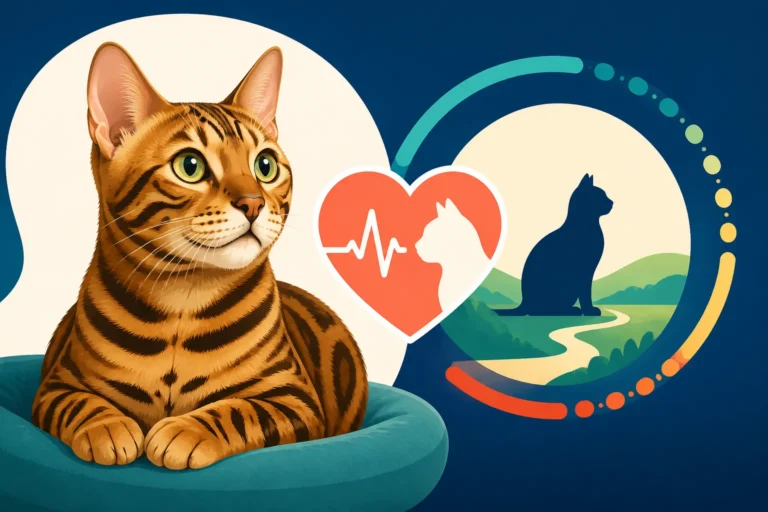
Surviving a blood clot is a monumental hurdle, and if your Bengal cat makes it through, the focus shifts immediately to long-term management and prevention. The goal is to control the underlying heart disease and prevent another, potentially fatal, FATE event. This is a marathon, not a sprint, and requires dedication and vigilance from you, the owner.
Lifelong Medication and Monitoring
If your Bengal cat experiences a blood clot and survives, they will almost certainly be placed on lifelong medication to prevent future occurrences. The most common type of medication is an antiplatelet drug, like clopidogrel (Plavix), which helps reduce the stickiness of platelets in the blood, making it less likely for new clots to form. In some cases, a very low dose of aspirin may also be prescribed, though it’s crucial never to administer aspirin to your cat without specific veterinary guidance, as the wrong dose can be highly toxic. You can find more details on this in Which Medication a Bengal Cat With HCM Takes.
Beyond daily medication, regular veterinary check-ups are paramount. Your vet will want to monitor your cat’s heart health closely, which will likely include periodic echocardiograms. These ultrasound scans of the heart are the gold standard for assessing HCM progression and checking for any signs of continued clot formation. How often your Bengal needs an echo will depend on their condition, but typically it might be every 6-12 months. Our article How Often a Bengal Cat Needs an Echo dives deeper into this topic. It’s also vital to administer these medications consistently and exactly as prescribed; missing doses can significantly increase the risk of another clot.
Managing the Underlying Heart Condition HCM
Preventing clots isn't just about antiplatelet drugs; it's also about managing the underlying hypertrophic cardiomyopathy. This often involves other cardiac medications aimed at improving heart function, reducing the workload on the heart, and preventing fluid buildup in the lungs (congestive heart failure). Drugs like atenolol (a beta-blocker), diltiazem (a calcium channel blocker), or furosemide (a diuretic) might be part of your Bengal's daily regimen.
In addition to medication, your vet might recommend special diets, particularly low-sodium options, if your Bengal shows signs of congestive heart failure. Reducing stress in their environment is also crucial, as stress can elevate heart rate and blood pressure, putting more strain on an already compromised heart. While we want our Bengals to be active, understanding their limits and avoiding excessive exertion will become part of their new normal. The hard truth is that HCM is a progressive disease, and while treatment can extend and improve quality of life, it cannot cure the condition. The goal is always to maintain the best possible quality of life for as long as possible. The prognosis after an HCM diagnosis, especially one complicated by a clot, is a heavy topic, but you can explore it further in How Long a Bengal Cat Lives After an HCM Diagnosis.
The financial aspect of managing a Bengal with HCM and a history of blood clots can be substantial. The emergency treatment for a clot, followed by ongoing medications, frequent vet visits, and specialist echocardiograms, can quickly add up. This is precisely where pet insurance becomes an invaluable tool. Having a good pet insurance plan, like one from Healthy Paws, can significantly ease the financial burden, allowing you to prioritize your Bengal's health without constant worry about mounting bills. Many owners find that the long-term costs of managing such a condition are far more manageable with the support of a reliable insurance provider like Healthy Paws.
Financial Considerations and Emotional Support
Let's be real: emergency veterinary care for a blood clot, followed by chronic medication and specialist visits, is incredibly expensive. We’re talking thousands of dollars upfront, and potentially hundreds of dollars a month for medications and monitoring. It’s a huge financial commitment, and it's something every Bengal owner should be aware of, especially if their cat has been diagnosed with HCM. As mentioned earlier, pet insurance providers like Healthy Paws can make a profound difference here, covering a significant portion of these costs and giving you peace of mind. Without insurance, some owners are faced with agonizing choices, which brings us to the emotional toll.
Caring for a Bengal cat who has suffered a FATE event is emotionally draining. You’ll be dealing with fear, anxiety, guilt, and grief, even if your cat recovers. It's perfectly normal to feel overwhelmed. Seeking emotional support, whether from friends, family, online support groups for pet owners dealing with chronic illness, or even professional counseling, is incredibly important. Remember that you are doing your best for your beloved companion, and sometimes, despite all our efforts, the disease progresses. Making end-of-life decisions is arguably the hardest part of pet ownership, and having support during those times is crucial.
| Symptom | Description | Urgency Level | What it Indicates (Likely) |
|---|---|---|---|
| Sudden hind leg paralysis | Inability to move one or both back legs, dragging | IMMEDIATE | Loss of blood flow to hind legs |
| Severe pain | Loud cries, panting, restlessness, refusal to be touched | IMMEDIATE | Tissue damage, nerve irritation |
| Cold hind paws | Noticeably colder than front paws or body; pale/bluish pads | IMMEDIATE | Severely reduced blood circulation |
| Rapid/open-mouth breathing | Sign of distress, labor, or congestive heart failure | HIGH | Heart failure, extreme pain/shock |
| Weak/absent femoral pulses | Difficult for owners, but a key vet finding | VET WILL CHECK | Severely compromised blood flow |
| Weakness/collapse | General lethargy, inability to stand, disorientation | IMMEDIATE | Severe systemic impact of clot/disease |
Disclaimer
The information provided in this article is for general informational purposes only and is not a substitute for professional veterinary advice. If you suspect your Bengal cat is experiencing a medical emergency, please contact your veterinarian or an emergency animal hospital immediately. Always consult with a qualified veterinary professional for any health concerns or before making any decisions about your pet's care.