Signs a Bengal Cat Is Breathing Hard
It's incredibly frightening when your usually vibrant and playful Bengal cat, a whirlwind of energy and boundless curiosity, suddenly seems to struggle with something as fundamental as breathing. You see that frantic rise and fall of their chest, perhaps a strange sound, and your heart sinks, because you know something is terribly wrong. It's a stressful moment for any cat parent, and for Bengals, whose wild ancestry means they're masters at hiding illness, it can be even more perplexing. This guide is here to walk you through understanding what normal breathing looks like for these magnificent felines, how to spot the crucial signs of distress, what might be causing it, and most importantly, what immediate steps you need to take to help your beloved companion.
Understanding Normal Bengal Cat Breathing Patterns
One of the biggest challenges we face as Bengal cat parents is deciphering their subtle cues. These cats, with their direct lineage from the Asian Leopard Cat, retain many instincts of their wild ancestors, including a strong drive to conceal weakness or illness. This means that by the time you notice something is truly amiss, they might have been struggling for a while. That's why understanding their normal baseline is so incredibly important, especially when it comes to something as vital as respiration.
What you're aiming for is quiet, effortless breathing. Your Bengal should be completely relaxed, perhaps curled up for a nap or lounging after a vigorous play session, and their breathing should be barely noticeable. There shouldn't be any sounds like wheezing, grunting, or gasping. Their mouth should be closed, and their chest should rise and fall with a gentle, rhythmic motion, without any exaggerated effort from their belly or flanks. Being familiar with How Active a Bengal Cat Is can also help you differentiate between normal post-play panting and genuine distress.
What Normal Breathing Looks Like
When your Bengal cat is at rest, whether sleeping soundly or just relaxing, their breathing should be almost imperceptible. Watch their chest and abdomen: you should see a subtle, coordinated rise and fall. Their nose should be still, not flared, and there should be no visible effort in their neck or chest muscles. It's a quiet, rhythmic process that you might only truly notice if you're specifically looking for it.
To get a baseline, you can gently place your hand on their side while they're sleeping or resting deeply and count the number of breaths in 15 seconds, then multiply by four to get a per-minute rate. A normal respiratory rate for a healthy adult cat at rest is typically between 20 to 30 breaths per minute, though some sources might say up to 40 is within a normal range. Anything consistently above this when they're truly calm and still warrants closer attention. Remember, this isn't about panting after a vigorous chase with a feather wand; it's about their relaxed, resting state. If you can only count breaths by seeing their whole body heave, that's already a significant sign of trouble.
Why Cats Hide Their Discomfort
This is where the wild side of your Bengal truly comes into play. In the wild, showing weakness makes an animal a target for predators. Even though our Bengals live pampered lives indoors, this deep-seated instinct to appear strong and healthy is still very much present. They are masters of stoicism, often suffering in silence until a condition has progressed significantly.
This innate ability to mask pain and illness means that when symptoms finally do become obvious, they can often be quite advanced. It's a frustrating reality for us as owners, because we want to intervene as early as possible. This is why paying close attention to even the most minor changes in their behavior, energy levels, and certainly their breathing, is paramount. What might seem like a small shift to us could actually be an indicator of a much more serious underlying issue that they've been valiantly trying to hide.
Clear Signs Your Bengal Cat Is Breathing Hard
Recognizing that your Bengal cat is breathing hard isn't always as simple as seeing them panting like a dog. Cats exhibit respiratory distress in a variety of ways, some subtle, others alarmingly obvious. Knowing these signs can literally be life-saving, allowing you to seek prompt veterinary attention. It's about looking for deviations from that quiet, effortless breathing you’ve established as their norm. Any change in the rate, rhythm, or effort of their breathing is a red flag that should never be ignored.
When you notice these signs, it's crucial to act quickly and calmly. Your Bengal needs you to be their advocate, especially because they won't complain in the same way a person or even a dog might. Early intervention can make a massive difference in the outcome for many underlying conditions that cause difficult breathing.
Rapid or Shallow Breathing
Tachypnea, or abnormally fast breathing, is one of the most common indicators of respiratory distress in cats. This isn't just a quickened pace after a burst of activity, but rather a sustained, rapid rate when your cat should be completely at ease. If you find yourself counting significantly more than 30-40 breaths per minute while your Bengal is sleeping or resting quietly, it's a cause for concern. Sometimes, this rapid breathing might also appear shallow, meaning they're taking quick, small breaths that aren't effectively filling their lungs with air.
Shallow breathing is problematic because it doesn't allow for efficient oxygen exchange in the lungs, leading to less oxygen getting to their tissues. When a cat is breathing rapidly and shallowly, their body is essentially trying to compensate for a lack of oxygen, working harder and harder to bring in air. It's a desperate attempt to maintain oxygen levels, and it’s a clear signal that something internal is impacting their ability to breathe properly. This can be caused by anything from fluid in the lungs to pain or fever.
Open-Mouthed Breathing or Panting
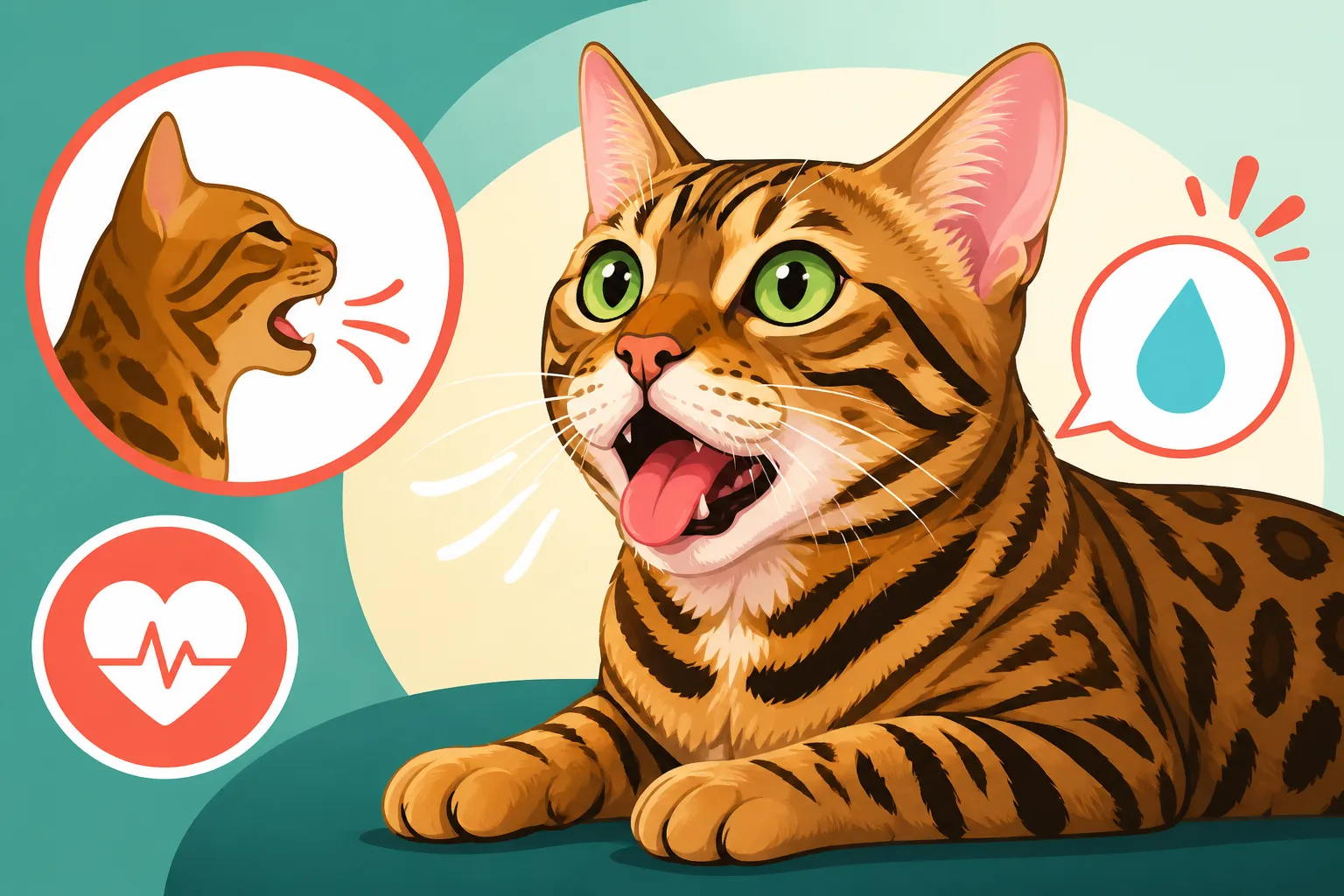
This is perhaps the most urgent and alarming sign of respiratory distress in cats. Unlike dogs, who commonly pant to cool down, cats do not pant unless they are in extreme stress, severe pain, or overheating, or experiencing significant respiratory or cardiac compromise. If you see your Bengal cat with their mouth open, breathing rapidly and shallowly, often with their tongue slightly out, this is an emergency. It indicates they are severely distressed and likely not getting enough oxygen.
This isn't something to "wait and see" about. An open-mouthed breath in a cat is akin to a person gasping for air. It means their body's normal compensatory mechanisms are failing, and they are resorting to desperate measures to try and draw in more air. If you witness this, immediately contact your emergency veterinarian. Do not delay, as seconds can count in these critical situations.
Noisy or Labored Breathing
Beyond just the rate, the quality of your Bengal's breathing can tell you a lot. Any unusual sounds accompanying their breaths are serious indicators of trouble. These can include wheezing, crackling, grunting, or even a soft, raspy sound that wasn't there before. These noises often suggest an obstruction, inflammation, or fluid in the airways or lungs. Labored breathing, on the other hand, is visible effort. You might see your cat's abdomen heaving with each breath, their chest muscles working excessively, or their neck extending in an attempt to open their airways.
Flared nostrils are another subtle but important sign of labored breathing, as your cat tries to maximize the amount of air entering their respiratory system. You might also notice a cough, which can range from a soft hack to a more violent, gagging cough, sometimes even accompanied by frothy discharge. If your Bengal is stretching their neck out, or adopting an unusual posture with their elbows splayed away from their body, they are likely trying to expand their chest cavity to make breathing easier. These are all undeniable signs of significant respiratory difficulty.
Changes in Posture or Demeanor
When a Bengal cat is struggling to breathe, their entire demeanor and physical posture can change dramatically. They might become lethargic, refusing to engage in their usual energetic play sessions. You might find them hiding more, or conversely, sitting in an odd, hunched position with their head and neck extended and their elbows splayed out from their body. This "orthopneic position" is a desperate attempt to open up their airways and make it easier to draw breath.
Perhaps one of the most critical and alarming signs, though often difficult to spot without direct inspection, is a change in the color of their gums and tongue. If these mucous membranes appear pale or, even worse, have a bluish or purplish tinge (known as cyanosis), it indicates a severe lack of oxygen. This is an absolute emergency and means your cat's body is in critical distress. These changes are typically only visible when the situation is already dire, reinforcing the need to observe all other, earlier signs. Keep in mind that a Bengal cat, known for their athleticism and zest for life, becoming still and quiet is always a major red flag.
Underlying Causes of Difficult Breathing in Bengal Cats
Many different health conditions can lead to a Bengal cat struggling to breathe. Some are common across all cat breeds, while others have a particular prevalence or concern within the Bengal breed itself due to their genetic predispositions. Understanding these potential causes can help you appreciate the urgency of veterinary care and the kind of diagnostic journey you might embark on with your vet. It's important to remember that these are just possibilities, and only a qualified veterinarian can accurately diagnose the specific problem your Bengal is facing.
Given the typical The Twelve to Sixteen Years a Bengal Cat Gets, recognizing these issues early can significantly impact their quality of life and longevity. Whether it's a sneaky heart condition or a tricky respiratory infection, getting to the root cause quickly is paramount.
Heart Conditions
One of the most significant concerns for Bengal cats, and indeed many purebred cats, is Hypertrophic Cardiomyopathy (HCM). This is a disease where the walls of the heart's main pumping chamber (the left ventricle) become abnormally thick. This thickening makes the heart muscle stiff, reducing its ability to pump blood effectively and often leading to a backup of fluid in the lungs (pulmonary edema) or around the lungs (pleural effusion). This fluid accumulation is a common cause of labored breathing in affected cats.
When a Bengal cat has HCM, their lungs can become waterlogged, making it incredibly difficult for oxygen to transfer from the air sacs into the bloodstream. The cat will then breathe harder and faster in an attempt to compensate. This is why it's so important for Bengal breeders to conduct regular cardiac screenings, and for owners to be aware of the Signs a Bengal Cat Has Heart Disease. You might hear your vet mention checking for a heart murmur, but an echocardiogram (an ultrasound of the heart) is the definitive diagnostic tool. Knowing What HCM Does to a Bengal Cat's Heart is vital for any Bengal owner.
Respiratory Infections and Asthma
Just like humans, cats can suffer from a variety of respiratory infections. Upper respiratory infections (URIs), often caused by viruses like feline herpesvirus or calicivirus, can lead to congestion, sneezing, and discharge from the nose and eyes, making breathing difficult. While these are usually manageable, they can sometimes progress to bacterial infections or pneumonia, which is a much more serious inflammation of the lungs, causing coughing, fever, and severe breathing difficulties.
Feline asthma is another common respiratory ailment. It's an inflammatory condition of the small airways in the lungs, often triggered by allergens like pollen, dust mites, or certain cleaning products. Cats with asthma might experience coughing, wheezing, and labored breathing, similar to humans having an asthma attack. The airways narrow, making it hard for air to move in and out. If your Bengal is experiencing recurrent bouts of coughing or wheezing, especially after exposure to certain environmental factors, asthma could be a strong suspect.
Other Critical Causes
Beyond heart conditions and infections, several other issues can cause a Bengal cat to breathe hard. Anemia, a reduction in red blood cells that carry oxygen, can make a cat breathe rapidly as their body tries to compensate for the reduced oxygen-carrying capacity of their blood. What PK Deficiency Does to a Bengal Cat, a genetic condition some Bengals carry, directly affects red blood cells and can lead to chronic anemia. If you notice Signs a Bengal Cat Is Anemic, such as pale gums alongside rapid breathing, it’s a serious indicator.
Foreign objects can also become lodged in the throat or airways, causing sudden, severe breathing difficulty. This could be anything from a small toy to a piece of food. Allergic reactions can cause swelling of the airways, leading to acute respiratory distress. Trauma, such as being hit by a car or falling from a height, can lead to lung bruising (pulmonary contusions) or a collapsed lung, both of which are emergencies. Even severe pain from any cause can sometimes manifest as rapid, shallow breathing, though true labored breathing usually points to a primary respiratory or cardiac issue.
What to Do When Your Bengal Cat Is Breathing Hard
Discovering your Bengal cat is breathing hard can trigger panic, but your ability to remain calm and act swiftly is crucial for their well-being. This isn't a situation where you should wait to see if things improve on their own; difficult breathing in cats is always a medical emergency. The faster you get your cat to professional veterinary care, the better their chances of a positive outcome. Your role is to provide immediate comfort, ensure safe transport, and clearly communicate the situation to your veterinary team.
This is also where planning ahead can really make a difference. Knowing where your nearest emergency vet is located and having pet insurance, such as through a provider like Healthy Paws, can alleviate some of the financial stress that often accompanies critical care situations. Thinking about these logistics before an emergency strikes can make those frantic moments much smoother.
Immediate Steps and Emergency Care
The very first thing you need to do is stay as calm as possible. Your Bengal cat will pick up on your stress, which can worsen their own anxiety and potentially exacerbate their breathing difficulties. Gently place your cat in a secure, well-ventilated carrier. Avoid trying to restrain them or force them into an uncomfortable position, as this can increase their stress and oxygen demand. If you can, keep them in a cool, quiet environment until you can leave. Do not attempt to give them any over-the-counter medications or home remedies unless specifically instructed by a vet, as these can be harmful.
Contact your veterinarian immediately, or if it's after hours, call your nearest emergency veterinary clinic. Describe your cat's symptoms clearly and calmly: how long they've been breathing hard, what the breathing looks like (fast, open-mouthed, noisy, labored), and any other changes you've observed. This information allows the vet team to prepare for your arrival and potentially provide initial advice for transport. They may advise you to drive straight to the clinic without delay.
Diagnosis and Treatment Options
Once you arrive at the vet, the team will likely prioritize stabilizing your Bengal cat's breathing. This often involves placing them in an oxygen cage to help them get enough air while the veterinary staff conducts their initial assessment. The vet will listen to their heart and lungs, check their gum color, and assess their overall hydration and temperature.
Diagnostic tests might include chest X-rays to look for fluid in or around the lungs, an enlarged heart, or other lung abnormalities. Blood tests can help identify infections, anemia, or other systemic issues. For suspected heart conditions like HCM, an echocardiogram (ultrasound of the heart) performed by a veterinary cardiologist might be recommended. This is a crucial step, especially since What a Bengal Cat Breeder Should Have Tested often includes screenings for heart health. Treatment will vary depending on the diagnosis. It could involve diuretics to remove fluid from the lungs, bronchodilators for asthma, antibiotics for bacterial infections, or specific medications to support heart function. Your vet will explain the treatment plan thoroughly, and if significant costs are involved, having pet insurance from a provider like Healthy Paws can be incredibly helpful. The goal is always to address the underlying cause and restore normal, effortless breathing for your beloved Bengal. Learning Which Medication a Bengal Cat With HCM Takes might be part of the ongoing care if a cardiac condition is diagnosed.
| Sign of Difficult Breathing | Description | Urgency Level | What It Might Indicate |
|---|---|---|---|
| Rapid Breathing (Tachypnea) | Sustained fast breathing (over 30-40 breaths/min) at rest, not during play. | High | Stress, pain, fever, early stages of lung disease, heart disease, anemia, or other systemic illness. |
| Shallow Breathing | Quick, small breaths that don't seem to expand the chest fully. | High | Fluid in lungs (pulmonary edema), pleural effusion, severe pain, diaphragm issues, lung contusions. |
| Open-Mouthed Breathing/Panting | Mouth open, tongue slightly out, rapid breaths, especially without exertion or extreme heat. | EMERGENCY (Immediate Vet Visit) | Severe respiratory distress, overheating, advanced heart failure, severe pain, shock. |
| Labored Breathing | Visible effort: abdominal heaving, chest muscles straining, neck extended, elbows out, flared nostrils. | EMERGENCY (Immediate Vet Visit) | Severe lung disease, advanced heart failure, airway obstruction, severe asthma attack, fluid around lungs. |
| Noisy Breathing | Wheezing, crackling, grunting, gasping, harsh sounds during inhale or exhale. | High to EMERGENCY (depending on severity) | Airway inflammation (asthma, bronchitis), fluid in lungs, foreign object, infection (pneumonia), laryngeal paralysis, tumors. |
| Coughing/Gagging | Persistent coughing, sometimes with gagging or retching. | High | Asthma, bronchitis, heartworm, foreign body, lung infections, heart failure (though less common for cats to cough with heart failure than dogs). |
| Blue/Pale Gums (Cyanosis/Pallor) | Gums appear bluish-purple or abnormally white. | CRITICAL EMERGENCY (Immediate Vet Visit) | Severe lack of oxygen in the blood, severe anemia, shock. |
| Lethargy/Hiding | Uncharacteristic stillness, hiding, reluctance to move, seeking solitude. | Moderate to High (when combined with breathing signs) | General illness, pain, advanced stage of any underlying condition affecting breathing. |
Disclaimer
The information provided in this guide is for general informational purposes only and does not constitute veterinary advice. Always consult with a qualified veterinarian for any health concerns or before making any decisions about your Bengal cat's care.