Why Bengal Cats Are Watched for FIP
It’s a heartbreaking worry that silently haunts many Bengal cat owners: the specter of Feline Infectious Peritonitis, or FIP. This devastating disease, once considered a death sentence, has cast a long shadow over the Bengal breed due to their unique genetic background and social nature. This guide is here to shed light on why FIP has been a particular concern for Bengal cat enthusiasts, what you need to know about the disease, and the hopeful new advancements in its treatment.
Understanding Feline Infectious Peritonitis (FIP) in Bengal Cats
Feline Infectious Peritonitis (FIP) is a complex and often devastating disease that has, for far too long, been the bane of cat owners, especially those of highly social and sometimes more genetically diverse breeds like Bengals. It's not a simple infection; it's a mutation of a very common, generally harmless virus that can take a dark turn.
What Exactly Is FIP?
At its root, FIP is caused by a mutated form of the Feline Coronavirus (FCoV). Now, before you panic, it’s crucial to understand that FCoV itself is incredibly common in the cat population, particularly in multi-cat households or environments like catteries and shelters. Most cats who contract FCoV will experience very mild, if any, symptoms, often just a fleeting bout of sniffles or mild diarrhea, or they might not show any signs at all. Their immune systems handle it without a fuss, and they either clear the virus or become asymptomatic carriers.
The real problem arises when this usually benign FCoV undergoes a spontaneous mutation inside an individual cat's body. This isn't something that happens to every cat, or even most cats, infected with FCoV. For reasons we don't fully understand, in a small percentage of infected cats, the virus changes, and it's this mutated form that leads to FIP. Once FCoV mutates into the FIP-causing strain, it stops being a simple gut or respiratory bug and starts attacking macrophages, a type of white blood cell, and then spreads throughout the body, causing a systemic inflammatory response. It’s this widespread inflammation that ultimately leads to the severe and often fatal symptoms we associate with FIP. The mutation event is entirely internal to the cat, meaning FIP itself isn’t directly contagious from one cat to another, though the original FCoV certainly is.
Why FIP Is So Feared by Bengal Cat Owners
For decades, an FIP diagnosis was synonymous with a death sentence. There were no truly effective treatments, and veterinarians could only offer palliative care, essentially making the cat as comfortable as possible until the inevitable decline. This grim reality led to immense emotional distress for owners, especially those who had invested so much love, time, and resources into their unique Bengal companions. The suddenness with which FIP can strike, often in young, seemingly healthy cats, makes it even more terrifying.
Bengal cat owners often faced the additional burden of knowing their beloved breed might be somewhat more susceptible due to their vigorous immune systems and the stress factors that can trigger the viral mutation. While no breed is truly "immune" to FIP, the intense socialization often encouraged in Bengal kittens, coupled with the potential for stress during rehoming or exposure in a cattery environment, can create conditions ripe for the FCoV mutation. It’s a bitter pill to swallow when you've done everything right, sourced from a reputable breeder, and still face this insidious disease. It's a stark reminder that even with careful breeding and care, some health challenges remain. It makes us think about other severe conditions, like what happens when a Bengal cat is diagnosed with HCM Is What Kills Bengal Cats Early.
The Intricate Link Between Bengal Cats and Feline Coronavirus (FCoV)
The Bengal cat's story with FIP isn't about them being inherently "weak" or "defective." It's more about how the circumstances of their breeding and their vibrant, active natures intersect with a very common feline pathogen. It's a nuanced situation, and understanding it can help responsible owners mitigate risks.
The Prevalence of FCoV in Multi-Cat Environments
Feline Coronavirus (FCoV) thrives in multi-cat environments – think catteries, shelters, and even multi-cat homes. It spreads easily through feces and can live in the environment for a surprising amount of time. When you have multiple cats living together, especially in groups, the chances of FCoV circulating are incredibly high. Kittens, with their developing immune systems, are particularly vulnerable to contracting it. This is a crucial point for Bengal cats because reputable breeders often have multiple breeding cats and litters, which, by their very nature, are environments where FCoV can circulate.
Most Bengal cats will encounter FCoV at some point in their lives, especially if they come from a cattery. The good news is that for the vast majority, this exposure will be inconsequential, leading to either no illness or a mild, transient digestive upset that resolves on its own. The problem, as we discussed, isn't the presence of FCoV itself, but its potential to mutate into the FIP-causing strain. Given that a significant percentage of Bengal cats may carry FCoV, either asymptomatically or after a mild infection, they are indeed part of the broader feline population where FCoV is prevalent. It does raise the question of Whether a Bengal Cat Is More Prone to FIP than other breeds, which often comes down to individual genetics and environmental factors more than breed-specific susceptibility to the initial FCoV.
Stress as a Catalyst for FIP Mutation
This is where the environment and temperament of a Bengal cat become particularly relevant. While genetics certainly play a role in whether FCoV mutates into FIP, stress is widely recognized as a significant trigger. A cat under stress experiences a dip in its immune system efficiency, making it potentially more susceptible to this internal viral shift. What constitutes stress for a cat? It could be a myriad of things:
- Rehoming: Moving from a familiar cattery to a new home is a huge change, even for a confident Bengal kitten. New smells, new people, new routines – it’s a lot to process.
- Vaccinations or Surgery: Any medical procedure, even routine ones, can cause a temporary physiological stress response.
- Introducing New Pets: A new dog, another cat, or even a sudden change in household dynamics can be a major stressor.
- Poor Sanitation or Overcrowding: In a cattery, if conditions aren't ideal, constant exposure to high viral loads of FCoV combined with stress can increase the risk.
- Other Illnesses: Dealing with another infection or chronic condition can weaken the immune system. We often see kittens, like a Bengal cat kitten, that might arrive at their new home with Whether a Bengal Cat Kitten Arrives With Diarrhea due to stress or other common kitten ailments, which can further compound these challenges.
Bengal cats, while incredibly adaptable and outgoing, are also highly intelligent and sensitive. Their routine and environment matter a great deal to them. A sudden shift or a period of heightened anxiety could, in an FCoV-positive cat, potentially provide the window for that dreaded mutation to occur. This isn't to say every stressed FCoV-positive Bengal will develop FIP, but understanding the role of stress empowers owners to create the most stable and supportive environment possible. It also highlights Why a Bengal Cat's Gut Is So Sensitive, as stress can often manifest in digestive upset, which can coincide with FCoV shedding.
Recognizing the Elusive Signs of FIP in Your Bengal Cat
Diagnosing FIP has historically been one of the biggest challenges for veterinarians and owners alike. The symptoms are often vague and can mimic many other, less serious conditions, making it incredibly difficult to pinpoint until the disease has progressed significantly.
Differentiating Between "Wet" and "Dry" FIP Symptoms
FIP typically presents in one of two main forms: "wet" (effusive) or "dry" (non-effusive), although some cats can have a combination of both.
Wet FIP: This form is generally easier to recognize because of the characteristic fluid accumulation in body cavities.
- Abdominal Distension: The most common sign is a swollen belly, often due to fluid building up in the abdominal cavity (ascites). The cat might look like they've gained weight, but it's just fluid.
- Difficulty Breathing: Fluid can also accumulate around the lungs (pleural effusion), leading to labored breathing, rapid breathing, or panting. This is a medical emergency.
- Lethargy and Weakness: The cat will become increasingly tired, less active, and generally unwell.
- Fever: A persistent fever that doesn't respond to antibiotics is a classic, though non-specific, sign.
- Loss of Appetite and Weight Loss: The cat will stop eating as much, leading to muscle wasting and a scruffy appearance, despite the swollen belly.
Dry FIP: This form is much more challenging to diagnose because there's no obvious fluid buildup. The inflammation targets specific organs, leading to a wider variety of symptoms that are harder to attribute specifically to FIP.
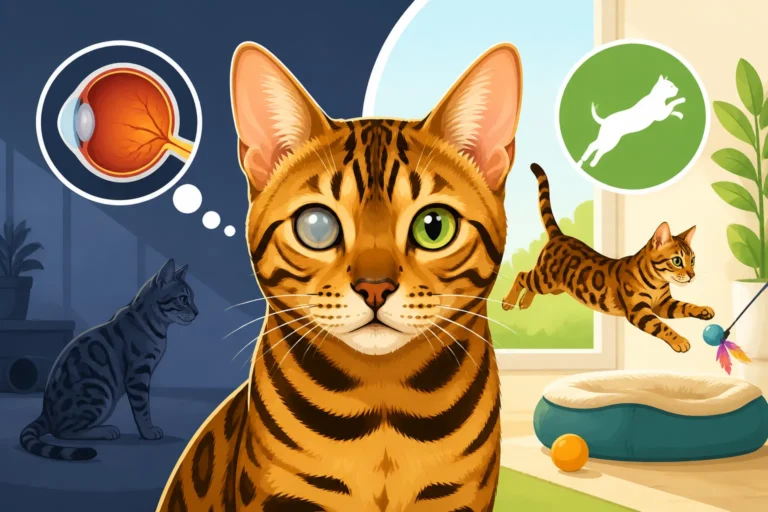
- Ocular Changes: Inflammation in the eyes can cause changes in eye color, cloudiness, or even blindness.
- Neurological Signs: If the brain or spinal cord are affected, you might see wobbliness (ataxia), seizures, behavioral changes, or paralysis.
- Kidney or Liver Disease: Organ damage can lead to symptoms like increased thirst and urination (kidneys) or jaundice (liver).
- Lymph Node Enlargement: Swollen lymph nodes can be present, sometimes mistaken for other infections or cancers.
- General Unwellness: Just like wet FIP, these cats will also suffer from a persistent fever, lethargy, poor appetite, and weight loss.
Because the symptoms are so varied, particularly with dry FIP, it’s understandable why owners often struggle to recognize it early on. These symptoms can be similar to many other feline illnesses, which makes pinpointing the issue a real challenge. You might notice your Bengal cat kitten displaying Signs a Bengal Cat Kitten Has FIP, but those same signs could point to something else entirely.
The Diagnostic Puzzle: Why FIP Is So Hard to Pin Down
Given the non-specific nature of FIP symptoms, getting a definitive diagnosis has historically been a significant hurdle. There isn't one single "FIP test" that works like a simple blood test for, say, diabetes. Instead, veterinarians have had to rely on a combination of factors:
- Clinical Signs: Observing the symptoms your cat is exhibiting.
- Bloodwork: General blood tests can show indicators like elevated white blood cell counts, anemia, or abnormal protein levels (specifically, a high globulin-to-albumin ratio), which are suggestive but not conclusive for FIP.
- Fluid Analysis: If there's fluid present (wet FIP), analyzing it can be highly indicative. FIP fluid is typically thick, sticky, and yellowish, with a high protein content.
- Biopsies: In cases of dry FIP, biopsies of affected organs (like lymph nodes or liver) can be taken and analyzed for characteristic inflammatory lesions, though this is invasive.
- FCoV Antibody/PCR Tests: These tests can detect the presence of FCoV, but they cannot differentiate between the harmless common FCoV and the mutated FIP-causing strain. A positive test merely means your cat has been exposed to FCoV, which, as we know, is incredibly common. A negative test makes FIP highly unlikely, but a positive test alone doesn't mean your cat has FIP.
The diagnostic process becomes a game of elimination and pattern recognition, which is frustratingly slow and emotionally taxing. Owners might spend weeks, or even months, trying to figure out what's wrong, ruling out conditions like lymphoma or other chronic inflammations. Sometimes, symptoms can even mimic issues like Signs a Bengal Cat Has Heart Disease, further complicating the diagnostic journey. Unlike simpler diagnostics, such as How a Vet Confirms PK Deficiency in a Bengal Cat through a DNA test or specific blood markers, FIP's diagnosis has historically been far more elusive and reliant on a comprehensive picture.
Proactive Steps for Bengal Cat FIP Prevention and Modern Treatment
While FIP has a fearsome reputation, the landscape of diagnosis and treatment has changed dramatically in recent years. There’s now a genuine sense of hope that wasn't present before, alongside practical steps owners can take to mitigate risk.
The Role of Responsible Breeding and Early Life Care
Responsible breeding plays a pivotal role in minimizing the risk of FCoV and, by extension, FIP. While no breeder can guarantee a cat will never get FIP, ethical breeders implement practices designed to reduce exposure and stress in their kittens.
- Minimizing FCoV Exposure: Good breeders often test their breeding cats for FCoV and manage their catteries to reduce the viral load. This might involve housing cats in smaller groups, rigorous cleaning protocols, and avoiding overcrowding. They aim to raise kittens in a clean, low-stress environment.
- Early Socialization and Enrichment: Properly socialized kittens are generally less stressed, which can positively impact their immune response. Providing ample enrichment, toys, and human interaction helps build resilient, confident kittens.
- Health Certifications and Transparency: Reputable breeders will be open about their health testing protocols, not just for FCoV but for other common Bengal health issues like PRA-b and PK Deficiency. They should be able to provide clear documentation, ideally meaning your Whether a Bengal Cat Kitten Comes With Test Certificates for these other conditions. While an FCoV test isn't a guarantee against FIP, understanding the breeder's approach to overall health and hygiene is crucial.
- Limiting Exposure in Early Weeks: Responsible breeders will limit outside visitors and ensure that kittens are only exposed to healthy, known adults, reducing the chance of bringing in new pathogens.
When you're looking for a Bengal kitten, don't be afraid to ask detailed questions about their cattery management, health screening, and what steps they take to promote a healthy start for their kittens. This due diligence can make a significant difference in your kitten's long-term health.
Creating a Low-Stress Home Environment
Once your Bengal cat comes home, your role in preventing FIP shifts to creating a stable, low-stress environment that supports their immune system. This is especially important during the first few months after rehoming, which can be a stressful transition.
- Consistent Routine: Cats thrive on routine. Regular feeding times, play sessions, and litter box cleaning can provide a sense of security.
- Enrichment and Mental Stimulation: Bengals are intelligent and active cats. Boredom can lead to stress. Provide plenty of toys, puzzle feeders, cat trees, and opportunities for interactive play. A dedicated Catio for a Bengal Cat can be an excellent way to provide safe outdoor stimulation without the risks of free-roaming.
- Safe Spaces: Ensure your Bengal has quiet, private spots to retreat to when they feel overwhelmed or just need a nap. This is particularly important if you have other pets or young children.
- Good Nutrition: A high-quality, balanced diet supports a strong immune system. Discuss your Bengal's dietary needs with your vet.
- Minimize Sudden Changes: Try to avoid abrupt changes to their environment, diet, or routine. If changes are necessary, introduce them gradually.
- Regular Veterinary Care: Keeping up with wellness exams and vaccinations ensures any health issues are caught early before they become major stressors.
Remember, a happy, secure cat is generally a healthier cat. By proactively managing their environment and meeting their unique needs, you contribute significantly to their overall well-being and resilience against potential health challenges.
The Revolutionary Shift in FIP Treatment
This is arguably the most hopeful news for Bengal cat owners, and indeed for all cat owners, in recent years. FIP is no longer necessarily a death sentence. Thanks to years of dedicated research, highly effective antiviral medications are now available. These treatments, primarily based on nucleoside analogs like GS-441524 or its prodrug remdesivir, have shown remarkable success rates, often curing cats of FIP.
The journey to widespread availability of these drugs has been complex, involving underground networks and compassionate use programs, but they are increasingly becoming accessible through legal veterinary channels in many regions. This means that if your Bengal cat is diagnosed with FIP, there is now a very real chance of recovery. The treatment involves a course of daily injections or oral medication, typically lasting 84 days, followed by an observation period. While the treatment can be intense and financially demanding – remember, What a Bengal Cat Costs Over Its Lifetime includes potential medical emergencies – the outcome is often incredibly positive.
When faced with unexpected veterinary bills, especially for something as complex as FIP treatment, having robust pet insurance can be a real lifeline. Companies like Healthy Paws offer comprehensive plans that can cover a significant portion of diagnostic and treatment costs, easing the financial burden during an already stressful time. It’s a huge relief to know that Whether FIP in a Bengal Cat Can Be Treated Now with such a high success rate, offering a future to cats who would have had none just a few years ago.
Here's a quick look at the symptoms:
| Symptom Category | Wet FIP (Effusive) | Dry FIP (Non-Effusive) |
|---|---|---|
| General | Lethargy, weight loss, decreased appetite, fever | Lethargy, weight loss, decreased appetite, fever |
| Fluid Accumulation | Prominent abdominal distension, difficulty breathing (due to chest fluid) | No noticeable fluid buildup |
| Ocular Changes | Less common, but can occur | Uveitis (inflammation of the eye), retinal lesions, vision loss |
| Neurological Signs | Less common, but can occur | Ataxia (wobbliness), seizures, behavioral changes, paralysis |
| Organ-Specific | Liver or kidney dysfunction due to systemic inflammation | Granulomas (inflammatory lesions) in kidneys, liver, brain, lymph nodes, intestines |
| Jaundice | Can occur with liver involvement | Can occur with liver involvement |
Disclaimer
This article is for informational purposes only and is not a substitute for professional veterinary advice. Always consult with a qualified veterinarian for any health concerns or before making any decisions about your Bengal cat's care.