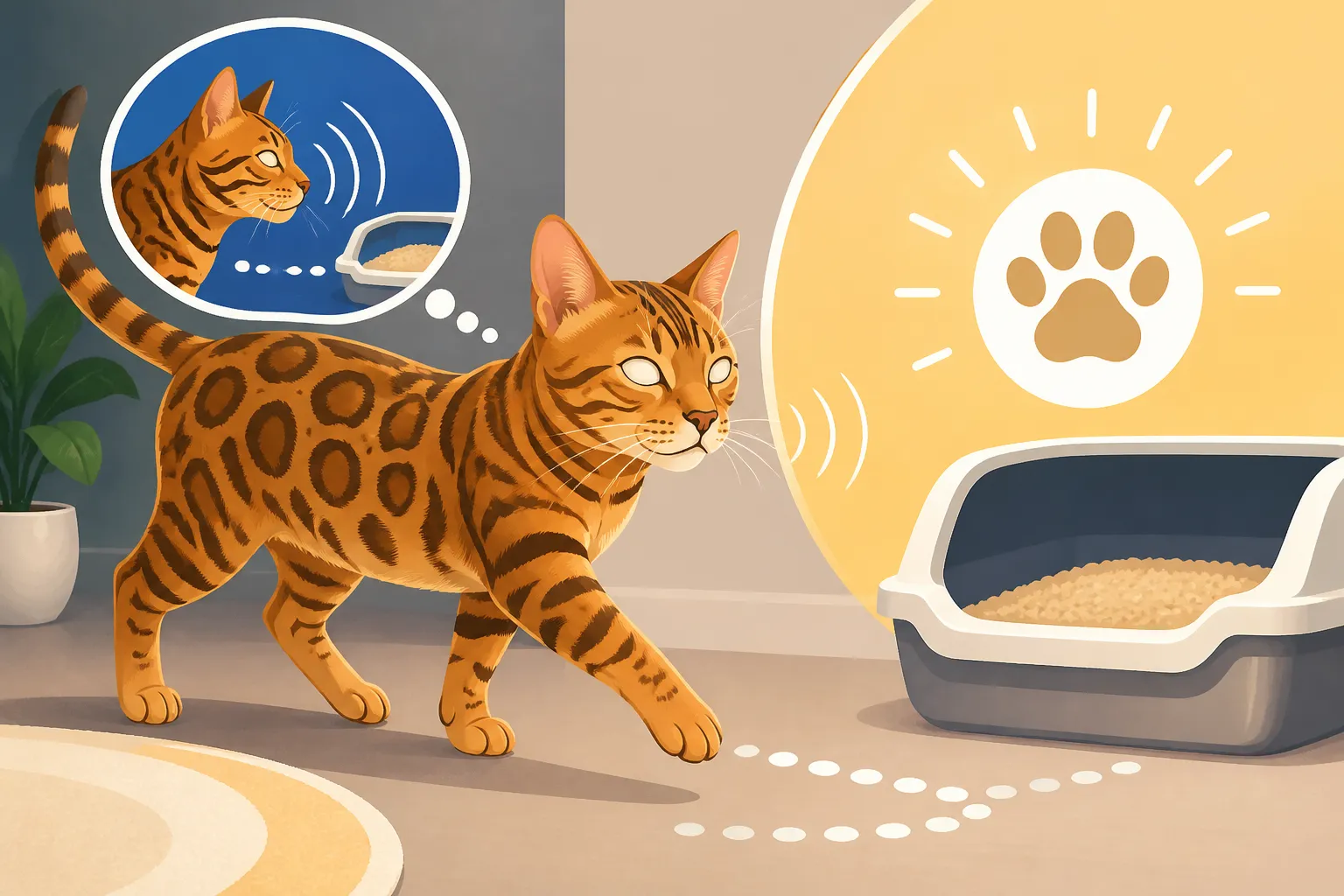
How a Blind Bengal Cat Finds the Litter Box
Watching your vibrant, agile Bengal cat navigate the world with less confidence because their vision is failing can be utterly heartbreaking. One of the most immediate and gut-wrenching worries for any owner is how a blind Bengal cat will manage fundamental tasks, like finding their litter box. It’s a terrifying thought to imagine your beloved companion feeling lost or distressed in their own home. This comprehensive guide is here to walk you through practical, empathetic strategies to ensure your blind Bengal can confidently locate and use their litter box, maintaining their dignity and your peace of mind.
The World Through Different Senses: Understanding Blindness in Your Bengal
When a Bengal cat loses its sight, whether gradually or suddenly, it’s a profound change not just for them, but for their human family too. The concern for their basic needs, particularly something as routine as the litter box, is completely valid. It's natural to feel overwhelmed, but understanding how vision loss impacts them and, crucially, how incredibly adaptable they are, is the first step.
How Vision Loss Manifests in Bengal Cats
Vision loss in Bengal cats can stem from various causes, but one of the most well-known genetic predispositions for the breed is Progressive Retinal Atrophy (PRA-b). This inherited condition specifically affects the photoreceptor cells in the retina, leading to a gradual decline in vision. Initially, you might notice subtle changes, like your Bengal being more hesitant in dimly lit rooms or bumping into furniture at night. As the condition progresses, their daylight vision also deteriorates, eventually leading to complete blindness. We have a detailed article on PRA-b Blinds a Bengal Cat by Two and There Is a DNA Test that can offer more insight into this specific challenge.
However, PRA-b isn't the only cause. Older Bengal cats can develop cataracts, glaucoma, or other degenerative conditions that lead to sight loss. A sudden injury or an underlying systemic disease can also cause acute blindness. Regardless of the cause, the impact on their perception of space and movement is significant. They lose their primary sense for navigation, depth perception, and identifying obstacles, which can make a once-familiar environment feel like a confusing labyrinth. The frustration you might feel watching them stumble or seem disoriented is shared by many owners.
The Incredible Adaptability of Feline Senses
The good news, and something truly remarkable about cats, is their incredible ability to adapt. While vision is a primary sense, cats possess an arsenal of other highly developed senses that they rely on heavily, even when sighted. When their vision fades, these other senses step up to compensate in extraordinary ways. Their hearing becomes more acute, allowing them to pinpoint sounds, gauge distances, and track movement with surprising accuracy. You might find your blind Bengal responding more intensely to the crinkle of a treat bag or the sound of your footsteps.
Their sense of smell is also incredibly powerful. They use scent markers to identify their territory, communicate with other cats, and, crucially for our discussion, locate specific areas like their food bowls and, yes, their litter boxes. These familiar scents become vital beacons in their suddenly dark world. Their whiskers, or vibrissae, are sophisticated sensory tools, acting like radar to detect nearby objects, measure narrow spaces, and navigate their immediate surroundings. These sensory superpowers mean that a blind Bengal cat can often cope far better than you might initially imagine. They learn to map their environment through sound, smell, and touch, creating a mental blueprint of their home. For more on this, check out our guide on How a Blind Bengal Cat Copes.
Crafting a Safe and Accessible Litter Zone
The key to helping your blind Bengal consistently find their litter box lies in creating an environment that caters to their enhanced, non-visual senses and removes any potential obstacles. This isn't just about placing a box; it's about thoughtful design and unwavering consistency.
Choosing the Ideal Litter Box for a Blind Cat
Forget the fancy, covered, or self-cleaning litter boxes if your Bengal has lost their sight. These can be confusing, intimidating, and difficult to access. The ideal litter box for a blind cat is:
- Open-Top: A simple, uncovered box provides easy access and no confusing lids or doors to navigate.
- Low-Entry: As their vision declines, climbing over high sides can become a challenge and even a source of anxiety. Opt for boxes with at least one low side, or even specialty "senior cat" boxes designed for easy entry.
- Large and Spacious: A bigger box gives them more room to turn around, dig, and find a comfortable spot without feeling cramped or bumping into sides, which can be disorienting. A generous size is always a good idea for any Bengal, given their active digging habits, but it becomes even more critical for a blind one.
It’s also wise to consider having more litter boxes than the typical "one per cat plus one" rule. For a blind cat, having multiple, easily accessible boxes scattered throughout their main living areas reduces the distance they need to travel and minimizes the chance of accidents. Think about their most frequented spots and ensure a box is within easy "sniffing" or "whisker-reach" distance.
| Feature | Ideal for Blind Bengal Cats | Avoid for Blind Bengal Cats |
|---|---|---|
| Type of Box | Open-top, simple design, clear sightlines (for you, if not them) | Covered, hooded, top-entry, self-cleaning |
| Entry Point | Low-sided, easy step-in, ramp access (if needed) | High sides, difficult climb-over |
| Size | Large and spacious for easy maneuvering | Small, cramped, tight turning radius |
| Litter Type | Familiar, unscented, soft texture | New/different scents, harsh textures, dusty |
| Number of Boxes | Multiple (more than usual), strategically placed | Just one or two, far apart |
Strategic Placement and Environmental Consistency
This is perhaps the most crucial element in ensuring your blind Bengal finds their litter box. Once you've chosen the right boxes, their placement must be:
- Consistent: This cannot be stressed enough. Once a box is placed, never move it. A blind cat relies entirely on their internal map, built from memory, scent, and touch. Moving a box even a few inches can completely throw them off and cause immense stress and confusion.
- Accessible and Unobstructed: Place boxes in quiet, easily accessible areas, away from high-traffic zones where they might be startled or bumped. Ensure there's a clear, unobstructed path to each box. This means no clutter, no shifting furniture, and certainly no surprise obstacles. Remember, your Bengal cat can be quite active, even when blind, so their pathways need to be clear. Our article on How to Rearrange a Home for a Blind Bengal Cat offers great tips for overall home navigation.
- Near High-Traffic Areas (for the cat): While the area around the box should be quiet, the box itself should be on a familiar route, not tucked away in a remote corner they rarely visit. If your Bengal spends most of their time in the living room and kitchen, ensure a box is readily available in or near those spaces.
Think about the routes your Bengal takes most often – from their favorite sleeping spot to their feeding station, or where they like to play. These are natural pathways where a litter box will be easily discovered through scent and memory.
Sensory Markers for Easy Navigation
Since your Bengal can no longer see the litter box, you need to engage their other senses to guide them. This requires a bit of creativity but is incredibly effective.
- Scent Trails: Cats have an amazing sense of smell. You can create subtle, non-toxic scent markers leading to the box. This doesn't mean spraying perfume! Instead, try placing a familiar blanket or a small, worn piece of your clothing near the box, creating a scent anchor. You could also gently rub a used litter scoop along the edge of the box (inside, of course) to refresh the "litter box scent" for them. Avoid strong, artificial air fresheners or scented litters near the box, as these can be overwhelming and confusing.
- Texture Changes: A distinct texture on the floor leading up to the litter box can act as a tactile cue. A small, non-slip mat with a unique texture (like a woven rug or a rubber mat) placed a foot or two in front of the box can signal to your Bengal that they are approaching a specific area. This sensory shift helps them mentally prepare for the transition and orient themselves. For example, if your home has smooth flooring, a shaggier mat before the box entrance can be a very effective "here it is" signal. This is especially helpful as The Age a Bengal Cat With PRA-b Goes Blind can mean they have had years to build up muscle memory in a sighted world, and now need new cues.
- Acoustic Cues: While less direct for the box itself, maintaining a quiet, predictable home environment helps. If the litter box is in a room with a window, the sound of leaves rustling outside or the distant hum of traffic can become part of their mental map of that specific location.
By strategically using these sensory inputs, you're building a multi-layered system of cues that reinforces the litter box's location, making it less of a guessing game and more of a predictable destination for your blind Bengal.
Guiding Your Bengal: Patience, Routine, and Positive Reinforcement
Getting your blind Bengal accustomed to their new litter box setup requires more than just environmental changes. It demands your patient guidance, a consistent routine, and plenty of positive reinforcement. This isn't about training a new kitten; it's about helping an intelligent, sensitive animal relearn a fundamental aspect of their daily life.
Gentle Reintroduction and Familiarization
Initially, you might need to physically guide your Bengal to the litter box several times a day, especially after waking up, after meals, and after active play sessions. Gently pick them up and place them in the litter box. Don't just set them down beside it; let them feel the litter under their paws. Allow them to sniff around, turn around, and get a full sensory impression of the box and its contents. Speak to them in a calm, reassuring voice throughout this process.
The goal here isn't to force them, but to gently re-familiarize them with the sensation and scent of the box. Repeat this regularly, associating the action with positive words and gentle praise. Avoid any harsh tones or punishment if they have an accident outside the box; this will only create anxiety and make them fear the litter box area. Remember, they aren't being spiteful; they are genuinely disoriented. Patience is paramount during this reintroduction phase.
Building a Predictable Routine
Cats are creatures of habit, and for a blind cat, routine becomes even more critical. A predictable schedule helps them build confidence and anticipate events, including when they might need to use the litter box.
- Consistent Feeding and Play Times: Stick to a regular feeding schedule. Many cats will need to use the litter box shortly after eating. Schedule their playtimes, especially vigorous sessions, to allow for a post-play bathroom break. Engaging in activities that connect to their other senses, like using wand toys that make noise or puzzle feeders that require sniffing, can still be part of their enrichment, as outlined in What a Bengal Cat Does All Day.
- Verbal Cues: Choose a consistent verbal cue, like "Litter box time!" or "Potty time!" when you guide them to the box or when they successfully use it. Over time, they may associate this phrase with the action. This can be combined with other forms of communication, much like teaching tricks or commands, as covered in How to Teach a Bengal Cat to Come.
- Positive Reinforcement: When your Bengal uses the litter box successfully, offer immediate, enthusiastic praise and a small, high-value treat. This positive association reinforces the desired behavior. The more positive experiences they have, the quicker they will build confidence and make the connection. Never scold them for mistakes; simply clean up quietly and gently redirect them to the appropriate area.
Consistency in your actions, your schedule, and your communication will build a strong foundation of trust and understanding, making the transition to using the litter box as a blind cat much smoother for both of you.
Overcoming Obstacles and Ensuring Long-Term Well-being
Even with the best setup and routine, challenges can arise. Living with a blind Bengal means a commitment to maintaining stability, addressing accidents with understanding, and providing ongoing veterinary support for their unique needs. It’s a journey that requires compassion and adaptability from your side.
Dealing with Accidents and Setbacks
It’s an almost certainty that your blind Bengal will have accidents outside the litter box at some point. It’s important to understand that these are not deliberate acts of defiance. They are signs of confusion, disorientation, or perhaps a temporary lapse in their internal map. Your reaction in these moments is critical:
- No Punishment: Never, ever punish a blind cat for an accident. Yelling, scolding, or rubbing their nose in it will only cause fear, stress, and break down the trust you've painstakingly built. This can lead to them hiding to relieve themselves, making the problem worse.
- Thorough Cleaning: Use an enzymatic cleaner specifically designed for pet odors. Cats are drawn to areas that smell like urine or feces, so if any scent remains, they might associate that spot with a bathroom. This is why a thorough clean is essential to break the cycle.
- Re-evaluate: Each accident is a signal. Is the litter box still in the right spot? Is it clean enough? Is there a new obstacle on the path? Have you moved furniture recently? Sometimes, adding an extra box in the area where the accident occurred can also help.
Think of accidents as valuable feedback, guiding you on how to better support your Bengal. It’s a process of continuous adjustment and understanding.
Maintaining Environmental Stability
For a blind cat, a stable, predictable environment is their safety net. Any change can be disorienting and stressful, potentially leading to anxiety and litter box issues.
- Avoid Rearranging Furniture: Once your blind Bengal has created their mental map of your home, resist the urge to move furniture, especially in their main pathways. If you must move something, do it gradually and keep familiar routes clear.
- Keep Pathways Clear: Regularly sweep and declutter floors. A dropped shoe, a misplaced laundry basket, or a child's toy can become a major tripping hazard or a confusing obstacle for a cat that cannot see it. Ensure their path to food, water, and litter boxes is always clear.
- Consistent Water and Food Stations: Just like the litter box, keep their food and water bowls in consistent locations. Use distinct-smelling food and water sources to help them locate these vital stations. You might also consider bowls that make a slight sound when touched, like ceramic or metal. General guidelines for managing an aging cat, which often includes vision issues, can be found in Caring for a Bengal Cat Past Ten.
Creating this stable, predictable world allows your Bengal to move with confidence and reduces the cognitive load of constantly having to re-map their surroundings, freeing up their energy for play and interaction.
The Importance of Ongoing Veterinary Care
Even with impeccable home care, ongoing veterinary support is crucial for your blind Bengal. Regular check-ups allow your vet to monitor any underlying conditions that might contribute to their blindness or other health issues. This is especially important for Bengals, who can be prone to certain health challenges.
Discuss any changes in their behavior, appetite, or litter box habits with your vet. They can rule out medical causes for accidents, such as urinary tract infections or digestive upset, which can happen to any cat, sighted or blind. They can also offer advice on pain management if your cat is stiff or uncomfortable, which could impact their willingness to enter a litter box.
Considering pet insurance, like Healthy Paws, can provide significant peace of mind when managing the long-term care of a blind cat. Conditions leading to blindness or any subsequent issues that arise can involve specialist visits and ongoing treatments. Having a plan like Healthy Paws in place can help cover unexpected veterinary bills, ensuring you can always provide the best possible care without financial stress. Understanding What a Bengal Cat Costs Over Its Lifetime often highlights the importance of budgeting for veterinary care, and insurance is a great tool for this. Ultimately, with your love and careful attention to their environment and routine, your blind Bengal cat can absolutely lead a full, happy, and confident life, easily finding their litter box and everything else they need. As our article Whether a Bengal Cat With PRA-b Lives a Normal Life discusses, adapting to vision loss is entirely possible for these resilient felines.
Disclaimer
This information is intended for educational purposes only and should not be a substitute for professional veterinary consultation. Always consult with a qualified veterinarian regarding your Bengal cat's health and treatment options.